Dive slate · divesites.com.au · printed 9 Nov 2026
Mushroom Reef Marine Sanctuary
Mornington Peninsula, Victoria · near Flinders
| Depth | 3–12 m |
|---|---|
| Minimum level | Open Water |
| Difficulty | Intermediate |
| Access | Shore |
| Entry | Short sandy track and stairs from the car park to the beach; beach entry beside the reef |
| Current | Moderate |
| Visibility | 5–12 m m |
| Water | summer 16–19 °C °C, winter 12–14 °C °C |
| Suit | 7 mm semi-dry with hood and gloves as a minimum; drysuit common year-round |
| Best season | Autumn and winter with northerly winds; summer mornings before the sea breeze for snorkelling |
| Bottom time | 45 min |
| Position | -38.48157, 145.01651 (GPS) |
| Permit | Mushroom Reef Marine Sanctuary – no fishing or collecting; dive flag required; clean gear before entry |
| Nearest chamber | The Alfred (Melbourne) |
| Emergency | 000 · DAN Asia-Pacific diving emergency 1800 088 200 |
Mushroom Reef Marine Sanctuary
Also known as Mushroom Reef, Flinders
A protected basalt reef where nothing is taken – crayfish and abalone in the open, seadragons in the seagrass and Victoria's best rock pools at low tide.
Near Flinders · Mornington Peninsula, Victoria
- Depth
- 3–12 m
- Minimum level
- Open Water
- Access
- Shore
- Boat ride
- —
- Water
- 16–19 °C
- Visibility
- 5–12 m
Mushroom Reef Marine Sanctuary3–12 m · Open Water · Shore
Dive factsDepths, conditions, location & safety
Season
Off-peak nowBest months: January, February, March, April, May, June, July, August, December.
Autumn and winter with northerly winds; summer mornings before the sea breeze for snorkelling
- Best months
- Now (November)
Dive facts
- Depth
- 3–12 m
- Typical depth
- 6 m
- Certification
- Open Water
- Difficulty
- Intermediate
- Depth tier
- Open Water (10–18 m)
- Access
- Shore
- Dive centre needed
- No – independently diveable
- Shore / independent
- Possible (experienced only)
- Current
- Moderate
- Visibility
- 5–12 m
- Water temp (summer)
- 16–19 °C
- Water temp (winter)
- 12–14 °C
- Water
- Cold Temperate
- Bottom time
- 45 min
- Dive traffic
- Moderate (occasional charters/club dives)
- Night dive
- No
- Snorkel friendly
- Yes
Exposure suit
7 mm semi-dry with hood and gloves as a minimum; drysuit common year-round
Location
Flinders / West Head
-38.48157, 145.01651
Published GPS position.
Open in Google MapsPrimary source: parks.vic.gov.auMarine park & permits
Mushroom Reef Marine Sanctuary – no fishing or collecting; dive flag required; clean gear before entry
Nearest recompression chamber
The Alfred (Melbourne)
Diving emergency: call 000, then DAN AP 1800 088 200.
Trip planner
Build a trip around Mushroom Reef Marine Sanctuary →
A day-by-day plan for Mornington Peninsula with this site locked in.
This guide is a planning aid. Conditions change daily — confirm with a local dive centre and dive within your training. Data & safety notes.
Dive profile
How this site rates
Scores are computed from the recorded data, not opinions. How?
At a glance
Mushroom Reef Marine Sanctuary is a shore / rock platform shore dive for experienced divers in Mornington Peninsula, VIC, 3–12 m, suited to Open Water divers, moderate current.
Rated intermediate because of surge on the entry or in the shallows, cold water.
Why dive here
- A protected basalt reef where nothing is taken – crayfish and abalone in the open, seadragons in the seagrass and Victoria's best rock pools at low tide.
- Snorkel-friendly, so non-diving companions can join at the surface.
Conditions to avoid
- Strong southerly or south-east swell and wind
- Afternoon north-easterlies
- Any time other than slack water
About Mushroom Reef Marine Sanctuary
Mushroom Reef is the most striking piece of reef geology on the Mornington Peninsula: a flat, mushroom-shaped platform of ancient basalt exposed at low tide at Flinders Ocean Beach, with a 'stalk' of cobbles running out from the sand and interconnected bays and pools across its cap. Parks Victoria protects it and the surrounding waters – about 65 per cent of the sanctuary is subtidal – as the Mushroom Reef Marine Sanctuary, and it is a no-take area where fishing, collecting and feeding animals are all prohibited and divers must fly a flag and clean their gear. For snorkellers the platform at low tide is one of Victoria's best rock-pool sites, full of anemones, crabs, elephant snails, black-and-white seastars, saddled wrasse and cowfish.
For divers the interest is the subtidal basalt reef around and beyond the mushroom in 3–12 m: dark volcanic rock cut into crevices and gutters, roofed with brown algae, kelp and seagrass in the shallows and lined beneath with sponges, gorgonian fans, colonial ascidians and cup corals in the deeper gullies. Leatherjackets, morwongs, wrasse and cowfish are abundant because nothing is taken here; weedy seadragons live in the seagrass and kelp margins; crayfish and abalone are visible in numbers unusual for a shore dive; and dolphins, fur seals and, in winter, passing whales are seen from the reef. The basalt gives it a different feel from the limestone back beaches – harder edges, more relief, less sand – and the sanctuary status makes it the best place on the peninsula to see what an unfished reef looks like.
Its exposure is real: it is an unpatrolled ocean beach with strong currents around West Head and surge on the reef, and it is only for scuba on calm days with northerly winds. Flinders Pier is a kilometre away for the second dive. Mushroom Reef suits Open Water divers with some ocean experience on good days, snorkellers at low tide, and anyone interested in marine ecology.
Getting there & entry
Mushroom-shaped basalt intertidal and subtidal reef at Flinders Ocean Beach on the south-west side of West Head, 1.1 km south-west of Flinders Pier, protected as an 80 ha marine sanctuary.
From Flinders village take Golf Links Road (off Cook Street / Wood Street toward West Head) past the golf course to the car parks along Golf Links Road above the sanctuary, or the Flinders Ocean Beach car park about 300 m to the west; there is wheelchair access to the car park and viewing platform. A short sandy track and stairs lead down to the beach, a carry of 100–200 m. Enter from the sand beside the reef at mid to high tide (at low tide the mushroom is exposed and the subtidal reef is a long wade) and swim out over the reef edge.
Exit onto the beach; the toilet at Flinders Ocean Beach is permanently closed.
Entry: Short sandy track and stairs from the car park to the beach; beach entry beside the reef
Facilities: Car parks on Golf Links Road and at Flinders Ocean Beach with wheelchair-accessible viewing platform; no toilets (Flinders Ocean Beach toilet permanently closed – use Flinders village); café and store in Flinders; air fills at The Scuba Doctor (Rye) or Bayplay (Portsea).
Weather, swell & tides
Mushroom Reef faces south-west into Bass Strait and needs offshore north-easterly to north-westerly winds and minimal swell; south-easterly to south-westerly winds and any rough weather make it undiveable, with surge over the reef even on calm-looking days. Strong currents run around West Head and across the reef on the tide, so dive around slack water and stay inside the reef. For snorkelling the sanctuary recommends two hours either side of low tide over the intertidal platform; for scuba, mid to high tide gives access to the subtidal reef.
It is an unpatrolled ocean beach.
Best season: Autumn and winter with northerly winds; summer mornings before the sea breeze for snorkelling
If it's blown out
Sheltered or shore sites within 25 km that often work when Mushroom Reef Marine Sanctuary doesn't.
- Flinders Pier · 1 km · Max 6 m
- Rye Pier · 21 km · Max 7 m
- Dromana Pier · 17 km · Max 5 m
- Flinders Ocean Beach (Flinders Back Beach) · 0 km · Max 8 m
How the dive is usually run
Enter beside the reef near high tide, swim out along the edge of the mushroom to the subtidal basalt reef in 4–6 m, and work around the head of the reef through the crevices and kelp to a maximum of 10–12 m on the seaward side, keeping the reef on one shoulder. Turn at half gas or when current is felt, return inside the reef and exit onto the beach.
Marine life
- Weedy seadragon →
- southern rock lobster
- blacklip abalone
- leatherjackets
- dusky and magpie morwong
- saddled and bluethroat wrasse
- Shaw's cowfish
- black-and-white seastar
- elephant snail
- anemones
- sea urchins
- sponges
- gorgonian fans
- ascidians
- cup corals
- dolphins
- Australian fur seal →
- humpback and killer whales (occasional) →
Linked species have their own page listing every site where they are recorded. All marine life →
Training required
Within the 18 m limit of an entry-level certification.
Courses that help here
- Drysuit Diver – Cold water; locals dive dry for much of the year.
Depth tiers: 0–10 m easy · to 18 m Open Water · 18–30 m Advanced (25 m+ is a deep dive) · 30–40 m Deep specialty · 40 m+ technical. All courses
Hazards & warnings
Strong currents around West Head and surge even on calm days; unpatrolled ocean beach; slippery basalt; sanctuary rules – no take, dive flag required, clean gear; blue-ringed octopus in rock pools – never put hands where you cannot see; no toilets.
Dive centres that go here
Bayplay and The Scuba Doctor run occasional guided snorkels and dives on calm days; Parks Victoria and Marine Care groups run snorkel events; otherwise independent divers and snorkellers.
Operators recorded for Mushroom Reef Marine Sanctuary
The Scuba Doctor
ProfiledRye · Melbourne & Port Phillip Bay · VIC
A Victorian equipment and service business with an extensive retail presence, located to serve both Melbourne and Mornington Peninsula divers.
scubadoctor.com.au · (03) 5985 3322
Diveline Scuba Centre
ListedFrankston · Melbourne & Port Phillip Bay · VIC
A Victorian business associated with technical training and gas support alongside recreational courses.
diveline.com.au · (03) 9783 7166
Aquability
ListedMordialloc · Melbourne & Port Phillip Bay · VIC
A Victorian operation associated with technical diving training. Exact agency, course levels and gas support require verification.
aquability.com.au · (03) 9587 1811
Scubabo Dive Victoria (Dive Victoria Group)
Named by sitesQueenscliff · Port Phillip Heads · VIC
Rebranded as Scubabo Dive Victoria, Queenscliff; dive.scubabo.com is live for 2026 with active charter bookings.
dive.scubabo.com · (03) 5258 1188
Bayplay
Named by sitesPortsea · Port Phillip Heads · VIC
PADI dive resort and adventure tours.
bayplay.com.au · (03) 5984 0888
Red Boats
Reported closedPortsea · Port Phillip Heads · VIC
TripAdvisor marks RedBoats Portsea as permanently closed (last review November 2021) and the domain is now an unrelated boating blog.
Other dive centres in Mornington Peninsula
Bay City Scuba
ListedEast Geelong · Melbourne & Port Phillip Bay · VIC
A Victorian business associated with recreational and technical training alongside equipment and gas services.
baycityscuba.com · (03) 5248 1488
Scuba Culture
ListedBurwood · Melbourne & Port Phillip Bay · VIC
A Melbourne business providing training and equipment support for local divers.
scubaculture.com.au · (03) 9808 0033
Ocean Divers
ListedBentleigh East · Melbourne & Port Phillip Bay · VIC
A Victorian operation associated with recreational and technical training and access to Port Phillip diving.
oceandivers.com.au · (03) 9579 2600
Academy of Scuba
ListedRye · Melbourne & Port Phillip Bay · VIC
A Melbourne training business offering recreational courses with technical pathways.
academyofscuba.com.au · (03) 9889 9952
ADRENO Melbourne
ListedCheltenham · Melbourne & Port Phillip Bay · VIC
An equipment retailer with a spearfishing and freediving emphasis. Primarily retail rather than a training centre.
adreno.com.au/pages/contact-us-melbourne · (03) 9584 7228
All About Scuba
ListedCampbellfield · Melbourne & Port Phillip Bay · VIC
A Victorian training operation listed among those associated with technical diving. Capability requires verification.
allaboutscuba.com.au · (03) 9939 4913
Map
7 pinned sites. Pins marked approximate on their pages show the general area only; not for navigation.
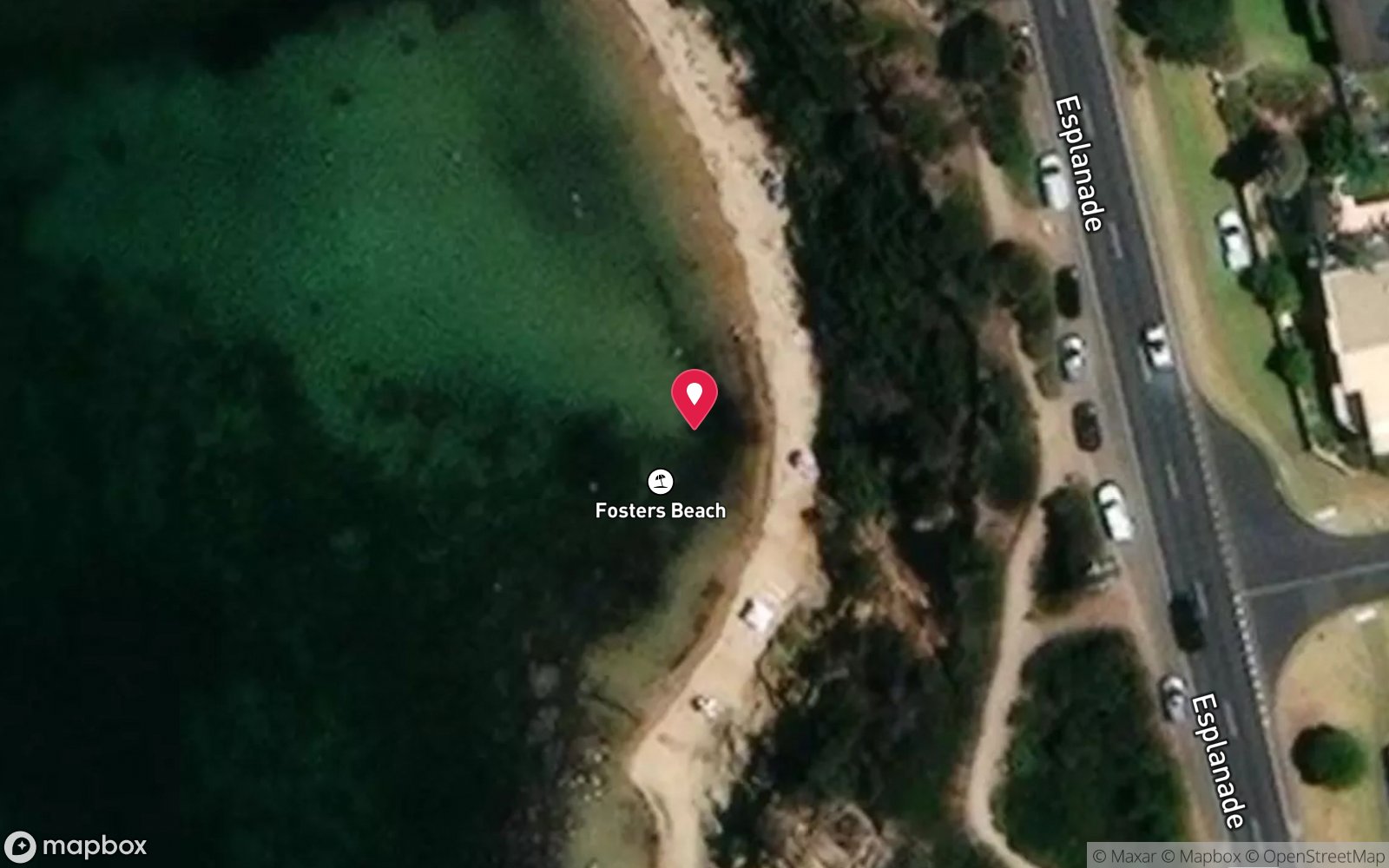
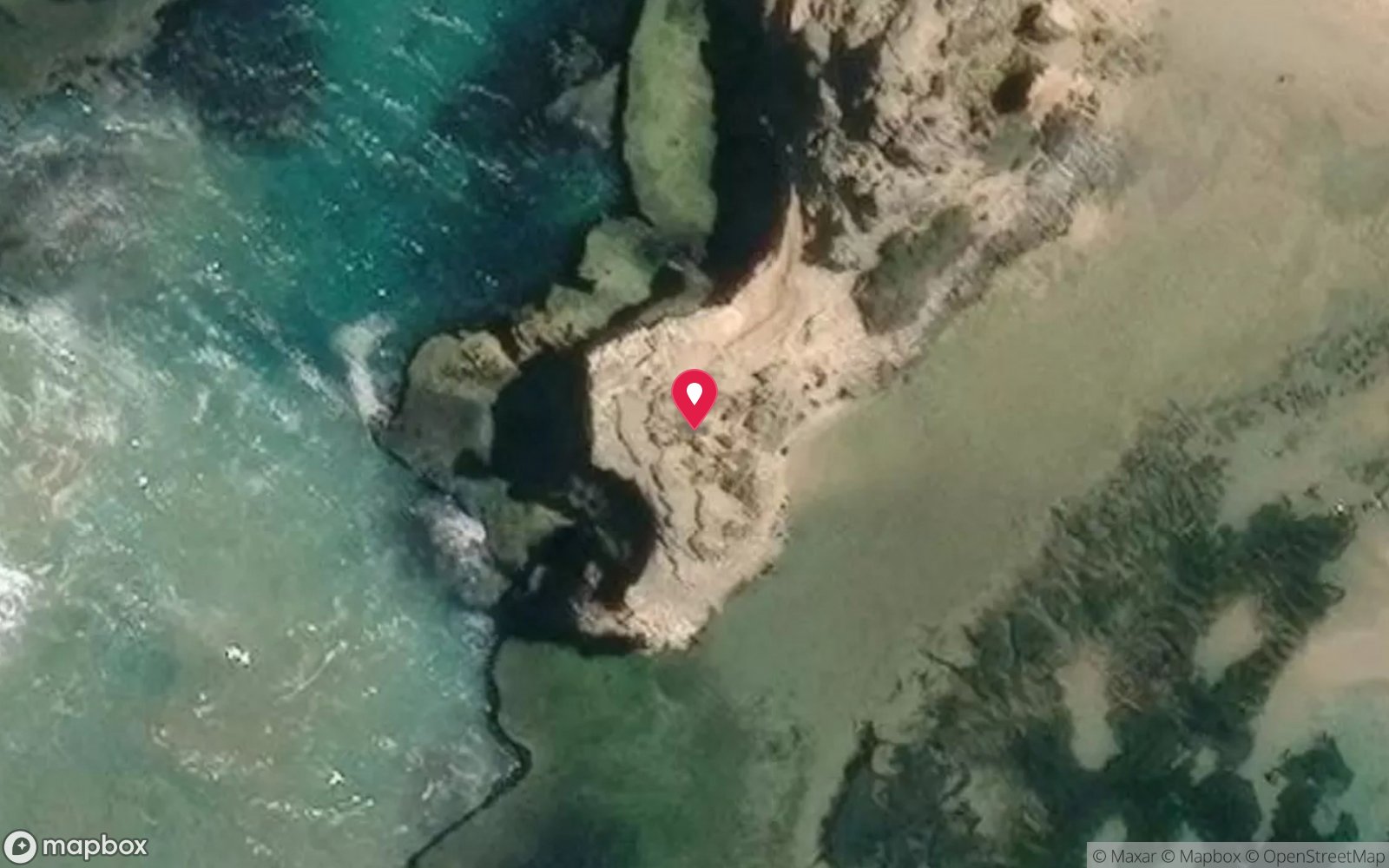
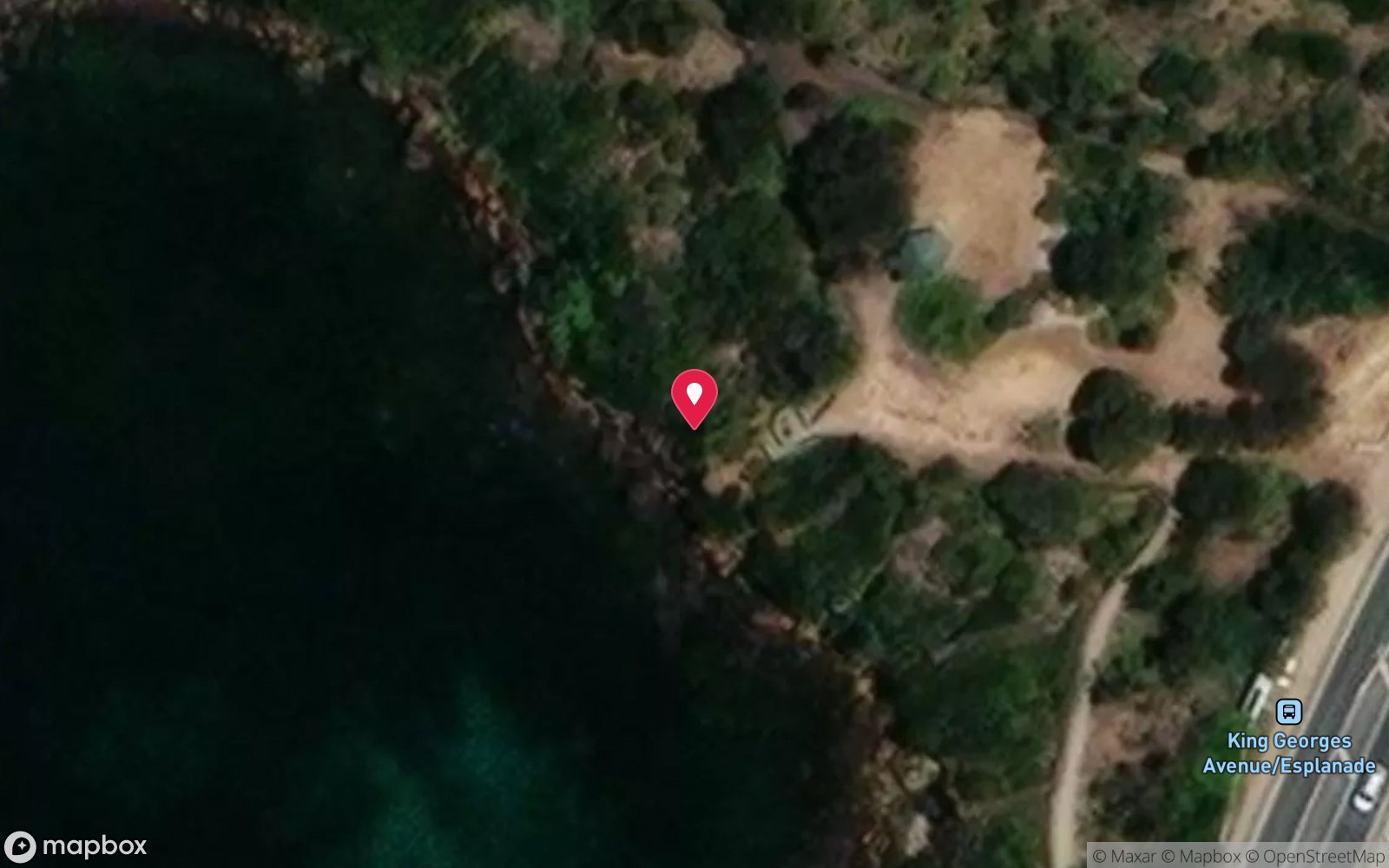
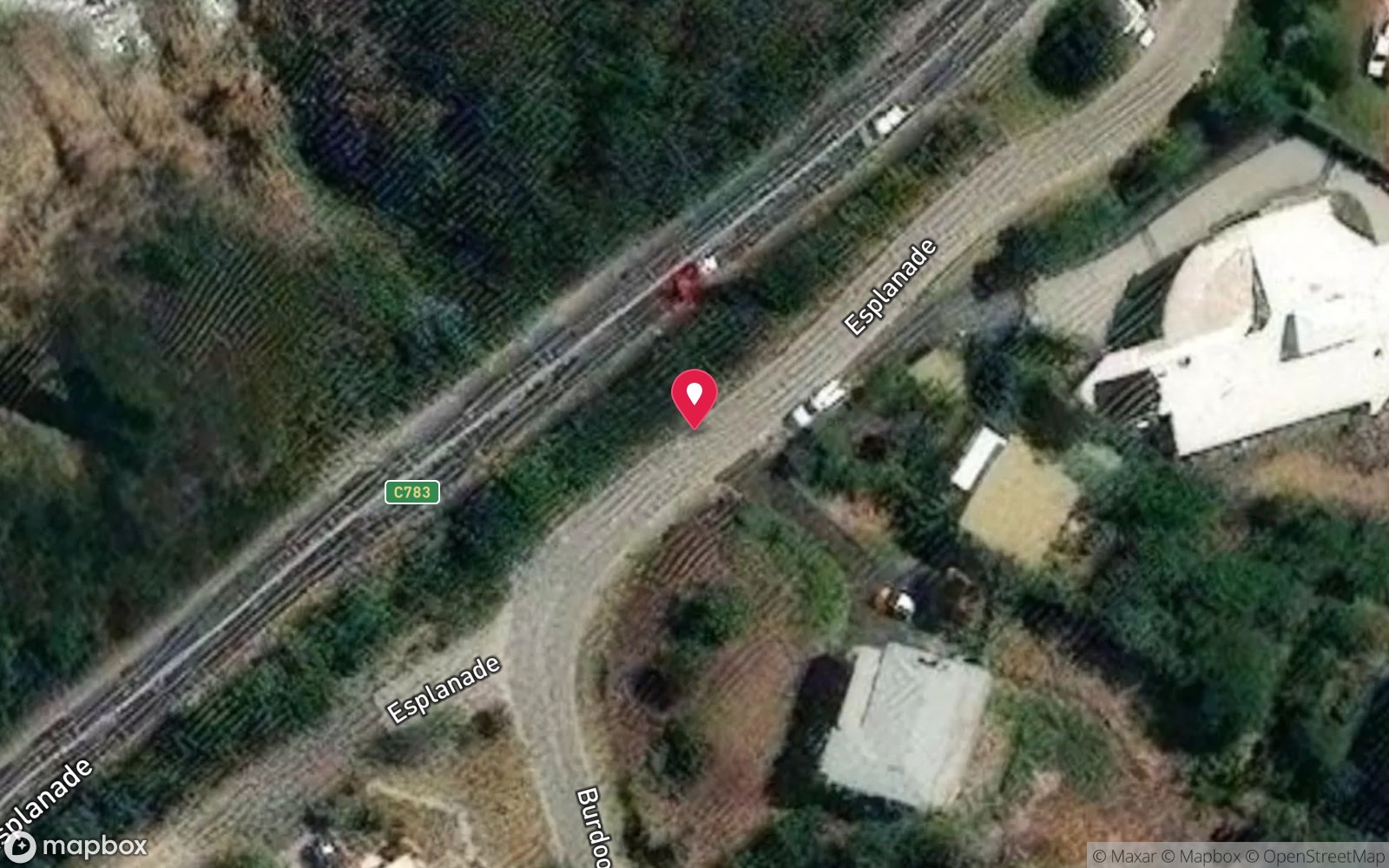
Satellite views
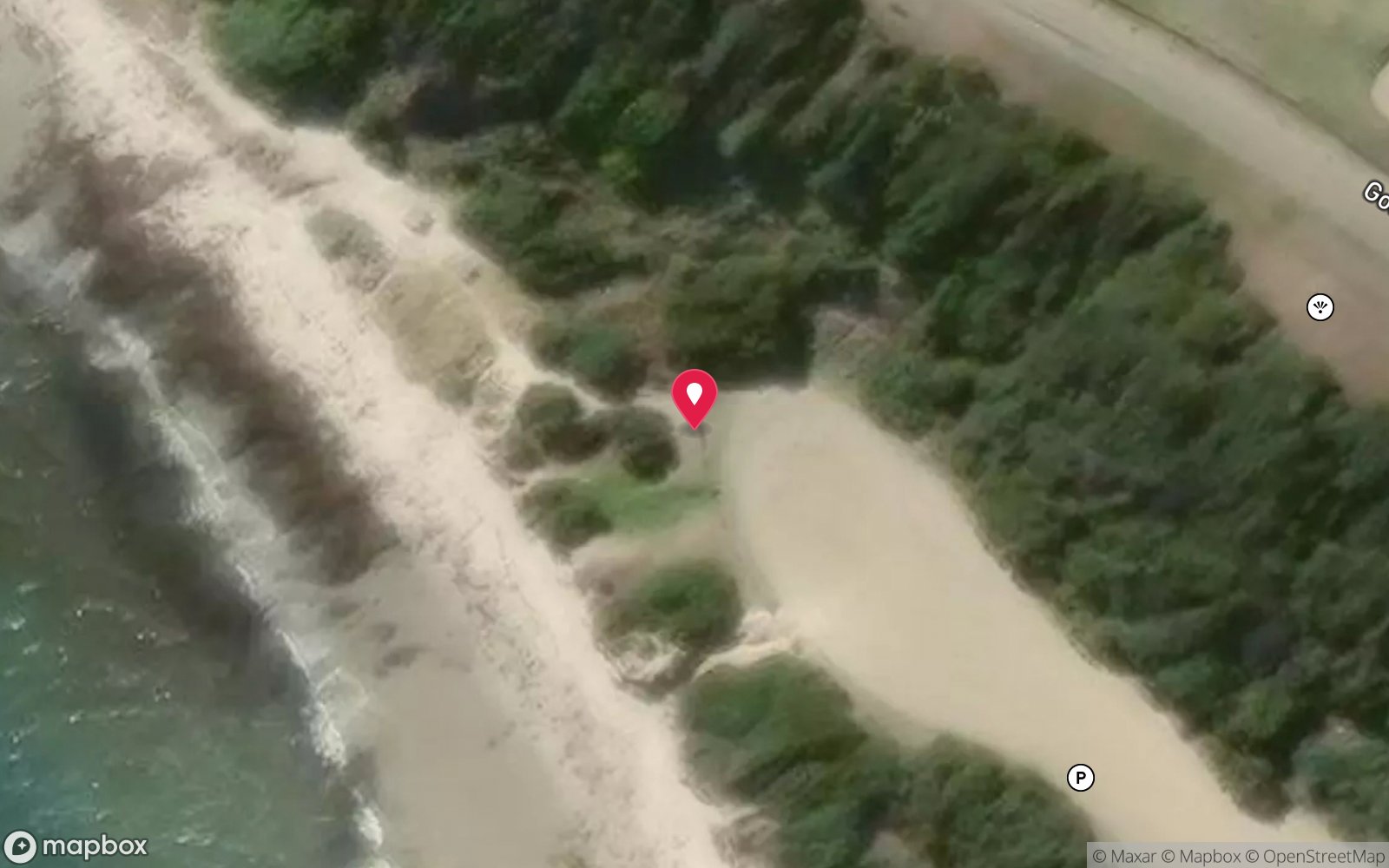
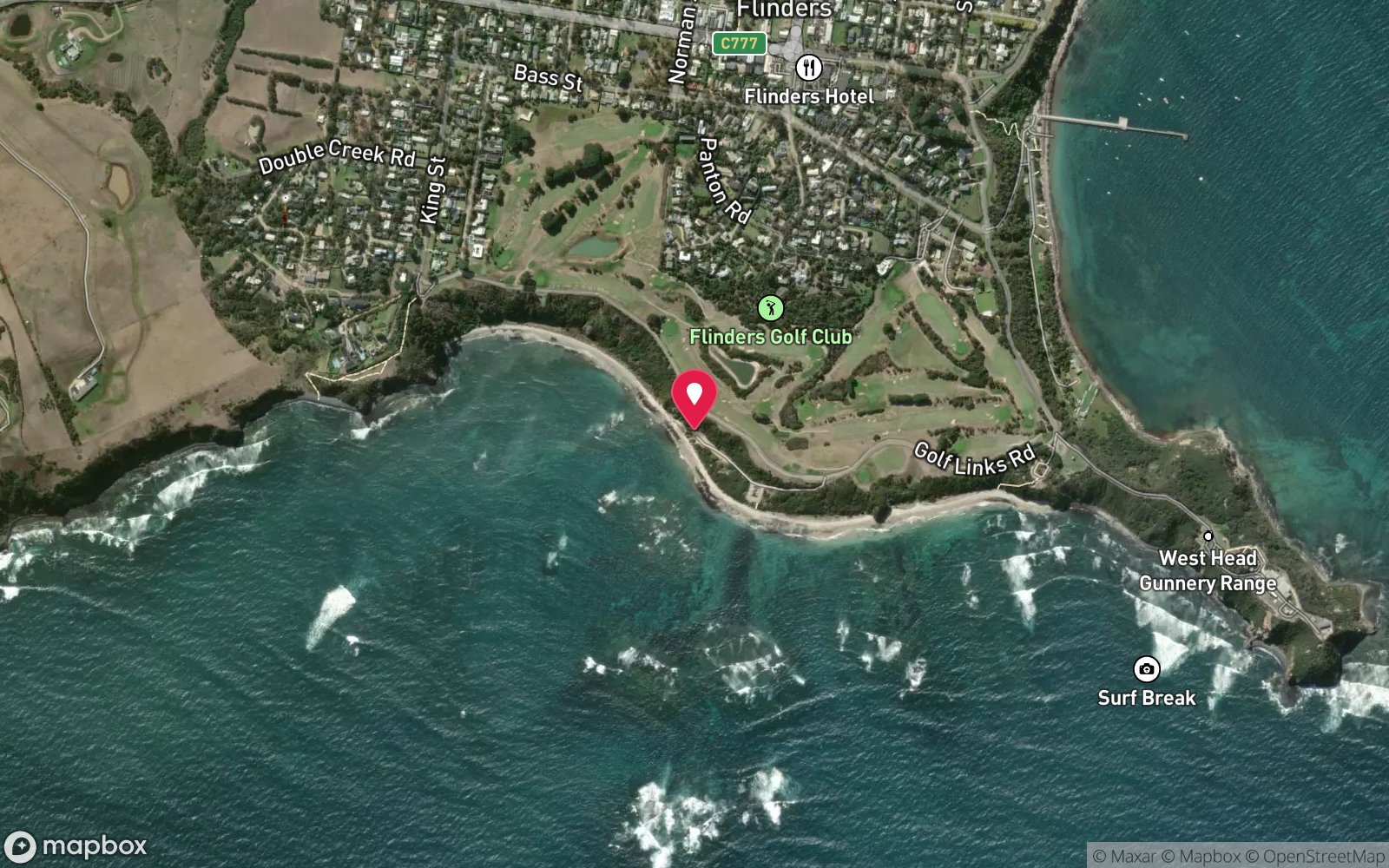
Mushroom Reef Marine Sanctuary: frequently asked questions
How deep is Mushroom Reef Marine Sanctuary?
Mushroom Reef Marine Sanctuary reaches a maximum depth of 12 m, with the shallowest part at about 3 m; most of the dive is spent around 6 m.
What certification do I need to dive Mushroom Reef Marine Sanctuary?
Open Water is the recommended minimum. Rated intermediate because of surge on the entry or in the shallows, cold water.
Can I shore dive Mushroom Reef Marine Sanctuary?
Experienced divers do dive Mushroom Reef Marine Sanctuary from the shore, but the entry or conditions make it unsuitable for newer divers without local guidance. Entry: Short sandy track and stairs from the car park to the beach; beach entry beside the reef.
When is the best time to dive Mushroom Reef Marine Sanctuary?
Autumn and winter with northerly winds; summer mornings before the sea breeze for snorkelling.
What marine life will I see at Mushroom Reef Marine Sanctuary?
Regularly recorded: Weedy seadragon, southern rock lobster, blacklip abalone, leatherjackets, dusky and magpie morwong, saddled and bluethroat wrasse, Shaw's cowfish, black-and-white seastar, elephant snail, anemones, sea urchins, sponges and more.
What wetsuit do I need at Mushroom Reef Marine Sanctuary?
7 mm semi-dry with hood and gloves as a minimum; drysuit common year-round.
How cold is the water at Mushroom Reef Marine Sanctuary?
Typically 16–19 °C in summer and 12–14 °C in winter.
What are the main hazards at Mushroom Reef Marine Sanctuary?
Strong currents around West Head and surge even on calm days; unpatrolled ocean beach; slippery basalt; sanctuary rules – no take, dive flag required, clean gear; blue-ringed octopus in rock pools – never put hands where you cannot see; no toilets. See the hazards section above for the full list.
Where is the nearest recompression chamber to Mushroom Reef Marine Sanctuary?
The Alfred (Melbourne). In an emergency call 000, then DAN Asia-Pacific on 1800 088 200.
Diving in Mornington Peninsula
The Mornington Peninsula's piers are among the best macro dives in the world. Blairgowrie, Rye, Portsea and Flinders piers have weedy seadragons, giant cuttlefish, spider crab aggregations in May and June, pyjama squid, frogfish and seahorses in 4–8 m of water, and are dived by night as much as by day. The back beaches (Sorrento, Portsea, Cape Schanck) have caves, ledges and bull rays on the rare flat days.
Getting there: Ninety minutes from Melbourne. All the piers are walk-in shore dives with parking; the back beaches need swell under 1 m.
All Mornington Peninsula dive sites and a suggested itinerary →
Sources
- parks.vic.gov.au/places-to-see/parks/mushroom-reef-marine-sanctuary
- scubadoctor.com.au/divesite.htm?site=Mushroom-Reef
- scubadoctor.com.au/melbourne-snorkelling.htm
Data confidence: High. Last updated September 2026. Know this site better? How to send a correction
Nearby dive sites
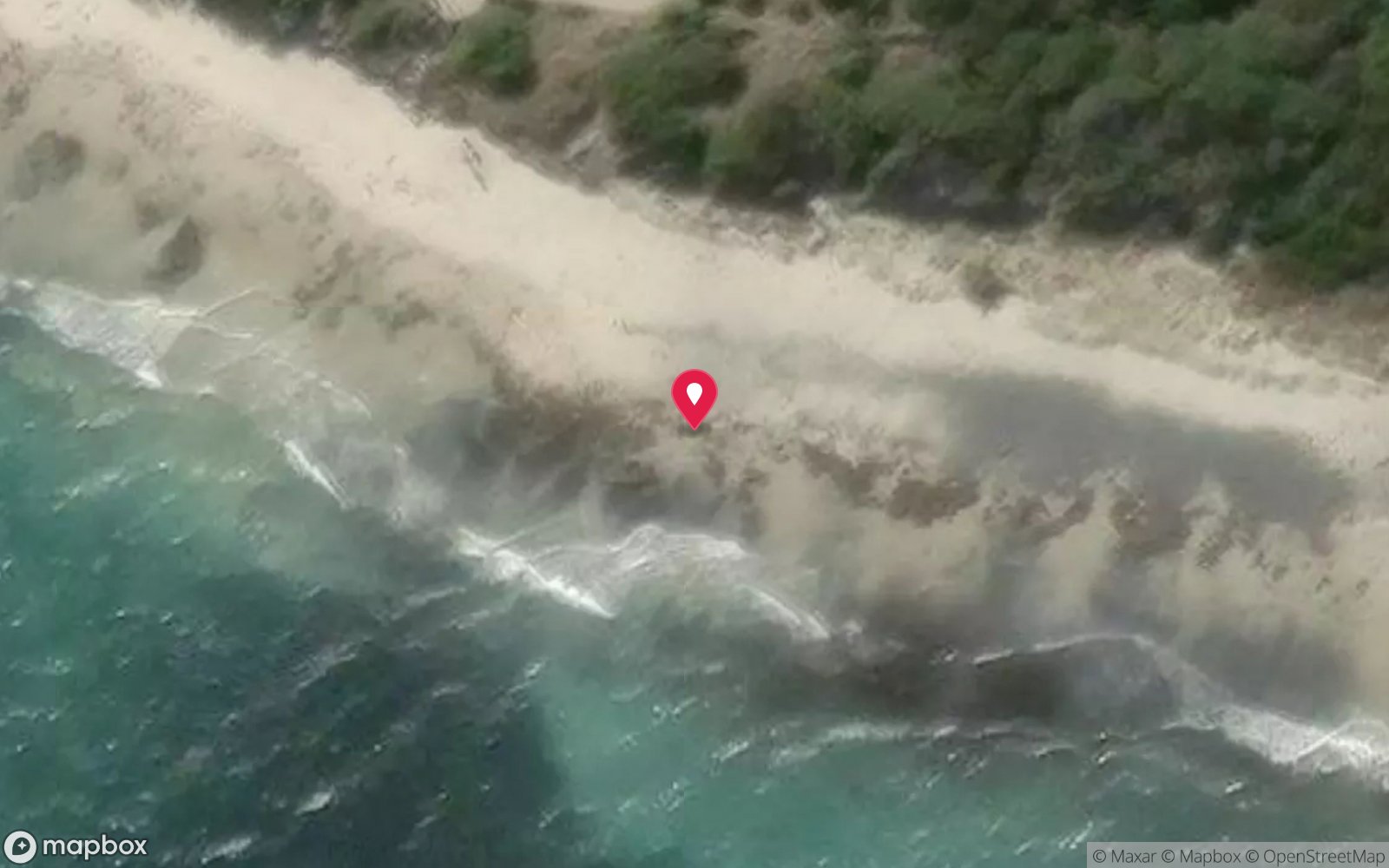
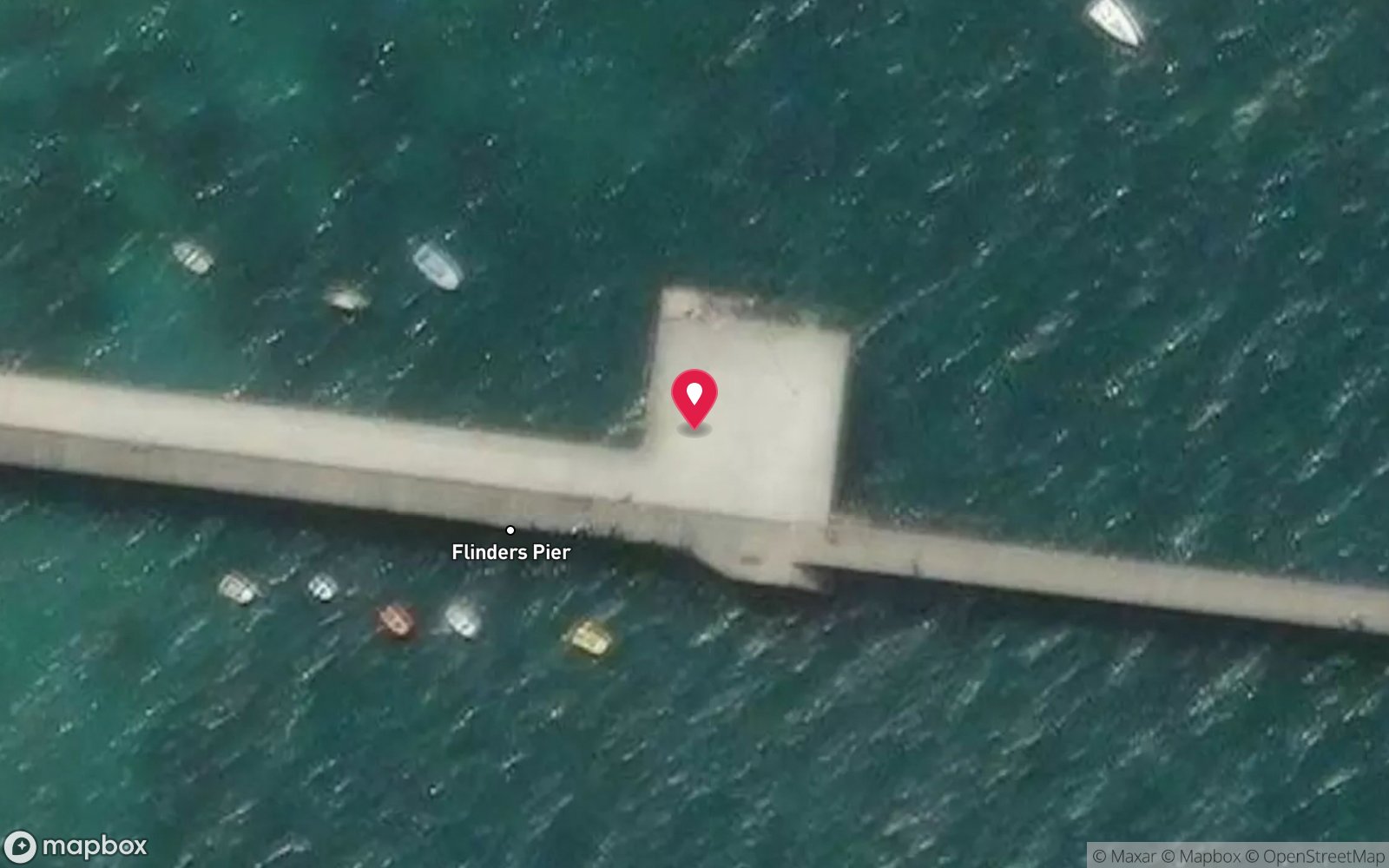
More shore/rock platform dives in Victoria
Explore more
This region
Similar dives
Marine life