Ranked by the upper end of the recorded visibility range: the Coral Sea, the Rowley Shoals, the offshore territories, the Mount Gambier sinkholes and, in winter, Tasmania's east coast.
Updated daily from the directory. 30 sites listed.
1. Mount Gambier Sinkholes & Caves · SA
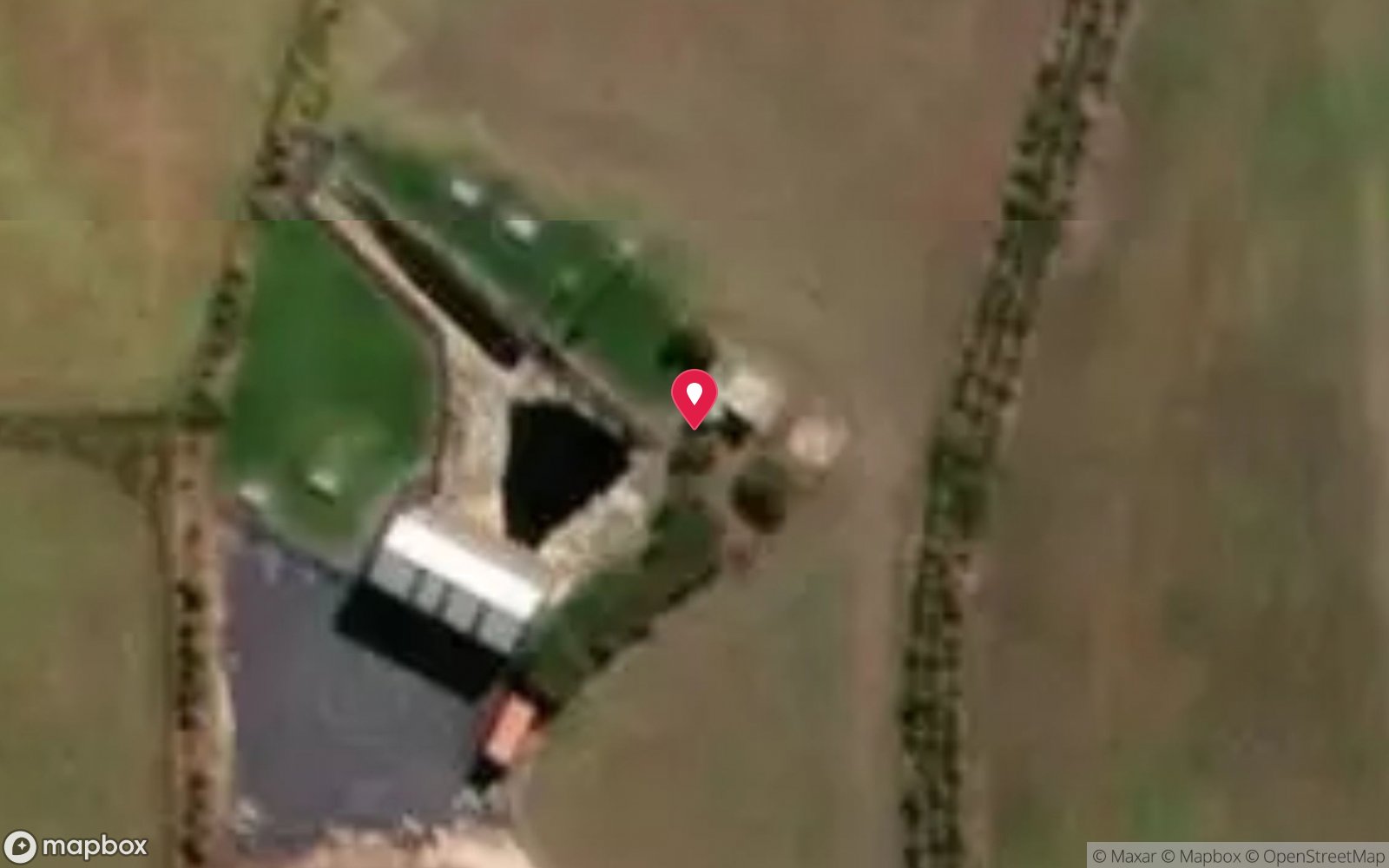
Kilsby Sinkhole
Visibility: 40-80 m · The open-access showpiece of the Mount Gambier sinkholes: 65 m deep, clear as air, recreational depth on the upper platforms.
Our takeFifty-plus metres of visibility in a private sinkhole on a sheep property near Mount Gambier, open to Open Water divers with an approved operator. At midday in summer a shaft of light falls 30 m to the rubble slope; there is nothing else like it in Australia at a recreational level.
Sinkhole/CenoteMax 65 mIntermediateTechnical (decompression)Shore accessMore in Mount Gambier Sinkholes & Caves →
2. Mount Gambier Sinkholes & Caves · SA
Ewens Ponds
Visibility: 30-80 m · Three spring-fed limestone ponds joined by a creek, with 60 m visibility and no permit needed.
Our takeThree spring-fed ponds joined by shallow channels, drifted one way in 10 m over meadows of aquatic plants. The water is so clear that divers report vertigo on the descent. Open Water, guided, and the best introduction to the Limestone Coast.
Freshwater Lake/RiverMax 10 mBeginnerOpen WaterShore accessMore in Mount Gambier Sinkholes & Caves →
3. Mount Gambier Sinkholes & Caves · SA
Piccaninnie Ponds
Visibility: 30-60 m · The approach to Australia's most famous sinkhole: weed meadows in near-perfect visibility leading to the lip of a 100 m+ chasm.
Our takeThe approach to the Chasm through weed meadows in near-perfect visibility, and the Cathedral chamber beside it. Permit-only, timed entries, and the most photographed freshwater dive in the country.
Sinkhole/CenoteMax 10 mIntermediateCave/Cavern certificationShore accessMore in Mount Gambier Sinkholes & Caves →
4. Mount Gambier Sinkholes & Caves · SA
Piccaninnie Ponds – The Cathedral
Visibility: 40-60 m · A white limestone chamber lit by daylight in near-perfect visibility – one of Australia's finest freshwater photography dives.
Cave/CavernMax 35 mAdvancedCave/Cavern certificationShore accessMore in Mount Gambier Sinkholes & Caves →
5. Mount Gambier Sinkholes & Caves · SA
Piccaninnie Ponds – The Chasm
Visibility: 40-60 m · Hanging over a 100 m+ spring-fed slot in 40 m-plus visibility – the signature Mount Gambier image.
Sinkhole/CenoteMax 110 mAdvancedCave/Cavern certificationShore accessMore in Mount Gambier Sinkholes & Caves →
6. Mount Gambier Sinkholes & Caves · SA
The Shaft
Visibility: 30-50 m · A 124 m deep sinkhole entered through a hole in a paddock. Advanced cave rating only.
Sinkhole/CenoteMax 124 mExpert/TechnicalCave/Cavern certificationShore accessMore in Mount Gambier Sinkholes & Caves →
7. Nullarbor Caves · WA
Cocklebiddy Cave
Visibility: 20-50 m · One of the longest underwater caves in the world under the Nullarbor. Expedition cave diving only.
Our takeOnce the longest known underwater cave in the world, more than 6 km of straight, gin-clear tunnel under the Nullarbor Plain. An expedition, not a dive; the first lake is visited by cave-rated divers, the far sumps by very few.
8. Nullarbor Caves · WA
Weebubbie Cave
Visibility: 20-50 m · A colossal flooded tunnel near Eucla with 150 m lakes, extreme clarity and deep Advanced Cave sections.
Our takeA flooded tunnel under the Nullarbor near Eucla with lakes 150 m long and clarity that makes distance impossible to judge. Advanced Cave rating beyond the entrance lakes; the drive alone is a day from Adelaide or Perth.
9. Port Douglas · QLD
The Point (Agincourt Reef 3)
Visibility: 20-45 m · Shelf-edge point with 30 m+ visibility, a stepped wall dropping into the abyss, and sharks and pelagics working the current.
Our takeThe Agincourt reefs sit on the continental shelf edge where the clearest oceanic water reaches the Great Barrier Reef. The Point is where the Port Douglas boats go for 30 m-plus visibility, a stepped wall and sharks working the current.
10. Lord Howe Island · NSW
Balls Pyramid – Ballina Rock
Visibility: 30-45 m · The best chance of the rare Ballina angelfish, in a boulder field at the foot of a surface-breaking bommie with Galapagos sharks in 40 m visibility.
11. Lord Howe Island · NSW
Balls Pyramid – Observatory Rock
Visibility: 30-45 m · Drift through 5–8 m rock stacks and caves packed with lobsters, with Galapagos sharks circling on the safety stop and a chance of the rare Ballina angelfish.
12. Lord Howe Island · NSW
Balls Pyramid – South East Rock
Visibility: 30-45 m · Easy-profile Balls Pyramid dive on a boulder and ledge shelf with lobster-filled overhangs and plate coral – long bottom times in 30 m+ visibility.
Our takeLord Howe's water is clear everywhere, and Balls Pyramid, 23 km further out in the Tasman, is clearer still. South East Rock is the gentlest of the Pyramid dives: a boulder shelf in 40 m visibility with lobsters in every overhang.
13. Lord Howe Island · NSW
Balls Pyramid – Sunken Rock
Visibility: 30-45 m · Deeper Balls Pyramid pinnacle with bommies, gutters and ledges from 12 to 36 m – pelagics, Galapagos sharks and Ballina angelfish.
14. Cocos (Keeling) Islands · External Territory
Cabbage Patch
Visibility: 20-40 m · A hillside of golden cabbage coral 6–20 m across, glowing in sunlight and swarming with thousands of anthias and chromis; garden eels and sleeping whitetips on the sand.
15. Cocos (Keeling) Islands · External Territory
Cannons
Visibility: 20-40 m · Old cannons among Porites corals on sand, with garden eels and gobies – and a chance of dugong, dolphins and mantas.
16. Cocos (Keeling) Islands · External Territory
Cologne Gardens
Visibility: 20-40 m · All-levels wall with a blooming coral reef top and big orange gorgonians deeper; snapper schools at full moon and bumphead parrotfish in summer.
17. Port Douglas · QLD
Coronation Corner (Agincourt Reef 3)
Visibility: 12-40 m · Clear-water southern corner of Agincourt 3 where sharks and barracuda work the current.
18. Cocos (Keeling) Islands · External Territory
Cossies Beach
Visibility: 20-40 m · Calm, shallow lagoon snorkelling off one of Australia's most celebrated beaches, right beside The Rip.
19. South West Rocks · NSW
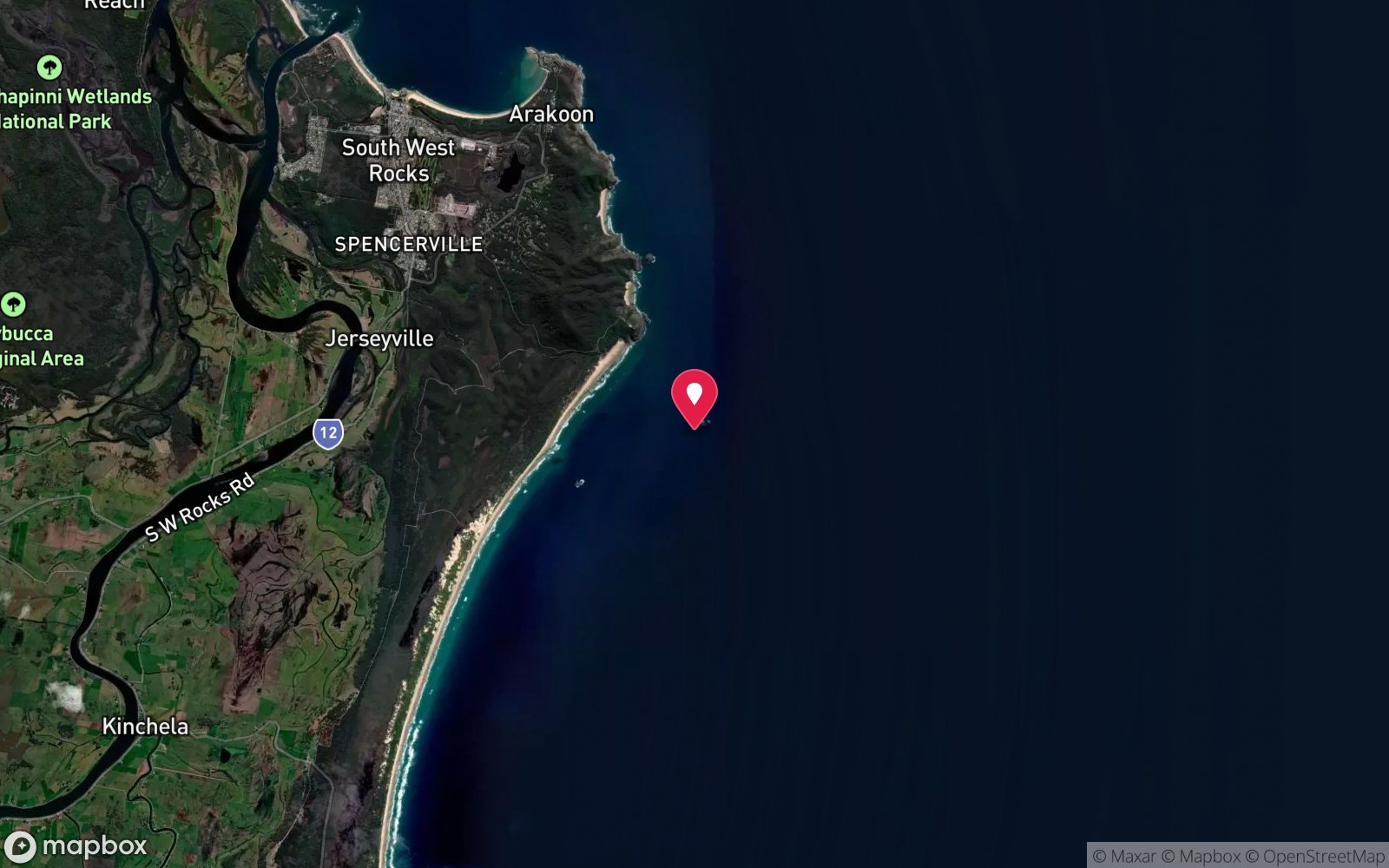
Fish Rock Cave
Visibility: 15-40 m · A 125 m swim-through under an island with grey nurse sharks stacked in the gutters at each end. Australia's best-known ocean cave dive.
20. Christmas Island · External Territory
Flying Fish Cove
Visibility: 25-40 m · Arguably Australia's best shore dive: a pristine coral slope and wall 50 m from the car park, endemic and hybrid reef fish, and whale sharks passing the drop-off in season.
21. Christmas Island · External Territory
The Sandpatch
Visibility: 25-40 m · A dense garden eel colony and easy shallow reef right off the beach; the island's go-to training and night dive.
22. Port Douglas · QLD
Wreck Site (Agincourt Reef 3)
Visibility: 12-40 m · Clear sandy lagoon with 12 m pinnacles and the coral-covered remains of a fishing boat in the shallows.
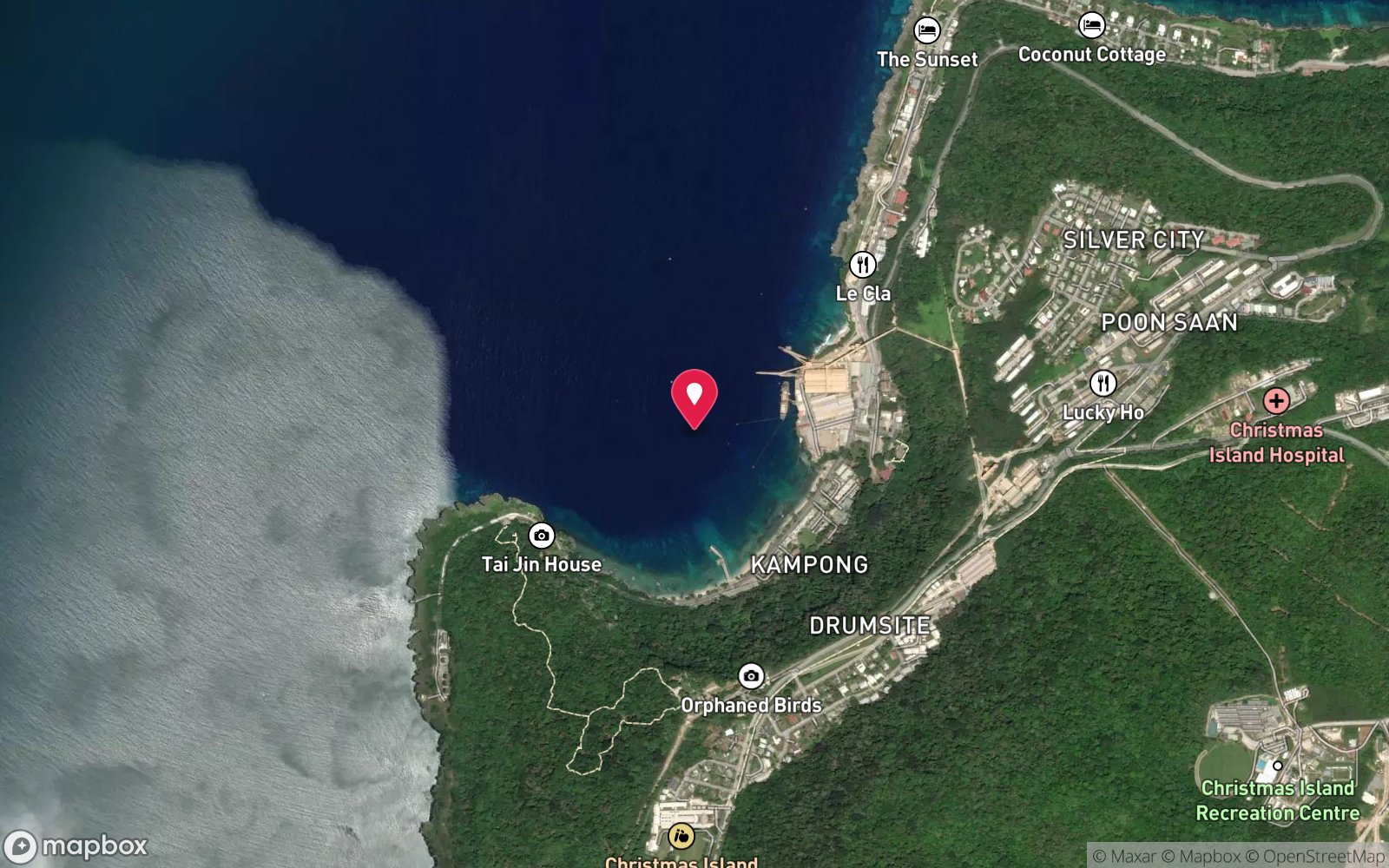
23. Christmas Island · External Territory
Admin Wall
Visibility: 25-40 m · A sheer, effectively bottomless wall reached from the beach, with trevally, reef sharks and seasonal whale sharks.
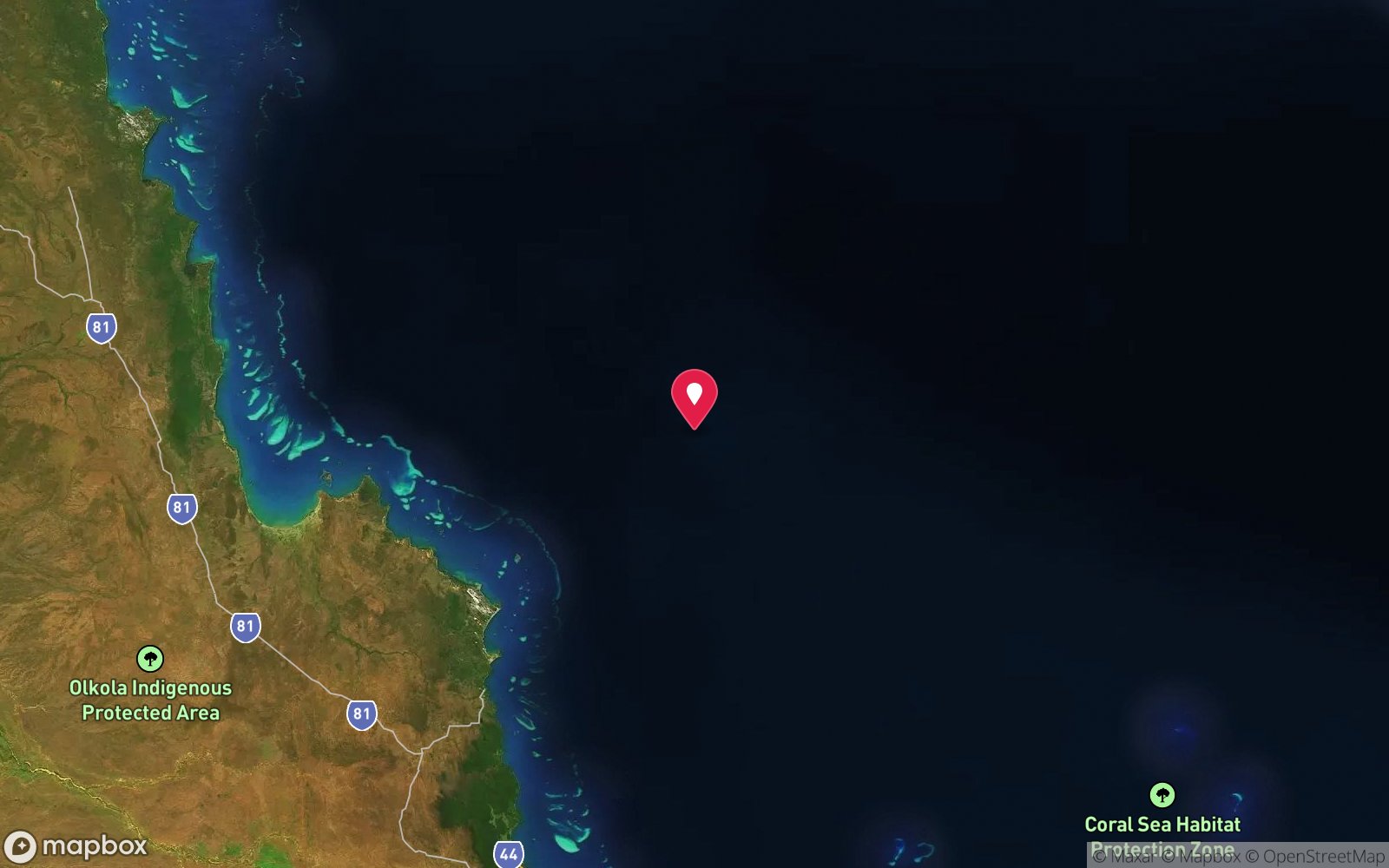
24. Coral Sea · External Territory
Admiralty (Osprey Reef)
Visibility: 25-40 m · A coral village of huge bommies with a centuries-old anchor in a swim-through, flashlight fish at night and a sheer wall below.
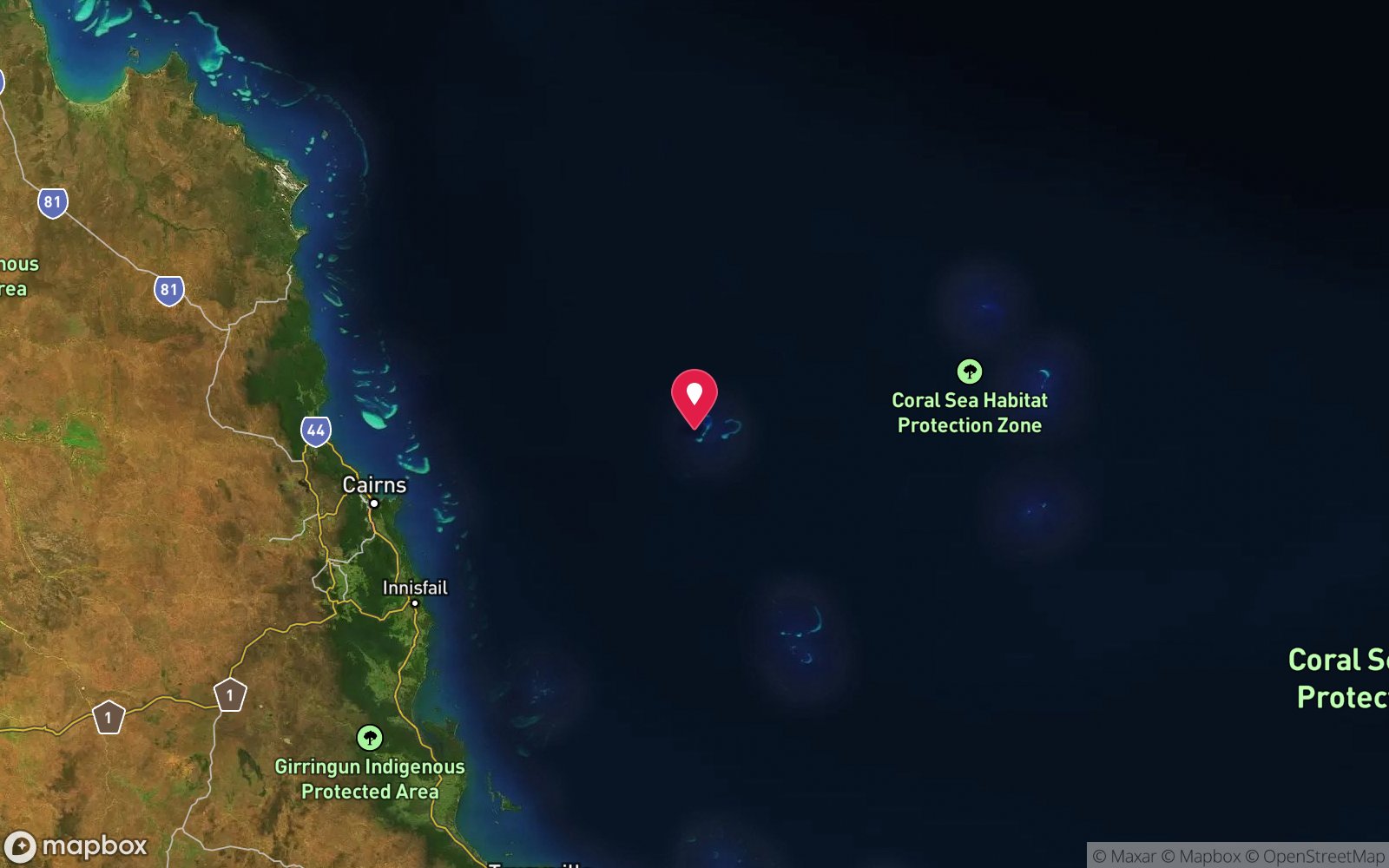
25. Coral Sea · External Territory
Amazing (Holmes Reef)
Visibility: 20-40 m · A shallow wall riddled with soft-coral-lined archways, swim-throughs and caves where sharks rest.
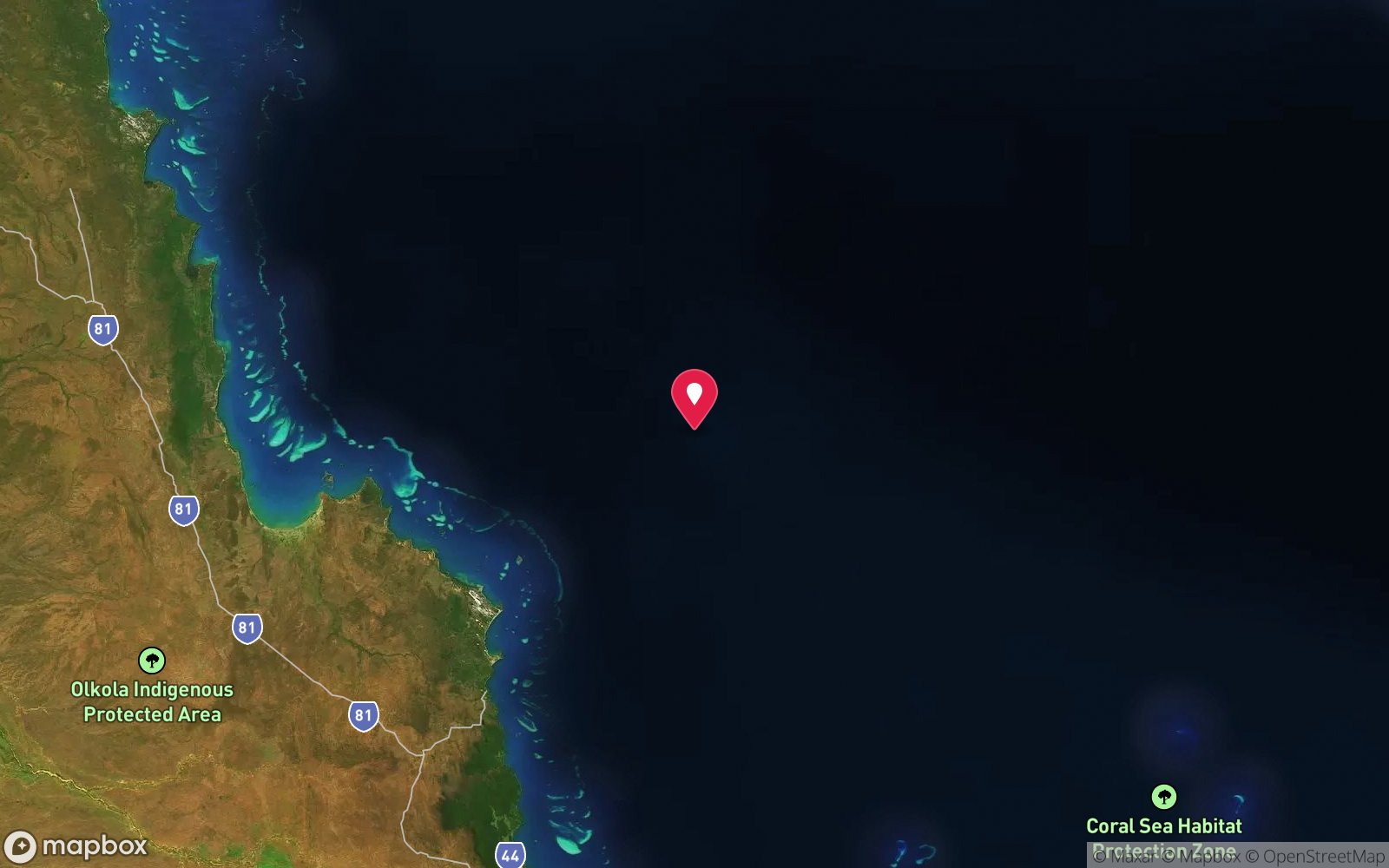
26. Coral Sea · External Territory
Around the Bend (Osprey Reef)
Visibility: 25-40 m · Osprey's most challenging drift, where current brings barracuda, hunting predators and mantas to a cleaning station.
27. Sydney Northern Beaches · NSW
Bluefish Valley
Visibility: 10-40 m · A year-round grey nurse shark colony in a sheltered 7 m valley that Open Water divers can do – Manly's answer to Magic Point.
28. Christmas Island · External Territory
Boat Cave
Visibility: 25-40 m · A sea cave big enough to park the boat in, with a floor carpeted in plate corals and colourful whips on the walls.
29. Cocos (Keeling) Islands · External Territory
Broccoli Patch
Visibility: 20-40 m · Easy shallow coral garden to 10 m with a sandy floor – a perfect buoyancy-practice and snorkel site, often with turtles and dolphins.
30. Cocos (Keeling) Islands · External Territory
Cable Bommie
Visibility: 20-40 m · Two large winches and lengths of cable believed to date from the Direction Island cable station, now overgrown with coral and fish.
The guide
Why the clearest water is fresh
The top of this list is inland. The Limestone Coast sinkholes and the Nullarbor caves hold groundwater that has been filtered through kilometres of limestone; there is no plankton, no sediment and no swell, so visibility is limited only by the light. Kilsby, Ewens Ponds and Piccaninnie routinely exceed 40 m and the caves exceed 100 m, numbers that no ocean site in Australia can match.
In the sea, clarity comes from distance from the coast and from the open ocean. The outer Great Barrier Reef at the shelf edge (Agincourt, the Ribbons, Osprey), Lord Howe and Balls Pyramid, the Coral Sea atolls and the Rowley Shoals all sit in oceanic water that the coastal rivers never reach. The temperate south has its clear days too, usually after a week of offshore wind in winter, but 20 m is exceptional where 40 m is routine on the outer reef.
Diving in very clear water
Clear water changes how a dive feels and how it should be planned. Depth is hard to judge when the bottom looks close; divers in the sinkholes routinely find themselves deeper than intended, which is why the CDAA sites have hard limits, guides and permits. Buoyancy control matters more, because every fin kick is visible for 50 m and silt in a cave stays suspended for days. And photography is easier and harder: no backscatter, but a scene that stretches further than any strobe can reach.
The sinkholes and Ewens Ponds are diveable year-round with the water a constant 15 °C; a 7 mm suit or a drysuit is standard. The outer reef is clearest from September to November, before the wet-season runoff.
Editorial last reviewed September 2026. The list itself is regenerated from the directory daily.
Frequently asked questions
Where is the best visibility in Australia?
The Coral Sea reefs (Osprey, Bougainville, Flinders), the Rowley Shoals, Christmas and Cocos islands and the Mount Gambier sinkholes regularly exceed 40 m. Tasmania's east coast reaches 30 m in winter.
More rankings
- The 25 Deepest Dive Sites in Australia
- Australia's Most Remote Dive Sites
- The Longest Boat Rides to a Day Dive
- The Warmest Dive Sites in Australia
- The Coldest Dive Sites in Australia
- The Most Biodiverse Dive Sites in Australia
- The Oldest Shipwrecks You Can Dive in Australia
- WWII and Wartime Wrecks You Can Dive in Australia
- All rankings →