Ranked by the upper end of the recorded visibility range: the Coral Sea, the Rowley Shoals, the offshore territories, the Mount Gambier sinkholes and, in winter, Tasmania's east coast.
Updated daily from the directory. 30 sites listed.
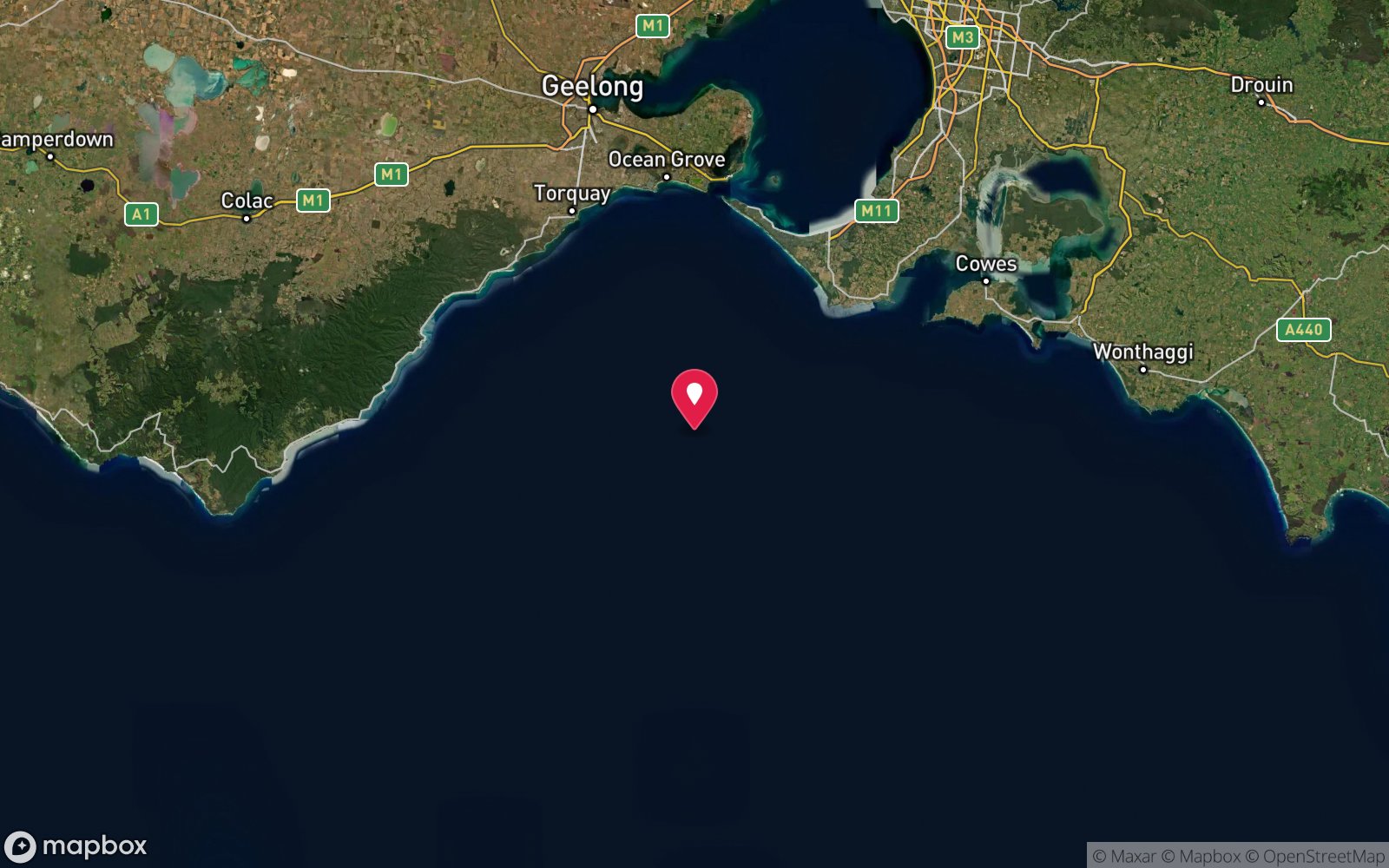
1. Port Phillip Heads · VIC
HMAS Bayonet
Visibility: 15-30 m · An Attack-class patrol boat scuttled in 1999 and found in 2001 – upright and clean in 82 m off Cape Schanck with waterline marks still readable; a rare rebreather expedition dive.
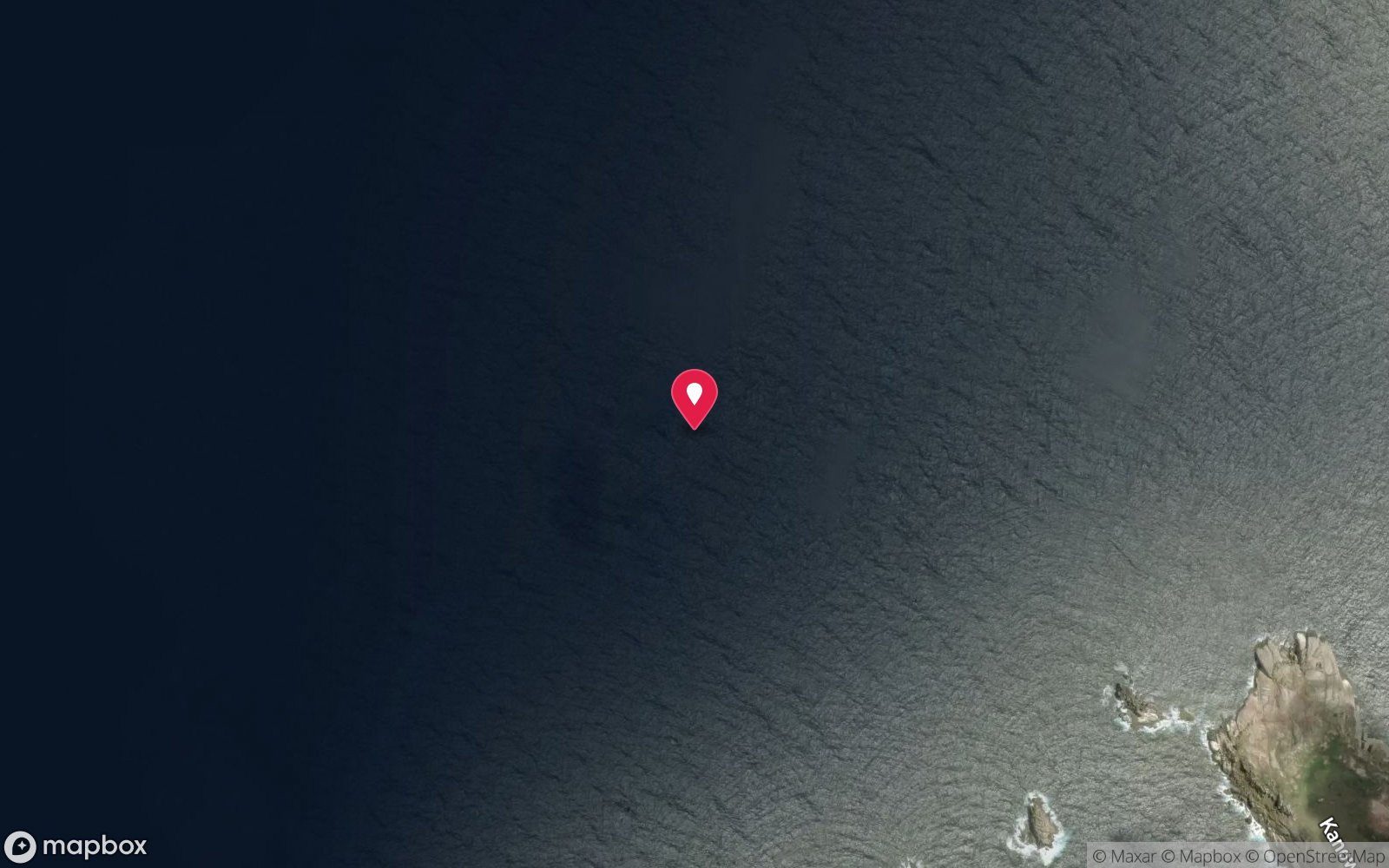
2. Wilsons Promontory · VIC
SS Gulf of Carpentaria
Visibility: 15-30 m · An unsalvaged 1881 cargo liner lying collapsed at the foot of the uncharted pinnacle that sank her in 1885, in 48–50 m of pristine marine-park water off Wilsons Prom, with fur seals and a wall to decompress on.
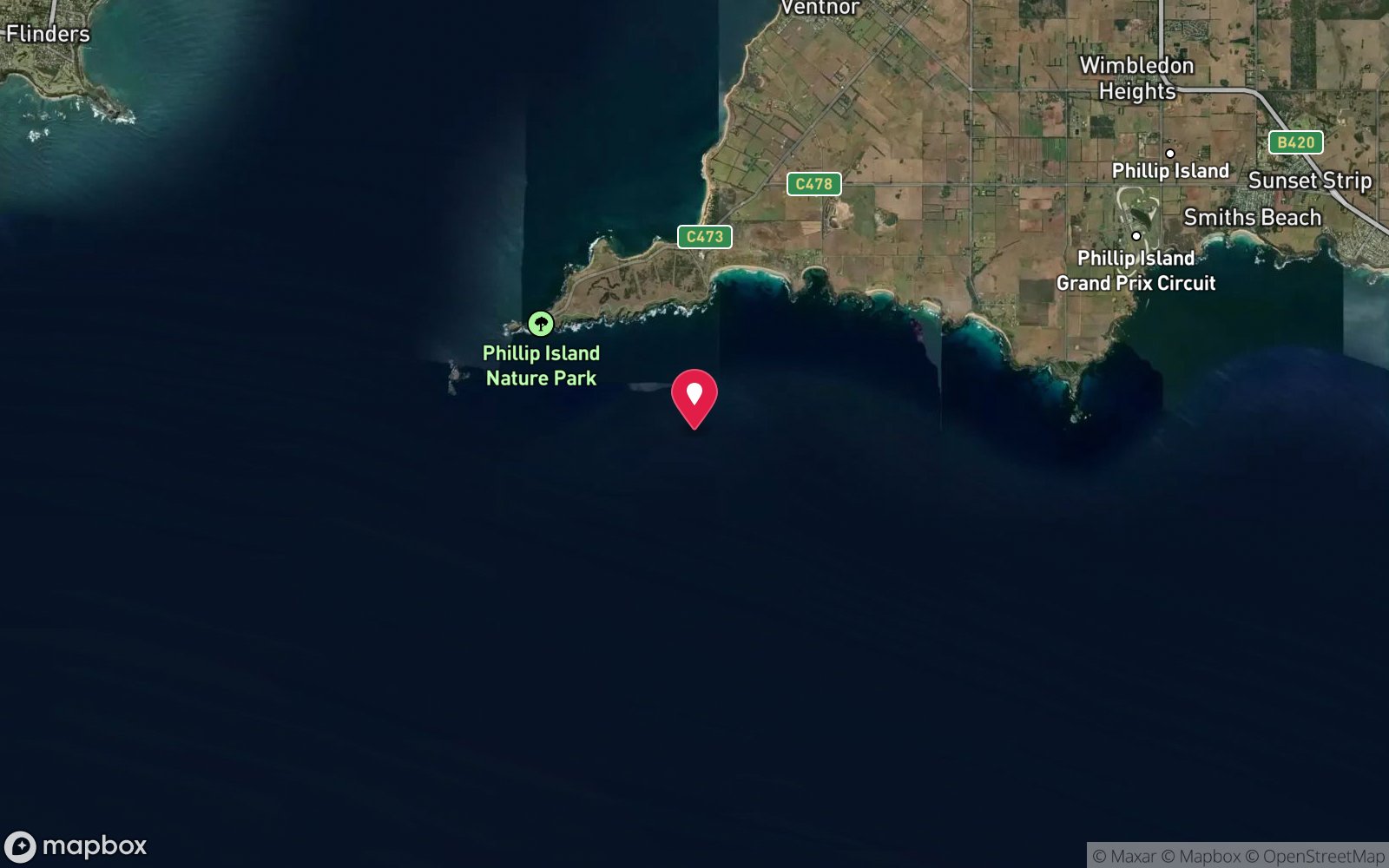
3. Phillip Island & Western Port · VIC
TSS Coramba
Visibility: 15-30 m · A Western District coastal steamer lost with all 17 hands in a 1934 storm, found by Southern Ocean Exploration in 2011 lying almost upside down in 66 m south of Seal Rocks.
4. Wilsons Promontory · VIC
TSS Kanowna
Visibility: 15-30 m · A 126 m WWI hospital ship and coastal liner lost in fog in 1929, found in 2005 and lying largely recognisable in 80–82 m of clear Bass Strait water – Victoria's deepest regularly attempted wreck.
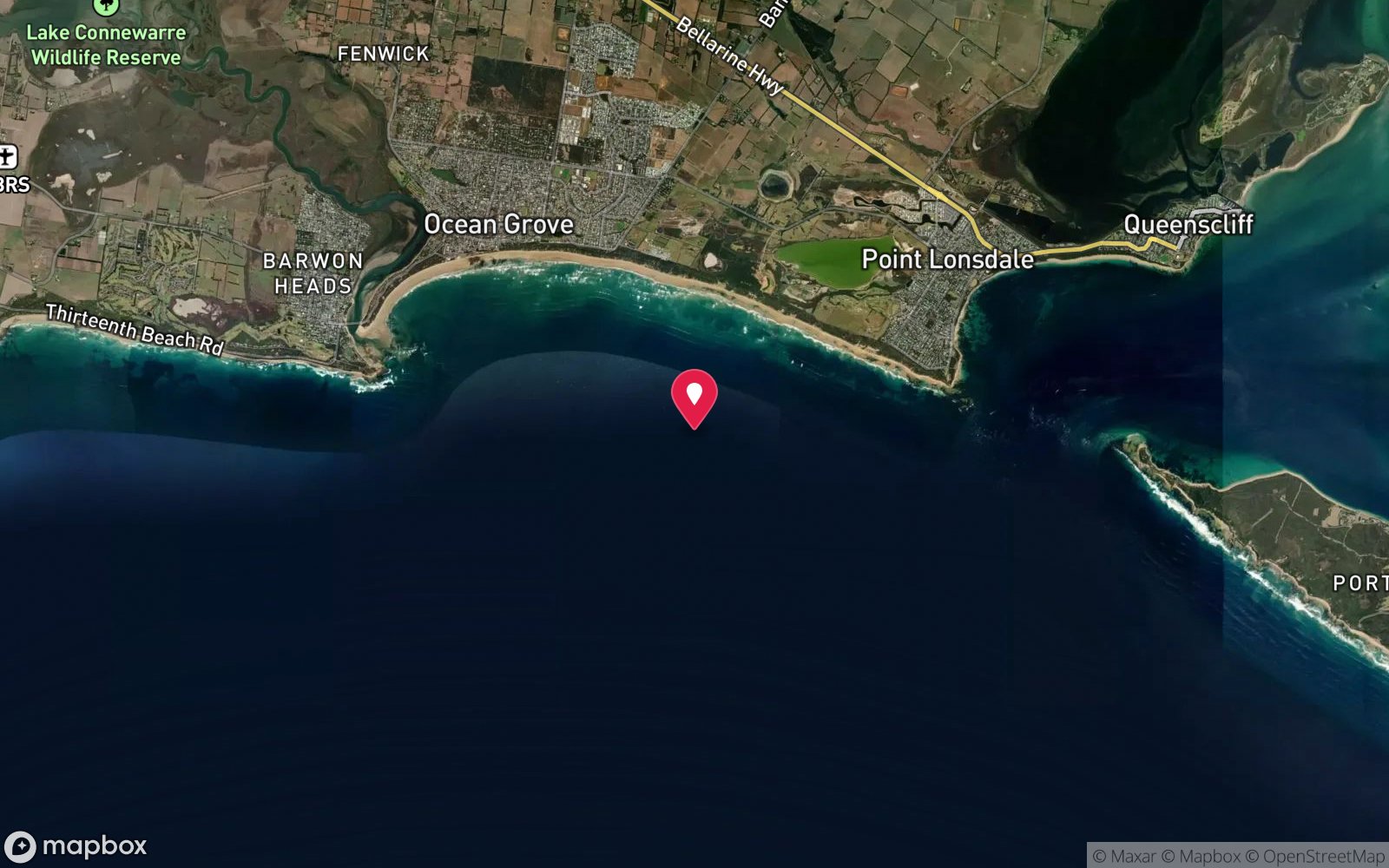
5. Port Phillip Heads · VIC
J4 Submarine
Visibility: 10-25 m · The most accessible of Victoria's WWI submarines – intact conning tower, exposed torpedo tubes and open hatches in 19–28 m; a superb photo subject in clear water.
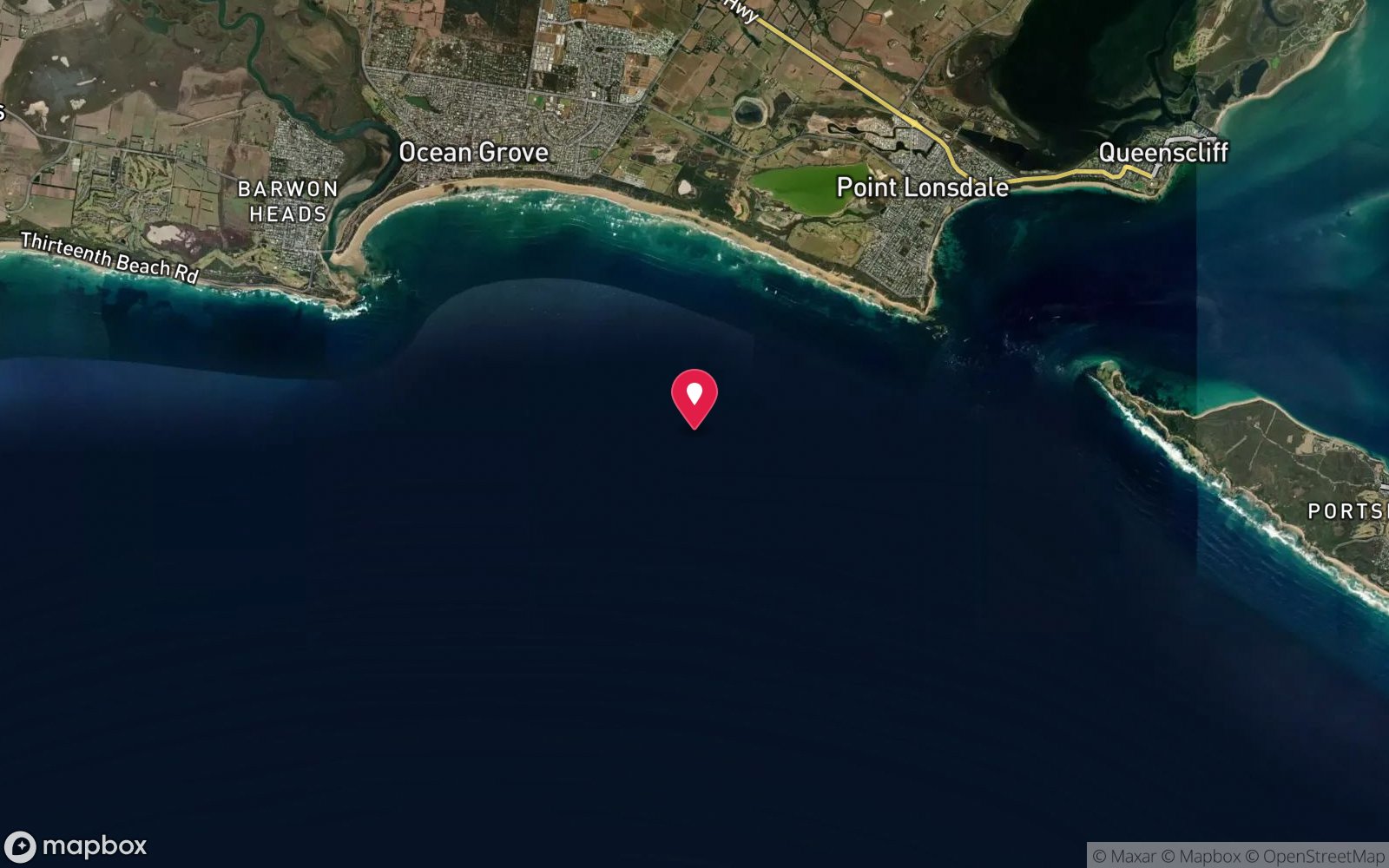
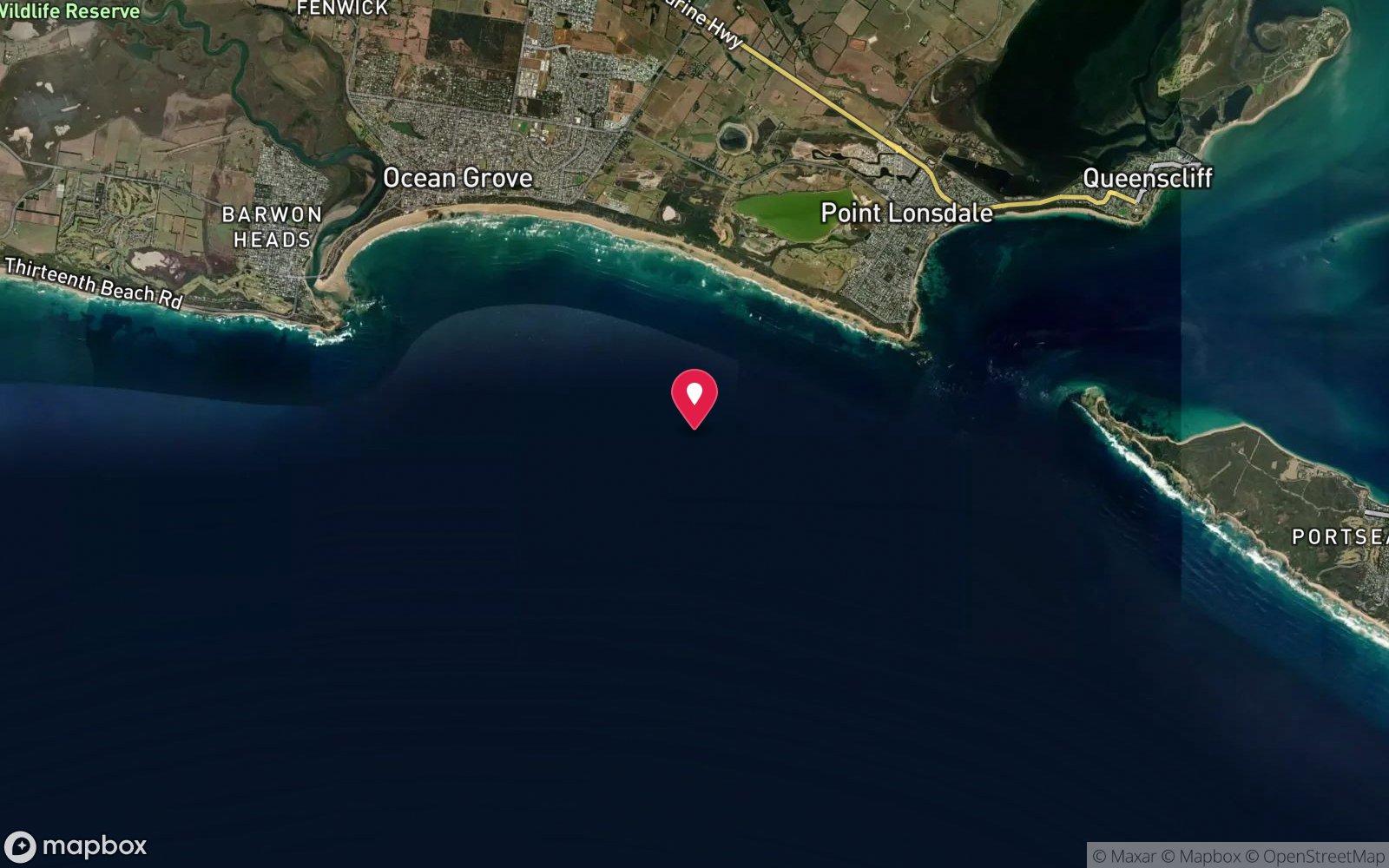
6. Port Phillip Heads · VIC
J5 Submarine
Visibility: 10-25 m · A WWI J-class submarine in 36 m in the Ships' Graveyard, the most intact of the four.
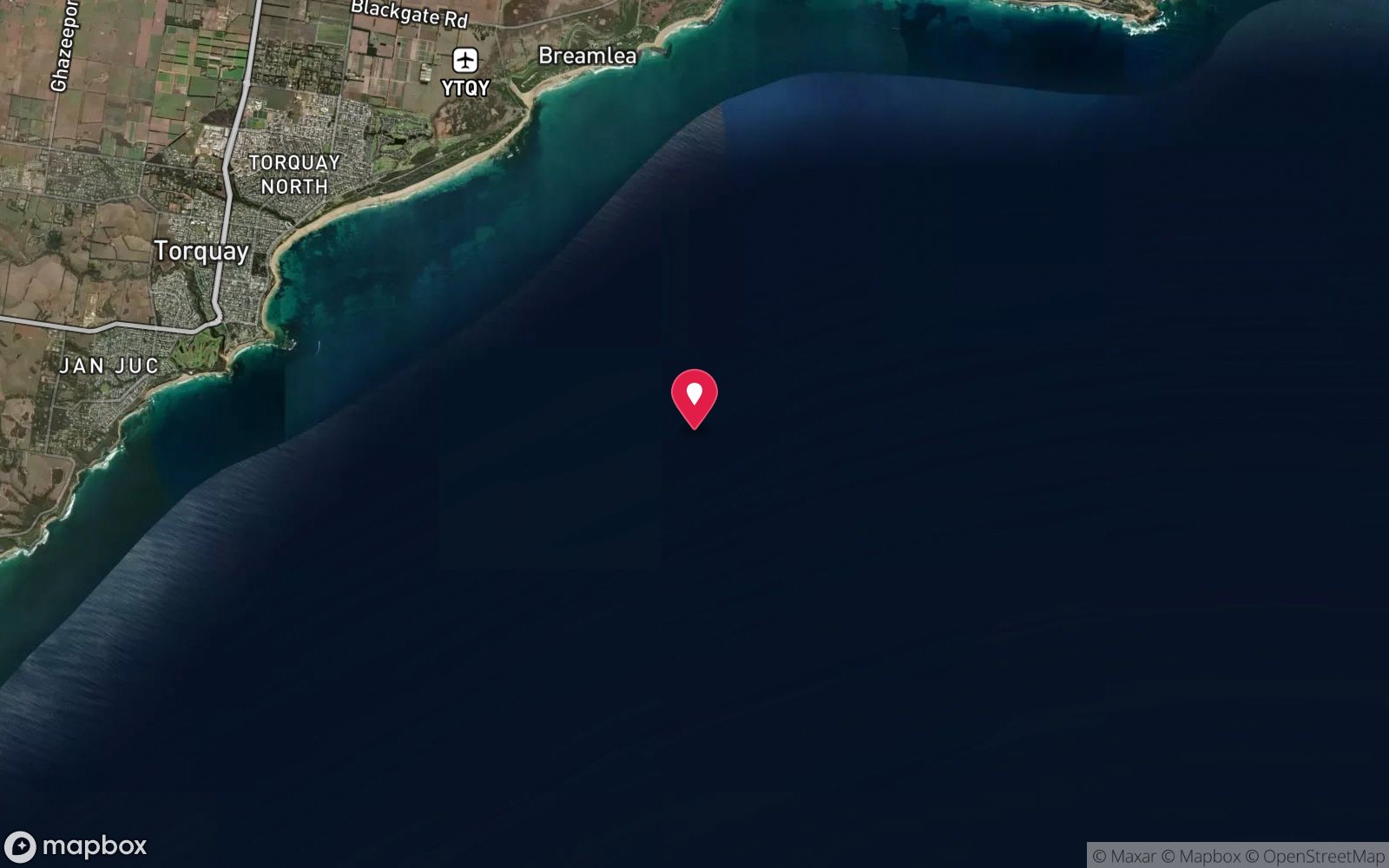
7. Port Phillip Heads · VIC
SS Coogee
Visibility: 10-25 m · Photogenic stern with steering quadrant under two decks, twin boilers you can swim between, and a bow on its side with railings intact – all in 28–35 m.
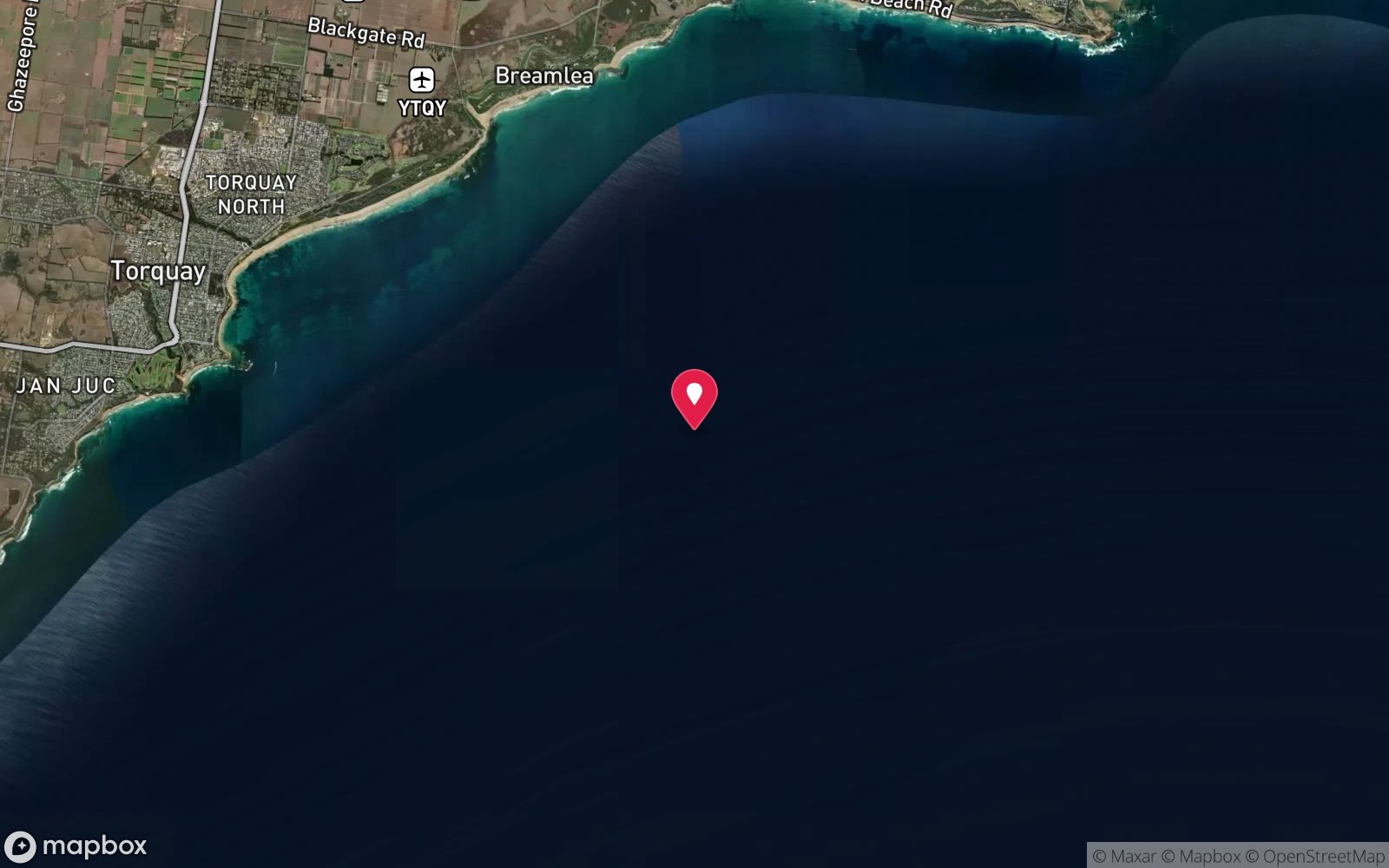
8. Port Phillip Heads · VIC
Batman
Visibility: 10-25 m · A compact, easily navigated 1883 hopper barge and one-time Victorian Navy gunboat with a large upright boiler at the bow – the standard Melbourne technical training wreck.
9. Port Phillip Heads · VIC
Beverwijk 19
Visibility: 10-25 m · An upturned Dutch steam dredge with huge dredging cog wheels, boiler and propeller exposed; the last vessel scuttled in the Graveyard (1963).
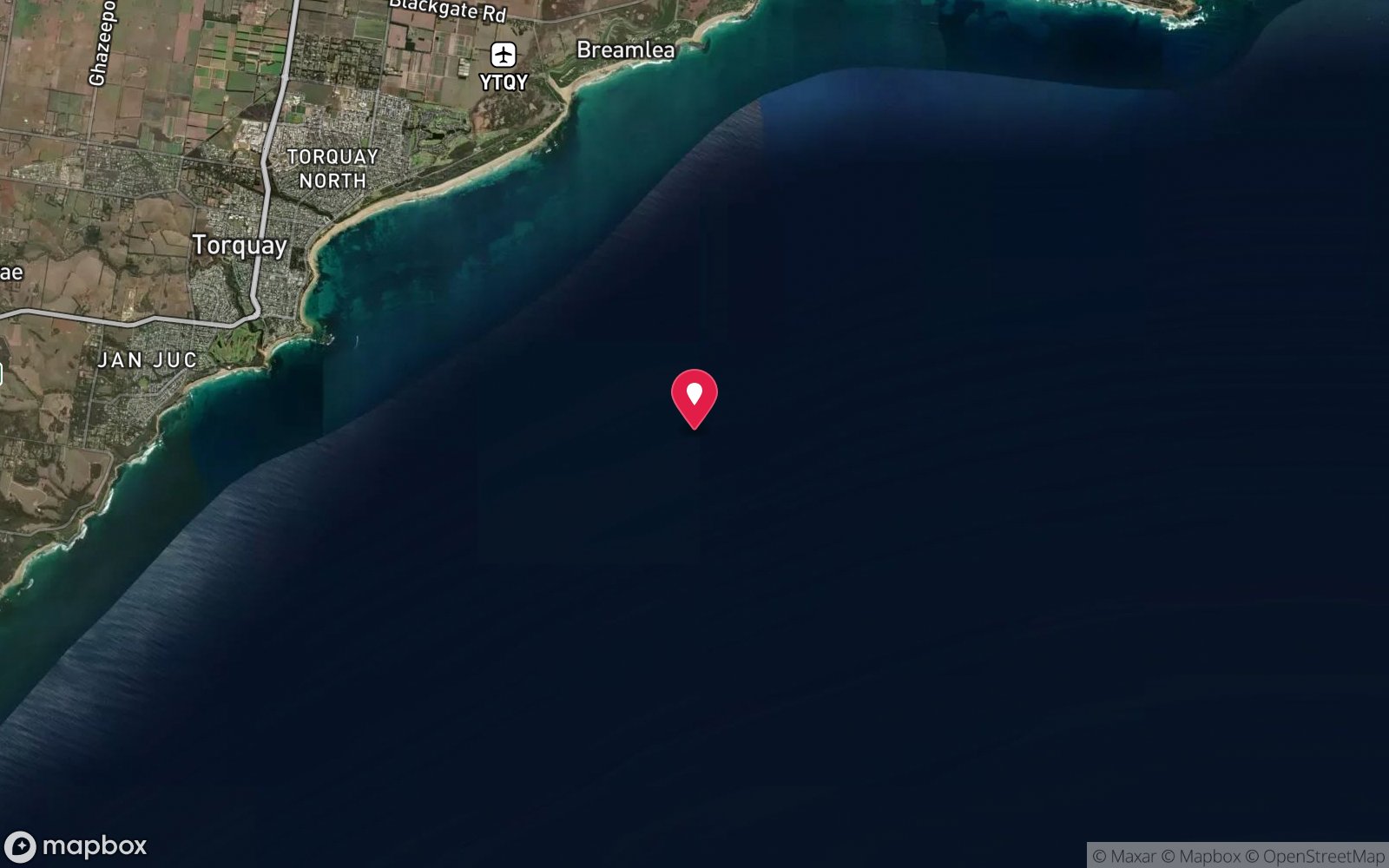
10. Port Phillip Heads · VIC
Dunloe
Visibility: 10-25 m · An 1870 Clyde-built iron barque and coal hulk whose 1947 scuttling nearly ended in disaster – intact bow, blown-out stern, in 44–46 m beside the Batman; a technical training favourite.
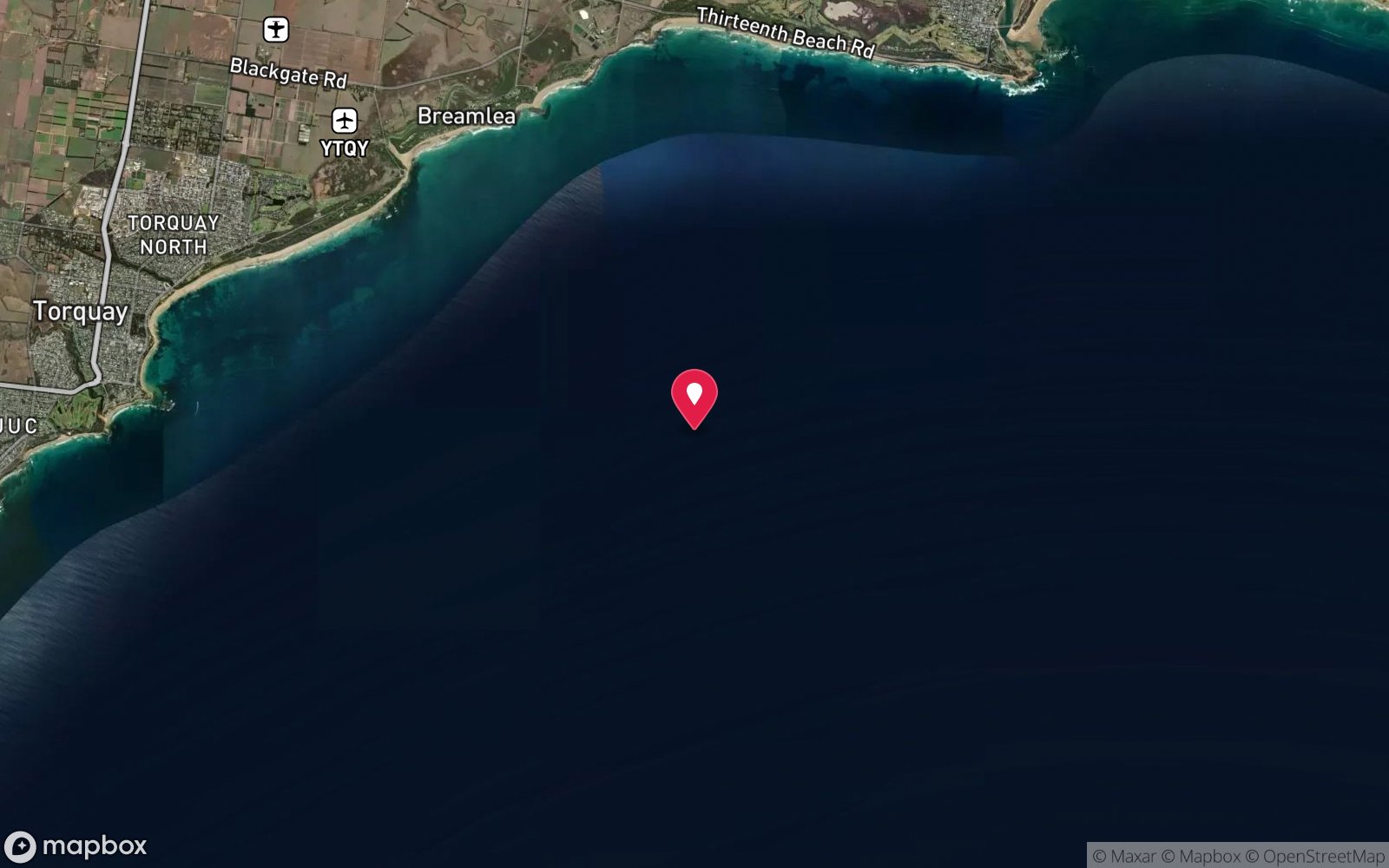
11. Port Phillip Heads · VIC
Euro
Visibility: 10-25 m · A remarkably complete 1897 steam tug – triple-expansion engine, boilers, tow anchor, steering quadrant and even the toilets – with real penetration in 44–50 m.
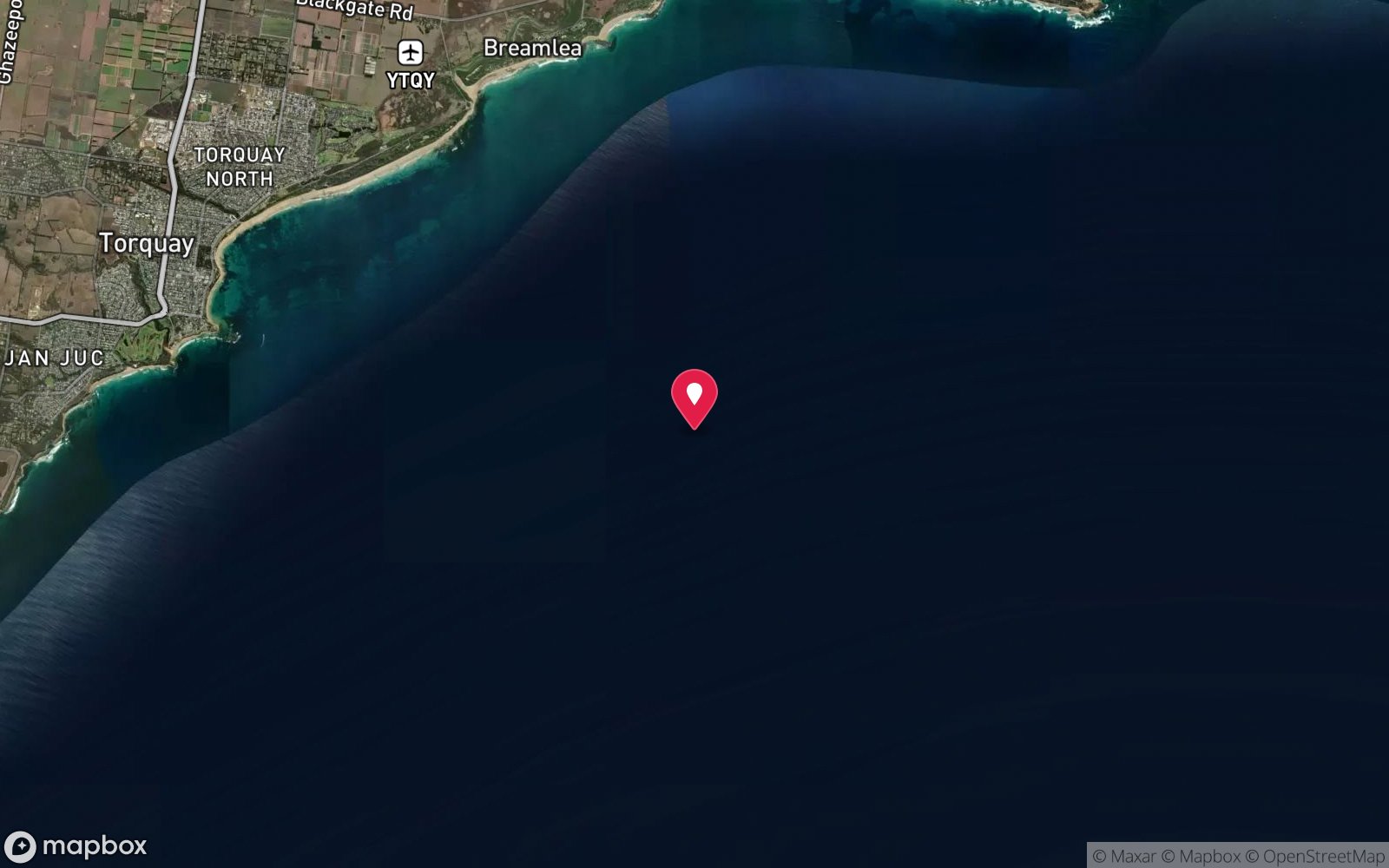
12. Port Phillip Heads · VIC
Fawkner
Visibility: 10-25 m · Sister to the Batman with the hopper strongback still spanning the hold, a boiler at the stern and the propeller in place; a colourful bow.
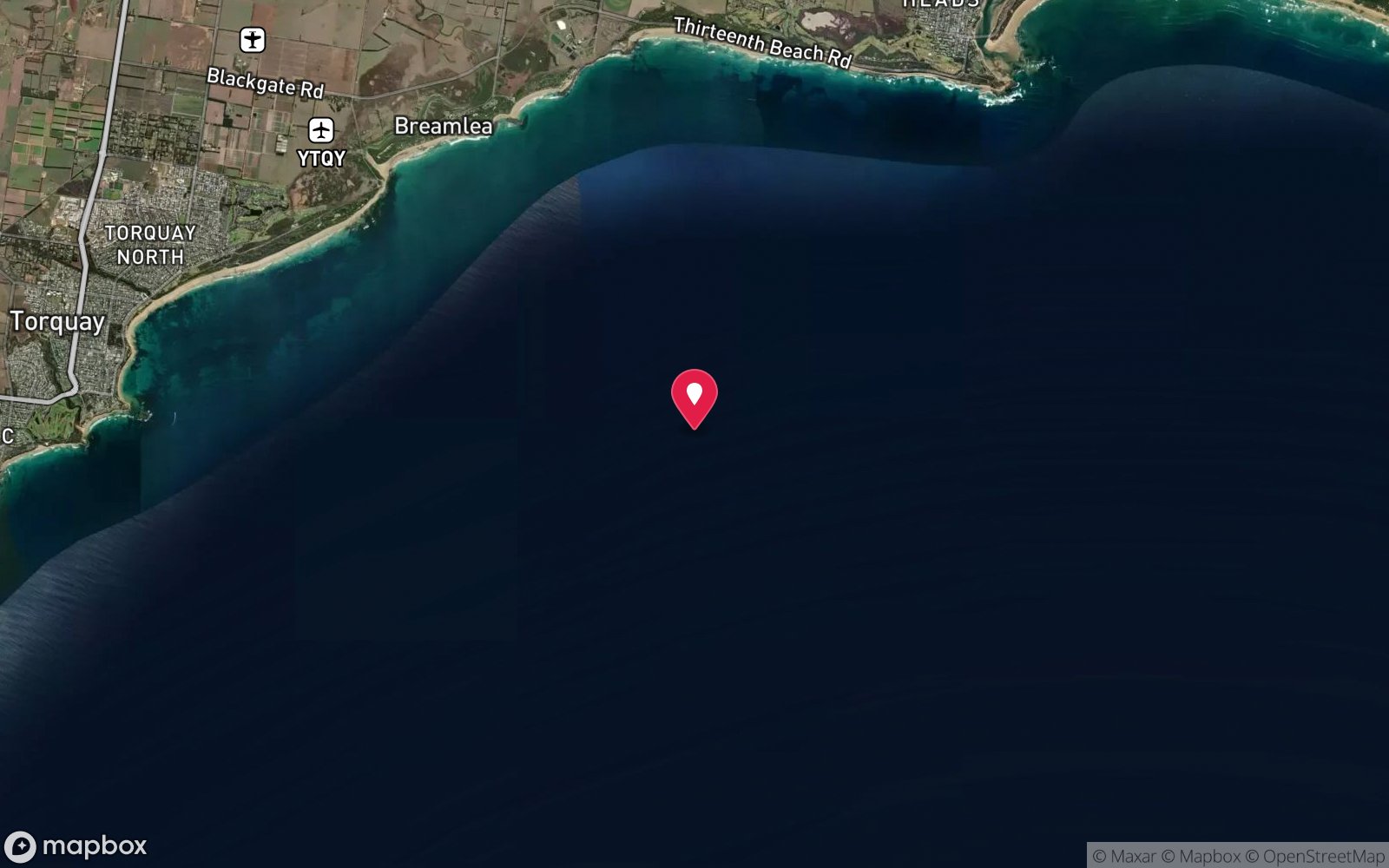
13. Port Phillip Heads · VIC
H.C. Piggot
Visibility: 10-25 m · A 1912 Paisley-built hopper barge broken in two – the forward half standing proud with anchor, hatch coaming and open deck beams for penetration, boilers and a big iron propeller aft, in 46–48 m.
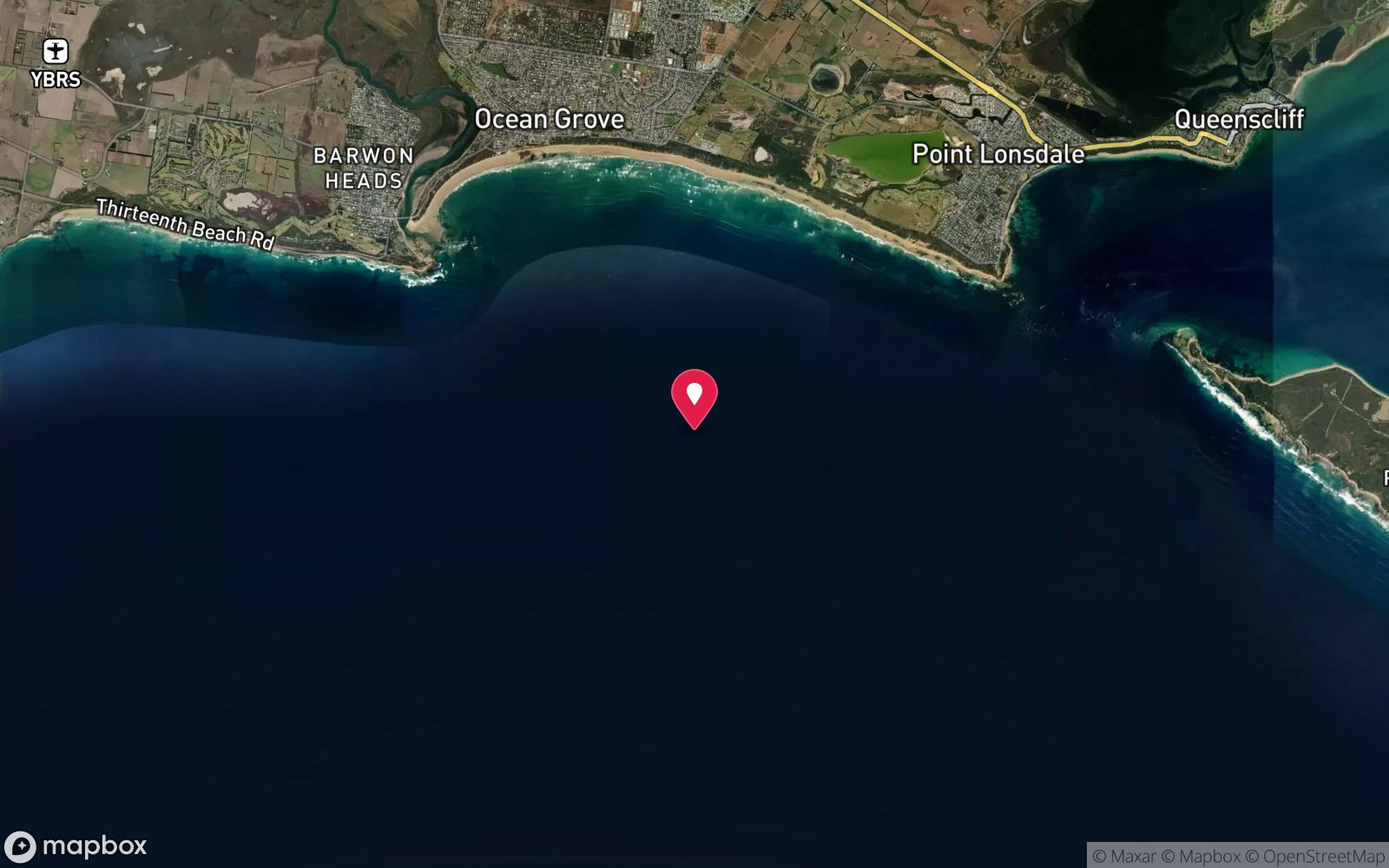
14. Port Phillip Heads · VIC
J1 Submarine
Visibility: 10-25 m · An intact 84 m WWI submarine standing upright in 38 m and blanketed in yellow zoanthids; hatch access into the control room for trained divers.
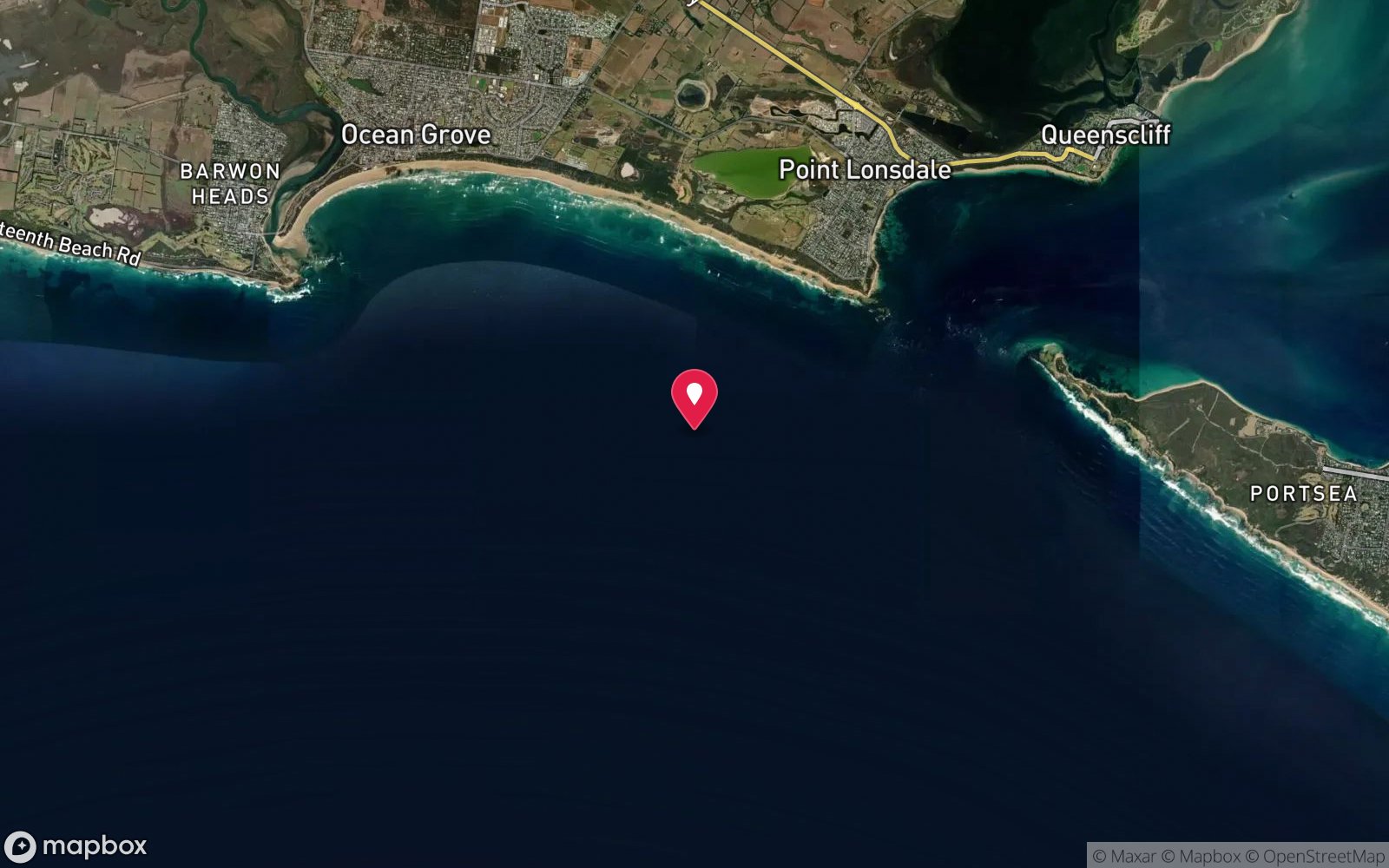
15. Port Phillip Heads · VIC
J2 Submarine
Visibility: 10-25 m · A WWI J-class submarine snapped in two, with the open cross-section of the pressure hull visible at the break; rarely crowded.
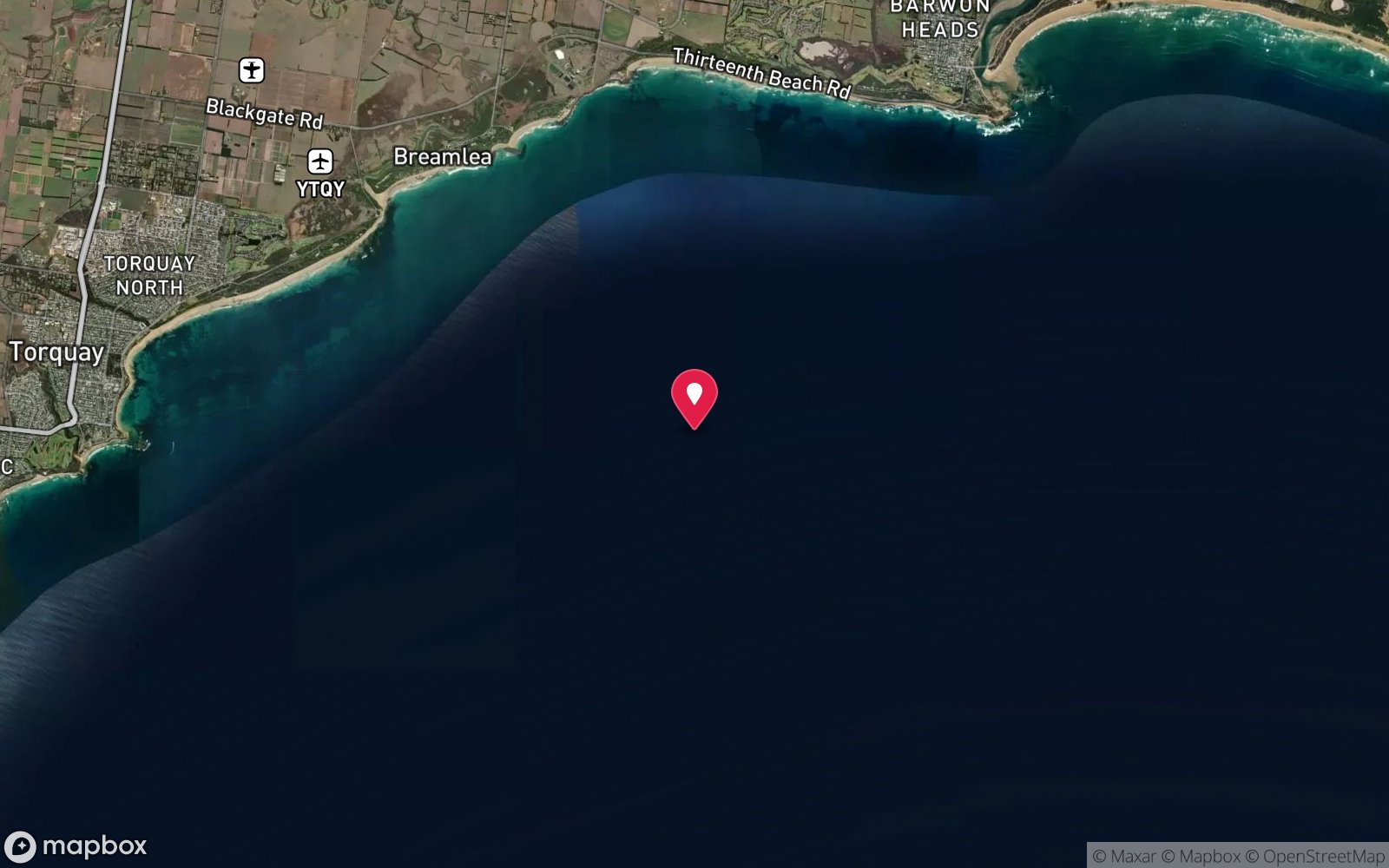
16. Port Phillip Heads · VIC
Pioneer
Visibility: 10-25 m · A 1905 Clyde-built pump dredge that is one of the most complete large wrecks off Victoria – both propellers in place and machinery spaces to peer into at 46–50 m.
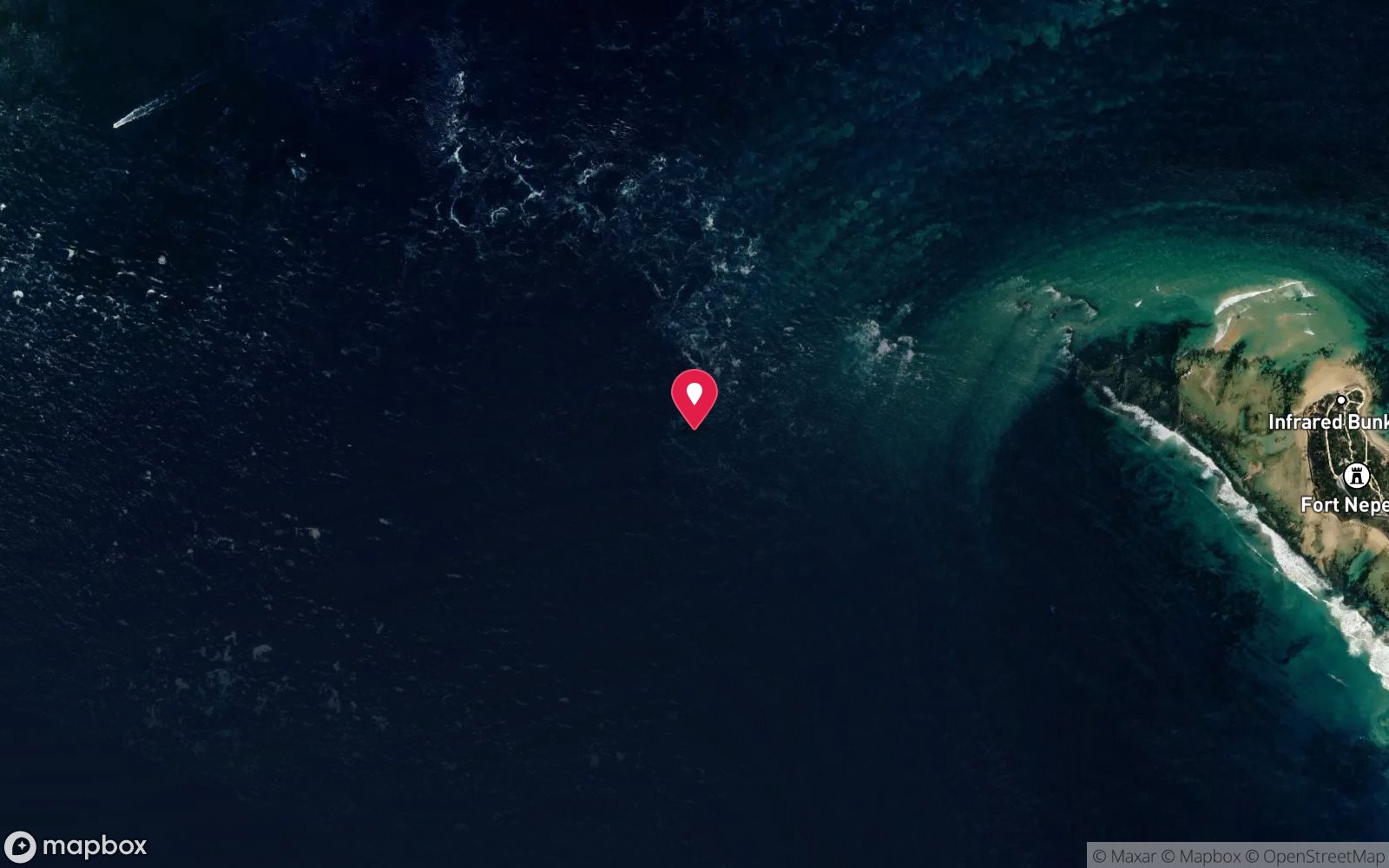
17. Port Phillip Heads · VIC
Rip Bank
Visibility: 10-25 m · A sheer cliff with roofed overhangs at the seaward mouth of The Rip, dived only on the end-of-flood slack in calm seas – crayfish along the top, sevengill sharks off the face, the clearest water at the Heads.
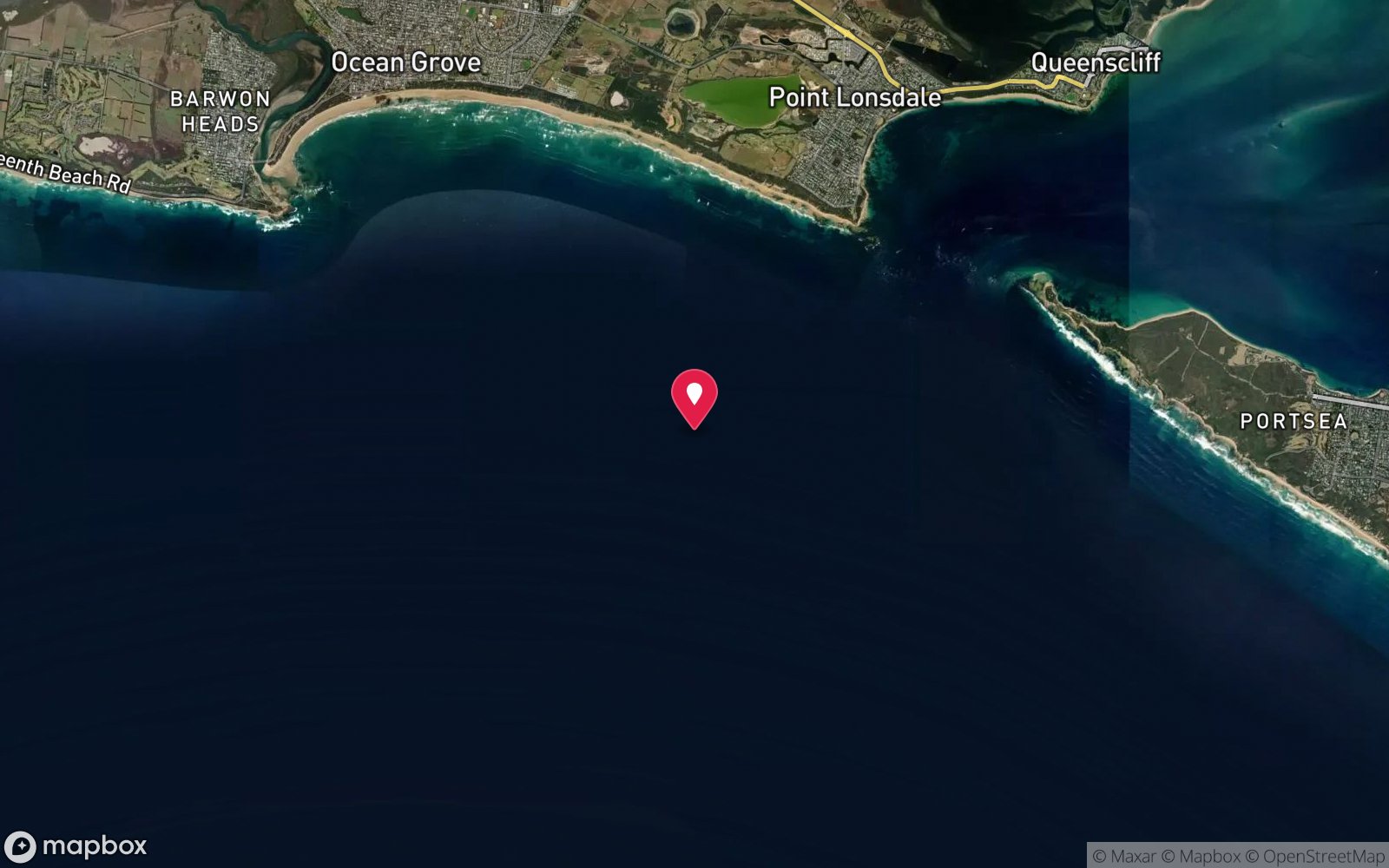
18. Port Phillip Heads · VIC
SS Courier
Visibility: 10-25 m · Planked foredeck 7 m proud of the sand and the most colourful sponge growth in the Graveyard; two boilers in line with crayfish beneath.
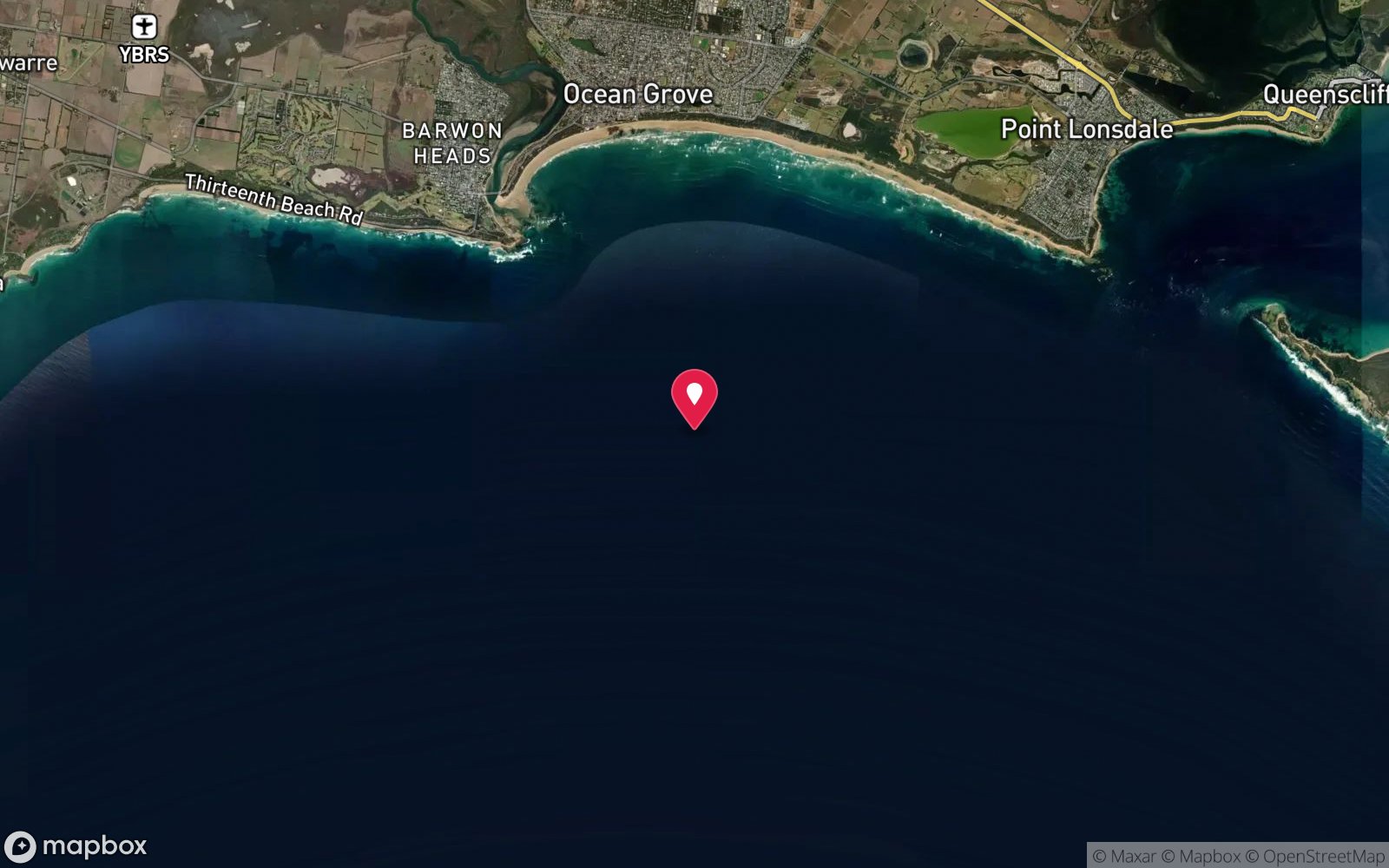
19. Port Phillip Heads · VIC
SS Rotomahana
Visibility: 10-25 m · The first steel-hulled ocean steamer in the world; separated clipper bow with anchors and bowsprit, and a wall of condensers and boilers in 37 m.
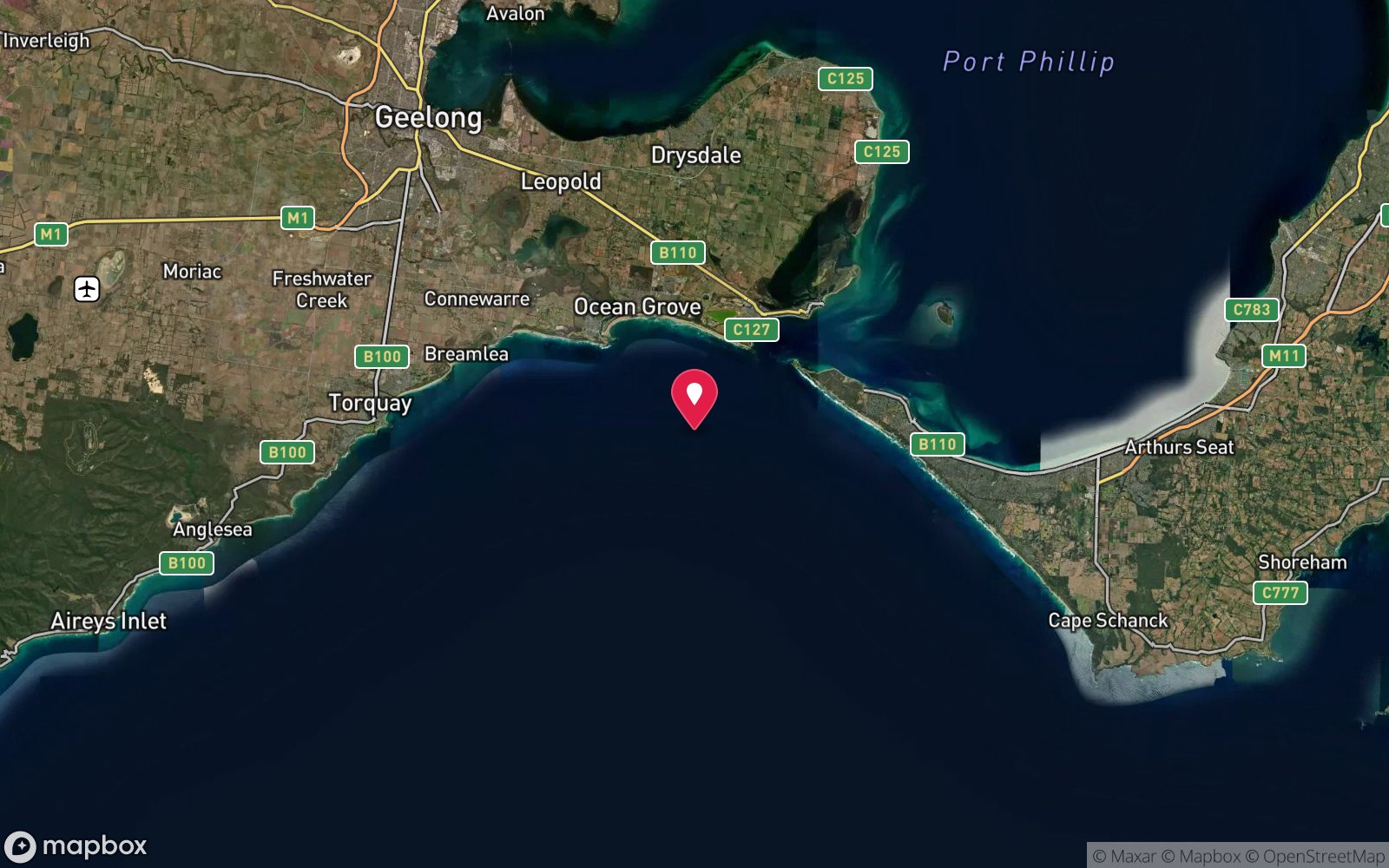
20. Port Phillip Heads · VIC
Auriga
Visibility: 10-25 m · An 1869 iron barque and Harbour Trust hulk, sunk with three gelignite charges in 1930, lying in 57 m 178 m from her fellow barque Campana.
21. Wilsons Promontory · VIC
Bare Back Cove
Visibility: 10-25 m · Granite boulders with gorgonians, zoanthids and bearded cod in the crevices off a white quartz-sand cove; sheltered, snorkel-friendly and boat-diveable to 30 m.
22. Wilsons Promontory · VIC
Brown Head Pinnacle
Visibility: 10-25 m · A granite pinnacle rising from a 25–35 m sponge garden to 8 m, wrapped in clouds of butterfly perch, 100 m off Brown Head.
23. Port Phillip Heads · VIC
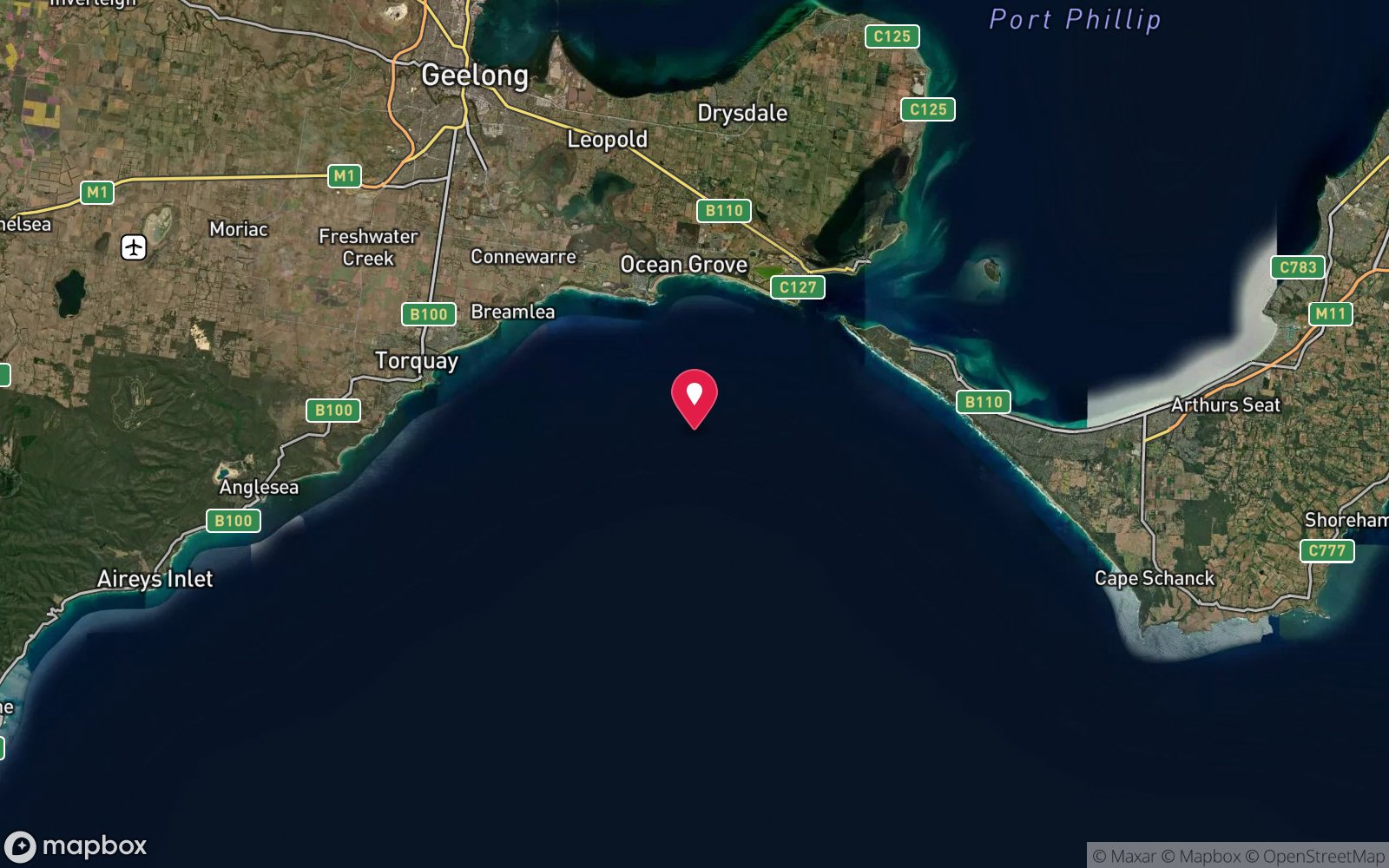
Brunette
Visibility: 10-25 m · An 1859 Thames-built iron barque and coal hulk – the first vessel scuttled in the Graveyard (1913) – found by Southern Ocean Exploration in 2006 lying in 70 m.
24. Wilsons Promontory · VIC
Bum Rock
Visibility: 10-25 m · A giant split granite boulder – the Prom's most photographed rock – dropping to 30 m on the exposed western face of Dannevig Island.
25. Port Phillip Heads · VIC
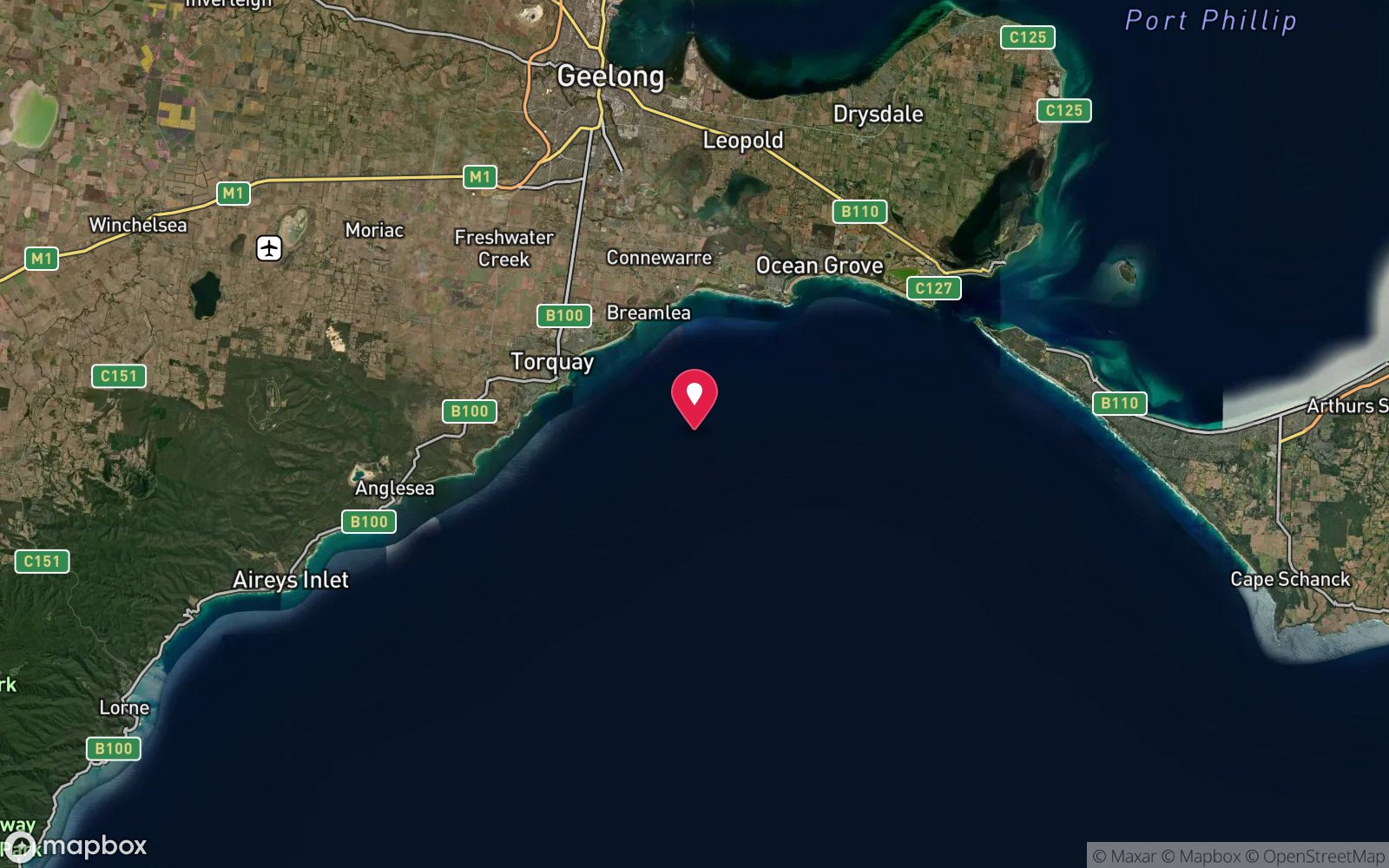
Bunyip
Visibility: 10-25 m · An 1879 Renfrew-built Harbour Trust bucket dredge – one of the oldest hulls in the ground, scuttled in 1955 after breaking adrift in a storm – lying in about 58 m at the remote south-western edge.
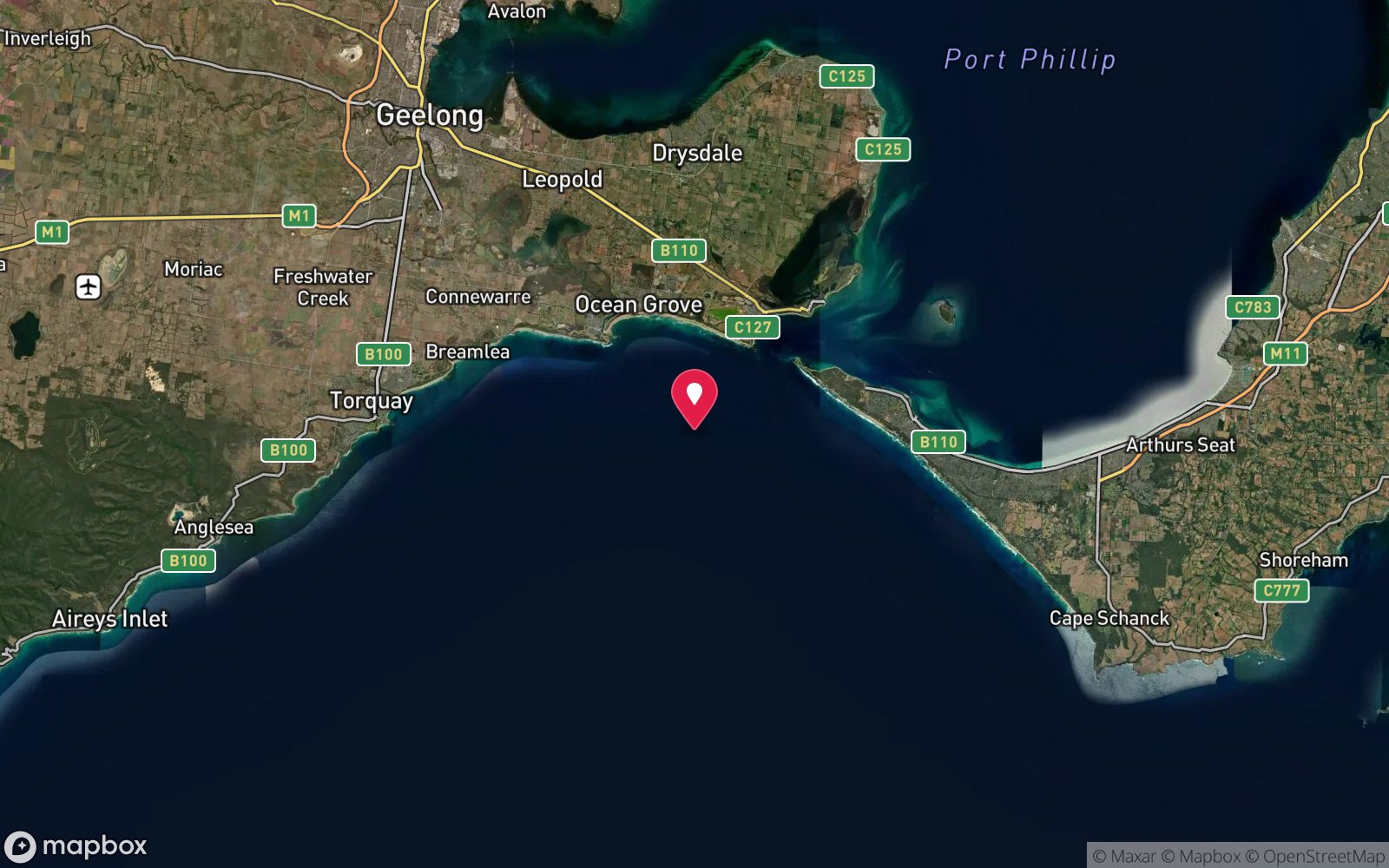
26. Port Phillip Heads · VIC
Campana
Visibility: 10-25 m · An 1875 iron barque and coal hulk sunk in 1927 – intact bow with easy swim-throughs and some of the richest sponge growth in the Graveyard, at 54–58 m on the shipping leads.
27. Port Phillip Heads · VIC
Casablanca
Visibility: 10-25 m · An 1868 iron barque scuttled in 1950 with all three masts still aboard – crow's nest across the hull and a sailing-ship wheel on the stern, in 57 m; the Graveyard's most evocative windjammer.
28. Wilsons Promontory · VIC
Dannevig Island North East
Visibility: 10-25 m · A large multi-entrance boulder cave at 25 m and a field of massive granite swim-throughs on the northern tip of Dannevig Island.
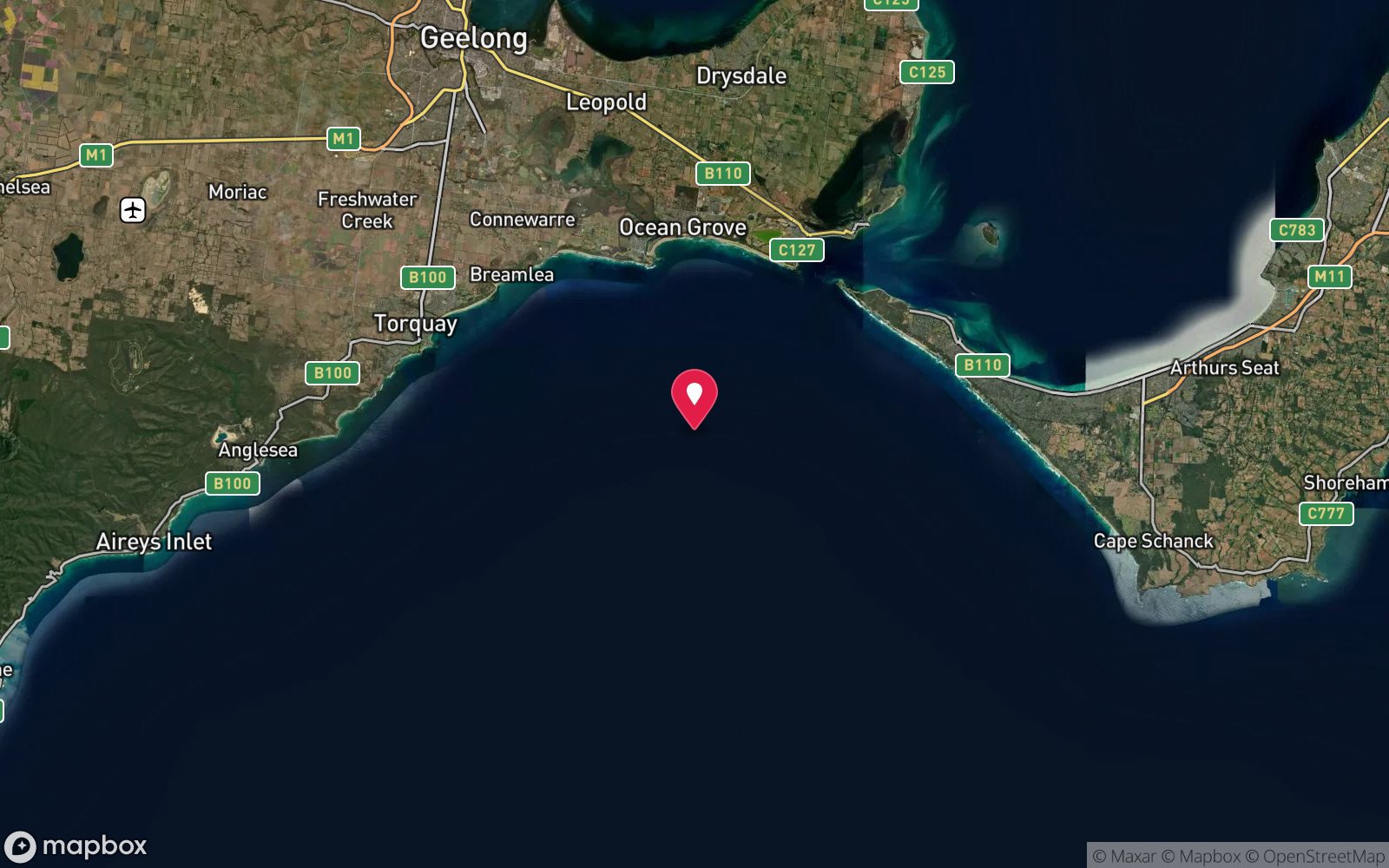
29. Port Phillip Heads · VIC
Don Diego
Visibility: 10-25 m · The oldest hull in the Graveyard – an 1855 Greenock-built iron barque and coal hulk scuttled in 1916 – bow and stern rising 4 m from the sand in 70–72 m near the shipping lanes.
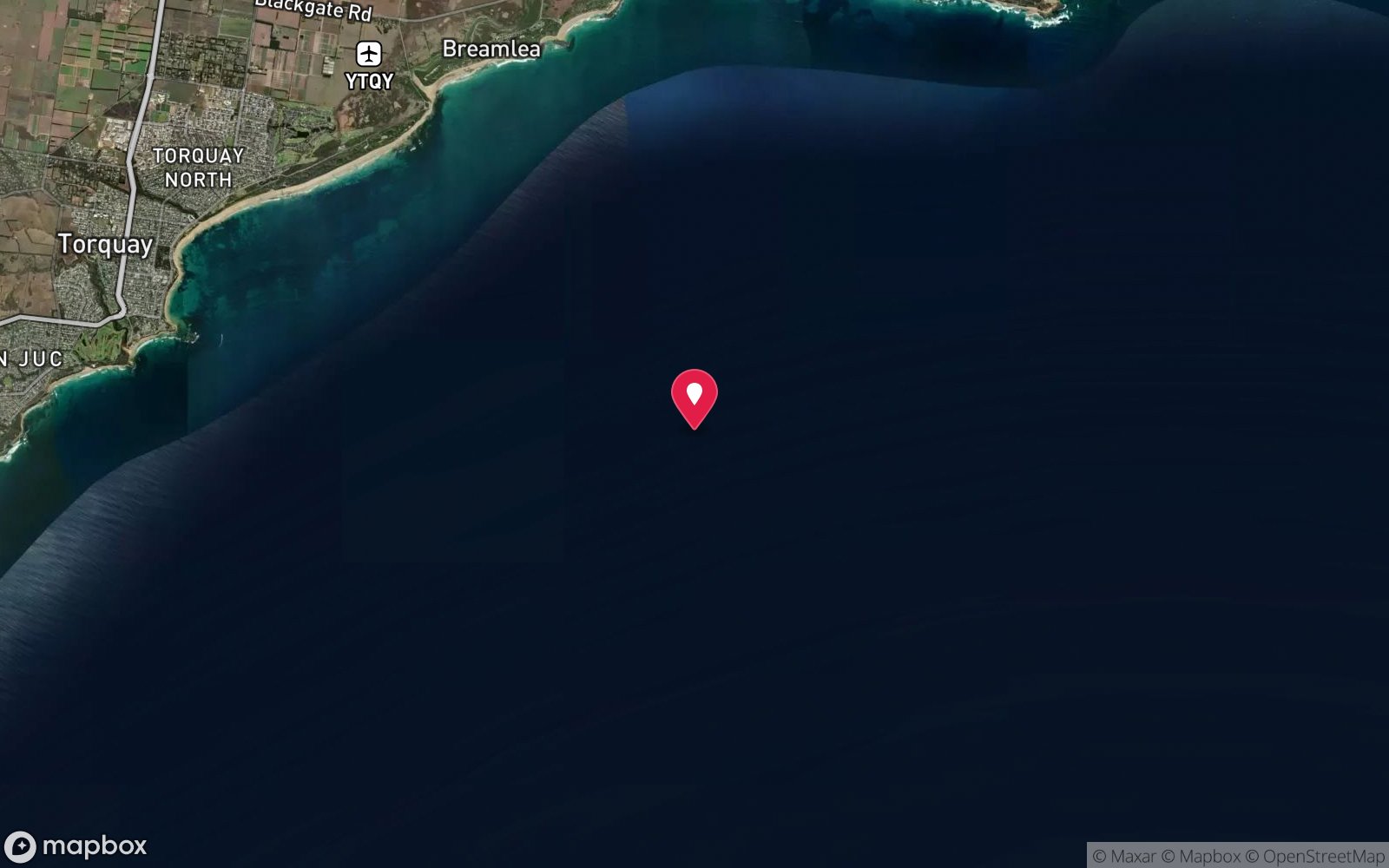
30. Port Phillip Heads · VIC
Edward Northcote
Visibility: 10-25 m · Sister of the H.C. Piggot and a WWI minesweeper, the last Harbour Trust barge scuttled (1952) – substantially intact hull with propeller in place, boilers removed, in about 52 m.
The guide
Why the clearest water is fresh
The top of this list is inland. The Limestone Coast sinkholes and the Nullarbor caves hold groundwater that has been filtered through kilometres of limestone; there is no plankton, no sediment and no swell, so visibility is limited only by the light. Kilsby, Ewens Ponds and Piccaninnie routinely exceed 40 m and the caves exceed 100 m, numbers that no ocean site in Australia can match.
In the sea, clarity comes from distance from the coast and from the open ocean. The outer Great Barrier Reef at the shelf edge (Agincourt, the Ribbons, Osprey), Lord Howe and Balls Pyramid, the Coral Sea atolls and the Rowley Shoals all sit in oceanic water that the coastal rivers never reach. The temperate south has its clear days too, usually after a week of offshore wind in winter, but 20 m is exceptional where 40 m is routine on the outer reef.
Diving in very clear water
Clear water changes how a dive feels and how it should be planned. Depth is hard to judge when the bottom looks close; divers in the sinkholes routinely find themselves deeper than intended, which is why the CDAA sites have hard limits, guides and permits. Buoyancy control matters more, because every fin kick is visible for 50 m and silt in a cave stays suspended for days. And photography is easier and harder: no backscatter, but a scene that stretches further than any strobe can reach.
The sinkholes and Ewens Ponds are diveable year-round with the water a constant 15 °C; a 7 mm suit or a drysuit is standard. The outer reef is clearest from September to November, before the wet-season runoff.
Editorial last reviewed September 2026. The list itself is regenerated from the directory daily.
Frequently asked questions
Where is the best visibility in Australia?
The Coral Sea reefs (Osprey, Bougainville, Flinders), the Rowley Shoals, Christmas and Cocos islands and the Mount Gambier sinkholes regularly exceed 40 m. Tasmania's east coast reaches 30 m in winter.
More rankings
- The 25 Deepest Dive Sites in Australia
- Australia's Most Remote Dive Sites
- The Longest Boat Rides to a Day Dive
- The Warmest Dive Sites in Australia
- The Coldest Dive Sites in Australia
- The Most Biodiverse Dive Sites in Australia
- The Oldest Shipwrecks You Can Dive in Australia
- WWII and Wartime Wrecks You Can Dive in Australia
- All rankings →