Dive slate · divesites.com.au · printed 7 Nov 2026
Bunyip
Port Phillip Heads, Victoria · near Barwon Heads
| Depth | 52–58 m |
|---|---|
| Minimum level | Technical (decompression) |
| Difficulty | Expert/Technical |
| Access | Boat (day trip) |
| Entry | Giant stride or backward roll from charter boat, descent on a shot line |
| Current | Mild |
| Visibility | 10-25 m |
| Water | summer 17-20 °C, winter 11-13 °C |
| Suit | Drysuit recommended year-round; 7 mm semi-dry with hood and gloves in summer only |
| Best season | Late summer to autumn (Feb–May) for settled seas and best visibility; diveable year-round in weather windows |
| Bottom time | 20 min |
| Position | -38.37176, 144.42606 (GPS) |
| Permit | No marine park. Historic shipwreck protected under the Victorian Heritage Act 2017 and Commonwealth Underwater Cultural Heritage Act 2018 – look but do not touch, no artefact removal, no anchoring into the wreck. No dive permit required. |
| Nearest chamber | The Alfred (Melbourne) |
| Emergency | 000 · DAN Asia-Pacific diving emergency 1800 088 200 |
Bunyip
Also known as Bunyip dredge
An 1879 Renfrew-built Harbour Trust bucket dredge – one of the oldest hulls in the ground, scuttled in 1955 after breaking adrift in a storm – lying in about 58 m at the remote south-western edge.
Near Barwon Heads · Port Phillip Heads, Victoria
- Depth
- 52–58 m
- Minimum level
- Technical (decompression)
- Access
- Boat (day trip)
- Boat ride
- ~50 min
- Water
- 17-20 °C
- Visibility
- 10-25 m
Bunyip52–58 m · Technical (decompression)
Dive factsDepths, conditions, location & safety
Season
Off-peak nowBest months: January, February, March, April, May, December.
Late summer to autumn (Feb–May) for settled seas and best visibility; diveable year-round in weather windows
- Best months
- Now (November)
Dive facts
- Depth
- 52–58 m
- Typical depth
- 56 m
- Certification
- Technical (decompression)
- Difficulty
- Expert/Technical
- Depth tier
- Technical (40 m +)
- Access
- Boat (day trip)
- Offshore
- 11 km
- Dive centre needed
- Yes – boat access only
- Shore / independent
- No
- Boat ride
- ~50 min
- Current
- Mild
- Visibility
- 10-25 m
- Water temp (summer)
- 17-20 °C
- Water temp (winter)
- 11-13 °C
- Water
- Cold Temperate
- Bottom time
- 20 min
- Dive traffic
- Rarely dived (private boat/club only)
- Night dive
- No
- Snorkel friendly
- No
Exposure suit
Drysuit recommended year-round; 7 mm semi-dry with hood and gloves in summer only
Location
Ships' Graveyard · Port Phillip Heads & Bass Strait
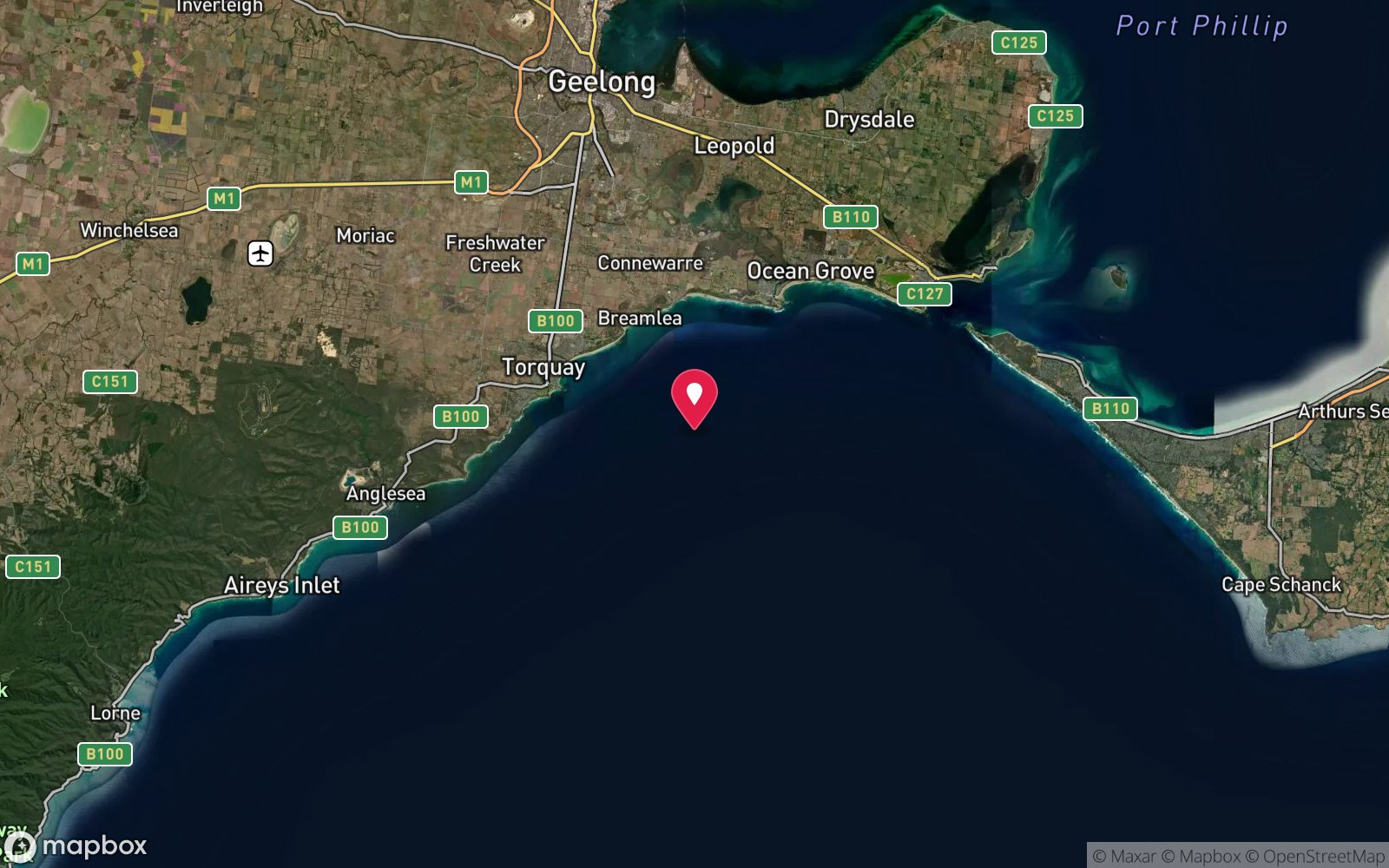
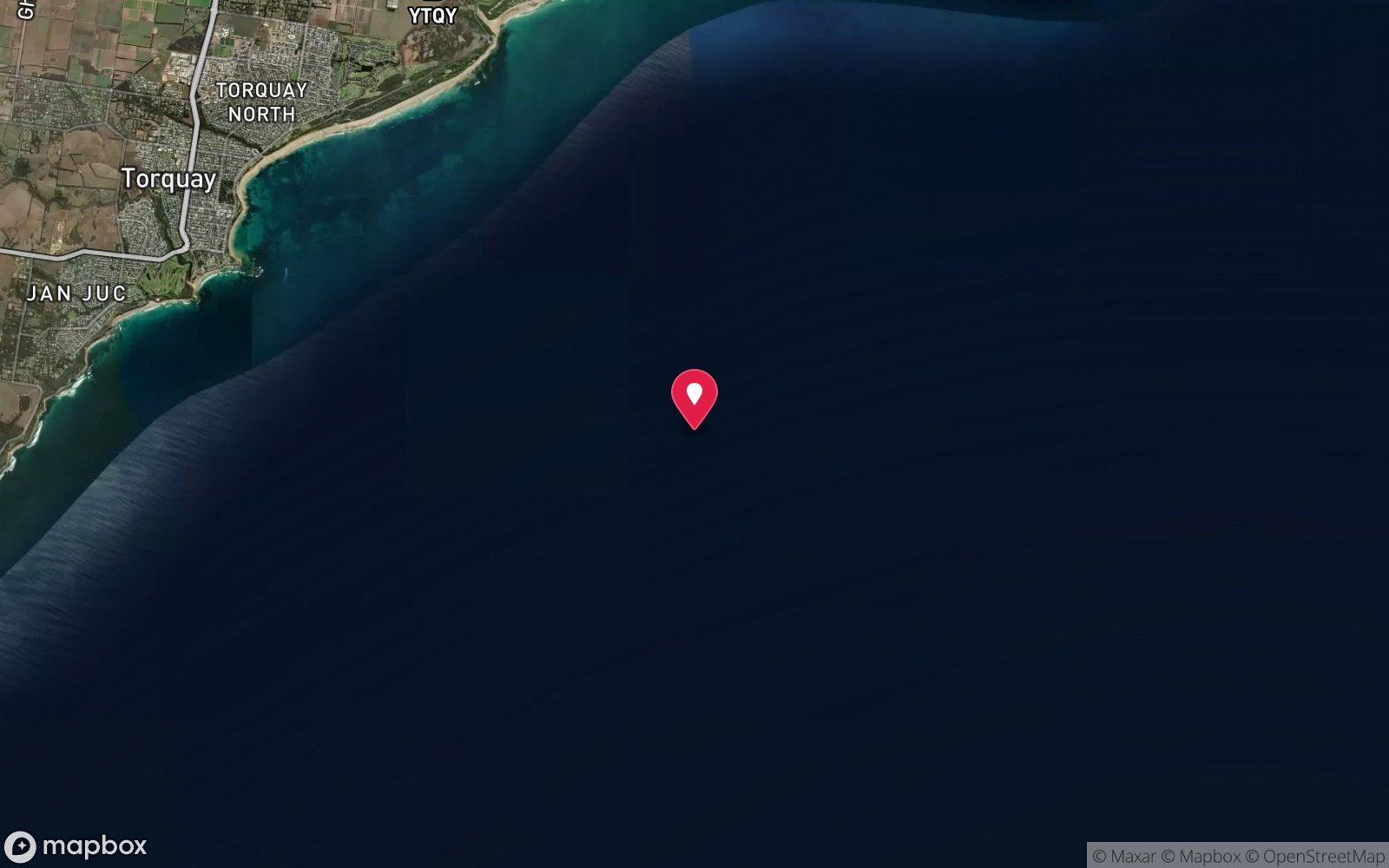
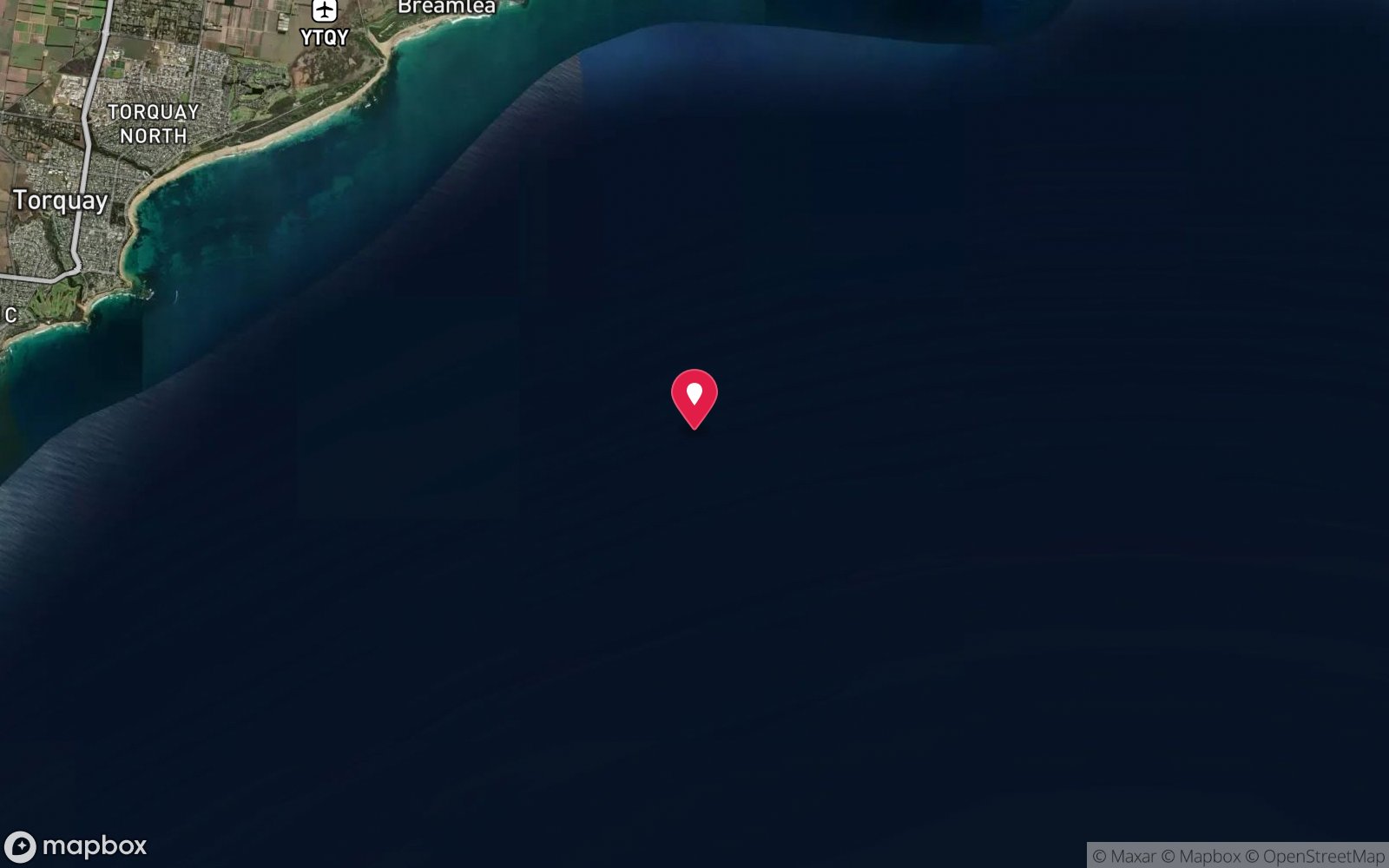
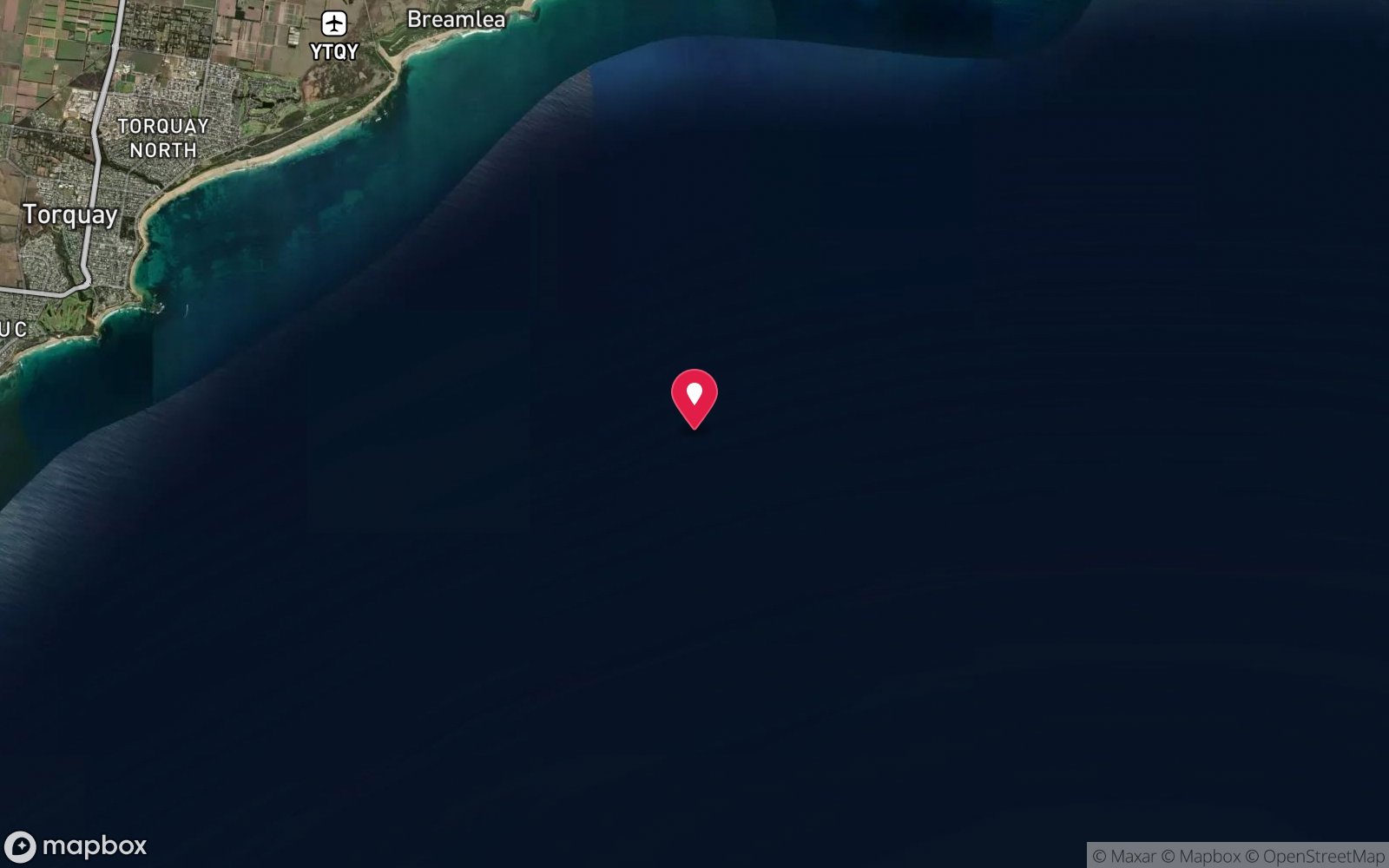
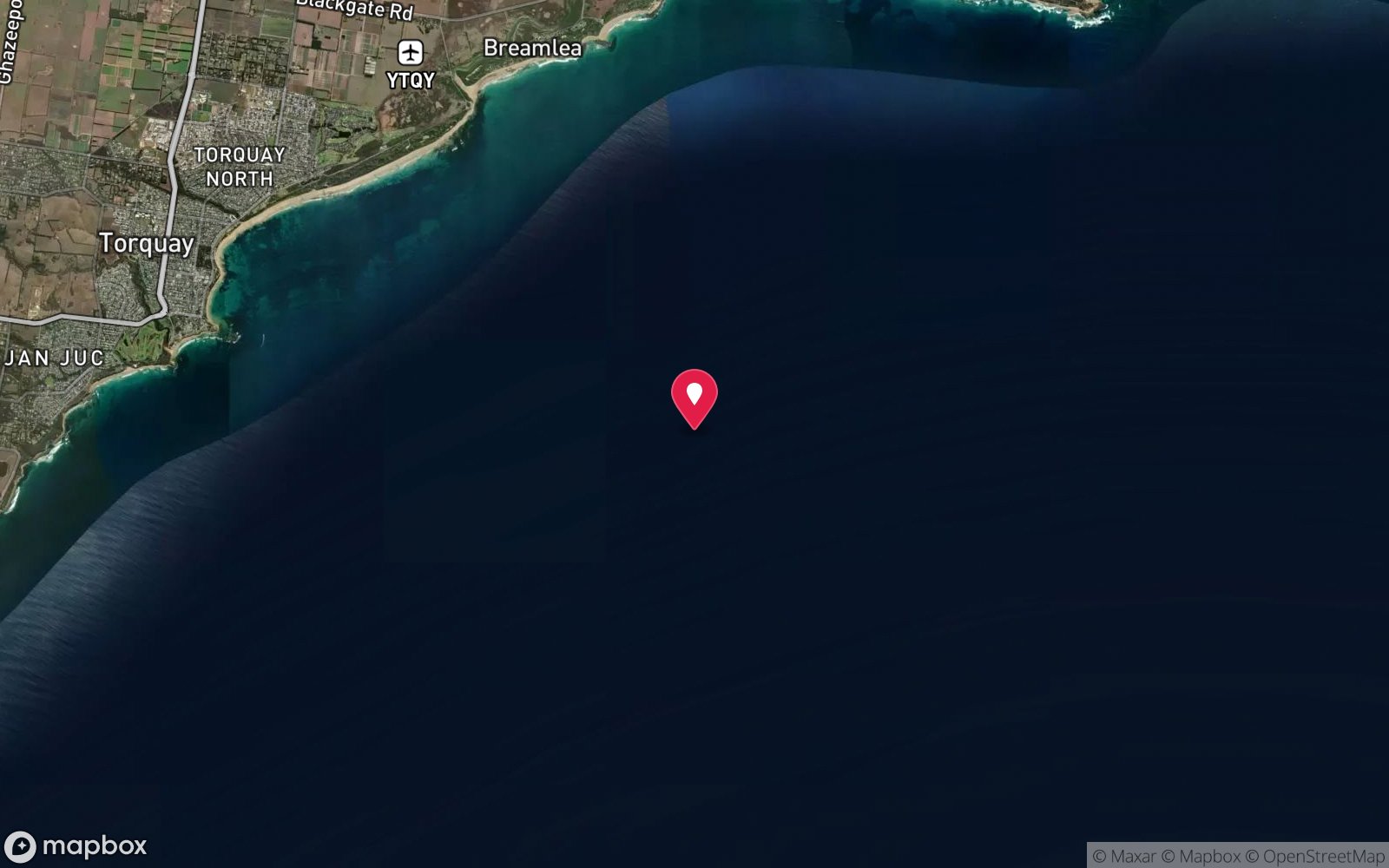
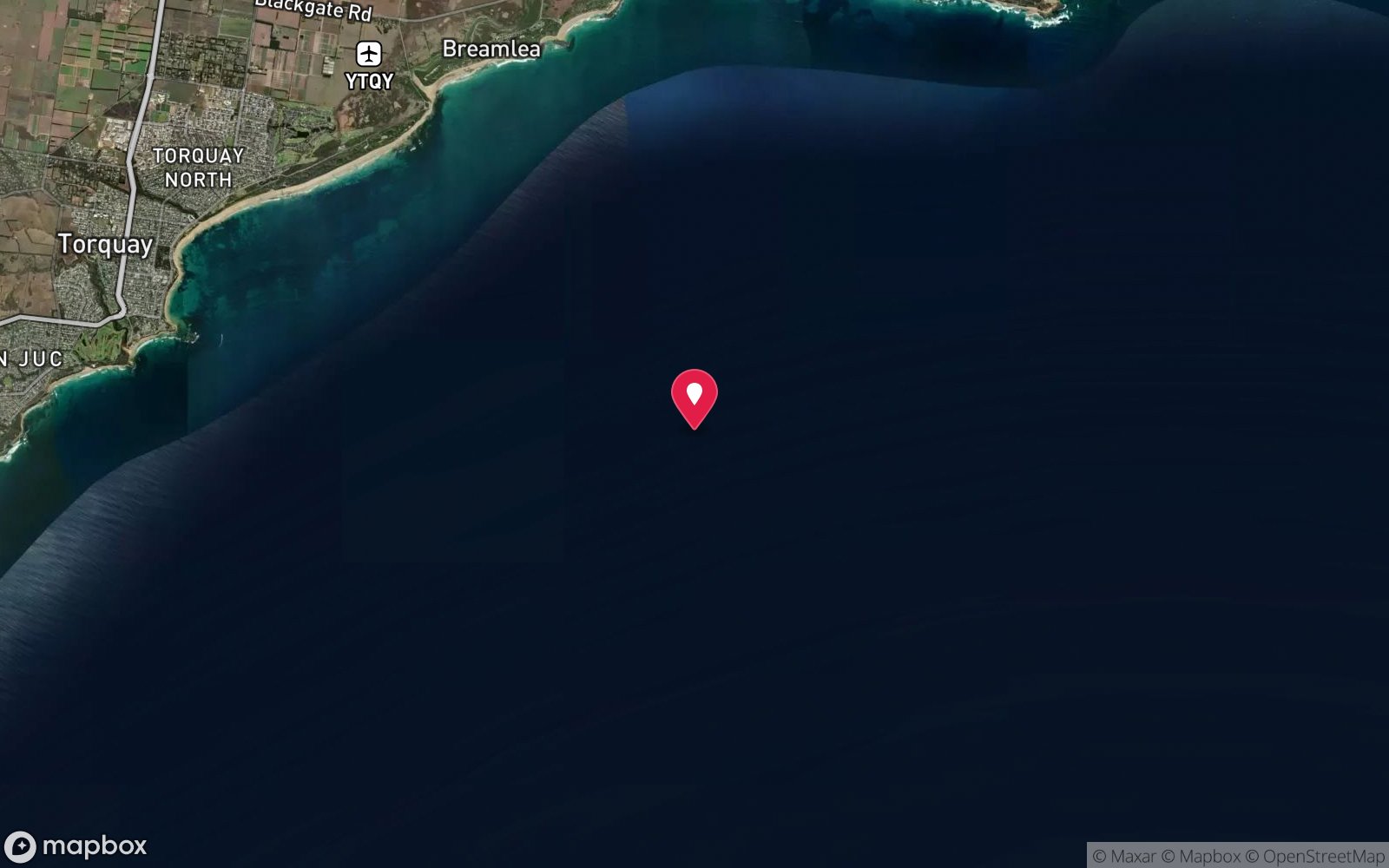
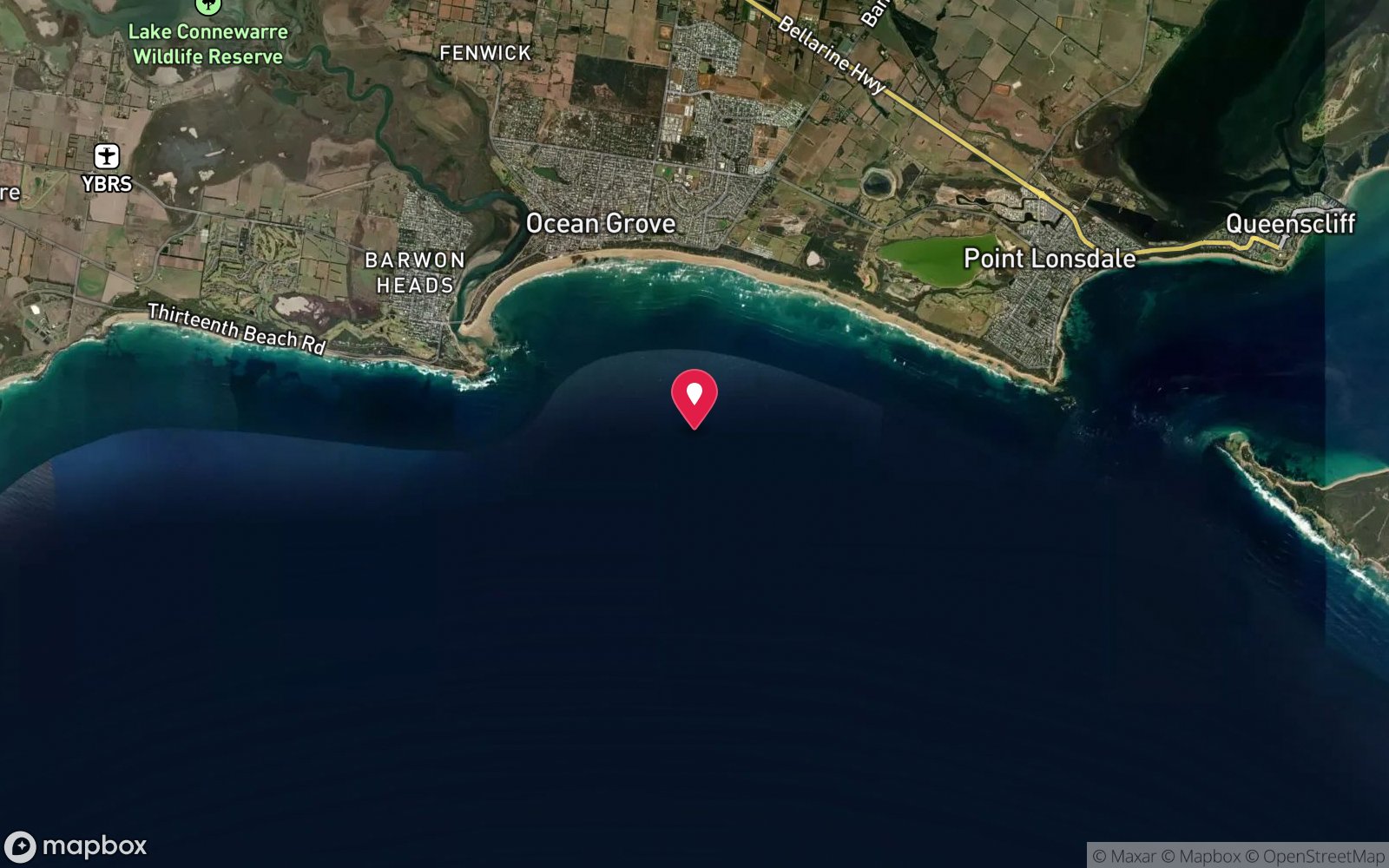
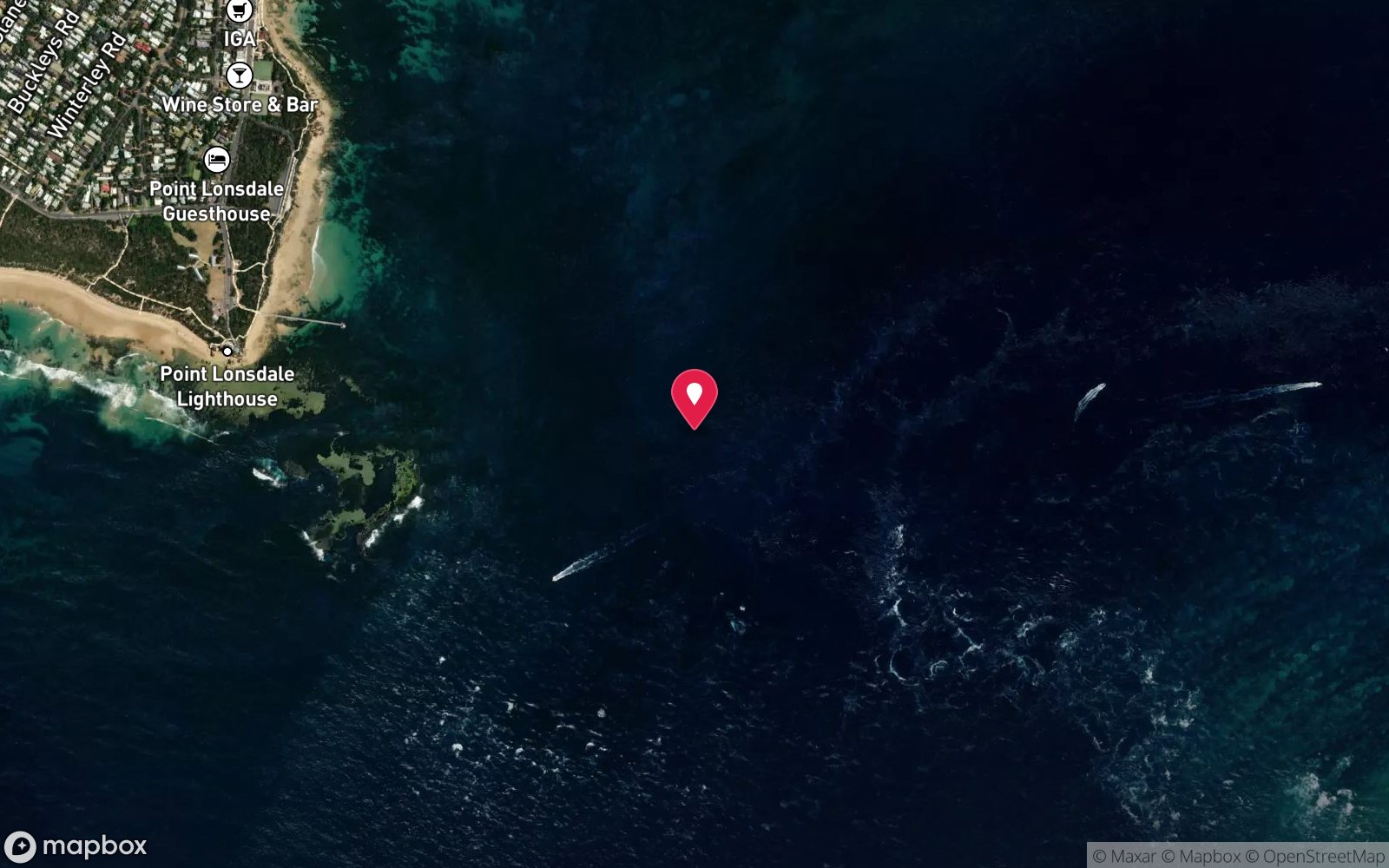
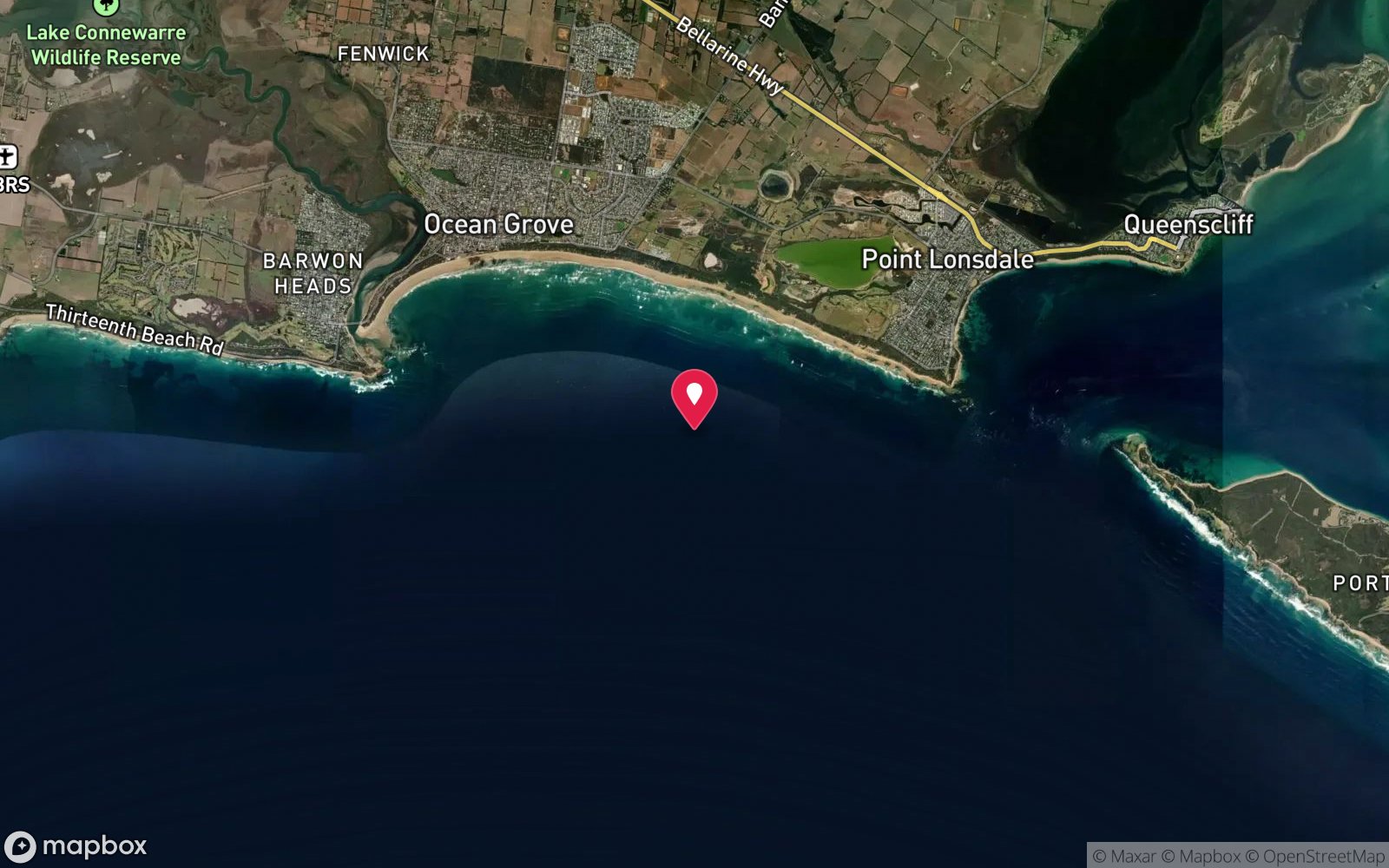
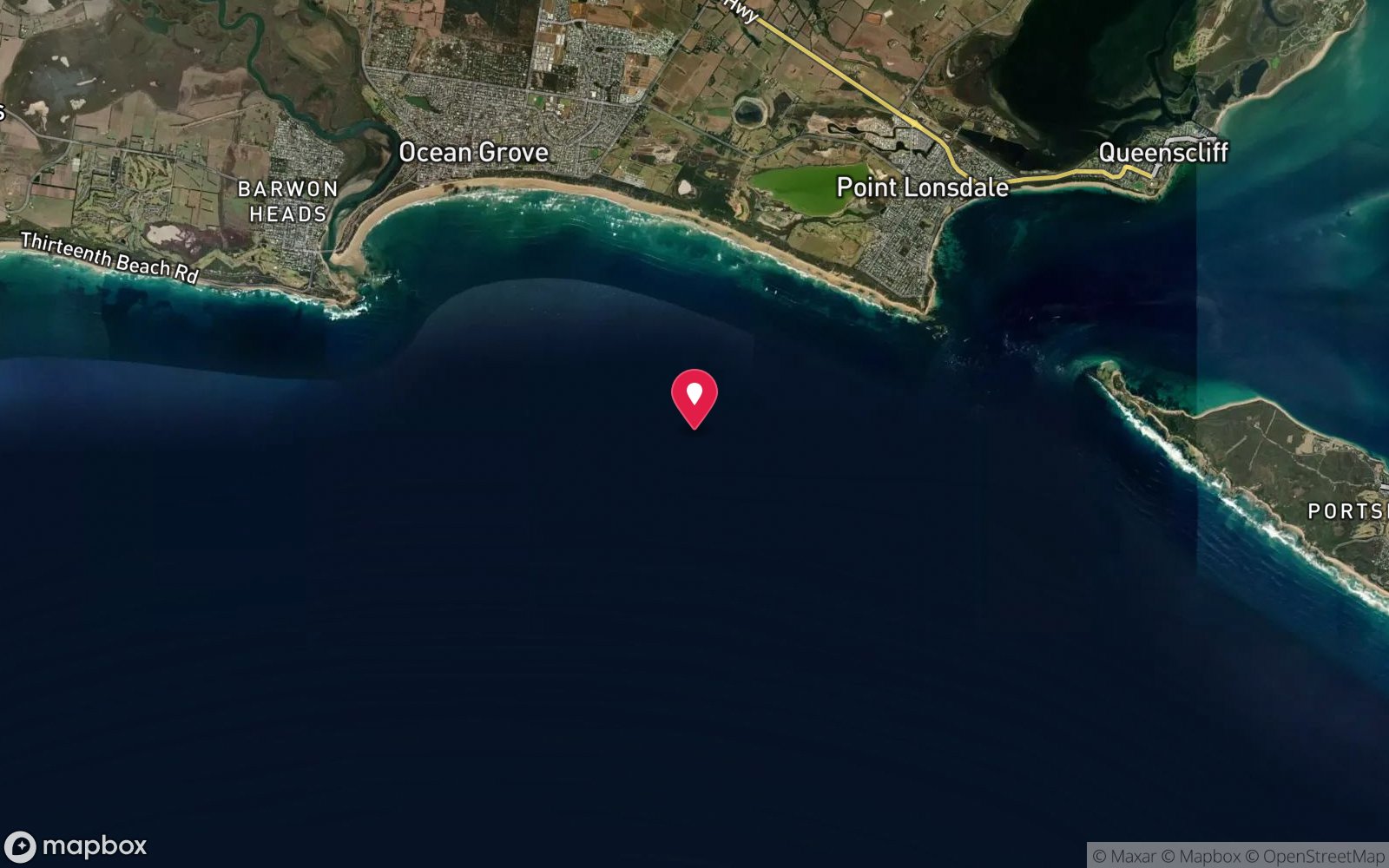
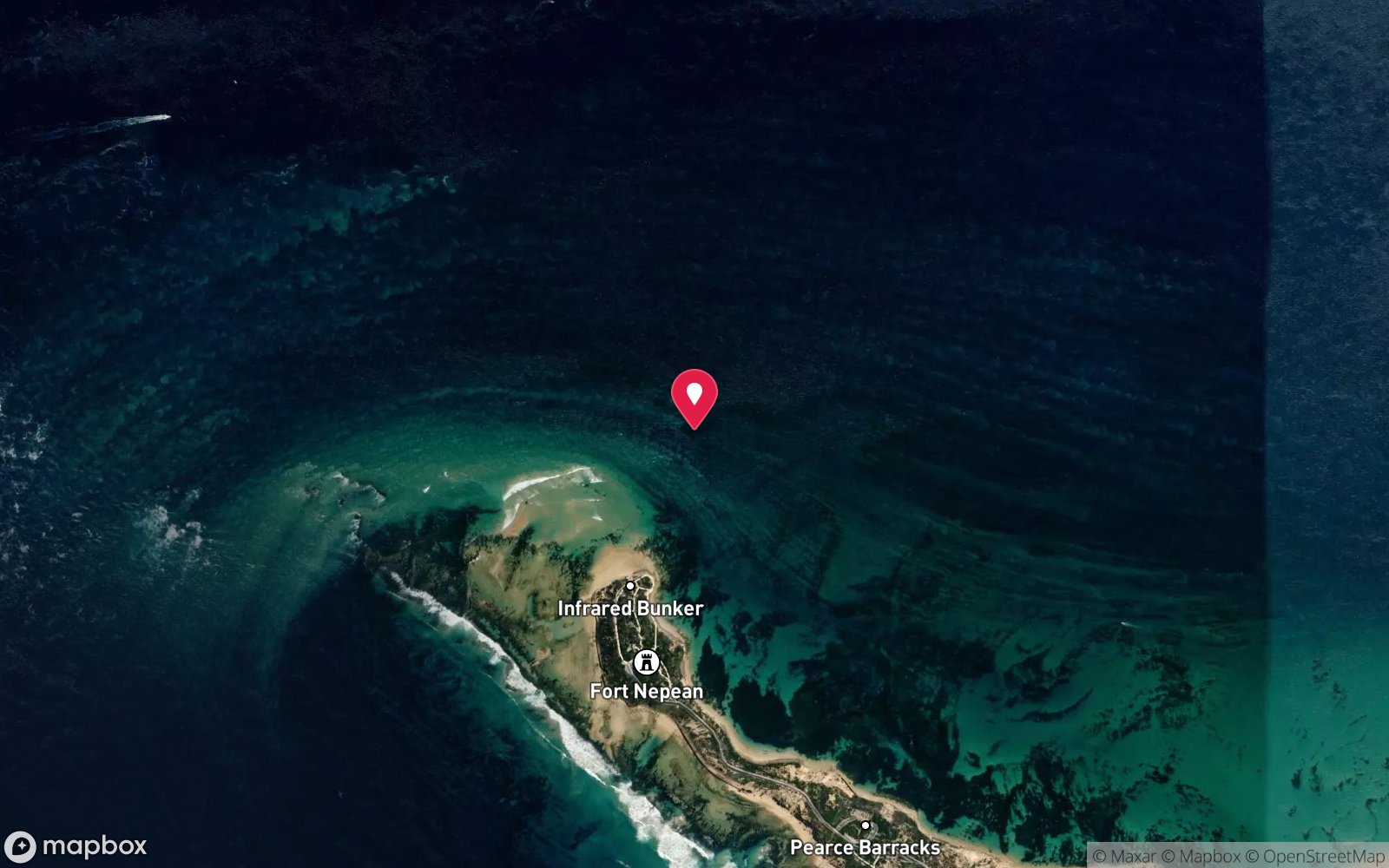
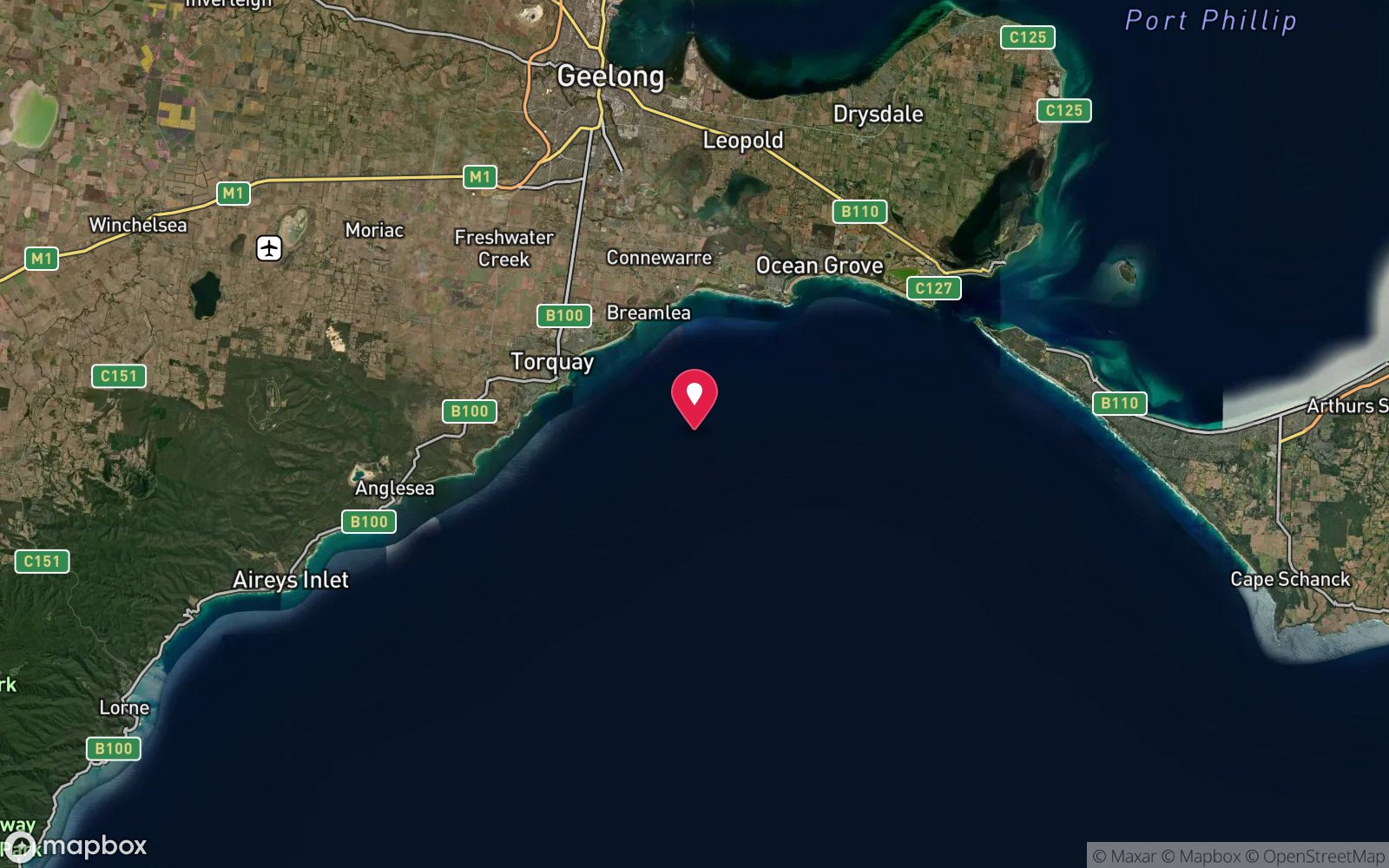
-38.37176, 144.42606
Published GPS position.
Open in Google MapsDive site map (external) →Primary source: scubadoctor.com.auMarine park & permits
No marine park. Historic shipwreck protected under the Victorian Heritage Act 2017 and Commonwealth Underwater Cultural Heritage Act 2018 – look but do not touch, no artefact removal, no anchoring into the wreck. No dive permit required.
Nearest recompression chamber
The Alfred (Melbourne)
Diving emergency: call 000, then DAN AP 1800 088 200.
Trip planner
Build a trip around Bunyip →
A day-by-day plan for Port Phillip Heads with this site locked in.
This guide is a planning aid. Conditions change daily — confirm with a local dive centre and dive within your training. Data & safety notes.
Dive profile
How this site rates
Scores are computed from the recorded data, not opinions. How?
At a glance
Bunyip is a wreck boat dive in Port Phillip Heads, VIC, 52–58 m, suited to Technical (decompression) divers, about 50 minutes by boat.
Rated expert/technical because of depth to 58 m, surge on the entry or in the shallows, boat traffic overhead, cold water.
Why dive here
- An 1879 Renfrew-built Harbour Trust bucket dredge – one of the oldest hulls in the ground, scuttled in 1955 after breaking adrift in a storm – lying in about 58 m at the remote south-western edge.
- Sunk in 1955.
- Rarely dived: expect to have the site to yourself, and plan your own logistics.
- Visibility often reaches 10-25 m.
Conditions to avoid
- Swell above about 1 m
- Afternoon north-easterlies
- Strong westerlies
- Any time other than slack water
About Bunyip
The Victorian Ships' Graveyard was the official dumping ground for Melbourne's unwanted hulls: an unregulated 'outer Heads' area used from about 1900, and from 1932 the proclaimed Commonwealth Area No. 3, a 6 km circle about 10 km south-west of Barwon Heads in 40–60 m. More than 46 vessels were stripped, towed out through The Rip and sunk with gelignite between 1913 and 1971, and all are protected historic shipwrecks. Bunyip was one of the oldest vessels in the ground: an iron steam bucket dredge of 317 tons, 48.9 m (160.5 ft) long, built by W.
Simons and Co at Renfrew and launched on 24 January 1879 for the Melbourne Harbour Trust Commission, two years after the Trust was formed to make the Yarra navigable. Her 78 ft bucket ladder dug the first deep channels into the river. Long superseded, she was cut down to a coal hulk and lighter, and on 20 November 1954 she snapped her moorings in a fierce storm and went adrift in Hobsons Bay – the same fate that condemned the Malaita a generation earlier.
Judged not worth keeping, she was towed out and scuttled on 13 April 1955. She lies in about 58 m at the far south-western edge of the field, one of the most remote wrecks in the Graveyard, and the Scuba Doctor calls her an interesting deep technical dive – a Victorian-era dredge with industrial equipment still recognisable, though the great bucket ladder was presumably removed when she became a hulk. Deep-water sponges and sea whips grow on the iron and ling, boarfish and large crayfish live in the structure; visibility at this end of the ground, far from the Barwon, is often 15–25 m.
At 58 m the Bunyip is a trimix or rebreather dive with 45–55 minutes of decompression at the end of a 50-minute boat run, and she is among the least-visited wrecks in the ground. She suits experienced technical divers doing the south-western trio – Bunyip, D McLennan and White Pine, all within a kilometre – and anyone with a taste for the oldest machinery in the Graveyard.
Wreck details
Iron steam bucket dredge (later coal hulk), 48.9 m (160.5 ft), 317 t · Sunk 1955
Era: post-war. Oldest wrecks · Wartime wrecks · Scuttled warships
Other wrecks of the same era
- Edward Northcote · Max 52 m · Port Phillip Heads
- Casablanca · Max 57 m · Port Phillip Heads
- Pioneer · Max 50 m · Port Phillip Heads
- D McLennan · Max 58 m · Port Phillip Heads
- Nepean Reef (Time and Campbell wrecks) · Max 9 m · Port Phillip Heads
- Sir William McPherson · Max 57 m · Port Phillip Heads
Getting there & entry
Far south-western Ships' Graveyard about 11 km south of Barwon Heads, 716 m west-south-west of the D McLennan and 963 m south-east of the White Pine.
Boat only. The western end of the Ships' Graveyard sits 8–12 km south of Barwon Heads and is normally reached from Queenscliff Harbour (Red Boats, Dive Victoria Group technical charters) – a 40–60 minute run out through The Rip and west along the Bellarine coast – or occasionally from the Barwon Heads river ramp in a small boat when the bar is flat. Drive Melbourne–Queenscliff via the Geelong Ring Road and Bellarine Highway (about 1 h 40 min).
Technical charters usually load at the harbour before dawn to get the wreck dived before the afternoon sea breeze. Private boats need a reliable sounder and the published GPS marks, as nothing shows on the surface.
Entry: Giant stride or backward roll from charter boat, descent on a shot line
Facilities: Departure from Queenscliff Harbour (parking, toilets, cafes, fills at Dive Victoria/Queenscliff Dive Centre) or Portsea Pier (parking on Point Nepean Road, toilets, cafes).
Weather, swell & tides
Fully exposed Bass Strait. South-westerly swell is the killer: most charters will not run on a forecast over about 1.5 m, and anything from the south or west over 2 m makes the site undiveable and the passage through The Rip dangerous. Northerly and north-easterly winds flatten the sea; a calm morning after several settled days gives the best visibility (often 15–25 m in autumn and winter).
Surge is felt on the wreck in any swell over 1 m. Tidal streams outside The Heads are weaker than inside but still run; charters aim for slack water at Port Phillip Heads or a favourable tide for the transit. Winter westerlies close the site for weeks at a time.
The wreck sits in or near the shipping approach and pilot boarding ground, so a shot line, surface cover and a delayed SMB are mandatory.
Best season: Late summer to autumn (Feb–May) for settled seas and best visibility; diveable year-round in weather windows
If it's blown out
Sheltered or shore sites within 25 km that often work when Bunyip doesn't.
- Nepean Bay · 22 km · Max 12 m
- Queenscliff Pier · 24 km · Max 8 m
- Victoria Tower · 8 km · Max 8 m
- Joseph H Scammell · 9 km · Max 9 m
How the dive is usually run
Shot onto the hull. Locate the bucket-ladder well and the remains of the dredging machinery, run to bow and stern, and ascend the shot at 20 minutes with 45–55 minutes of staged decompression.
Marine life
- Deep-water sponges
- sea whips
- ling
- boarfish
- large southern rock lobster
- butterfly perch
Linked species have their own page listing every site where they are recorded. All marine life →
Training required
Beyond recreational limits: decompression, mixed gas or full cave/wreck training is required.
Courses that help here
- Enriched Air Nitrox – Longer no-decompression time at 25 m and deeper.
- Drysuit Diver – Cold water; locals dive dry for much of the year.
- Peak Performance Buoyancy – Silt and low visibility punish poor trim.
Depth tiers: 0–10 m easy · to 18 m Open Water · 18–30 m Advanced (25 m+ is a deep dive) · 30–40 m Deep specialty · 40 m+ technical. All courses
Hazards & warnings
Exposed Bass Strait swell and surge; depth and mandatory decompression planning; shipping channel and pilot boarding ground – ascend on the shot with a DSMB; cold water; silt inside the hull; jagged steel and entanglement in trawl net or fishing line; long boat run and limited weather windows. 58 m – trimix; remote corner of the ground, long run and long deco.
Technical notes
Technical (decompression) dive. Trimix only (18/45 or 15/55) with EAN50 and oxygen deco; a 20 min bottom time typically needs 45–60 min of staged decompression. CCR-friendly with a bailout plan sized for the full ascent.
Drop a weighted shot on the wreck, use a delayed SMB from the wreck or a decompression trapeze under the boat; the site is in a shipping approach so free-drifting deco is discouraged.
Dive centres that go here
No operator. Visited only by Melbourne technical/rebreather teams and Southern Ocean Exploration from private boats, typically once or twice a year at most.
Operators recorded for Bunyip
Other dive centres in Port Phillip Heads
The Scuba Doctor
ProfiledRye · Melbourne & Port Phillip Bay · VIC
A Victorian equipment and service business with an extensive retail presence, located to serve both Melbourne and Mornington Peninsula divers.
scubadoctor.com.au · (03) 5985 3322
Diveline Scuba Centre
ListedFrankston · Melbourne & Port Phillip Bay · VIC
A Victorian business associated with technical training and gas support alongside recreational courses.
diveline.com.au · (03) 9783 7166
Aquability
ListedMordialloc · Melbourne & Port Phillip Bay · VIC
A Victorian operation associated with technical diving training. Exact agency, course levels and gas support require verification.
aquability.com.au · (03) 9587 1811
Bay City Scuba
ListedEast Geelong · Melbourne & Port Phillip Bay · VIC
A Victorian business associated with recreational and technical training alongside equipment and gas services.
baycityscuba.com · (03) 5248 1488
Scuba Culture
ListedBurwood · Melbourne & Port Phillip Bay · VIC
A Melbourne business providing training and equipment support for local divers.
scubaculture.com.au · (03) 9808 0033
Scubabo Dive Victoria (Queenscliff)
ListedQueenscliff · Geelong & Bellarine · VIC
A Queenscliff operation, strategically located for access toward Port Phillip Heads.
dive.scubabo.com · (03) 5258 1188
Map
7 pinned sites. Pins marked approximate on their pages show the general area only; not for navigation.
Satellite views
Bunyip: frequently asked questions
How deep is Bunyip?
Bunyip reaches a maximum depth of 58 m, with the shallowest part at about 52 m; most of the dive is spent around 56 m.
What certification do I need to dive Bunyip?
Technical (decompression) is the recommended minimum. Rated expert/technical because of depth to 58 m, surge on the entry or in the shallows, boat traffic overhead, cold water.
Can I shore dive Bunyip?
No, it is reached by boat (about 50 minutes). A dive centre is required: boat access only.
When is the best time to dive Bunyip?
Late summer to autumn (Feb–May) for settled seas and best visibility; diveable year-round in weather windows.
What marine life will I see at Bunyip?
Regularly recorded: Deep-water sponges, sea whips, ling, boarfish, large southern rock lobster, butterfly perch.
What wetsuit do I need at Bunyip?
Drysuit recommended year-round; 7 mm semi-dry with hood and gloves in summer only.
How cold is the water at Bunyip?
Typically 17-20 °C in summer and 11-13 °C in winter.
What are the main hazards at Bunyip?
Exposed Bass Strait swell and surge; depth and mandatory decompression planning; shipping channel and pilot boarding ground – ascend on the shot with a DSMB; cold water; silt inside the hull; jagged steel and entanglement in trawl net or fishing line; long boat run and limited weather windows. See the hazards section above for the full list.
Where is the nearest recompression chamber to Bunyip?
The Alfred (Melbourne). In an emergency call 000, then DAN Asia-Pacific on 1800 088 200.
Diving in Port Phillip Heads
The entrance to Port Phillip Bay is a 3 km gap through which the whole bay drains and fills twice a day, and the currents have carved walls, canyons and caves in the limestone: Lonsdale Wall, Nepean Wall, the Boulders, the Cave, the Canyons and Popes Eye. Outside the Heads lies the Ships' Graveyard, with more than 40 scuttled vessels including the J1, J2, J4 and J5 submarines, the SS Coogee and the Eliza Ramsden. Every dive here is on slack water and every dive is from a charter.
Getting there: Charters from Queenscliff, Portsea and Sorrento, timed to the slack. Ninety minutes from Melbourne.
All Port Phillip Heads dive sites and a suggested itinerary →
Sources
Data confidence: Medium · Being verified: Minimum depth estimated; wreck layout not described in detail. Last updated September 2026. Know this site better? How to send a correction