Ranked by the upper end of the recorded visibility range: the Coral Sea, the Rowley Shoals, the offshore territories, the Mount Gambier sinkholes and, in winter, Tasmania's east coast.
Updated daily from the directory. 30 sites listed.
1. Lord Howe Island · NSW
Balls Pyramid – Ballina Rock
Visibility: 30-45 m · The best chance of the rare Ballina angelfish, in a boulder field at the foot of a surface-breaking bommie with Galapagos sharks in 40 m visibility.
2. Lord Howe Island · NSW
Balls Pyramid – Observatory Rock
Visibility: 30-45 m · Drift through 5–8 m rock stacks and caves packed with lobsters, with Galapagos sharks circling on the safety stop and a chance of the rare Ballina angelfish.
3. Lord Howe Island · NSW
Balls Pyramid – South East Rock
Visibility: 30-45 m · Easy-profile Balls Pyramid dive on a boulder and ledge shelf with lobster-filled overhangs and plate coral – long bottom times in 30 m+ visibility.
Our takeLord Howe's water is clear everywhere, and Balls Pyramid, 23 km further out in the Tasman, is clearer still. South East Rock is the gentlest of the Pyramid dives: a boulder shelf in 40 m visibility with lobsters in every overhang.
4. Lord Howe Island · NSW
Balls Pyramid – Sunken Rock
Visibility: 30-45 m · Deeper Balls Pyramid pinnacle with bommies, gutters and ledges from 12 to 36 m – pelagics, Galapagos sharks and Ballina angelfish.
5. South West Rocks · NSW
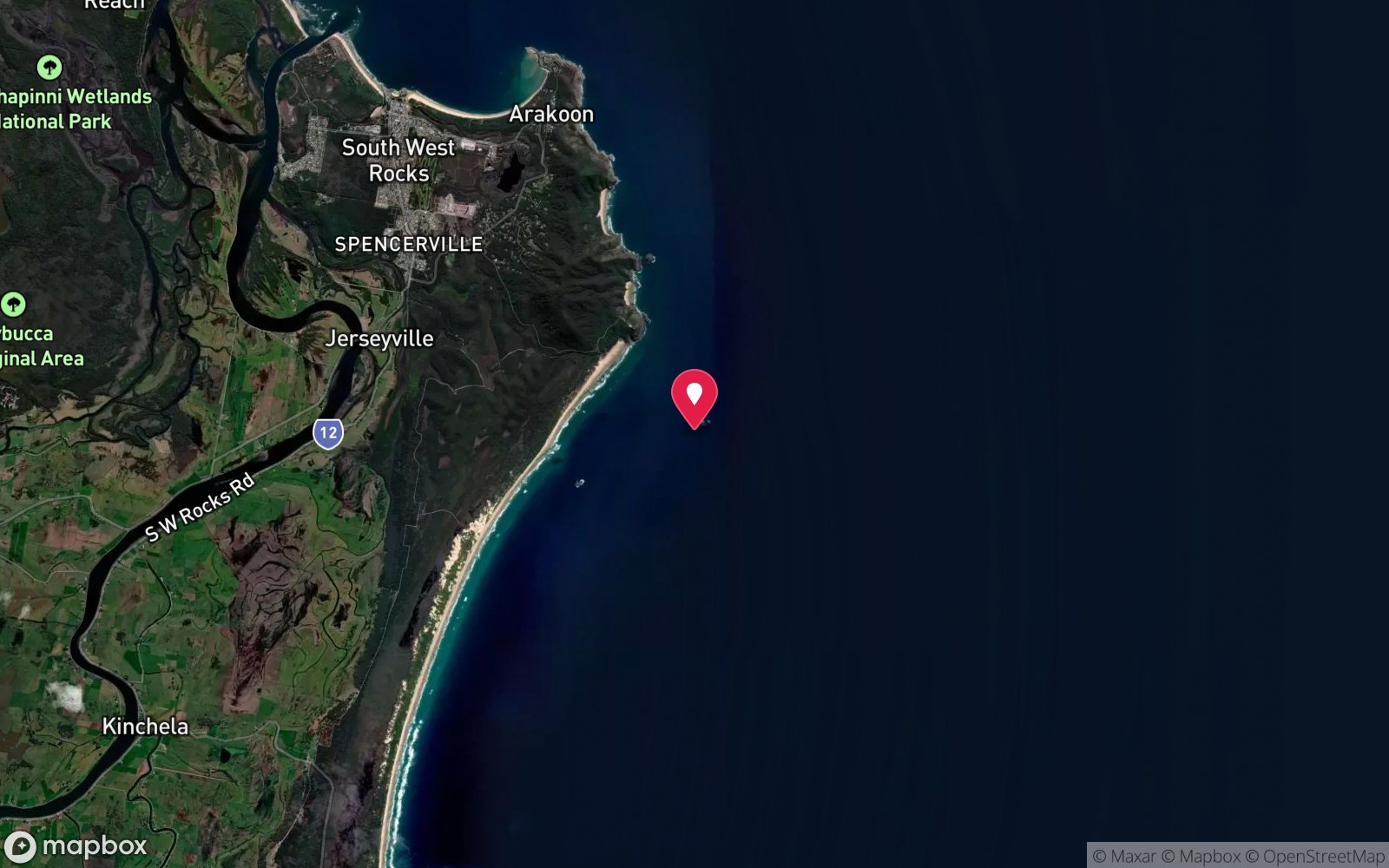
Fish Rock Cave
Visibility: 15-40 m · A 125 m swim-through under an island with grey nurse sharks stacked in the gutters at each end. Australia's best-known ocean cave dive.
6. Sydney Northern Beaches · NSW
Bluefish Valley
Visibility: 10-40 m · A year-round grey nurse shark colony in a sheltered 7 m valley that Open Water divers can do – Manly's answer to Magic Point.
7. Lord Howe Island · NSW
Deacon's Delight
Visibility: 25-40 m · Swim-throughs lined with purple soft coral, fusilier schools and Galapagos sharks.
8. Lord Howe Island · NSW
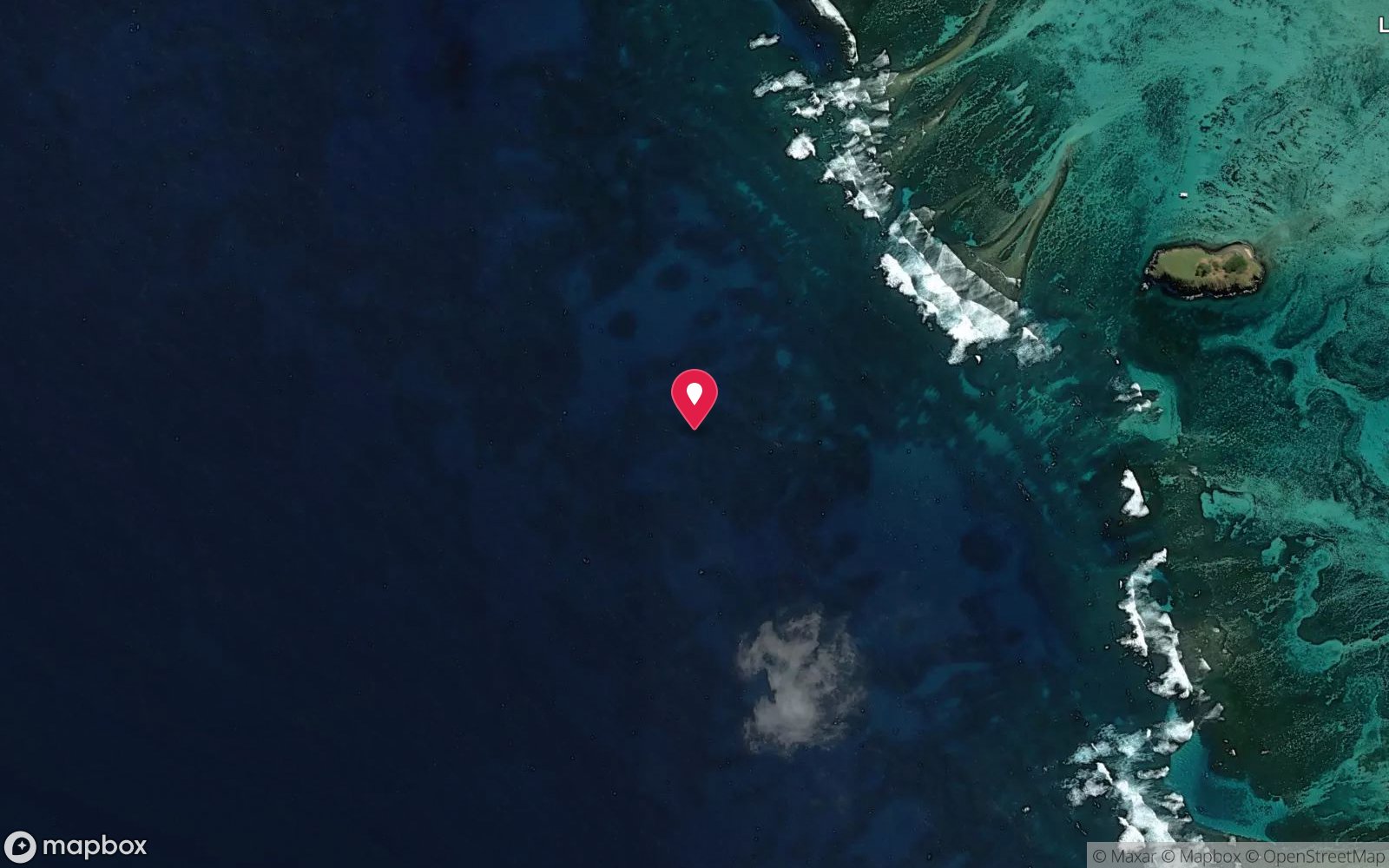
Liv's Crack
Visibility: 25-40 m · Narrow coral cracks and overhangs with groups of crayfish – an easy-to-navigate structure dive.
9. Lord Howe Island · NSW
Malabar
Visibility: 20-40 m · Sheltered north-coast reefs with swim-throughs, arches and anemone fields – Lord Howe's top macro site.
10. Lord Howe Island · NSW
Malabar Third Reef
Visibility: 20-40 m · Ledges and caves with lobsters and morays, and sand patches that can hold large groups of black-blotched stingrays.
11. Lord Howe Island · NSW
Malabar West
Visibility: 20-40 m · Shallow ledges full of spiny lobsters, octopus and soldierfish – easy, long dive.
12. Lord Howe Island · NSW
Noddy Island
Visibility: 25-40 m · One of the best reef dives at Lord Howe – coral-covered boulders and gorgonias in 40 m visibility with kingfish, trevally and Galapagos sharks.
13. Lord Howe Island · NSW
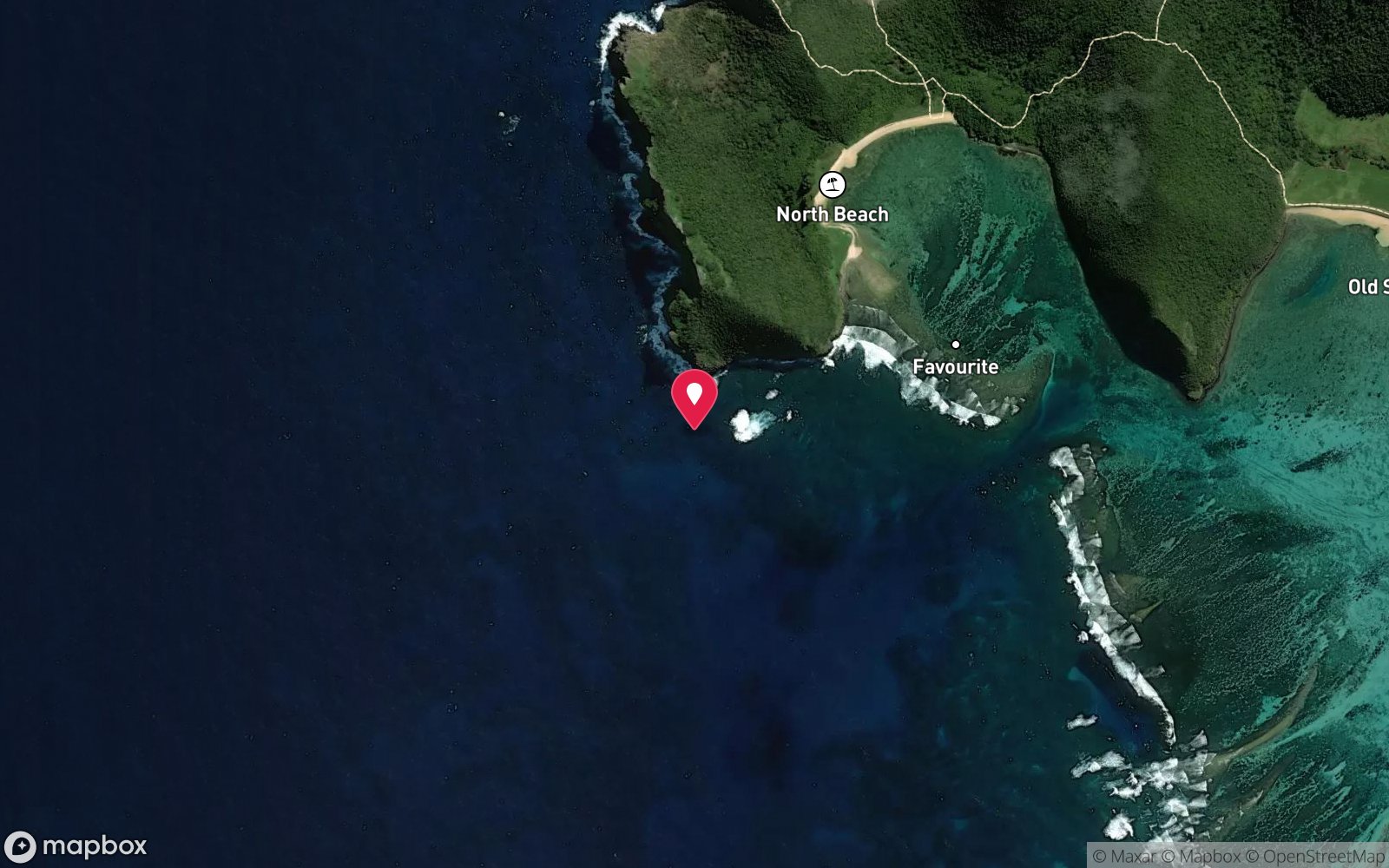
North Head Bommie
Visibility: 20-40 m · A bommie cut by slits, canyons, craters and porthole openings – photogenic structure with Galapagos sharks in 30 m visibility.
14. Lord Howe Island · NSW
North Rock
Visibility: 25-40 m · Deeper wall with tunnels and cracks through the fringing reef, black coral trees and schooling pelagics.
15. Lord Howe Island · NSW
Phillip Rock
Visibility: 20-40 m · Pinnacle rising from 37 m to 2 m with big schools of kingfish and trevally.
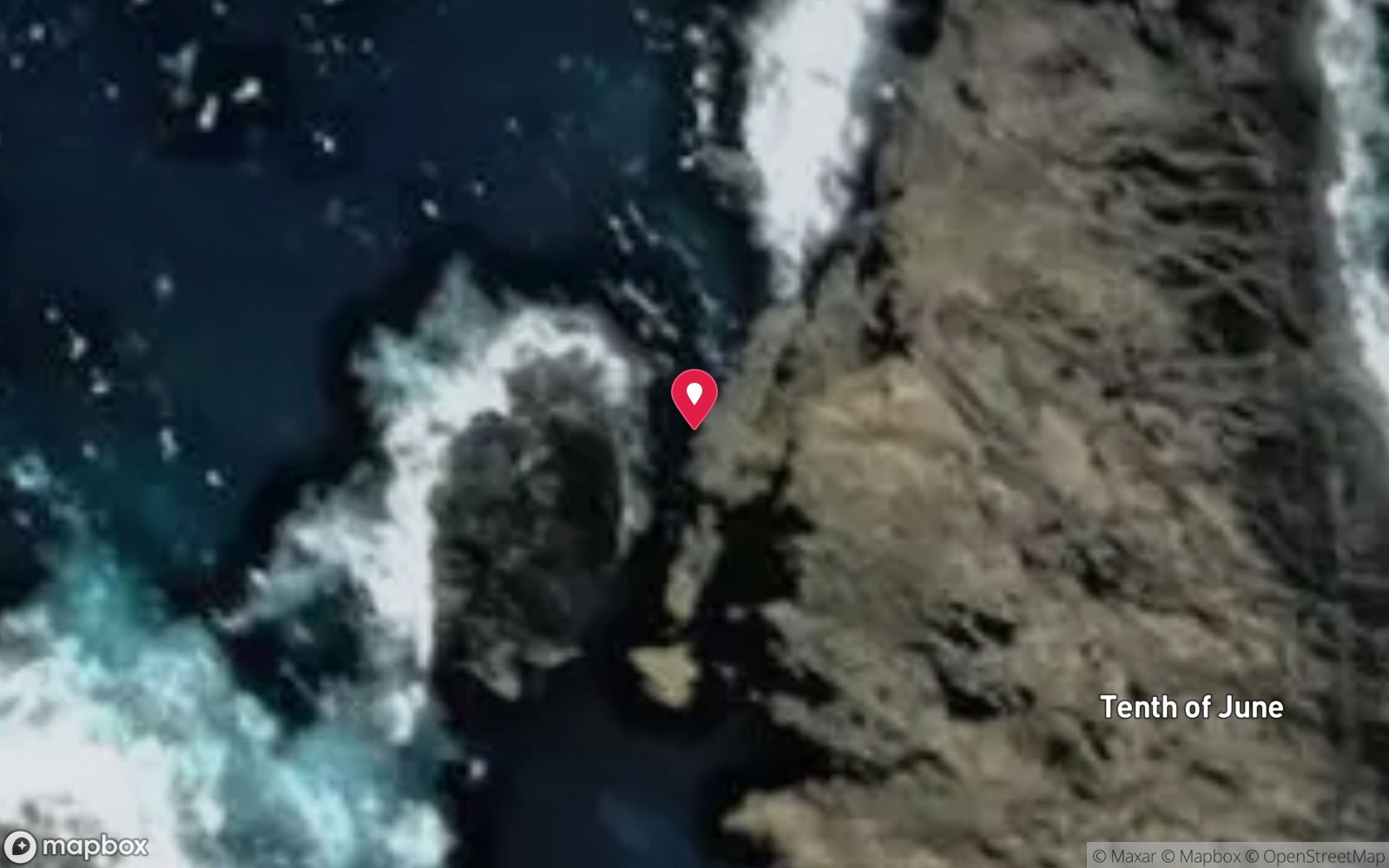
16. Lord Howe Island · NSW
Roach Island / Flat Rock
Visibility: 25-40 m · Coral walls, boulders and swim-throughs where the Admiralty Islets meet underwater, with Galapagos sharks and good macro.
17. Lord Howe Island · NSW
Rupert's Reef
Visibility: 25-40 m · Compact pinnacle packed with Lord Howe endemics – doubleheaders, McCulloch's anemonefish – plus a resident green turtle.
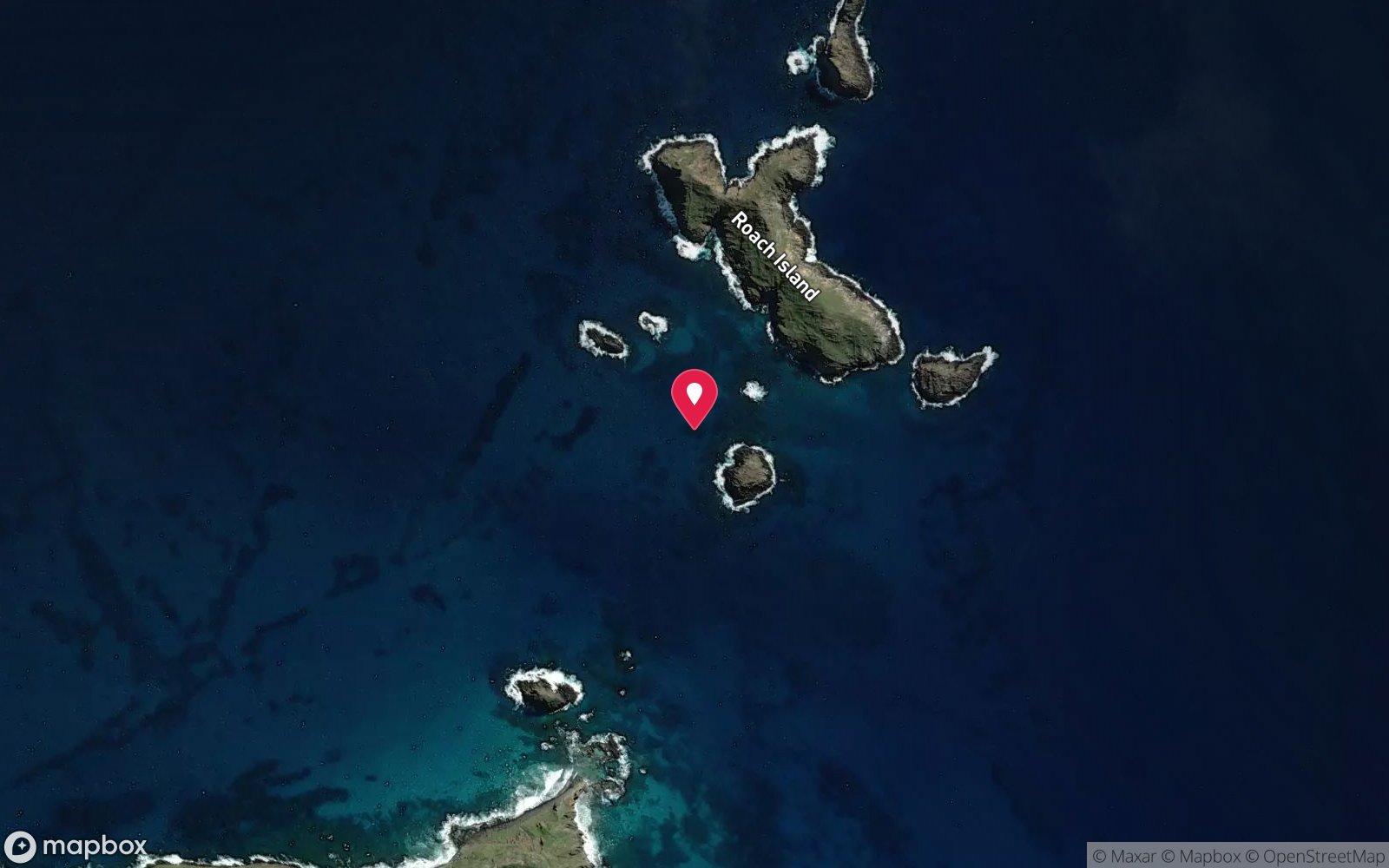
18. Lord Howe Island · NSW
Shearwater Island
Visibility: 25-40 m · Shallow finger reefs with hard coral cover rivalling the Great Barrier Reef, 40 m visibility and long bottom times.
19. Lord Howe Island · NSW
Sugarloaf (Admiralty Islets)
Visibility: 25-40 m · Coral walls and boulders around the largest Admiralty islet with Galapagos sharks, fusiliers and subtropical angelfish in 30 m visibility.
20. Lord Howe Island · NSW
Tenth of June
Visibility: 25-40 m · Pinnacle and deep plateau with tunnels, swim-throughs and walls – big black cod, Japanese boarfish and gorgonian-covered walls.
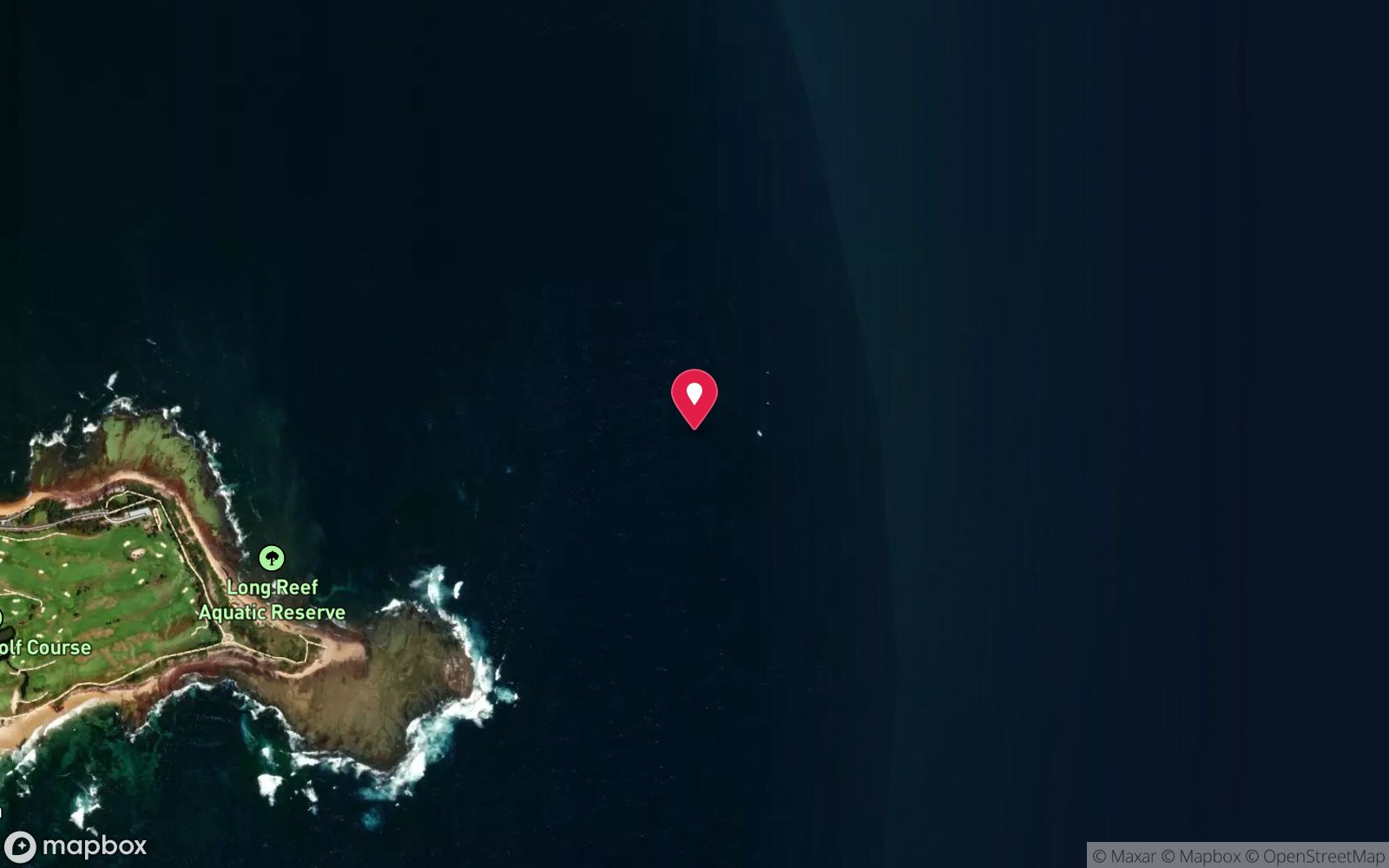
21. Sydney Northern Beaches · NSW
The Apartments (Long Reef)
Visibility: 10-20 (up to 40) m · Grey nurse sharks cruising a sandstone gutter 35 minutes from Manly, with the Cathedral tunnel and stacked 'apartment' blocks alongside.
22. Lord Howe Island · NSW
The Arch (Lord Howe)
Visibility: 25-40 m · Lord Howe's signature swim-through, with Galapagos whalers and endemic fish.
23. Lord Howe Island · NSW
Five Star
Visibility: 25-40 m · A circular deep reef with some of the healthiest, most varied coral at Lord Howe, in 35 m visibility.
24. Lord Howe Island · NSW
Gower Pinnacle
Visibility: 25-40 m · Deep pinnacle with schooling spangled emperor, huge kingfish and Meredith's and conspicuous angelfish.
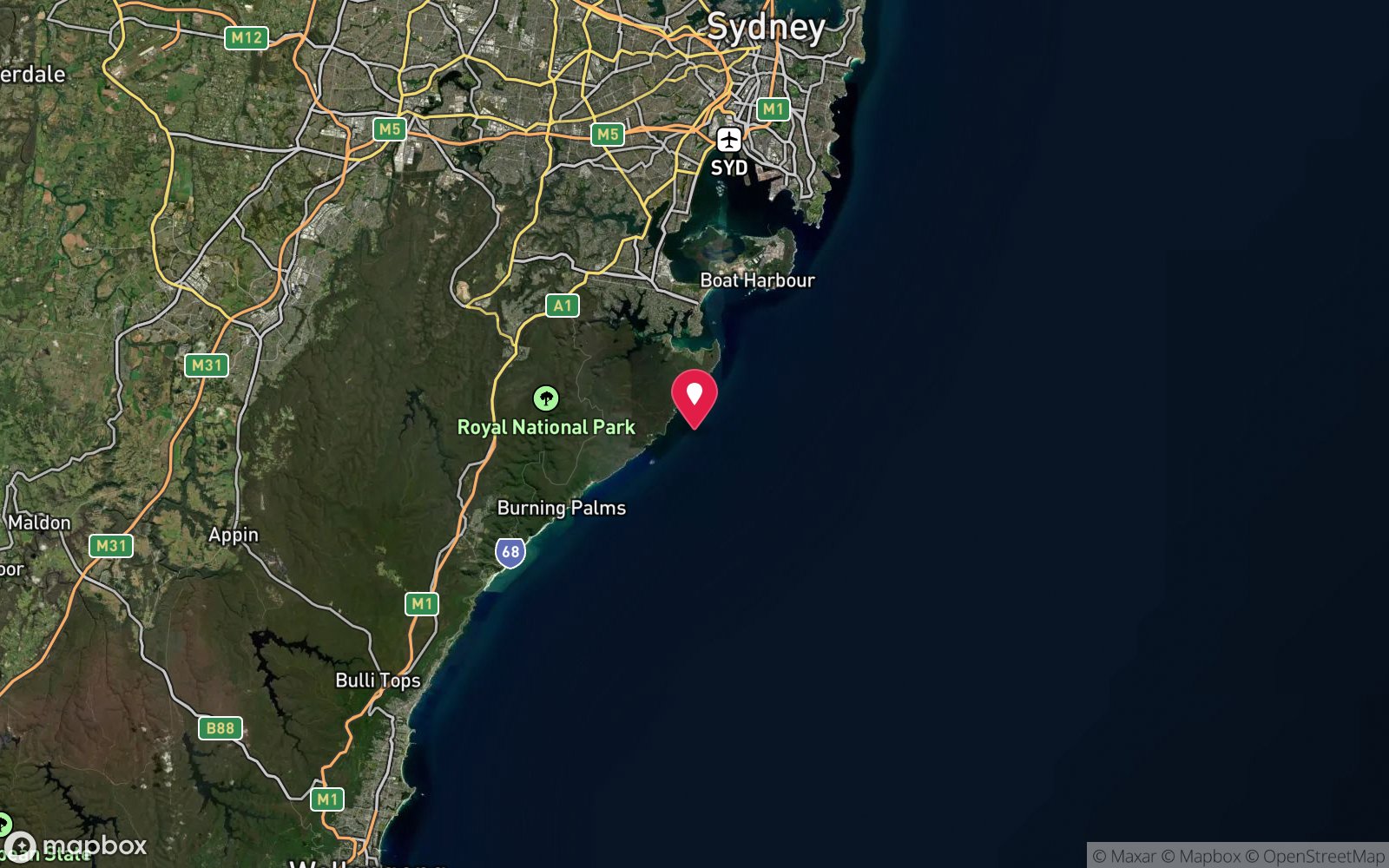
25. Sydney South & Botany Bay · NSW
SS Tuggerah wreck
Visibility: 15-25 (3-40) m · The most intact engine room of any Sydney wreck, buried in schooling fish, at 45 m off Royal National Park.
26. Lord Howe Island · NSW
Tenth of June Deep
Visibility: 25-40 m · Deep walls and plateau of Tenth of June with black coral trees, gorgonians and big black cod.
27. Lord Howe Island · NSW
Elizabeth Reef
Visibility: 20-40 m · One of the world's southernmost coral reefs – huge numbers of Galapagos sharks and black cod in a rarely visited marine national park.
28. Lord Howe Island · NSW
Middleton Reef
Visibility: 20-40 m · Remote southernmost coral reef with Galapagos sharks and black cod, and the hulk of the Runic on the reef flat.
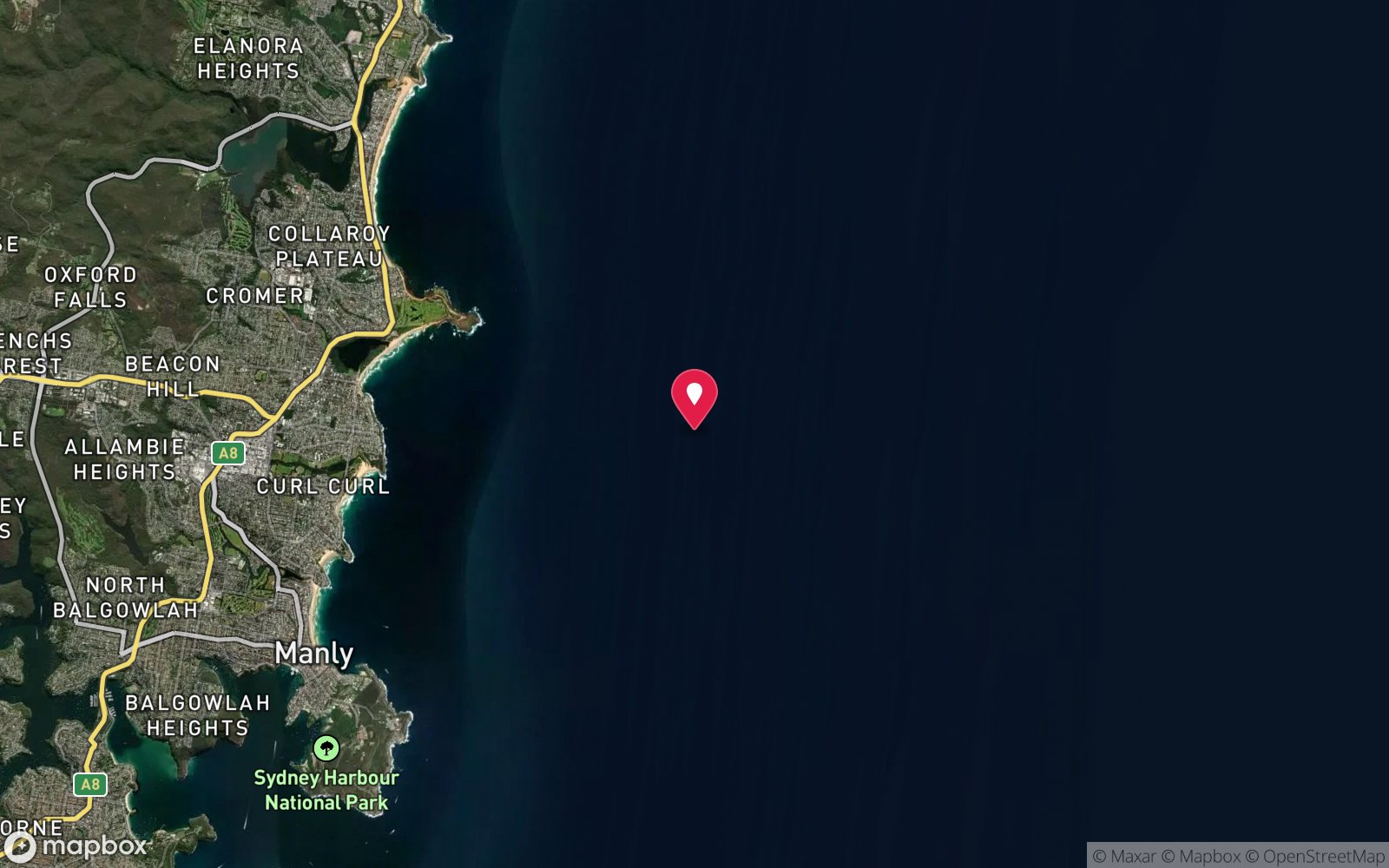
29. Sydney Northern Beaches · NSW
SS Myola wreck
Visibility: 15-20 (up to 35) m · A 1919 collier with two big boilers, an upright stern and a shattered propeller, in the clearest water of any Sydney wreck.
30. Jervis Bay · NSW
Stoney Creek
Visibility: 25-35 m · A deep sea-whip and gorgonian garden at 37–50 m in 25–35 m visibility – one of NSW's finest deep dives.
The guide
Why the clearest water is fresh
The top of this list is inland. The Limestone Coast sinkholes and the Nullarbor caves hold groundwater that has been filtered through kilometres of limestone; there is no plankton, no sediment and no swell, so visibility is limited only by the light. Kilsby, Ewens Ponds and Piccaninnie routinely exceed 40 m and the caves exceed 100 m, numbers that no ocean site in Australia can match.
In the sea, clarity comes from distance from the coast and from the open ocean. The outer Great Barrier Reef at the shelf edge (Agincourt, the Ribbons, Osprey), Lord Howe and Balls Pyramid, the Coral Sea atolls and the Rowley Shoals all sit in oceanic water that the coastal rivers never reach. The temperate south has its clear days too, usually after a week of offshore wind in winter, but 20 m is exceptional where 40 m is routine on the outer reef.
Diving in very clear water
Clear water changes how a dive feels and how it should be planned. Depth is hard to judge when the bottom looks close; divers in the sinkholes routinely find themselves deeper than intended, which is why the CDAA sites have hard limits, guides and permits. Buoyancy control matters more, because every fin kick is visible for 50 m and silt in a cave stays suspended for days. And photography is easier and harder: no backscatter, but a scene that stretches further than any strobe can reach.
The sinkholes and Ewens Ponds are diveable year-round with the water a constant 15 °C; a 7 mm suit or a drysuit is standard. The outer reef is clearest from September to November, before the wet-season runoff.
Editorial last reviewed September 2026. The list itself is regenerated from the directory daily.
Frequently asked questions
Where is the best visibility in Australia?
The Coral Sea reefs (Osprey, Bougainville, Flinders), the Rowley Shoals, Christmas and Cocos islands and the Mount Gambier sinkholes regularly exceed 40 m. Tasmania's east coast reaches 30 m in winter.
More rankings
- The 25 Deepest Dive Sites in Australia
- Australia's Most Remote Dive Sites
- The Longest Boat Rides to a Day Dive
- The Warmest Dive Sites in Australia
- The Coldest Dive Sites in Australia
- The Most Biodiverse Dive Sites in Australia
- The Oldest Shipwrecks You Can Dive in Australia
- WWII and Wartime Wrecks You Can Dive in Australia
- All rankings →