Dive slate · divesites.com.au · printed 9 Nov 2026
Middleton Reef
Lord Howe Island, New South Wales · near Lord Howe Island (about 150–230 km south)
| Depth | Depth not published |
|---|---|
| Minimum level | Advanced Open Water |
| Difficulty | Advanced |
| Access | Boat (multi-day/liveaboard) |
| Entry | From an expedition vessel or tender, inside the lagoon or on the outer reef in calm weather |
| Current | Variable/Tidal |
| Visibility | 20-40 m |
| Water | summer 23-26 °C, winter 17-20 °C |
| Suit | 5 mm full suit in summer–autumn; 5–7 mm with hood or a semi-dry from June to October |
| Best season | September–June (the dive shop's main season); February–May for the warmest water and most settled seas |
| Bottom time | 45 min |
| Position | -29.45000, 159.12000 (approximate) |
| Permit | Lord Howe Marine Park (Commonwealth) – National Park Zone; no fishing; diving and snorkelling allowed without a permit; 500 m exclusion zone around suspected unexploded ordnance; historic shipwrecks protected |
| Nearest chamber | Prince of Wales Hospital (Randwick, Sydney) – about 800 km; evacuation from a remote reef depends on the vessel reaching Lord Howe or aircraft range |
| Emergency | 000 · DAN Asia-Pacific diving emergency 1800 088 200 |
Middleton Reef
Remote southernmost coral reef with Galapagos sharks and black cod, and the hulk of the Runic on the reef flat.
Near Lord Howe Island (about 150–230 km south) · Lord Howe Island, New South Wales
- Depth
- Depth not published
- Minimum level
- Advanced Open Water
- Access
- Boat (multi-day/liveaboard)
- Boat ride
- —
- Water
- 23-26 °C
- Visibility
- 20-40 m
Middleton ReefDepth not published · Advanced Open Water
Dive factsDepths, conditions, location & safety
Season
In season nowBest months: January, February, March, April, May, June, September, October, November, December.
September–June (the dive shop's main season); February–May for the warmest water and most settled seas
- Best months
- Now (November)
- Stinger suit Nov–May
Dive facts
- Depth
- Depth not published
- Typical depth
- 15 m
- Certification
- Advanced Open Water
- Difficulty
- Advanced
- Access
- Boat (multi-day/liveaboard)
- Offshore
- 230 km
- Dive centre needed
- Yes – boat access only
- Shore / independent
- No
- Current
- Variable/Tidal
- Visibility
- 20-40 m
- Water temp (summer)
- 23-26 °C
- Water temp (winter)
- 17-20 °C
- Water
- Subtropical
- Bottom time
- 45 min
- Dive traffic
- Remote/expedition only
- Night dive
- No
- Snorkel friendly
- Partial
Exposure suit
5 mm full suit in summer–autumn; 5–7 mm with hood or a semi-dry from June to October
Location
Middleton Reef · Lord Howe Island – Elizabeth & Middleton Reefs
-29.45000, 159.12000
Approximate position — not for navigation.
Open in Google MapsPrimary source: australianmarineparks.gov.auMarine park & permits
Lord Howe Marine Park (Commonwealth) – National Park Zone; no fishing; diving and snorkelling allowed without a permit; 500 m exclusion zone around suspected unexploded ordnance; historic shipwrecks protected
Nearest recompression chamber
Prince of Wales Hospital (Randwick, Sydney) – about 800 km; evacuation from a remote reef depends on the vessel reaching Lord Howe or aircraft range
Diving emergency: call 000, then DAN AP 1800 088 200.
Trip planner
Build a trip around Middleton Reef →
A day-by-day plan for Lord Howe Island with this site locked in.
This guide is a planning aid. Conditions change daily — confirm with a local dive centre and dive within your training. Data & safety notes.
Dive profile
How this site rates
Scores are computed from the recorded data, not opinions. How?
At a glance
Middleton Reef is a reef liveaboard-only site in Lord Howe Island, NSW, suited to Advanced Open Water divers, variable/tidal current.
Rated advanced because of tidal current that must be timed.
Why dive here
- Remote southernmost coral reef with Galapagos sharks and black cod, and the hulk of the Runic on the reef flat.
- Rarely dived: expect to have the site to yourself, and plan your own logistics.
- Visibility often reaches 20-40 m.
Conditions to avoid
- Strong southerly or south-east swell and wind
- Cyclone season (roughly December–April)
About Middleton Reef
Middleton Reef is the northern partner of Elizabeth Reef, about 230 km from Lord Howe Island across a 47 km-wide oceanic pass from Elizabeth, and one of the southernmost coral reefs in the world. It measures about 8.9 km by 6.3 km, and at high tide only a single sand cay about 100 m by 70 m remains above water. Like Elizabeth, it lies in the northernmost National Park Zone of the Commonwealth Lord Howe Marine Park and is listed as a Ramsar wetland of international significance. Parks Australia notes black cod, green turtles and Galapagos sharks among its protected species and describes diving and snorkelling here as a once-in-a-lifetime experience.
The reef's surface is dominated by shipwrecks. The largest is the Runic, a 13,500-ton ship (SS Runic, built 1949) that ran aground in 1961 and burned; it is now a broken, charred hulk stripped of fittings and is listed as its own entry. The Japanese tuna boat Fuku Maru (1963) lies high and dry, burnt out and in very poor condition, at about the four o'clock position on the outer reef, and the British barque Annasona (1907) was once a landmark and was used by the RAAF for bombing practice in World War II. The combined list for the two reefs runs to 26 named wrecks and 12 unidentified sites.
That wartime use has a modern consequence: Parks Australia has declared a 500 m exclusion zone around suspected unexploded ordnance at Middleton Reef, and the area is closed to visitors. Divers must check the current notice before planning.
Recreational fishing is prohibited at Middleton Reef; diving and snorkelling are permitted without a permit. There are no facilities, and reaching it requires an ocean-going vessel and a settled weather window. It is a destination for experienced expedition divers only, and depths and specific dive sites are not published.
Getting there & entry
A remote platform reef about 8.9 km by 6.3 km, about 230 km north of Lord Howe Island, the northern of the pair of reefs, with the rusting wreck of the Runic on its reef flat.
Elizabeth and Middleton Reefs are remote, uninhabited coral reefs in the Tasman Sea, about 150 km (Elizabeth) and 230 km (Middleton) north of Lord Howe Island and 555–600 km off the NSW coast. There are no facilities, moorings or regular dive trips. Access is by private ocean-going yacht, research vessel or occasional expedition charter departing Lord Howe or the NSW coast, typically a one- to two-day passage each way.
Anchoring is possible in the lagoon in suitable weather; Elizabeth has a north-east entrance historically recorded with about 7 fathoms over the bar at low tide.
Entry: From an expedition vessel or tender, inside the lagoon or on the outer reef in calm weather
Facilities: None.
Weather, swell & tides
The reefs are fully exposed to the open Tasman Sea. Passage and diving require a settled window of light winds and small swell; any sizeable south-east trade wind swell or a southerly change makes the outer reef undiveable and the lagoon anchorage uncomfortable. Late summer and autumn (February–May) are the likeliest months for calm windows; winter brings fronts and big seas.
Tropical cyclones and ex-tropical lows can track through between December and April. Visibility on the outer reef is often 30 m or more.
Best season: September–June (the dive shop's main season); February–May for the warmest water and most settled seas
How the dive is usually run
Anchor in the lagoon in settled weather and dive the lagoon bommies and the leeward outer slope from a tender; keep well clear of the 500 m ordnance exclusion zone.
Marine life
- Galapagos sharks
- black cod
- green turtles →
- coral reef fish
Linked species have their own page listing every site where they are recorded. All marine life →
Training required
Courses that help here
- Underwater Navigation – Navigation is part of the dive plan.
Depth tiers: 0–10 m easy · to 18 m Open Water · 18–30 m Advanced (25 m+ is a deep dive) · 30–40 m Deep specialty · 40 m+ technical. All courses
Hazards & warnings
Extreme remoteness – days from medical help and no chamber; large numbers of Galapagos sharks; open-ocean swell and currents on the outer reef; navigation hazards (26+ historic wrecks); Middleton Reef has a 500 m exclusion zone around suspected unexploded ordnance.
Dive centres that go here
No regular operator – private ocean-going yachts, research vessels and occasional expedition charters only.
Other dive centres in Lord Howe Island
Dive Lord Howe
ProfiledLord Howe Island · Lord Howe Island · NSW
Lord Howe Island's major verified PADI operation, identified as a PADI 5 Star Dive Resort and running the island's certified diving, training and charters.
divelordhowe.com · (02) 6563 2253
Howea Divers
Named by sitesLord Howe Island · Lord Howe Island · NSW
Phone from lordhoweisland.info listing; own site contact page not extractable.
howeadivers.com.au · (02) 6563 2114
Islander Cruises
Named by sitesLord Howe Island · Lord Howe Island · NSW
Cruise/snorkel boat operator, also PADI-listed.
islandercruises.com.au · (02) 6563 2298
Marine Adventures
Named by sitesLord Howe Island · Lord Howe Island · NSW
Turtle/snorkel and glass-bottom boat tours, not scuba.
marineadventureslordhowe.com · 0476 513 202
Lord Howe Environmental Tours
Named by sitesLord Howe Island · Lord Howe Island · NSW
Glass-bottom boat and snorkel tours, not scuba.
lordhoweislandtours.com · (02) 6563 2260
All dive centres in New South Wales →
Operators mentioned: None (expedition only)
Map
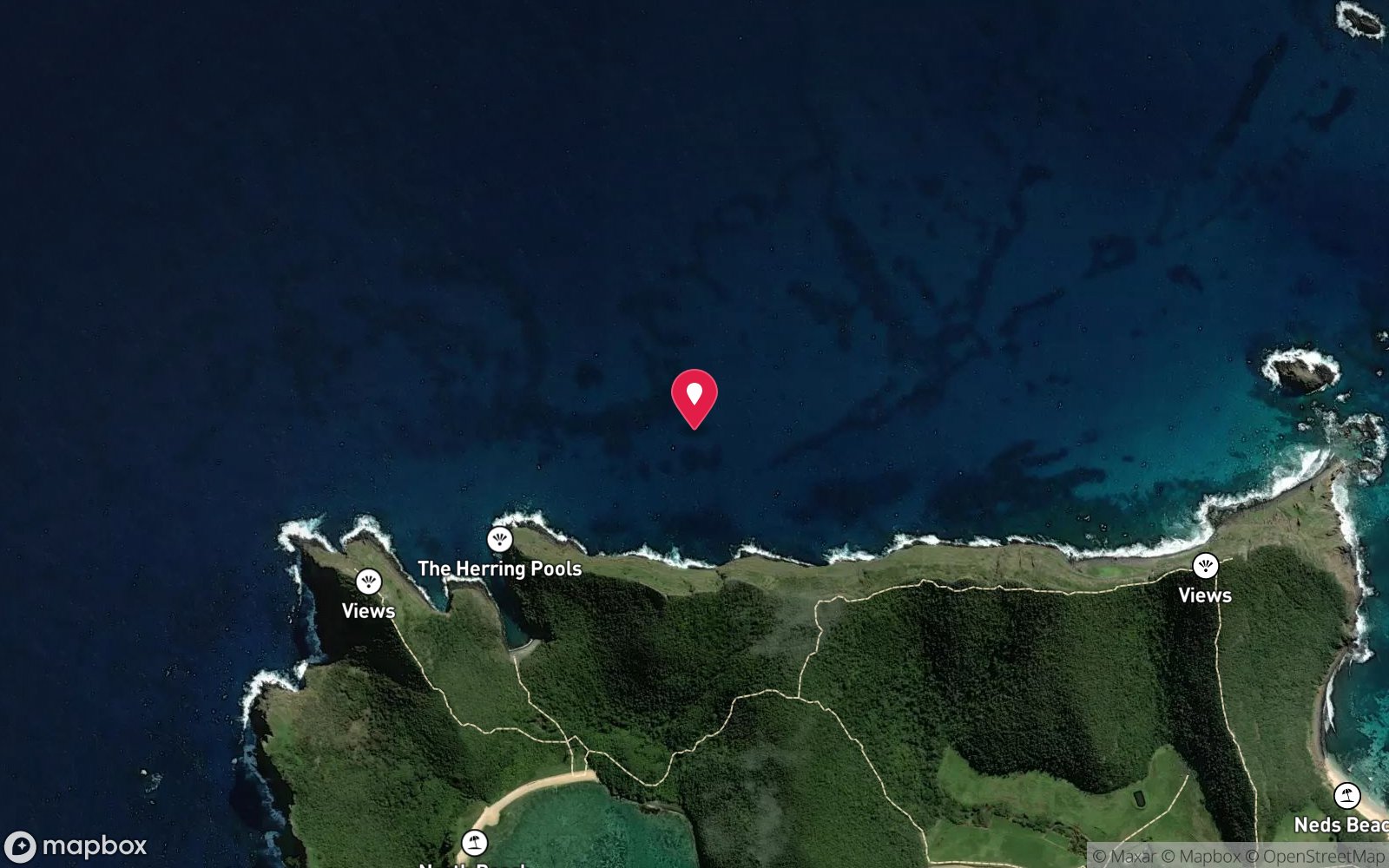
7 pinned sites. Pins marked approximate on their pages show the general area only; not for navigation.
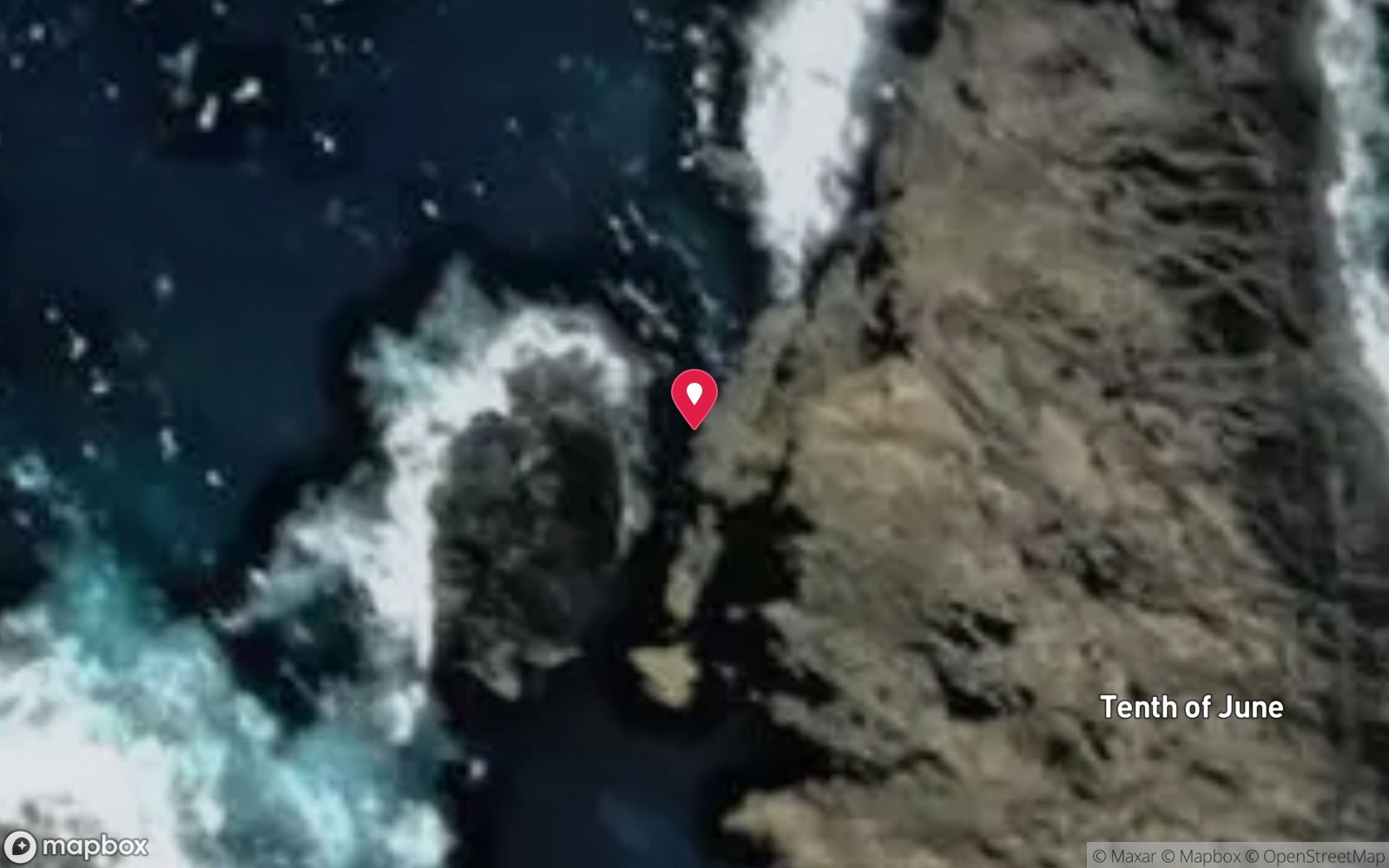
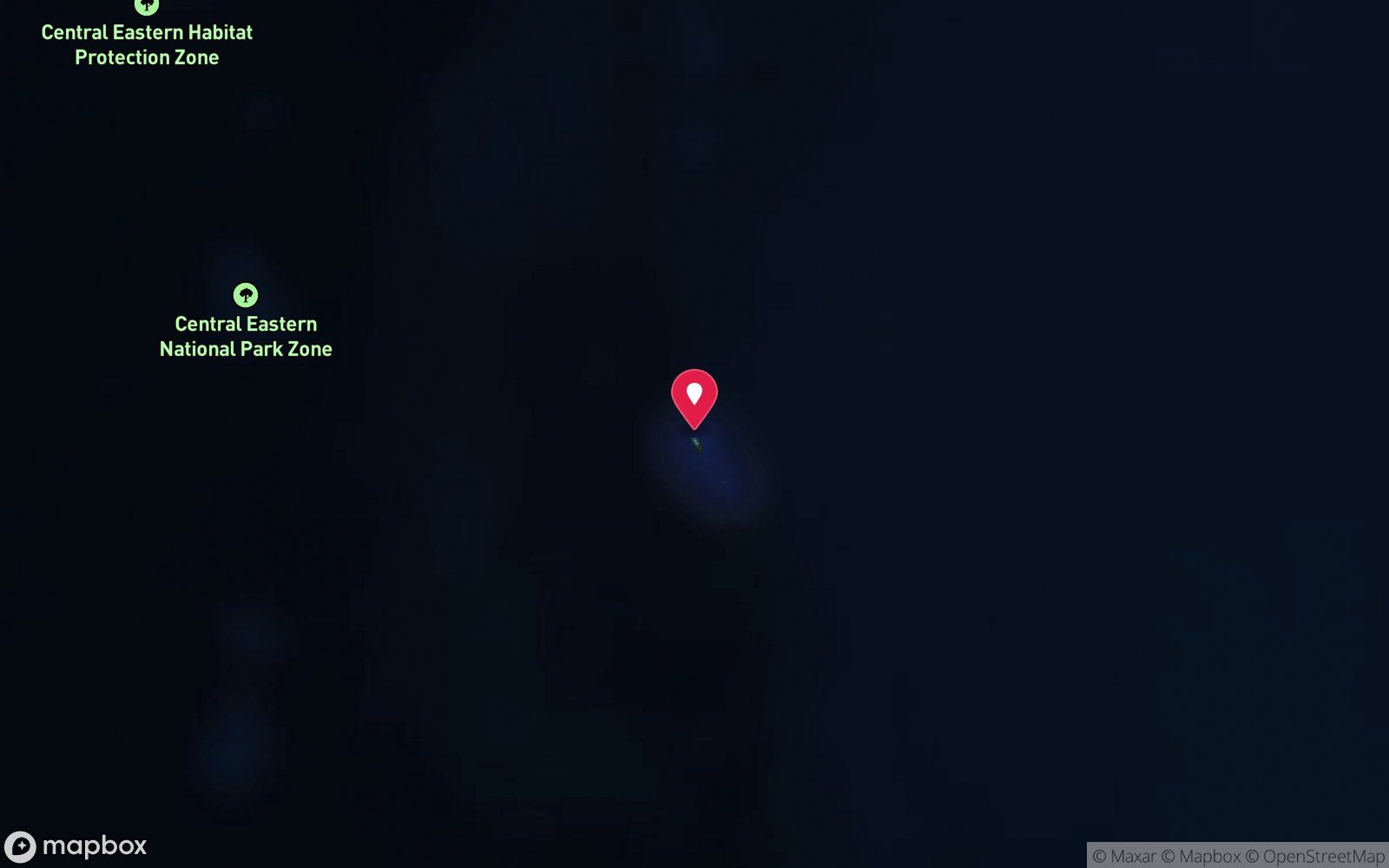
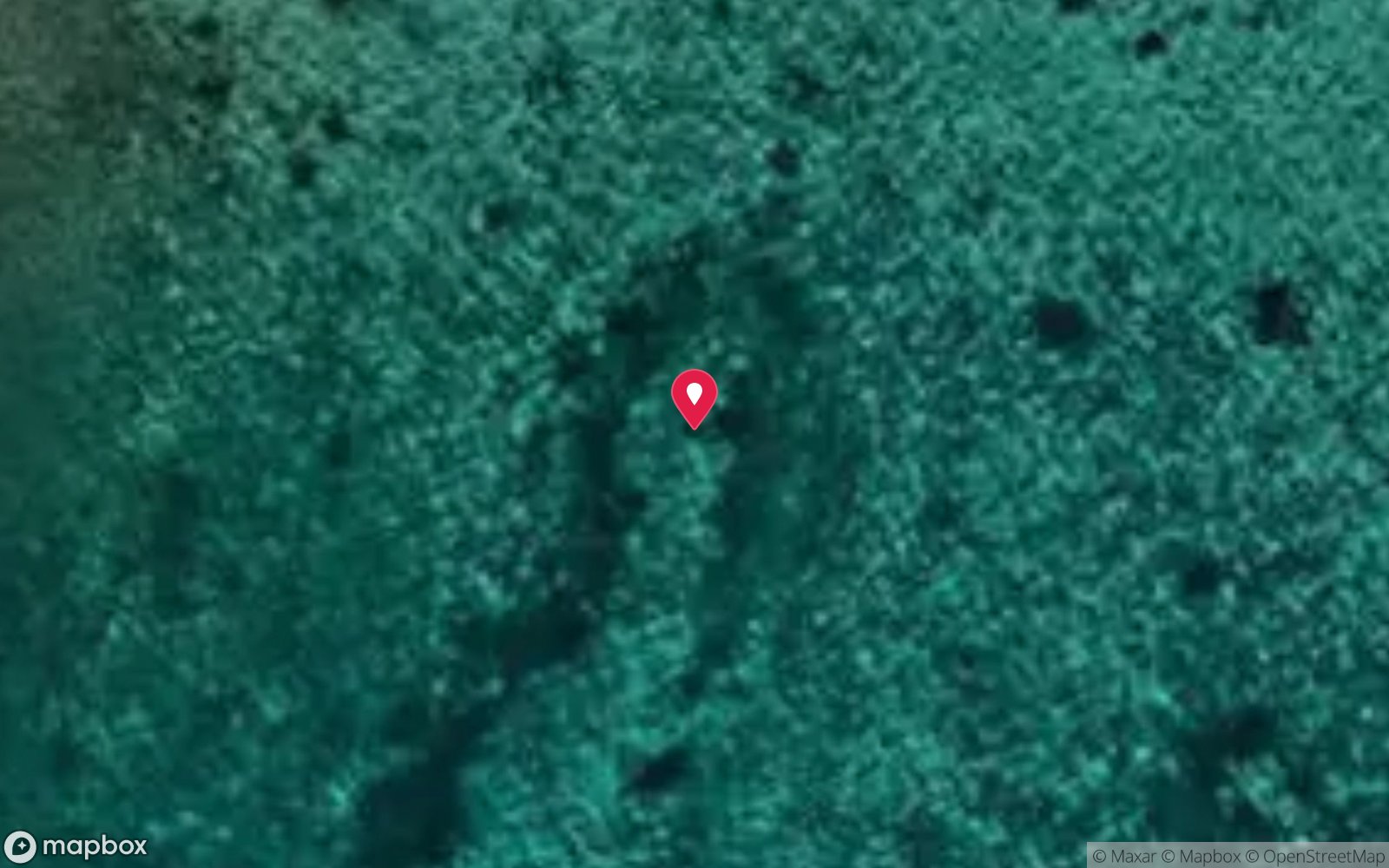
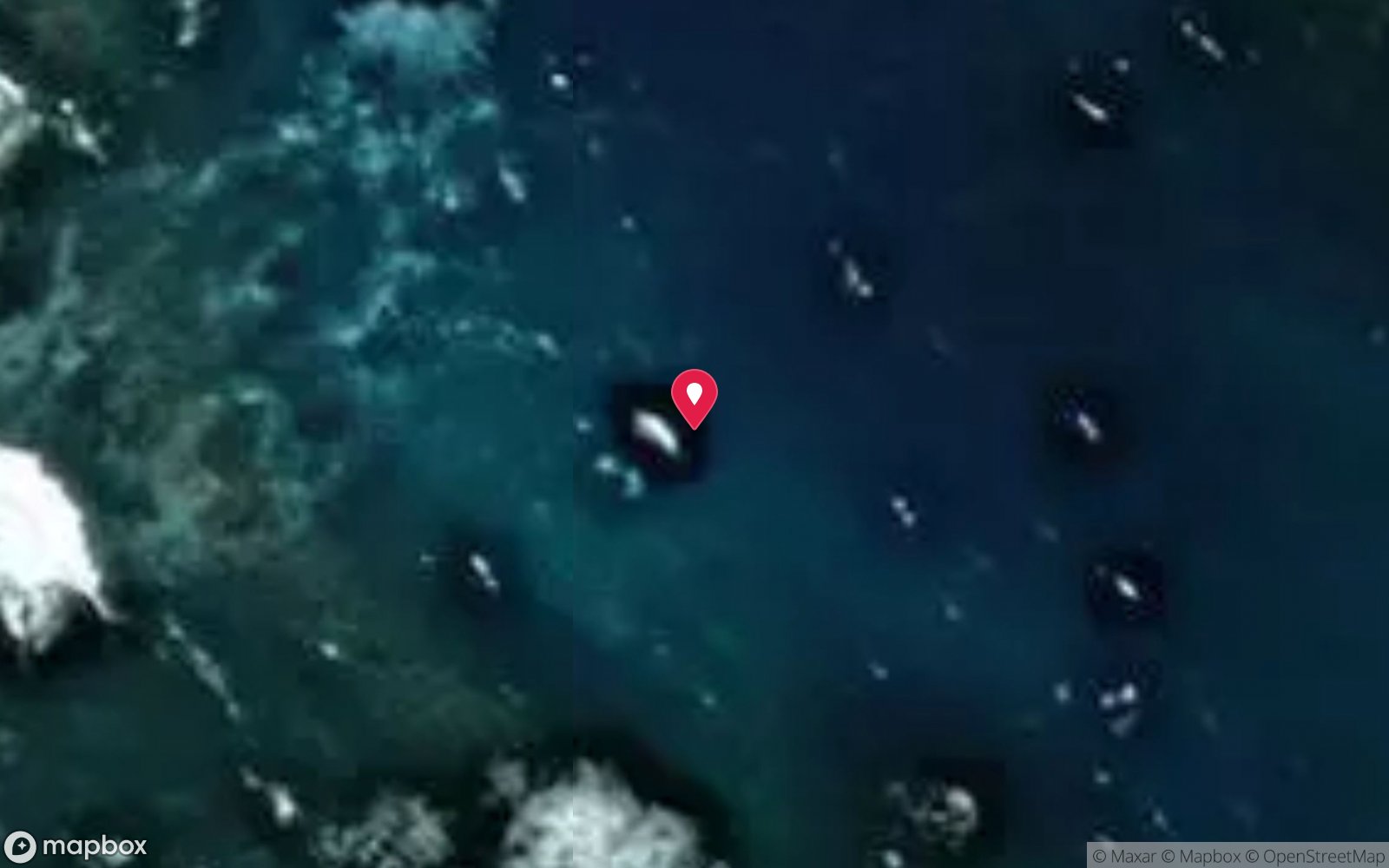
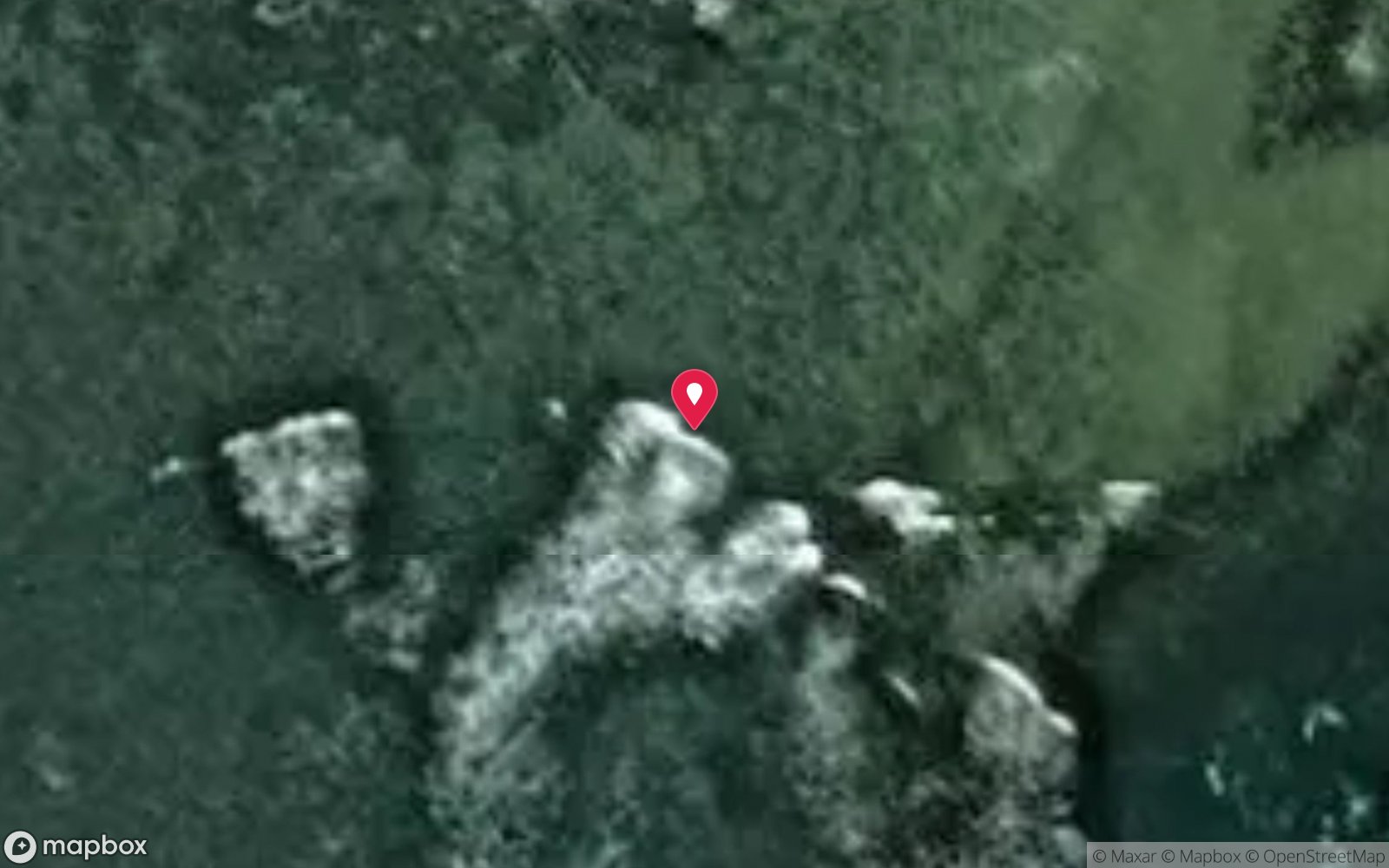
Satellite views
Middleton Reef: frequently asked questions
What certification do I need to dive Middleton Reef?
Advanced Open Water is the recommended minimum. Rated advanced because of tidal current that must be timed.
Can I shore dive Middleton Reef?
No, it is reached by boat. A dive centre is required: boat access only.
When is the best time to dive Middleton Reef?
September–June (the dive shop's main season); February–May for the warmest water and most settled seas.
What marine life will I see at Middleton Reef?
Regularly recorded: Galapagos sharks, black cod, green turtles, coral reef fish.
What wetsuit do I need at Middleton Reef?
5 mm full suit in summer–autumn; 5–7 mm with hood or a semi-dry from June to October.
How cold is the water at Middleton Reef?
Typically 23-26 °C in summer and 17-20 °C in winter.
What are the main hazards at Middleton Reef?
Extreme remoteness – days from medical help and no chamber; large numbers of Galapagos sharks; open-ocean swell and currents on the outer reef; navigation hazards (26+ historic wrecks); Middleton Reef has a 500 m exclusion zone around suspected unexploded ordnance. See the hazards section above for the full list.
Where is the nearest recompression chamber to Middleton Reef?
Prince of Wales Hospital (Randwick, Sydney) – about 800 km; evacuation from a remote reef depends on the vessel reaching Lord Howe or aircraft range. In an emergency call 000, then DAN Asia-Pacific on 1800 088 200.
Diving in Lord Howe Island
Lord Howe is the world's southernmost coral reef, a World Heritage island 600 km east of the mainland with more than 90 coral species, 500 fish species and a mix of tropical and temperate life found nowhere else. The lagoon is shallow and snorkel-friendly; the outer sites, the Admiralty Islets, Erscott's Hole and the Arch, are boat dives in 20–40 m visibility with Galapagos whalers, huge kingfish and endemic doubleheader wrasse. Ball's Pyramid, 23 km south, is a rare-weather expedition dive.
Getting there: Fly from Sydney, Brisbane or Port Macquarie. One dive operator on the island runs boat dives most days in season; visitor numbers are capped at 400, so book early.
Sources
- australianmarineparks.gov.au/parks/temperate-east-marine-parks-network/lord-howe-marine-park
- en.wikipedia.org/wiki/Middleton_Reef
- oceans1.customer.netspace.net.au/middleton-wrecks.html
Data confidence: Medium · Being verified: Depths and dive sites not documented; check current UXO exclusion notice.. Last updated September 2026. Know this site better? How to send a correction
Nearby dive sites
More wrecks in New South Wales
Explore more
This region
Similar dives
Marine life