Sea turtles in New South Wales
Green, loggerhead and hawksbill turtles on every tropical reef, with nesting on the southern Great Barrier Reef cays from November to March.
Chelonia mydas, Caretta caretta, Eretmochelys imbricata
Turtles are a near-certainty on the Great Barrier Reef, at Ningaloo and at Julian Rocks, and a regular sight as far south as Sydney where juveniles ride the East Australian Current. Green turtles graze the seagrass of Moreton Bay, Shark Bay and the Ningaloo lagoon; loggerheads and hawksbills patrol the reef edges. The great event is nesting: Heron, Lady Elliot, Lady Musgrave and Mon Repos near Bundaberg have female greens and loggerheads laying on the beaches from November to February and hatchlings emerging from January to April, and Raine Island in the far north hosts the largest green turtle rookery in the world.
Field notes
How to find sea turtles on the dive
- Depth
- 2–20 m.
- Habitat
- Coral reef flats and lagoons with seagrass, from the Great Barrier Reef and Ningaloo to the Cocos Islands; cleaning stations on bommies; the nesting beaches of Heron, Lady Elliot, Raine Island and Mon Repos.
- The tell
- A rounded shell moving slowly over the reef or wedged under a ledge asleep. At cleaning stations they hang motionless with fins spread while surgeonfish graze the shell. In season the tracks on the beach at dawn tell you where they nested overnight.
- Behaviour
- Unhurried and habituated at busy sites; they surface to breathe every few minutes and return to the same ledge. Nesting is November to March, hatchlings January to April.
- Etiquette
- Never block a turtle's path to the surface, hold, ride or touch one; approach slowly from the side and stay a couple of metres back. At nesting beaches use no white light and follow the ranger's directions.
Season heat map
When sea turtles sites are in season
Share of the 52 sea turtles sites in New South Wales with a stated best season that includes each month.
Stated season: Year-round; nesting November–February and hatching January–April on the southern cays.
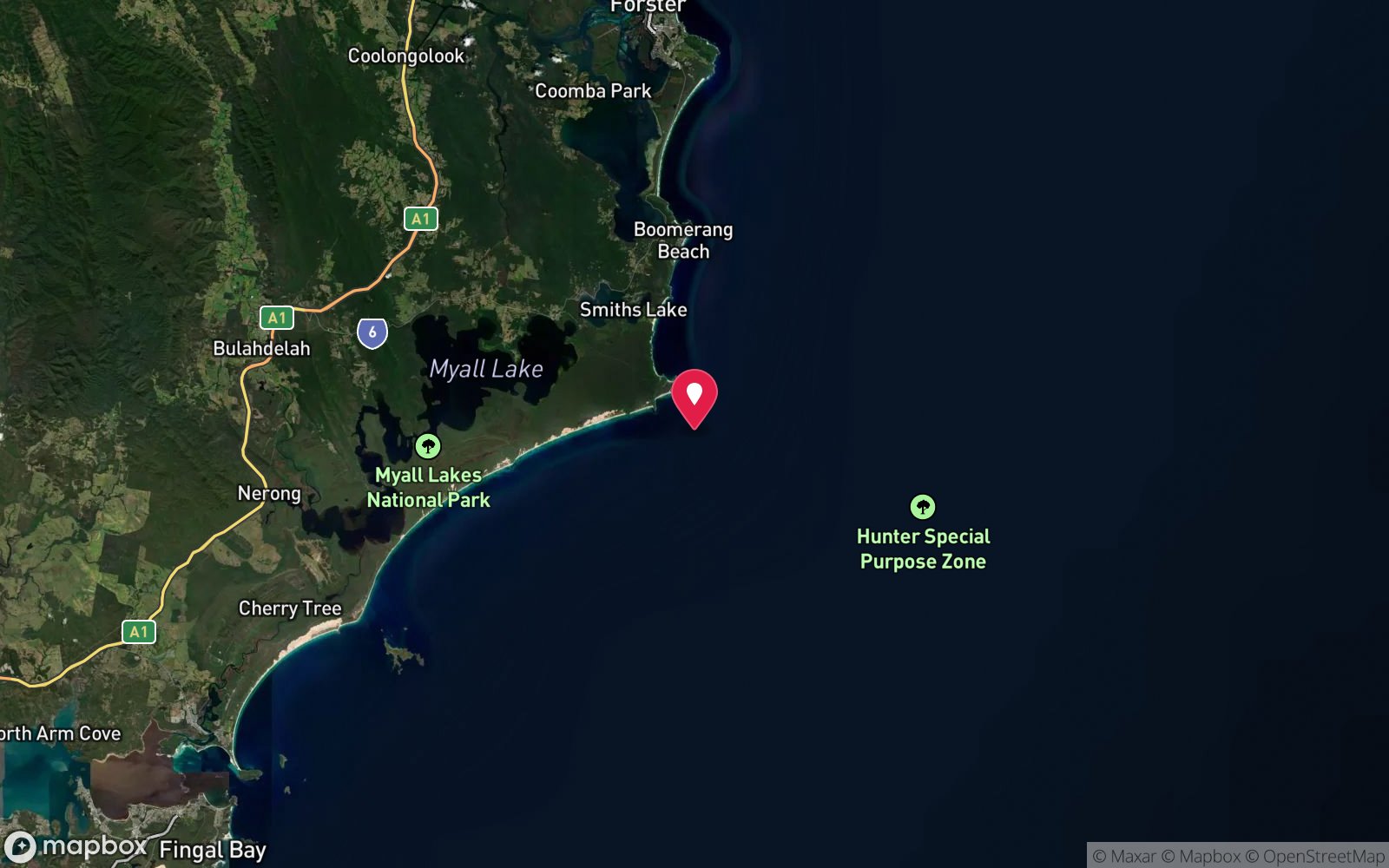
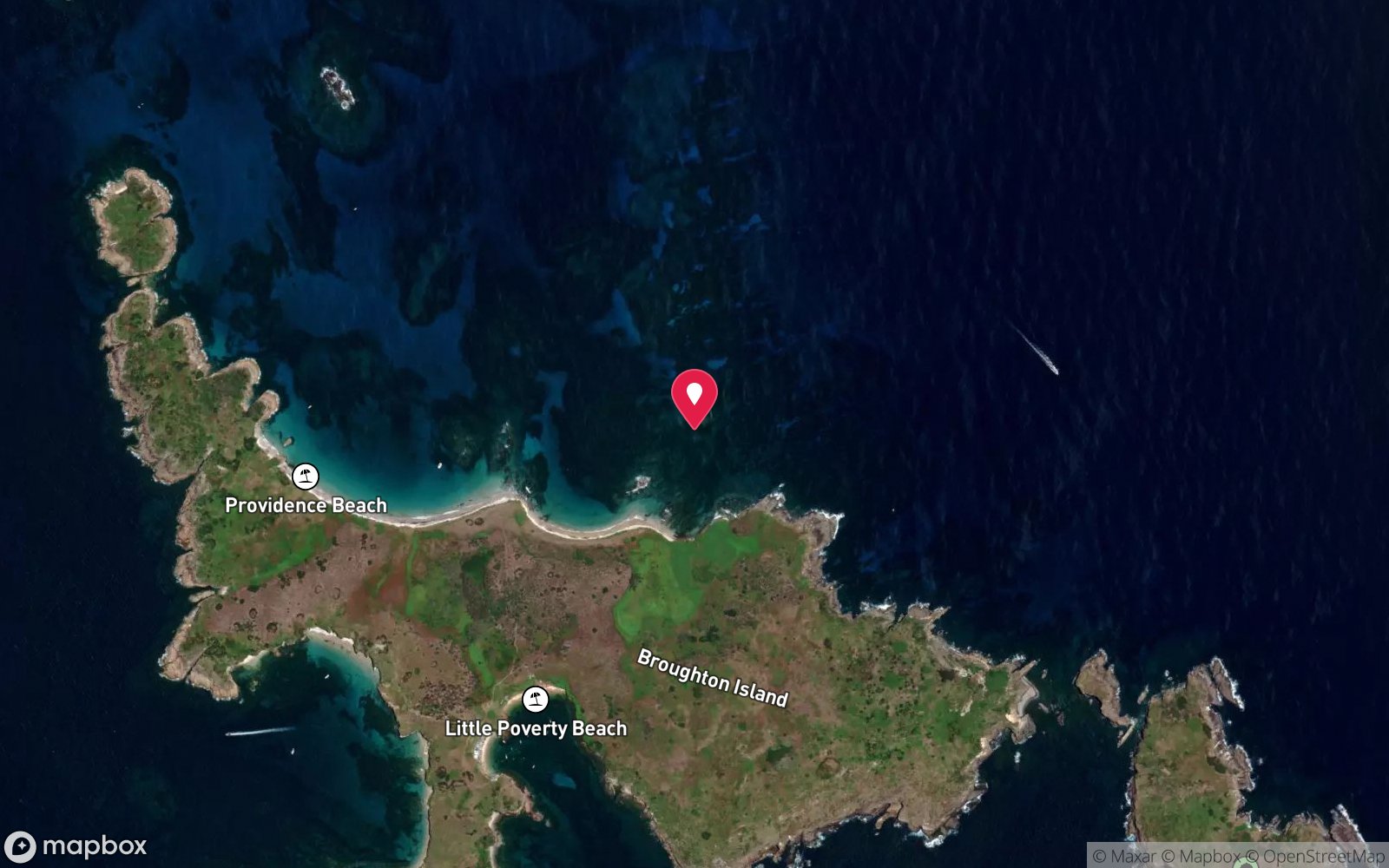
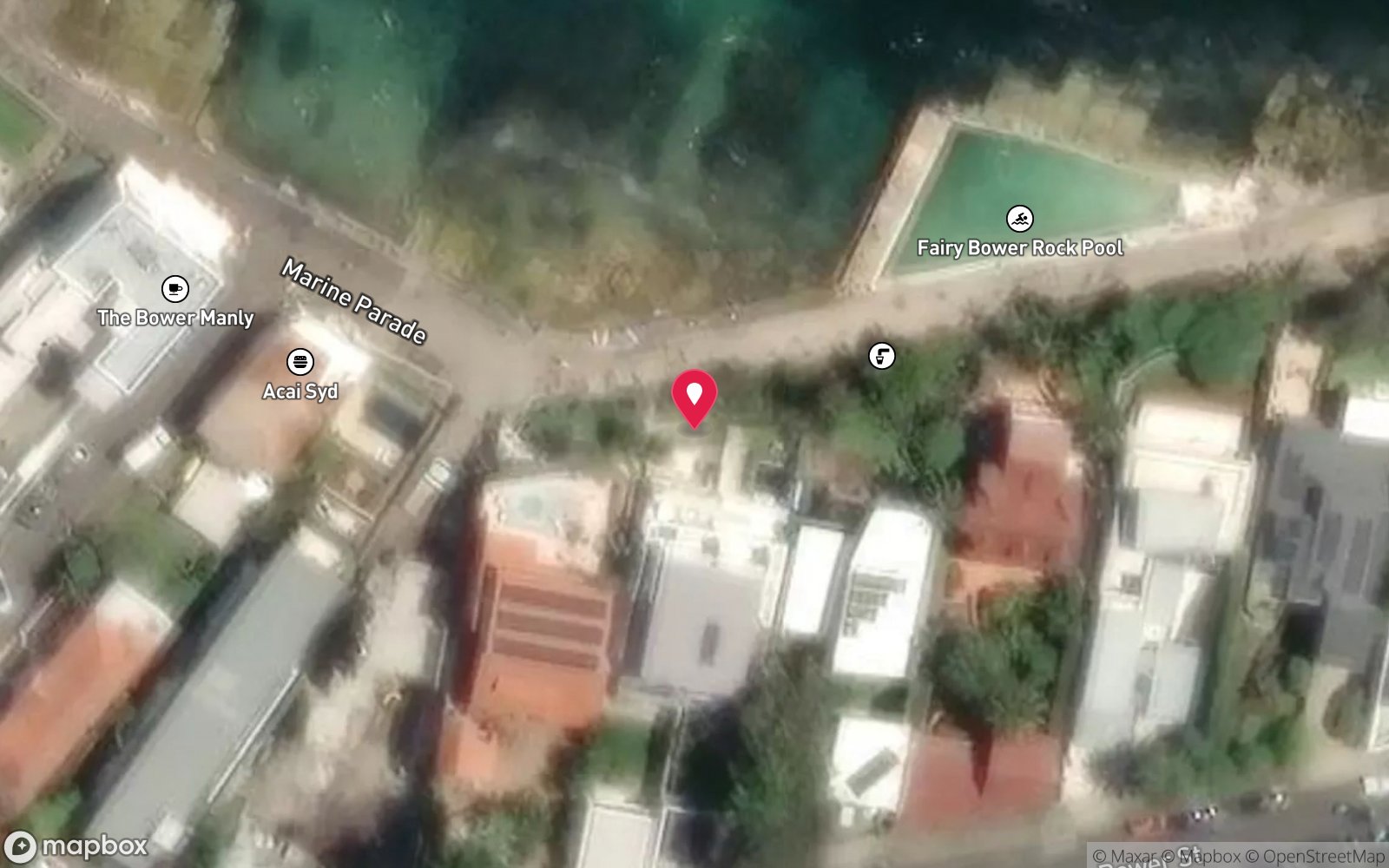
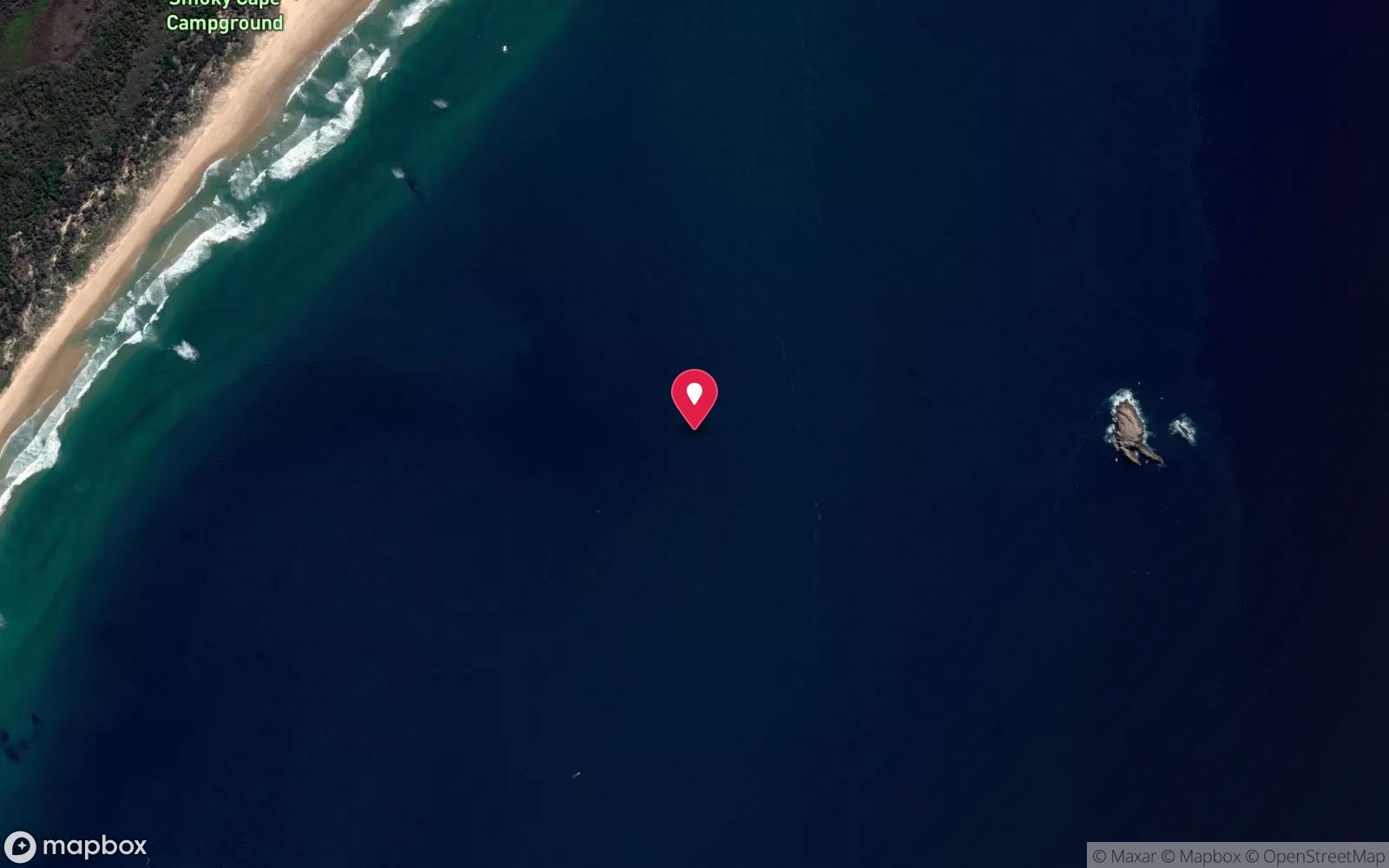
Sea turtles sites in New South Wales98 sites
Ordered by how regularly the site is dived and how well it is documented. The species is listed in each site's recorded marine life; sightings are never guaranteed.
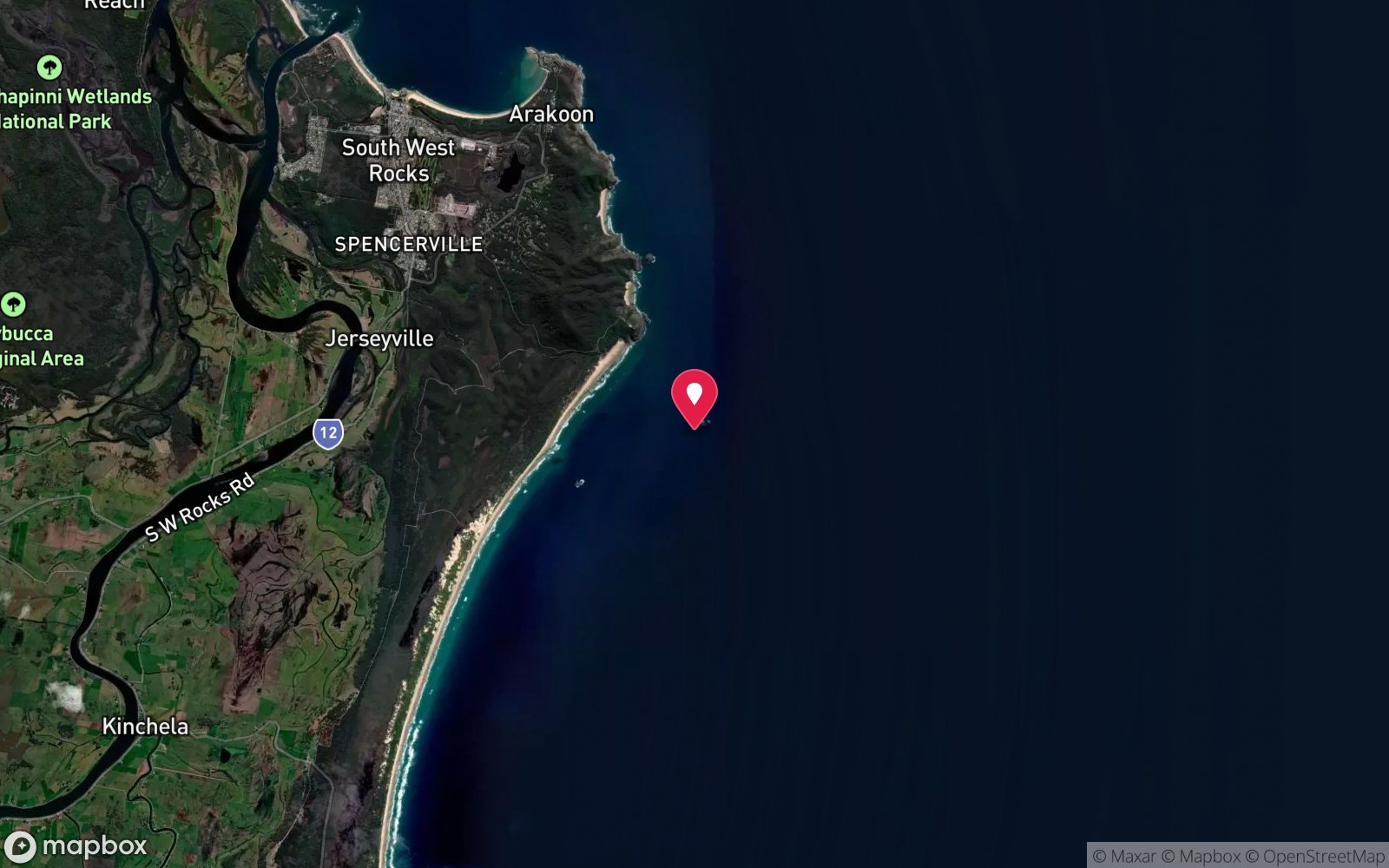
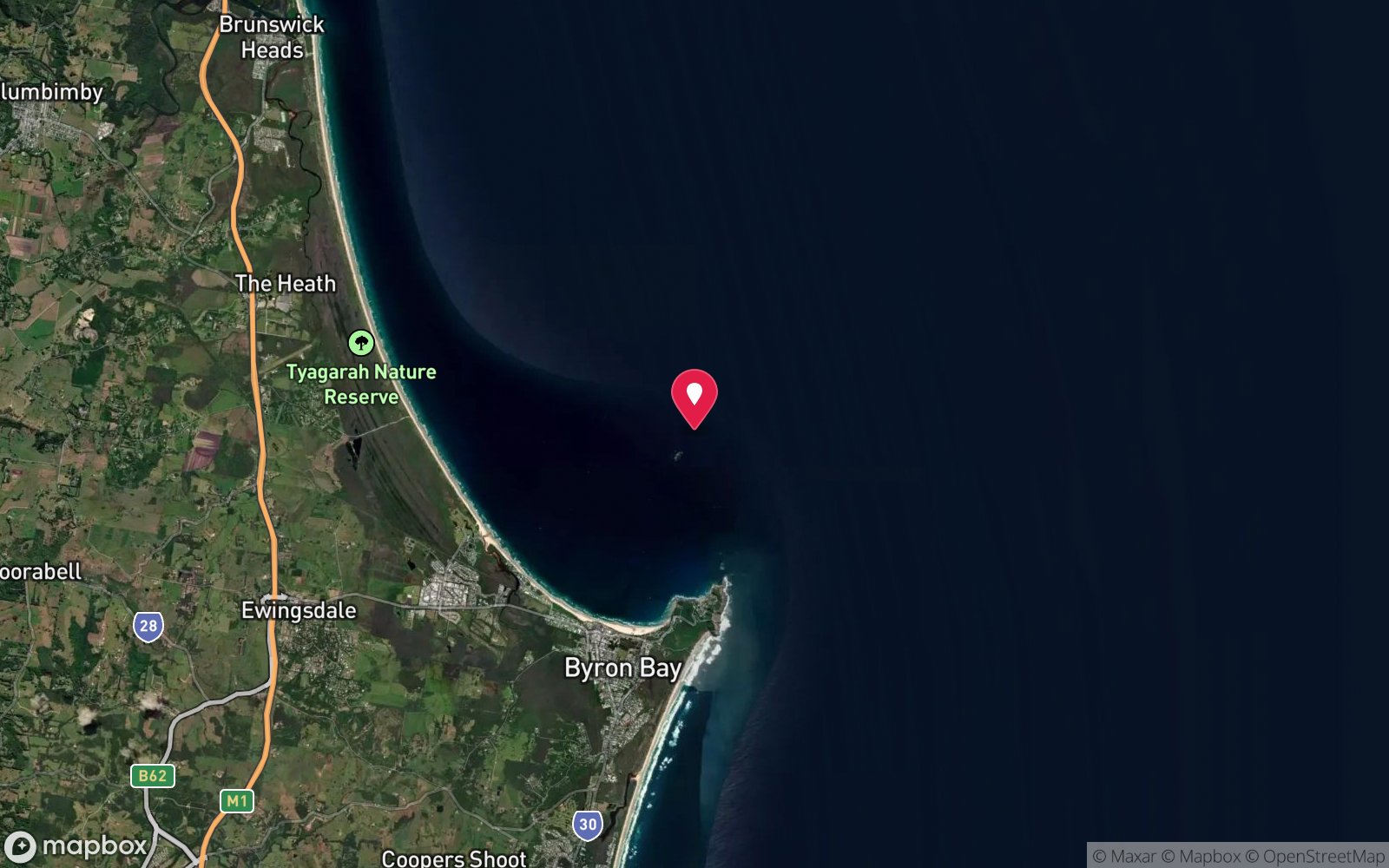
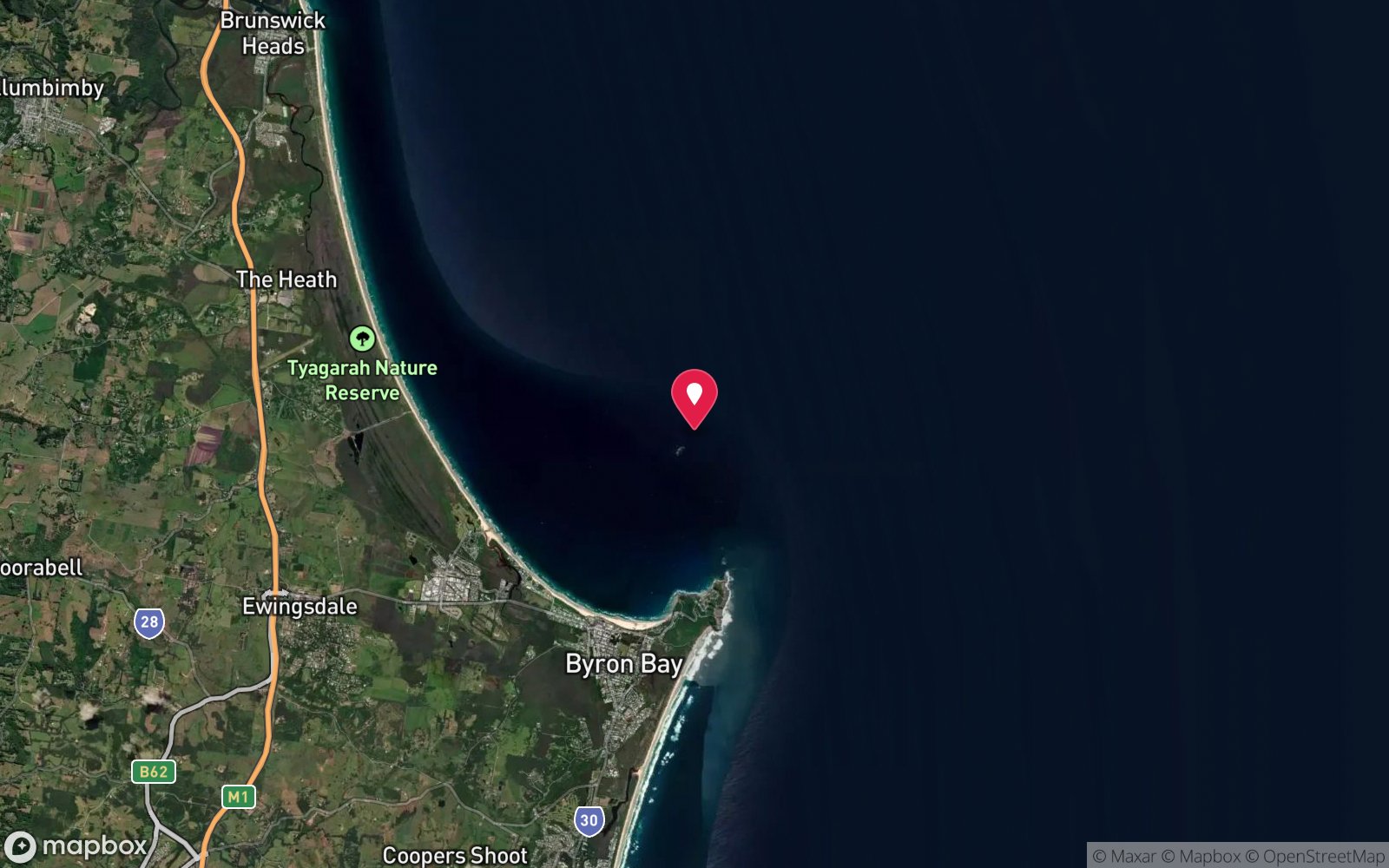
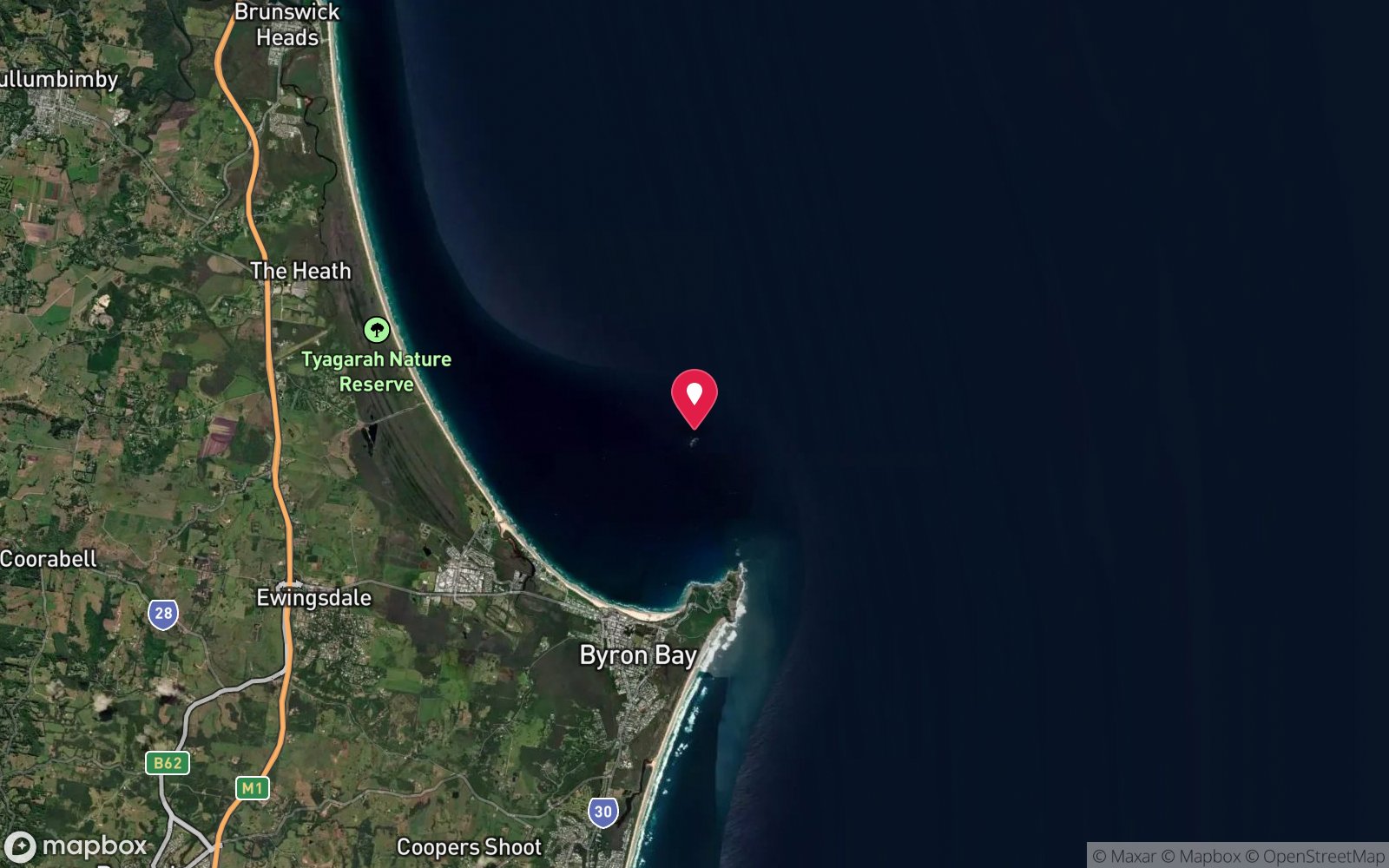
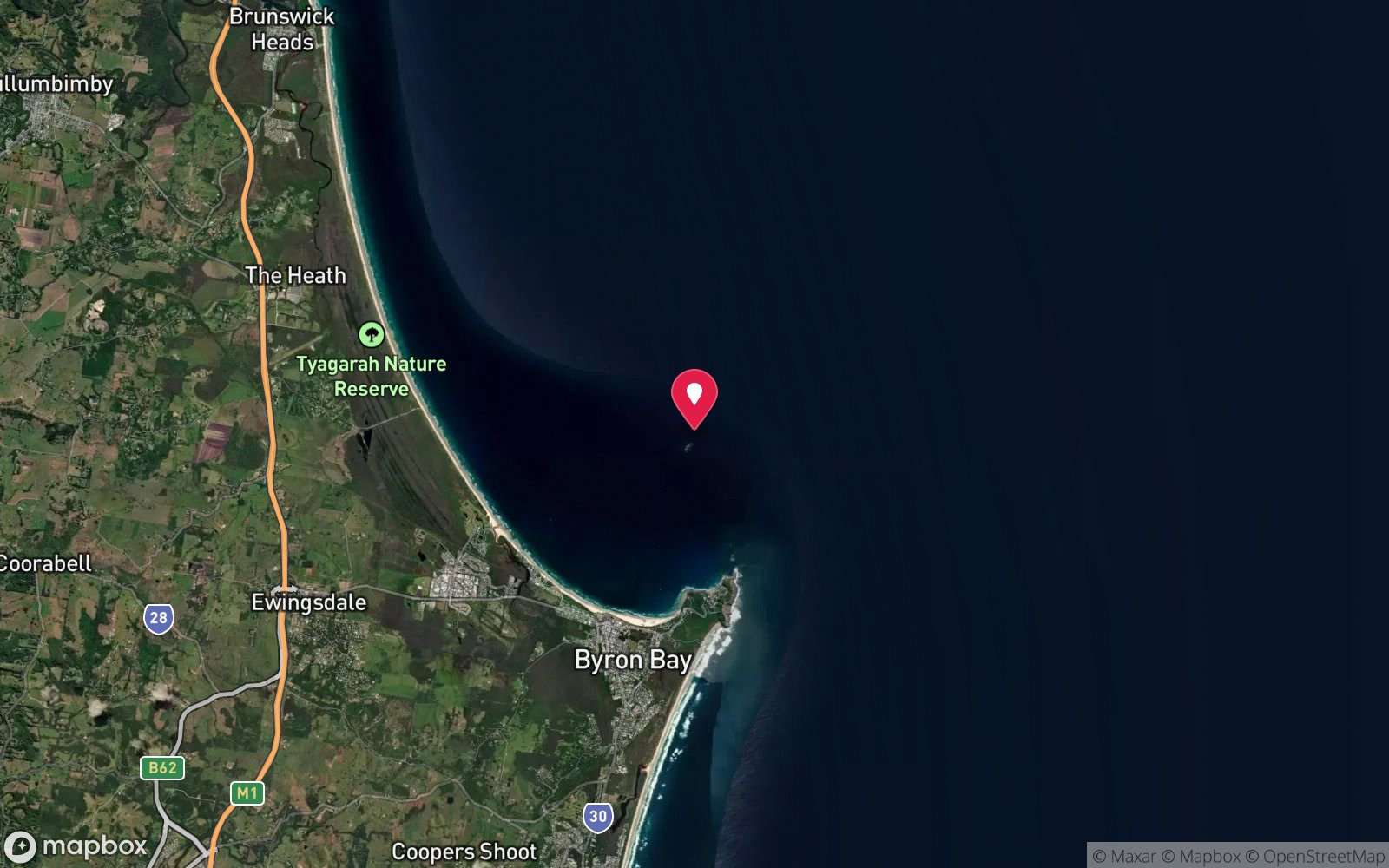
All other sites recording sea turtles
- Merimbula Wharf · Max 16 m · Merimbula
- Neds Beach · Max 15 m · Lord Howe Island
- North Bay · Max 5 m · Lord Howe Island
- Shiprock (Port Hacking) · Max 18 m · Sydney South & Botany Bay
- The Monument / Sutherland Point (Kurnell) · Max 14 m · Sydney South & Botany Bay
- The Steps (Kurnell) · Max 15 m · Sydney South & Botany Bay
- Blackburn Island · Depth not published · Lord Howe Island
- Cook Island – Northern Ledge · Max 22 m · Tweed & Byron Bay
- Favourite wreck (North Bay) · Depth not published · Lord Howe Island
- Julian Rocks – Cray Cave · Max 25 m · Tweed & Byron Bay
- Julian Rocks – Split Bommie · Max 12 m · Tweed & Byron Bay
- Latitude Rock · Max 15 m · Forster & Seal Rocks
- Old Settlement Beach · Max 4 m · Lord Howe Island
- Sylph's Hole · Max 5 m · Lord Howe Island
- Julian Rocks – Mackerel Boulder · Max 17 m · Tweed & Byron Bay
- Julian Rocks – Rock Cod Cave · Max 24 m · Tweed & Byron Bay
- Julian Rocks – The Trench · Max 22 m · Tweed & Byron Bay
- Julian Rocks – Tricky's · Max 18 m · Tweed & Byron Bay
- Bennett's Head Bommie · Max 10 m · Forster & Seal Rocks
- Fish Rock – The Pinnacle · Max 35 m · South West Rocks
- Freshwater (Harbord) · Max 18 m · Sydney Northern Beaches
- Green Island (South West Rocks) · Max 18 m · South West Rocks
- Inscription Point (Kurnell) · Max 14 m · Sydney South & Botany Bay
- Rupert's Reef · Max 24 m · Lord Howe Island
- South Solitary Island – Cleaner Station · Max 20 m · Coffs Harbour & Solitary Islands
- South Solitary Island – Manta Arch · Max 30 m · Coffs Harbour & Solitary Islands
- South Solitary Island – North Boulder Wall · Max 18 m · Coffs Harbour & Solitary Islands
- South Solitary Island – South Boulder Wall · Max 18 m · Coffs Harbour & Solitary Islands
- Split Solitary Island – Coral Corner · Max 18 m · Coffs Harbour & Solitary Islands
- Split Solitary Island – South Side Moorings · Max 18 m · Coffs Harbour & Solitary Islands
- The Arch (Lord Howe) · Max 30 m · Lord Howe Island
- Bait Reef (Trial Bay) · Max 10 m · South West Rocks
- Fingal Island – The Pinnacle & sponge gardens · Max 35 m · Port Stephens
- Gaol Reef / Turtle Wall (Trial Bay) · Max 10 m · South West Rocks
- Lighthouse Bay (Montague Island) · Max 16 m · Narooma & Montague Island
- Malabar · Max 21 m · Lord Howe Island
- Mutton Bird Island (Coffs Harbour) · Max 15 m · Coffs Harbour & Solitary Islands
- Nine Mile Reef · Max 30 m · Tweed & Byron Bay
- Occy Point (Tollgate Islands) · Max 16 m · Batemans Bay
- Scottish Rocks · Depth not published · Jervis Bay
- South Solitary Island – The Gantry · Max 16 m · Coffs Harbour & Solitary Islands
- Split Solitary Island – Turtle Cove · Max 18 m · Coffs Harbour & Solitary Islands
- The Temple (Moon Island) · Max 20 m · Newcastle & Lake Macquarie
- Horseshoe Reef · Depth not published · Lord Howe Island
- No-Name Rock · Depth not published · Lord Howe Island
- Stephens Hole · Depth not published · Lord Howe Island
- Balls Pyramid – South East Rock · Max 30 m · Lord Howe Island
- Indian Point (Congwong Bay) · Max 16 m · Sydney South & Botany Bay
- Black Rock (South West Rocks) – Northern Side · Max 16 m · South West Rocks
- Black Rock (South West Rocks) – Southern Side · Max 20 m · South West Rocks
- Fish Rock – Fish Bommies · Max 32 m · South West Rocks
- North West Solitary Island · Max 18 m · Coffs Harbour & Solitary Islands
- South West Solitary Island (Groper Island) · Max 18 m · Coffs Harbour & Solitary Islands
- Barry's Bay (Port Macquarie) · Max 20 m · Port Macquarie & Camden Haven
- Black Head Reef (Forster) · Max 18 m · Forster & Seal Rocks
- Cape Byron headland dives · Max 8 m · Tweed & Byron Bay
- Cook Island – Southern Aquarium · Max 24 m · Tweed & Byron Bay
- Fido's Reef · Max 22 m · Tweed & Byron Bay
- Kingscliff Reef · Max 20 m · Tweed & Byron Bay
- Latitude Reef · Max 16 m · Forster & Seal Rocks
- Middle Beach · Depth not published · Lord Howe Island
- South Solitary Island – Anemone Flat · Max 14 m · Coffs Harbour & Solitary Islands
- South Solitary Island – Lighthouse Bommie · Max 20 m · Coffs Harbour & Solitary Islands
- Split Solitary Island – The Arch · Max 16 m · Coffs Harbour & Solitary Islands
- Wooli – Sandon Shoals · Max 25 m · Coffs Harbour & Solitary Islands
- Yamba – Pinnacle / Freeburn Island reefs · Max 30 m · Yamba & Iluka
- Yamba Bommie · Max 25 m · Yamba & Iluka
- Middle Ground (Cronulla) · Max 33 m · Sydney South & Botany Bay
- North Solitary Island – Anemone Bay · Max 30 m · Coffs Harbour & Solitary Islands
- Angourie Point / Green Point reef · Max 14 m · Yamba & Iluka
- Black Rock (Coffs Harbour) · Max 30 m · Coffs Harbour & Solitary Islands
- Elizabeth Reef · Depth not published · Lord Howe Island
- Fish Rock – Land of Giants · Max 40 m · South West Rocks
- Middle Head (Cobblers Beach and Obelisk Beach) · Max 12 m · Sydney Harbour
- Middleton Reef · Depth not published · Lord Howe Island
- North Solitary Island – Fish Soup · Max 22 m · Coffs Harbour & Solitary Islands
- Obelisk Beach (Middle Head south) · Max 12 m · Sydney Harbour
- Ballina – Black Head / Lennox reef system · Max 22 m · Ballina & Evans Head
- Ballina – Lennox Reef · Max 20 m · Ballina & Evans Head
- Boambee Beach reef · Max 12 m · Coffs Harbour & Solitary Islands
- Broken Head reefs · Max 16 m · Tweed & Byron Bay
- Evans Head reefs · Max 16 m · Ballina & Evans Head
- Iluka Bluff / Woody Head reefs · Max 15 m · Yamba & Iluka
- Lennox Head Reef · Max 18 m · Tweed & Byron Bay
- North Solitary Island – Grey Nurse Gutters · Max 22 m · Coffs Harbour & Solitary Islands
- North Solitary Island – Muttonbird Gutter · Max 20 m · Coffs Harbour & Solitary Islands
- North Solitary Island – The Aquarium · Max 18 m · Coffs Harbour & Solitary Islands
- Sawtell Reef · Max 15 m · Coffs Harbour & Solitary Islands
- Scotts Head reefs · Max 15 m · Nambucca & Urunga
Frequently asked questions
How do I find sea turtles on a dive?
Coral reef flats and lagoons with seagrass, from the Great Barrier Reef and Ningaloo to the Cocos Islands; cleaning stations on bommies; the nesting beaches of Heron, Lady Elliot, Raine Island and Mon Repos. A rounded shell moving slowly over the reef or wedged under a ledge asleep. At cleaning stations they hang motionless with fins spread while surgeonfish graze the shell. In season the tracks on the beach at dawn tell you where they nested overnight.
Where is the best place to see sea turtles in Australia?
Every Great Barrier Reef island; Julian Rocks; Ningaloo; Cocos (Keeling); Moreton Bay; the Solitary Islands.
When is the best time to see sea turtles?
Year-round; nesting November–February and hatching January–April on the southern cays.
How should I approach sea turtles?
Never touch or ride a turtle, and do not block a turtle from surfacing to breathe.