Dive slate · divesites.com.au · printed 9 Nov 2026
Julian Rocks – Hugo's Trench
Tweed & Byron Bay, New South Wales · near Byron Bay
| Depth | 8–18 m |
|---|---|
| Minimum level | Open Water |
| Difficulty | Intermediate |
| Access | Boat |
| Entry | Giant stride from a RIB launched off Byron Bay beach, direct onto a mooring |
| Current | Moderate |
| Visibility | 8-18 m |
| Water | summer 21-26 °C, winter 18-21 °C |
| Suit | 3-5 mm full suit summer, 5-7 mm or semi-dry with hood winter |
| Best season | Year-round; swim through the trenches only on calmer days |
| Bottom time | 45 min |
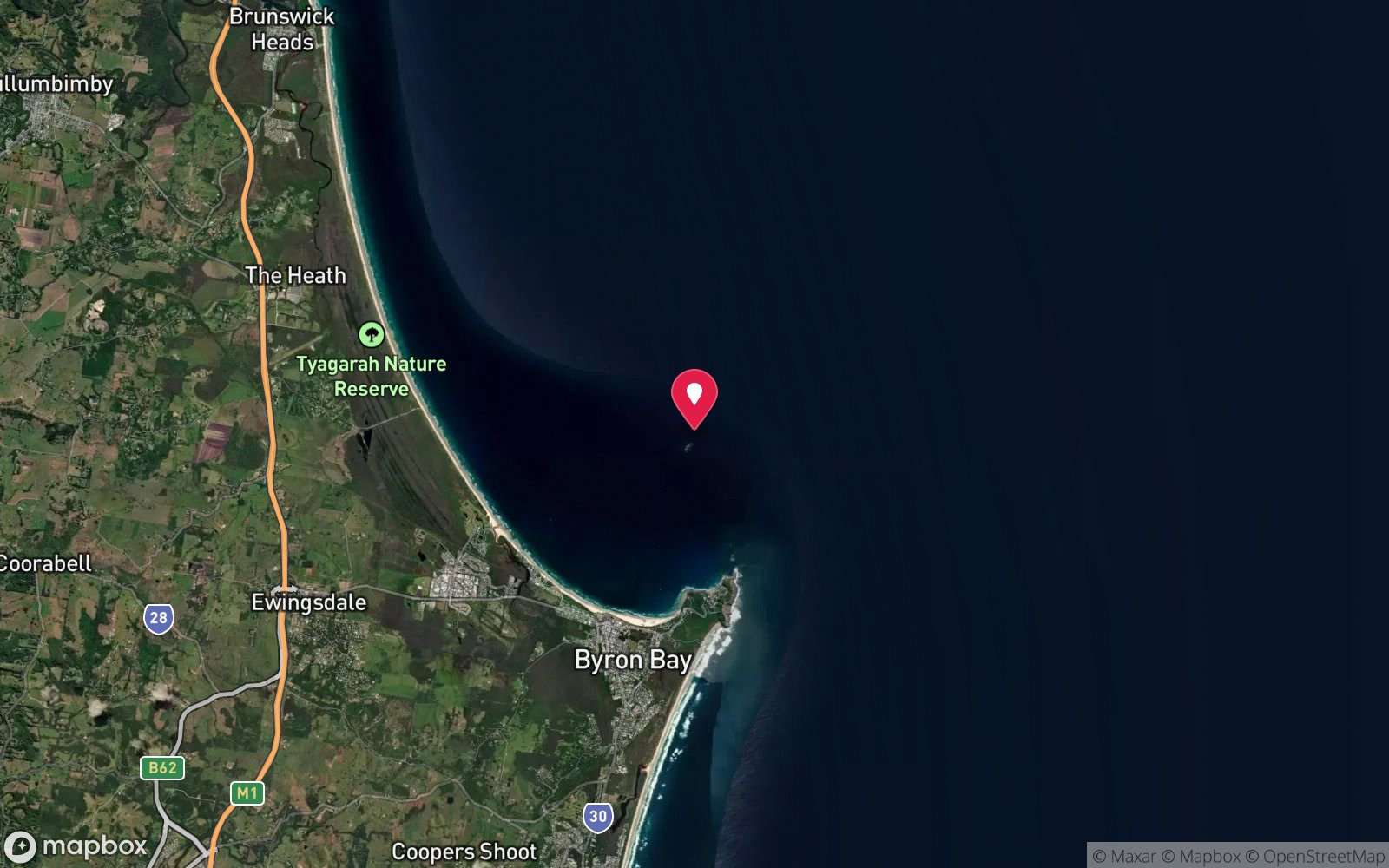
| Position | -28.60850, 153.63180 (approximate) |
| Permit | Cape Byron Marine Park – Julian Rocks (Nguthungulli) Sanctuary Zone, no take of any marine life |
| Nearest chamber | Gold Coast University Hospital (Southport) hyperbaric unit; Wesley Hospital (Brisbane) for complex cases |
| Emergency | 000 · DAN Asia-Pacific diving emergency 1800 088 200 |
Julian Rocks – Hugo's Trench
Also known as Hugos Trench, Two Parallel Trenches
A pair of sheer-walled parallel trenches offering shelter from swell and some of the best macro life at Julian Rocks.
Near Byron Bay · Tweed & Byron Bay, New South Wales
- Depth
- 8–18 m
- Minimum level
- Open Water
- Access
- Boat
- Boat ride
- ~8 min
- Water
- 21-26 °C
- Visibility
- 8-18 m
Julian Rocks – Hugo's Trench8–18 m · Open Water
Dive factsDepths, conditions, location & safety
Season
In season nowBest months: year-round.
Year-round; swim through the trenches only on calmer days
- Best months
- Now (November)
- Stinger suit Nov–May
Dive facts
- Depth
- 8–18 m
- Typical depth
- 14 m
- Certification
- Open Water
- Difficulty
- Intermediate
- Depth tier
- Open Water (10–18 m)
- Access
- Boat
- Offshore
- 2.5 km
- Dive centre needed
- Yes – boat access only
- Shore / independent
- No
- Boat ride
- ~8 min
- Current
- Moderate
- Visibility
- 8-18 m
- Water temp (summer)
- 21-26 °C
- Water temp (winter)
- 18-21 °C
- Water
- Subtropical
- Bottom time
- 45 min
- Dive traffic
- Very popular (dived daily)
- Night dive
- Possible
- Snorkel friendly
- No
Exposure suit
3-5 mm full suit summer, 5-7 mm or semi-dry with hood winter
Location
Julian Rocks (Nguthungulli Nature Reserve) · NSW Far North Coast – Byron Bay
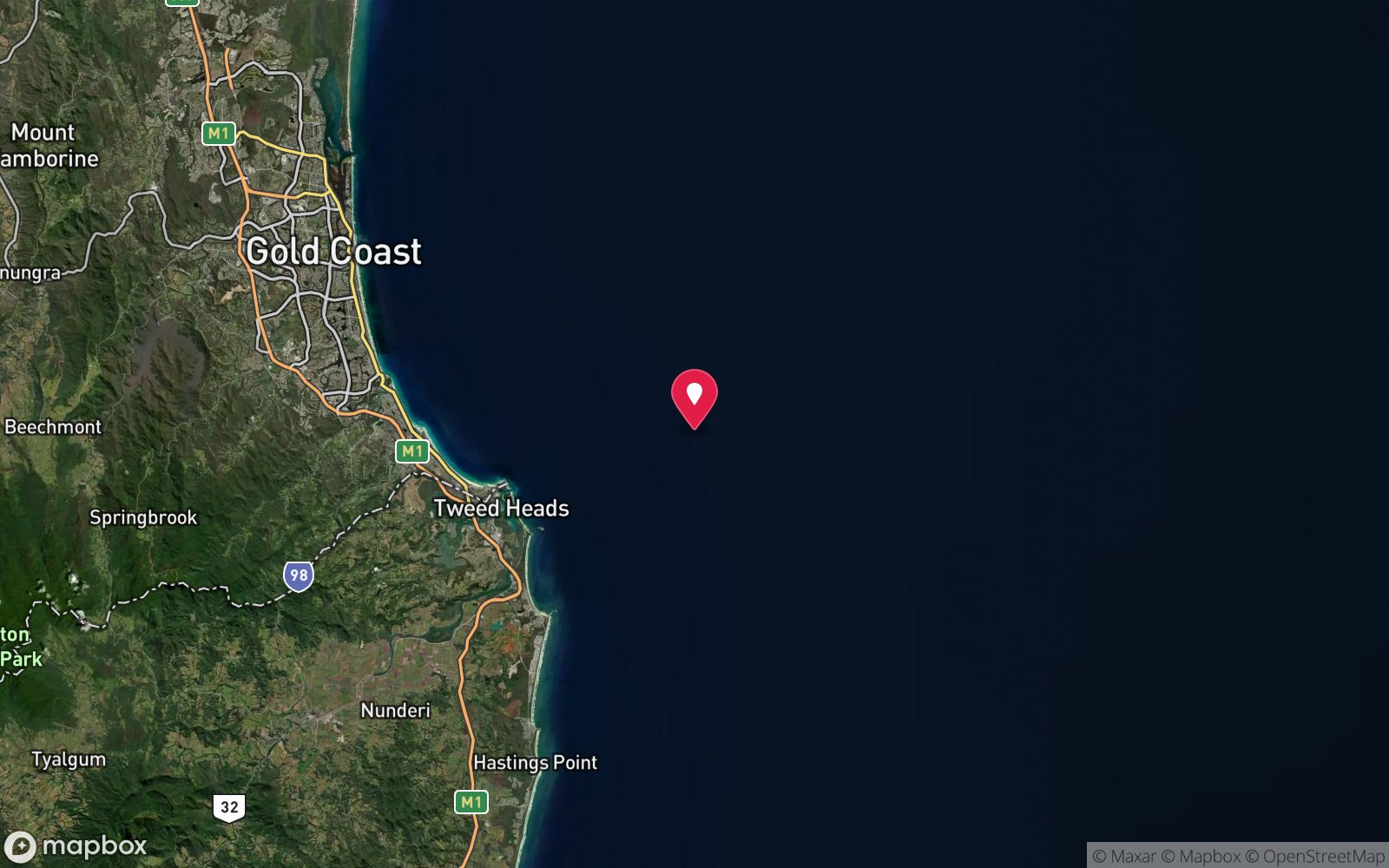
-28.60850, 153.63180
Approximate position — not for navigation.
Open in Google MapsDive site map (external) →Primary source: sundive.com.auMarine park & permits
Cape Byron Marine Park – Julian Rocks (Nguthungulli) Sanctuary Zone, no take of any marine life
Nearest recompression chamber
Gold Coast University Hospital (Southport) hyperbaric unit; Wesley Hospital (Brisbane) for complex cases
Diving emergency: call 000, then DAN AP 1800 088 200.
Trip planner
Build a trip around Julian Rocks – Hugo's Trench →
A day-by-day plan for Tweed & Byron Bay with this site locked in.
This guide is a planning aid. Conditions change daily — confirm with a local dive centre and dive within your training. Data & safety notes.
Dive profile
How this site rates
Scores are computed from the recorded data, not opinions. How?
At a glance
Julian Rocks – Hugo's Trench is a reef boat dive in Tweed & Byron Bay, NSW, 8–18 m, suited to Open Water divers, moderate current, about 8 minutes by boat.
Rated intermediate because of surge on the entry or in the shallows.
Why dive here
- A pair of sheer-walled parallel trenches offering shelter from swell and some of the best macro life at Julian Rocks.
- A photographer's site: bring a macro lens or a wide-angle depending on the season.
Conditions to avoid
- Swell above about 2 m
- Strong southerly or south-east swell and wind
About Julian Rocks – Hugo's Trench
Hugo's Trench takes its name from the pair of parallel fissures that run through the eastern flank of Julian Rocks, their sheer rock walls close enough together in places that divers pass through what feels like a canyon rather than open reef. Depths run from about 8 m at the top of the trenches to 18 m where they open out, and because the walls provide some shelter from swell and current this is often the site of choice when the fully exposed Cod Hole is too rough to dive safely, making it one of the more consistently runnable Julian Rocks sites through the cooler, swellier months. The trench walls themselves are a highlight for photographers: narrow gaps and undercuts are stacked with nudibranchs, painted crayfish, mantis shrimp, moray eels and small reef fish, and Byron Bay Dive Centre markets this specifically as a macro site for exactly that reason.
At a larger scale, wobbegong sharks lie along the trench floor and under the overhangs, sea turtles pass through routinely, and leopard sharks are seen resting in the sandier sections during summer. In winter grey nurse sharks occasionally use the trench as well, sheltering from current the same way they do at the Cod Hole a little further along the same side of the island. Divers need reasonable buoyancy control to work through the narrower sections without brushing the walls, and surge can funnel unpleasantly through the trench in a decent swell, which is the main reason operators will skip the site on genuinely rough days rather than the more exposed Cod Hole logic of simply being too dangerous.
On a good day, though, Hugo's Trench offers the best combination at Julian Rocks of dramatic swim-through-style topography, rich macro life and a moderate, Open Water-friendly depth range, and it is often run as the second dive of a Julian Rocks double after the Nursery or Needles.
Getting there & entry
A pair of parallel trenches with sheer walls cutting through the rock on the eastern side of Julian Rocks, sheltered enough inside the trench walls to dive on days too rough for the fully exposed sites.
Both Byron Bay dive operators launch small rigid-hull inflatables directly off the beach: Sundive Byron Bay launches from The Pass at the northern end of Main Beach, and Byron Bay Dive Centre launches from the beach near the Wategos/Clarkes Beach end; check in first at the shopfront in town (Sundive: Shop 8, 9-11 Byron St; Byron Bay Dive Centre: Byron Plaza, 5/90-96 Jonson St), then walk down to the beach for the boat launch briefing. It is a short, often bumpy, beach-launch surf crossing before a 5-10 minute run out to Julian Rocks, so loose gear should be secured. No private-boat ramp serves the rocks directly; private boats normally launch from the Brunswick Heads river mouth or Ballina and run up or down the coast.
Entry: Giant stride from a RIB launched off Byron Bay beach, direct onto a mooring
Weather, swell & tides
Julian Rocks sits fully exposed 2.5 km off Byron Bay, so conditions depend on the swell and wind direction rather than any tide window. Trips are cancelled or moved between the Nursery (sheltered west side) and the more exposed east/south sides depending on swell direction and size; a big easterly or south-easterly swell above about 2 m closes the outer sites but the Nursery can often still run. Visibility is genuinely tide- and current-driven here as warm East Australian Current water and cooler southern water meet around the rocks — it can change from 5 m to 20 m within a single day and even between two dives an hour apart.
Summer (Dec-Mar) is warmest (21-26°C) with the leopard shark aggregation and manta ray sightings; winter (Jun-Aug) is cooler (18-21°C) but usually clearer, with grey nurse sharks and migrating humpback whales visible from the boat. Heavy rain from the Brunswick and Belongil systems can dirty the inshore approach for a day or two but rarely affects the rocks themselves once you are out.
Best season: Year-round; swim through the trenches only on calmer days
If it's blown out
Sheltered or shore sites within 25 km that often work when Julian Rocks – Hugo's Trench doesn't.
- Julian Rocks – The Nursery · 0 km · Max 12 m
- Julian Rocks – Split Bommie · 0 km · Max 12 m
- Cape Byron headland dives · 3 km · Max 8 m
How the dive is usually run
Enter one of the two parallel trenches near the top at 8-10 m, work down through the narrow gap looking for nudibranchs, crayfish and wobbegongs on the walls, exit at the deeper end around 17-18 m, and circle back over the top of the rock to the mooring.
Marine life
- Wobbegongs →
- turtles →
- nudibranchs →
- painted crayfish
- mantis shrimp
- moray eels
- leopard sharks (summer) →
- grey nurse sharks (occasional, winter) →
- small reef fish
Linked species have their own page listing every site where they are recorded. All marine life →
Training required
Within the 18 m limit of an entry-level certification.
Depth tiers: 0–10 m easy · to 18 m Open Water · 18–30 m Advanced (25 m+ is a deep dive) · 30–40 m Deep specialty · 40 m+ technical. All courses
Hazards & warnings
Surge can funnel through the trench in swell — do not enter in poor conditions; narrow sections require good buoyancy control.
Dive centres that go here
Sundive Byron Bay (The Pass) – daily double and triple boat dives; Byron Bay Dive Centre (Wategos/Jonson St) – daily double boat dives, Mon & Thu-Sun.
Operators recorded for Julian Rocks – Hugo's Trench
Sundive Byron Bay
ProfiledByron Bay · Tweed & Byron Bay · NSW
Byron Bay's PADI 5 Star dive centre, running three daily departures to Nguthungulli Julian Rocks with training from Try Scuba to Divemaster.
sundive.com.au · (02) 6685 7755
Byron Bay Dive Centre
ProfiledByron Bay · Tweed & Byron Bay · NSW
Byron Bay's original dive centre, running daily Julian Rocks dive and snorkel trips from The Pass with PADI and SSI training and an onsite pool.
byronbaydivecentre.com.au · 0494 094 915
Other dive centres in Tweed & Byron Bay
Gold Coast Dive Adventures
ListedRunaway Bay · Gold Coast · QLD
A Gold Coast operation focused on guided local diving and charter access to offshore sites.
goldcoastdiveadventures.com.au · 0404 286 599
Gold Coast Dive Centre
ListedMiami · Gold Coast · QLD
A Gold Coast training and service business serving local divers and visitors.
goldcoastdivecentre.com.au · (07) 5572 0511
Kirra Dive
Named by sitesTweed Heads · Tweed & Byron Bay · NSW
Trades as Kirra Dive 'On the Tweed'.
kirradive.com · (07) 5536 6622
Map
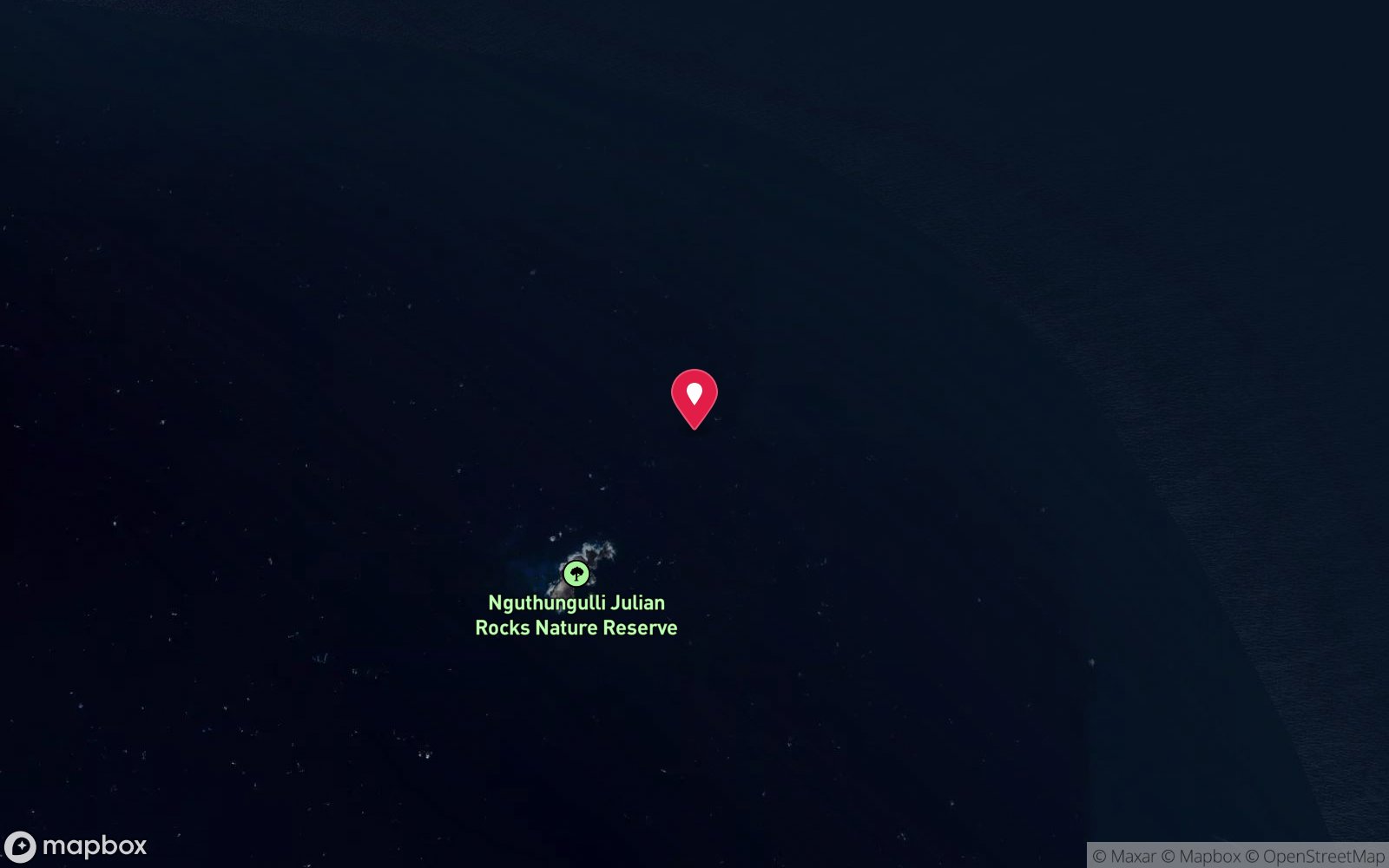
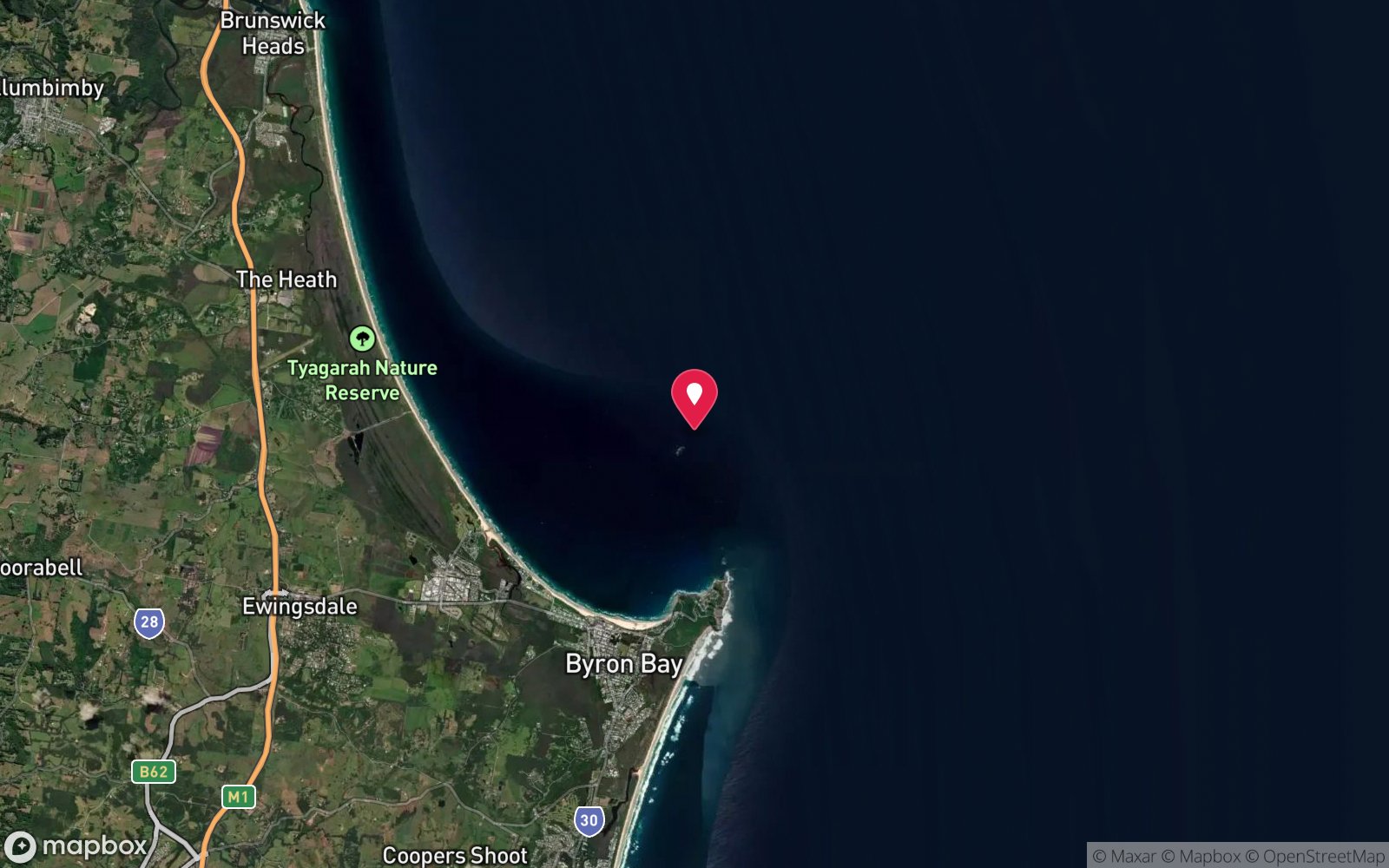
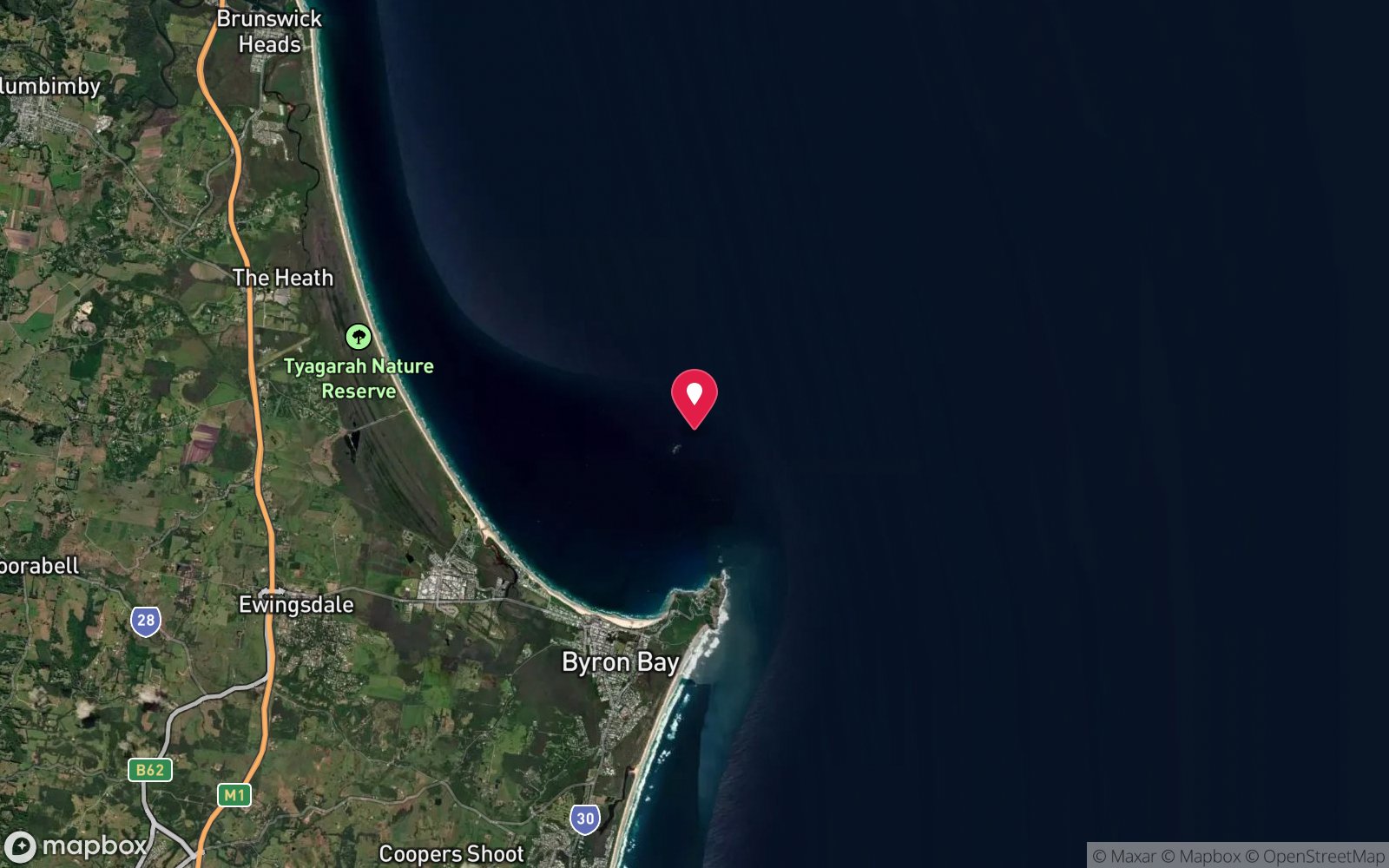
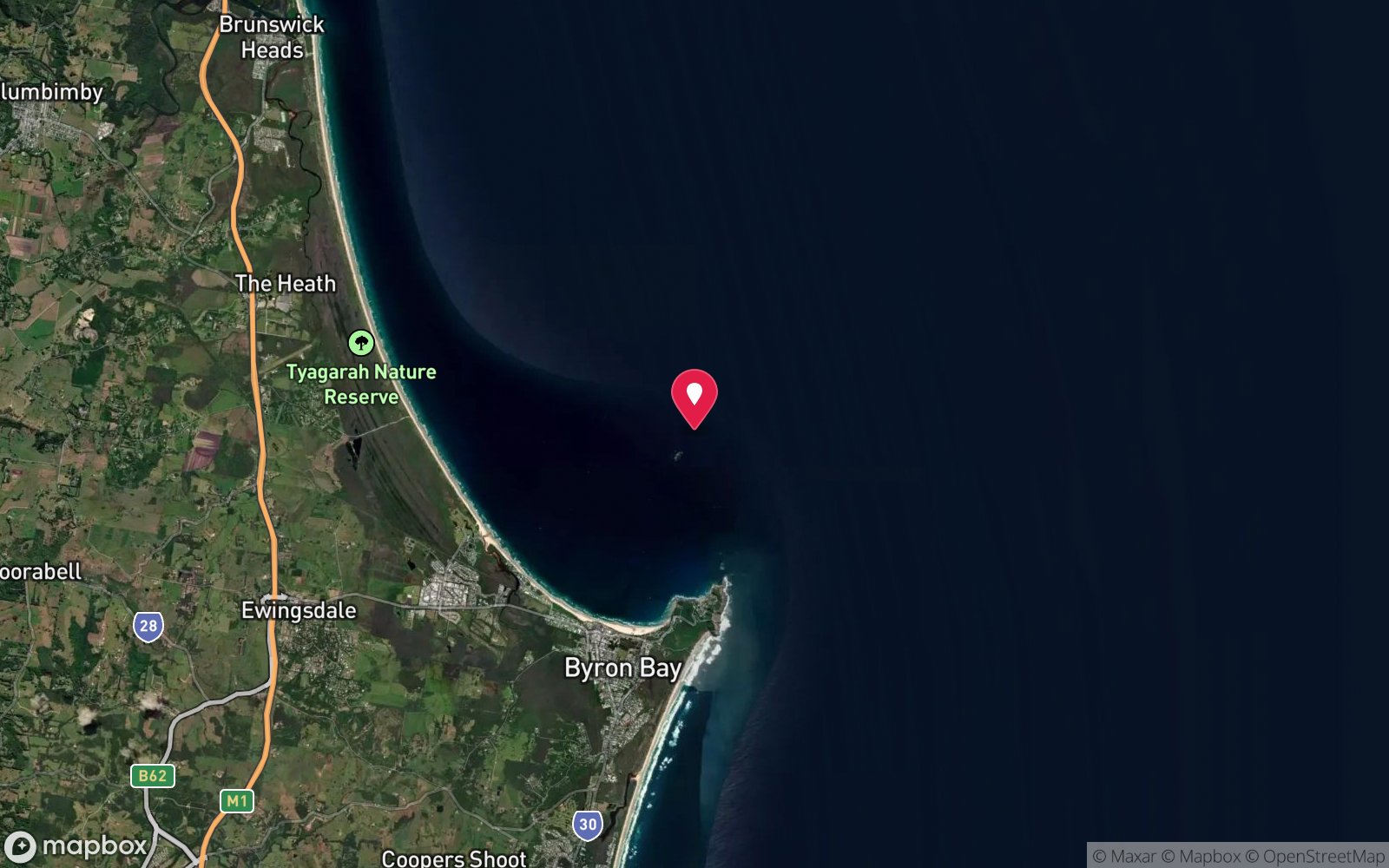
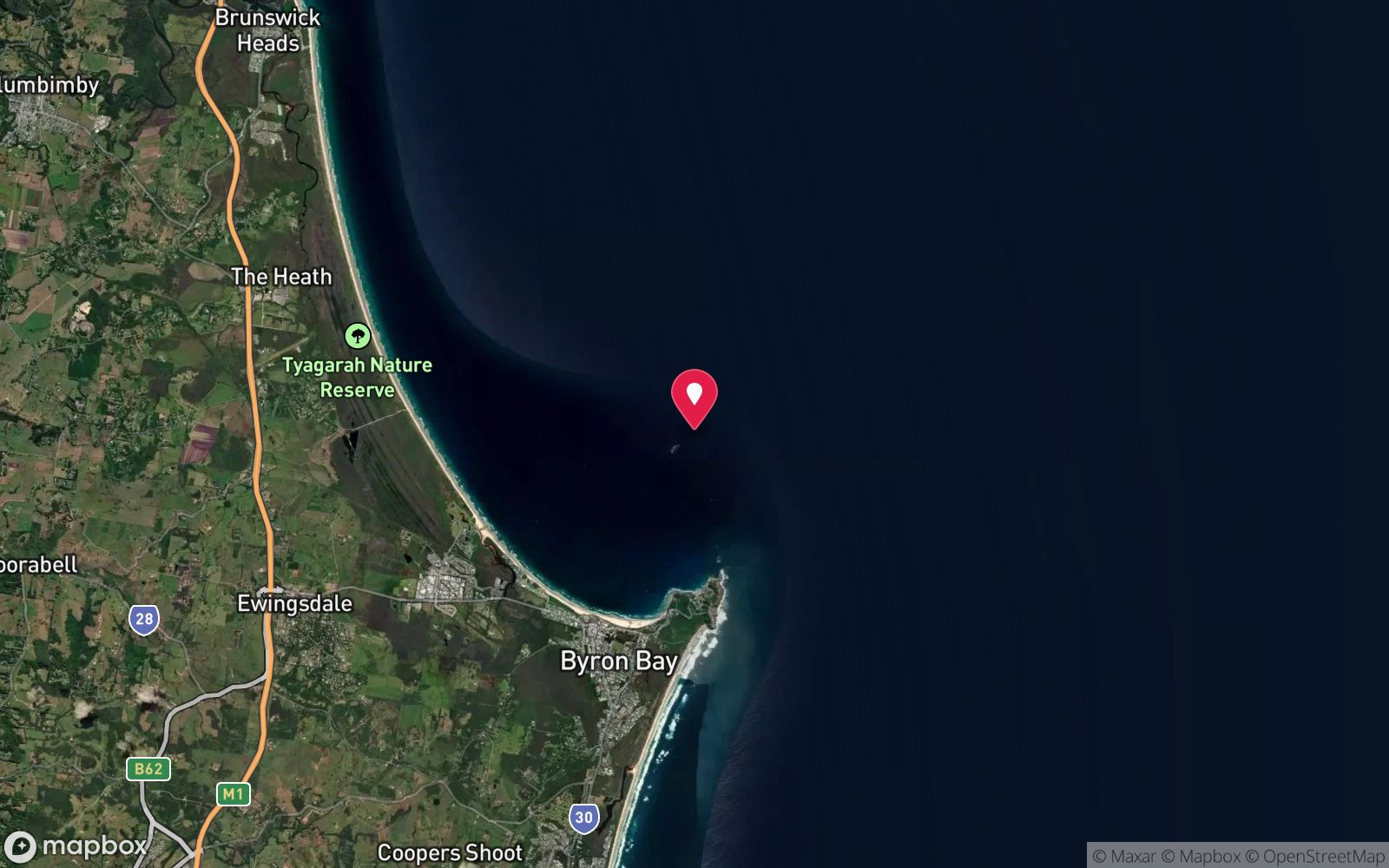
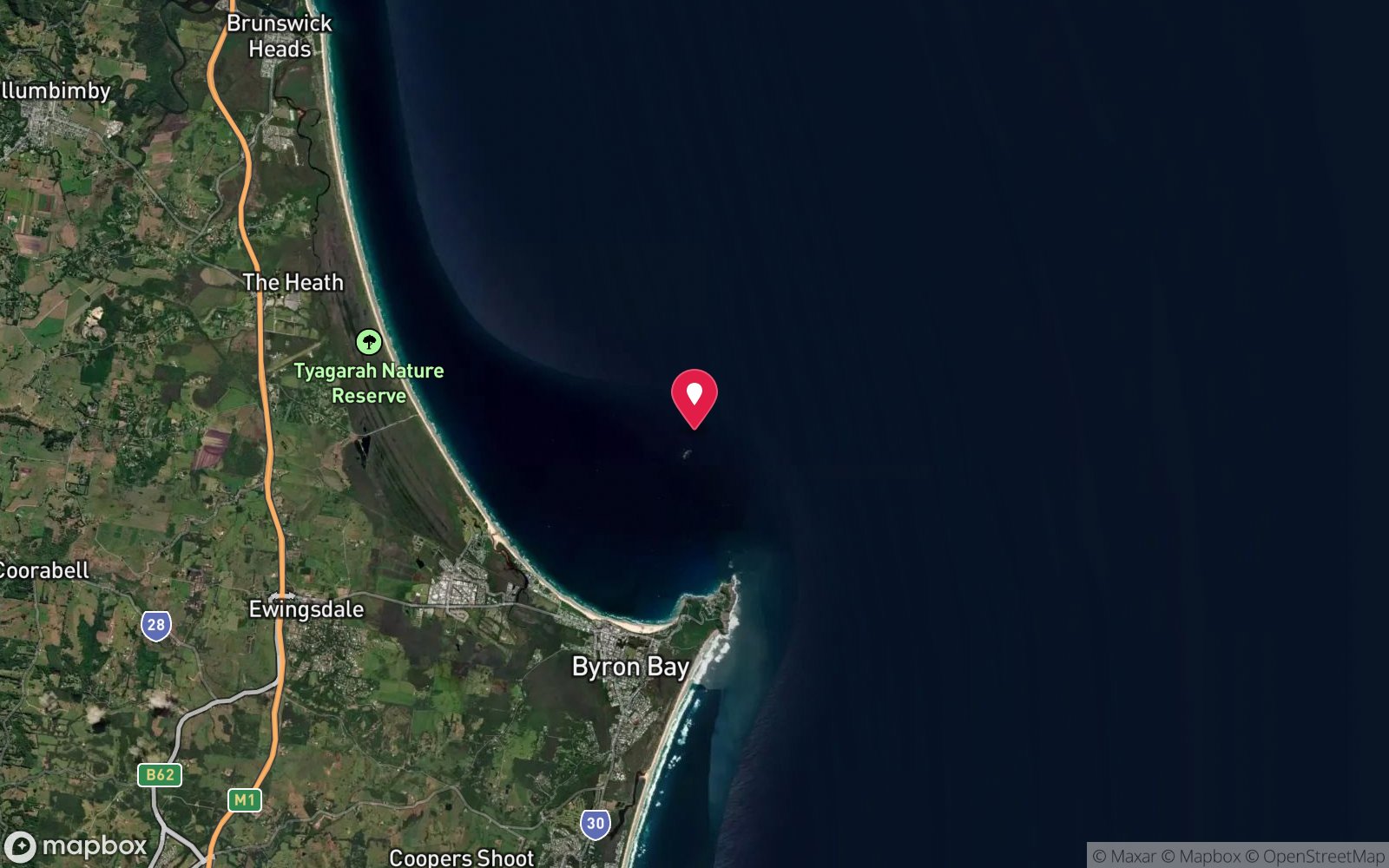
7 pinned sites. Pins marked approximate on their pages show the general area only; not for navigation.
Satellite views
Julian Rocks – Hugo's Trench: frequently asked questions
How deep is Julian Rocks – Hugo's Trench?
Julian Rocks – Hugo's Trench reaches a maximum depth of 18 m, with the shallowest part at about 8 m; most of the dive is spent around 14 m.
What certification do I need to dive Julian Rocks – Hugo's Trench?
Open Water is the recommended minimum. Rated intermediate because of surge on the entry or in the shallows.
Can I shore dive Julian Rocks – Hugo's Trench?
No, it is reached by boat (about 8 minutes). A dive centre is required: boat access only.
When is the best time to dive Julian Rocks – Hugo's Trench?
Year-round; swim through the trenches only on calmer days.
What marine life will I see at Julian Rocks – Hugo's Trench?
Regularly recorded: Wobbegongs, turtles, nudibranchs, painted crayfish, mantis shrimp, moray eels, leopard sharks (summer), grey nurse sharks (occasional, winter), small reef fish.
What wetsuit do I need at Julian Rocks – Hugo's Trench?
3-5 mm full suit summer, 5-7 mm or semi-dry with hood winter.
How cold is the water at Julian Rocks – Hugo's Trench?
Typically 21-26 °C in summer and 18-21 °C in winter.
What are the main hazards at Julian Rocks – Hugo's Trench?
Surge can funnel through the trench in swell — do not enter in poor conditions; narrow sections require good buoyancy control. See the hazards section above for the full list.
Where is the nearest recompression chamber to Julian Rocks – Hugo's Trench?
Gold Coast University Hospital (Southport) hyperbaric unit; Wesley Hospital (Brisbane) for complex cases. In an emergency call 000, then DAN Asia-Pacific on 1800 088 200.
Diving in Tweed & Byron Bay
Julian Rocks, 2.5 km off Byron Bay, is the most biodiverse dive site in NSW: turtles by the dozen, wobbegongs stacked in the caves, grey nurse sharks in winter, leopard sharks and manta rays in summer, and more than 1,000 recorded species. The Cod Hole, the Nursery and Hugo's Trench are the classic circuits. Cook Island off Tweed Heads has similar life on a smaller scale.
Getting there: Byron Bay is two hours south of Brisbane or a short flight to Ballina. Dive shops in Byron run several trips a day to Julian Rocks, launched off the beach at the Pass; Tweed Heads shops cover Cook Island.
All Tweed & Byron Bay dive sites and a suggested itinerary →
Sources
- diveplanit.com/dive-site/julian-rocks
- abyss.com.au/blog/travel/julian-rocks-your-ultimate-guide
- sundive.com.au/pages/the-dive-site
- sundive.com.au/pages/julian-rocks-by-month
- byronbaydivecentre.com.au
- adreno.com.au/pages/northern-nsw-dive-sites
Data confidence: High. Last updated September 2026. Know this site better? How to send a correction
Nearby dive sites
More reef dives in New South Wales
Explore more
This region
Marine life