State guide · NSW
Scuba diving in New South Wales
Temperate reefs, grey nurse sharks and Australia's densest cluster of city shore dives.
- Dive sites
- 685
- Regions
- 24
- Wrecks
- 103
- Shore dives
- 130
- Beginner sites
- 226
New South Wales has more documented dive sites than any other state, and most of them are within two hours of a capital-city airport. Sydney alone has more than 200 sites spread across the Harbour, the Northern Beaches and the southern shore around Botany Bay, the bulk of them shore dives that locals do before work. North of Sydney the coast turns subtropical: Nelson Bay, Forster and South West Rocks sit on the boundary where kelp gives way to hard coral, and the Solitary Islands off Coffs Harbour and Julian Rocks off Byron Bay host turtles, leopard sharks and manta rays in summer alongside temperate species in winter.
The animal that defines NSW diving is the grey nurse shark. Critically endangered on the east coast, it aggregates at a small number of protected gutters, among them Magic Point in Sydney, Fish Rock at South West Rocks, the Pinnacles at Forster, Montague Island near Narooma and North Solitary Island, and divers can reliably see a dozen or more at close range without cages or bait. The south coast, from Jervis Bay to Eden, is quieter, colder and clearer, with sponge gardens, fur seals at Montague Island and some of the best visibility in the state on winter westerlies.
Offshore, Lord Howe Island (part of NSW, 600 km east of Port Macquarie) is the world's southernmost coral reef, with a 90-plus species of coral, endemic fish and Ball's Pyramid for the adventurous. It runs on its own seasonal calendar and a single dive operation, so book well ahead.
How the coast is organised
Think of NSW in four bands. The far north (Tweed to Coffs Harbour) is subtropical, warm and dominated by island and pinnacle boat dives; Julian Rocks and the Solitary Islands are the anchors. The mid-north coast (Port Macquarie to Port Stephens) has the famous grey nurse aggregations at Fish Rock and Forster's Pinnacles, plus the shore-dive playground of Nelson Bay, where Fly Point and Halifax Park are dived on the slack of the tide in a busy shipping channel. Greater Sydney and the Central Coast are shore-dive country: Shelly Beach at Manly, Bare Island, Clifton Gardens, Camp Cove and the rest can be dived on almost any day of the year if you pick a sheltered side. The south coast, from Wollongong down to Eden, is temperate, with seals, sponge walls, kelp and the ex-HMAS Adelaide off Avoca as its biggest artificial reef.
Weather and when to dive
The rule that governs shore diving in NSW is swell direction. Most of the coast faces east or south-east, so a southerly swell shuts down the exposed headlands while west-facing sites inside the Harbour and Botany Bay stay flat. Winter westerlies, June to September, bring the flattest seas and the cleanest water; autumn (March to May) brings the warmest water and the best chance of tropical visitors like mantas and leopard sharks in the north. Summer is warm but nor'easters chop up the afternoons, so dive early. The East Australian Current pushes warm water down the coast from November to May, and cold-water upwellings can drop the temperature by five degrees overnight anywhere south of Port Stephens.
Access and operators
Sydney's dive shops run daily boat trips to the offshore reefs and wrecks and hire gear for the shore sites, and a shore dive on your own is legal and normal in NSW with a buddy and a dive flag. Regional towns each have one or two operators; Nelson Bay, Forster, South West Rocks, Coffs Harbour, Byron Bay, Huskisson (Jervis Bay) and Narooma all have established shops that go out most days in season. Fish Rock and Montague Island are boat-only. Lord Howe has a single operator that closes for the winter months.
When to dive New South Wales
June – September
Calmest seas on westerly winds, best visibility, coolest water (17–19 °C). Grey nurse sharks concentrate at the northern gutters.
March – May
Warmest water of the year (22–24 °C), leopard sharks and mantas at Julian Rocks and the Solitaries, still-settled seas.
December – February
Busy, warm, but afternoon nor'easters and summer swells; dive early and pick sheltered western sides.
The five dives to do first
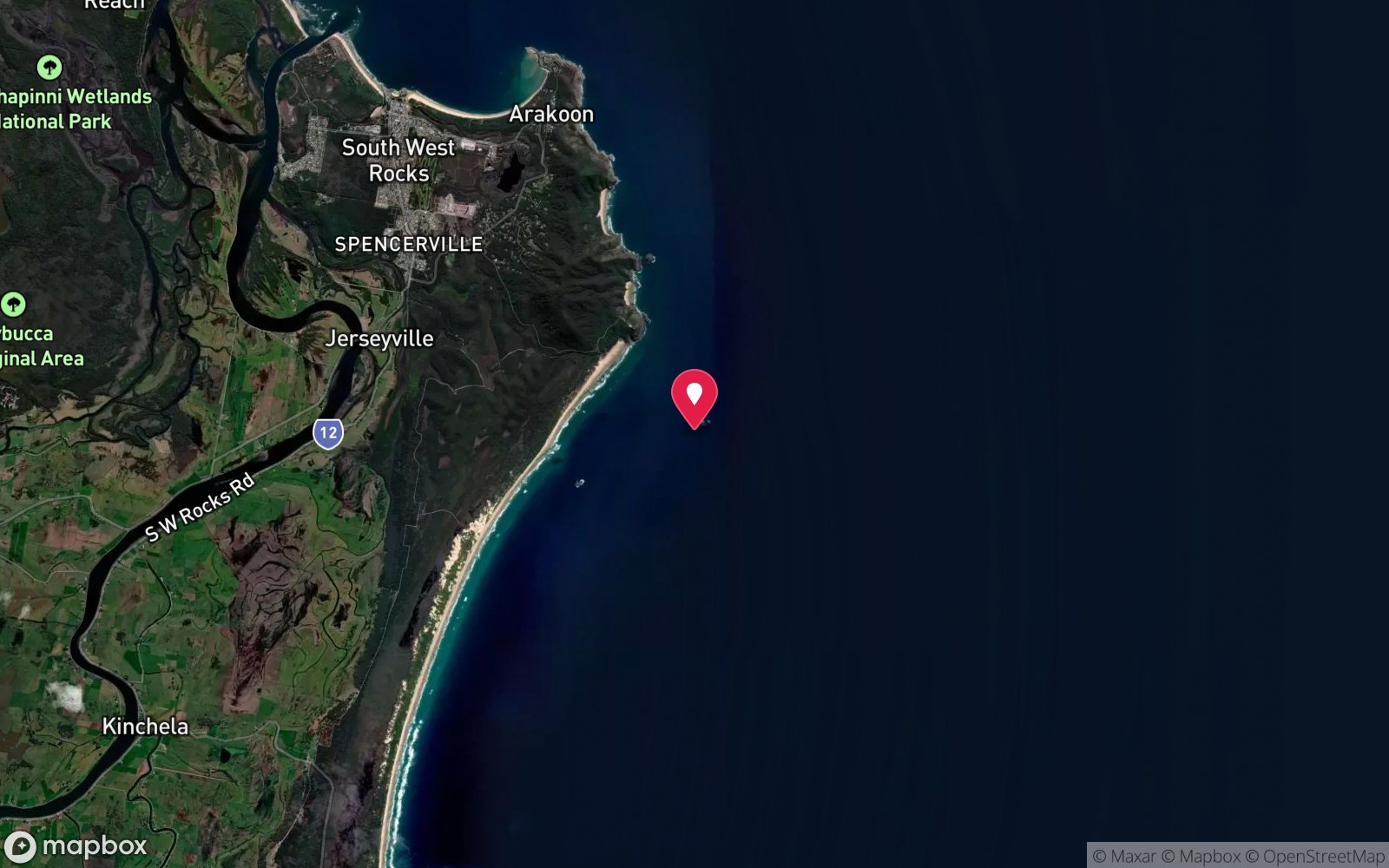
1. South West Rocks · NSW
Fish Rock Cave
A 125 m swim-through under an island with grey nurse sharks stacked in the gutters at each end. Australia's best-known ocean cave dive.
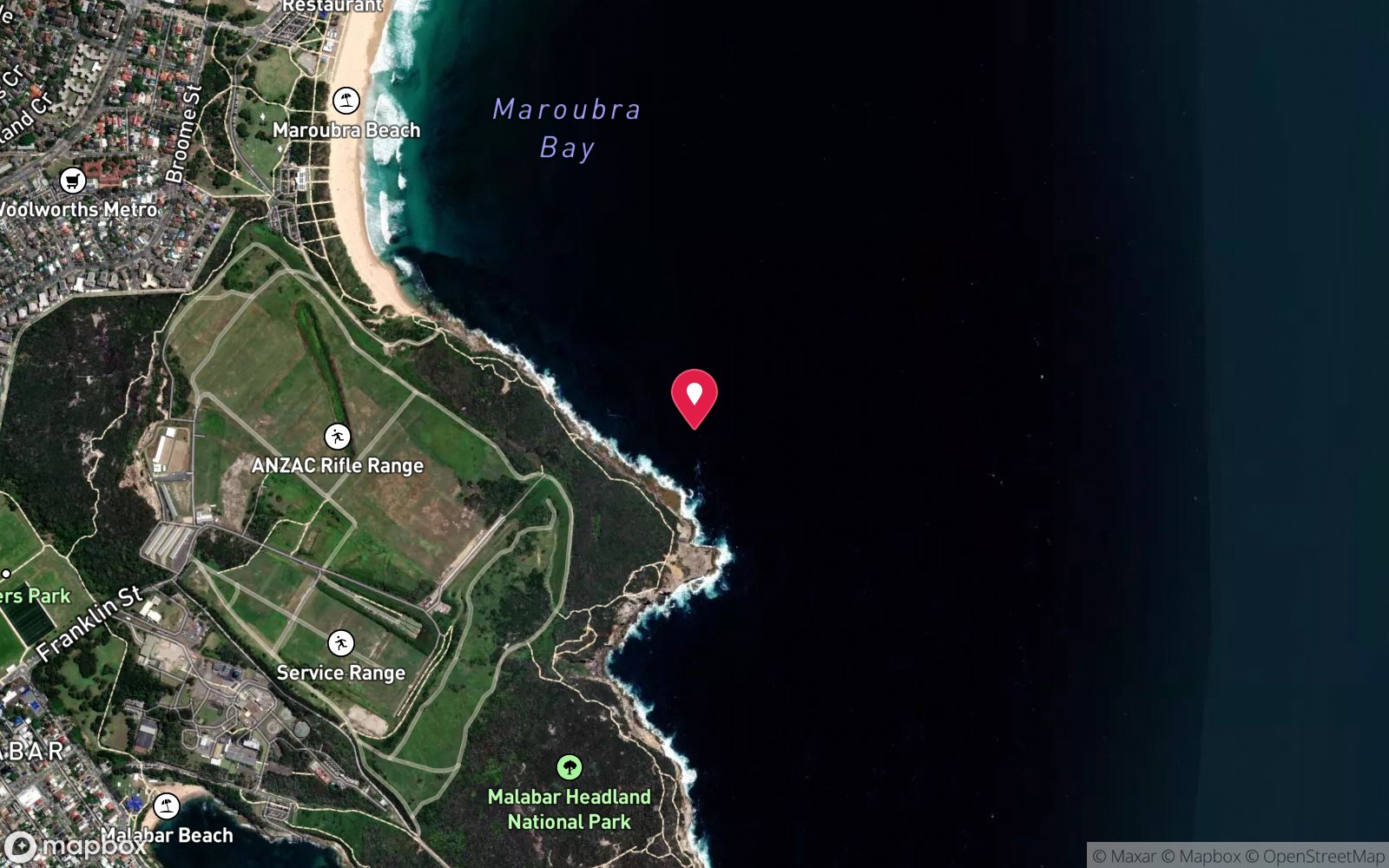
2. Sydney South & Botany Bay · NSW
Magic Point
Grey nurse sharks 20 minutes from the Sydney CBD, resting in a shallow overhang at Maroubra.
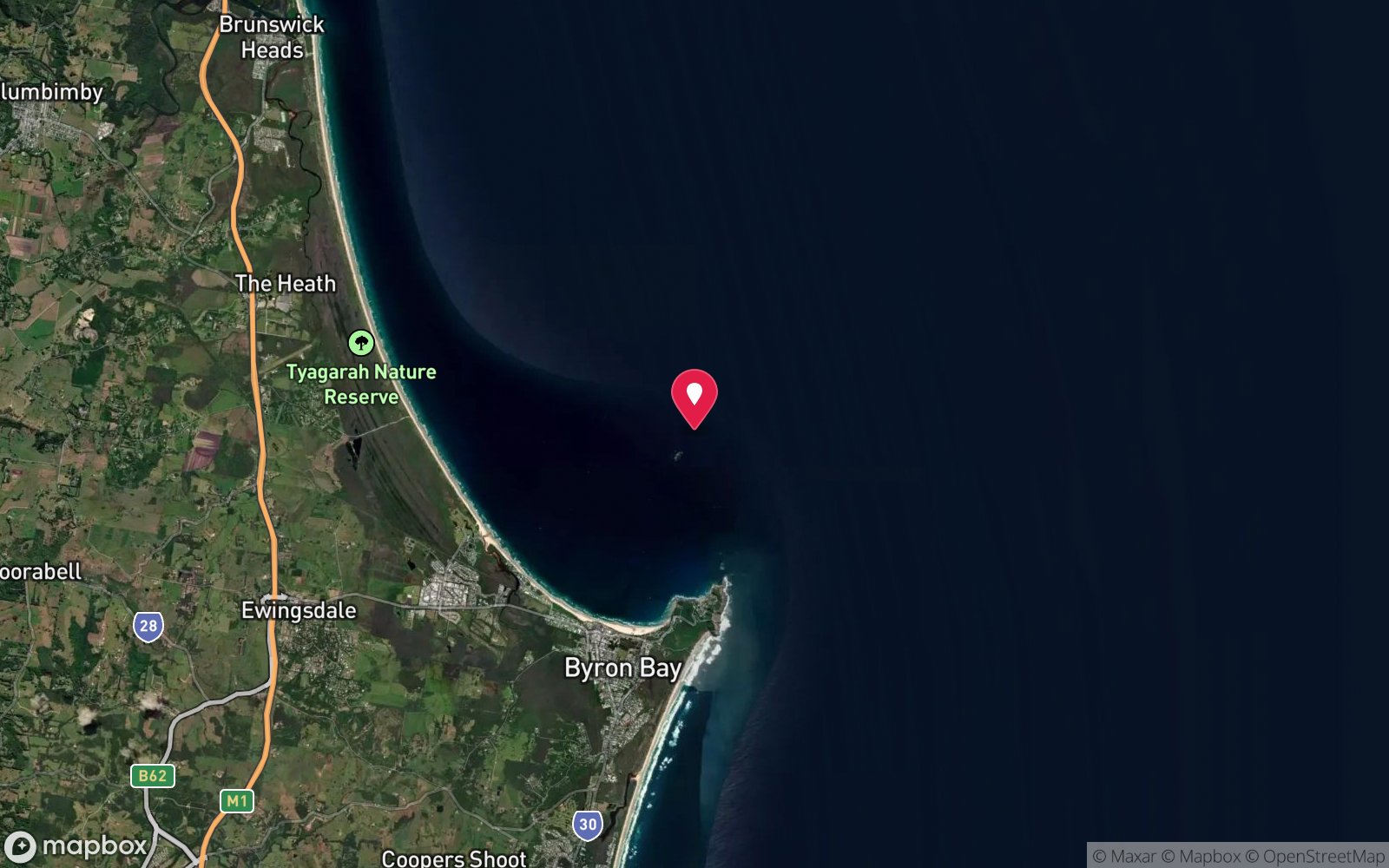
3. Tweed & Byron Bay · NSW
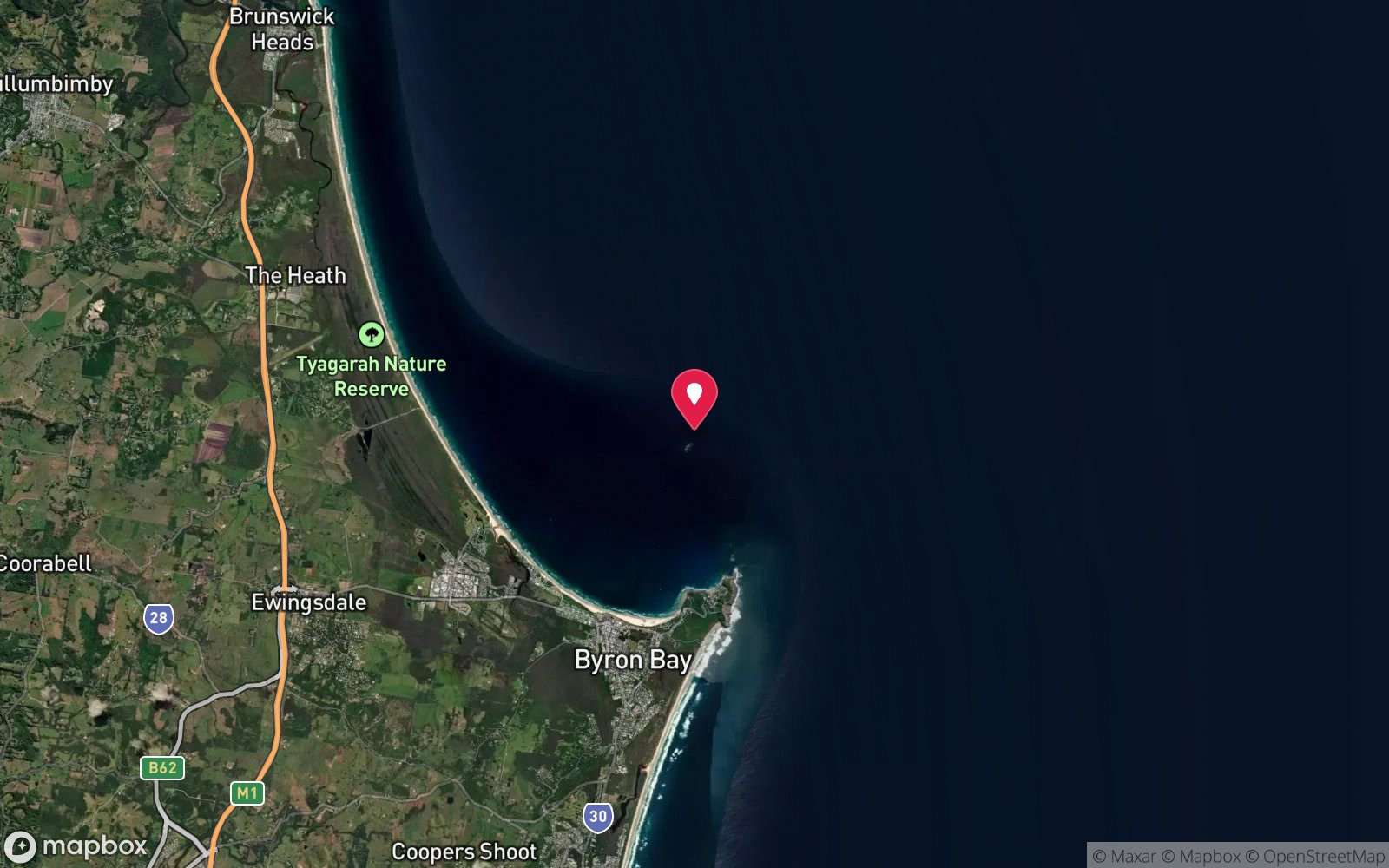
Julian Rocks – Cod Hole
Byron Bay's marine reserve pinnacle: turtles, leopard sharks and wobbegongs in numbers, with mantas in late summer.
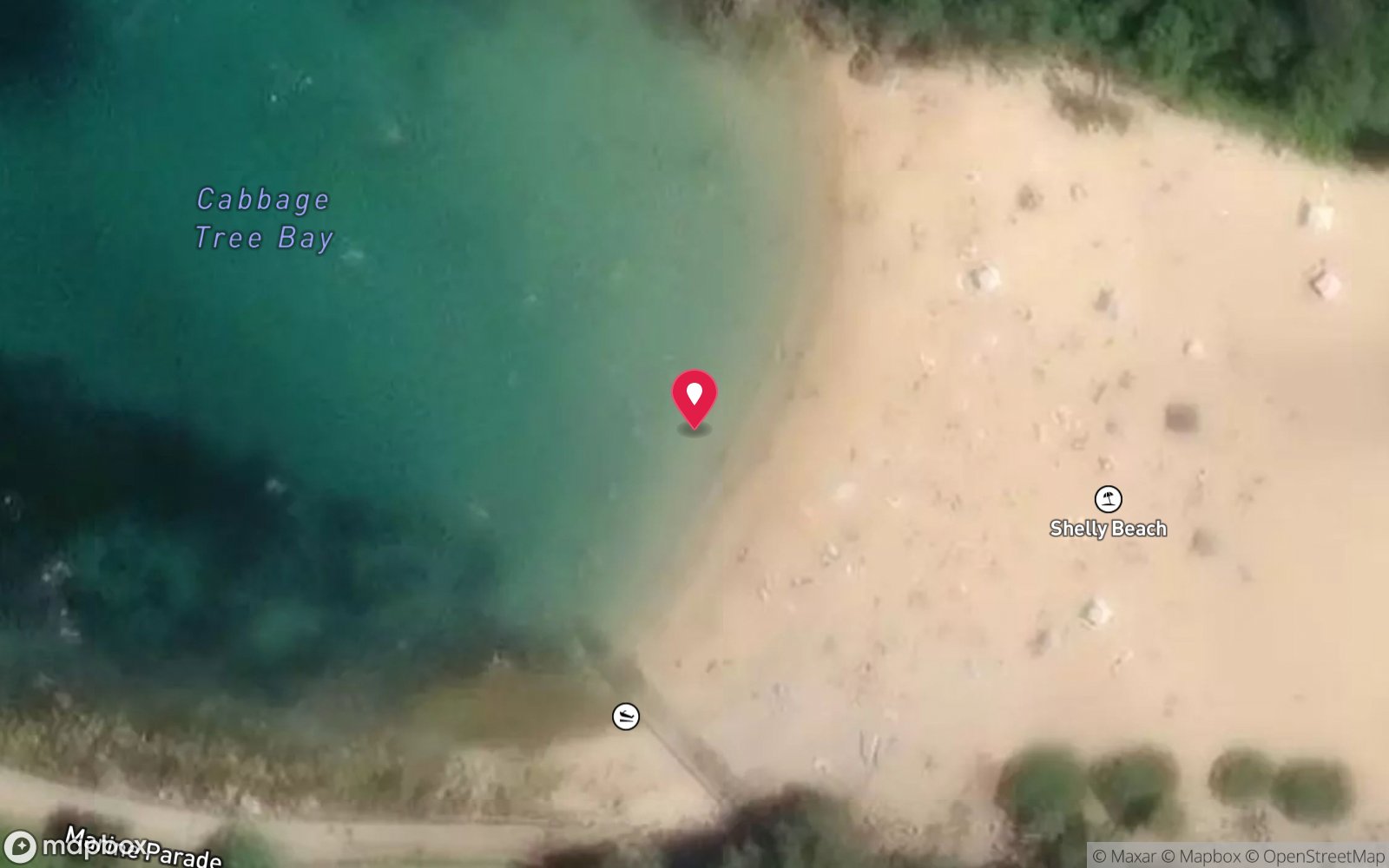
4. Sydney Northern Beaches · NSW
Shelly Beach / Cabbage Tree Bay (Manly)
The classic Sydney shore dive. A no-take aquatic reserve with blue gropers, dusky whalers in summer and easy entry.
5. Central Coast · NSW
ex-HMAS Adelaide
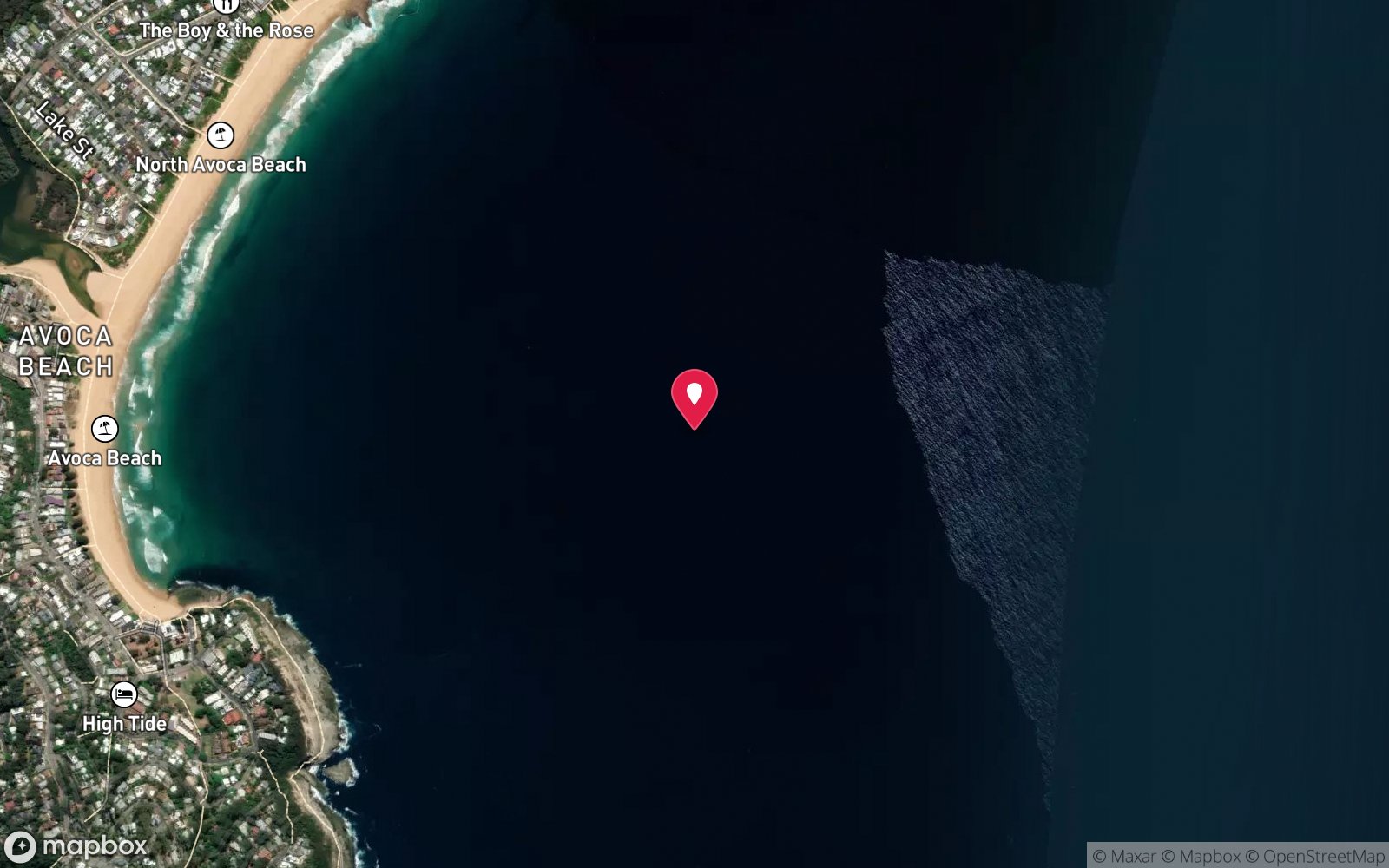
A 138 m guided-missile frigate scuttled off Avoca in 2011, fully prepared for penetration with daily charters from Terrigal.
Also worth planning around
1. Narooma & Montague Island · NSW
Montague Island Seal Colony
Snorkel or dive with several hundred fur seals off Narooma, then a wall dive on the same trip.
2. Port Stephens · NSW
Fly Point
Nelson Bay's slack-water sponge garden, one of the richest shore dives in the country.
3. Lord Howe Island · NSW
The Arch (Lord Howe)
Lord Howe's signature swim-through, with Galapagos whalers and endemic fish.
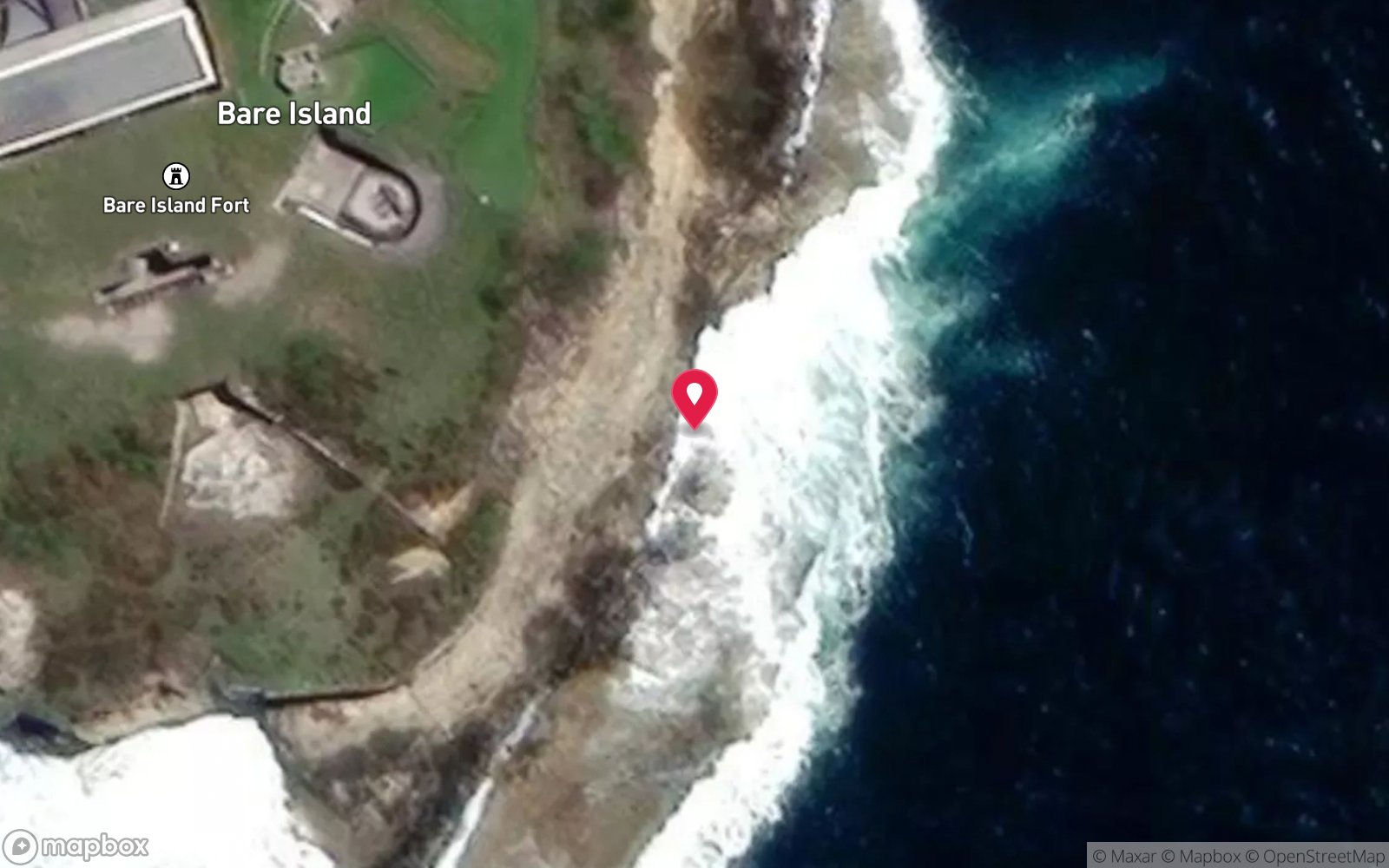
4. Sydney South & Botany Bay · NSW
Bare Island
Botany Bay's most-dived site: red Indianfish, pygmy pipehorses and sea dragons on the western side.
Dive regions of New South Wales
24 regions, 685 sites. Each region page has a written introduction, a suggested itinerary and every site with depth, level and access.
Sydney's southern beaches and Botany Bay hold the city's biggest cluster of dive sites, and most of them are shore dives. Bare Island, on…
From Manly to Palm Beach the Northern Beaches are a string of headlands with reefs on their protected sides and open-ocean sites offshore.…
Lord Howe is the world's southernmost coral reef, a World Heritage island 600 km east of the mainland with more than 90 coral species, 500…
Jervis Bay's white sand and clear water make it the best-known dive destination on the NSW south coast. The Docks, Stoney Creek and the…
The Central Coast's headline is the ex-HMAS Adelaide, a 138 m frigate scuttled off Avoca in 2011 that is now one of the busiest wreck dives…
The Solitary Islands Marine Park is where the tropics meet the temperate zone: hard corals grow alongside kelp, anemonefish share ledges…
Between Sydney and the Shoalhaven the Illawarra coast has a quiet collection of shore reefs, rock platforms and boat dives. Bass Point at…
Newcastle's diving is wrecks and reef ledges. The coast between Nobbys and Swansea is littered with colliers and steamers, the SS Oakland…
Sydney Harbour has more marine species than the entire Mediterranean, and most of its dive sites are gentle shore dives inside the heads.…
Batemans Bay sits at the centre of the Batemans Marine Park, with the Tollgate Islands just outside the bay and a run of headlands and…
Forster is one of the best places in the world to dive with grey nurse sharks. The Pinnacles, Latitude Rock and the Big Seal at Seal Rocks…
Port Stephens has two personalities. Inside the port, Fly Point and Halifax Park at Nelson Bay are world-class shore dives on the slack…
The far south coast around Eden is cold, clear and rarely crowded. Twofold Bay has the SS Empire Gladstone and the Tasman Hauler wrecks in…
Fish Rock is on every serious Australian diver's list. A 125 m cave runs right through the island, opening in 24 m on one side and 12 m on…
Julian Rocks, 2.5 km off Byron Bay, is the most biodiverse dive site in NSW: turtles by the dozen, wobbegongs stacked in the caves, grey…
Port Macquarie's reefs are a step down in fame from Fish Rock and Forster but not in quality. The Cod Hole and the Pinnacle off Tacking…
Ulladulla is the quiet middle of the south coast, with the Lighthouse Reef and the Bommie off Warden Head, the Burrill Rocks, and a series…
Montague Island, 9 km off Narooma, is the seal dive of the east coast. Several hundred Australian and New Zealand fur seals haul out on the…
Between Jervis Bay and Ulladulla, the Shoalhaven's headlands at Currarong, Culburra and Bendalong have wrecks, caves and reefs that are…
Merimbula has the Pinnacles, a boat dive with towering rock formations, sponges and schooling fish, and the Merimbula Wharf, a shallow,…
Ballina's reefs sit off the Richmond River mouth, with Black Head and the Riordan Shoals in 15–28 m and the wreck of the Wollongbar nearby.…
Tathra Wharf is one of the best shore dives on the south coast, a historic timber wharf with sponges, cuttlefish and fish schools under the…
The Clarence River mouth splits Yamba and Iluka, and both have breakwall and reef dives on the rising tide, plus the Iluka Bluff and the…
Nambucca Heads and Urunga have small, sheltered shore dives: the Nambucca breakwall and V-Wall, Shelly Beach and the Urunga boardwalk…
Popular, well-documented dives in New South Wales
New South Wales diving FAQ
Where can I see grey nurse sharks in NSW?
The most reliable aggregation sites are Magic Point (Sydney), Fish Rock (South West Rocks), the Pinnacles at Forster, Montague Island (Narooma), Broughton Island (Port Stephens) and North Solitary Island. Winter and early spring usually give the biggest groups in the north.
Can I shore dive in Sydney without a dive shop?
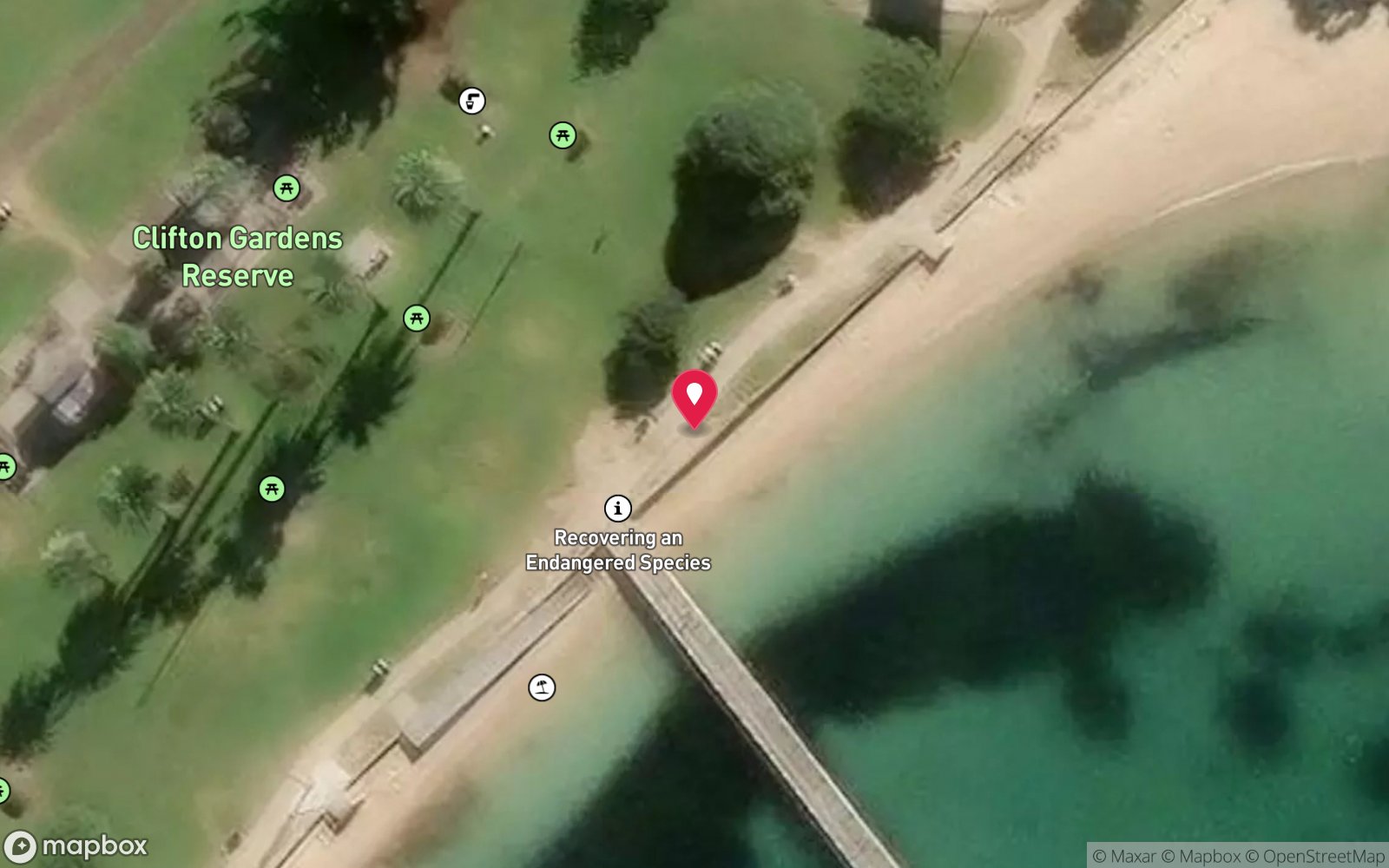
Yes. Independent shore diving with a buddy is normal in NSW. Shops hire gear and fill tanks, and the best sites (Shelly Beach, Bare Island, Clifton Gardens, Camp Cove) have car parks and easy entries. Carry a dive flag and check the swell first.
What wetsuit do I need in NSW?
A 7 mm or semi-dry works year-round. From January to April a 5 mm is comfortable north of Sydney. Winter divers add a hood and gloves; south-coast winter water can drop to 14 °C.