Dive slate · divesites.com.au · printed 8 Nov 2026
Fly Point
Port Stephens, New South Wales · near Nelson Bay
| Depth | 4–22 m |
|---|---|
| Minimum level | Advanced Open Water |
| Difficulty | Beginner |
| Access | Shore |
| Entry | Concrete steps down to the water's edge from the hillside car park |
| Current | Variable/Tidal |
| Visibility | 5-15 m |
| Water | summer 22-25 °C, winter 17-20 °C |
| Suit | 3-5 mm steamer summer; 5-7 mm full suit or semi-dry winter |
| Best season | Year-round; best on a high slack tide in any season |
| Bottom time | 50 min |
| Position | -32.71450, 152.15200 (approximate) |
| Permit | Fly Point/Halifax Park Aquatic Reserve — a declared marine sanctuary/aquatic reserve; check current no-take/no-disturbance rules |
| Nearest chamber | Prince of Wales Hospital (Randwick, Sydney) — John Hunter Hospital Newcastle has no recompression chamber |
| Emergency | 000 · DAN Asia-Pacific diving emergency 1800 088 200 |
Fly Point
Port Stephens' premier training and macro shore dive — parallel sponge-covered ledges with seahorses, pineapple fish and wobbegongs, best dived on a high slack tide.
Near Nelson Bay · Port Stephens, New South Wales
- Depth
- 4–22 m
- Minimum level
- Advanced Open Water
- Access
- Shore
- Boat ride
- Shore entry
- Water
- 22-25 °C
- Visibility
- 5-15 m
Fly Point4–22 m · Advanced Open Water · Shore
Dive factsDepths, conditions, location & safety
Season
In season nowBest months: year-round.
Year-round; best on a high slack tide in any season
- Best months
- Now (November)
- Stinger suit Nov–May
Dive facts
- Depth
- 4–22 m
- Typical depth
- 12 m
- Certification
- Advanced Open Water
- Difficulty
- Beginner
- Depth tier
- Advanced Open Water (18–30 m)
- Access
- Shore
- Offshore
- 0.02 km
- Dive centre needed
- No – independently diveable
- Shore / independent
- Yes
- Current
- Variable/Tidal
- Visibility
- 5-15 m
- Water temp (summer)
- 22-25 °C
- Water temp (winter)
- 17-20 °C
- Water
- Subtropical
- Bottom time
- 50 min
- Dive traffic
- Very popular (dived daily)
- Night dive
- Yes
- Snorkel friendly
- Partial
Exposure suit
3-5 mm steamer summer; 5-7 mm full suit or semi-dry winter
Location
Nelson Bay — Fly Point/Halifax Park Aquatic Reserve · Hunter — Port Stephens/Nelson Bay
-32.71450, 152.15200
Approximate position — not for navigation.
Open in Google MapsPrimary source: daveharasti.comMarine park & permits
Fly Point/Halifax Park Aquatic Reserve — a declared marine sanctuary/aquatic reserve; check current no-take/no-disturbance rules
Nearest recompression chamber
Prince of Wales Hospital (Randwick, Sydney) — John Hunter Hospital Newcastle has no recompression chamber
Diving emergency: call 000, then DAN AP 1800 088 200.
Trip planner
Build a trip around Fly Point →
A day-by-day plan for Port Stephens with this site locked in.
This guide is a planning aid. Conditions change daily — confirm with a local dive centre and dive within your training. Data & safety notes.
Dive profile
How this site rates
Scores are computed from the recorded data, not opinions. How?
At a glance
Fly Point is a shore / rock platform shore dive you can do independently in Port Stephens, NSW, 4–22 m, suited to Advanced Open Water divers, variable/tidal current.
Rated beginner: sheltered, shallow and manageable for a newly certified diver on a normal day, though note depth beyond 18 m and tidal current that must be timed and boat traffic overhead.
Why dive here
- Port Stephens' premier training and macro shore dive — parallel sponge-covered ledges with seahorses, pineapple fish and wobbegongs, best dived on a high slack tide.
- Commonly dived at night, when octopus, cuttlefish and crustaceans are out.
About Fly Point
Fly Point is the benchmark shore dive of Port Stephens, a parallel-ledge reef just inside the harbour at Nelson Bay that has trained more open-water divers than perhaps any other single site on this stretch of coast, thanks to the near-ideal combination of easy concrete-step access, a genuinely interesting reef and enough shelter from ocean swell to be diveable on all but the roughest days. The site's defining structure is a series of parallel ledges running out from the point, their faces and cracks thick with sponge growth, and an old deck winch left over from earlier harbour use has become an accidental landmark that most local divers use for navigation. Depths range from a shallow four metres near the entry to twenty-two metres further out, giving both training dives and more adventurous exploration room to work within the one site.
What makes Fly Point more than just a convenient training ground is the density and variety of its marine life: pineapple fish shelter in the ledges by day, wobbegong sharks lie motionless on the sand and rock, flathead sit half-buried waiting for prey, and seahorses turn up regularly enough that local guides know roughly where to look. Nudibranch numbers are excellent, and the kelp beds fringing the shallower sections support their own distinct community of fish and invertebrates. The one non-negotiable factor governing every dive here is the tide: Fly Point sits on a genuine tidal channel into Port Stephens, and the current away from slack water is strong enough to make the site dangerous rather than merely inconvenient, so every local operator and experienced diver plans strictly around the tide tables, generally favouring the high slack window for both safety and the clearer water it brings.
Night dives here are excellent and popular, taking advantage of the shelter and revealing a very different, more active side of the same reef.
Getting there & entry
A parallel-ledge reef inside Port Stephens at Nelson Bay, part of the Fly Point/Halifax Park Aquatic Reserve, reached down concrete steps from a hillside car park and long used as the area's premier training and macro shore dive.
From Nelson Bay township, follow Government Road/Victoria Parade to the Fly Point car park on the hill above the point. Concrete steps lead directly down to a small entry platform at the water's edge, removing the need to carry gear across sand or rock. Because the site sits inside Port Stephens on a tidal channel, the dive must be timed around slack water — high slack tide gives the best visibility and the safest, current-free entry — so check tide times before planning a dive here.
Entry: Concrete steps down to the water's edge from the hillside car park
Facilities: Car park on the hill above the point with concrete stairway access; toilets and cafes in Nelson Bay township a short drive away; no dedicated gear-up shed at the site itself.
Weather, swell & tides
Fly Point sits inside the sheltered waters of Port Stephens, so ocean swell is not a factor, but the site is on a tidal channel and currents run VERY strong outside the slack window — this dive must be planned around slack water, ideally high slack tide, both for diver safety and for the best visibility. Outside slack, the current can be too strong to dive safely. Rain in the Karuah/Myall catchments reduces visibility for a few days afterward.
Best season: Year-round; best on a high slack tide in any season
If it's blown out
Sheltered or shore sites within 25 km that often work when Fly Point doesn't.
- Halifax Park (Nelson Bay) · 1 km · Max 26 m
- The Pipeline (Nelson Bay) · 1 km · Max 18 m
- Little Beach (Nelson Bay) · 2 km · Max 20 m
- Tomaree Head, Boat Harbour, One Mile & Birubi Point shore/snorkel sites · 2 km · Max 10 m
How the dive is usually run
Enter down the steps at high slack tide and follow the parallel ledges out along the point, exploring the sponge gardens and the old deck winch relic, watching sandy patches for pineapple fish, flathead and seahorses and the kelp beds for macro life, before returning the same way well before the tide turns and current picks up.
Marine life
- Wobbegong sharks →
- pineapple fish
- seahorses →
- flathead
- moray eels
- numbfish
- eagle rays
- nudibranchs →
- harlequin ghost pipefish →
- bream
- luderick
Linked species have their own page listing every site where they are recorded. All marine life →
Training required
Beyond 18 m an Advanced certification (which includes a deep dive to 30 m) is the accepted minimum. Anything past 25 m is a deep dive in practice.
Open Water divers can dive the shallower section (typical depth 12 m); the full site to 22 m needs Advanced Open Water. Operators often quote Open Water.
Operators' own listing: Open Water.
Courses that help here
- Night Diver – Commonly dived at night.
Depth tiers: 0–10 m easy · to 18 m Open Water · 18–30 m Advanced (25 m+ is a deep dive) · 30–40 m Deep specialty · 40 m+ technical. All courses
Hazards & warnings
Strong tidal current outside slack water — this dive MUST be planned around the tide; boat traffic in the channel; carry a surface marker buoy.
Dive centres that go here
Feet First Dive (Nelson Bay) uses Fly Point extensively for training and guided shore dives; easily independently diveable by certified divers who plan around the tide.
Operators recorded for Fly Point
Feet First Dive
ProfiledNelson Bay · Port Stephens · NSW
A Nelson Bay SSI centre running Broughton Island boat dives and Port Stephens shore dives, with rebreather and Extended Range training.
feetfirstdive.com.au · (02) 4984 2092
Let's Go Adventures
Reported closedNelson Bay · Port Stephens · NSW
letsgoadventures.com.au is now a parked domain listed for sale.
Other dive centres in Port Stephens
Dive Newcastle
ProfiledBeresfield · Port Stephens · NSW
A Beresfield dive superstore teaching RAID courses, with air fills, servicing, rental and a large scuba, freediving and spearfishing range.
neptunesports.com.au · (02) 4966 4900
Grey Nurse Charters
ProfiledNelson Bay · Port Stephens · NSW
A PADI-registered dive boat running charters around Port Stephens, Newcastle and Swansea, with PADI courses to Divemaster and TecRec.
greynurse.com.au · 0408 633 793
Dive Swansea
ProfiledSwansea · Port Stephens · NSW
An SSI Instructor Training Center 60 metres from the Swansea Bridge shore dive, with boat trips to Moon Island and rebreather and Extended Range training.
diveswansea.com.au · (02) 4972 0940
Map
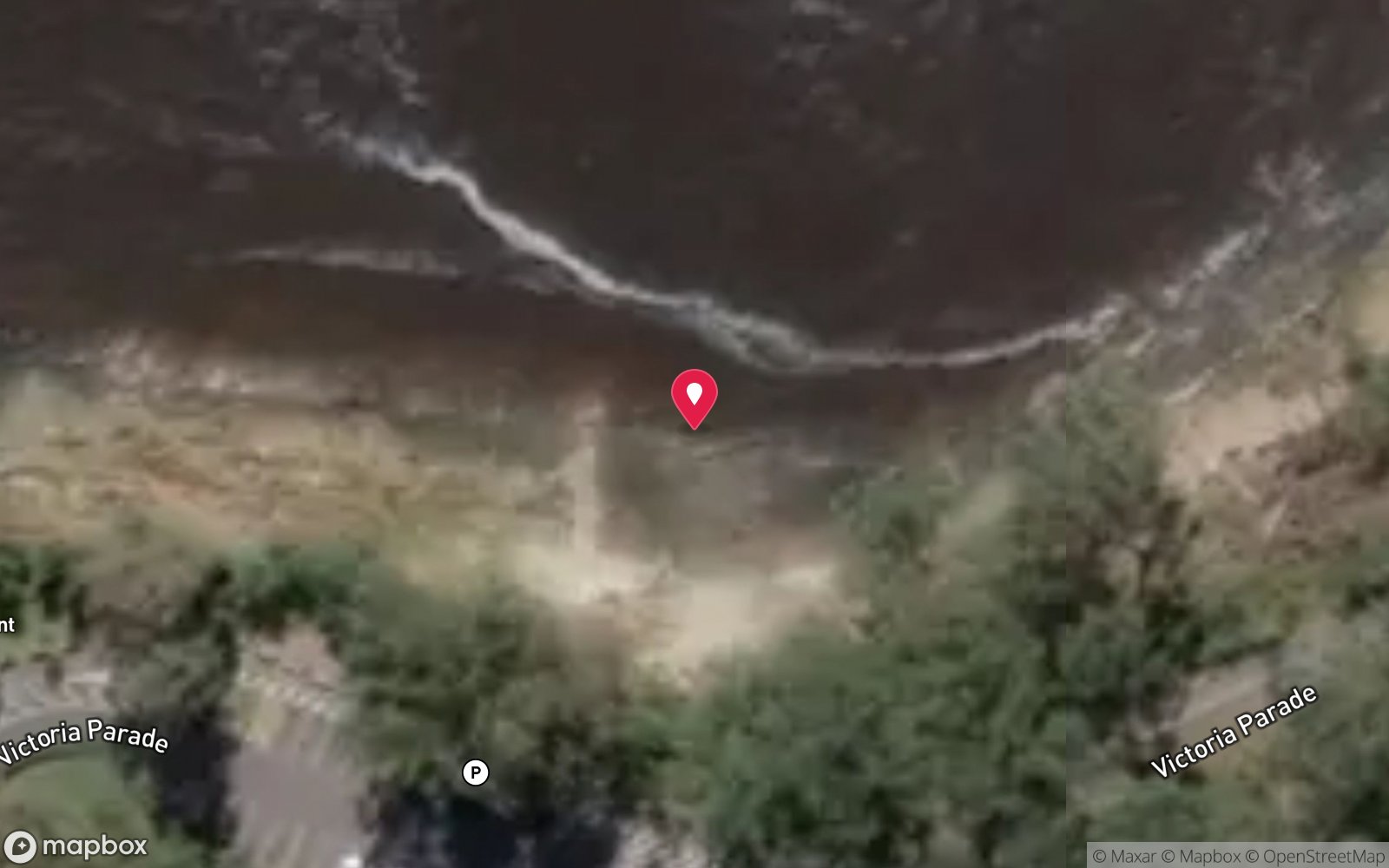
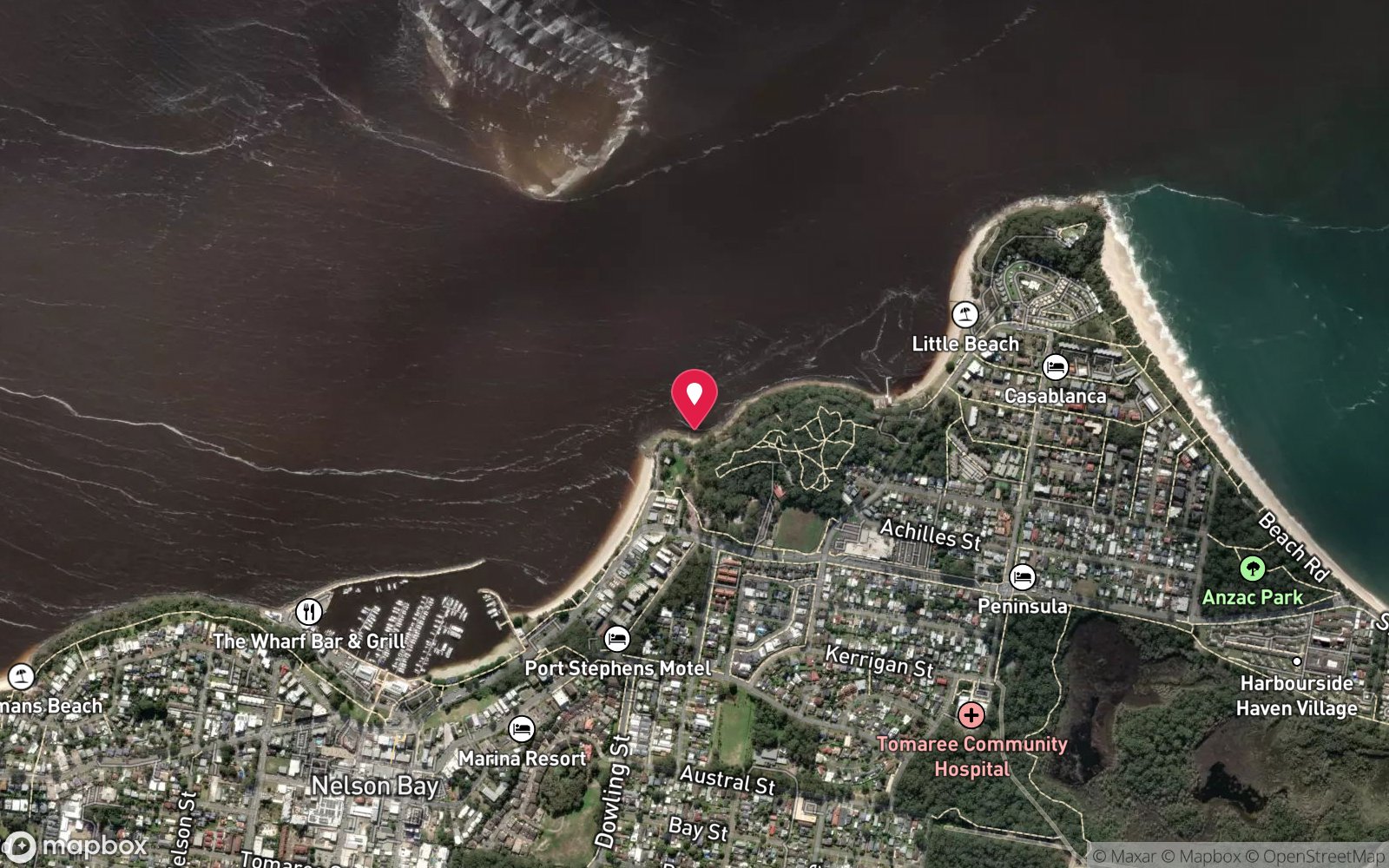
7 pinned sites. Pins marked approximate on their pages show the general area only; not for navigation.
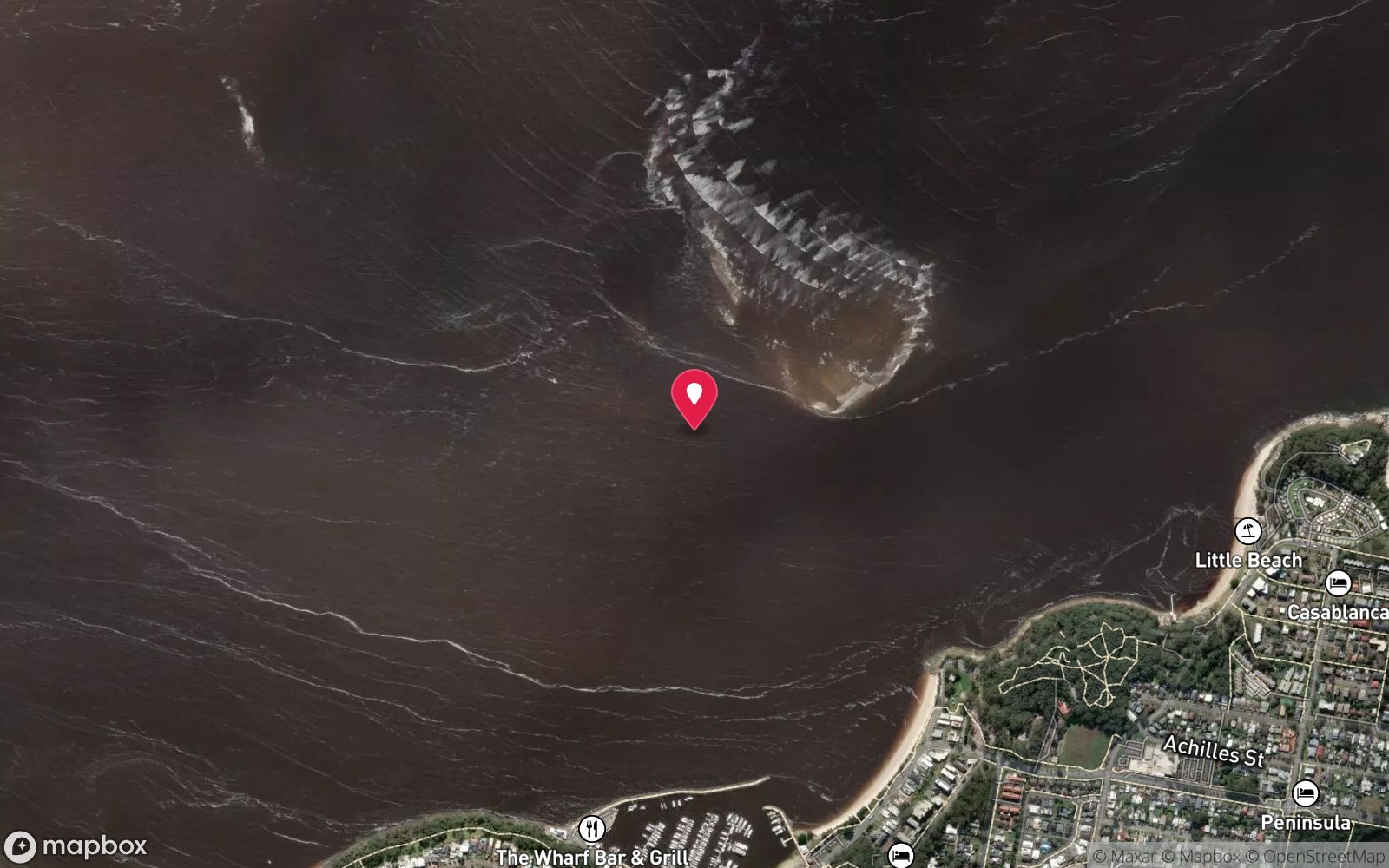
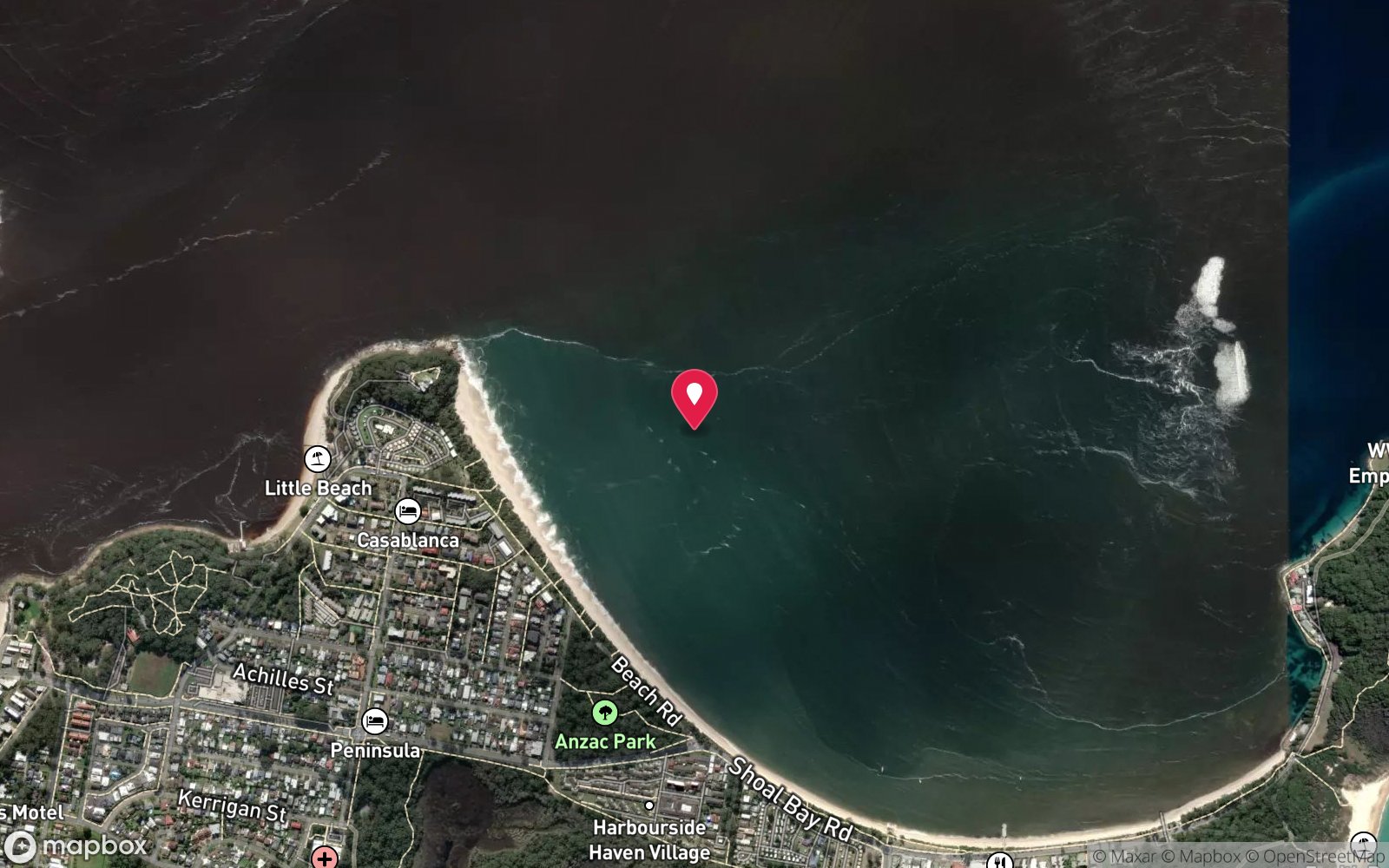
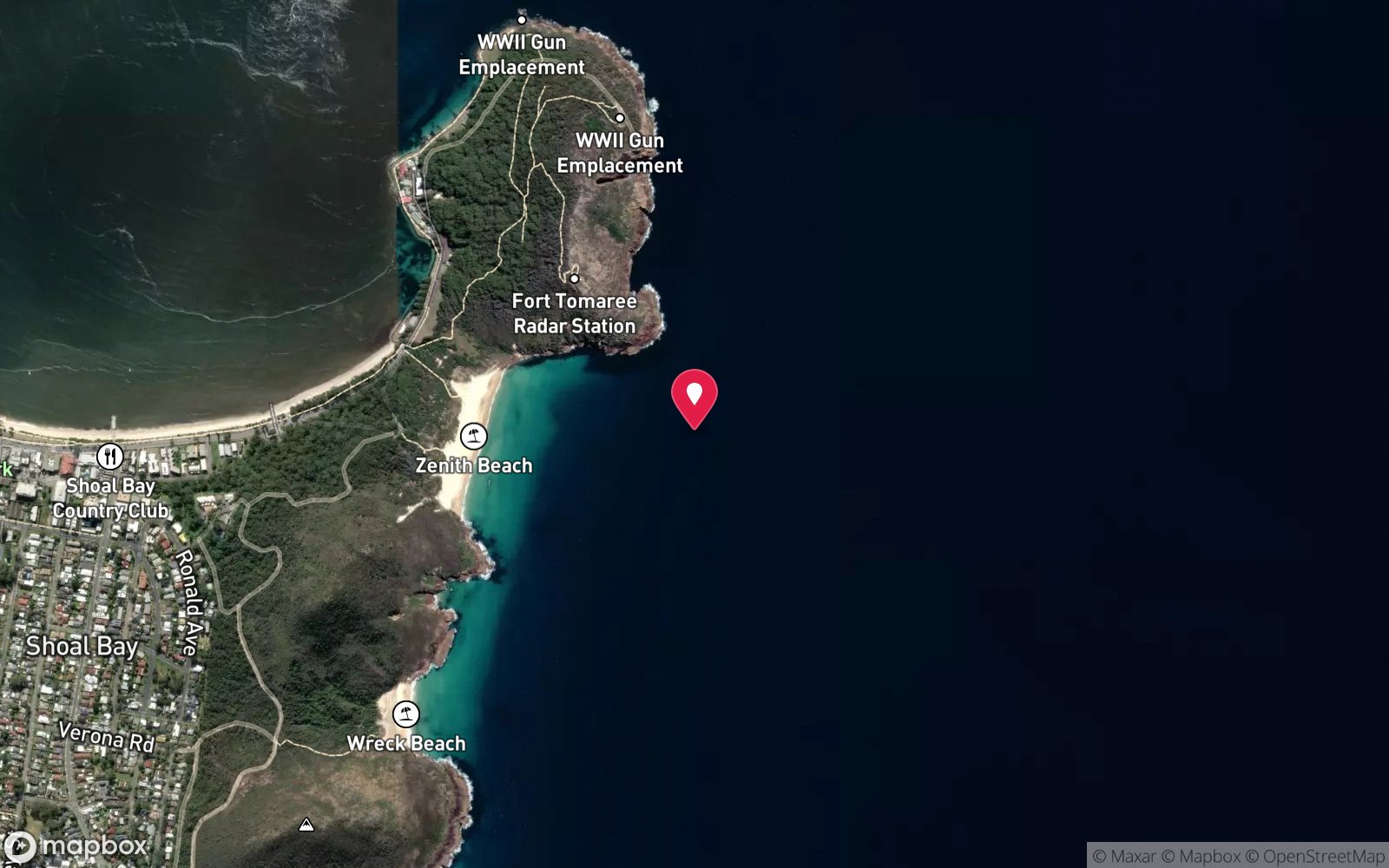
Satellite views
Fly Point: frequently asked questions
How deep is Fly Point?
Fly Point reaches a maximum depth of 22 m, with the shallowest part at about 4 m; most of the dive is spent around 12 m.
What certification do I need to dive Fly Point?
Advanced Open Water is the recommended minimum. Open Water divers can dive the shallower section (typical depth 12 m); the full site to 22 m needs Advanced Open Water. Operators often quote Open Water. Rated beginner: sheltered, shallow and manageable for a newly certified diver on a normal day, though note depth beyond 18 m and tidal current that must be timed and boat traffic overhead.
Can I shore dive Fly Point?
Yes. Fly Point is a shore dive that can be done independently: concrete steps down to the water's edge from the hillside car park.
When is the best time to dive Fly Point?
Year-round; best on a high slack tide in any season.
What marine life will I see at Fly Point?
Regularly recorded: Wobbegong sharks, pineapple fish, seahorses, flathead, moray eels, numbfish, eagle rays, nudibranchs, harlequin ghost pipefish, bream, luderick.
What wetsuit do I need at Fly Point?
3-5 mm steamer summer; 5-7 mm full suit or semi-dry winter.
How cold is the water at Fly Point?
Typically 22-25 °C in summer and 17-20 °C in winter.
What are the main hazards at Fly Point?
Strong tidal current outside slack water — this dive MUST be planned around the tide; boat traffic in the channel; carry a surface marker buoy. See the hazards section above for the full list.
Can you night dive Fly Point?
Yes, Fly Point is commonly dived at night.
Diving in Port Stephens
Port Stephens has two personalities. Inside the port, Fly Point and Halifax Park at Nelson Bay are world-class shore dives on the slack tide, with sponge gardens, frogfish, seahorses and huge schools of fish under a shipping channel. Outside, Broughton Island and Cabbage Tree Island have grey nurse shark gutters, caves and seals.
Getting there: Two and a half hours north of Sydney. Nelson Bay has several dive shops; Fly Point and Halifax have car parks and stair entries. Broughton Island is 40 minutes by boat.
Sources
- daveharasti.com/nelsonbay/divesites.htm
- feetfirstdive.com.au/fly-point-dive
- mudgeediveandtravel.com/nelson-bay---broughton-island.php
Data confidence: High. Last updated September 2026. Know this site better? How to send a correction
Nearby dive sites
More shore dives in New South Wales
Explore more
This region
Similar dives
Marine life