Dive slate · divesites.com.au · printed 9 Nov 2026
Fido's Reef
Tweed & Byron Bay, New South Wales · near Tweed Heads
| Depth | 10–22 m |
|---|---|
| Minimum level | Advanced Open Water |
| Difficulty | Intermediate |
| Access | Boat |
| Entry | Giant stride from boat |
| Current | Mild |
| Visibility | 8-15 m |
| Water | summer 24-27 °C, winter 20-22 °C |
| Suit | 3-5 mm full suit |
| Best season | Autumn–winter |
| Bottom time | 40 min |
| Position | not published |
| Permit | Cape Byron Marine Park / Solitary Islands Marine Park zoning applies – check current sanctuary/habitat protection zone boundaries before diving or spearfishing |
| Nearest chamber | Gold Coast University Hospital (Southport) hyperbaric unit; Wesley Hospital (Brisbane) for complex cases |
| Emergency | 000 · DAN Asia-Pacific diving emergency 1800 088 200 |
Fido's Reef
Also known as Fidos
Rugged natural reef mixed with scattered remains of an early 1900s steamer wreck; a quieter alternative to Cook Island.
Near Tweed Heads · Tweed & Byron Bay, New South Wales
- Depth
- 10–22 m
- Minimum level
- Advanced Open Water
- Access
- Boat
- Boat ride
- ~15 min
- Water
- 24-27 °C
- Visibility
- 8-15 m
Fido's Reef10–22 m · Advanced Open Water
Dive factsDepths, conditions, location & safety
Season
Off-peak nowBest months: March, April, May, June, July, August.
Dive facts
- Depth
- 10–22 m
- Typical depth
- 16 m
- Certification
- Advanced Open Water
- Difficulty
- Intermediate
- Depth tier
- Advanced Open Water (18–30 m)
- Access
- Boat
- Offshore
- 2 km
- Dive centre needed
- Yes – boat access only
- Shore / independent
- No
- Boat ride
- ~15 min
- Current
- Mild
- Visibility
- 8-15 m
- Water temp (summer)
- 24-27 °C
- Water temp (winter)
- 20-22 °C
- Water
- Subtropical
- Bottom time
- 40 min
- Dive traffic
- Moderate (occasional charters/club dives)
- Night dive
- Possible
- Snorkel friendly
- No
Exposure suit
3-5 mm full suit
Location
Point Danger · NSW Far North Coast – Tweed
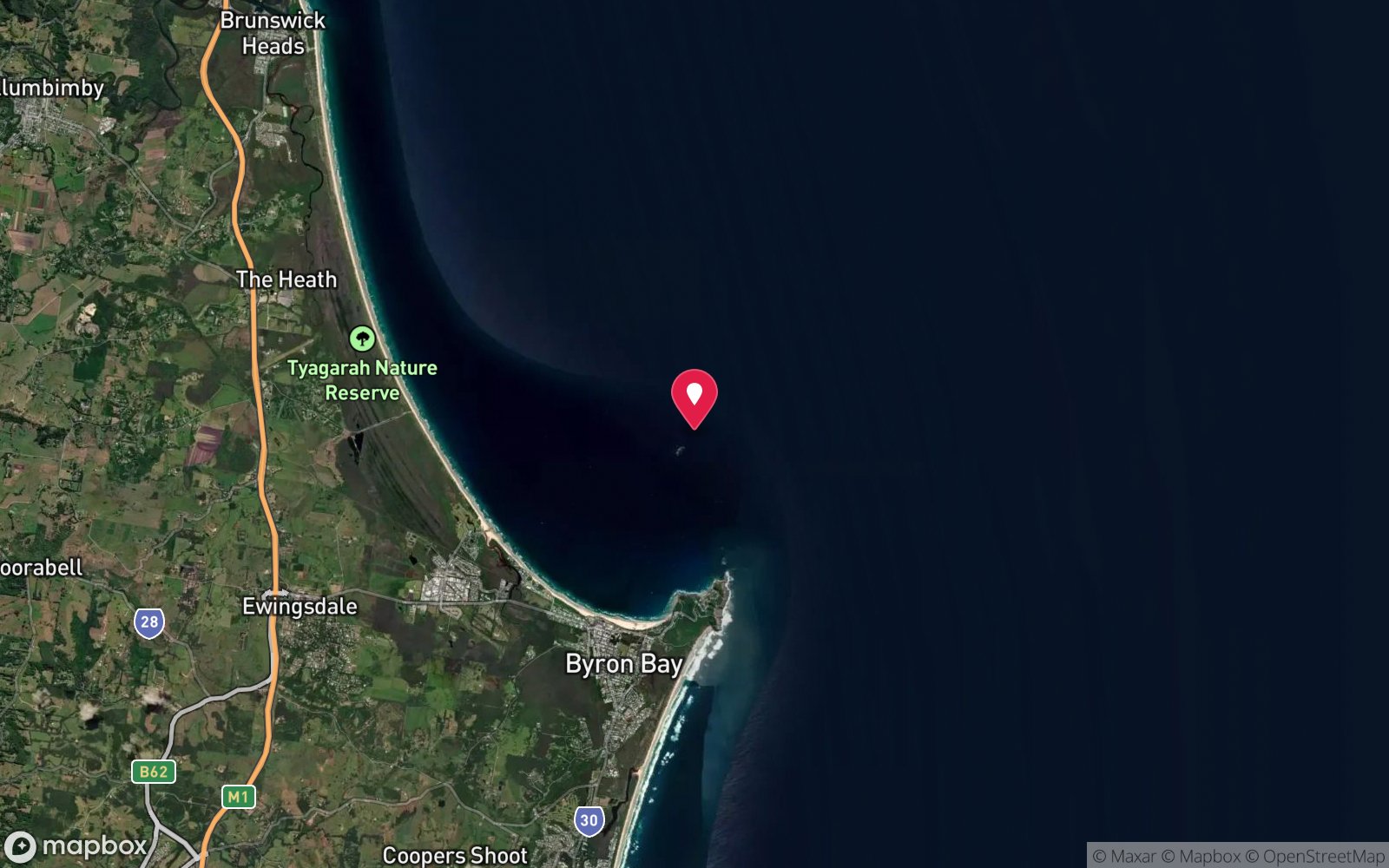
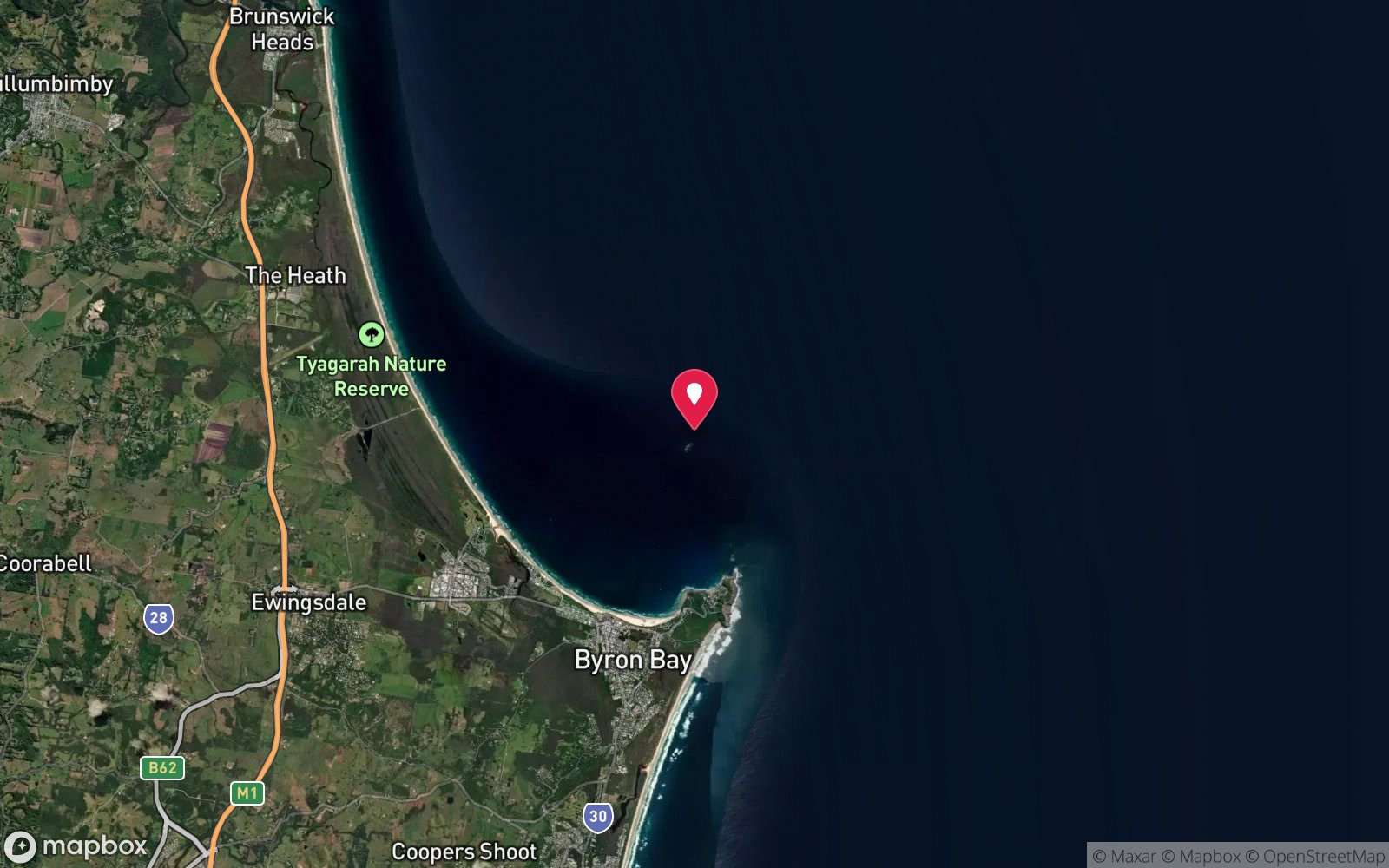
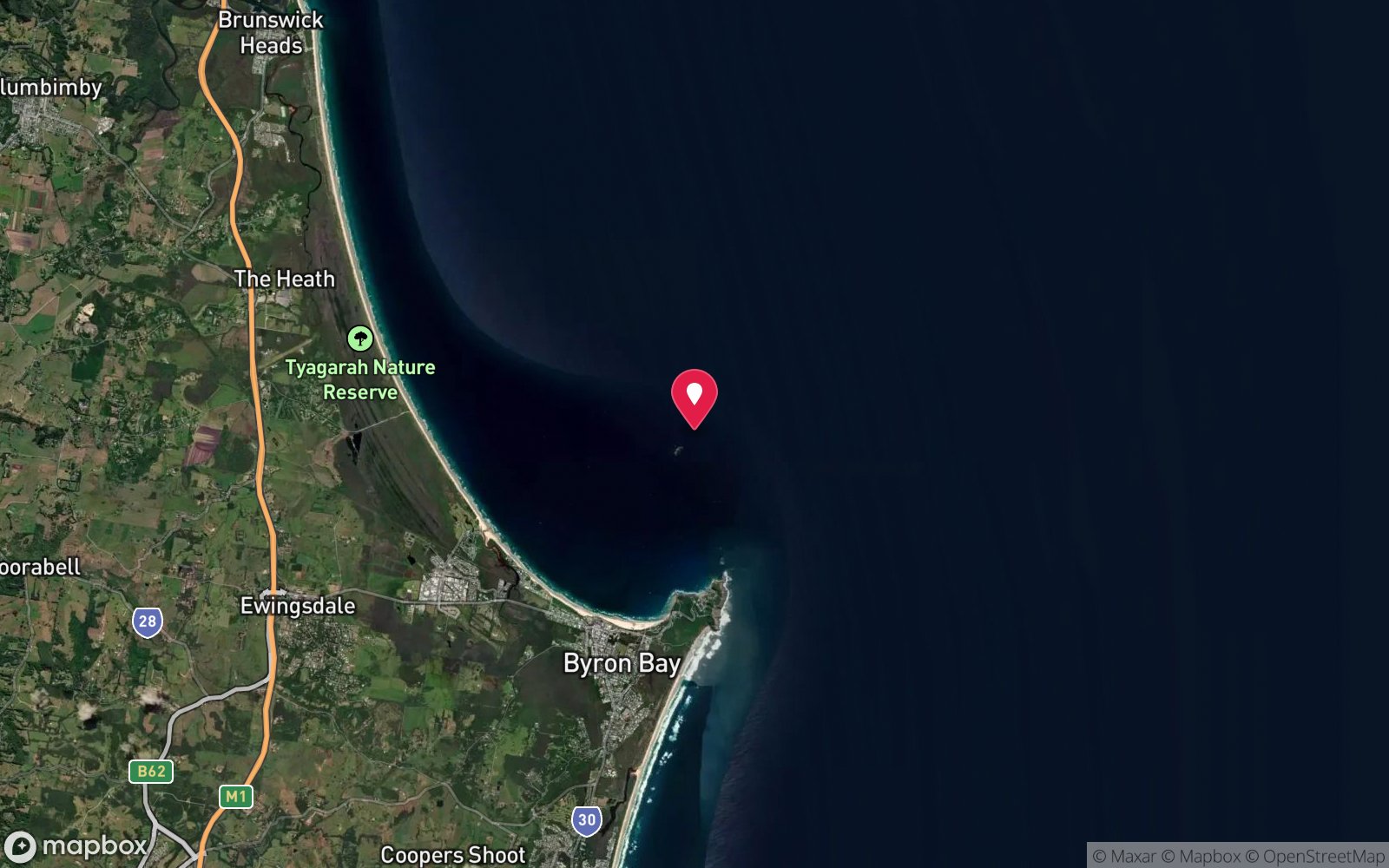
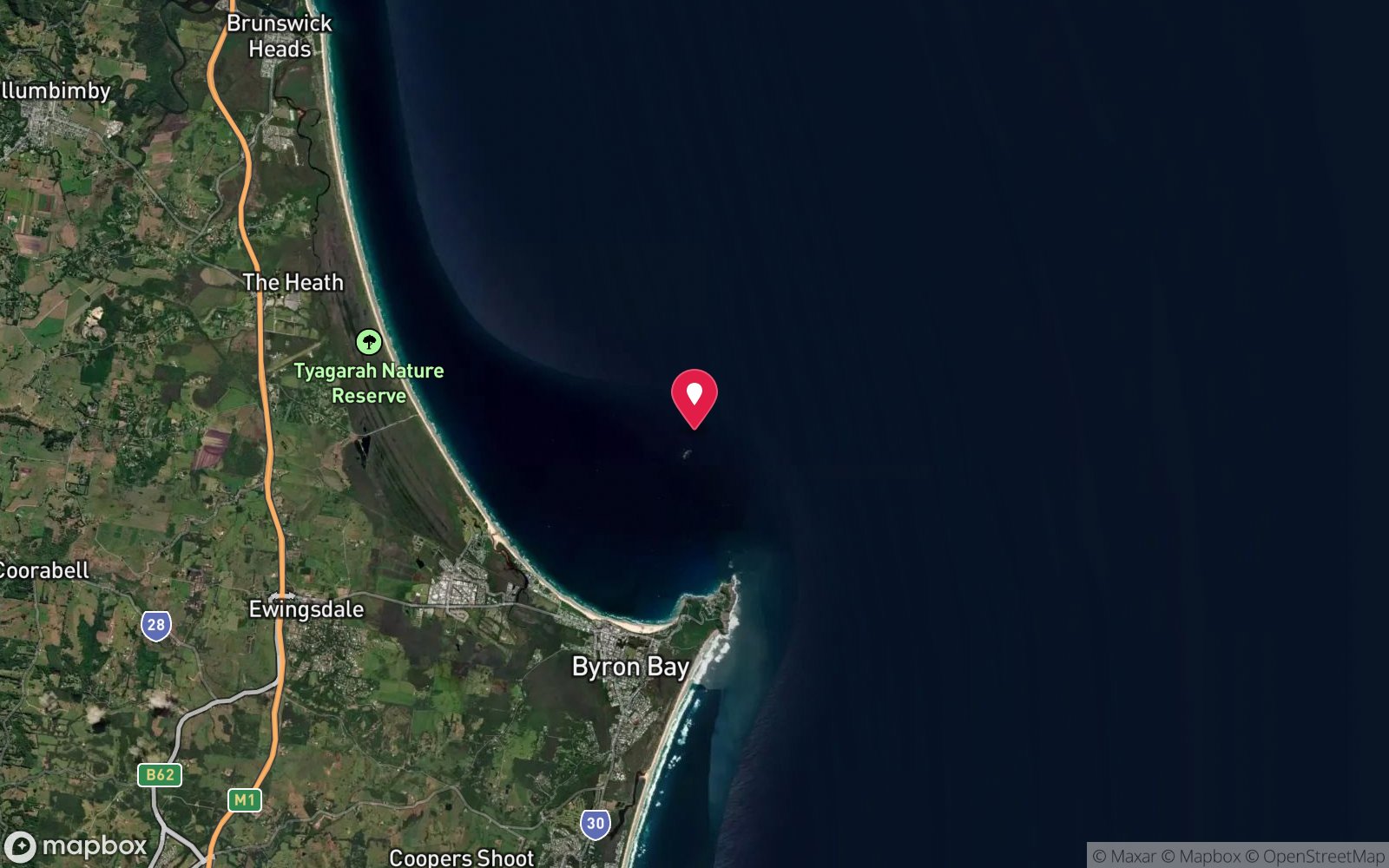
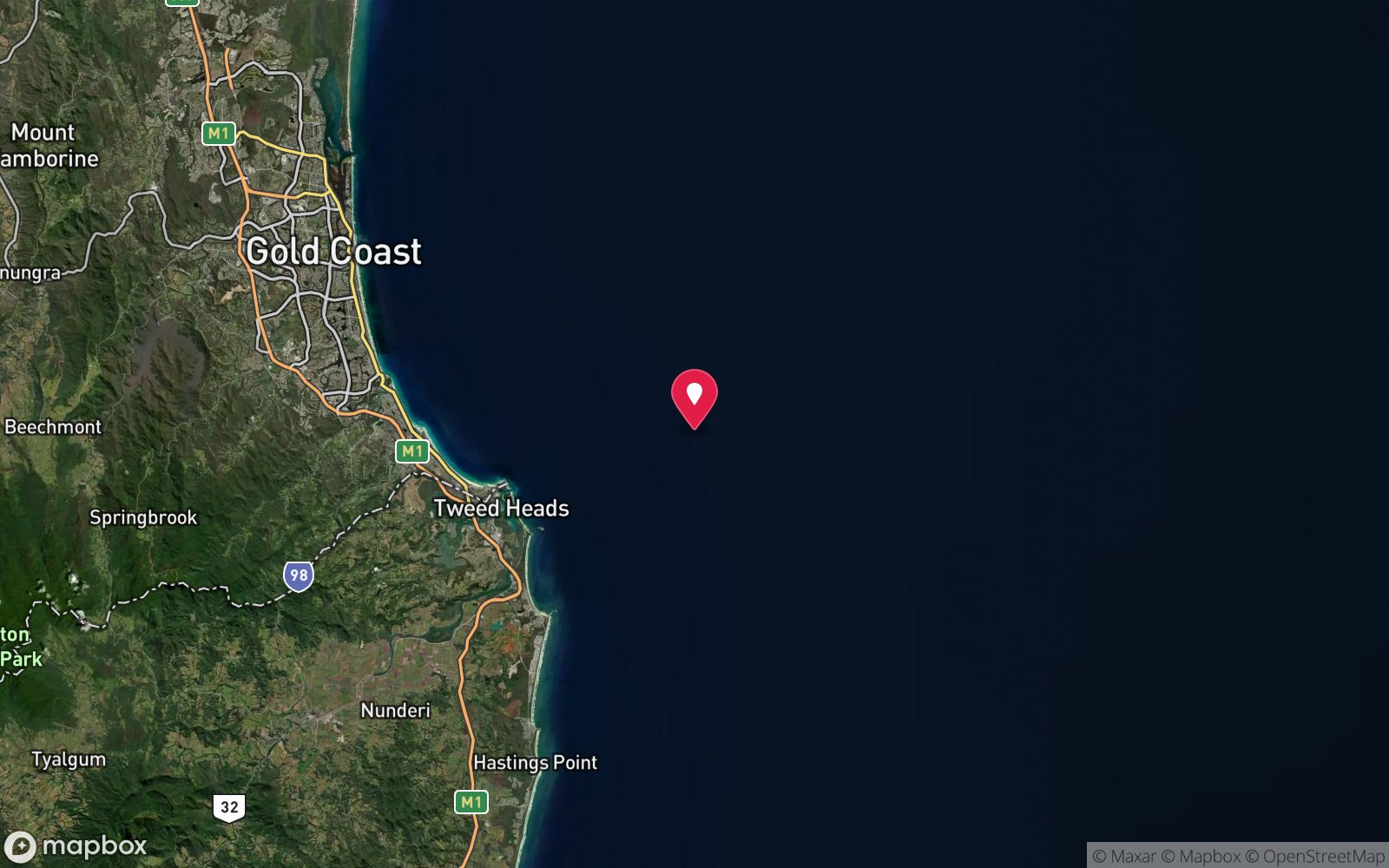
No published coordinates. The map above shows the general area, estimated from other documented sites near Tweed Heads.
Primary source: divernet.comMarine park & permits
Cape Byron Marine Park / Solitary Islands Marine Park zoning applies – check current sanctuary/habitat protection zone boundaries before diving or spearfishing
Nearest recompression chamber
Gold Coast University Hospital (Southport) hyperbaric unit; Wesley Hospital (Brisbane) for complex cases
Diving emergency: call 000, then DAN AP 1800 088 200.
Trip planner
Build a trip around Fido's Reef →
A day-by-day plan for Tweed & Byron Bay with this site locked in.
This guide is a planning aid. Conditions change daily — confirm with a local dive centre and dive within your training. Data & safety notes.
Dive profile
How this site rates
Scores are computed from the recorded data, not opinions. How?
At a glance
Fido's Reef is a reef boat dive in Tweed & Byron Bay, NSW, 10–22 m, suited to Advanced Open Water divers, about 15 minutes by boat.
Rated intermediate because of depth beyond 18 m, boat traffic overhead.
Why dive here
- Rugged natural reef mixed with scattered remains of an early 1900s steamer wreck; a quieter alternative to Cook Island.
Conditions to avoid
- Strong southerly or south-east swell and wind
- Outgoing tide or run-off after rain (poor visibility)
About Fido's Reef
Fido's Reef lies a short boat ride off Point Danger, the headland that marks the NSW/Queensland border at Tweed Heads, and combines a naturally rugged rock reef with the scattered remains of a steamer that came to grief on this stretch of coast in the early twentieth century. The wreckage itself is broken and low-lying rather than an intact hull — mostly plate and structural fragments now bound into the reef by decades of coral and sponge growth — so this is best thought of as a reef dive with historical interest rather than a wreck dive in its own right. The rock structure rises and falls in a series of gutters and low walls between about 10 and 22 m, providing plenty of hiding places for turtles, wobbegong sharks and the Queensland groper that favour this section of coast.
Hard and soft corals and sponge growth are typical of the subtropical overlap zone here, where the East Australian Current keeps the water warm for most of the year and brings occasional tropical vagrant fish species well south of their usual range. Reef fish life is solid without being spectacular, and the site is more valued locally for its relative quiet compared with the far busier Cook Island a few kilometres north. Because Fido's Reef is close inshore it is subject to the same visibility problems as the rest of the Tweed coastline, clouding for several days after the river floods following heavy rain, and it is fully exposed to easterly and south-easterly swell, so a diveable day at Cook Island does not guarantee the same conditions here.
It is not marketed as a signature dive by any operator and detailed information on the wreck's identity, exact depths and GPS position is limited, so divers planning a trip here should confirm current conditions and site details directly with a Tweed Heads or Coolangatta dive operator before booking.
Getting there & entry
Rugged rocky reef off Tweed Heads/Point Danger with scattered remnants of an early-1900s steamer wreck mixed through the natural rock.
Boat access only. Launch at Jack Evans Boat Harbour or Boyds Bay on the Tweed River, or from Kirra/Coolangatta on the Queensland side, and run a short distance out from Point Danger.
Entry: Giant stride from boat
Weather, swell & tides
The Tweed/Coolangatta coast is exposed to south-easterly and easterly swell year-round; charters generally want under 1.5 m swell and light winds. A strong East Australian Current push (common November–May) can add 1–2 knots of southerly drift on the outer reefs, turning some sites into serious drift dives. The Tweed River bar and river mouth are tide- and swell-dependent and can close to small boats in a big easterly swell.
Visibility on the inshore reefs drops for days after heavy rain flushes the Tweed River; the offshore reef and shark sites are less affected. Winter (June–September) gives the clearest, calmest water and the grey nurse shark season; summer is warmer with more current and better odds of leopard sharks and mantas.
Best season: Autumn–winter
How the dive is usually run
Descend onto the rugged reef top, explore the scattered wreckage and rock gutters between 10 and 20 m, then shallow up for the safety stop over the reef.
Marine life
- Turtles →
- wobbegongs →
- Queensland groper
- hard and soft corals
- sponges
- reef fish
- occasional tropical vagrants
Linked species have their own page listing every site where they are recorded. All marine life →
Training required
Beyond 18 m an Advanced certification (which includes a deep dive to 30 m) is the accepted minimum. Anything past 25 m is a deep dive in practice.
Open Water divers can dive the shallower section (typical depth 16 m); the full site to 22 m needs Advanced Open Water. Operators often quote Open Water.
Operators' own listing: Open Water.
Depth tiers: 0–10 m easy · to 18 m Open Water · 18–30 m Advanced (25 m+ is a deep dive) · 30–40 m Deep specialty · 40 m+ technical. All courses
Hazards & warnings
Swell exposure; visibility drops after rain; sharp wreckage fragments; recreational boat traffic near the border.
Dive centres that go here
No dedicated daily charter identified; visited occasionally by Tweed/Coolangatta operators and private boats alongside Cook Island and Kingscliff Reef trips.
Operators recorded for Fido's Reef
Gold Coast Dive Adventures
ListedRunaway Bay · Gold Coast · QLD
A Gold Coast operation focused on guided local diving and charter access to offshore sites.
goldcoastdiveadventures.com.au · 0404 286 599
Kirra Dive
Named by sitesTweed Heads · Tweed & Byron Bay · NSW
Trades as Kirra Dive 'On the Tweed'.
kirradive.com · (07) 5536 6622
Other dive centres in Tweed & Byron Bay
Sundive Byron Bay
ProfiledByron Bay · Tweed & Byron Bay · NSW
Byron Bay's PADI 5 Star dive centre, running three daily departures to Nguthungulli Julian Rocks with training from Try Scuba to Divemaster.
sundive.com.au · (02) 6685 7755
Byron Bay Dive Centre
ProfiledByron Bay · Tweed & Byron Bay · NSW
Byron Bay's original dive centre, running daily Julian Rocks dive and snorkel trips from The Pass with PADI and SSI training and an onsite pool.
byronbaydivecentre.com.au · 0494 094 915
Gold Coast Dive Centre
ListedMiami · Gold Coast · QLD
A Gold Coast training and service business serving local divers and visitors.
goldcoastdivecentre.com.au · (07) 5572 0511
General area
No position has been published for Fido's Reef. The circle shows where it is likely to be, worked out from other documented sites near Tweed Heads. Ask a local operator for the exact site.
Dashed circle: general area (about 13 km), from other documented sites near Tweed Heads. 6 pinned sites. Pins marked approximate on their pages show the general area only; not for navigation.
Fido's Reef: frequently asked questions
How deep is Fido's Reef?
Fido's Reef reaches a maximum depth of 22 m, with the shallowest part at about 10 m; most of the dive is spent around 16 m.
What certification do I need to dive Fido's Reef?
Advanced Open Water is the recommended minimum. Open Water divers can dive the shallower section (typical depth 16 m); the full site to 22 m needs Advanced Open Water. Operators often quote Open Water. Rated intermediate because of depth beyond 18 m, boat traffic overhead.
Can I shore dive Fido's Reef?
No, it is reached by boat (about 15 minutes). A dive centre is required: boat access only.
When is the best time to dive Fido's Reef?
Autumn–winter.
What marine life will I see at Fido's Reef?
Regularly recorded: Turtles, wobbegongs, Queensland groper, hard and soft corals, sponges, reef fish, occasional tropical vagrants.
What wetsuit do I need at Fido's Reef?
3-5 mm full suit.
How cold is the water at Fido's Reef?
Typically 24-27 °C in summer and 20-22 °C in winter.
What are the main hazards at Fido's Reef?
Swell exposure; visibility drops after rain; sharp wreckage fragments; recreational boat traffic near the border. See the hazards section above for the full list.
Where is the nearest recompression chamber to Fido's Reef?
Gold Coast University Hospital (Southport) hyperbaric unit; Wesley Hospital (Brisbane) for complex cases. In an emergency call 000, then DAN Asia-Pacific on 1800 088 200.
Diving in Tweed & Byron Bay
Julian Rocks, 2.5 km off Byron Bay, is the most biodiverse dive site in NSW: turtles by the dozen, wobbegongs stacked in the caves, grey nurse sharks in winter, leopard sharks and manta rays in summer, and more than 1,000 recorded species. The Cod Hole, the Nursery and Hugo's Trench are the classic circuits. Cook Island off Tweed Heads has similar life on a smaller scale.
Getting there: Byron Bay is two hours south of Brisbane or a short flight to Ballina. Dive shops in Byron run several trips a day to Julian Rocks, launched off the beach at the Pass; Tweed Heads shops cover Cook Island.
All Tweed & Byron Bay dive sites and a suggested itinerary →
Sources
Data confidence: Low · Being verified: Wreck identity, exact coordinates and depth range need verification with a local operator or NSW shipwreck database.. Last updated September 2026. Know this site better? How to send a correction
Nearby dive sites
More wrecks in New South Wales
Explore more
This region
Similar dives