Dive slate · divesites.com.au · printed 8 Nov 2026
Tweed River – Jack Evans Boat Harbour / Rock Wall
Tweed & Byron Bay, New South Wales · near Tweed Heads
| Depth | 3–12 m |
|---|---|
| Minimum level | Open Water |
| Difficulty | Beginner |
| Access | Shore |
| Entry | Walk-in from the rock wall or adjacent beach, timed to high slack tide |
| Current | Variable/Tidal |
| Visibility | 5-10 m |
| Water | summer 24-27 °C, winter 19-22 °C |
| Suit | 3 mm shorty summer, 5 mm full suit winter |
| Best season | Dive on the last of the incoming tide or high slack; best in the drier winter months when river flow is lowest |
| Bottom time | 50 min |
| Position | -28.17000, 153.54800 (approximate) |
| Permit | Cape Byron Marine Park / Solitary Islands Marine Park zoning applies – check current sanctuary/habitat protection zone boundaries before diving or spearfishing |
| Nearest chamber | Gold Coast University Hospital (Southport) hyperbaric unit; Wesley Hospital (Brisbane) for complex cases |
| Emergency | 000 · DAN Asia-Pacific diving emergency 1800 088 200 |
Tweed River – Jack Evans Boat Harbour / Rock Wall
Also known as Tweed River shore dive
Surprisingly rich muck/critter shore dive right in the river mouth; tropical juveniles recruit here in summer and autumn on the East Australian Current.
Near Tweed Heads · Tweed & Byron Bay, New South Wales
- Depth
- 3–12 m
- Minimum level
- Open Water
- Access
- Shore
- Boat ride
- Shore entry
- Water
- 24-27 °C
- Visibility
- 5-10 m
Tweed River – Jack Evans Boat Harbour / Rock Wall3–12 m · Open Water · Shore
Dive factsDepths, conditions, location & safety
Season
Off-peak nowBest months: June, July, August.
Dive on the last of the incoming tide or high slack; best in the drier winter months when river flow is lowest
- Best months
- Now (November)
- Stinger suit Nov–May
Dive facts
- Depth
- 3–12 m
- Typical depth
- 8 m
- Certification
- Open Water
- Difficulty
- Beginner
- Depth tier
- Open Water (10–18 m)
- Access
- Shore
- Offshore
- 0 km
- Dive centre needed
- No – independently diveable
- Shore / independent
- Yes
- Current
- Variable/Tidal
- Visibility
- 5-10 m
- Water temp (summer)
- 24-27 °C
- Water temp (winter)
- 19-22 °C
- Water
- Subtropical
- Bottom time
- 50 min
- Dive traffic
- Popular (weekly charters)
- Night dive
- Yes
- Snorkel friendly
- Partial
Exposure suit
3 mm shorty summer, 5 mm full suit winter
Location
Tweed River · NSW Far North Coast – Tweed
-28.17000, 153.54800
Approximate position — not for navigation.
Open in Google MapsPrimary source: adreno.com.auMarine park & permits
Cape Byron Marine Park / Solitary Islands Marine Park zoning applies – check current sanctuary/habitat protection zone boundaries before diving or spearfishing
Nearest recompression chamber
Gold Coast University Hospital (Southport) hyperbaric unit; Wesley Hospital (Brisbane) for complex cases
Diving emergency: call 000, then DAN AP 1800 088 200.
Trip planner
Build a trip around Tweed River – Jack Evans Boat Harbour / Rock Wall →
A day-by-day plan for Tweed & Byron Bay with this site locked in.
This guide is a planning aid. Conditions change daily — confirm with a local dive centre and dive within your training. Data & safety notes.
Dive profile
How this site rates
Scores are computed from the recorded data, not opinions. How?
At a glance
Tweed River – Jack Evans Boat Harbour / Rock Wall is a shore / rock platform shore dive you can do independently in Tweed & Byron Bay, NSW, 3–12 m, suited to Open Water divers, variable/tidal current.
Rated beginner: sheltered, shallow and manageable for a newly certified diver on a normal day, though note tidal current that must be timed.
Why dive here
- Surprisingly rich muck/critter shore dive right in the river mouth; tropical juveniles recruit here in summer and autumn on the East Australian Current.
- A photographer's site: bring a macro lens or a wide-angle depending on the season.
- Commonly dived at night, when octopus, cuttlefish and crustaceans are out.
Conditions to avoid
- Outgoing tide or run-off after rain (poor visibility)
About Tweed River – Jack Evans Boat Harbour / Rock Wall
This unassuming shore dive inside the mouth of the Tweed River, close to Jack Evans Boat Harbour, has become one of the better-known muck and critter dives on the northern NSW coast, prized far more for what lives among the rubble than for any scenery. The site sits on the last bend of the river before it opens to the ocean, where a low rock wall and adjacent sandy/silty bottom in 3 to 12 m create a sheltered nursery habitat quite different from anything on the exposed reefs outside. Because the river channel brings a steady recruitment of tropical larvae down from the north on the East Australian Current, particularly through late summer and autumn, this is one of the most reliable spots in the region for juvenile tropical reef fish well south of where you would expect to find them, alongside a resident population of frogfish, ghost pipefish, shrimp gobies and their commensal shrimp, blennies, scorpionfish and moray eels working the cracks in the rock wall.
Butterflyfish, angelfish and leatherjackets pick over the structure, and by torchlight at night the site comes even more alive with nocturnal crustaceans and cephalopods. The catch is the tide: this is a genuinely tidal site, with a real current running in and out of the river mouth, so it must only be dived on the incoming tide or at high slack, when the water is calmest and clearest — diving on the ebb risks being swept out toward the river bar and open ocean. Visibility is never great by reef standards, typically 5 to 10 m and often driven by how much rain has fallen upstream in the preceding days, but that murk is part of what makes this a genuine muck-diving destination rather than a scenic dive.
It requires no boat, making it an easy, low-cost, high-reward option for shore-based photographers and macro enthusiasts, and it doubles as a convenient night dive and a training venue for local dive shops, provided divers respect the tide window and keep a float up for the boat traffic that shares the harbour.
Getting there & entry
Shore/tidal dive inside the Tweed River mouth along the rock walls near Jack Evans Boat Harbour, the last river bend before the river meets the ocean, popular as a macro and critter dive.
From the Tweed Heads town centre, drive or walk to Jack Evans Boat Harbour on Wharf Street; park in the public car park by the boat harbour and walk down to the rock wall or the small beach area. Gear up at the car and carry equipment 50–100 m to the water's edge; there are no steps or ladders, just a walk down the grassed bank and rock wall. Enter on the last hour of the incoming tide or at high slack for the calmest water and best visibility.
Entry: Walk-in from the rock wall or adjacent beach, timed to high slack tide
Facilities: Public car park at Jack Evans Boat Harbour, toilets nearby, no showers on site; air fills at Tweed Sea Sports in Tweed Heads.
Weather, swell & tides
Current is tide-driven rather than swell-driven: outgoing tide produces a strong seaward flow through the channel that is unsafe for casual diving, so this site is only dived on a rising tide or at high slack, roughly a one-to-two-hour window either side of high water. Heavy rain in the Tweed catchment browns the water for days and can bring debris downriver; avoid diving for at least 2-3 days after significant rain. Boat and jet-ski traffic is heaviest on weekends and public holidays.
Best season: Dive on the last of the incoming tide or high slack; best in the drier winter months when river flow is lowest
If it's blown out
Sheltered or shore sites within 25 km that often work when Tweed River – Jack Evans Boat Harbour / Rock Wall doesn't.
- The Gutters (Palm Beach) · 9 km · Max 12 m
- Duranbah · 0 km · Max 10 m
- Kirra Reef · 2 km · Max 8 m
- Tallebudgera Creek · 12 km · Max 10 m
How the dive is usually run
Enter at high slack and work slowly along the base of the rock wall at 3-8 m, checking crevices and rubble for critters, using a torch even by day to pick out shrimp gobies and gobies in burrows; turn back well before the tide turns and surface close to the wall away from boat channels, towing a dive flag/float throughout.
Marine life
- Frogfish
- ghost pipefish →
- shrimp gobies and pistol shrimp
- blennies
- moray eels
- butterflyfish
- angelfish
- leatherjackets
- scorpionfish
- juvenile tropical reef fish
- nudibranchs →
Linked species have their own page listing every site where they are recorded. All marine life →
Training required
Within the 18 m limit of an entry-level certification.
Courses that help here
- Drift Diver – Current is a feature of the dive.
- Night Diver – Commonly dived at night.
Depth tiers: 0–10 m easy · to 18 m Open Water · 18–30 m Advanced (25 m+ is a deep dive) · 30–40 m Deep specialty · 40 m+ technical. All courses
Hazards & warnings
Strong tidal current outside the high-slack window — do not dive on the ebb; boat and jet-ski traffic in the channel, tow a dive flag/float; visibility drops sharply after rain.
Dive centres that go here
No boat operator required; Tweed Sea Sports and other local dive shops run guided shore dives and night dives here for training and photography groups.
Operators recorded for Tweed River – Jack Evans Boat Harbour / Rock Wall
Other dive centres in Tweed & Byron Bay
Sundive Byron Bay
ProfiledByron Bay · Tweed & Byron Bay · NSW
Byron Bay's PADI 5 Star dive centre, running three daily departures to Nguthungulli Julian Rocks with training from Try Scuba to Divemaster.
sundive.com.au · (02) 6685 7755
Byron Bay Dive Centre
ProfiledByron Bay · Tweed & Byron Bay · NSW
Byron Bay's original dive centre, running daily Julian Rocks dive and snorkel trips from The Pass with PADI and SSI training and an onsite pool.
byronbaydivecentre.com.au · 0494 094 915
Gold Coast Dive Adventures
ListedRunaway Bay · Gold Coast · QLD
A Gold Coast operation focused on guided local diving and charter access to offshore sites.
goldcoastdiveadventures.com.au · 0404 286 599
Gold Coast Dive Centre
ListedMiami · Gold Coast · QLD
A Gold Coast training and service business serving local divers and visitors.
goldcoastdivecentre.com.au · (07) 5572 0511
Map
7 pinned sites. Pins marked approximate on their pages show the general area only; not for navigation.
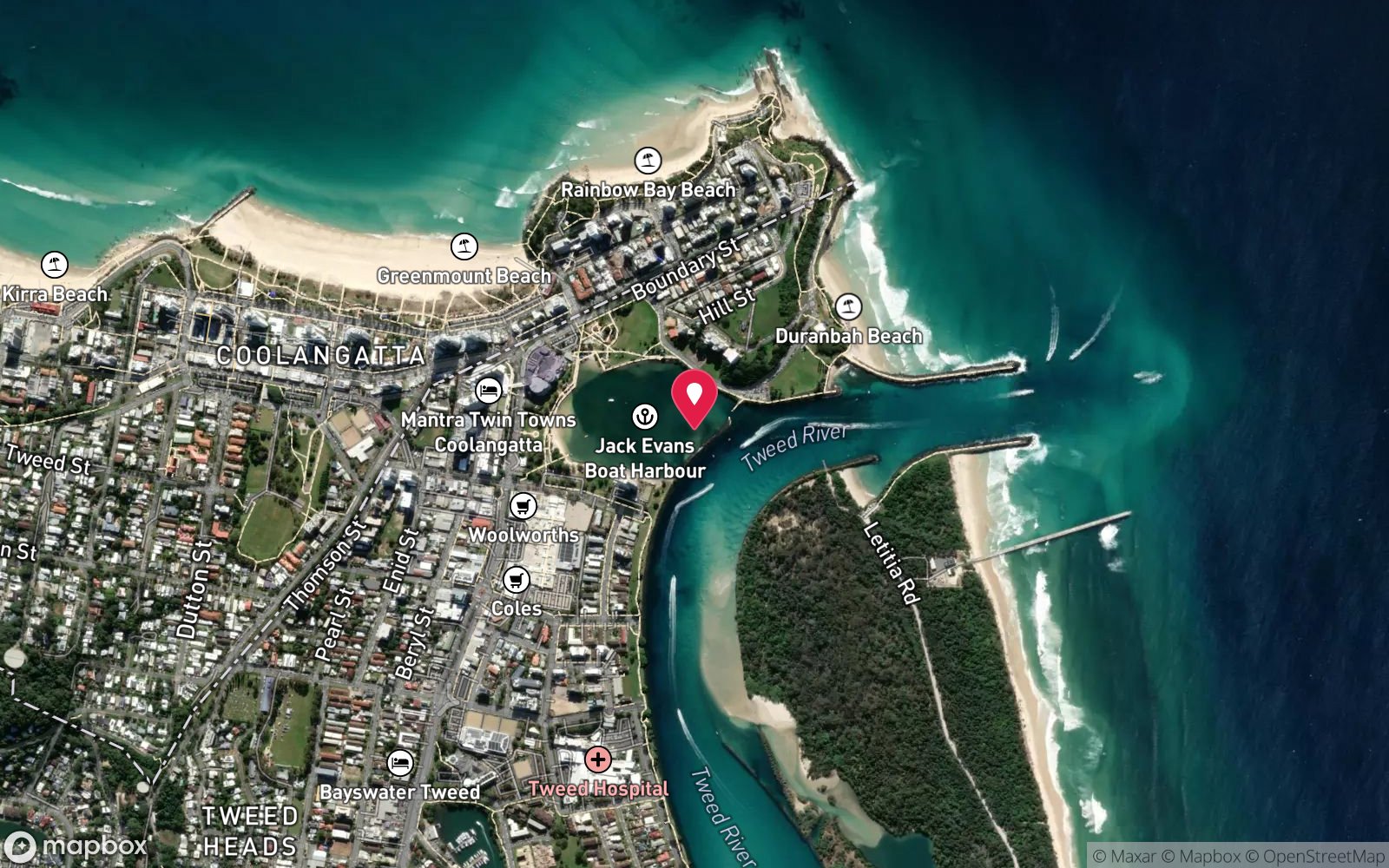
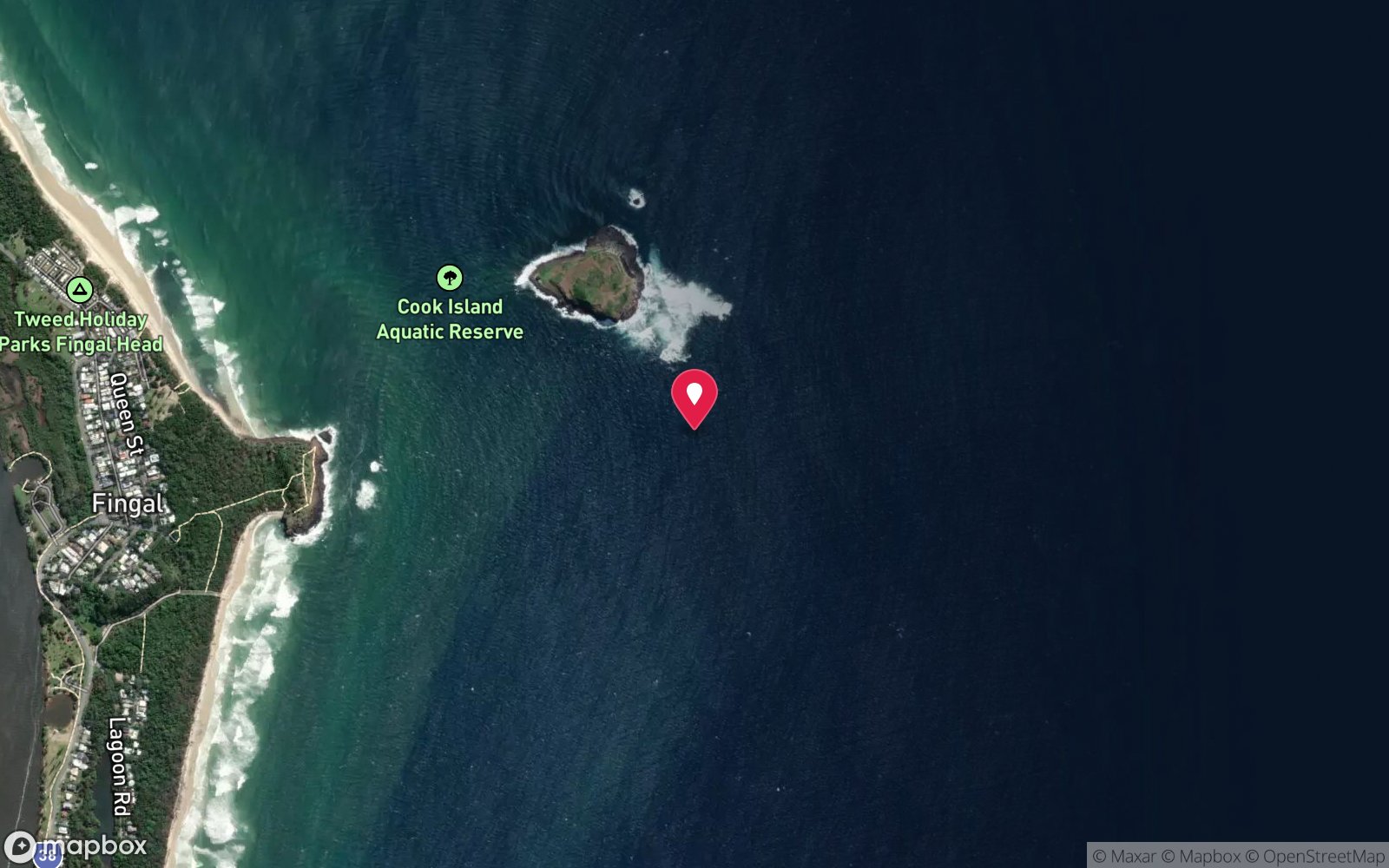
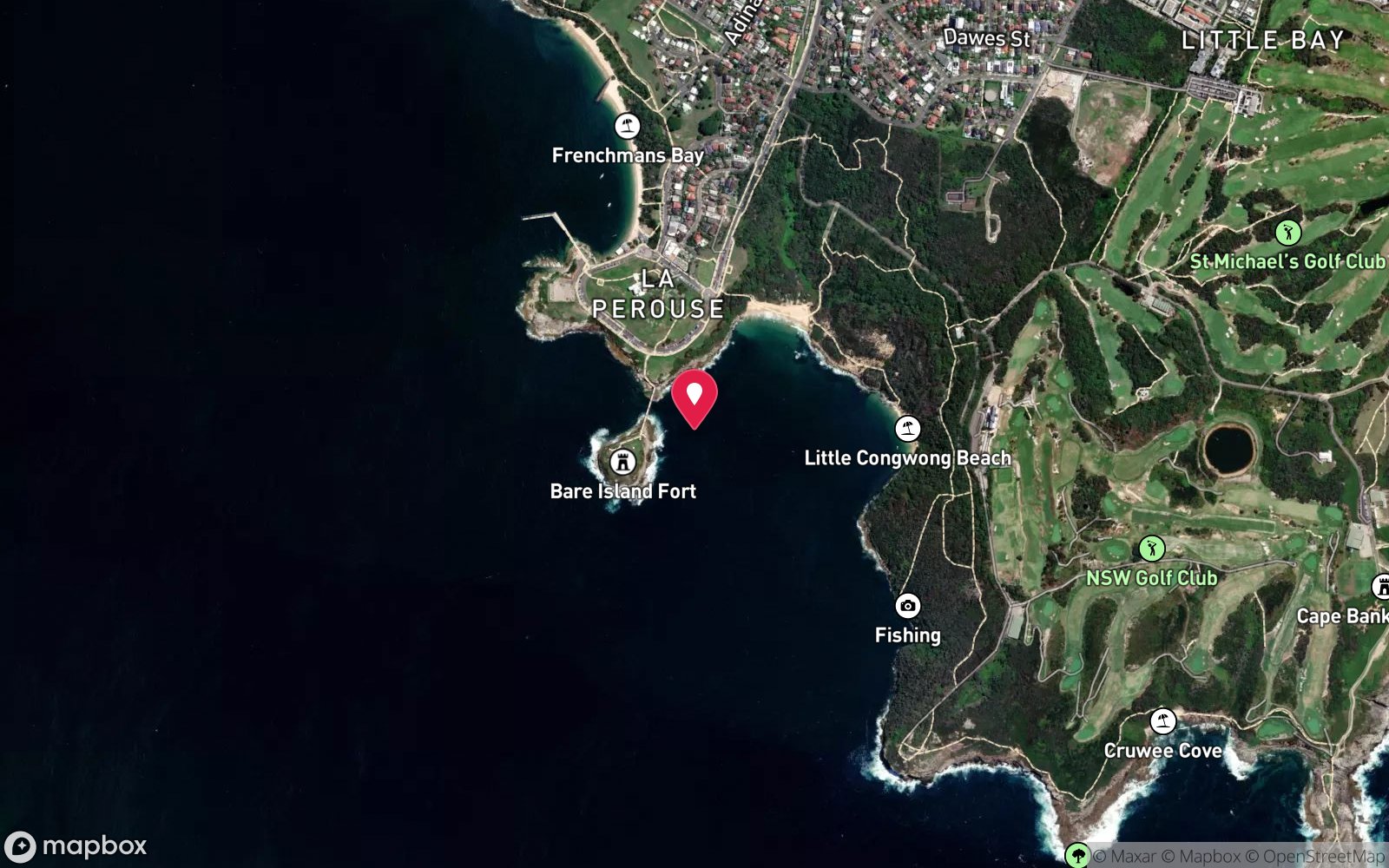
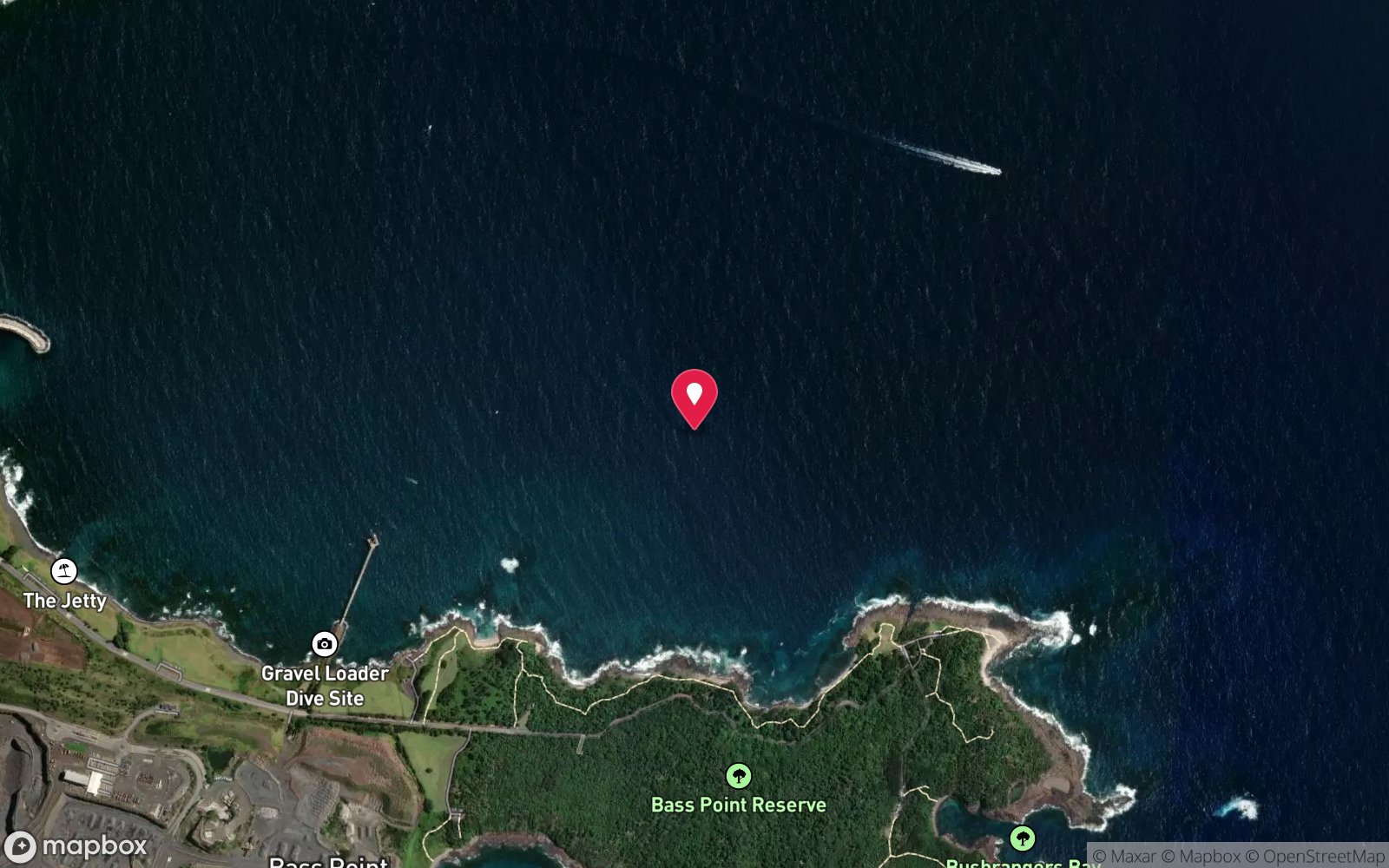
Satellite views
Tweed River – Jack Evans Boat Harbour / Rock Wall: frequently asked questions
How deep is Tweed River – Jack Evans Boat Harbour / Rock Wall?
Tweed River – Jack Evans Boat Harbour / Rock Wall reaches a maximum depth of 12 m, with the shallowest part at about 3 m; most of the dive is spent around 8 m.
What certification do I need to dive Tweed River – Jack Evans Boat Harbour / Rock Wall?
Open Water is the recommended minimum. Rated beginner: sheltered, shallow and manageable for a newly certified diver on a normal day, though note tidal current that must be timed.
Can I shore dive Tweed River – Jack Evans Boat Harbour / Rock Wall?
Yes. Tweed River – Jack Evans Boat Harbour / Rock Wall is a shore dive that can be done independently: walk-in from the rock wall or adjacent beach, timed to high slack tide.
When is the best time to dive Tweed River – Jack Evans Boat Harbour / Rock Wall?
Dive on the last of the incoming tide or high slack; best in the drier winter months when river flow is lowest.
What marine life will I see at Tweed River – Jack Evans Boat Harbour / Rock Wall?
Regularly recorded: Frogfish, ghost pipefish, shrimp gobies and pistol shrimp, blennies, moray eels, butterflyfish, angelfish, leatherjackets, scorpionfish, juvenile tropical reef fish, nudibranchs.
What wetsuit do I need at Tweed River – Jack Evans Boat Harbour / Rock Wall?
3 mm shorty summer, 5 mm full suit winter.
How cold is the water at Tweed River – Jack Evans Boat Harbour / Rock Wall?
Typically 24-27 °C in summer and 19-22 °C in winter.
What are the main hazards at Tweed River – Jack Evans Boat Harbour / Rock Wall?
Strong tidal current outside the high-slack window — do not dive on the ebb; boat and jet-ski traffic in the channel, tow a dive flag/float; visibility drops sharply after rain. See the hazards section above for the full list.
Can you night dive Tweed River – Jack Evans Boat Harbour / Rock Wall?
Yes, Tweed River – Jack Evans Boat Harbour / Rock Wall is commonly dived at night.
Diving in Tweed & Byron Bay
Julian Rocks, 2.5 km off Byron Bay, is the most biodiverse dive site in NSW: turtles by the dozen, wobbegongs stacked in the caves, grey nurse sharks in winter, leopard sharks and manta rays in summer, and more than 1,000 recorded species. The Cod Hole, the Nursery and Hugo's Trench are the classic circuits. Cook Island off Tweed Heads has similar life on a smaller scale.
Getting there: Byron Bay is two hours south of Brisbane or a short flight to Ballina. Dive shops in Byron run several trips a day to Julian Rocks, launched off the beach at the Pass; Tweed Heads shops cover Cook Island.
All Tweed & Byron Bay dive sites and a suggested itinerary →
Sources
- divernet.com/world-dives/australia-oceania/diving-the-gold-coast-cook-island-nine-mile-reef
- adreno.com.au/pages/northern-nsw-dive-sites
Data confidence: Medium · Being verified: Depth reports vary 12-20 m depending on exact entry point along the wall.. Last updated September 2026. Know this site better? How to send a correction
Nearby dive sites
More shore dives in New South Wales
Explore more
This region
Similar dives
Marine life