Dive slate · divesites.com.au · printed 8 Nov 2026
South West Solitary Island (Groper Island)
Coffs Harbour & Solitary Islands, New South Wales · near Coffs Harbour
| Depth | 8–18 m |
|---|---|
| Minimum level | Open Water |
| Difficulty | Beginner |
| Access | Boat (day trip) |
| Entry | Giant stride from a Jetty Dive Centre RIB onto a mooring |
| Current | Mild |
| Visibility | 6-15 m |
| Water | summer 24-26 °C, winter 18-19 °C |
| Suit | 3 mm shorty/full suit summer, 5-7 mm winter |
| Best season | Year-round; a good long-dive and snorkel site given the shallow depths |
| Bottom time | 50 min |
| Position | -30.18500, 153.22200 (approximate) |
| Permit | Solitary Islands Marine Park – South West Solitary Island (check current zoning) |
| Nearest chamber | Prince of Wales Hospital (Randwick, Sydney) |
| Emergency | 000 · DAN Asia-Pacific diving emergency 1800 088 200 |
South West Solitary Island (Groper Island)
Also known as Grouper Island, SW Solitary
Extensive plate coral cover and a reputation for unusual fish sightings, in shallow, sheltered water close to the coast.
Near Coffs Harbour · Coffs Harbour & Solitary Islands, New South Wales
- Depth
- 8–18 m
- Minimum level
- Open Water
- Access
- Boat (day trip)
- Boat ride
- ~25 min
- Water
- 24-26 °C
- Visibility
- 6-15 m
South West Solitary Island (Groper Island)8–18 m · Open Water
Dive factsDepths, conditions, location & safety
Season
In season nowBest months: year-round.
Year-round; a good long-dive and snorkel site given the shallow depths
- Best months
- Now (November)
- Stinger suit Nov–May
Dive facts
- Depth
- 8–18 m
- Typical depth
- 12 m
- Certification
- Open Water
- Difficulty
- Beginner
- Depth tier
- Open Water (10–18 m)
- Access
- Boat (day trip)
- Offshore
- 12 km
- Dive centre needed
- Yes – boat access only
- Shore / independent
- No
- Boat ride
- ~25 min
- Current
- Mild
- Visibility
- 6-15 m
- Water temp (summer)
- 24-26 °C
- Water temp (winter)
- 18-19 °C
- Water
- Subtropical
- Bottom time
- 50 min
- Dive traffic
- Moderate (occasional charters/club dives)
- Night dive
- Possible
- Snorkel friendly
- Partial
Exposure suit
3 mm shorty/full suit summer, 5-7 mm winter
Location
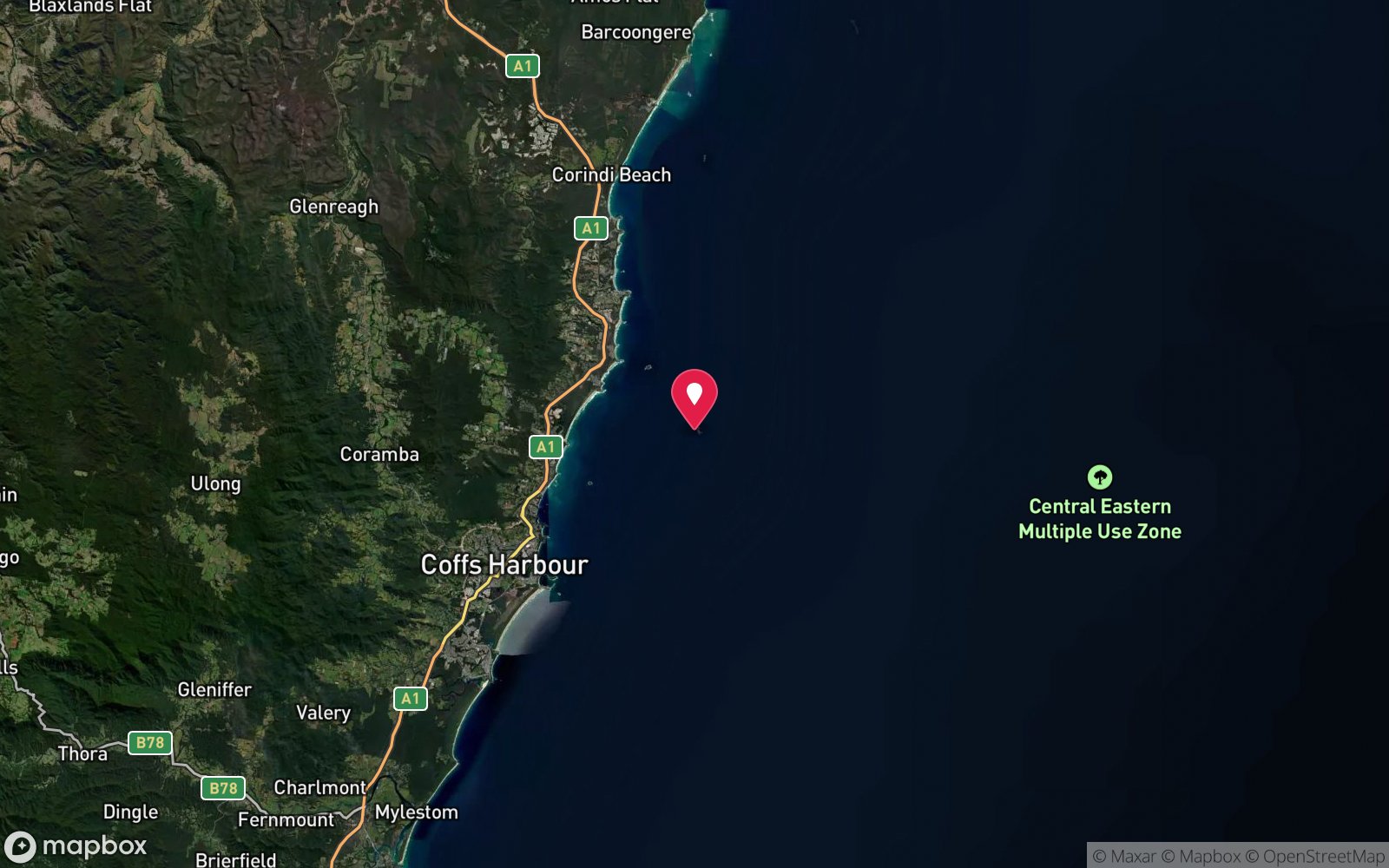
South West Solitary Island · NSW Mid North Coast – Coffs Harbour / Solitary Islands
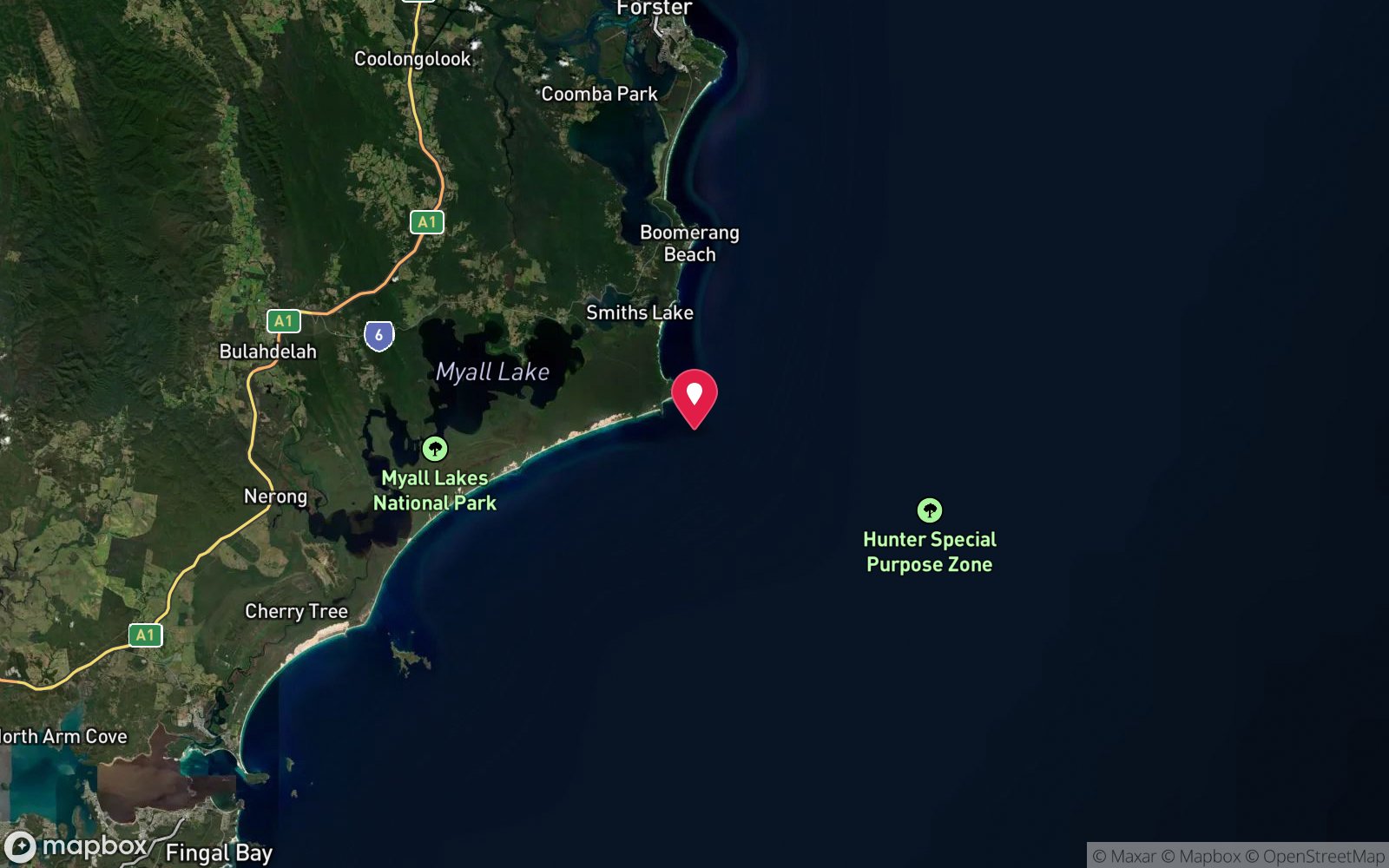
-30.18500, 153.22200
Approximate position — not for navigation.
Open in Google MapsDive site map (external) →Primary source: jettydive.com.auMarine park & permits
Solitary Islands Marine Park – South West Solitary Island (check current zoning)
Nearest recompression chamber
Prince of Wales Hospital (Randwick, Sydney)
Diving emergency: call 000, then DAN AP 1800 088 200.
Trip planner
Build a trip around South West Solitary Island (Groper Island) →
A day-by-day plan for Coffs Harbour & Solitary Islands with this site locked in.
This guide is a planning aid. Conditions change daily — confirm with a local dive centre and dive within your training. Data & safety notes.
Dive profile
How this site rates
Scores are computed from the recorded data, not opinions. How?
At a glance
South West Solitary Island (Groper Island) is a island boat dive in Coffs Harbour & Solitary Islands, NSW, 8–18 m, suited to Open Water divers, about 25 minutes by boat.
Rated beginner: sheltered, shallow and manageable for a newly certified diver on a normal day.
Why dive here
- Extensive plate coral cover and a reputation for unusual fish sightings, in shallow, sheltered water close to the coast.
Conditions to avoid
- Strong southerly or south-east swell and wind
- Outgoing tide or run-off after rain (poor visibility)
About South West Solitary Island (Groper Island)
South West Solitary Island, more commonly known by its old nickname Groper Island, sits about 12 km north-east of Coffs Harbour, closer to the mainland than South Solitary Island proper, and is valued in the marine park for two related things: its extensive plate coral growth and its habit of turning up unusual fish species not commonly seen at the more famous sites nearby. With usable depths generally in the 10-16 m range and occasional deeper pockets to 18 m, it is also one of the shallowest and most forgiving of the group's islands, making it a good choice for long, relaxed dives and for snorkelling. Two moorings are typically maintained, both on the northern side of the island for shelter on days of southerly wind: the eastern mooring sits over large gravel-based gutters running into the island interspersed with rocky nooks, while the western mooring lies over a gently sloping bottom with particularly prolific coral cover, the most interesting sections of which are found in the shallows rather than at depth.
Egg cowry shells and nudibranchs are reported in good numbers, and the 'unusual fish' the site is known for reflects its position at the northern, warmer edge of the group where tropical vagrants pushed south on the East Australian Current sometimes settle. Visibility at South West Solitary Island can be reduced compared with the more exposed South Solitary Island further offshore, given its closer inshore position, but this is a reasonable trade-off for a site that offers good shelter, gentle depths and consistently interesting coral cover. It functions well both as a primary destination on a quieter day and as a second, easier dive after a more demanding morning at South Solitary Island or the outer reefs.
Getting there & entry
An island about 12 km north-east of Coffs Harbour, closer to the coast than South Solitary Island, renowned for its plate corals and unusual fish sightings; two moorings usually maintained on the northern side in 10-12 m, sheltered on a day of southerly winds.
Jetty Dive Centre departs from the public floating pontoon wharf in Coffs Harbour boat harbour, opposite the Attitude Burgers building (check in at 398 Harbour Drive). Private boats use the public ramp inside the harbour breakwall. South West Solitary Island (Groper Island) lies about 12 km north-east of Coffs Harbour, roughly 25 minutes by RIB.
Entry: Giant stride from a Jetty Dive Centre RIB onto a mooring
Weather, swell & tides
Conditions off Coffs Harbour depend heavily on which island is being run: North West Solitary and Split Solitary sit closer inshore and are usable in more marginal weather, while South Solitary and any northern sites need a bigger settled window. Visibility across the group is generally 8-25 m and best away from river influence; the Coffs, Bellinger, Nambucca and Clarence systems all periodically dirty inshore water for a few days after heavy rain. Summer (Nov-Apr) is warmest with tropical vagrants and mantas; winter (May-Oct) is cooler with grey nurse sharks and giant cuttlefish.
Humpback whales pass April-November. Its two moorings, usually on the northern side, are specifically positioned to give shelter on a day of southerly winds.
Best season: Year-round; a good long-dive and snorkel site given the shallow depths
If it's blown out
Sheltered or shore sites within 25 km that often work when South West Solitary Island (Groper Island) doesn't.
- Mutton Bird Island (Coffs Harbour) · 15 km · Max 15 m
- Diggers Beach (Coffs Harbour) · 12 km · Max 6 m
How the dive is usually run
Choose the eastern mooring for gravel gutters or the western mooring for coral-covered slopes depending on the day's plan, work the shallows at 10-12 m looking for egg cowries and unusual reef fish, and finish with an extended, unhurried ascent given the modest depth.
Marine life
- Egg cowries
- nudibranchs →
- unusual/vagrant fish species
- corals
- blue groper →
- turtles →
Linked species have their own page listing every site where they are recorded. All marine life →
Training required
Within the 18 m limit of an entry-level certification.
Courses that help here
- Underwater Navigation – Navigation is part of the dive plan.
- Peak Performance Buoyancy – Silt and low visibility punish poor trim.
Depth tiers: 0–10 m easy · to 18 m Open Water · 18–30 m Advanced (25 m+ is a deep dive) · 30–40 m Deep specialty · 40 m+ technical. All courses
Hazards & warnings
Reduced visibility relative to South Solitary Island; navigation can be confusing in poor visibility given the less distinct topography.
Dive centres that go here
Jetty Dive Centre includes South West Solitary Island as a shallower, protected option, particularly useful on days of southerly wind.
Operators recorded for South West Solitary Island (Groper Island)
Other dive centres in Coffs Harbour & Solitary Islands
Map
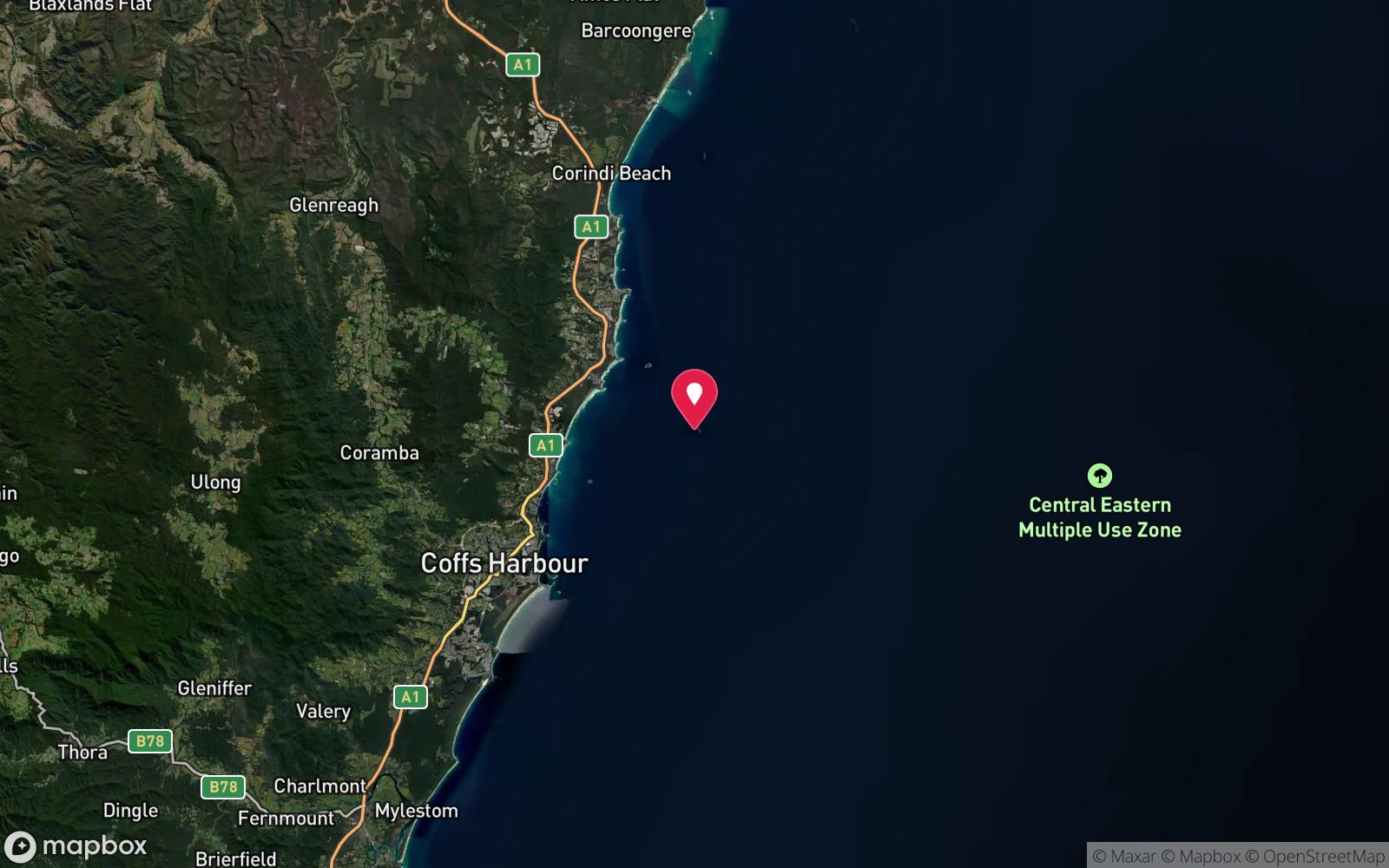
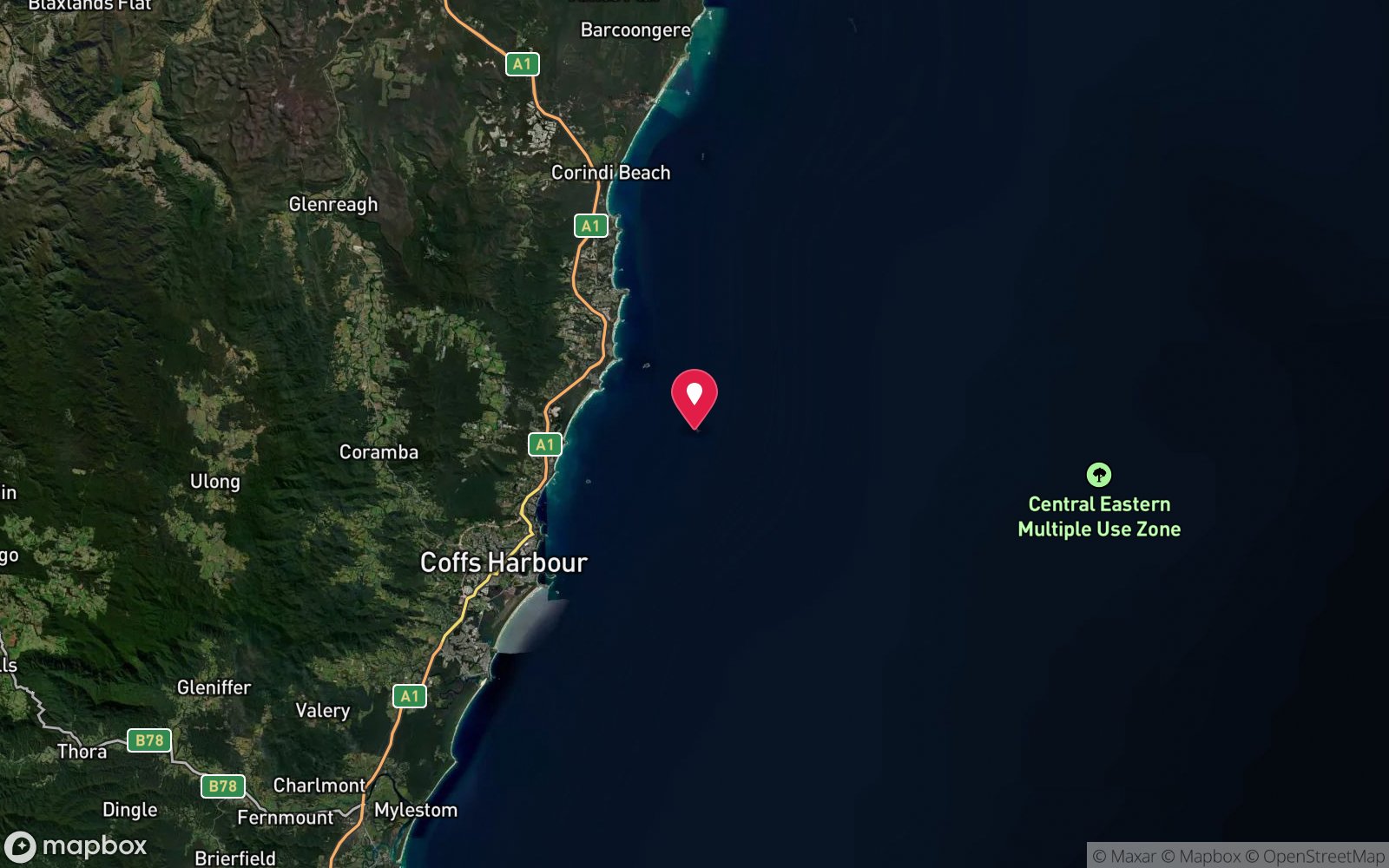
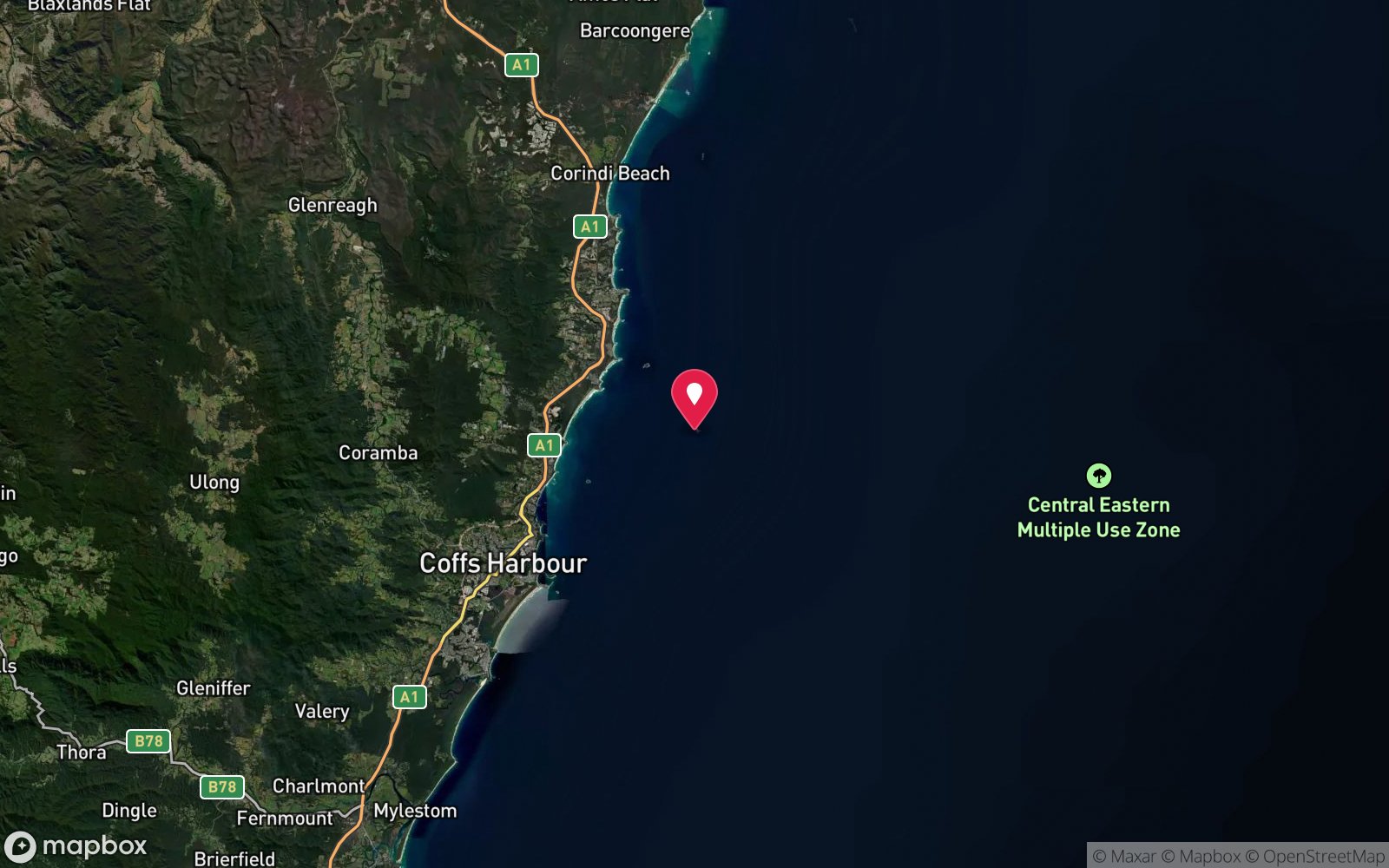
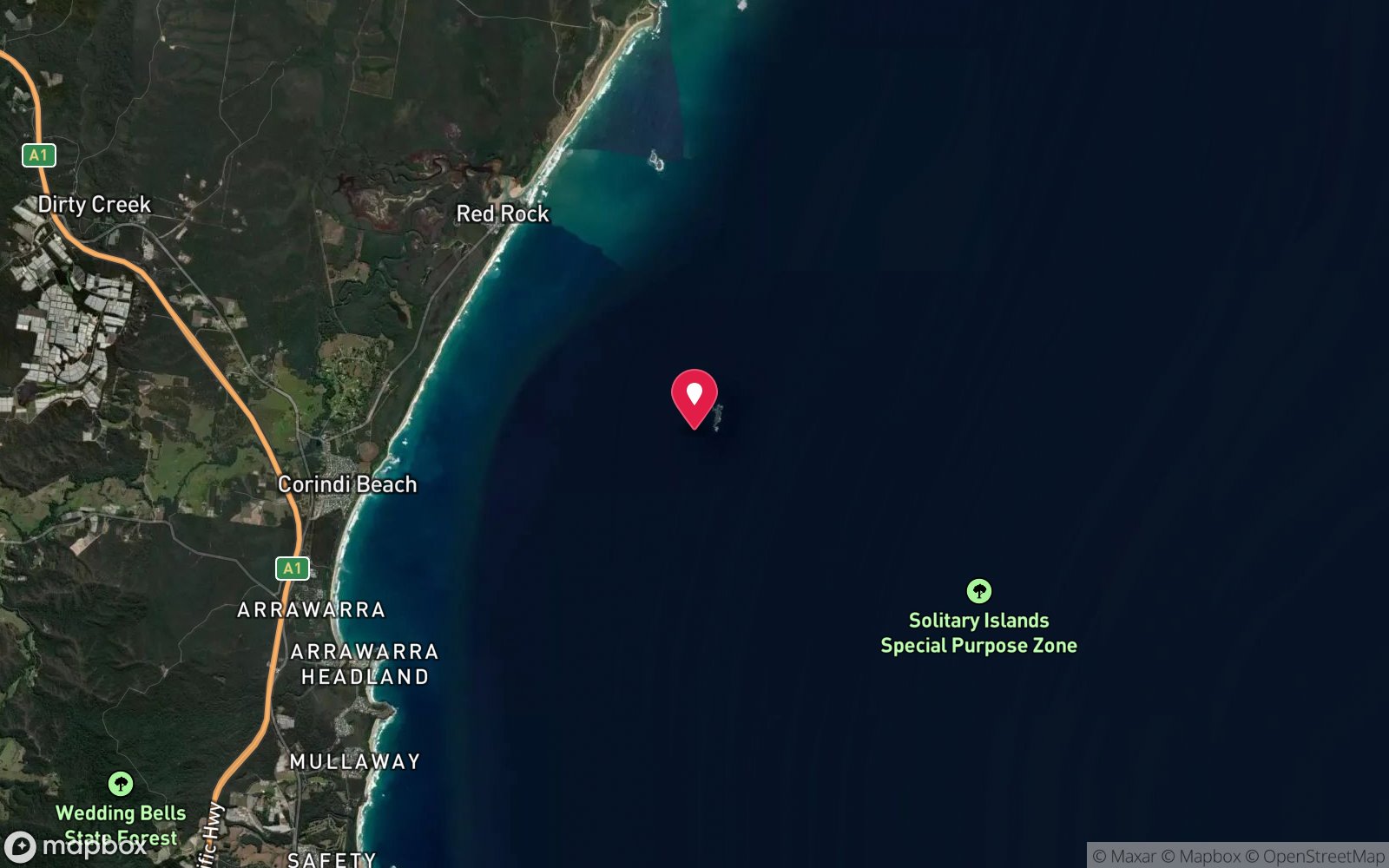
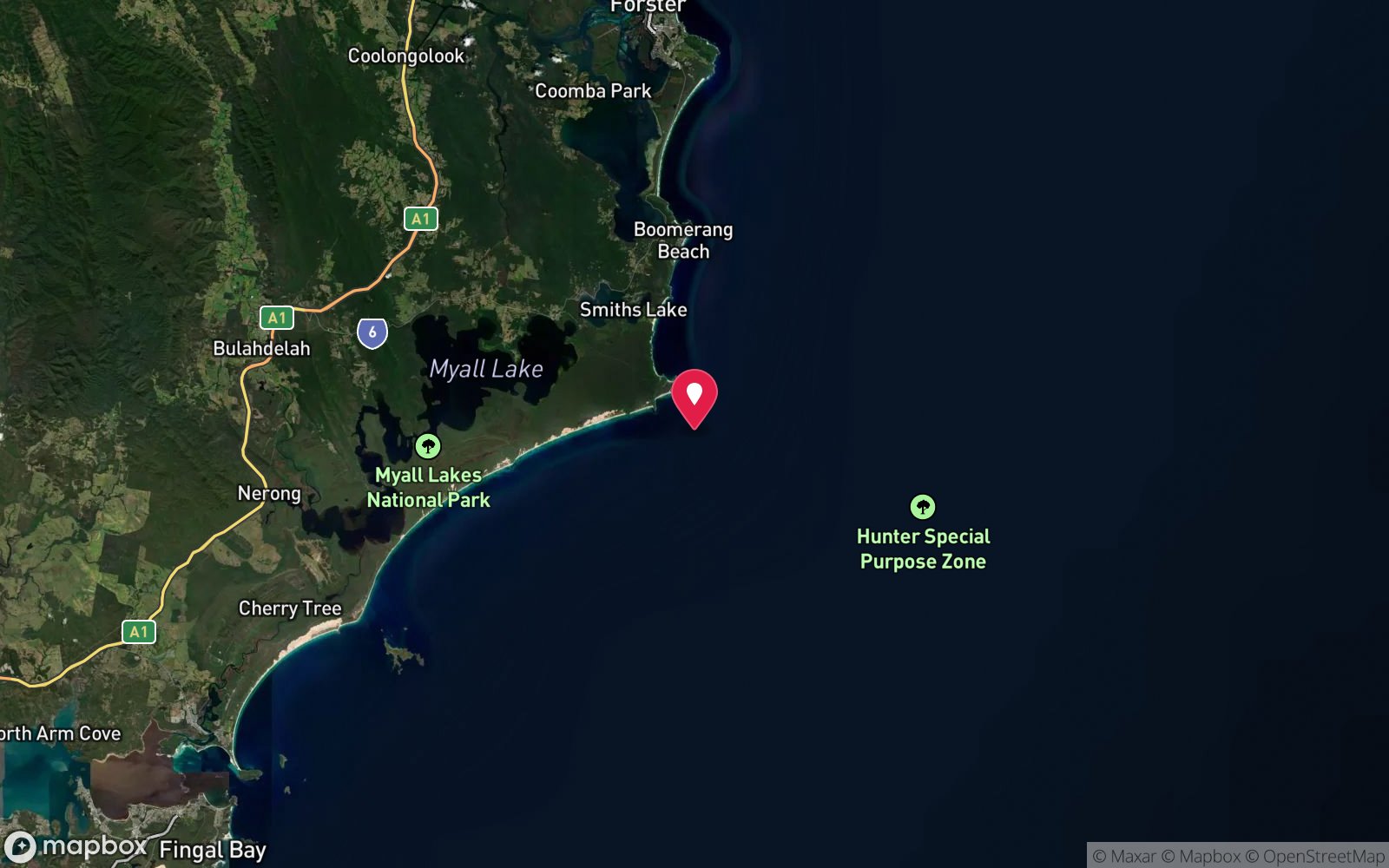
7 pinned sites. Pins marked approximate on their pages show the general area only; not for navigation.
Satellite views
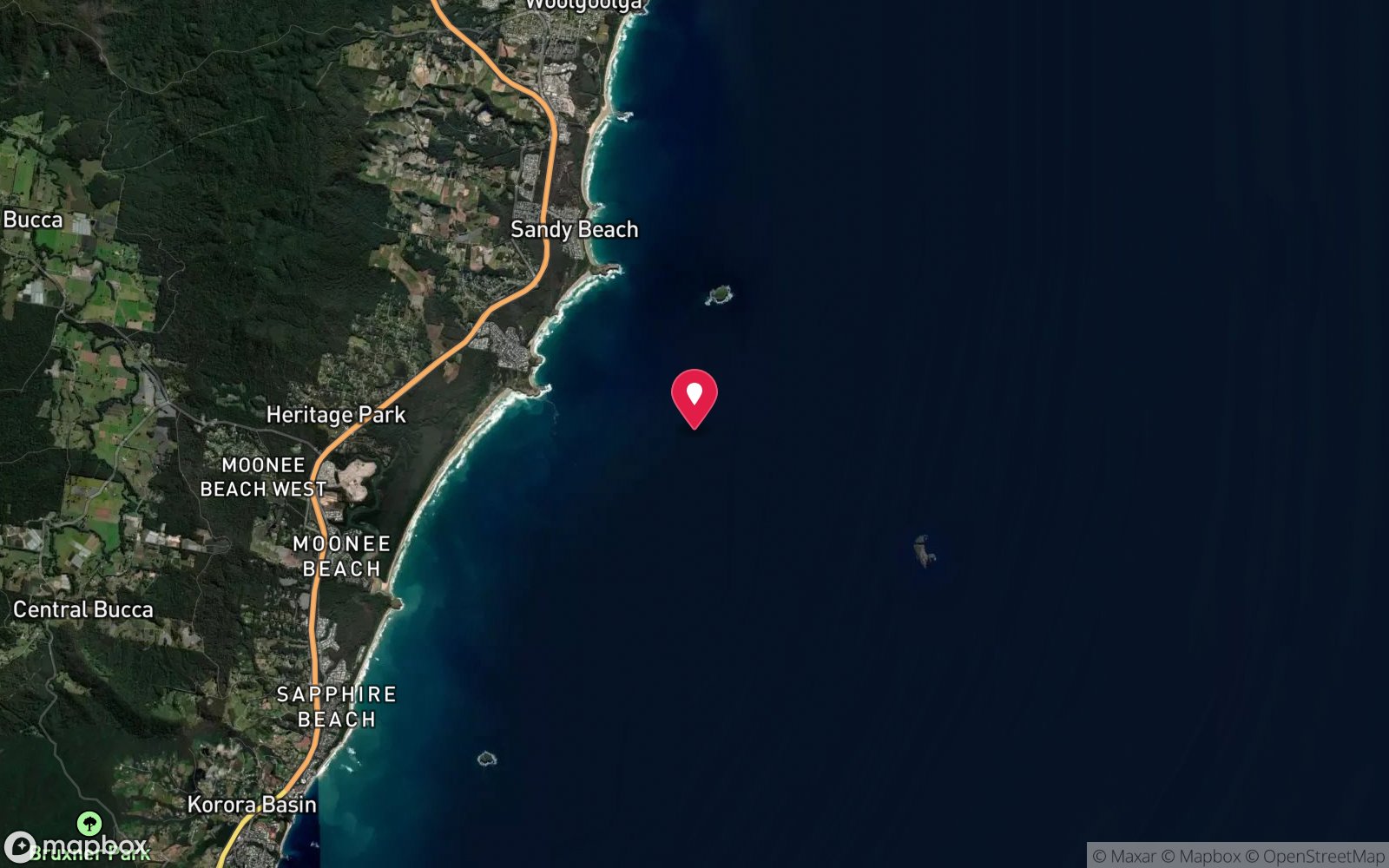
South West Solitary Island (Groper Island): frequently asked questions
How deep is South West Solitary Island (Groper Island)?
South West Solitary Island (Groper Island) reaches a maximum depth of 18 m, with the shallowest part at about 8 m; most of the dive is spent around 12 m.
What certification do I need to dive South West Solitary Island (Groper Island)?
Open Water is the recommended minimum. Rated beginner: sheltered, shallow and manageable for a newly certified diver on a normal day.
Can I shore dive South West Solitary Island (Groper Island)?
No, it is reached by boat (about 25 minutes). A dive centre is required: boat access only.
When is the best time to dive South West Solitary Island (Groper Island)?
Year-round; a good long-dive and snorkel site given the shallow depths.
What marine life will I see at South West Solitary Island (Groper Island)?
Regularly recorded: Egg cowries, nudibranchs, unusual/vagrant fish species, corals, blue groper, turtles.
What wetsuit do I need at South West Solitary Island (Groper Island)?
3 mm shorty/full suit summer, 5-7 mm winter.
How cold is the water at South West Solitary Island (Groper Island)?
Typically 24-26 °C in summer and 18-19 °C in winter.
What are the main hazards at South West Solitary Island (Groper Island)?
Reduced visibility relative to South Solitary Island; navigation can be confusing in poor visibility given the less distinct topography. See the hazards section above for the full list.
Where is the nearest recompression chamber to South West Solitary Island (Groper Island)?
Prince of Wales Hospital (Randwick, Sydney). In an emergency call 000, then DAN Asia-Pacific on 1800 088 200.
Diving in Coffs Harbour & Solitary Islands
The Solitary Islands Marine Park is where the tropics meet the temperate zone: hard corals grow alongside kelp, anemonefish share ledges with blue gropers, and grey nurse sharks, turtles, mantas and leopard sharks all pass through. North Solitary's Anemone Bay has the densest carpet of anemones and clownfish in the country; South Solitary has the lighthouse, Manta Arch and Buchanan's Wall. Split Solitary and North West Solitary are closer in and quieter.
Getting there: Coffs Harbour is a six-hour drive or a one-hour flight from Sydney. Charters leave from Coffs Harbour marina; North Solitary trips run from Wooli or Coffs and take 40–60 minutes each way.
All Coffs Harbour & Solitary Islands dive sites and a suggested itinerary →
Sources
- jettydive.com.au/dive-sites-solitary-islands-marine-park
- divernet.com/world-dives/coffs-harbour-the-south-solitary-islands
- jettydive.com.au/diving-the-solitary-islands
Data confidence: Medium. Last updated September 2026. Know this site better? How to send a correction
Nearby dive sites
More island dives in New South Wales
Explore more
This region
Similar dives
Marine life