Dive slate · divesites.com.au · printed 9 Nov 2026
South Solitary Island – The Gantry
Coffs Harbour & Solitary Islands, New South Wales · near Coffs Harbour
| Depth | 10–16 m |
|---|---|
| Minimum level | Open Water |
| Difficulty | Beginner |
| Access | Boat (day trip) |
| Entry | Giant stride from a Jetty Dive Centre RIB onto a fixed mooring |
| Current | Mild |
| Visibility | 10-25 m |
| Water | summer 24-26 °C, winter 18-19 °C |
| Suit | 3 mm shorty/full suit summer, 5-7 mm full suit or semi-dry winter |
| Best season | Year-round; a reliably sheltered site |
| Bottom time | 50 min |
| Position | -30.20800, 153.26500 (approximate) |
| Permit | Solitary Islands Marine Park – South Solitary Island Sanctuary Zone, no take of any marine life |
| Nearest chamber | Prince of Wales Hospital (Randwick, Sydney) |
| Emergency | 000 · DAN Asia-Pacific diving emergency 1800 088 200 |
South Solitary Island – The Gantry
Also known as Gantry
Historic lighthouse-supply gantry wreckage, now a sheltered artificial-reef-style dive below South Solitary Island's 1880 lighthouse.
Near Coffs Harbour · Coffs Harbour & Solitary Islands, New South Wales
- Depth
- 10–16 m
- Minimum level
- Open Water
- Access
- Boat (day trip)
- Boat ride
- ~35 min
- Water
- 24-26 °C
- Visibility
- 10-25 m
South Solitary Island – The Gantry10–16 m · Open Water
Dive factsDepths, conditions, location & safety
Season
In season nowBest months: year-round.
Year-round; a reliably sheltered site
- Best months
- Now (November)
- Stinger suit Nov–May
Dive facts
- Depth
- 10–16 m
- Typical depth
- 13 m
- Certification
- Open Water
- Difficulty
- Beginner
- Depth tier
- Open Water (10–18 m)
- Access
- Boat (day trip)
- Offshore
- 8 km
- Dive centre needed
- Yes – boat access only
- Shore / independent
- No
- Boat ride
- ~35 min
- Current
- Mild
- Visibility
- 10-25 m
- Water temp (summer)
- 24-26 °C
- Water temp (winter)
- 18-19 °C
- Water
- Subtropical
- Bottom time
- 50 min
- Dive traffic
- Popular (weekly charters)
- Night dive
- Possible
- Snorkel friendly
- No
Exposure suit
3 mm shorty/full suit summer, 5-7 mm full suit or semi-dry winter
Location
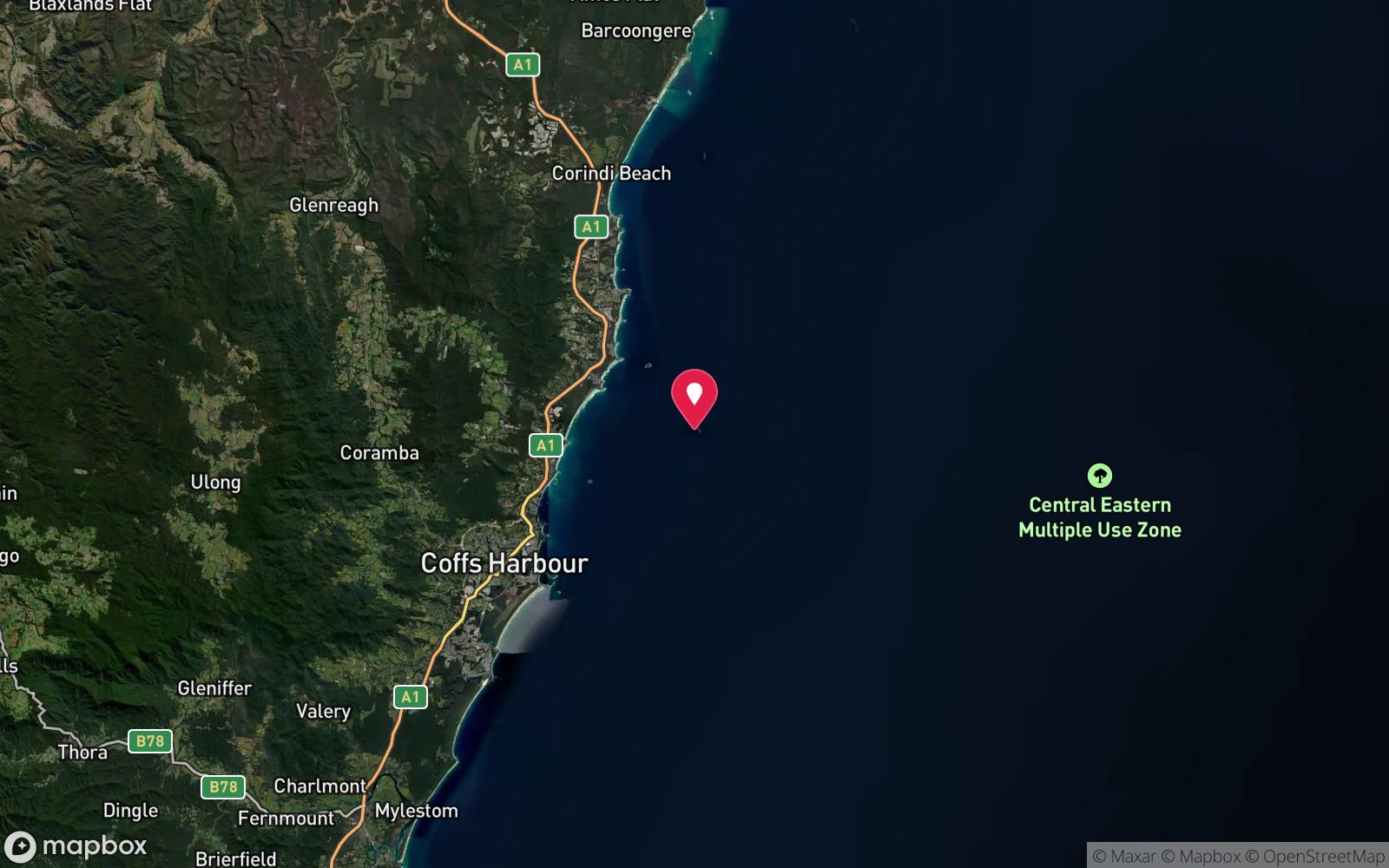
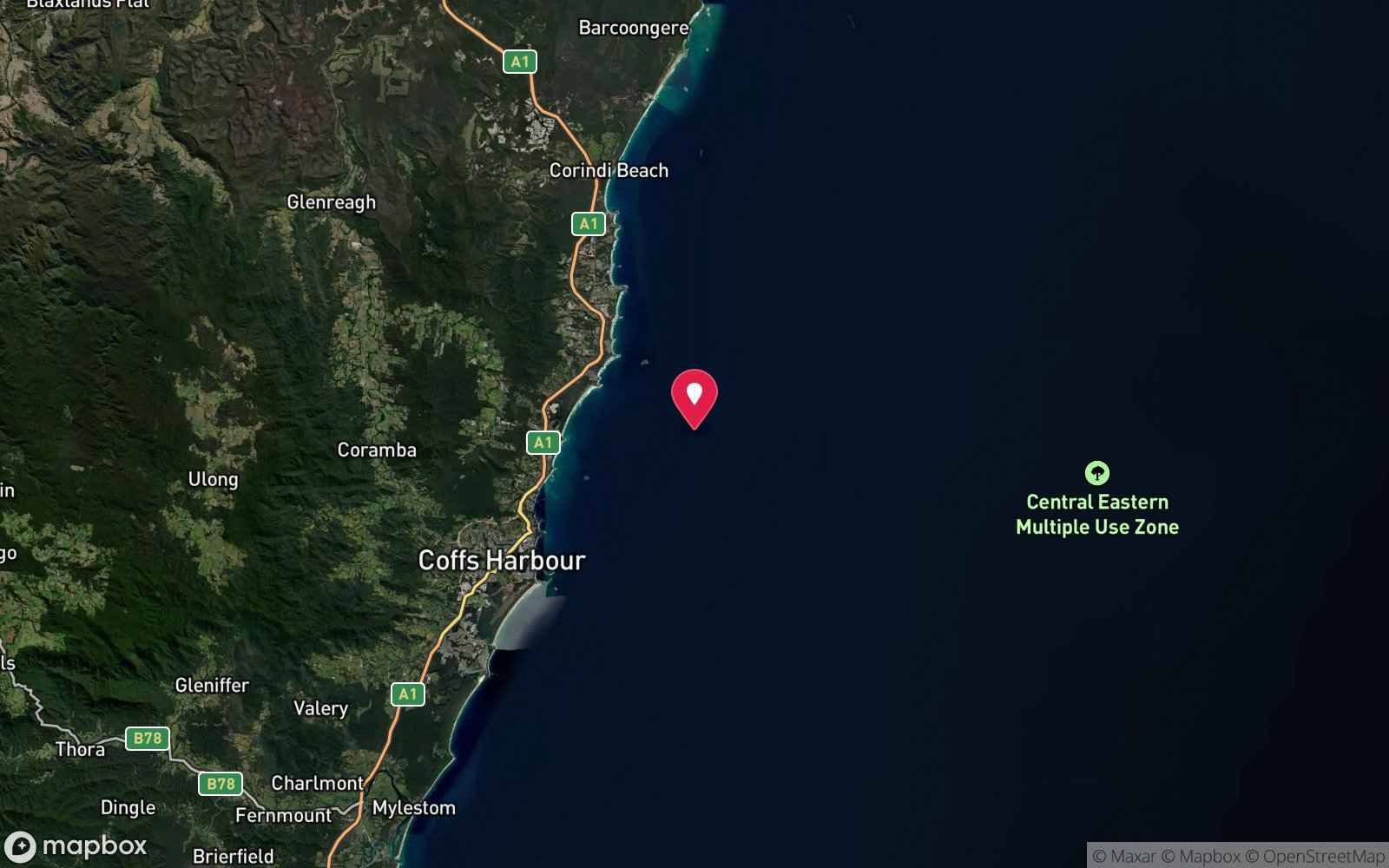
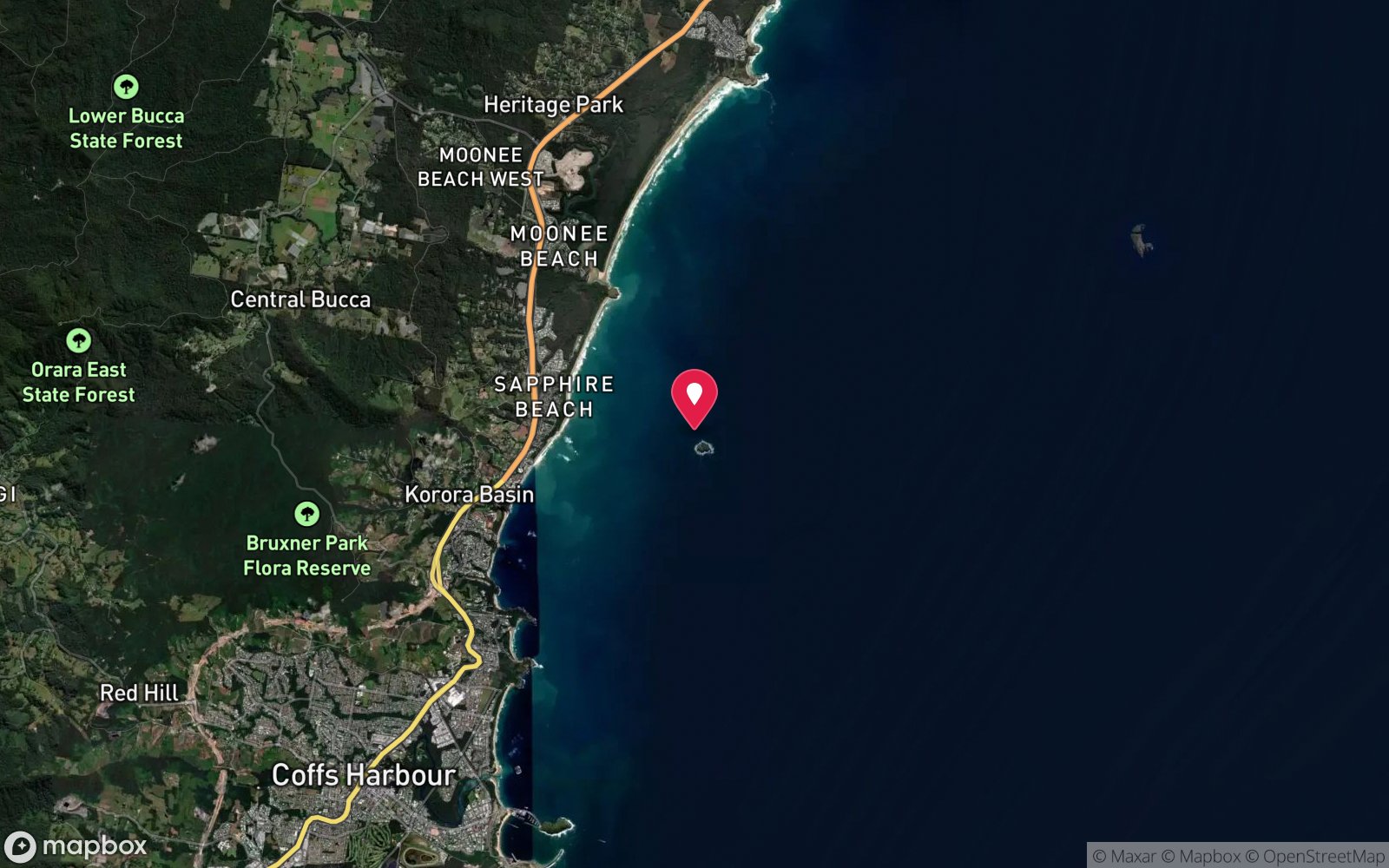
South Solitary Island · NSW Mid North Coast – Coffs Harbour / Solitary Islands
-30.20800, 153.26500
Approximate position — not for navigation.
Open in Google MapsDive site map (external) →Primary source: jettydive.com.auMarine park & permits
Solitary Islands Marine Park – South Solitary Island Sanctuary Zone, no take of any marine life
Nearest recompression chamber
Prince of Wales Hospital (Randwick, Sydney)
Diving emergency: call 000, then DAN AP 1800 088 200.
Trip planner
Build a trip around South Solitary Island – The Gantry →
A day-by-day plan for Coffs Harbour & Solitary Islands with this site locked in.
This guide is a planning aid. Conditions change daily — confirm with a local dive centre and dive within your training. Data & safety notes.
Dive profile
How this site rates
Scores are computed from the recorded data, not opinions. How?
At a glance
South Solitary Island – The Gantry is a reef boat dive in Coffs Harbour & Solitary Islands, NSW, 10–16 m, suited to Open Water divers, about 35 minutes by boat.
Rated beginner: sheltered, shallow and manageable for a newly certified diver on a normal day, though note surge on the entry or in the shallows.
Why dive here
- Historic lighthouse-supply gantry wreckage, now a sheltered artificial-reef-style dive below South Solitary Island's 1880 lighthouse.
- Visibility often reaches 10-25 m.
About South Solitary Island – The Gantry
The Gantry sits on the western side of South Solitary Island directly below its historic lighthouse, first lit in 1880 and one of the more remote and evocative lighthouse stations on the NSW coast, and takes its name from the supply gantry crane once used to winch stores up the cliff to the keepers stationed there. At some point the crane structure gave way and fell into the sea below, and its wreckage — now heavily encrusted with decades of coral and sponge growth — forms the backbone of what is today a shallow, sheltered and easy dive site in about 12-15 m of water. Because it sits on the more protected western flank of the island, the Gantry is rarely affected by the swell that can shut down the more exposed north-eastern moorings, and its shallow depth makes it an easy, low-stress site suitable for less experienced divers or as a relaxed final dive of the day.
Turtles frequent the area, wobbegong sharks lie among the wreckage and surrounding rock, and schools of bullseyes and other reef fish have colonised the collapsed structure much as they would a purpose-built artificial reef, while nudibranchs and moray eels occupy the smaller crevices. The historical association with South Solitary Island's lighthouse — a heritage-listed structure still visible from the water — gives the Gantry a point of interest beyond its marine life, and the site is often mentioned by visiting divers and journalists writing about the island as a memorable, easy dive that rounds out a day otherwise spent chasing grey nurse sharks and current on the more demanding sites. It remains, however, a site with more anecdotal than formally documented detail, and exact figures on depth and extent should be treated as approximate.
Getting there & entry
Western side of South Solitary Island below the historic lighthouse, where the old supply gantry crane used to load stores onto the island collapsed into the sea; wreckage now lies in about 12-15 m.
Jetty Dive Centre departs from a public floating pontoon wharf on the Coffs Harbour boat harbour, opposite the Attitude Burgers building — check in first at 398 Harbour Drive, Coffs Harbour. It is roughly a 30-40 minute run out to South Solitary Island, 8 km offshore, in the dive centre's RIBs. Private boats launch at the Coffs Harbour public boat ramp inside the breakwall and follow the same course out past the harbour entrance.
Entry: Giant stride from a Jetty Dive Centre RIB onto a fixed mooring
Weather, swell & tides
South Solitary Island sits in open water 8 km off Coffs Harbour and is exposed to swell from the north-east through south-east; Jetty Dive Centre generally wants under about 1.5-2 m swell to run the outer moorings comfortably, switching to the more sheltered Split Solitary Island (only 20 minutes out) on rougher days. Visibility here is usually the best in the marine park given the distance from any river mouth, and the site's position at the boundary of tropical and temperate water means conditions can change quickly with wind shift. Summer (Nov-Apr) water is warmed by the East Australian Current to up to 26°C, bringing tropical fish, manta rays and, from December, leopard sharks; winter (May-Oct) cools to about 18°C but often gives calmer seas, giant cuttlefish and the peak grey nurse shark season (Jun-Nov, sometimes 30-60+ sharks on Manta Arch).
Humpback whales migrate past between April and November, peaking June-August northbound and September-November southbound. Currents can run strongly on the exposed north-eastern moorings (Manta Arch, Shark Gutters) and are much gentler on the sheltered north-western wall.
Best season: Year-round; a reliably sheltered site
If it's blown out
Sheltered or shore sites within 25 km that often work when South Solitary Island – The Gantry doesn't.
- Mutton Bird Island (Coffs Harbour) · 15 km · Max 15 m
- Diggers Beach (Coffs Harbour) · 13 km · Max 6 m
How the dive is usually run
Descend below the lighthouse cliff to the gantry wreckage at 12-15 m, explore the collapsed structure and surrounding reef looking for turtles and schooling bullseyes, and finish shallow near the base of the island for the ascent.
Marine life
- Turtles →
- wobbegongs →
- schooling bullseyes
- nudibranchs →
- moray eels
- reef fish colonising the wreckage
Linked species have their own page listing every site where they are recorded. All marine life →
Training required
Within the 18 m limit of an entry-level certification.
Depth tiers: 0–10 m easy · to 18 m Open Water · 18–30 m Advanced (25 m+ is a deep dive) · 30–40 m Deep specialty · 40 m+ technical. All courses
Hazards & warnings
Sharp metal wreckage; some surge close to the island in a bigger swell.
Dive centres that go here
Jetty Dive Centre (Coffs Harbour) runs South Solitary Island most days conditions allow, typically a double boat dive; it is the flagship site for the only major dive operator based in Coffs Harbour.
Operators recorded for South Solitary Island – The Gantry
Other dive centres in Coffs Harbour & Solitary Islands
Map
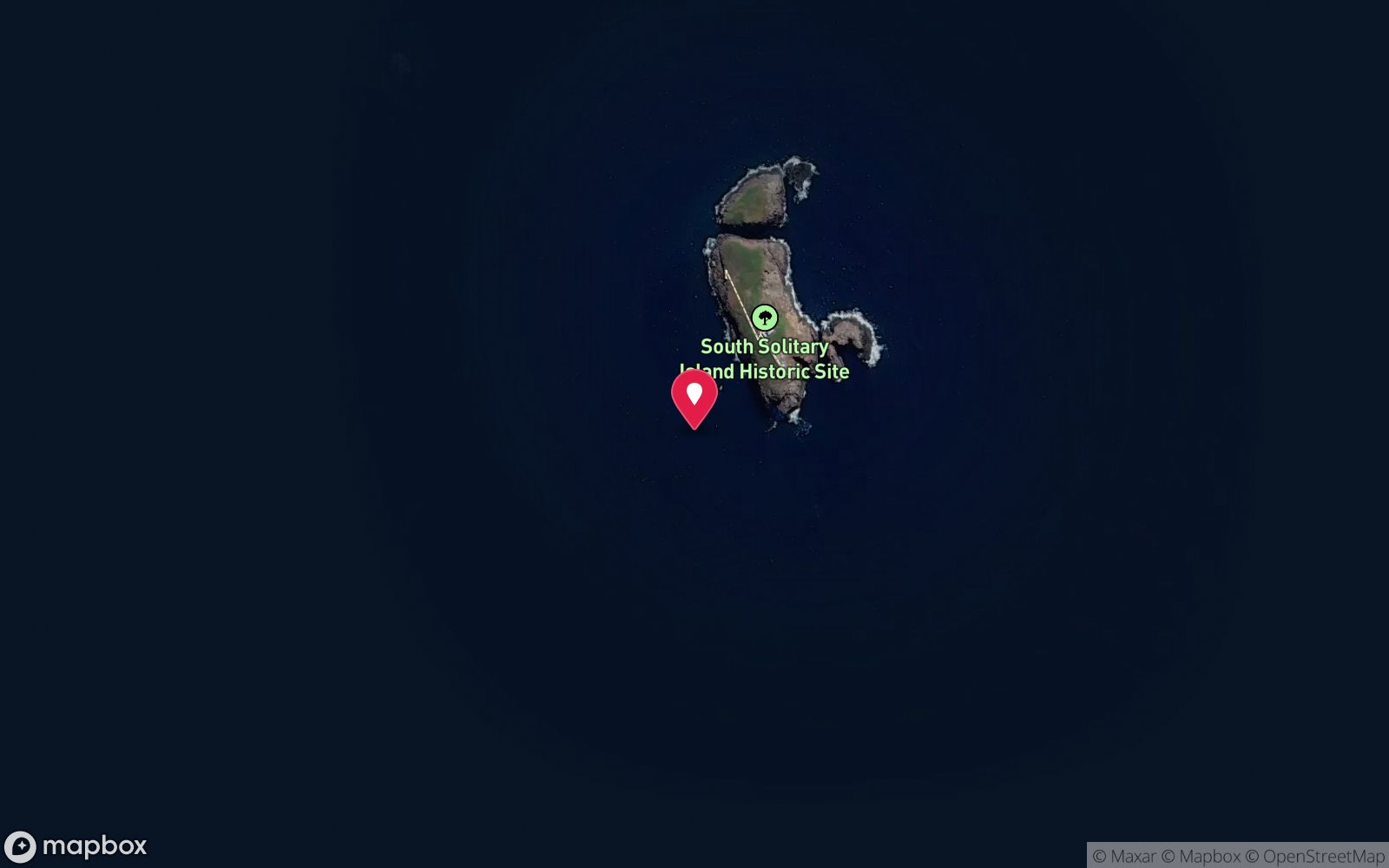
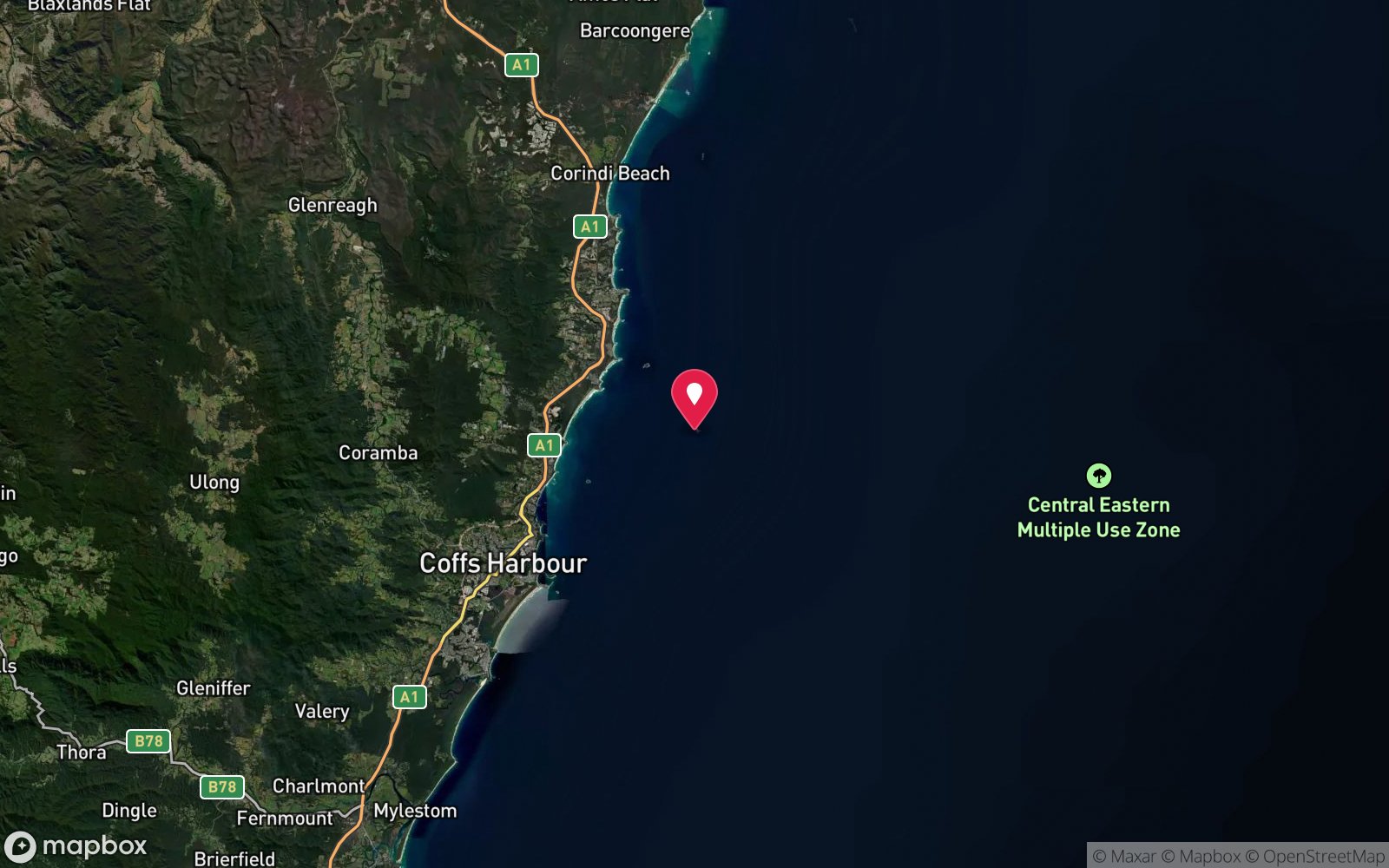
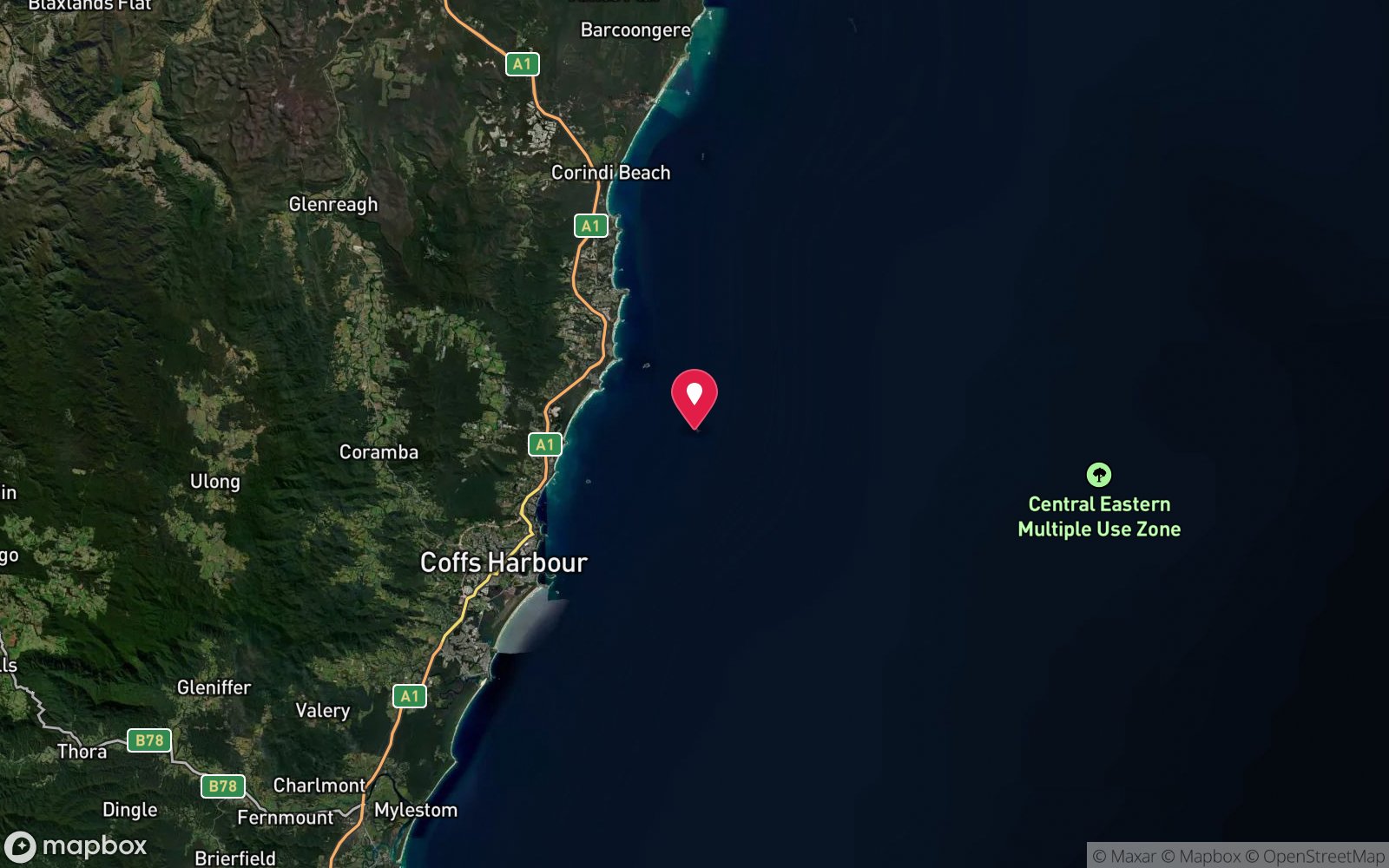
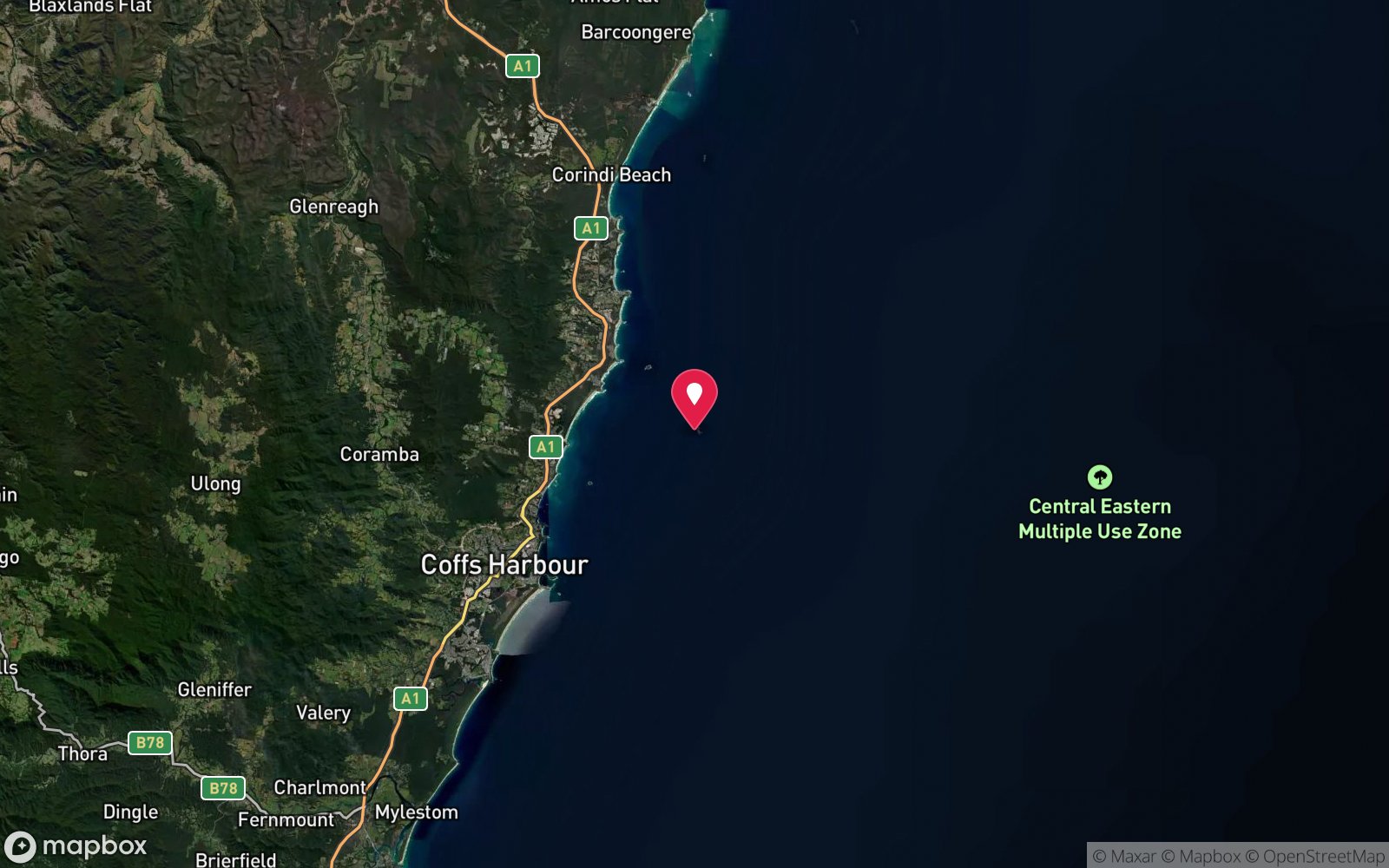
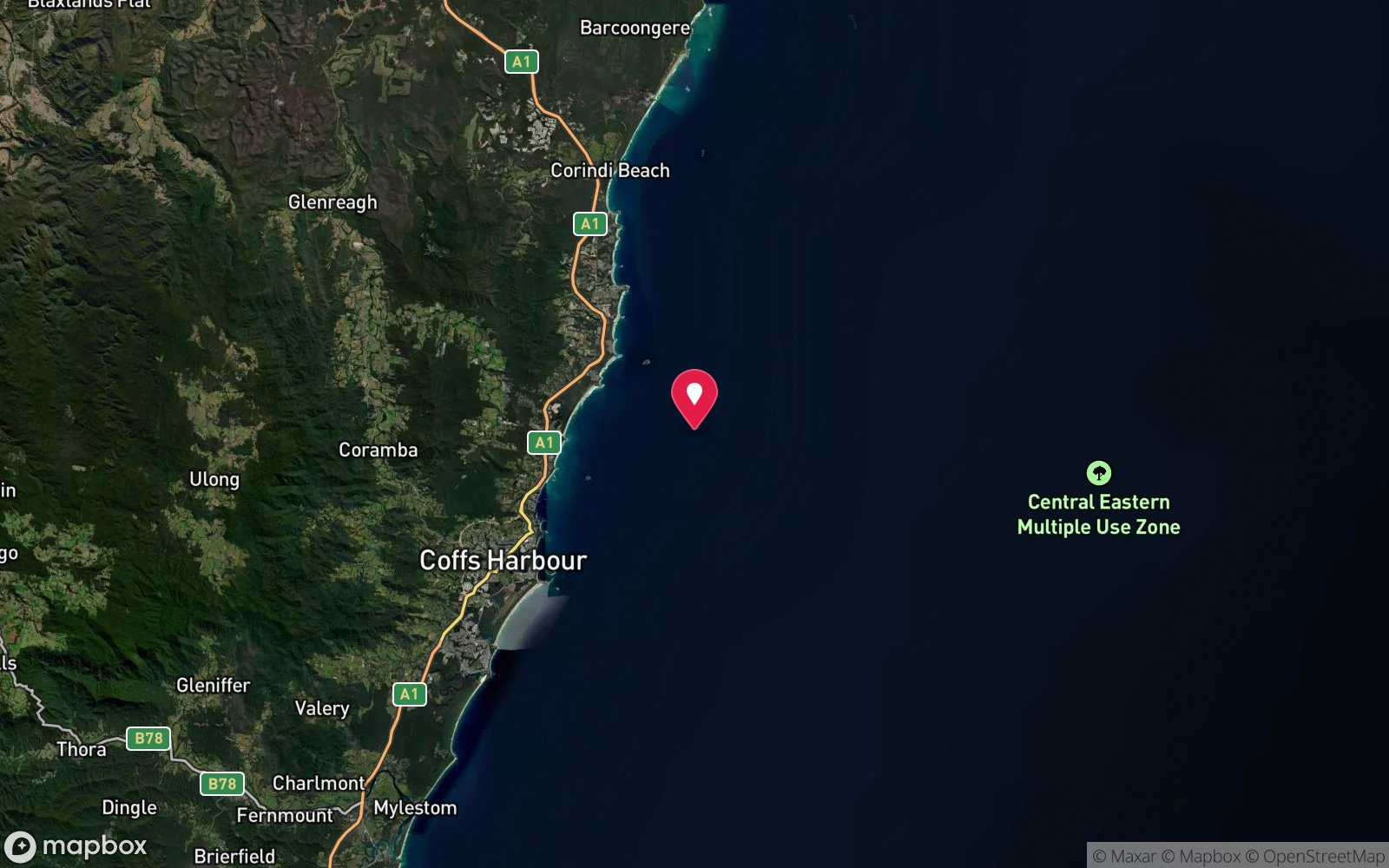
7 pinned sites. Pins marked approximate on their pages show the general area only; not for navigation.
Satellite views
South Solitary Island – The Gantry: frequently asked questions
How deep is South Solitary Island – The Gantry?
South Solitary Island – The Gantry reaches a maximum depth of 16 m, with the shallowest part at about 10 m; most of the dive is spent around 13 m.
What certification do I need to dive South Solitary Island – The Gantry?
Open Water is the recommended minimum. Rated beginner: sheltered, shallow and manageable for a newly certified diver on a normal day, though note surge on the entry or in the shallows.
Can I shore dive South Solitary Island – The Gantry?
No, it is reached by boat (about 35 minutes). A dive centre is required: boat access only.
When is the best time to dive South Solitary Island – The Gantry?
Year-round; a reliably sheltered site.
What marine life will I see at South Solitary Island – The Gantry?
Regularly recorded: Turtles, wobbegongs, schooling bullseyes, nudibranchs, moray eels, reef fish colonising the wreckage.
What wetsuit do I need at South Solitary Island – The Gantry?
3 mm shorty/full suit summer, 5-7 mm full suit or semi-dry winter.
How cold is the water at South Solitary Island – The Gantry?
Typically 24-26 °C in summer and 18-19 °C in winter.
What are the main hazards at South Solitary Island – The Gantry?
Sharp metal wreckage; some surge close to the island in a bigger swell. See the hazards section above for the full list.
Where is the nearest recompression chamber to South Solitary Island – The Gantry?
Prince of Wales Hospital (Randwick, Sydney). In an emergency call 000, then DAN Asia-Pacific on 1800 088 200.
Diving in Coffs Harbour & Solitary Islands
The Solitary Islands Marine Park is where the tropics meet the temperate zone: hard corals grow alongside kelp, anemonefish share ledges with blue gropers, and grey nurse sharks, turtles, mantas and leopard sharks all pass through. North Solitary's Anemone Bay has the densest carpet of anemones and clownfish in the country; South Solitary has the lighthouse, Manta Arch and Buchanan's Wall. Split Solitary and North West Solitary are closer in and quieter.
Getting there: Coffs Harbour is a six-hour drive or a one-hour flight from Sydney. Charters leave from Coffs Harbour marina; North Solitary trips run from Wooli or Coffs and take 40–60 minutes each way.
All Coffs Harbour & Solitary Islands dive sites and a suggested itinerary →
Sources
- jettydive.com.au/dive-sites-solitary-islands-marine-park
- divernet.com/world-dives/coffs-harbour-the-south-solitary-islands
- jettydive.com.au/diving-the-solitary-islands
Data confidence: Medium. Last updated September 2026. Know this site better? How to send a correction
Nearby dive sites
More reef dives in New South Wales
Explore more
This region
Similar dives
Marine life