Dive slate · divesites.com.au · printed 9 Nov 2026
Yamba – Pinnacle / Freeburn Island reefs
Yamba & Iluka, New South Wales · near Yamba
| Depth | 12–30 m |
|---|---|
| Minimum level | Advanced Open Water |
| Difficulty | Intermediate |
| Access | Boat |
| Entry | Giant stride from boat onto a mooring or shot line |
| Current | Moderate |
| Visibility | 8-20 m |
| Water | summer 22-26 °C, winter 19-22 °C |
| Suit | 3-5 mm full suit summer, 5-7 mm winter |
| Best season | Winter for grey nurse sharks and generally clearer water |
| Bottom time | 35 min |
| Position | not published |
| Permit | Cape Byron Marine Park / Solitary Islands Marine Park zoning applies – check current sanctuary/habitat protection zone boundaries before diving or spearfishing |
| Nearest chamber | Gold Coast University Hospital (Southport) hyperbaric unit; Wesley Hospital (Brisbane) for complex cases |
| Emergency | 000 · DAN Asia-Pacific diving emergency 1800 088 200 |
Yamba – Pinnacle / Freeburn Island reefs
Also known as Yamba offshore reefs, Freeburn Island
Yamba's main offshore dive ground — uncrowded reef and pinnacle diving with a genuine seasonal chance of grey nurse sharks.
Near Yamba · Yamba & Iluka, New South Wales
- Depth
- 12–30 m
- Minimum level
- Advanced Open Water
- Access
- Boat
- Boat ride
- ~25 min
- Water
- 22-26 °C
- Visibility
- 8-20 m
Yamba – Pinnacle / Freeburn Island reefs12–30 m · Advanced Open Water
Dive factsDepths, conditions, location & safety
Season
Off-peak nowBest months: June, July, August.
Winter for grey nurse sharks and generally clearer water
- Best months
- Now (November)
- Stinger suit Nov–May
Dive facts
- Depth
- 12–30 m
- Typical depth
- 20 m
- Certification
- Advanced Open Water
- Difficulty
- Intermediate
- Depth tier
- Advanced Open Water (18–30 m)
- Access
- Boat
- Offshore
- 4 km
- Dive centre needed
- Yes – boat access only
- Shore / independent
- No
- Boat ride
- ~25 min
- Current
- Moderate
- Visibility
- 8-20 m
- Water temp (summer)
- 22-26 °C
- Water temp (winter)
- 19-22 °C
- Water
- Subtropical
- Bottom time
- 35 min
- Dive traffic
- Moderate (occasional charters/club dives)
- Night dive
- Possible
- Snorkel friendly
- No
Exposure suit
3-5 mm full suit summer, 5-7 mm winter
Location
Yamba offshore · NSW North Coast – Yamba/Iluka
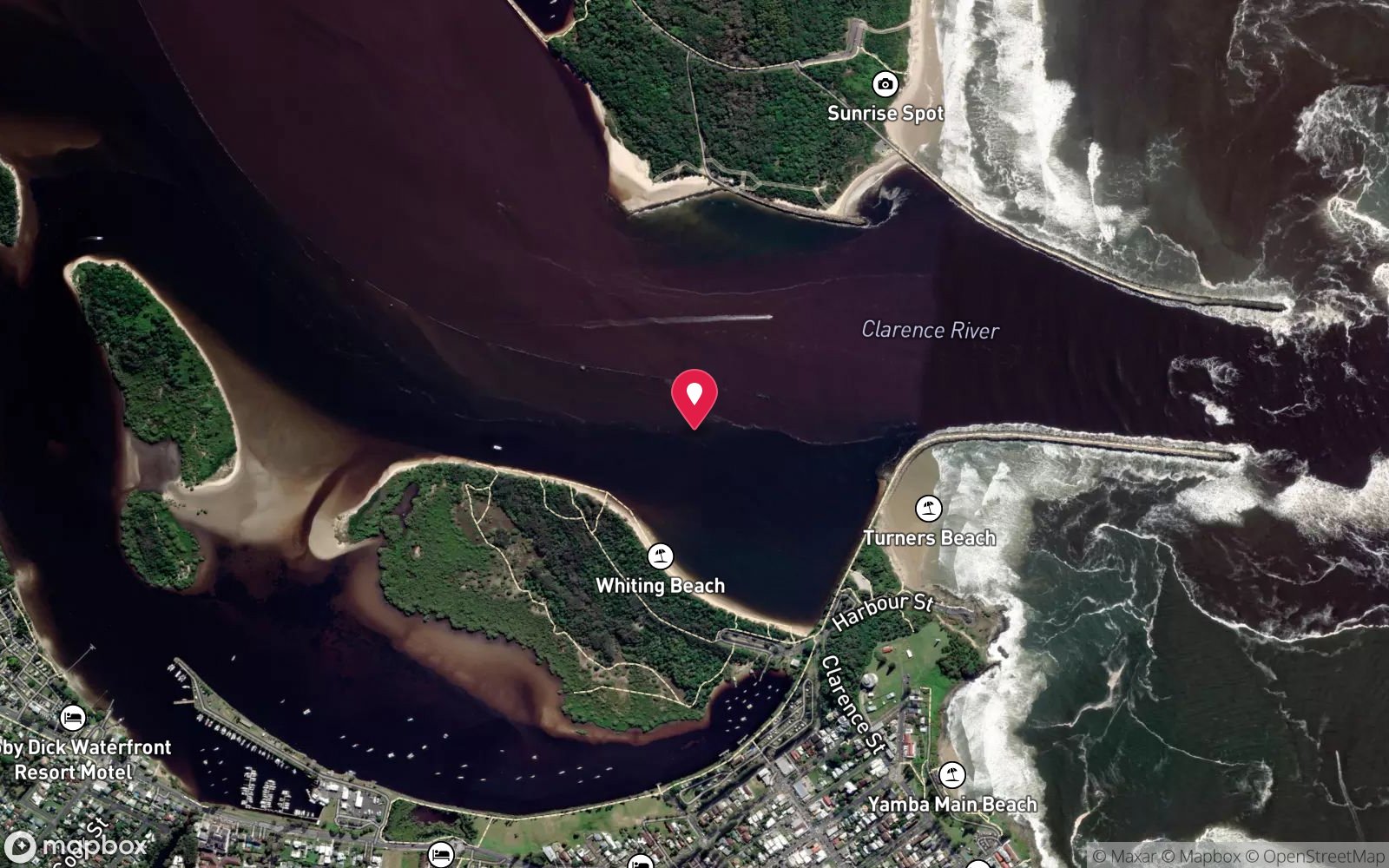
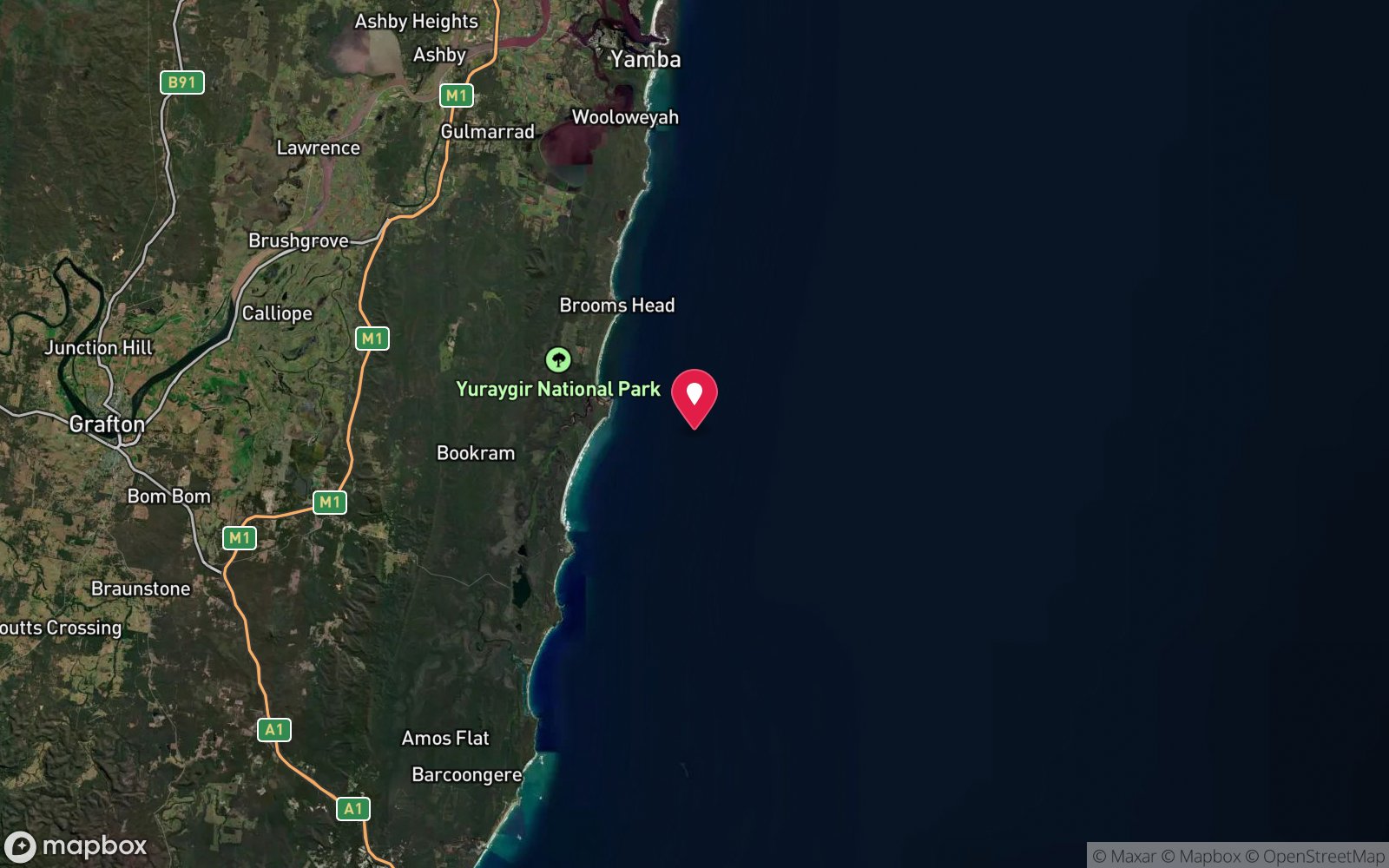
No published coordinates. The map above shows the general area, estimated from documented sites across the Yamba & Iluka region.
Primary source: marinelife.org.auMarine park & permits
Cape Byron Marine Park / Solitary Islands Marine Park zoning applies – check current sanctuary/habitat protection zone boundaries before diving or spearfishing
Nearest recompression chamber
Gold Coast University Hospital (Southport) hyperbaric unit; Wesley Hospital (Brisbane) for complex cases
Diving emergency: call 000, then DAN AP 1800 088 200.
Trip planner
Build a trip around Yamba – Pinnacle / Freeburn Island reefs →
A day-by-day plan for Yamba & Iluka with this site locked in.
This guide is a planning aid. Conditions change daily — confirm with a local dive centre and dive within your training. Data & safety notes.
Dive profile
How this site rates
Scores are computed from the recorded data, not opinions. How?
At a glance
Yamba – Pinnacle / Freeburn Island reefs is a reef boat dive in Yamba & Iluka, NSW, 12–30 m, suited to Advanced Open Water divers, moderate current, about 25 minutes by boat.
Rated intermediate because of depth beyond 18 m.
Why dive here
- Yamba's main offshore dive ground — uncrowded reef and pinnacle diving with a genuine seasonal chance of grey nurse sharks.
- Visibility often reaches 8-20 m.
Conditions to avoid
- Strong southerly or south-east swell and wind
- Outgoing tide or run-off after rain (poor visibility)
About Yamba – Pinnacle / Freeburn Island reefs
The offshore reefs and pinnacles scattered 2 to 8 km off Yamba and Angourie form the main dive ground for the only dedicated dive centre between Byron Bay and Coffs Harbour, and while none of the individual pinnacles here carry the fame of Julian Rocks or the Solitary Islands, together they offer solid, uncrowded reef diving with a genuine chance of grey nurse sharks through the cooler months. The reefs rise from a sand bottom around 30 m to peaks as shallow as 12 m, a scale that puts the deeper sections within Advanced Open Water range while leaving plenty of structure accessible to less experienced divers on the shallower pinnacles. Marine life reflects the same subtropical mix found up and down this coast: kingfish and mulloway school over the structure, wobbegong sharks lie in the ledges, turtles move between resting spots, and bull rays and snapper work the sand around the base of the pinnacles.
From roughly May to October, grey nurse sharks are a realistic prospect on the deeper faces, part of the same loose chain of aggregation sites that runs from the Tweed/Gold Coast border down through Ballina and Yamba to the internationally significant grey nurse habitat at the Solitary Islands further south. Because Yamba has just the one dive operator and no marquee single-site reputation to draw international crowds, these reefs see a fraction of the diver traffic of Julian Rocks or South Solitary Island, which suits divers looking for a quieter, more exploratory day out. The main practical hurdle is the Clarence River bar: although well engineered with training walls and generally more reliable than many North Coast river bars, it still requires respect in a big swell or a strong outgoing tide, and trips are planned around both the bar and the offshore sea state.
For divers travelling the length of the Far North Coast, a day with Yamba Dive on these reefs is a worthwhile, lower-key alternative to the more famous sites either side.
Getting there & entry
Rocky reefs and pinnacles 2-8 km off Yamba and Angourie, south of the Clarence River mouth, reached by charter from Yamba marina — the main offshore dive grounds for the Yamba/Iluka area.
Charters depart from Yamba Marina/the Yamba Fishermen's Co-op wharf on Wooli Street; check in at Yamba Dive's shopfront in town beforehand. Boats cross the Clarence River bar (well protected by training walls but still tide- and swell-dependent) and run 15-30 minutes south to the offshore reefs off Yamba and Angourie. Private boats use the same public ramp on the river at Yamba.
Entry: Giant stride from boat onto a mooring or shot line
Weather, swell & tides
This stretch of coast between the Clarence and Wooli Rivers is exposed to easterly and south-easterly swell with no significant headland shelter; charters and shore divers alike need a settled spell of under about 1.5 m swell. The Clarence River bar at Yamba/Iluka is one of the more heavily engineered and generally reliable bars on the NSW North Coast thanks to its training walls, but it can still become dangerous in a big swell or strong outgoing tide, especially at the change of tide. Visibility offshore is usually good (15-25 m) but drops sharply for days near the river mouth after Clarence River floods, which happen periodically given the size of the catchment.
Winter (Jun-Oct) brings grey nurse sharks and the clearest water; summer brings warmer water, more current from the East Australian Current, and the odd manta ray.
Best season: Winter for grey nurse sharks and generally clearer water
How the dive is usually run
Descend the mooring or shot line onto the pinnacle top around 12-15 m, work the ledges and gutters down to 25-30 m looking for grey nurse sharks and large schooling fish, and ascend along the pinnacle for the safety stop, watching for current on the exposed faces.
Marine life
- Grey nurse sharks (seasonal) →
- kingfish
- mulloway
- wobbegongs →
- turtles →
- bull rays
- snapper
- nudibranchs →
Linked species have their own page listing every site where they are recorded. All marine life →
Training required
Beyond 18 m an Advanced certification (which includes a deep dive to 30 m) is the accepted minimum. Anything past 25 m is a deep dive in practice.
At more than 25 m this counts as a deep dive: watch no-decompression limits and gas.
Courses that help here
- Enriched Air Nitrox – Longer no-decompression time at 25 m and deeper.
Depth tiers: 0–10 m easy · to 18 m Open Water · 18–30 m Advanced (25 m+ is a deep dive) · 30–40 m Deep specialty · 40 m+ technical. All courses
Hazards & warnings
Clarence River bar crossing needed to reach the grounds — respect tide and swell; current on the exposed pinnacle faces; depth to 30 m on the deeper sections.
Dive centres that go here
Yamba Dive runs charters to the offshore reefs and pinnacles on demand, seas permitting; this is the primary dive ground the shop uses when not running trips further north to the Solitary Islands.
Operators recorded for Yamba – Pinnacle / Freeburn Island reefs
General area
No position has been published for Yamba – Pinnacle / Freeburn Island reefs. The circle shows where it is likely to be, worked out from documented sites across the Yamba & Iluka region. Ask a local operator for the exact site.
Dashed circle: general area (about 6 km), from documented sites across the Yamba & Iluka region. 6 pinned sites. Pins marked approximate on their pages show the general area only; not for navigation.
Yamba – Pinnacle / Freeburn Island reefs: frequently asked questions
How deep is Yamba – Pinnacle / Freeburn Island reefs?
Yamba – Pinnacle / Freeburn Island reefs reaches a maximum depth of 30 m, with the shallowest part at about 12 m; most of the dive is spent around 20 m.
What certification do I need to dive Yamba – Pinnacle / Freeburn Island reefs?
Advanced Open Water is the recommended minimum. At more than 25 m this counts as a deep dive: watch no-decompression limits and gas. Rated intermediate because of depth beyond 18 m.
Can I shore dive Yamba – Pinnacle / Freeburn Island reefs?
No, it is reached by boat (about 25 minutes). A dive centre is required: boat access only.
When is the best time to dive Yamba – Pinnacle / Freeburn Island reefs?
Winter for grey nurse sharks and generally clearer water.
What marine life will I see at Yamba – Pinnacle / Freeburn Island reefs?
Regularly recorded: Grey nurse sharks (seasonal), kingfish, mulloway, wobbegongs, turtles, bull rays, snapper, nudibranchs.
What wetsuit do I need at Yamba – Pinnacle / Freeburn Island reefs?
3-5 mm full suit summer, 5-7 mm winter.
How cold is the water at Yamba – Pinnacle / Freeburn Island reefs?
Typically 22-26 °C in summer and 19-22 °C in winter.
What are the main hazards at Yamba – Pinnacle / Freeburn Island reefs?
Clarence River bar crossing needed to reach the grounds — respect tide and swell; current on the exposed pinnacle faces; depth to 30 m on the deeper sections. See the hazards section above for the full list.
Where is the nearest recompression chamber to Yamba – Pinnacle / Freeburn Island reefs?
Gold Coast University Hospital (Southport) hyperbaric unit; Wesley Hospital (Brisbane) for complex cases. In an emergency call 000, then DAN Asia-Pacific on 1800 088 200.
Diving in Yamba & Iluka
The Clarence River mouth splits Yamba and Iluka, and both have breakwall and reef dives on the rising tide, plus the Iluka Bluff and the offshore Solitary-style reefs of the Yamba coast. The area is quiet and locally dived.
Getting there: Three hours south of Brisbane. Shore entries at the breakwalls; occasional charters from Yamba.
Sources
Data confidence: Low · Being verified: Named individual pinnacles, exact depths and GPS positions need verification directly with Yamba Dive.. Last updated September 2026. Know this site better? How to send a correction
Nearby dive sites
More reef dives in New South Wales
Explore more
This region
Marine life