Dive slate · divesites.com.au · printed 8 Nov 2026
Angourie Point / Green Point reef
Yamba & Iluka, New South Wales · near Angourie
| Depth | 3–14 m |
|---|---|
| Minimum level | Advanced Open Water |
| Difficulty | Advanced |
| Access | Shore or Boat |
| Entry | Rock entry from the southern corner of Angourie Back Beach, timed between wave sets, mid to high tide |
| Current | Moderate |
| Visibility | 6-10 m |
| Water | summer 22-26 °C, winter 19-22 °C |
| Suit | 3-5 mm full suit |
| Best season | December-March for the warmest water and clearest visibility |
| Bottom time | 35 min |
| Position | -29.48000, 153.36500 (approximate) |
| Permit | Cape Byron Marine Park / Solitary Islands Marine Park zoning applies – check current sanctuary/habitat protection zone boundaries before diving or spearfishing |
| Nearest chamber | Gold Coast University Hospital (Southport) hyperbaric unit; Wesley Hospital (Brisbane) for complex cases |
| Emergency | 000 · DAN Asia-Pacific diving emergency 1800 088 200 |
Angourie Point / Green Point reef
Also known as Angourie Back Beach, Angourie Blue Pool area
A rugged basalt reef of trenches, canyons and swim-throughs beneath one of Australia's most famous surf points, diveable only on the rare flat day.
Near Angourie · Yamba & Iluka, New South Wales
- Depth
- 3–14 m
- Minimum level
- Advanced Open Water
- Access
- Shore or Boat
- Boat ride
- ~15 min
- Water
- 22-26 °C
- Visibility
- 6-10 m
Angourie Point / Green Point reef3–14 m · Advanced Open Water · Shore
Dive factsDepths, conditions, location & safety
Season
Off-peak nowBest months: January, February, March, December.
December-March for the warmest water and clearest visibility
- Best months
- Now (November)
- Stinger suit Nov–May
Dive facts
- Depth
- 3–14 m
- Typical depth
- 8 m
- Certification
- Advanced Open Water
- Difficulty
- Advanced
- Depth tier
- Open Water (10–18 m)
- Access
- Shore or Boat
- Offshore
- 0.3 km
- Dive centre needed
- Recommended
- Shore / independent
- Possible (experienced only)
- Boat ride
- ~15 min
- Current
- Moderate
- Visibility
- 6-10 m
- Water temp (summer)
- 22-26 °C
- Water temp (winter)
- 19-22 °C
- Water
- Subtropical
- Bottom time
- 35 min
- Dive traffic
- Rarely dived (private boat/club only)
- Night dive
- Possible
- Snorkel friendly
- No
Exposure suit
3-5 mm full suit
Location
Angourie · NSW North Coast – Yamba/Iluka
-29.48000, 153.36500
Approximate position — not for navigation.
Open in Google MapsPrimary source: scubadownunder.comMarine park & permits
Cape Byron Marine Park / Solitary Islands Marine Park zoning applies – check current sanctuary/habitat protection zone boundaries before diving or spearfishing
Nearest recompression chamber
Gold Coast University Hospital (Southport) hyperbaric unit; Wesley Hospital (Brisbane) for complex cases
Diving emergency: call 000, then DAN AP 1800 088 200.
Trip planner
Build a trip around Angourie Point / Green Point reef →
A day-by-day plan for Yamba & Iluka with this site locked in.
This guide is a planning aid. Conditions change daily — confirm with a local dive centre and dive within your training. Data & safety notes.
Dive profile
How this site rates
Scores are computed from the recorded data, not opinions. How?
At a glance
Angourie Point / Green Point reef is a shore / rock platform shore dive for experienced divers in Yamba & Iluka, NSW, 3–14 m, suited to Advanced Open Water divers, moderate current, about 15 minutes by boat.
Rated advanced because of surge on the entry or in the shallows, boat traffic overhead.
Why dive here
- A rugged basalt reef of trenches, canyons and swim-throughs beneath one of Australia's most famous surf points, diveable only on the rare flat day.
- Rarely dived: expect to have the site to yourself, and plan your own logistics.
Conditions to avoid
- Outgoing tide or run-off after rain (poor visibility)
About Angourie Point / Green Point reef
Angourie, immediately south of Yamba, is known across Australia as a classic point surf break, and the volcanic basalt reef beneath and around that point is a genuine dive site in its own right — just one that is workable on only a handful of days a year, when the swell that makes the surf break famous drops away almost entirely. Local sources are blunt about this being an experienced diver's site: rugged trenches and canyons carved into the basalt bedrock create swim-throughs, overhangs and small caverns that are excellent underwater terrain but unforgiving in any surge, and the entry itself, over sharp rock timed between wave sets, is not for beginners. When conditions allow, the reward is one of the most interesting basalt reef systems on this part of the coast: blue groper patrol the open ground, estuary cod and striped snapper work the gutters, bream, tarwhine, drummer, sweep and bullseyes school through the canyons, and reef sharks — wobbegongs and Port Jackson sharks — tuck into the overhangs.
Turtles and eagle rays are seen seasonally, and the site has a long-standing reputation among local spearfishers as one of the more productive rock platforms on the Far North Coast, a reputation that carries over directly to scuba divers willing to put in the local knowledge. The basalt itself, rather than the more typical sedimentary or granite rock found at many NSW dive sites, gives Angourie a distinctive dark, angular topography of trenches and canyons rather than rounded boulders, and this geology is part of what makes the site's swim-throughs and overhangs so structurally interesting when visibility allows them to be appreciated. Visibility, at a typical 6 to 10 m, is modest compared with the offshore reefs further out, and drops further after rain or any meaningful swell.
For visiting divers, Angourie is best treated as a bonus dive to fit in around a longer Yamba/Iluka trip on the rare day the forecast lines up, rather than a site to plan a visit specifically around.
Getting there & entry
Volcanic basalt reef with rugged trenches, canyons, swim-throughs and overhangs off Angourie Point and Green Point, immediately south of Yamba, beloved by local shore divers and spearfishers on the rare calm day at this world-famous surf break.
Drive to Angourie village, south of Yamba, and park near Angourie Back Beach or the Blue Pool; a short walk over rock leads to the entry point at the southern corner of the beach. Entry is a rock-hop timed between wave sets — booties and gloves recommended for grip and protection on the sharp basalt — and is only sensible at mid to high tide in small surf. A boat trip from Yamba can also reach the reef offshore of the point.
Entry: Rock entry from the southern corner of Angourie Back Beach, timed between wave sets, mid to high tide
Weather, swell & tides
Angourie Point is one of Australia's most famous right-hand surf breaks, which means genuine diving conditions here are rare — only on very small swell and ideally at mid to high tide, avoiding the surf that the point is famous for. A longshore current runs along the point on most tides. Visibility drops after rain or any decent swell, and this is explicitly described by local sources as not a beginner site.
Best season: December-March for the warmest water and clearest visibility
If it's blown out
Sheltered or shore sites within 25 km that often work when Angourie Point / Green Point reef doesn't.
- Turners Beach / Clarence River breakwalls · 6 km · Max 10 m
How the dive is usually run
Enter at the southern beach corner between wave sets on a small-swell day, work into the basalt trenches and canyons at 3-8 m looking for blue groper and wobbegongs, extend to the deeper swim-throughs at 10-14 m only if visibility and surge allow, and exit at the same point on an incoming set.
Marine life
- Blue groper →
- estuary cod
- striped snapper
- bream
- tarwhine
- drummer
- sweep
- bullseyes
- silver trevally
- wobbegongs →
- Port Jackson sharks →
- nudibranchs →
- soft corals
- anemones
- turtles and eagle rays seasonally →
Linked species have their own page listing every site where they are recorded. All marine life →
Training required
Within the 18 m limit of an entry-level certification.
Courses that help here
- Peak Performance Buoyancy – Silt and low visibility punish poor trim.
Depth tiers: 0–10 m easy · to 18 m Open Water · 18–30 m Advanced (25 m+ is a deep dive) · 30–40 m Deep specialty · 40 m+ technical. All courses
Hazards & warnings
Significant surge and longshore current; sharp basalt outcrops and slippery rocks; boat traffic near the point; poor visibility after rain or swell; explicitly not a beginner site.
Dive centres that go here
No dedicated charter; local spearfishers and experienced shore divers use this site regularly on calm days, and Yamba Dive can advise on or run a boat trip to the offshore extension of the reef.
Operators recorded for Angourie Point / Green Point reef
Map
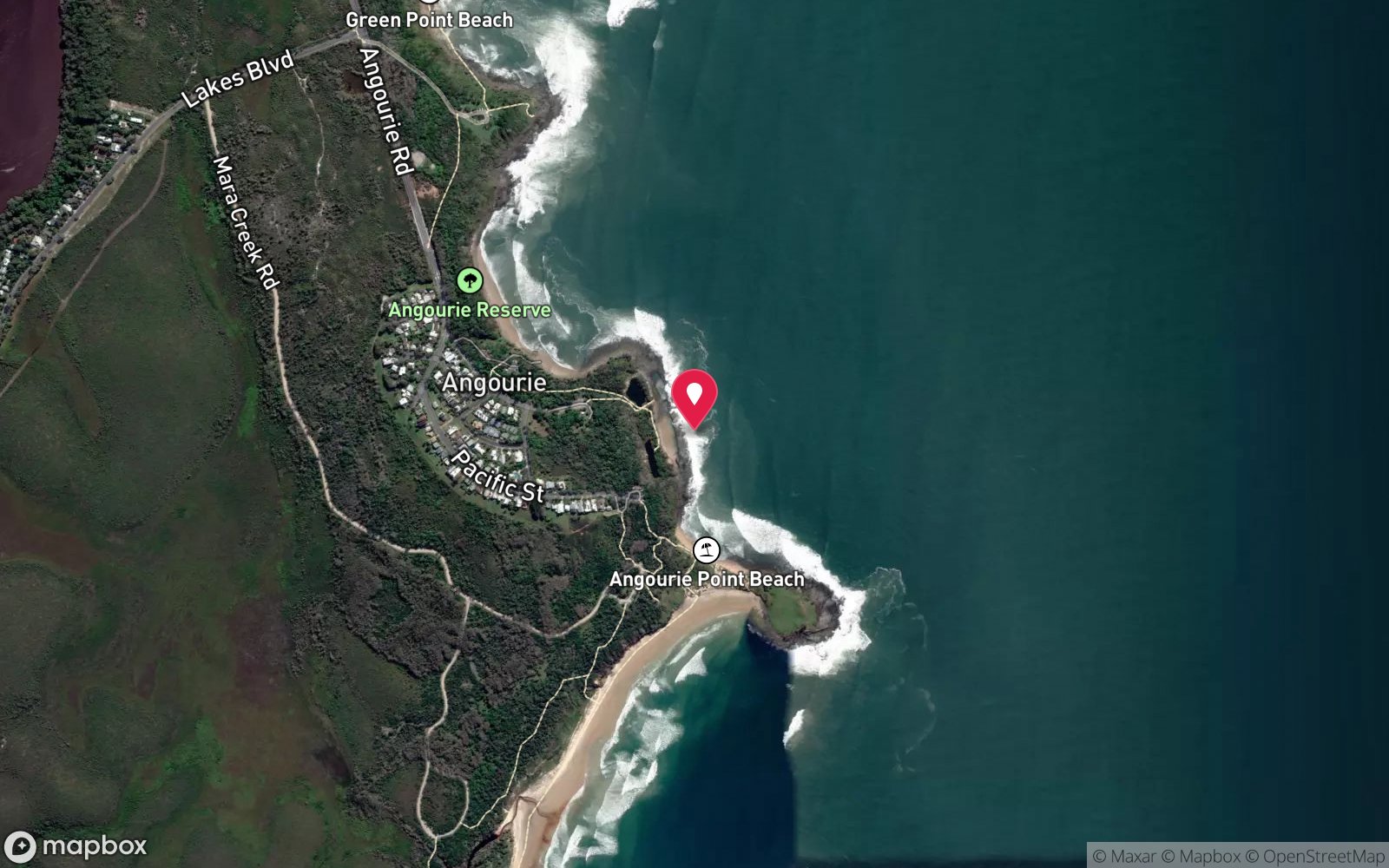
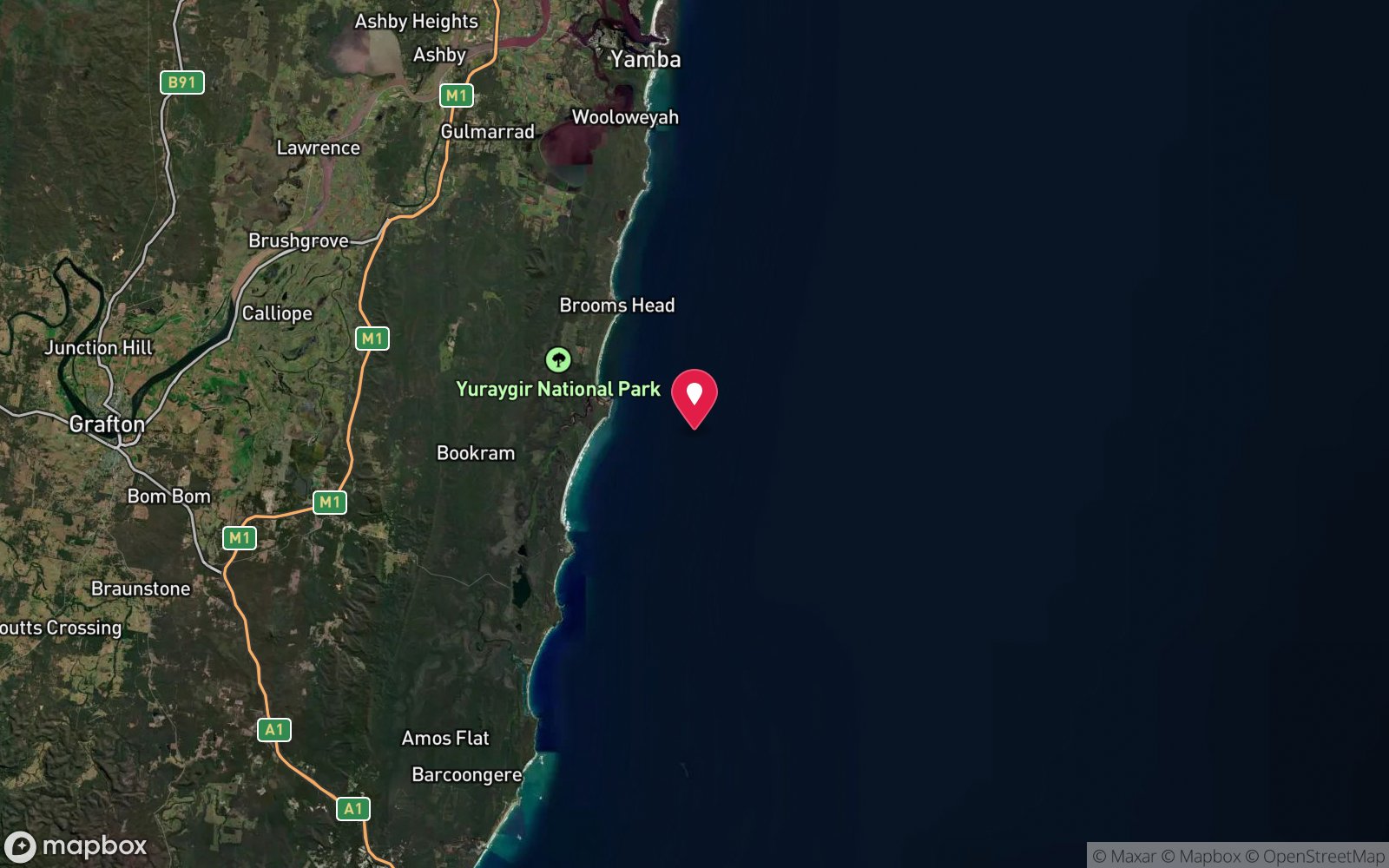
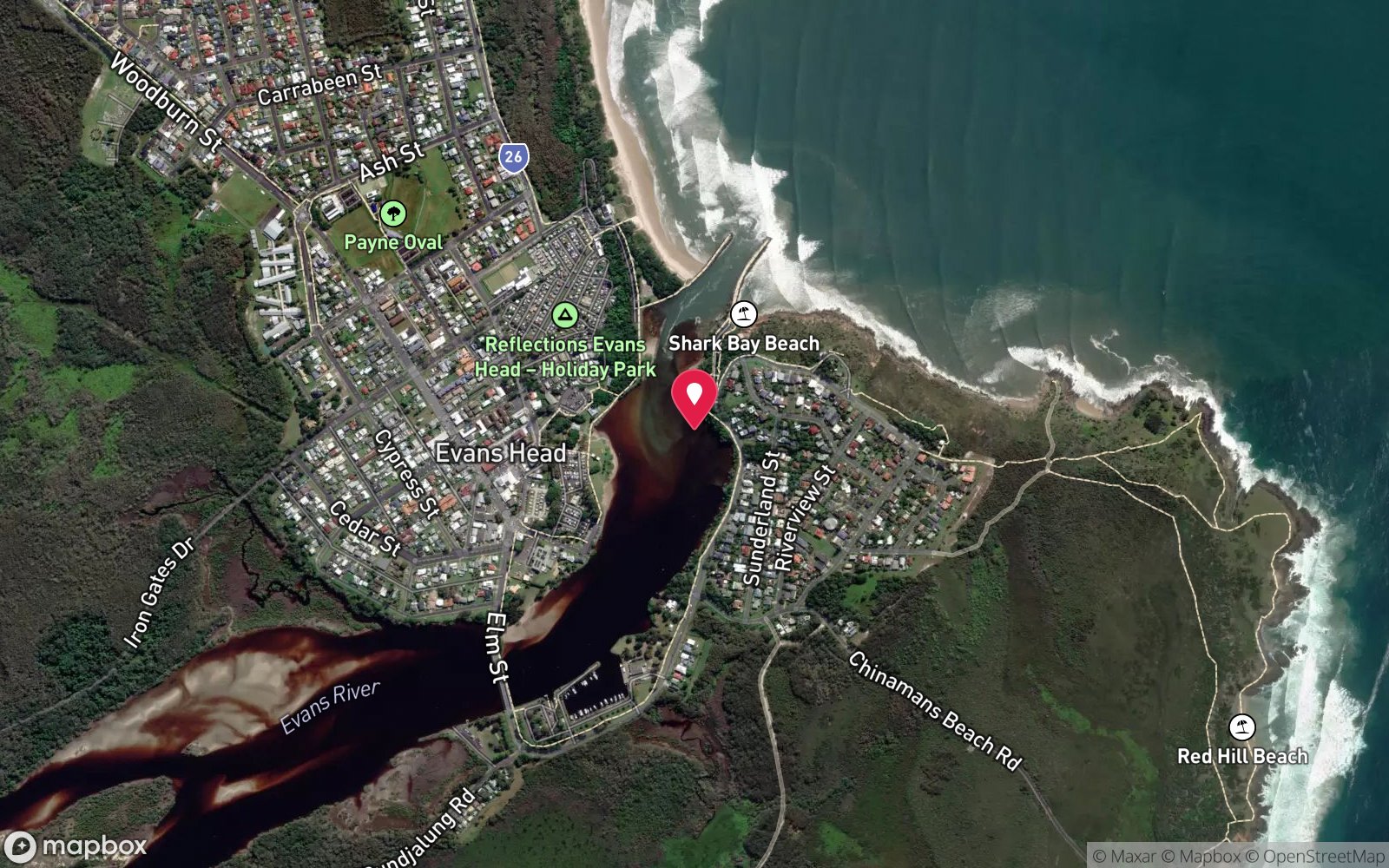
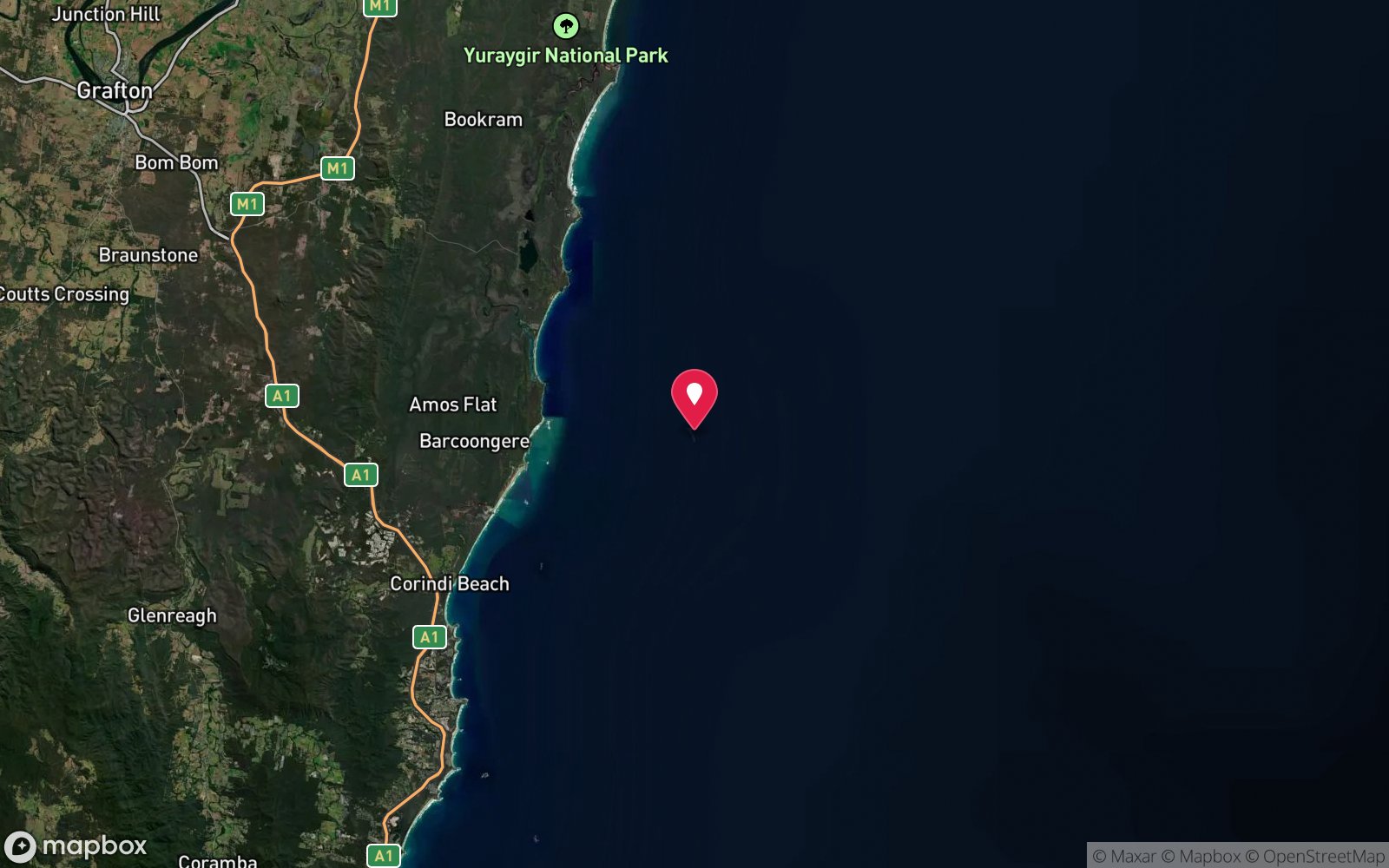
7 pinned sites. Pins marked approximate on their pages show the general area only; not for navigation.
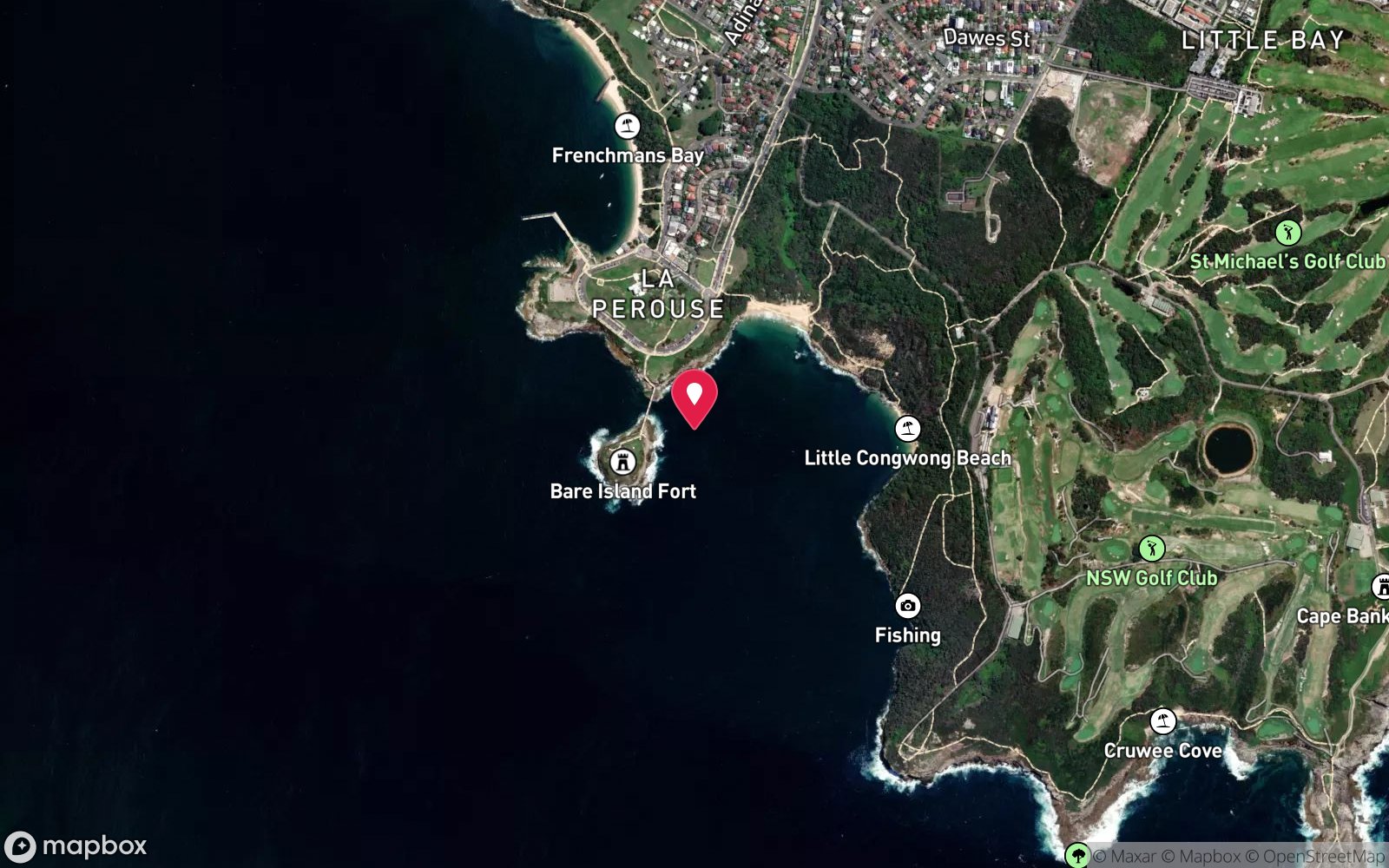
Satellite views
Angourie Point / Green Point reef: frequently asked questions
How deep is Angourie Point / Green Point reef?
Angourie Point / Green Point reef reaches a maximum depth of 14 m, with the shallowest part at about 3 m; most of the dive is spent around 8 m.
What certification do I need to dive Angourie Point / Green Point reef?
Advanced Open Water is the recommended minimum. Rated advanced because of surge on the entry or in the shallows, boat traffic overhead.
Can I shore dive Angourie Point / Green Point reef?
Experienced divers do dive Angourie Point / Green Point reef from the shore, but the entry or conditions make it unsuitable for newer divers without local guidance. Entry: Rock entry from the southern corner of Angourie Back Beach, timed between wave sets, mid to high tide.
When is the best time to dive Angourie Point / Green Point reef?
December-March for the warmest water and clearest visibility.
What marine life will I see at Angourie Point / Green Point reef?
Regularly recorded: Blue groper, estuary cod, striped snapper, bream, tarwhine, drummer, sweep, bullseyes, silver trevally, wobbegongs, Port Jackson sharks, nudibranchs and more.
What wetsuit do I need at Angourie Point / Green Point reef?
3-5 mm full suit.
How cold is the water at Angourie Point / Green Point reef?
Typically 22-26 °C in summer and 19-22 °C in winter.
What are the main hazards at Angourie Point / Green Point reef?
Significant surge and longshore current; sharp basalt outcrops and slippery rocks; boat traffic near the point; poor visibility after rain or swell; explicitly not a beginner site. See the hazards section above for the full list.
Where is the nearest recompression chamber to Angourie Point / Green Point reef?
Gold Coast University Hospital (Southport) hyperbaric unit; Wesley Hospital (Brisbane) for complex cases. In an emergency call 000, then DAN Asia-Pacific on 1800 088 200.
Diving in Yamba & Iluka
The Clarence River mouth splits Yamba and Iluka, and both have breakwall and reef dives on the rising tide, plus the Iluka Bluff and the offshore Solitary-style reefs of the Yamba coast. The area is quiet and locally dived.
Getting there: Three hours south of Brisbane. Shore entries at the breakwalls; occasional charters from Yamba.
Sources
Data confidence: Medium. Last updated September 2026. Know this site better? How to send a correction
Nearby dive sites
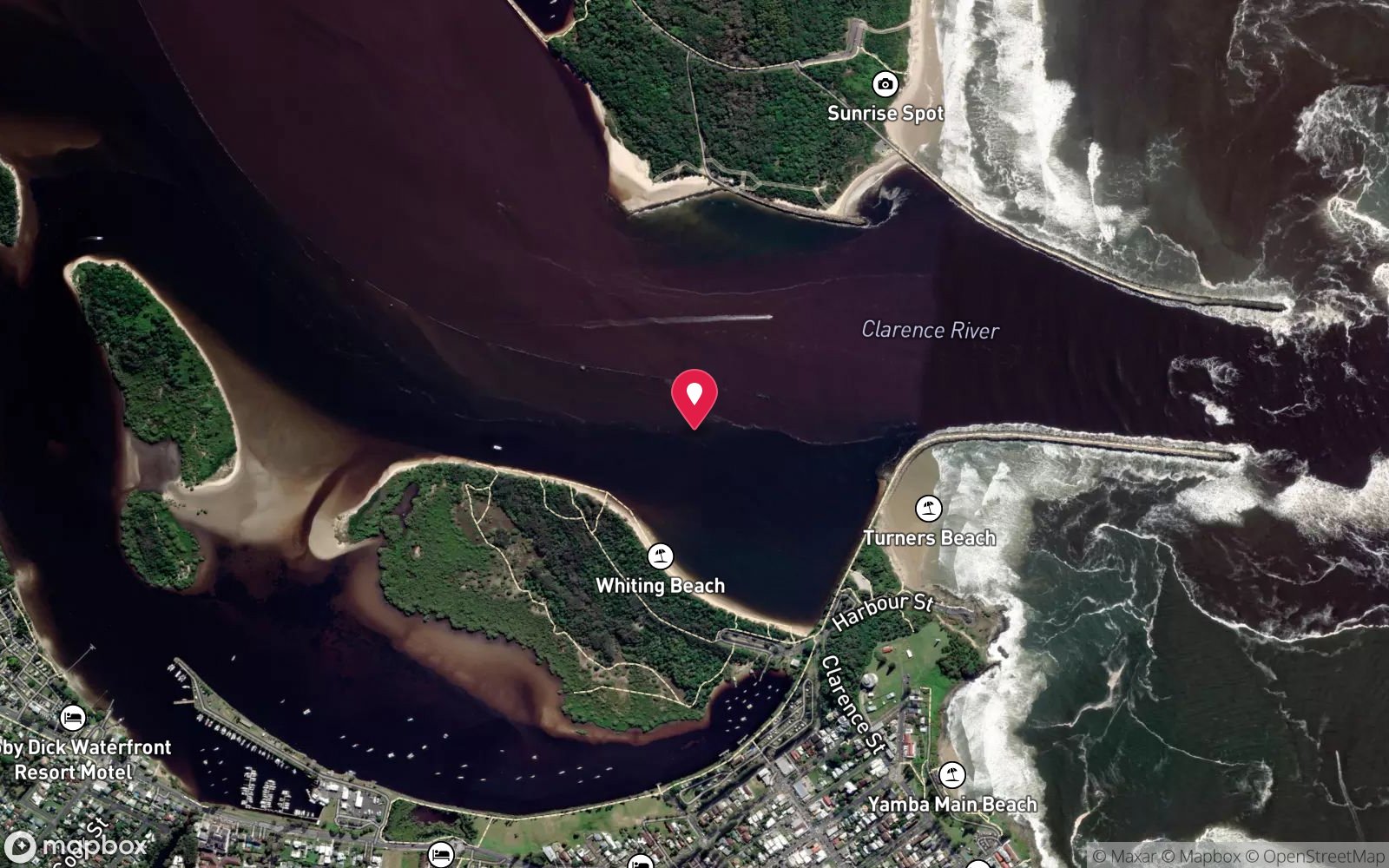
More shore/rock platform dives in New South Wales
Explore more
This region
Marine life