Dive slate · divesites.com.au · printed 7 Nov 2026
North Solitary Island – Fish Soup
Coffs Harbour & Solitary Islands, New South Wales · near Wooli
| Depth | 8–22 m |
|---|---|
| Minimum level | Advanced Open Water |
| Difficulty | Intermediate |
| Access | Boat (day trip) |
| Entry | Giant stride from the Wooli Dive Centre boat, negative entry if current is running |
| Current | Moderate |
| Visibility | 15-25 m |
| Water | summer 24-26 °C, winter 19-21 °C |
| Suit | 3-5 mm full suit |
| Best season | Year-round when the current and swell allow access |
| Bottom time | 40 min |
| Position | -29.92700, 153.39200 (approximate) |
| Permit | Cape Byron Marine Park / Solitary Islands Marine Park zoning applies – check current sanctuary/habitat protection zone boundaries before diving or spearfishing |
| Nearest chamber | Prince of Wales Hospital (Randwick, Sydney) |
| Emergency | 000 · DAN Asia-Pacific diving emergency 1800 088 200 |
North Solitary Island – Fish Soup
A small point where an extraordinary density of fish concentrates in the current — one of the most photogenic schooling-fish spots in the Solitary Islands Marine Park when it is accessible.
Near Wooli · Coffs Harbour & Solitary Islands, New South Wales
- Depth
- 8–22 m
- Minimum level
- Advanced Open Water
- Access
- Boat (day trip)
- Boat ride
- ~75 min
- Water
- 24-26 °C
- Visibility
- 15-25 m
North Solitary Island – Fish Soup8–22 m · Advanced Open Water
Dive factsDepths, conditions, location & safety
Season
In season nowBest months: year-round.
Year-round when the current and swell allow access
- Best months
- Now (November)
- Stinger suit Nov–May
Dive facts
- Depth
- 8–22 m
- Typical depth
- 15 m
- Certification
- Advanced Open Water
- Difficulty
- Intermediate
- Depth tier
- Advanced Open Water (18–30 m)
- Access
- Boat (day trip)
- Offshore
- 27 km
- Dive centre needed
- Yes – boat access only
- Shore / independent
- No
- Boat ride
- ~75 min
- Current
- Moderate
- Visibility
- 15-25 m
- Water temp (summer)
- 24-26 °C
- Water temp (winter)
- 19-21 °C
- Water
- Subtropical
- Bottom time
- 40 min
- Dive traffic
- Rarely dived (private boat/club only)
- Night dive
- Possible
- Snorkel friendly
- No
Exposure suit
3-5 mm full suit
Location
North Solitary Island · NSW North Coast – Wooli
-29.92700, 153.39200
Approximate position — not for navigation.
Open in Google MapsPrimary source: jettydive.com.auMarine park & permits
Cape Byron Marine Park / Solitary Islands Marine Park zoning applies – check current sanctuary/habitat protection zone boundaries before diving or spearfishing
Nearest recompression chamber
Prince of Wales Hospital (Randwick, Sydney)
Diving emergency: call 000, then DAN AP 1800 088 200.
Trip planner
Build a trip around North Solitary Island – Fish Soup →
A day-by-day plan for Coffs Harbour & Solitary Islands with this site locked in.
This guide is a planning aid. Conditions change daily — confirm with a local dive centre and dive within your training. Data & safety notes.
Dive profile
How this site rates
Scores are computed from the recorded data, not opinions. How?
At a glance
North Solitary Island – Fish Soup is a reef boat dive in Coffs Harbour & Solitary Islands, NSW, 8–22 m, suited to Advanced Open Water divers, moderate current, about 75 minutes by boat.
Rated intermediate because of depth beyond 18 m.
Why dive here
- A small point where an extraordinary density of fish concentrates in the current — one of the most photogenic schooling-fish spots in the Solitary Islands Marine Park when it is accessible.
- A photographer's site: bring a macro lens or a wide-angle depending on the season.
- Rarely dived: expect to have the site to yourself, and plan your own logistics.
- Visibility often reaches 15-25 m.
Conditions to avoid
- Outgoing tide or run-off after rain (poor visibility)
- Cyclone season (roughly December–April)
About North Solitary Island – Fish Soup
Fish Soup is a small but intensely productive point on North Solitary Island, named with typical local bluntness for the sheer density of fish that pack into one compact area here, drawn by the way the point channels current and creates a feeding and shelter zone in what is otherwise open, current-swept water. Wooli Dive Centre, the only operator with regular access to the site, is candid that it is not always diveable — the same current that makes the fish life so spectacular can also make the site unworkable on a given day — but rates it as well worth the wait when conditions line up. When the site is on, divers report an almost overwhelming concentration of fish in a small area: large schools of bullseyes, sweep and trevally pack into the lee of the point, kingfish and mulloway move through hunting the baitfish, and grey nurse sharks are seen here as they are elsewhere around North Solitary Island, using the current-swept structure in much the same way they use the gutters at South Solitary Island further south.
Turtles pass through the area as well, and the general reef structure — rock ledges and low gutters in 8 to 22 m — supports typical resident species even when the current is too strong for the big schooling spectacle to be at its best. Because Fish Soup depends so heavily on getting the tide and current right, it is usually worked into a longer day at North Solitary Island alongside the more reliably diveable Anemone Bay, with the operator making a call on the day about which sites are workable. The site sits within the same 75-minute-each-way boat commitment from Wooli as the rest of North Solitary Island, and divers should be comfortable with moderate current and a negative or fast entry if conditions demand it, since Fish Soup's appeal is inseparable from the current that creates it.
Getting there & entry
A point on North Solitary Island where fish concentrate in remarkable numbers to feed and shelter from the current and swell, not always accessible but exceptional when conditions allow.
Wooli Dive Centre is the only operator serving this section of coast and departs from the Wooli River wharf in the small village of Wooli, reached via Wooli Way off the Pacific Highway/Grafton-Wooli Road. The river mouth has a shallow, shifting bar that the operator's purpose-built jet-propulsion vessel (able to run in very shallow water) is specifically equipped to cross; private trailer boats should not attempt this bar without strong local knowledge. From the wharf it is roughly 25 minutes to North Solitary Island's southern sites and up to 90 minutes to Pimpernel Rock in the north of the marine park, weather dependent.
Wooli Dive Centre requires a minimum group size (around six divers) to run a charter to the more remote sites.
Entry: Giant stride from the Wooli Dive Centre boat, negative entry if current is running
Weather, swell & tides
North Solitary Island and Pimpernel Rock sit fully in the open ocean north of the more sheltered Coffs Harbour grounds, so trips depend on a genuinely settled weather window — under about 1.5 m swell and light-to-moderate winds — and are cancelled more often than the South Solitary Island trips run from Coffs. The Wooli River bar itself is shallow and can be dangerous in a big swell or a strong outgoing tide; the dive centre's shallow-draft, high-powered vessel is built specifically to manage it, but the bar can still close the operation down on a bad day. Visibility offshore is normally excellent, in the order of 15-30 m, but summer brings warmer water (up to 25°C) with more current from the East Australian Current, while winter is cooler (down to about 18-19°C) but often calmer.
Cyclone-influenced swells from the Coral Sea can affect this coast in late summer/early autumn even without a direct cyclone hit.
Best season: Year-round when the current and swell allow access
How the dive is usually run
Descend directly onto the point, hold position in the lee of the rock structure to observe the fish schools rather than swimming hard against any current, and work the edges of the current line where the density of fish is greatest before ascending.
Marine life
- Massive schools of bullseyes
- sweep and trevally
- kingfish
- mulloway
- grey nurse sharks →
- turtles →
Linked species have their own page listing every site where they are recorded. All marine life →
Training required
Beyond 18 m an Advanced certification (which includes a deep dive to 30 m) is the accepted minimum. Anything past 25 m is a deep dive in practice.
Depth tiers: 0–10 m easy · to 18 m Open Water · 18–30 m Advanced (25 m+ is a deep dive) · 30–40 m Deep specialty · 40 m+ technical. All courses
Hazards & warnings
Current-dependent access — can be too strong to dive safely; negative/fast entries may be required; long boat commitment from Wooli.
Dive centres that go here
Wooli Dive Centre includes Fish Soup on North Solitary Island trips when conditions and the state of the current allow; it is described by the operator as not always accessible.
Operators recorded for North Solitary Island – Fish Soup
Other dive centres in Coffs Harbour & Solitary Islands
Map
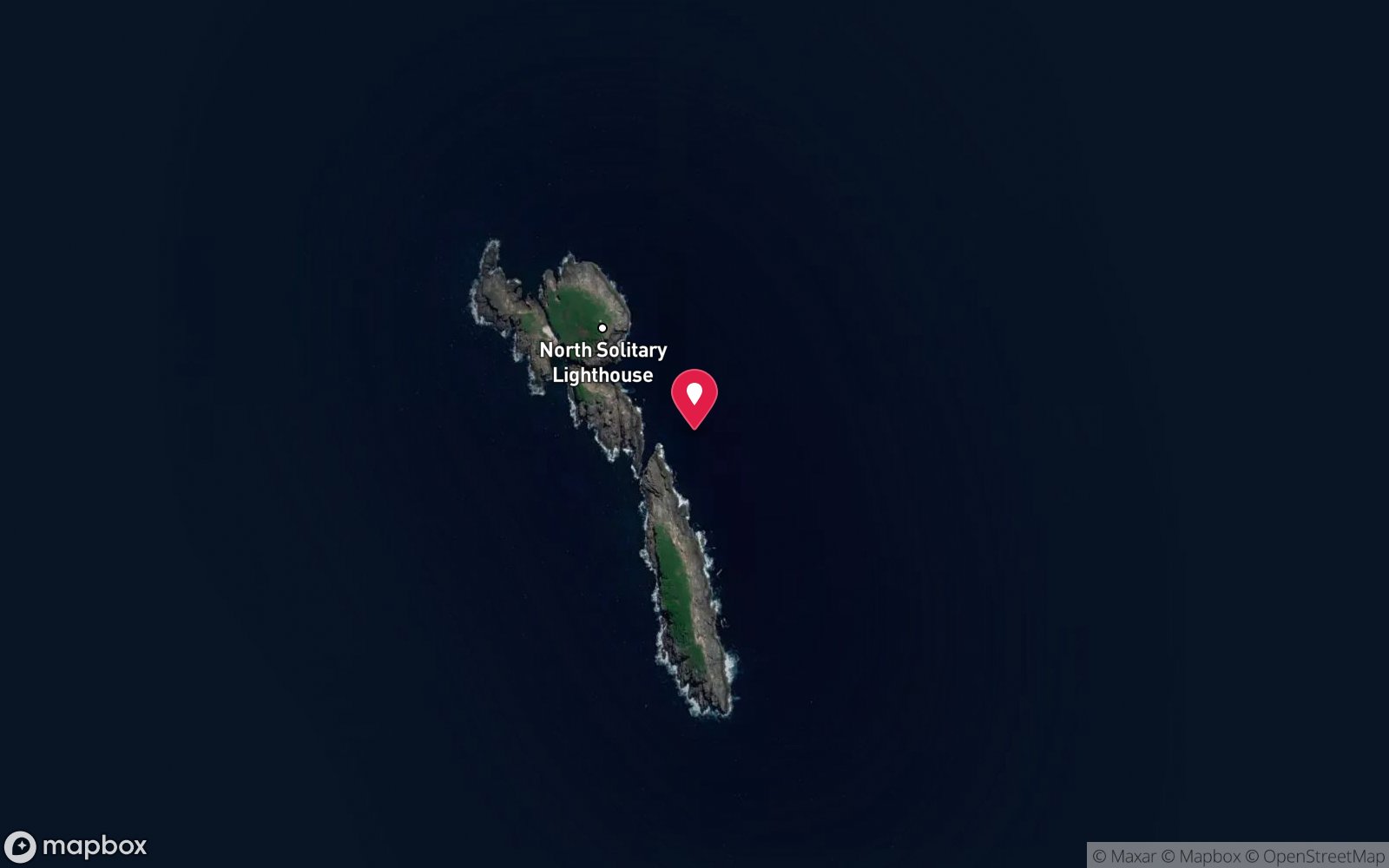
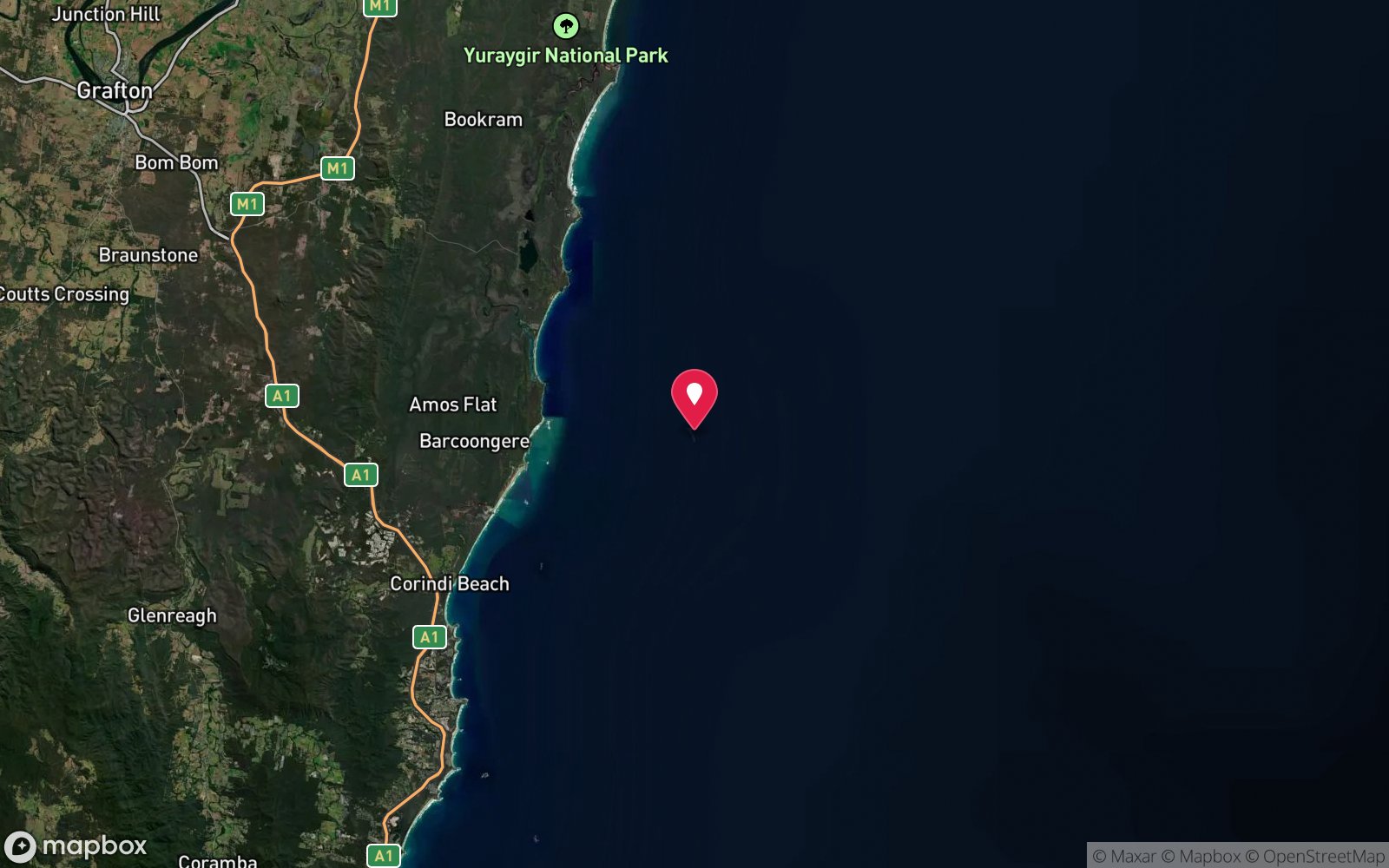
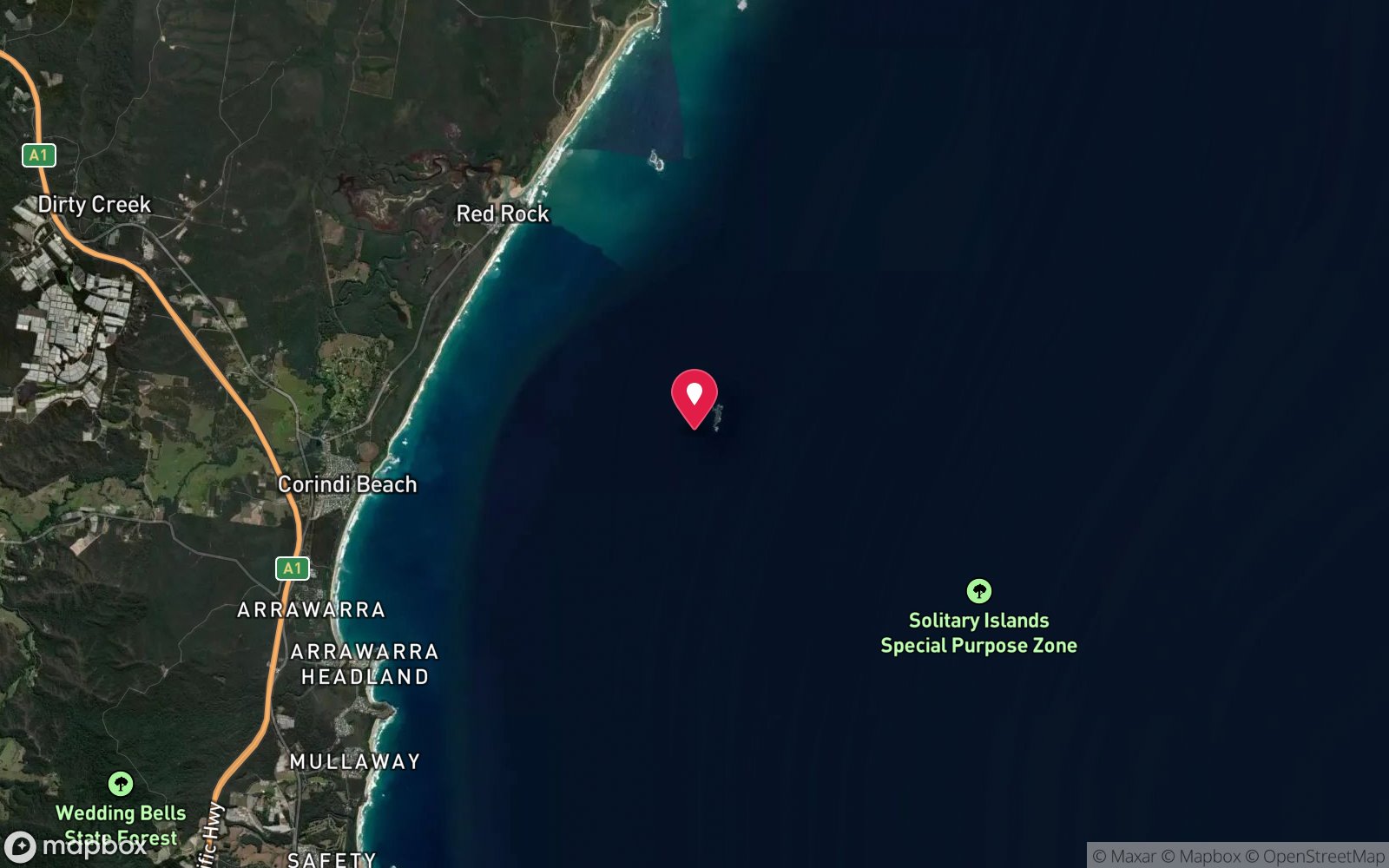
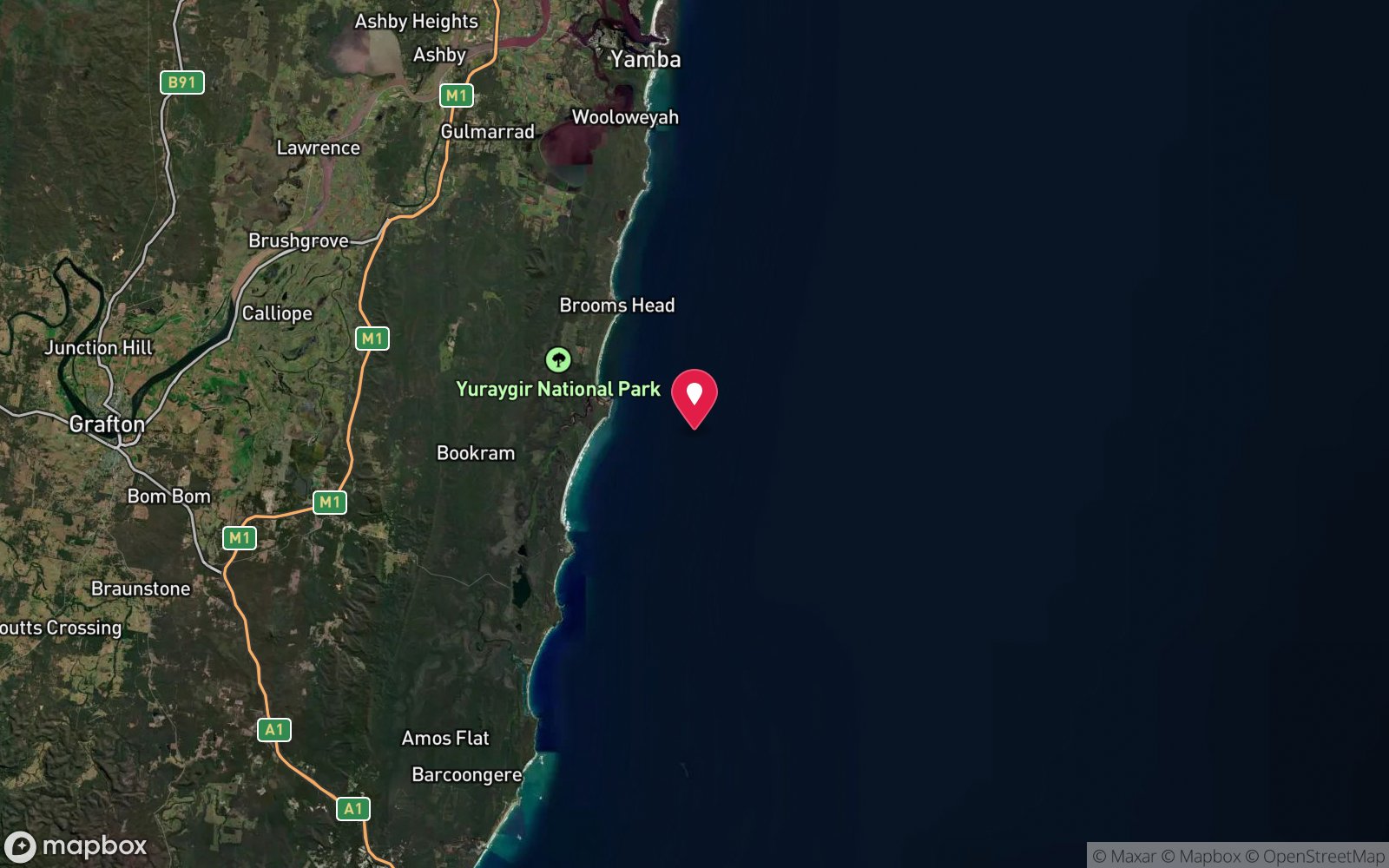
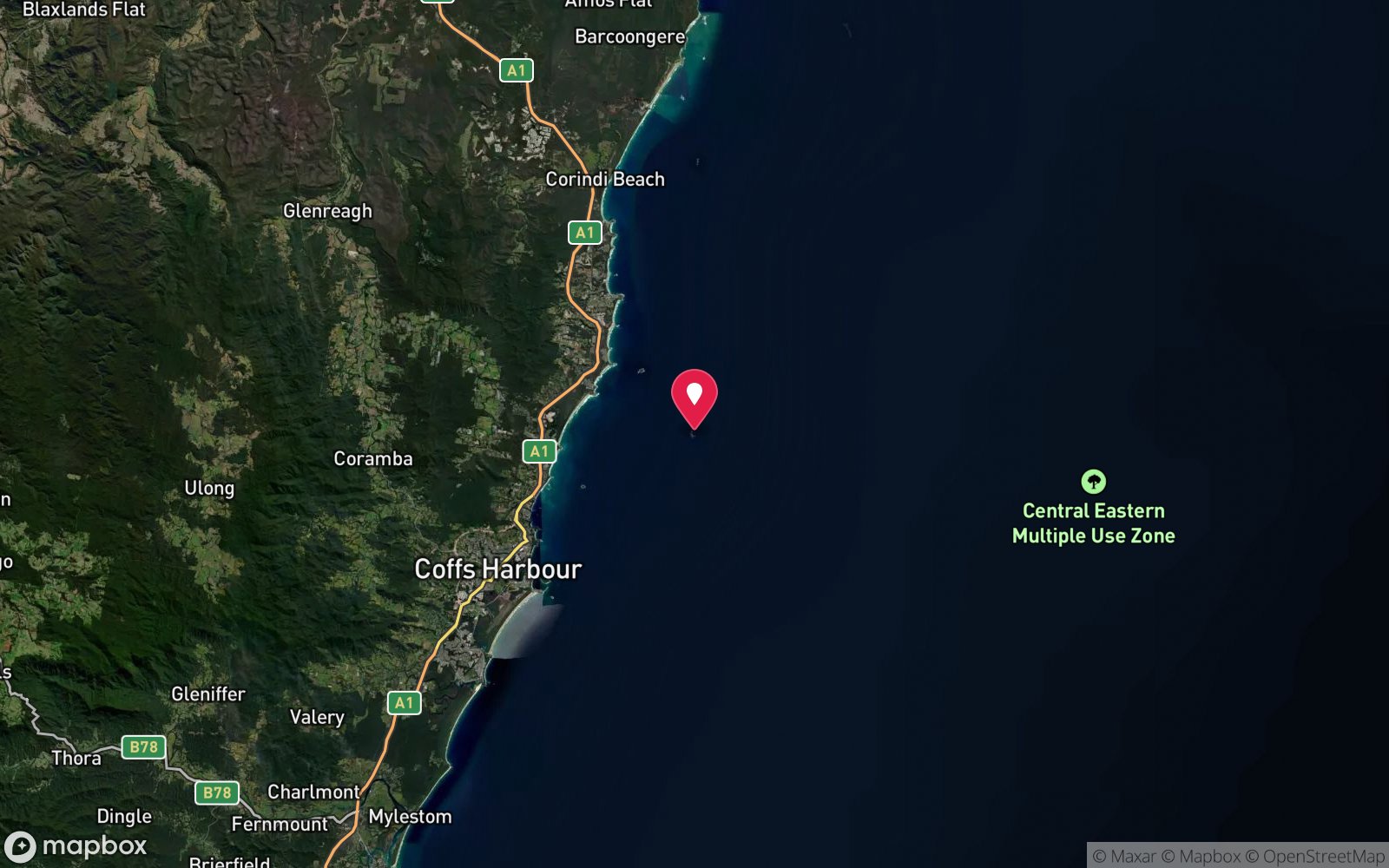
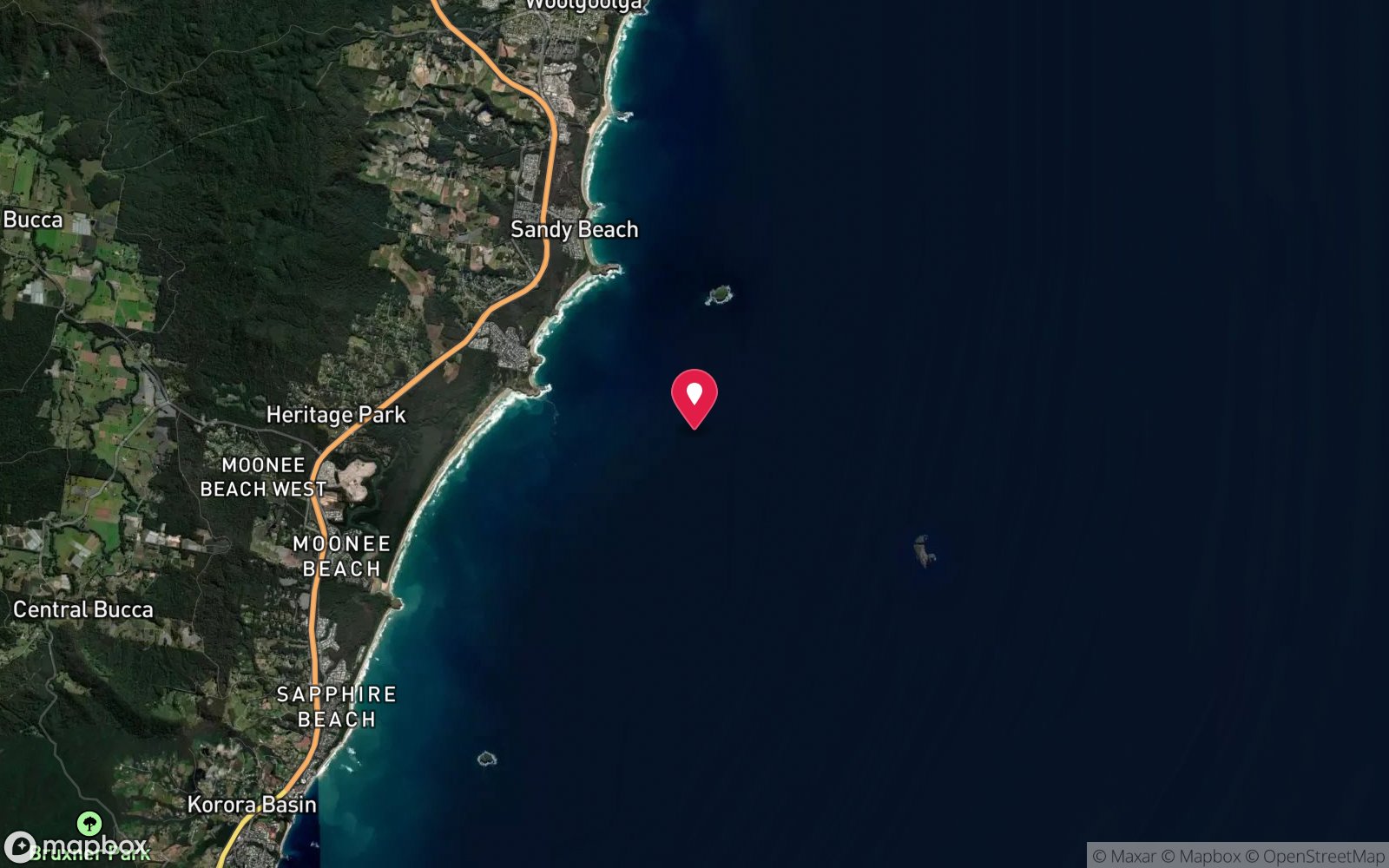
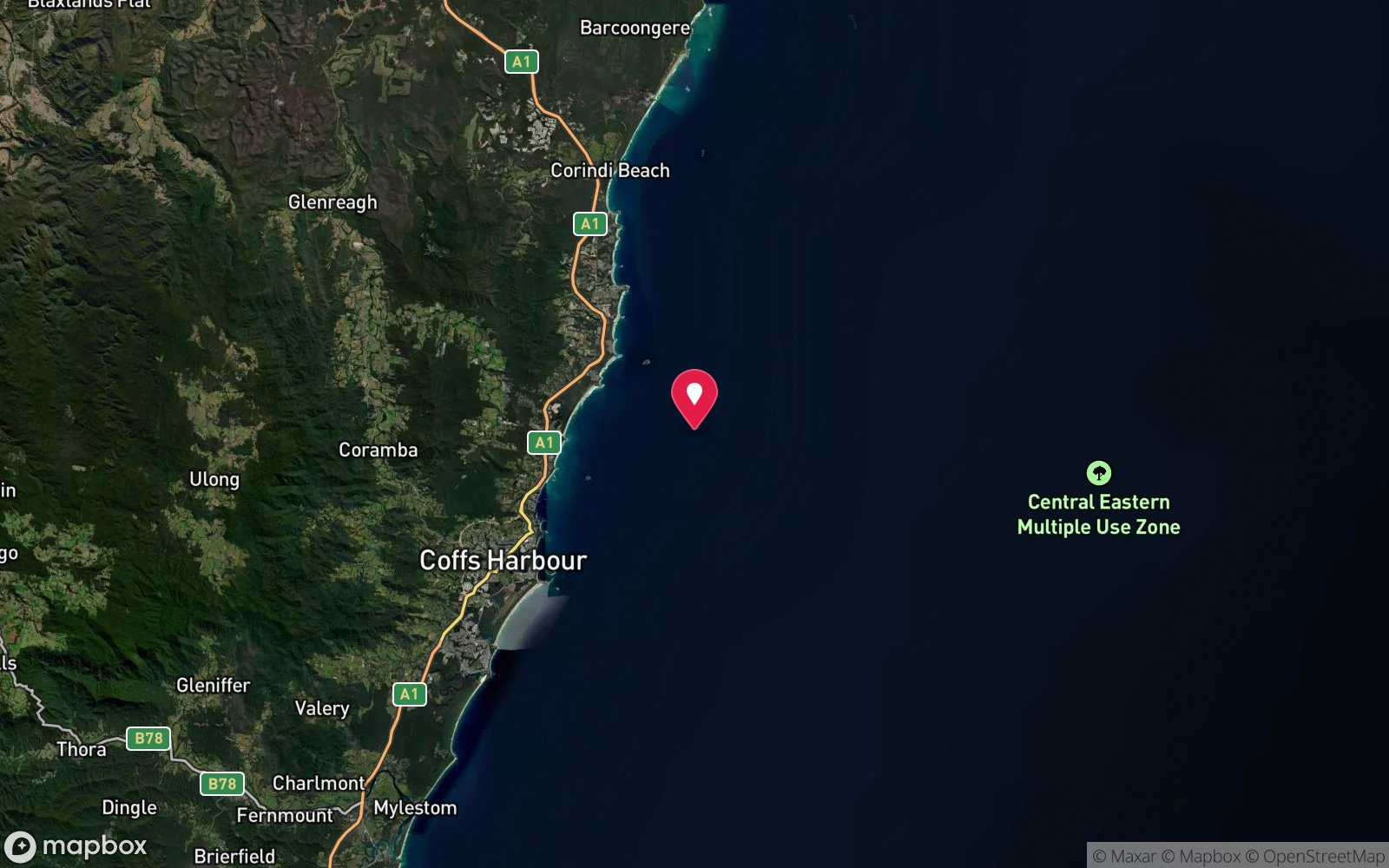
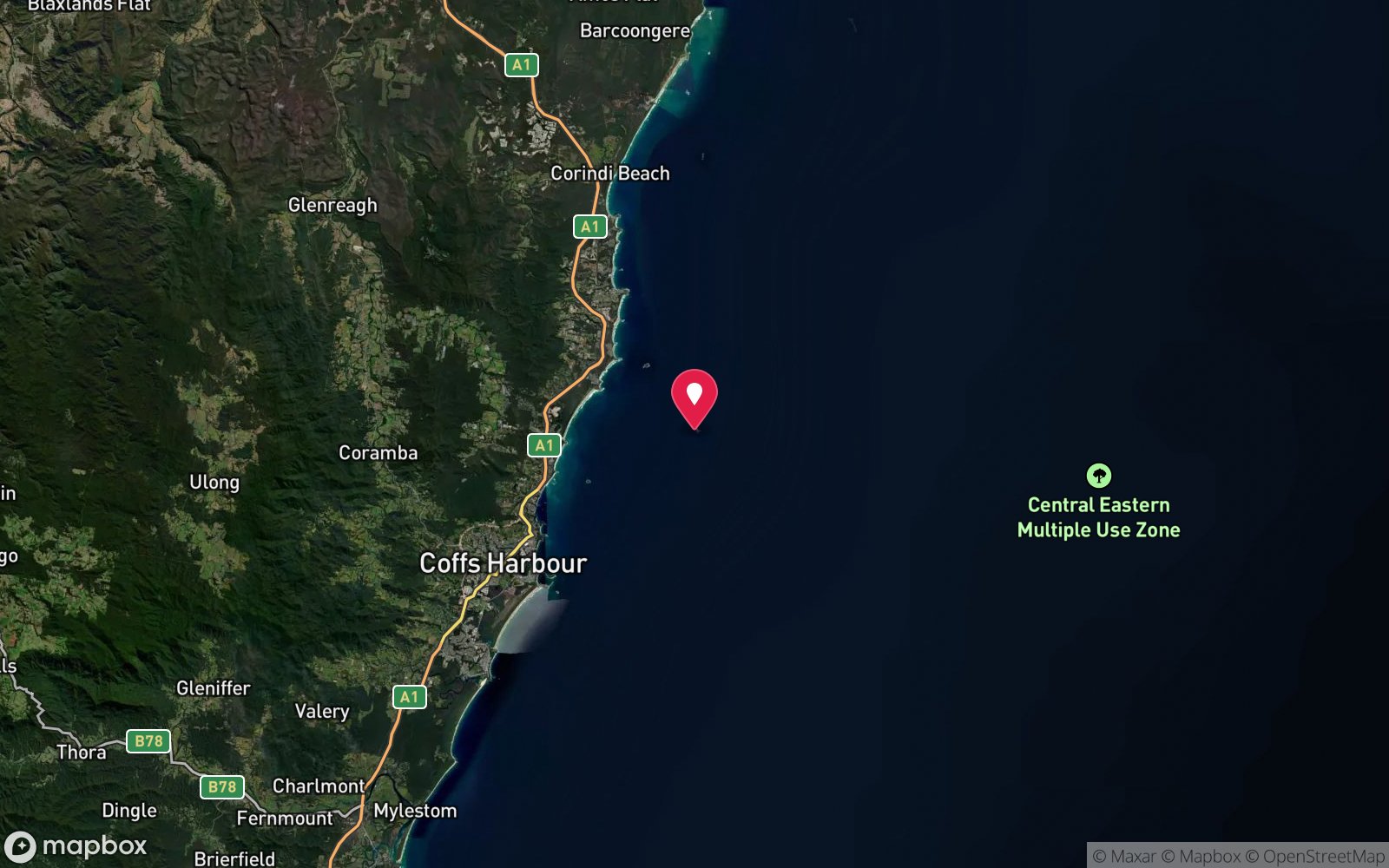
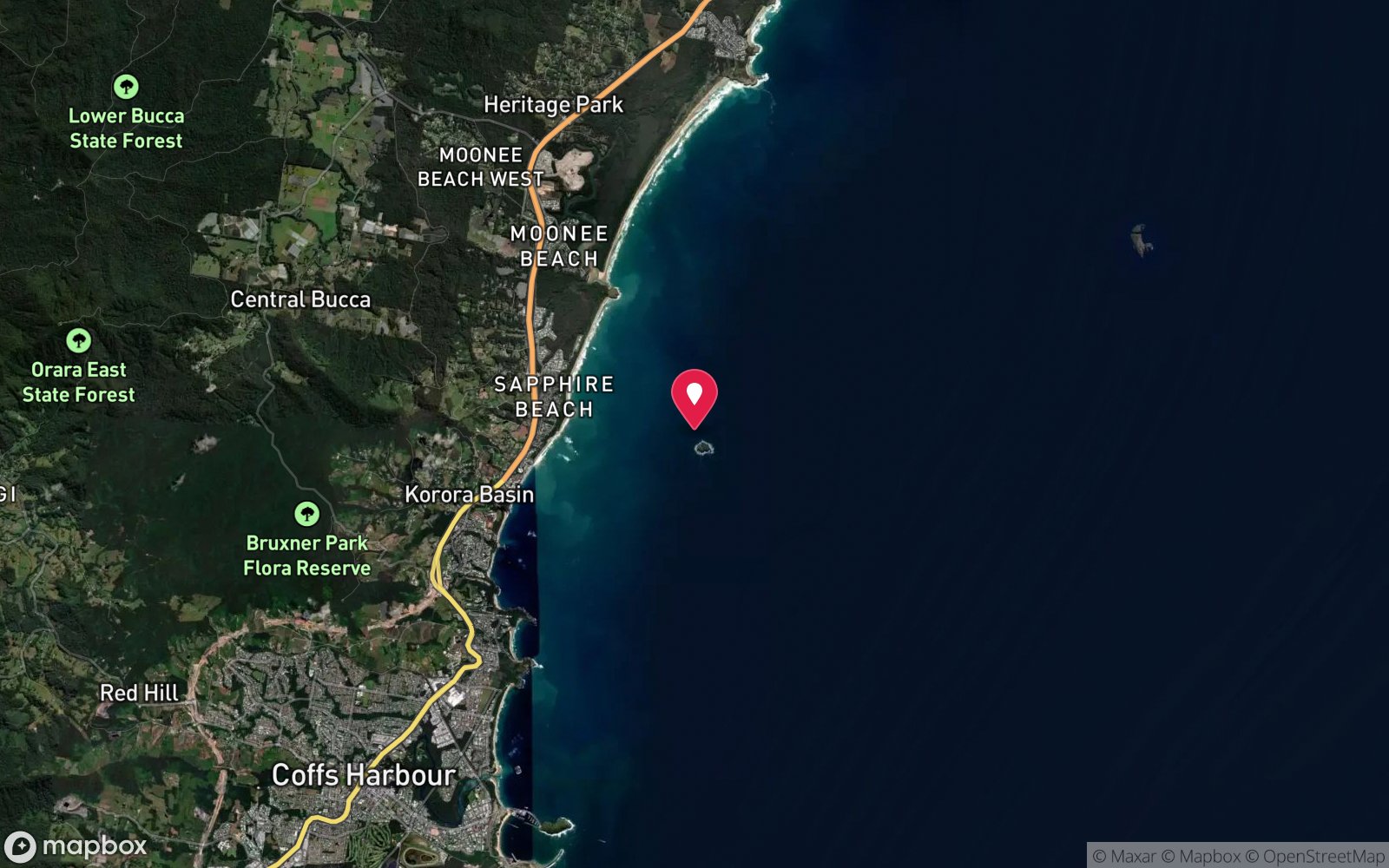
7 pinned sites. Pins marked approximate on their pages show the general area only; not for navigation.
Satellite views
North Solitary Island – Fish Soup: frequently asked questions
How deep is North Solitary Island – Fish Soup?
North Solitary Island – Fish Soup reaches a maximum depth of 22 m, with the shallowest part at about 8 m; most of the dive is spent around 15 m.
What certification do I need to dive North Solitary Island – Fish Soup?
Advanced Open Water is the recommended minimum. Rated intermediate because of depth beyond 18 m.
Can I shore dive North Solitary Island – Fish Soup?
No, it is reached by boat (about 75 minutes). A dive centre is required: boat access only.
When is the best time to dive North Solitary Island – Fish Soup?
Year-round when the current and swell allow access.
What marine life will I see at North Solitary Island – Fish Soup?
Regularly recorded: Massive schools of bullseyes, sweep and trevally, kingfish, mulloway, grey nurse sharks, turtles.
What wetsuit do I need at North Solitary Island – Fish Soup?
3-5 mm full suit.
How cold is the water at North Solitary Island – Fish Soup?
Typically 24-26 °C in summer and 19-21 °C in winter.
What are the main hazards at North Solitary Island – Fish Soup?
Current-dependent access — can be too strong to dive safely; negative/fast entries may be required; long boat commitment from Wooli. See the hazards section above for the full list.
Where is the nearest recompression chamber to North Solitary Island – Fish Soup?
Prince of Wales Hospital (Randwick, Sydney). In an emergency call 000, then DAN Asia-Pacific on 1800 088 200.
Diving in Coffs Harbour & Solitary Islands
The Solitary Islands Marine Park is where the tropics meet the temperate zone: hard corals grow alongside kelp, anemonefish share ledges with blue gropers, and grey nurse sharks, turtles, mantas and leopard sharks all pass through. North Solitary's Anemone Bay has the densest carpet of anemones and clownfish in the country; South Solitary has the lighthouse, Manta Arch and Buchanan's Wall. Split Solitary and North West Solitary are closer in and quieter.
Getting there: Coffs Harbour is a six-hour drive or a one-hour flight from Sydney. Charters leave from Coffs Harbour marina; North Solitary trips run from Wooli or Coffs and take 40–60 minutes each way.
All Coffs Harbour & Solitary Islands dive sites and a suggested itinerary →
Sources
- jettydive.com.au/dive-sites-solitary-islands-marine-park
- jettydive.com.au/diving-the-solitary-islands
Data confidence: Medium. Last updated September 2026. Know this site better? How to send a correction
Nearby dive sites
More reef dives in New South Wales
Explore more
This region