Dive slate · divesites.com.au · printed 7 Nov 2026
Scotts Head reefs
Nambucca & Urunga, New South Wales · near Scotts Head
| Depth | 4–15 m |
|---|---|
| Minimum level | Open Water |
| Difficulty | Intermediate |
| Access | Shore or Boat |
| Entry | Rock platform entry at Scotts Head, surge dependent |
| Current | Mild |
| Visibility | 5-12 m |
| Water | summer 23-26 °C, winter 18-20 °C |
| Suit | 3-5 mm full suit |
| Best season | Calm winter days |
| Bottom time | 40 min |
| Position | -30.74600, 152.99600 (approximate) |
| Permit | Cape Byron Marine Park / Solitary Islands Marine Park zoning applies – check current sanctuary/habitat protection zone boundaries before diving or spearfishing |
| Nearest chamber | Prince of Wales Hospital (Randwick, Sydney) |
| Emergency | 000 · DAN Asia-Pacific diving emergency 1800 088 200 |
Scotts Head reefs
Also known as Scotts Head Point
An uncrowded headland reef at the transition between subtropical and cooler temperate influences, with gutters and kelp on the rare flat day.
Near Scotts Head · Nambucca & Urunga, New South Wales
- Depth
- 4–15 m
- Minimum level
- Open Water
- Access
- Shore or Boat
- Boat ride
- —
- Water
- 23-26 °C
- Visibility
- 5-12 m
Scotts Head reefs4–15 m · Open Water · Shore
Dive factsDepths, conditions, location & safety
Season
Off-peak nowBest months: June, July, August.
Dive facts
- Depth
- 4–15 m
- Typical depth
- 9 m
- Certification
- Open Water
- Difficulty
- Intermediate
- Depth tier
- Open Water (10–18 m)
- Access
- Shore or Boat
- Offshore
- 0.3 km
- Dive centre needed
- Recommended
- Shore / independent
- Possible (experienced only)
- Current
- Mild
- Visibility
- 5-12 m
- Water temp (summer)
- 23-26 °C
- Water temp (winter)
- 18-20 °C
- Water
- Subtropical
- Bottom time
- 40 min
- Dive traffic
- Rarely dived (private boat/club only)
- Night dive
- Possible
- Snorkel friendly
- No
Exposure suit
3-5 mm full suit
Location
Scotts Head · NSW Mid North Coast – Nambucca / Urunga
-30.74600, 152.99600
Approximate position — not for navigation.
Open in Google MapsPrimary source: en.wikipedia.orgMarine park & permits
Cape Byron Marine Park / Solitary Islands Marine Park zoning applies – check current sanctuary/habitat protection zone boundaries before diving or spearfishing
Nearest recompression chamber
Prince of Wales Hospital (Randwick, Sydney)
Diving emergency: call 000, then DAN AP 1800 088 200.
Trip planner
Build a trip around Scotts Head reefs →
A day-by-day plan for Nambucca & Urunga with this site locked in.
This guide is a planning aid. Conditions change daily — confirm with a local dive centre and dive within your training. Data & safety notes.
Dive profile
How this site rates
Scores are computed from the recorded data, not opinions. How?
At a glance
Scotts Head reefs is a reef shore dive for experienced divers in Nambucca & Urunga, NSW, 4–15 m, suited to Open Water divers.
Rated intermediate because of surge on the entry or in the shallows.
Why dive here
- An uncrowded headland reef at the transition between subtropical and cooler temperate influences, with gutters and kelp on the rare flat day.
- Rarely dived: expect to have the site to yourself, and plan your own logistics.
About Scotts Head reefs
Scotts Head, a distinctive small headland jutting out from the coast south of Nambucca Heads, is one of the more prominent natural features on this stretch of the Mid North Coast, and the rocky reef around its point offers an uncrowded, if lightly documented, shore dive on the days when swell allows a safe entry. The headland's two flanks give some flexibility in choosing a sheltered entry point depending on wind and swell direction, a genuine practical advantage over the single-aspect entries found at many other Mid North Coast rock platforms. The reef itself follows the transitional character typical of this coast, where subtropical species from the north overlap with the beginnings of cooler temperate influences further south: wobbegong sharks and blue groper share the same gutters as kelp beds and kelp-associated fish more typical of southern NSW reefs, giving Scotts Head a slightly different flavour to the purely subtropical sites further north around Coffs Harbour and Byron Bay.
Turtles pass through on occasion, and bull rays work the sandier pockets between rocky sections. As with most headland reefs along this coast, the practical challenge is access rather than the underwater environment itself: Scotts Head has no dive shop, no boat ramp suited to a dedicated charter, and its exposed position means only a settled weather window makes a shore entry sensible. Divers considering Scotts Head should have solid rock-entry and exit experience, check the swell forecast from multiple directions given the headland's exposure, and treat this as an exploratory, locally-guided dive rather than a bookable destination.
Getting there & entry
Rocky reef around Scotts Head headland, a small peninsula south of Nambucca Heads jutting further out to sea than most of the surrounding coast, diveable from shore on flat days or occasionally by boat.
Drive to Scotts Head village, south of Nambucca Heads via Scotts Head Road, and park near the headland reserve; a short walk leads to the rock platform on the more sheltered side of the point, the best entry option depending on swell direction. There is no dedicated dive-boat ramp at Scotts Head itself; a boat visit would need to launch from Nambucca Heads or Grassy Head and run down or up the coast.
Entry: Rock platform entry at Scotts Head, surge dependent
Weather, swell & tides
This stretch of coast between Coffs Harbour and Nambucca has no offshore islands comparable to the Solitary Islands and no resident dive centre, so all diving is shore-based and depends on swell and river/creek flow rather than a boat weather window. The Nambucca and Bellinger/Kalang river systems periodically flood their catchments and brown the inshore water for several days to a week; check recent rainfall before planning a trip. Winter (May-Oct) gives cooler, generally clearer water; summer brings warmer water and more juvenile tropical recruitment into the river systems.
Because Scotts Head projects further seaward than the surrounding coastline, it is exposed to swell from a wide range of directions, and a shore entry needs a genuinely settled day; the headland's two sides give some choice of a sheltered entry point depending on wind and swell direction.
Best season: Calm winter days
If it's blown out
Sheltered or shore sites within 25 km that often work when Scotts Head reefs doesn't.
- Bait Reef (Trial Bay) · 16 km · Max 10 m
- Gaol Reef / Turtle Wall (Trial Bay) · 16 km · Max 10 m
- Ladies Reef (South West Rocks) · 16 km · Max 10 m
- Shelly Beach (Nambucca Heads) · 10 km · Max 12 m
How the dive is usually run
Enter from the more sheltered side of the headland on a calm day, work the gutters and kelp-fringed rock at 4-9 m, extend to the deeper ledges at 12-15 m if conditions allow, and return to the same entry point.
Marine life
- Wobbegongs →
- blue groper →
- turtles →
- bull rays
- kelp fish
- nudibranchs →
Linked species have their own page listing every site where they are recorded. All marine life →
Training required
Within the 18 m limit of an entry-level certification.
Depth tiers: 0–10 m easy · to 18 m Open Water · 18–30 m Advanced (25 m+ is a deep dive) · 30–40 m Deep specialty · 40 m+ technical. All courses
Hazards & warnings
Significant swell exposure from multiple directions; surge and entry/exit hazards on the rock platform; no local dive-shop support.
Dive centres that go here
No dedicated charter; dived by local shore divers and occasional private boats on calm days.
Map
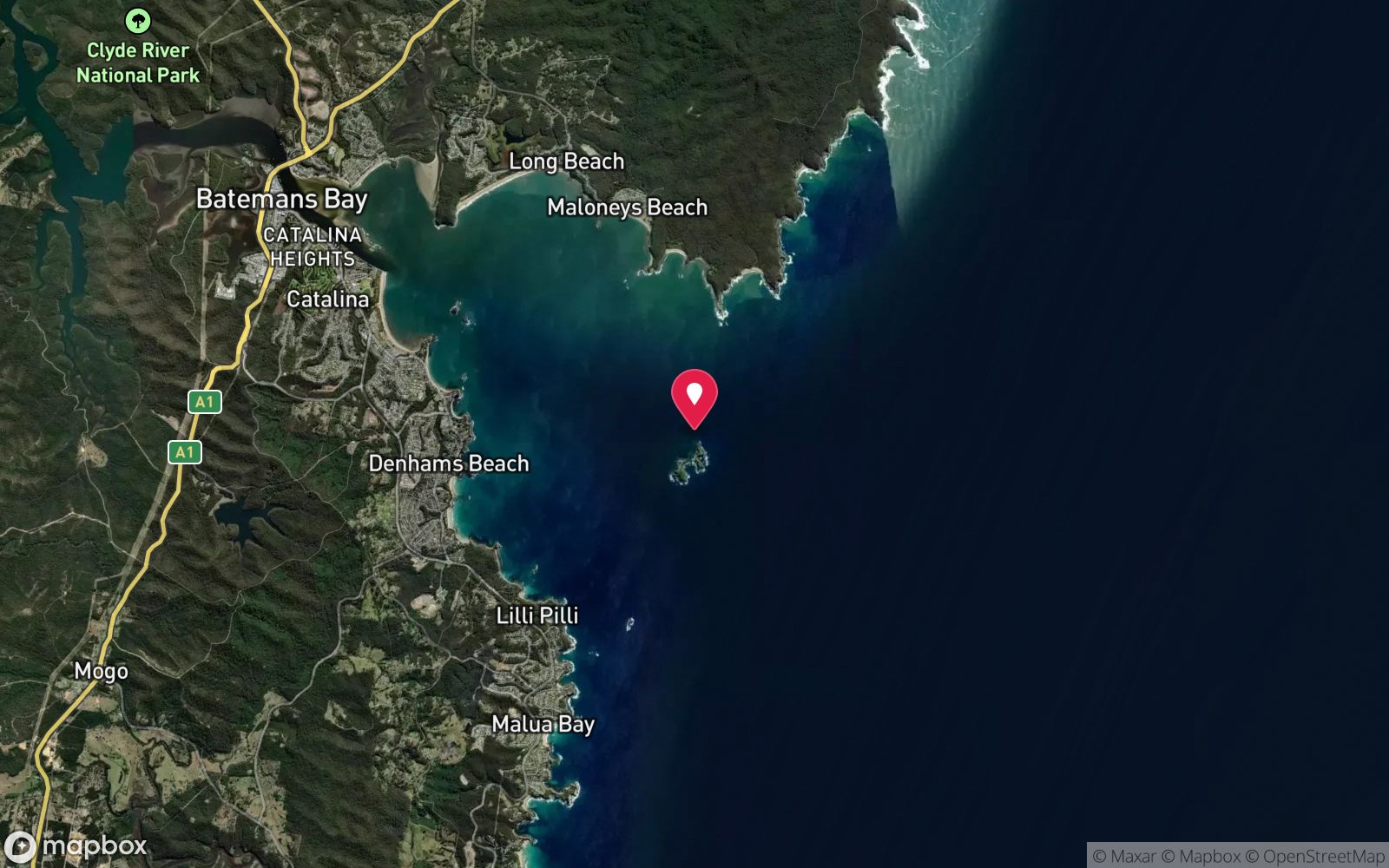
7 pinned sites. Pins marked approximate on their pages show the general area only; not for navigation.
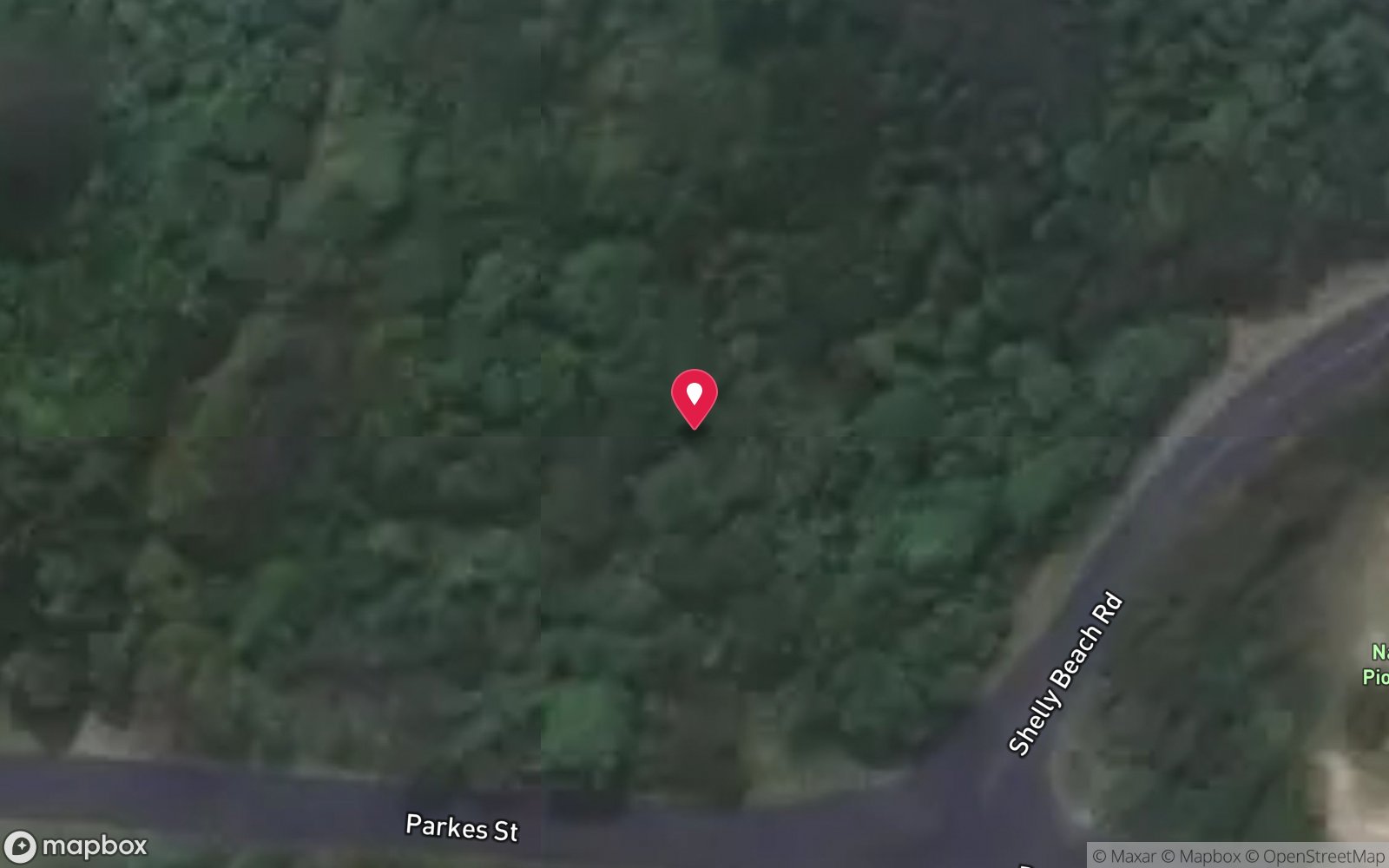
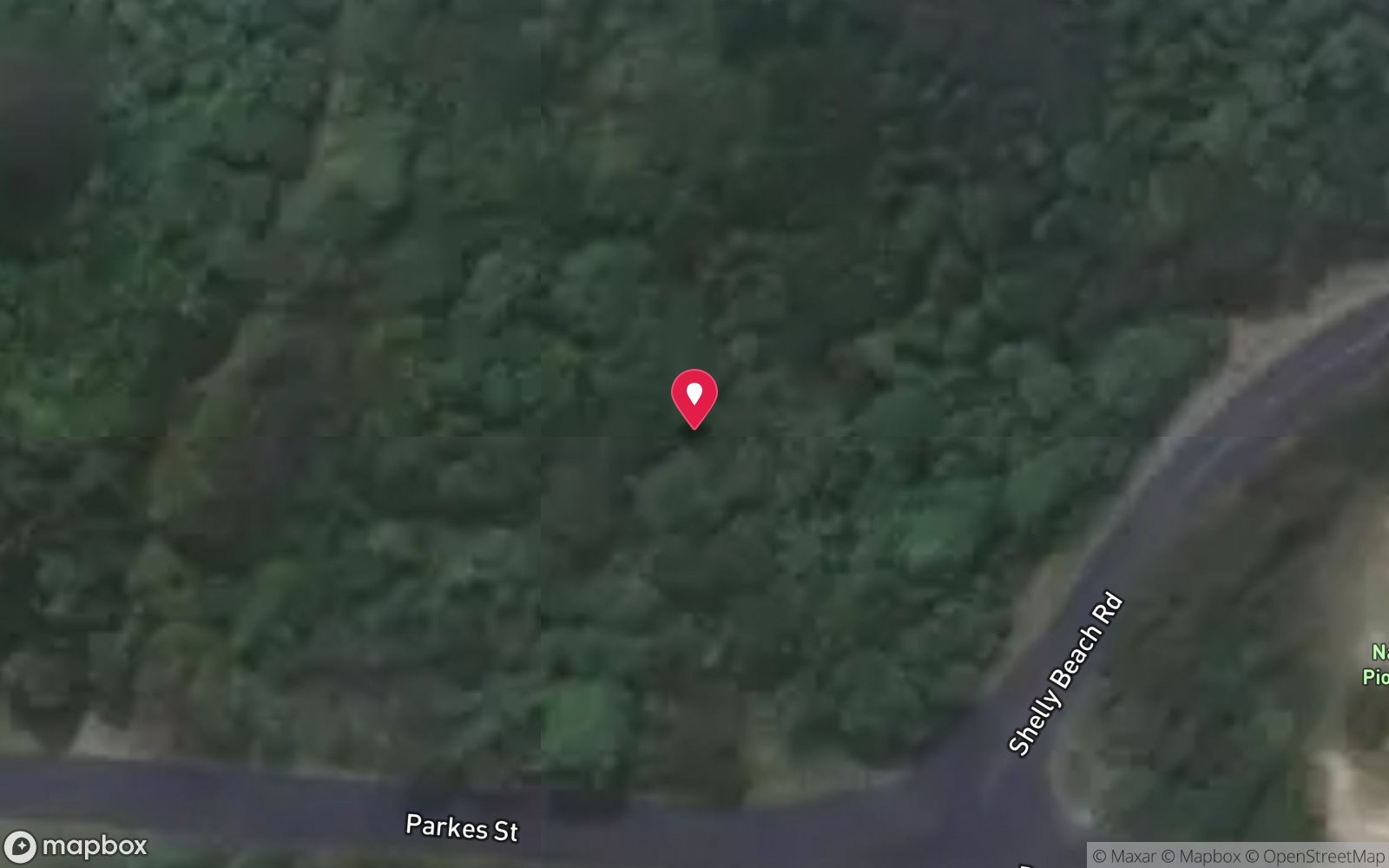
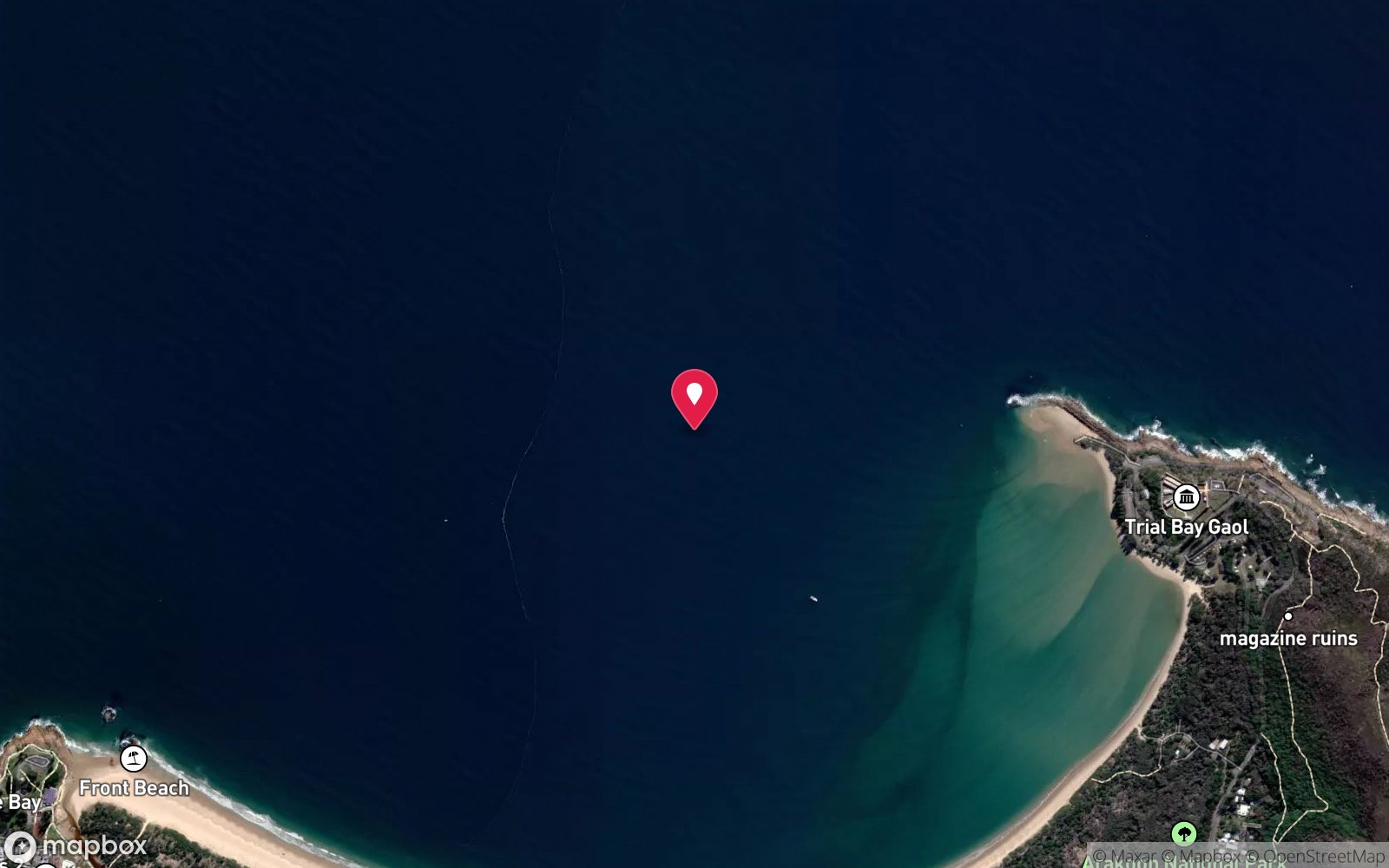
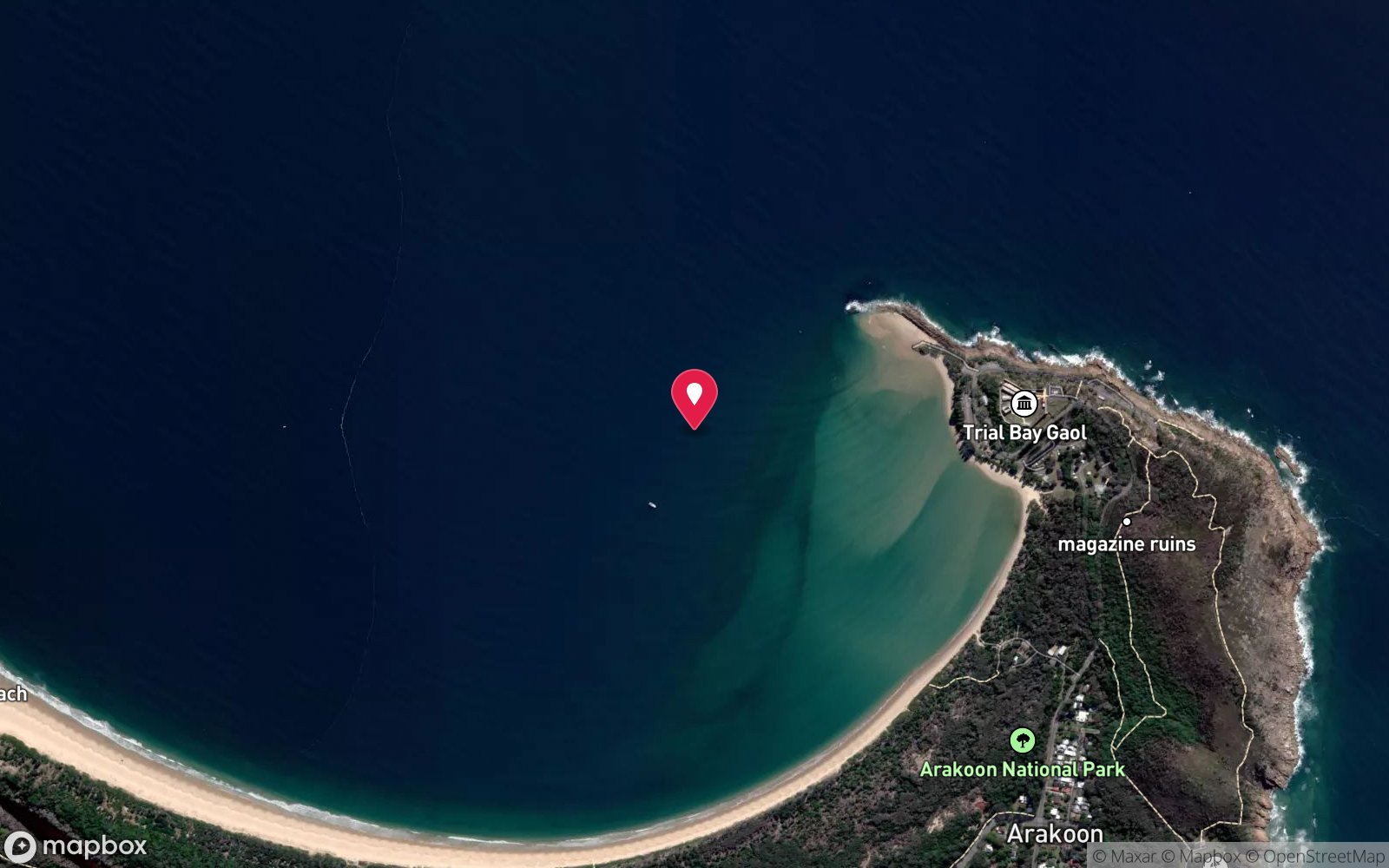
Satellite views
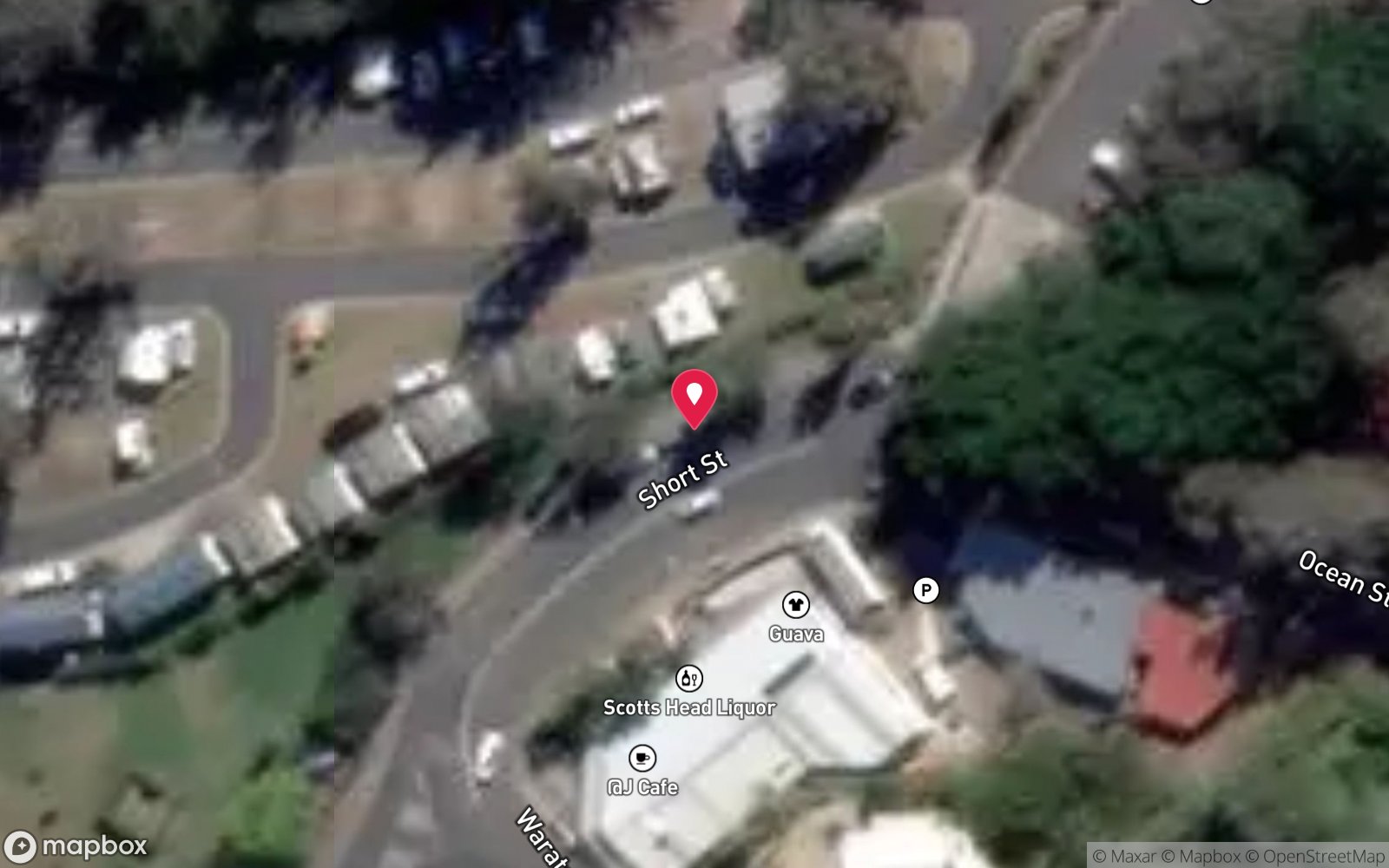
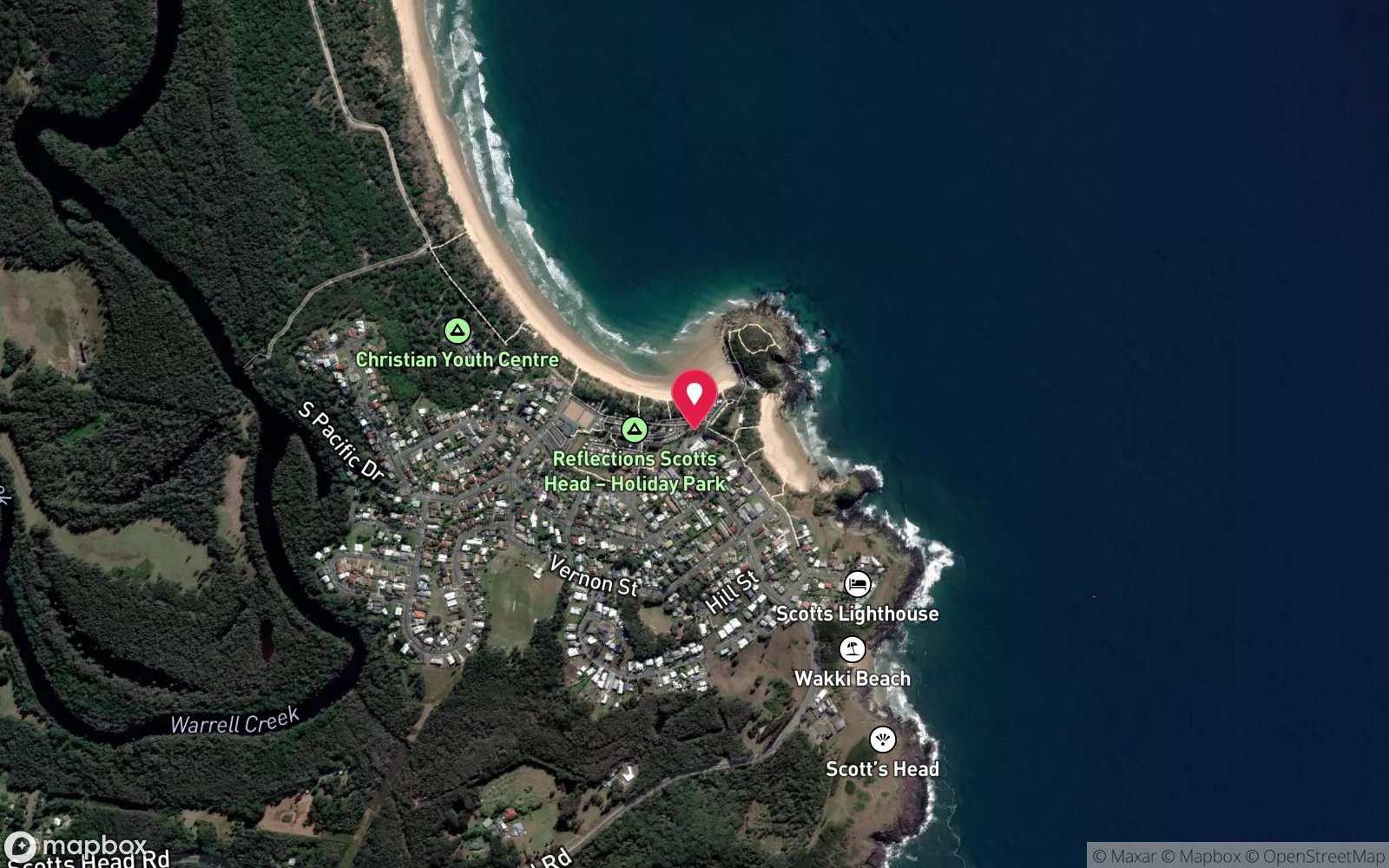
Scotts Head reefs: frequently asked questions
How deep is Scotts Head reefs?
Scotts Head reefs reaches a maximum depth of 15 m, with the shallowest part at about 4 m; most of the dive is spent around 9 m.
What certification do I need to dive Scotts Head reefs?
Open Water is the recommended minimum. Rated intermediate because of surge on the entry or in the shallows.
Can I shore dive Scotts Head reefs?
Experienced divers do dive Scotts Head reefs from the shore, but the entry or conditions make it unsuitable for newer divers without local guidance. Entry: Rock platform entry at Scotts Head, surge dependent.
When is the best time to dive Scotts Head reefs?
Calm winter days.
What marine life will I see at Scotts Head reefs?
Regularly recorded: Wobbegongs, blue groper, turtles, bull rays, kelp fish, nudibranchs.
What wetsuit do I need at Scotts Head reefs?
3-5 mm full suit.
How cold is the water at Scotts Head reefs?
Typically 23-26 °C in summer and 18-20 °C in winter.
What are the main hazards at Scotts Head reefs?
Significant swell exposure from multiple directions; surge and entry/exit hazards on the rock platform; no local dive-shop support. See the hazards section above for the full list.
Where is the nearest recompression chamber to Scotts Head reefs?
Prince of Wales Hospital (Randwick, Sydney). In an emergency call 000, then DAN Asia-Pacific on 1800 088 200.
Diving in Nambucca & Urunga
Nambucca Heads and Urunga have small, sheltered shore dives: the Nambucca breakwall and V-Wall, Shelly Beach and the Urunga boardwalk lagoon. They are good beginner and training sites rather than destinations.
Getting there: Between Coffs Harbour and Port Macquarie; walk-in entries with parking.
All Nambucca & Urunga dive sites and a suggested itinerary →
Sources
Data confidence: Low · Being verified: No dedicated dive-site documentation found; depths and access inferred from regional geography — verify locally before diving.. Last updated September 2026. Know this site better? How to send a correction
Nearby dive sites
More reef dives in New South Wales
Explore more
This region
Marine life