Dive slate · divesites.com.au · printed 8 Nov 2026
Scottish Rocks
Jervis Bay, New South Wales · near Jervis Bay Village
| Depth | Depth not published |
|---|---|
| Minimum level | Snorkel/Any |
| Difficulty | Beginner |
| Access | Shore |
| Entry | Walk 300 m from the car park and enter from the beach or rock platform |
| Current | None |
| Visibility | 8-20 m |
| Water | summer 19-23 °C, winter 15-17 °C |
| Suit | 5–7 mm wetsuit with hood in summer–autumn; 7 mm semi-dry or drysuit June–October |
| Best season | Year-round; summer for families |
| Bottom time | 50 min |
| Position | -35.13500, 150.73500 (approximate) |
| Permit | Booderee National Park (Commonwealth) – park entry pass required for vehicles; waters within the park are no-take for most species and Booderee sanctuary zones apply; Jervis Bay Marine Park rules apply to adjoining NSW waters. |
| Nearest chamber | Prince of Wales Hospital (Randwick, Sydney) – approx. 3 h by road from Jervis Bay; call 000 and DAN Asia-Pacific hotline (evacuation usually by air) |
| Emergency | 000 · DAN Asia-Pacific diving emergency 1800 088 200 |
Scottish Rocks
Also known as Bristol Point, Scottish Rocks (Booderee)
Booderee's top snorkelling spot – clear water and sea dragons among quirky rock mounds.
Near Jervis Bay Village · Jervis Bay, New South Wales
- Depth
- Depth not published
- Minimum level
- Snorkel/Any
- Access
- Shore
- Boat ride
- Shore entry
- Water
- 19-23 °C
- Visibility
- 8-20 m
Scottish RocksDepth not published · Snorkel/Any · Shore
Dive factsDepths, conditions, location & safety
Season
In season nowBest months: year-round.
Dive facts
- Depth
- Depth not published
- Typical depth
- 4 m
- Certification
- Snorkel/Any
- Difficulty
- Beginner
- Access
- Shore
- Dive centre needed
- No – independently diveable
- Shore / independent
- Yes
- Current
- None
- Visibility
- 8-20 m
- Water temp (summer)
- 19-23 °C
- Water temp (winter)
- 15-17 °C
- Water
- Temperate
- Bottom time
- 50 min
- Dive traffic
- Popular (weekly charters)
- Night dive
- No
- Snorkel friendly
- Yes
Exposure suit
5–7 mm wetsuit with hood in summer–autumn; 7 mm semi-dry or drysuit June–October
Location
Jervis Bay – Booderee (southern shore) · Shoalhaven – Jervis Bay
-35.13500, 150.73500
Approximate position — not for navigation.
Open in Google MapsPrimary source: booderee.gov.auMarine park & permits
Booderee National Park (Commonwealth) – park entry pass required for vehicles; waters within the park are no-take for most species and Booderee sanctuary zones apply; Jervis Bay Marine Park rules apply to adjoining NSW waters.
Nearest recompression chamber
Prince of Wales Hospital (Randwick, Sydney) – approx. 3 h by road from Jervis Bay; call 000 and DAN Asia-Pacific hotline (evacuation usually by air)
Diving emergency: call 000, then DAN AP 1800 088 200.
Trip planner
Build a trip around Scottish Rocks →
A day-by-day plan for Jervis Bay with this site locked in.
This guide is a planning aid. Conditions change daily — confirm with a local dive centre and dive within your training. Data & safety notes.
Dive profile
How this site rates
Scores are computed from the recorded data, not opinions. How?
At a glance
Scottish Rocks is a shore / rock platform shore dive you can do independently in Jervis Bay, NSW, suitable for snorkellers and first-time divers.
Rated beginner: sheltered, shallow and manageable for a newly certified diver on a normal day, though note cold water.
Why dive here
- Booderee's top snorkelling spot – clear water and sea dragons among quirky rock mounds.
- Snorkel-friendly, so non-diving companions can join at the surface.
- Visibility often reaches 8-20 m.
Conditions to avoid
- Strong southerly or south-east swell and wind
- Afternoon north-easterlies
- Outgoing tide or run-off after rain (poor visibility)
About Scottish Rocks
Scottish Rocks is a line of unusual low rocky mounds scattered along the shoreline at the eastern edge of Bristol Point beach in Booderee National Park. Parks Australia names it as one of the top snorkelling locations in the park, and visitor guides describe clear water with sea dragons, sea stars, stingrays and occasionally turtles.
The rocks and surrounding reef create sheltered shallow habitat. Weedy sea dragons forage in the weed at the reef edge, sea stars dot the rock, and stingrays and fiddler rays cross the sand. Blue groper, luderick, leatherjackets and schools of small fish are common, and turtles are occasional visitors in summer. The water is typically very clear, as it is throughout the southern shore of the bay, and depths suit snorkellers and relaxed shallow dives.
Access is via a 300 m trail from a small car park inside Booderee National Park, so a vehicle park pass is required. The site faces north into the bay and is protected from southerly swell, making it reliable on many days, though north-easterly winds produce chop. There are no facilities at the rocks themselves; Green Patch nearby has picnic areas, barbecues and toilets. The park's rules protect all marine life, and animals must not be fed. For snorkellers, it is one of the best spots in Jervis Bay. Scuba divers can use it for a gentle shallow dive, but the best depth nearby is at Murrays Beach, a few minutes' drive away. Water temperatures range from about 15 °C in late winter to 23 °C in late summer, so a 5–7 mm wetsuit is sensible for anything longer than a quick summer snorkel, and a hood helps from June to October.
Getting there & entry
Low rocky mounds along the shoreline at the eastern edge of Bristol Point beach in Booderee National Park; one of the park's top snorkelling spots with sea dragons and rays.
Jervis Bay is about 2.5–3 hours south of Sydney via the M1 and Princes Highway, turning onto Jervis Bay Road at Falls Creek. Enter Booderee National Park (vehicle pass required) and follow Jervis Bay Road towards Green Patch and Bristol Point; the Scottish Rocks car park is small (about a dozen spaces) and a 300 m trail leads to the shore. Enter from the beach at Bristol Point's eastern end or from the low rock platform in calm conditions.
Entry: Walk 300 m from the car park and enter from the beach or rock platform
Facilities: Small car park; toilets, picnic areas and barbecues at nearby Green Patch.
Weather, swell & tides
Inside Jervis Bay the water is sheltered from ocean swell, but the bay is big enough for wind chop: strong north-easterlies (summer afternoons) make the western and southern shores choppy, and southerly or westerly winds affect the northern shore less. Diving is possible on most days of the year at one shore or another. Visibility is usually 8–15 m, better in winter, and drops after heavy rain when Currambene Creek and Moona Moona Creek flush tannin water into the bay.
Tides are small but high tide gives better visibility at the beach entries. Scottish Rocks faces north into the bay and is sheltered from southerly swell, but strong north-easterlies make it choppy.
Best season: Year-round; summer for families
If it's blown out
Sheltered or shore sites within 25 km that often work when Scottish Rocks doesn't.
- Murrays Beach · 2 km · Max 12 m
- Hyams Beach · 5 km · Max 10 m
- Hole in the Wall (Booderee) · 1 km · Depth not published
- Green Patch · 2 km · Depth not published
How the dive is usually run
Snorkel or dive slowly along the rocky mounds and the reef edge, looking in the weed for sea dragons and on the sand for rays, and return along the shore.
Marine life
- Weedy sea dragons →
- sea stars
- stingrays
- fiddler rays
- turtles (occasional) →
- blue groper →
- luderick
- leatherjackets
- schooling fish
Linked species have their own page listing every site where they are recorded. All marine life →
Training required
Courses that help here
- Drysuit Diver – Cold water; locals dive dry for much of the year.
Depth tiers: 0–10 m easy · to 18 m Open Water · 18–30 m Advanced (25 m+ is a deep dive) · 30–40 m Deep specialty · 40 m+ technical. All courses
Hazards & warnings
North-easterly chop; unpatrolled; small car park fills early; Booderee park pass required; do not feed wildlife.
Dive centres that go here
No regular operator; a self-guided snorkel spot; guided snorkel tours occasionally visit Booderee.
Operators recorded for Scottish Rocks
Other dive centres in Jervis Bay
Indepth Scuba
ProfiledBelconnen · Jervis Bay · NSW
A Canberra operation that functions as both a training school and a life-support service facility, with cylinder testing and a full range of gas fills.
indepthscuba.com.au · (02) 6251 1070
Lady of the Sea Diving Academy
ProfiledTuggeranong (Canberra, ACT) · Jervis Bay · NSW
A Canberra operation with an unusually complete set of facilities for an inland centre, including an onsite pool, classroom, retail shop and dive boat.
ladyofthesea.com.au · +61 407 487 735
Crest Diving
Named by sitesJervis Bay · Jervis Bay · NSW
Escorted shore dive tours; no shopfront address published.
crestdiving.com.au · 0414 787 281
Woebegone Freedive
Named by sitesHuskisson · Jervis Bay · NSW
Freediving school; official site live (Unit 3/1 Erina Rd Huskisson) with online bookings and a TripAdvisor Travellers' Choice 2026 award.
woebegone.com.au
Deep 6 Diving Jervis Bay
Reported closedHuskisson · Jervis Bay · NSW
Former domain deep6divingjervisbay.com.au now serves unrelated SEO content; only stale directory listings remain.
Map
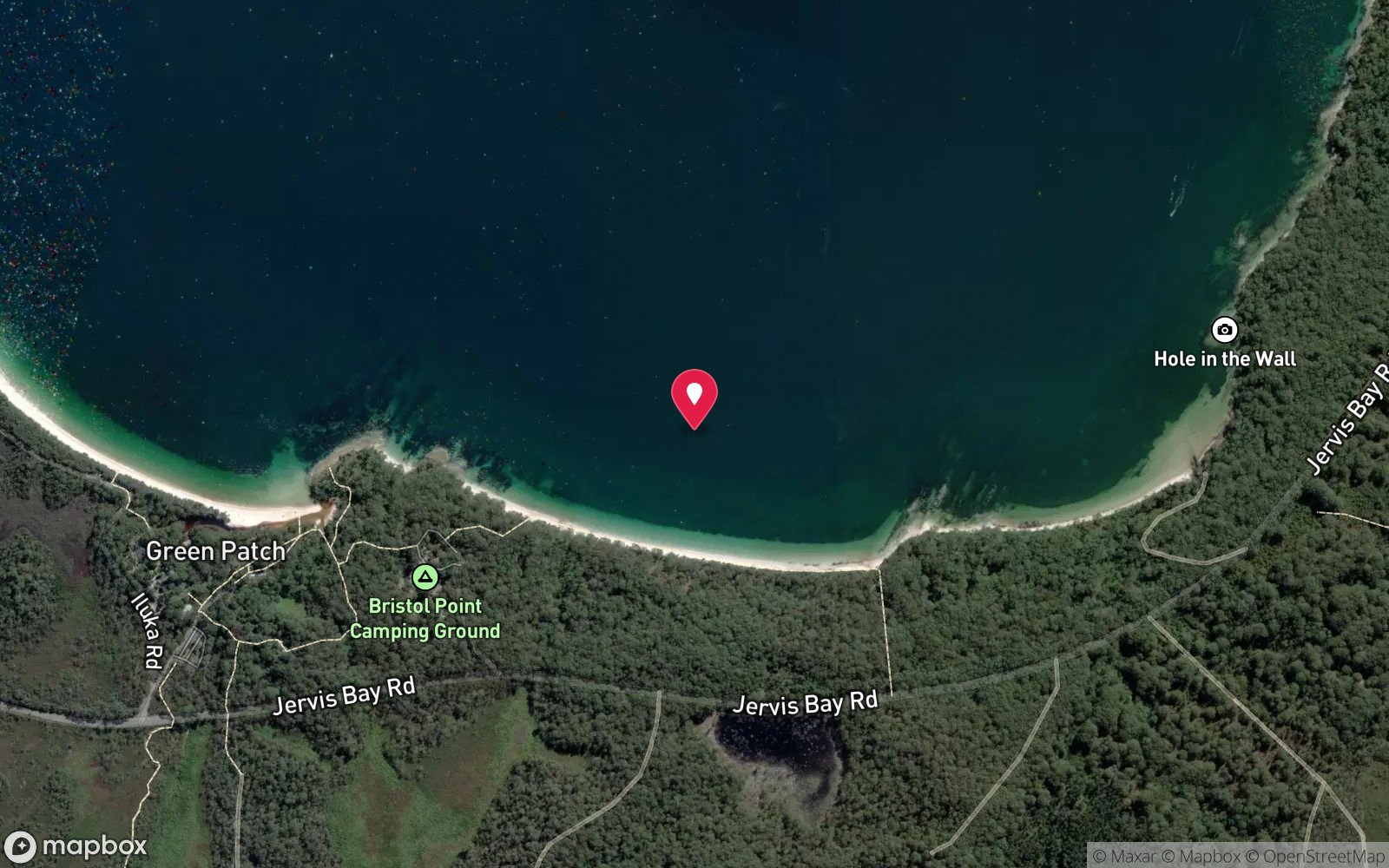
7 pinned sites. Pins marked approximate on their pages show the general area only; not for navigation.
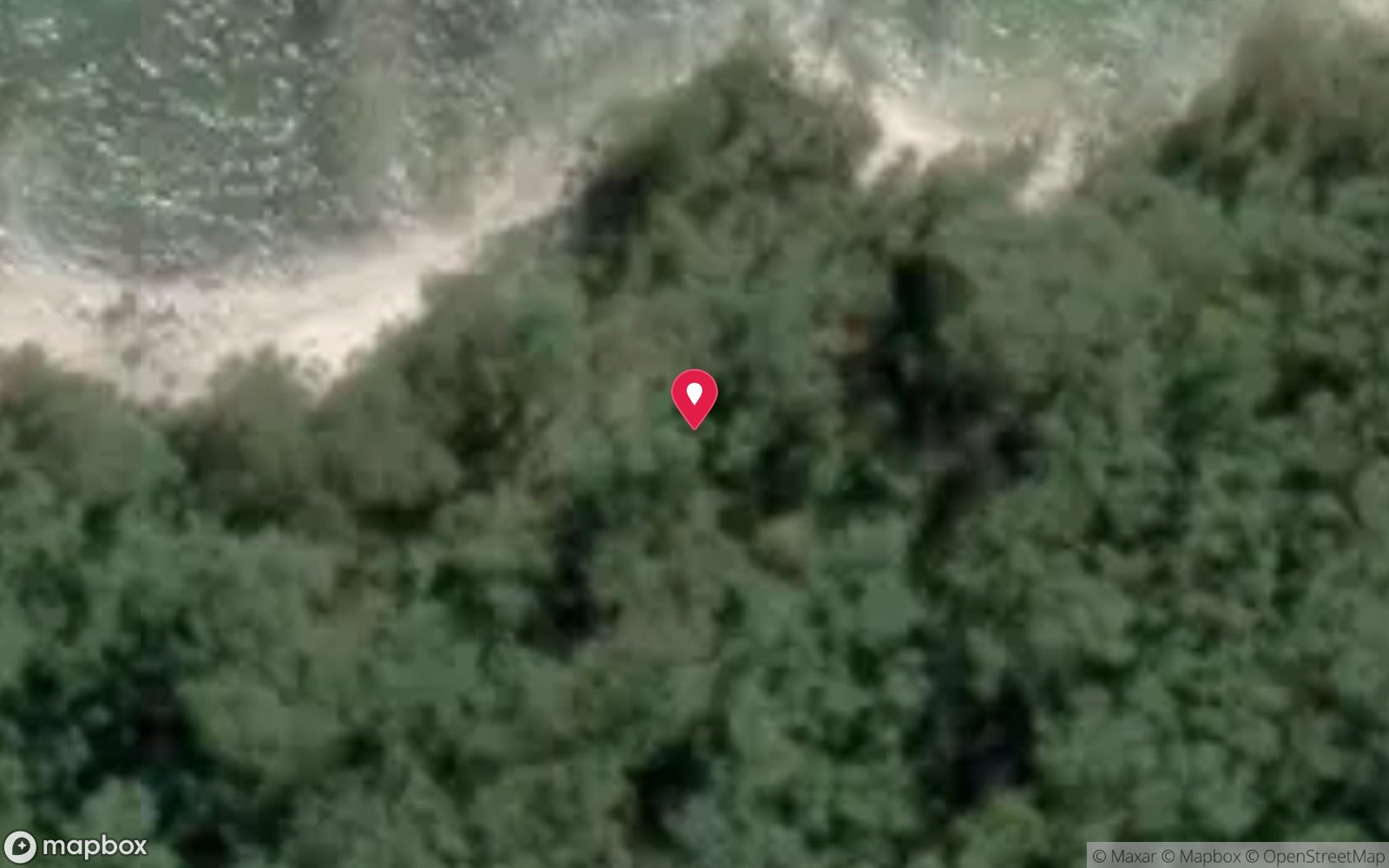
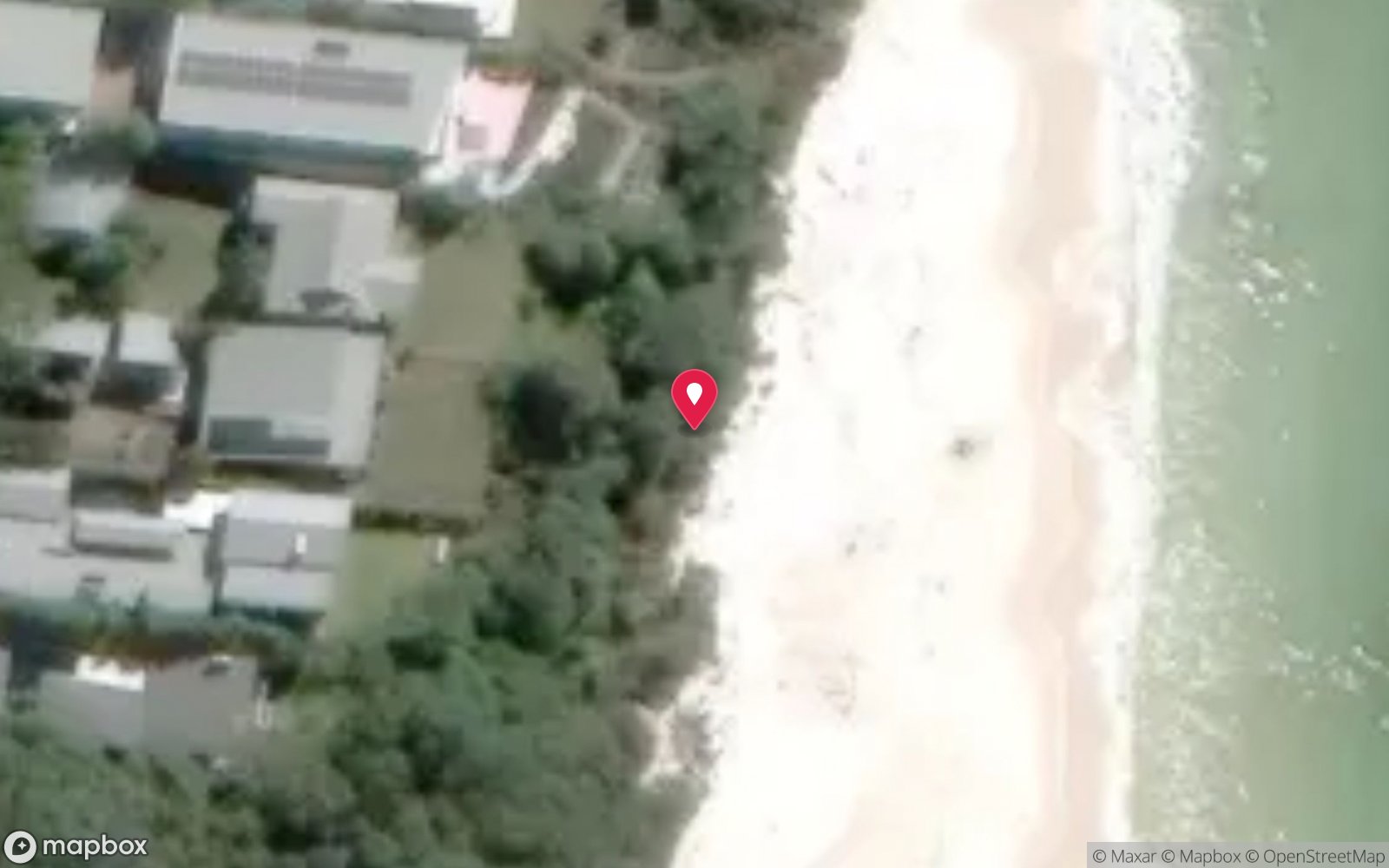
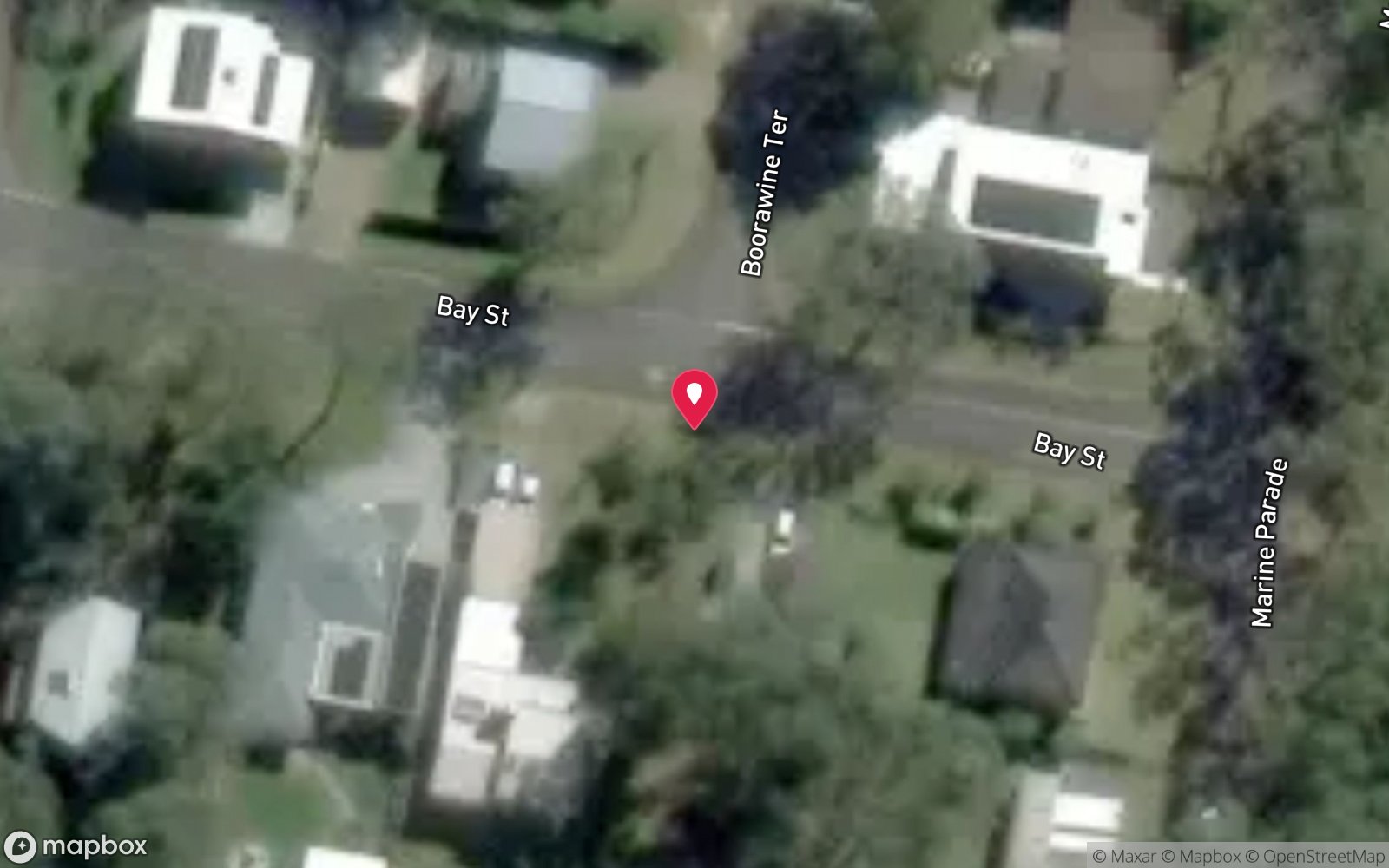
Satellite views
Scottish Rocks: frequently asked questions
What certification do I need to dive Scottish Rocks?
No certification is needed to snorkel it, and it suits introductory dives. Rated beginner: sheltered, shallow and manageable for a newly certified diver on a normal day, though note cold water.
Can I shore dive Scottish Rocks?
Yes. Scottish Rocks is a shore dive that can be done independently: walk 300 m from the car park and enter from the beach or rock platform.
When is the best time to dive Scottish Rocks?
Year-round; summer for families.
What marine life will I see at Scottish Rocks?
Regularly recorded: Weedy sea dragons, sea stars, stingrays, fiddler rays, turtles (occasional), blue groper, luderick, leatherjackets, schooling fish.
What wetsuit do I need at Scottish Rocks?
5–7 mm wetsuit with hood in summer–autumn; 7 mm semi-dry or drysuit June–October.
How cold is the water at Scottish Rocks?
Typically 19-23 °C in summer and 15-17 °C in winter.
What are the main hazards at Scottish Rocks?
North-easterly chop; unpatrolled; small car park fills early; Booderee park pass required; do not feed wildlife. See the hazards section above for the full list.
Where is the nearest recompression chamber to Scottish Rocks?
Prince of Wales Hospital (Randwick, Sydney) – approx. 3 h by road from Jervis Bay; call 000 and DAN Asia-Pacific hotline (evacuation usually by air). In an emergency call 000, then DAN Asia-Pacific on 1800 088 200.
Diving in Jervis Bay
Jervis Bay's white sand and clear water make it the best-known dive destination on the NSW south coast. The Docks, Stoney Creek and the Arch on the northern headland, and Cabbage Tree Point on the south, are boat dives with sponge gardens, grey nurse sharks in season and fur seals from Drum and Drumsticks. Inside the bay, Hyams Beach, Murrays Beach and the Green Patch reefs are gentle shore dives with seadragons and octopus.
Getting there: Two and a half hours south of Sydney. Dive shops in Huskisson run daily charters; shore dives inside the bay have car parks at Hyams, Murrays and Green Patch (Booderee National Park entry fee applies).
Sources
- booderee.gov.au/things-do/activities/diving-snorkelling
- travelmademedoit.com/hole-in-the-wall-jervis-bay
- booderee.gov.au/things-do/visit/beaches/green-patch-beach
Data confidence: Medium · Being verified: Coordinates approximate.. Last updated September 2026. Know this site better? How to send a correction
Nearby dive sites
More shore dives in New South Wales
Explore more
This region
Similar dives
Marine life