Dive slate · divesites.com.au · printed 9 Nov 2026
South Solitary Island – Anemone Flat
Coffs Harbour & Solitary Islands, New South Wales · near Coffs Harbour
| Depth | 6–14 m |
|---|---|
| Minimum level | Open Water |
| Difficulty | Beginner |
| Access | Boat (day trip) |
| Entry | Giant stride from a Jetty Dive Centre RIB onto a mooring |
| Current | Mild |
| Visibility | 10-25 m |
| Water | summer 24-26 °C, winter 18-19 °C |
| Suit | 3 mm shorty/full suit summer, 5-7 mm winter |
| Best season | Year-round; a reliably sheltered, easy site |
| Bottom time | 55 min |
| Position | not published |
| Permit | Solitary Islands Marine Park – South Solitary Island Sanctuary Zone, no take |
| Nearest chamber | Prince of Wales Hospital (Randwick, Sydney) |
| Emergency | 000 · DAN Asia-Pacific diving emergency 1800 088 200 |
South Solitary Island – Anemone Flat
A shallow, sheltered anemone-bed dive on South Solitary Island's western side, ideal for long, relaxed macro photography.
Near Coffs Harbour · Coffs Harbour & Solitary Islands, New South Wales
- Depth
- 6–14 m
- Minimum level
- Open Water
- Access
- Boat (day trip)
- Boat ride
- ~35 min
- Water
- 24-26 °C
- Visibility
- 10-25 m
South Solitary Island – Anemone Flat6–14 m · Open Water
Dive factsDepths, conditions, location & safety
Season
In season nowBest months: year-round.
Year-round; a reliably sheltered, easy site
- Best months
- Now (November)
- Stinger suit Nov–May
Dive facts
- Depth
- 6–14 m
- Typical depth
- 10 m
- Certification
- Open Water
- Difficulty
- Beginner
- Depth tier
- Open Water (10–18 m)
- Access
- Boat (day trip)
- Offshore
- 8 km
- Dive centre needed
- Yes – boat access only
- Shore / independent
- No
- Boat ride
- ~35 min
- Current
- Mild
- Visibility
- 10-25 m
- Water temp (summer)
- 24-26 °C
- Water temp (winter)
- 18-19 °C
- Water
- Subtropical
- Bottom time
- 55 min
- Dive traffic
- Moderate (occasional charters/club dives)
- Night dive
- Possible
- Snorkel friendly
- Yes
Exposure suit
3 mm shorty/full suit summer, 5-7 mm winter
Location
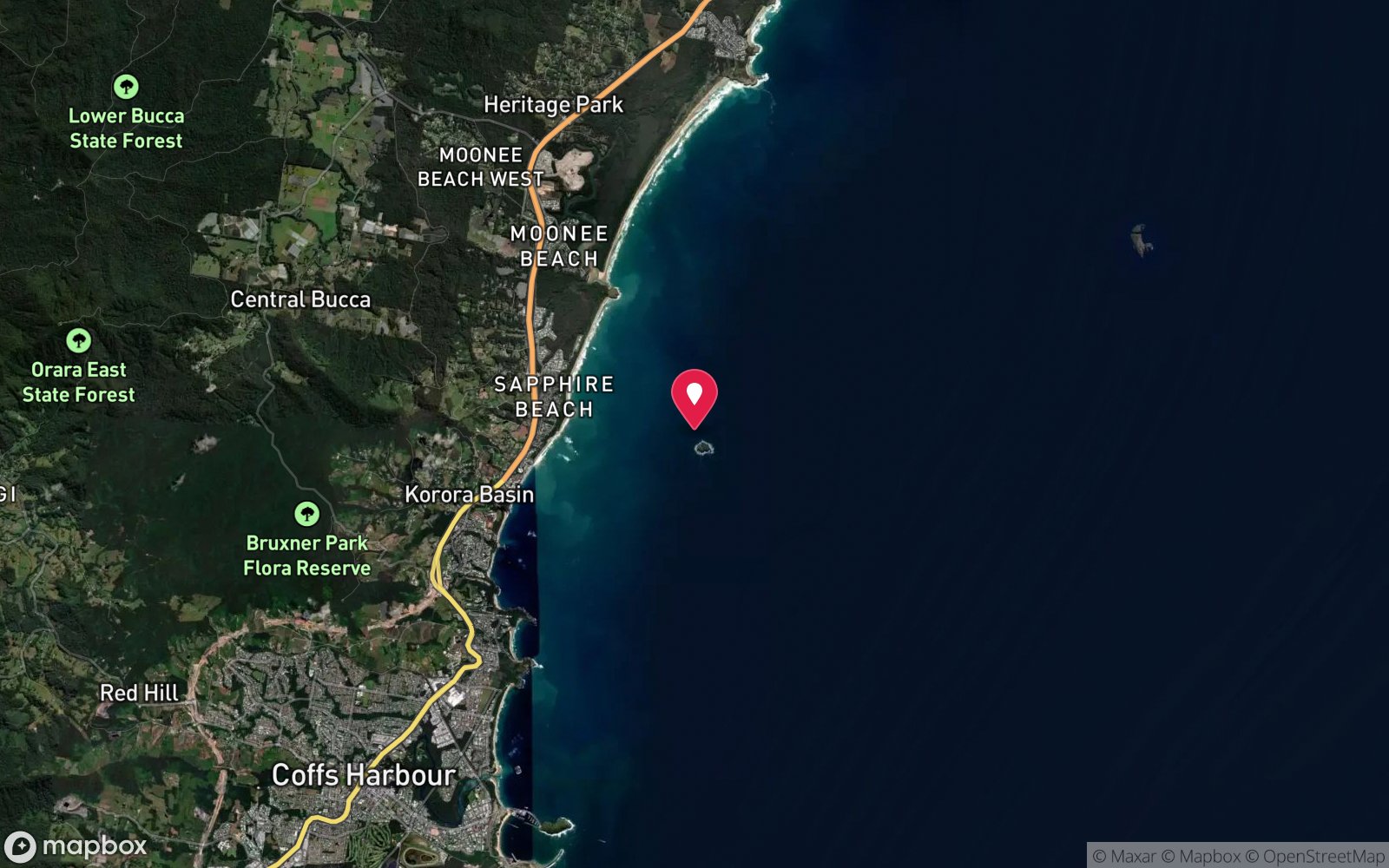
South Solitary Island · NSW Mid North Coast – Coffs Harbour / Solitary Islands
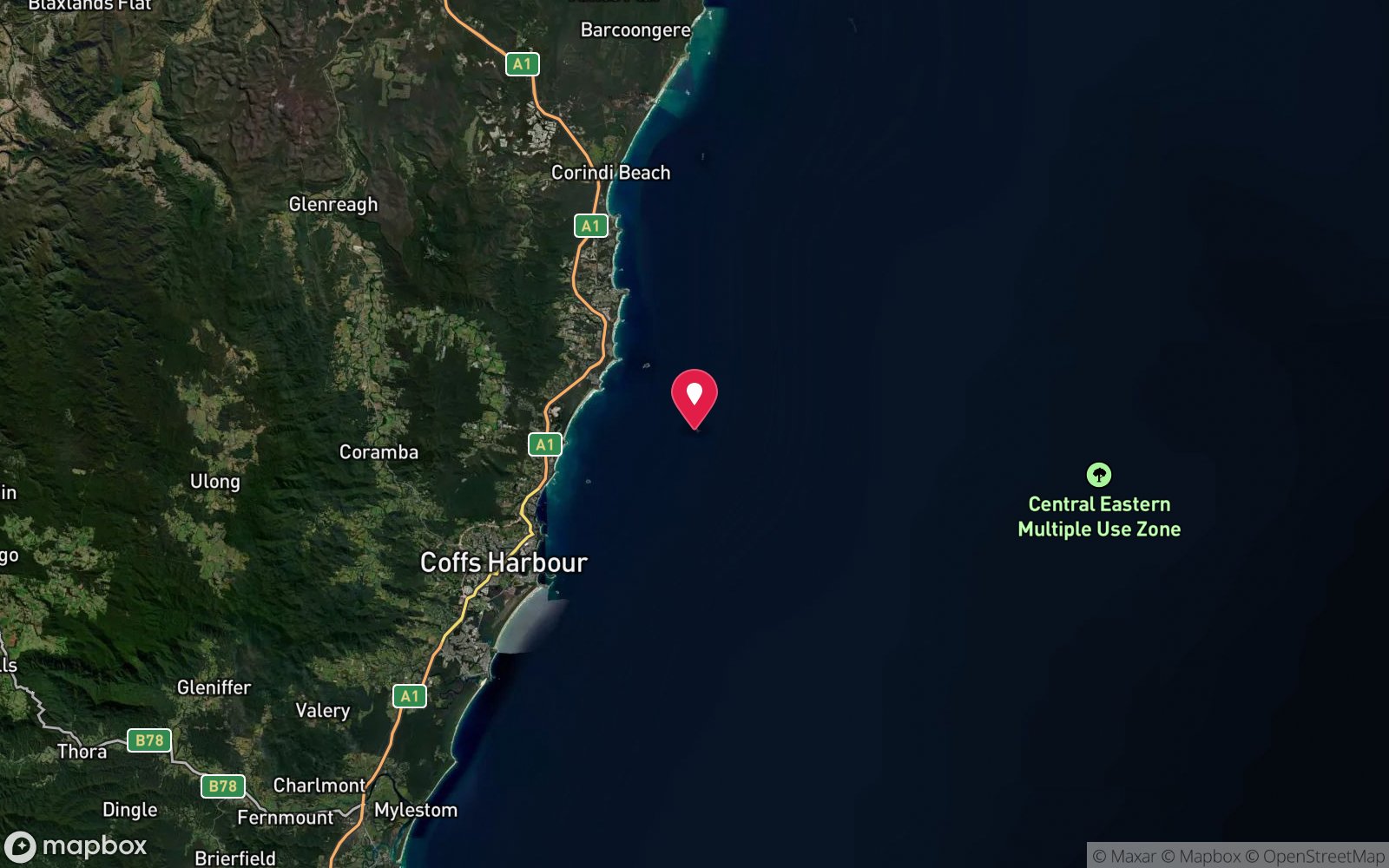
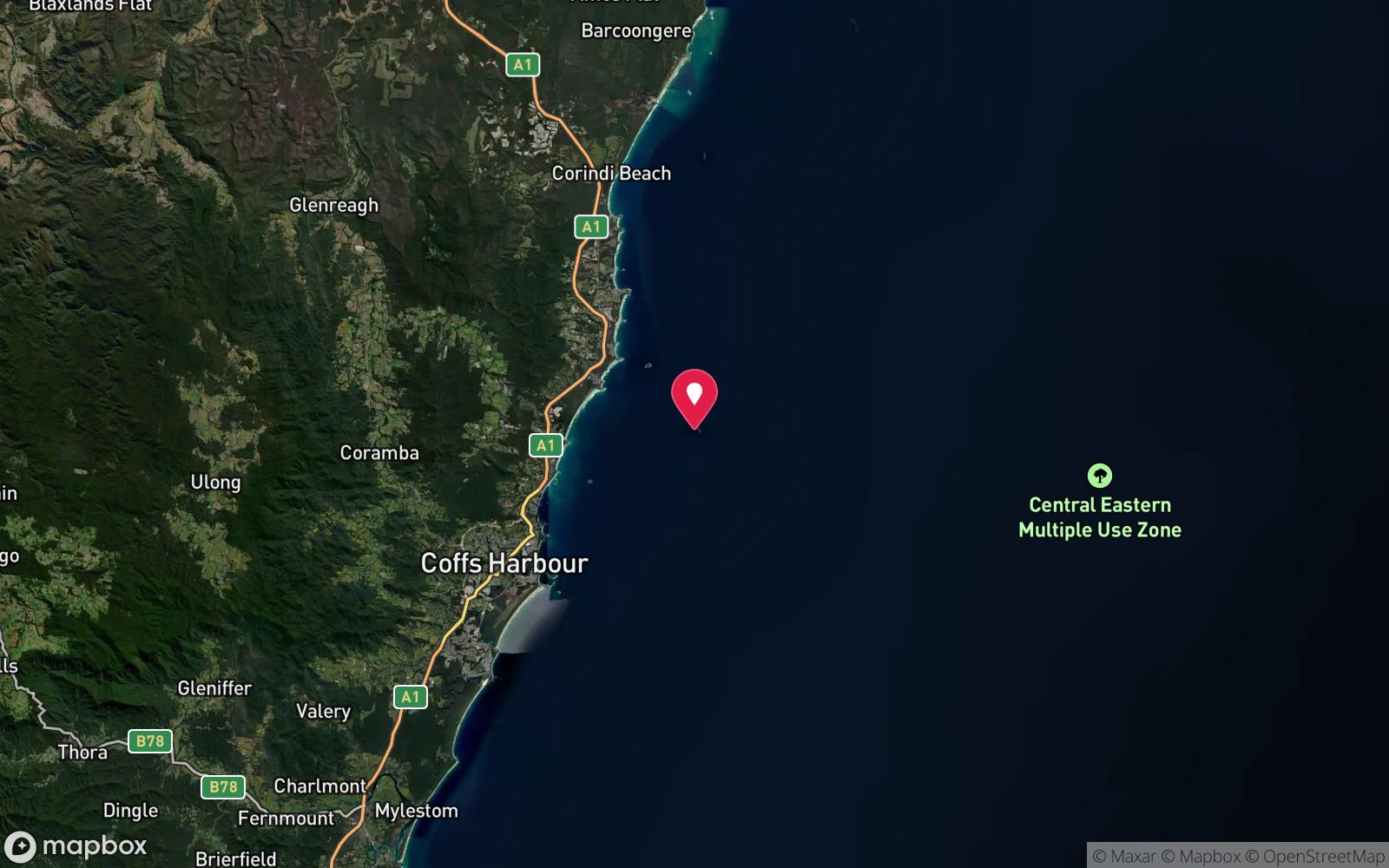
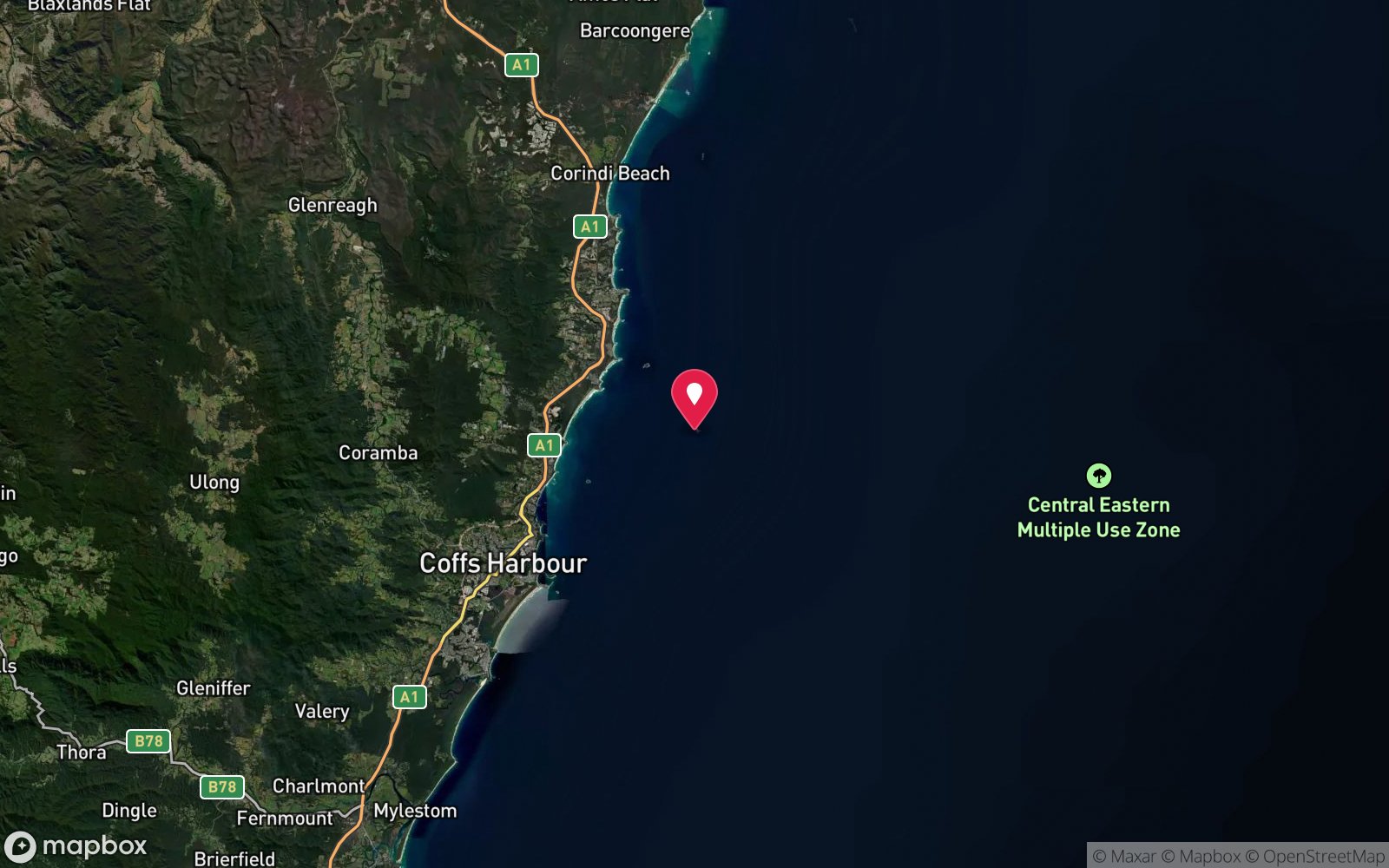
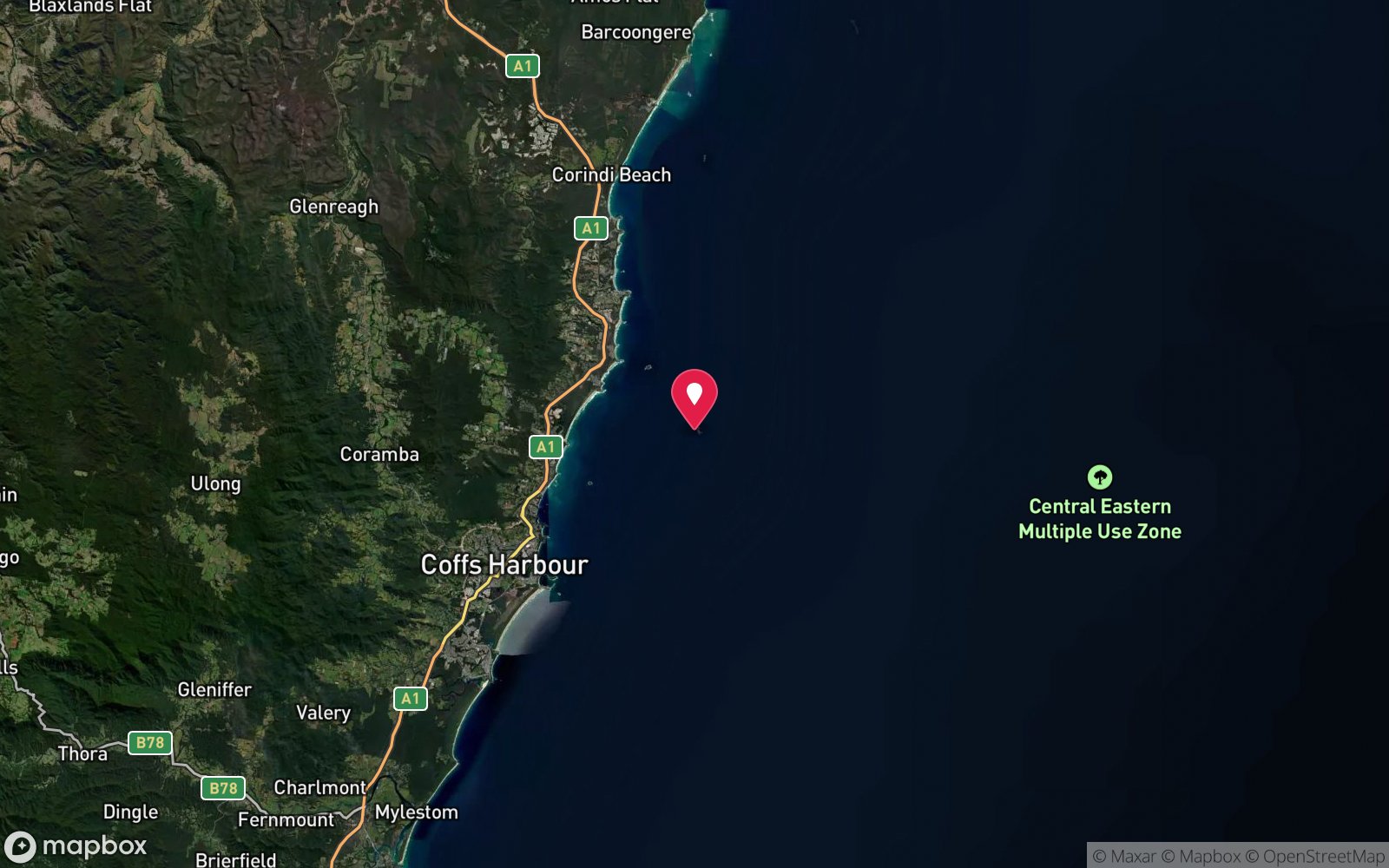
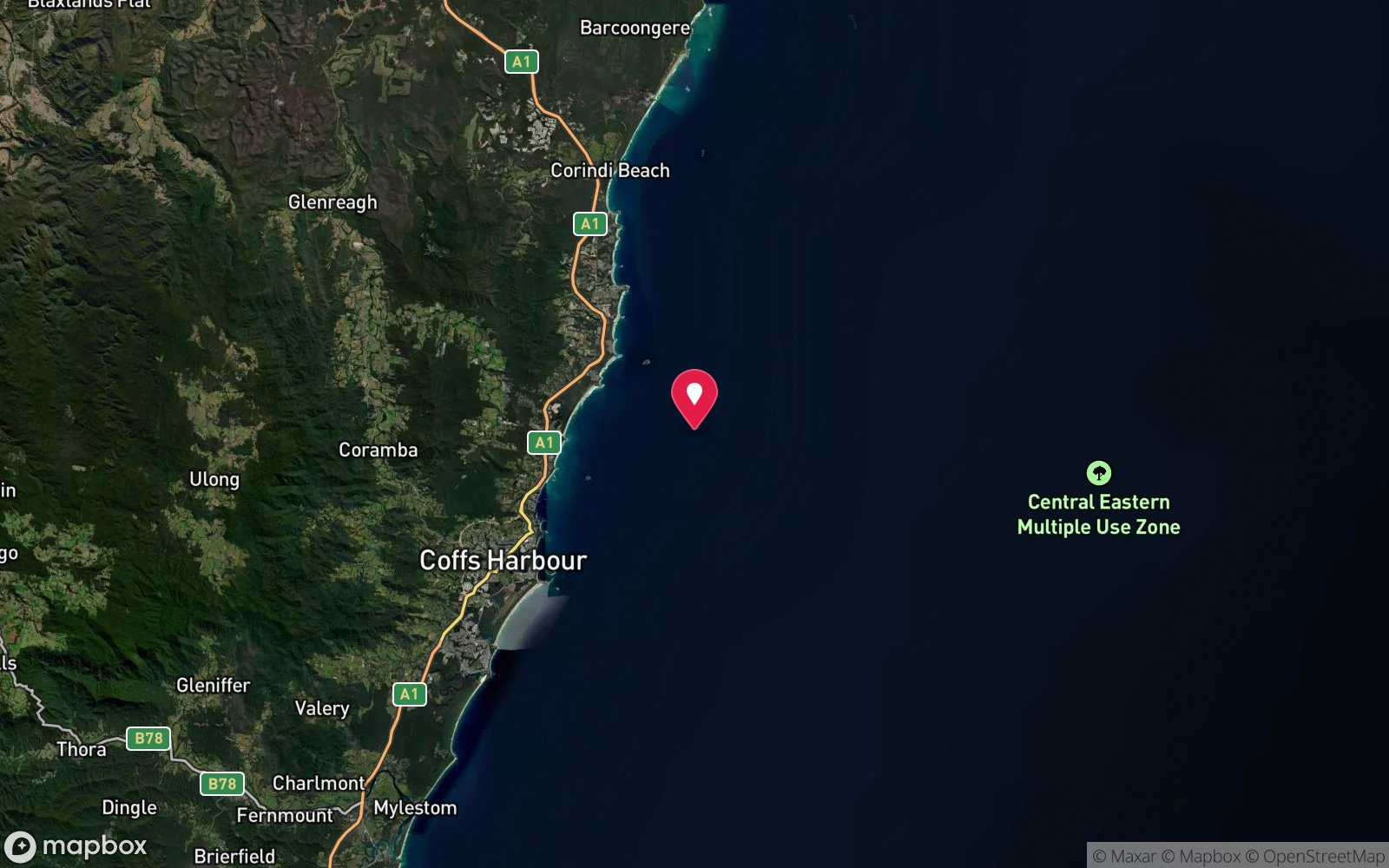
No published coordinates. The map above shows the general area, estimated from other documented sites near Coffs Harbour.
Dive site map (external) →Primary source: jettydive.com.auMarine park & permits
Solitary Islands Marine Park – South Solitary Island Sanctuary Zone, no take
Nearest recompression chamber
Prince of Wales Hospital (Randwick, Sydney)
Diving emergency: call 000, then DAN AP 1800 088 200.
Trip planner
Build a trip around South Solitary Island – Anemone Flat →
A day-by-day plan for Coffs Harbour & Solitary Islands with this site locked in.
This guide is a planning aid. Conditions change daily — confirm with a local dive centre and dive within your training. Data & safety notes.
Dive profile
How this site rates
Scores are computed from the recorded data, not opinions. How?
At a glance
South Solitary Island – Anemone Flat is a reef boat dive in Coffs Harbour & Solitary Islands, NSW, 6–14 m, suited to Open Water divers, about 35 minutes by boat.
Rated beginner: sheltered, shallow and manageable for a newly certified diver on a normal day, though note boat traffic overhead.
Why dive here
- A shallow, sheltered anemone-bed dive on South Solitary Island's western side, ideal for long, relaxed macro photography.
- A photographer's site: bring a macro lens or a wide-angle depending on the season.
- Snorkel-friendly, so non-diving companions can join at the surface.
- Visibility often reaches 10-25 m.
About South Solitary Island – Anemone Flat
Anemone Flat sits on the sheltered western side of South Solitary Island near the Boulder Walls, a shallow patch of reef in 6 to 14 m thickly carpeted with sea anemones and the resident clownfish that make their home among them — a smaller-scale but easily accessible echo of the far more extensive anemone beds found at Elbow Cave on North Solitary Island further north. Because the site rarely exceeds 14 m, it allows unusually long, relaxed bottom times and is regularly used by Jetty Dive Centre as an easy second or third dive once the day's grey nurse shark objectives at Manta Arch or Shark Gutters have been met. Several clownfish species share the anemone beds here, giving photographers plenty of subject variety within a small area, while surrounding sections of reef support the usual dense South Solitary Island fish population: blue groper, resident wrasse, small schooling reef fish and the crayfish and nudibranchs typical of the island's boulder terrain.
Turtles are commonly seen resting nearby, taking advantage of the same shelter that makes the site comfortable for divers. Anemone Flat's shallow depth and negligible current make it one of the more forgiving sites at South Solitary Island, suitable for less experienced divers and for extending a day's bottom time after a deeper morning dive, and its combination of colour and ease has made it a regular request among Jetty Dive Centre's repeat customers. It is not marketed with the same fanfare as Manta Arch, but for unhurried macro photography and a relaxed finish to a day at the islands, it is one of the more consistently enjoyable dives in the group.
Getting there & entry
A shallow, sheltered patch reef on the western side of South Solitary Island near the Boulder Walls, thickly carpeted with anemones and their resident clownfish, used as an easy, colourful second dive.
Jetty Dive Centre departs from the public floating pontoon wharf in Coffs Harbour boat harbour, opposite the Attitude Burgers building. It is roughly a 30-40 minute run out to South Solitary Island, 8 km offshore.
Entry: Giant stride from a Jetty Dive Centre RIB onto a mooring
Weather, swell & tides
South Solitary Island sits in open water 8 km off Coffs Harbour; trips need under about 1.5-2 m swell. Visibility here is usually the best in the marine park given the distance from any river mouth. Winter (May-Oct) is the peak grey nurse shark season; summer (Nov-Apr) brings tropical fish, manta rays and leopard sharks.
Best season: Year-round; a reliably sheltered, easy site
How the dive is usually run
Descend onto the shallow flat at 6-8 m, spend an unhurried dive working through the anemone beds looking for the different clownfish species present, and extend the safety stop given the shallow average depth.
Marine life
- Multiple clownfish species in dense anemone beds
- blue groper →
- wrasse
- crayfish
- nudibranchs →
- turtles →
- schooling reef fish
Linked species have their own page listing every site where they are recorded. All marine life →
Training required
Within the 18 m limit of an entry-level certification.
Depth tiers: 0–10 m easy · to 18 m Open Water · 18–30 m Advanced (25 m+ is a deep dive) · 30–40 m Deep specialty · 40 m+ technical. All courses
Hazards & warnings
Generally very low risk given the shallow, sheltered nature of the site; boat traffic at the mooring.
Dive centres that go here
Jetty Dive Centre includes Anemone Flat as a shallow, easy option on the sheltered western side of South Solitary Island, often for a second or third dive of the day.
Operators recorded for South Solitary Island – Anemone Flat
Other dive centres in Coffs Harbour & Solitary Islands
General area
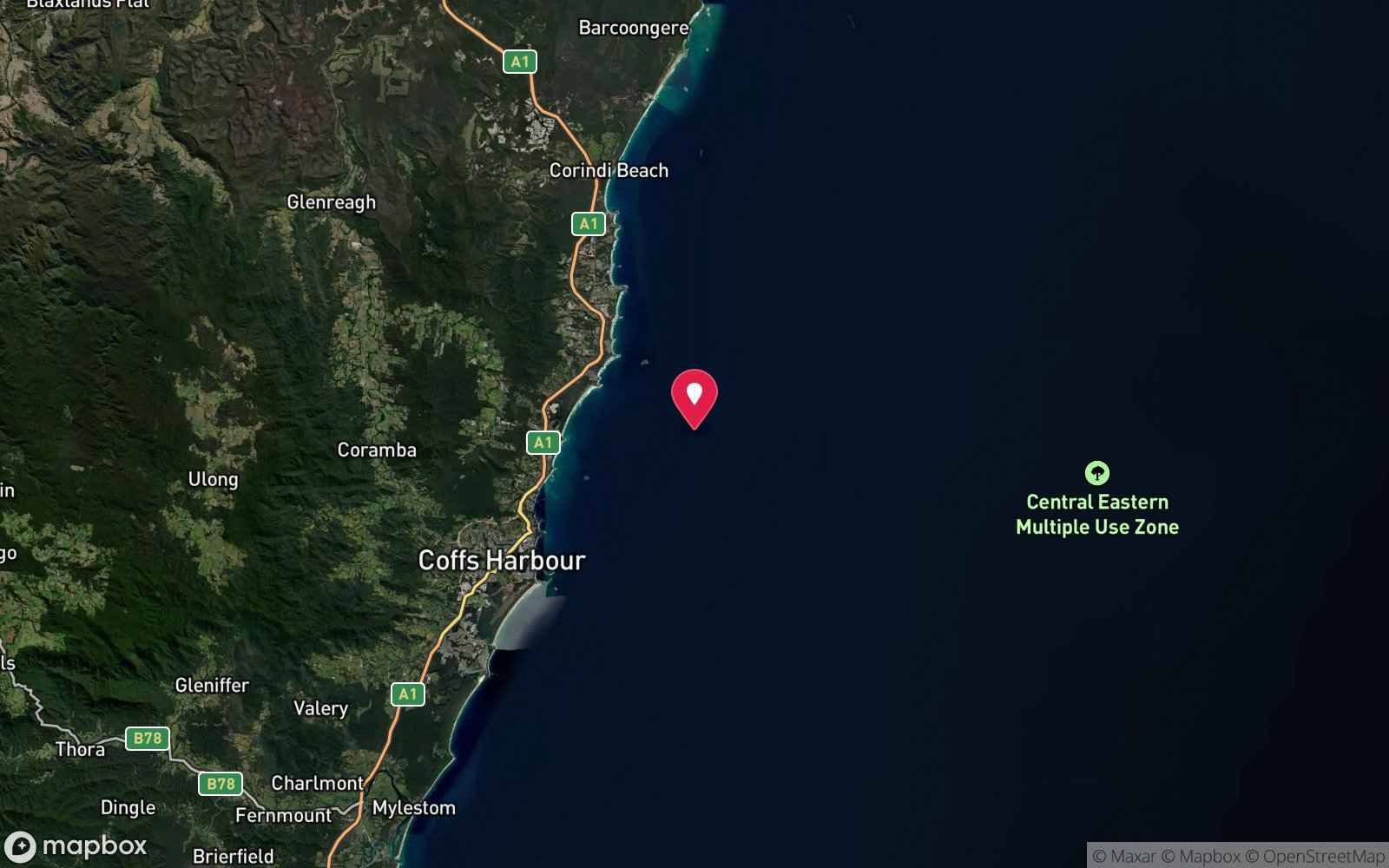
No position has been published for South Solitary Island – Anemone Flat. The circle shows where it is likely to be, worked out from other documented sites near Coffs Harbour. Ask a local operator for the exact site.
Dashed circle: general area (about 9 km), from other documented sites near Coffs Harbour. 6 pinned sites. Pins marked approximate on their pages show the general area only; not for navigation.
South Solitary Island – Anemone Flat: frequently asked questions
How deep is South Solitary Island – Anemone Flat?
South Solitary Island – Anemone Flat reaches a maximum depth of 14 m, with the shallowest part at about 6 m; most of the dive is spent around 10 m.
What certification do I need to dive South Solitary Island – Anemone Flat?
Open Water is the recommended minimum. Rated beginner: sheltered, shallow and manageable for a newly certified diver on a normal day, though note boat traffic overhead.
Can I shore dive South Solitary Island – Anemone Flat?
No, it is reached by boat (about 35 minutes). A dive centre is required: boat access only.
When is the best time to dive South Solitary Island – Anemone Flat?
Year-round; a reliably sheltered, easy site.
What marine life will I see at South Solitary Island – Anemone Flat?
Regularly recorded: Multiple clownfish species in dense anemone beds, blue groper, wrasse, crayfish, nudibranchs, turtles, schooling reef fish.
What wetsuit do I need at South Solitary Island – Anemone Flat?
3 mm shorty/full suit summer, 5-7 mm winter.
How cold is the water at South Solitary Island – Anemone Flat?
Typically 24-26 °C in summer and 18-19 °C in winter.
What are the main hazards at South Solitary Island – Anemone Flat?
Generally very low risk given the shallow, sheltered nature of the site; boat traffic at the mooring. See the hazards section above for the full list.
Where is the nearest recompression chamber to South Solitary Island – Anemone Flat?
Prince of Wales Hospital (Randwick, Sydney). In an emergency call 000, then DAN Asia-Pacific on 1800 088 200.
Diving in Coffs Harbour & Solitary Islands
The Solitary Islands Marine Park is where the tropics meet the temperate zone: hard corals grow alongside kelp, anemonefish share ledges with blue gropers, and grey nurse sharks, turtles, mantas and leopard sharks all pass through. North Solitary's Anemone Bay has the densest carpet of anemones and clownfish in the country; South Solitary has the lighthouse, Manta Arch and Buchanan's Wall. Split Solitary and North West Solitary are closer in and quieter.
Getting there: Coffs Harbour is a six-hour drive or a one-hour flight from Sydney. Charters leave from Coffs Harbour marina; North Solitary trips run from Wooli or Coffs and take 40–60 minutes each way.
All Coffs Harbour & Solitary Islands dive sites and a suggested itinerary →
Sources
- jettydive.com.au/dive-sites-solitary-islands-marine-park
- divernet.com/world-dives/coffs-harbour-the-south-solitary-islands
Data confidence: Low · Being verified: Named descriptively per the general pattern of anemone-bed sites in the marine park; confirm exact position and current usage with Jetty Dive Centre.. Last updated September 2026. Know this site better? How to send a correction
Nearby dive sites
More reef dives in New South Wales
Explore more
This region
Marine life