Dive slate · divesites.com.au · printed 8 Nov 2026
Split Solitary Island – The Arch
Coffs Harbour & Solitary Islands, New South Wales · near Coffs Harbour
| Depth | 8–16 m |
|---|---|
| Minimum level | Open Water |
| Difficulty | Beginner |
| Access | Boat (day trip) |
| Entry | Giant stride from a Jetty Dive Centre RIB onto a mooring |
| Current | Mild |
| Visibility | 5-15 m |
| Water | summer 24-26 °C, winter 18-19 °C |
| Suit | 3 mm shorty/full suit summer, 5-7 mm winter |
| Best season | Year-round; the most reliably diveable island in the group |
| Bottom time | 45 min |
| Position | not published |
| Permit | Solitary Islands Marine Park – Split Solitary Island Sanctuary Zone, no take |
| Nearest chamber | Prince of Wales Hospital (Randwick, Sydney) |
| Emergency | 000 · DAN Asia-Pacific diving emergency 1800 088 200 |
Split Solitary Island – The Arch
A small, scenic natural archway near Split Solitary Island's namesake split, an easy bonus feature on a broader island dive.
Near Coffs Harbour · Coffs Harbour & Solitary Islands, New South Wales
- Depth
- 8–16 m
- Minimum level
- Open Water
- Access
- Boat (day trip)
- Boat ride
- ~20 min
- Water
- 24-26 °C
- Visibility
- 5-15 m
Split Solitary Island – The Arch8–16 m · Open Water
Dive factsDepths, conditions, location & safety
Season
In season nowBest months: year-round.
Year-round; the most reliably diveable island in the group
- Best months
- Now (November)
- Stinger suit Nov–May
Dive facts
- Depth
- 8–16 m
- Typical depth
- 12 m
- Certification
- Open Water
- Difficulty
- Beginner
- Depth tier
- Open Water (10–18 m)
- Access
- Boat (day trip)
- Offshore
- 9 km
- Dive centre needed
- Yes – boat access only
- Shore / independent
- No
- Boat ride
- ~20 min
- Current
- Mild
- Visibility
- 5-15 m
- Water temp (summer)
- 24-26 °C
- Water temp (winter)
- 18-19 °C
- Water
- Subtropical
- Bottom time
- 45 min
- Dive traffic
- Moderate (occasional charters/club dives)
- Night dive
- Possible
- Snorkel friendly
- Partial
Exposure suit
3 mm shorty/full suit summer, 5-7 mm winter
Location
Split Solitary Island · NSW Mid North Coast – Coffs Harbour / Solitary Islands
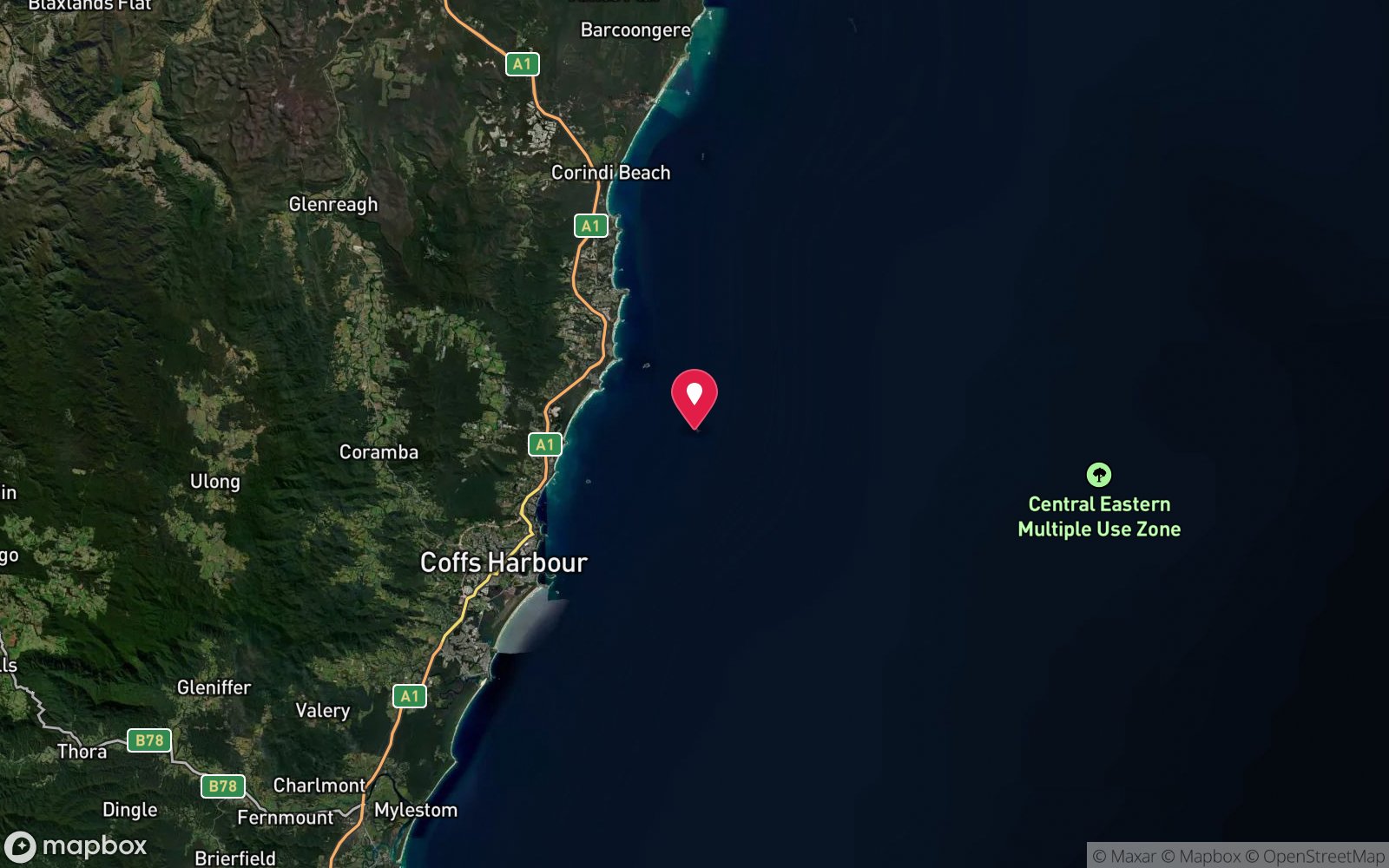
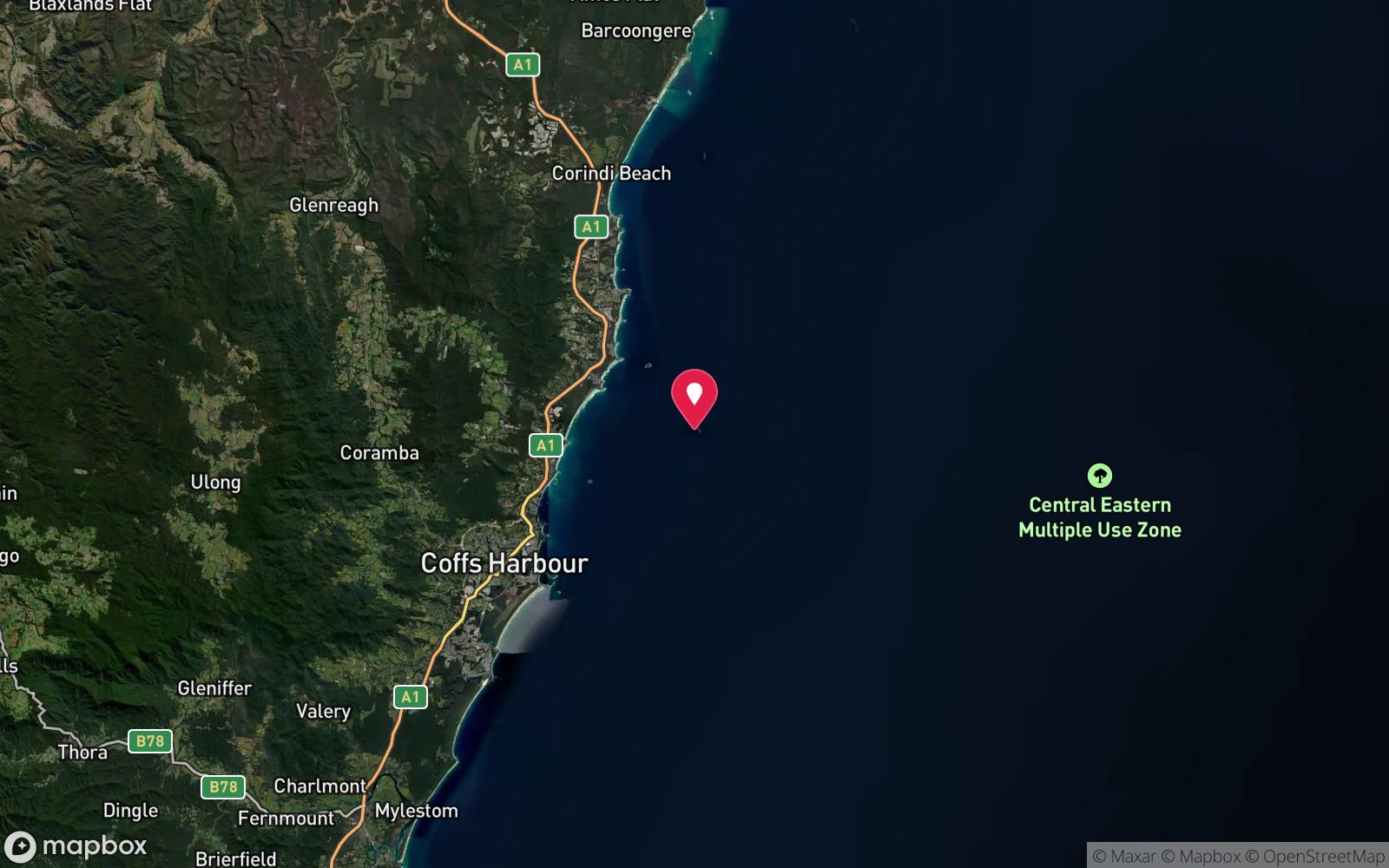
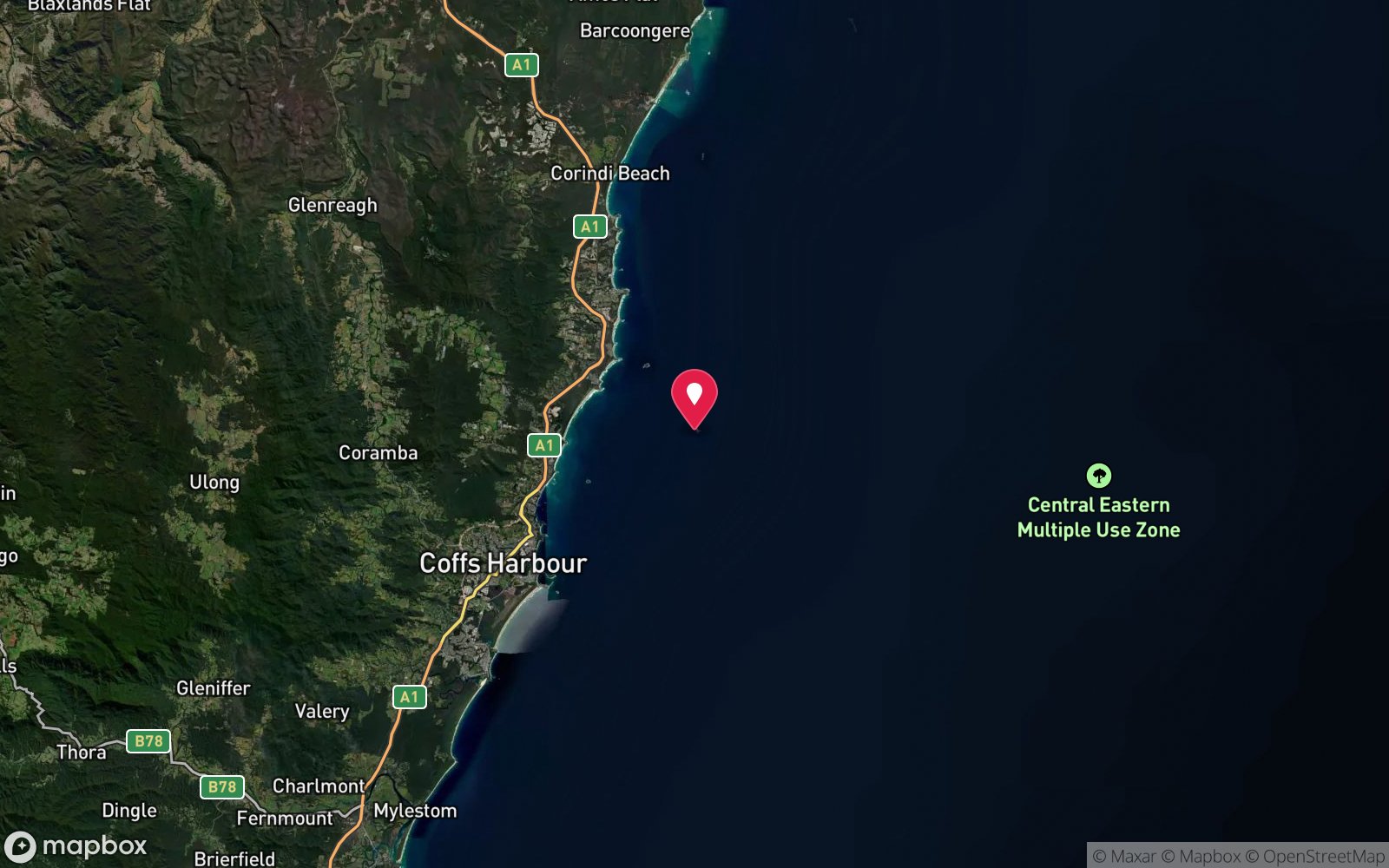
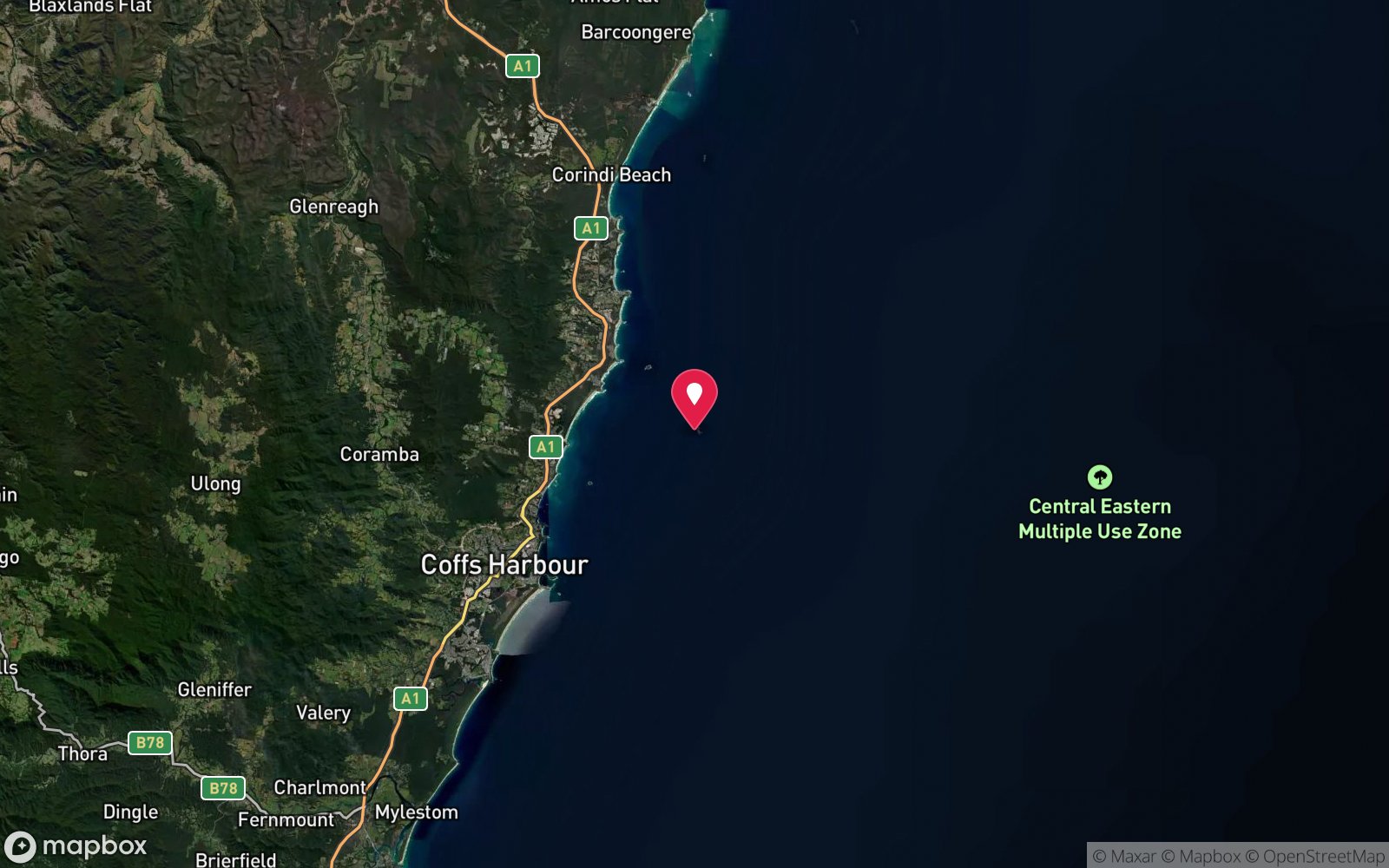
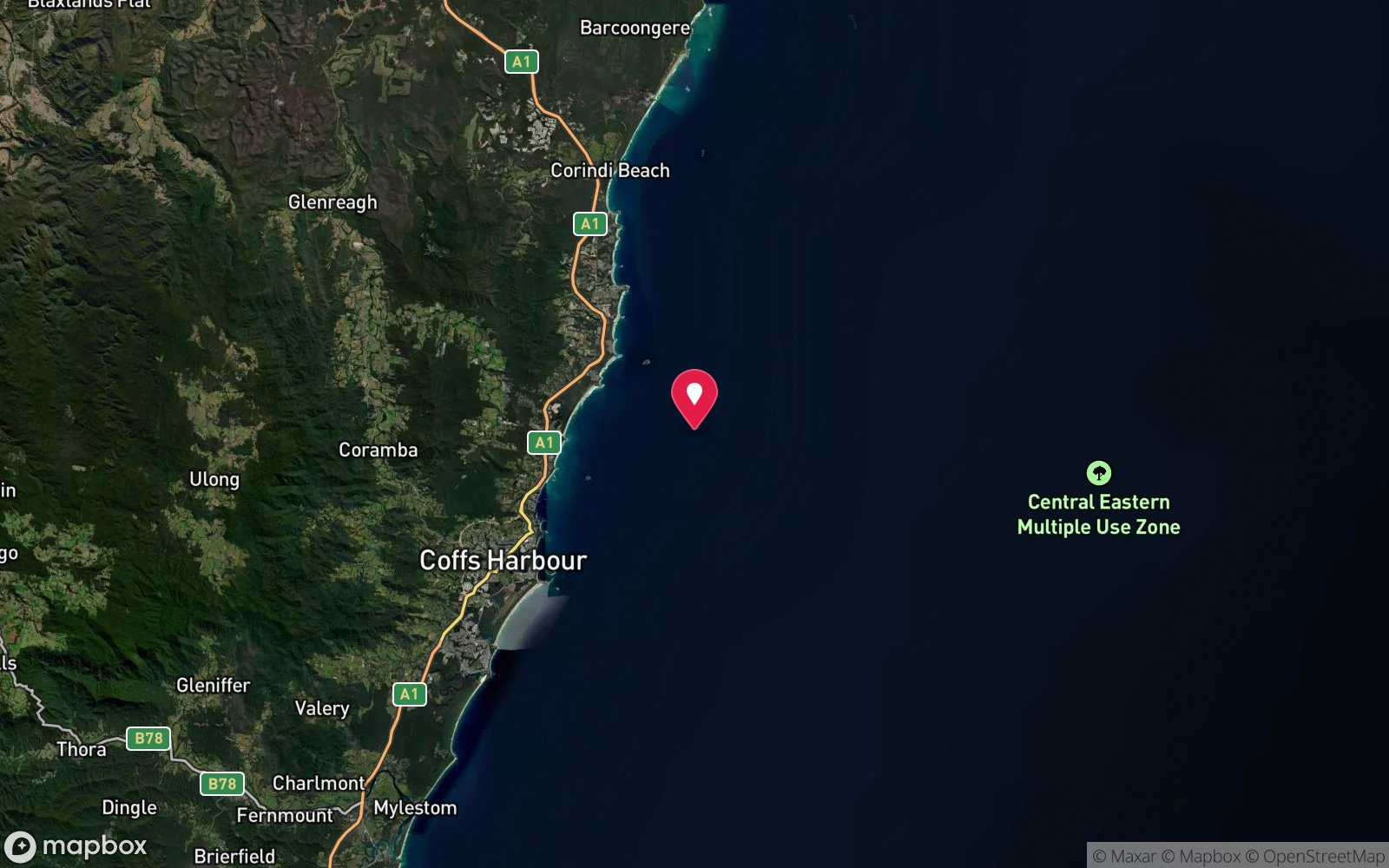
No published coordinates. The map above shows the general area, estimated from other documented sites near Coffs Harbour.
Dive site map (external) →Primary source: jettydive.com.auMarine park & permits
Solitary Islands Marine Park – Split Solitary Island Sanctuary Zone, no take
Nearest recompression chamber
Prince of Wales Hospital (Randwick, Sydney)
Diving emergency: call 000, then DAN AP 1800 088 200.
Trip planner
Build a trip around Split Solitary Island – The Arch →
A day-by-day plan for Coffs Harbour & Solitary Islands with this site locked in.
This guide is a planning aid. Conditions change daily — confirm with a local dive centre and dive within your training. Data & safety notes.
Dive profile
How this site rates
Scores are computed from the recorded data, not opinions. How?
At a glance
Split Solitary Island – The Arch is a cave / cavern boat dive in Coffs Harbour & Solitary Islands, NSW, 8–16 m, suited to Open Water divers, about 20 minutes by boat.
Rated beginner: sheltered, shallow and manageable for a newly certified diver on a normal day, though note an overhead environment and boat traffic overhead.
Why dive here
- A small, scenic natural archway near Split Solitary Island's namesake split, an easy bonus feature on a broader island dive.
About Split Solitary Island – The Arch
The Arch is a small natural archway near the northern side of Split Solitary Island, close to the dramatic cleft in the rock that gives the island its name and which is visible from the surface as the island's most distinctive feature. Underwater, the archway itself is modest in scale compared with the more famous Manta Arch at South Solitary Island, but it offers a brief, scenic swim-through well within Open Water depth limits, in a comfortable 8 to 16 m range typical of this closest and most sheltered island in the group. Because Split Solitary Island is the default fallback site whenever weather rules out the more exposed islands further offshore, The Arch sees fairly regular use as part of a broader dive plan, usually worked in en route between the northern approach and one of the island's several named southern moorings such as Turtle Cove or Cod Rock.
Moray eels are commonly found in the archway's crevices, nudibranchs and other invertebrates decorate its walls, and turtles and reef fish pass through the opening regularly, making it a worthwhile few minutes on any Split Solitary Island dive rather than a stand-alone destination. Given Split Solitary Island's popularity as the marine park's most heavily used training and fallback site, The Arch benefits from being genuinely low-risk and straightforward to navigate, suiting divers at every experience level from open-water students to instructors looking for a reliable, attractive feature to include on an otherwise flexible dive plan. It is not marketed with the fanfare of South Solitary Island's headline sites, but as a small bonus feature within an already excellent, reliable dive location, it adds real value to a Split Solitary Island visit.
Getting there & entry
A small natural archway near the northern side of Split Solitary Island, close to the feature that gives the island its name, offering a brief but scenic swim-through within easy Open Water depths.
Jetty Dive Centre departs from the public floating pontoon wharf in Coffs Harbour boat harbour; Split Solitary Island is about 20 minutes out, the closest of the group.
Entry: Giant stride from a Jetty Dive Centre RIB onto a mooring
Weather, swell & tides
Split Solitary Island, being the closest and most sheltered of the group, is the most consistently diveable island; visibility is often lower than at South Solitary Island since it sits closer to the mainland's influence.
Best season: Year-round; the most reliably diveable island in the group
How the dive is usually run
Approach the archway from open water at 10-12 m, pass through slowly checking the walls for moray eels and nudibranchs, and continue on to one of the island's named southern moorings to complete the dive.
Marine life
- Moray eels
- nudibranchs →
- turtles →
- resident reef fish
Linked species have their own page listing every site where they are recorded. All marine life →
Training required
Within the 18 m limit of an entry-level certification.
Courses that help here
- Cavern Diver – An overhead environment.
Depth tiers: 0–10 m easy · to 18 m Open Water · 18–30 m Advanced (25 m+ is a deep dive) · 30–40 m Deep specialty · 40 m+ technical. All courses
Hazards & warnings
Boat traffic; generally low risk given the sheltered, shallow setting.
Dive centres that go here
Jetty Dive Centre includes The Arch as part of a broader Split Solitary Island dive when the mooring plan allows a pass by the island's namesake split.
Operators recorded for Split Solitary Island – The Arch
Other dive centres in Coffs Harbour & Solitary Islands
General area
No position has been published for Split Solitary Island – The Arch. The circle shows where it is likely to be, worked out from other documented sites near Coffs Harbour. Ask a local operator for the exact site.
Dashed circle: general area (about 9 km), from other documented sites near Coffs Harbour. 6 pinned sites. Pins marked approximate on their pages show the general area only; not for navigation.
Split Solitary Island – The Arch: frequently asked questions
How deep is Split Solitary Island – The Arch?
Split Solitary Island – The Arch reaches a maximum depth of 16 m, with the shallowest part at about 8 m; most of the dive is spent around 12 m.
What certification do I need to dive Split Solitary Island – The Arch?
Open Water is the recommended minimum. Rated beginner: sheltered, shallow and manageable for a newly certified diver on a normal day, though note an overhead environment and boat traffic overhead.
Can I shore dive Split Solitary Island – The Arch?
No, it is reached by boat (about 20 minutes). A dive centre is required: boat access only.
When is the best time to dive Split Solitary Island – The Arch?
Year-round; the most reliably diveable island in the group.
What marine life will I see at Split Solitary Island – The Arch?
Regularly recorded: Moray eels, nudibranchs, turtles, resident reef fish.
What wetsuit do I need at Split Solitary Island – The Arch?
3 mm shorty/full suit summer, 5-7 mm winter.
How cold is the water at Split Solitary Island – The Arch?
Typically 24-26 °C in summer and 18-19 °C in winter.
What are the main hazards at Split Solitary Island – The Arch?
Boat traffic; generally low risk given the sheltered, shallow setting. See the hazards section above for the full list.
Where is the nearest recompression chamber to Split Solitary Island – The Arch?
Prince of Wales Hospital (Randwick, Sydney). In an emergency call 000, then DAN Asia-Pacific on 1800 088 200.
Diving in Coffs Harbour & Solitary Islands
The Solitary Islands Marine Park is where the tropics meet the temperate zone: hard corals grow alongside kelp, anemonefish share ledges with blue gropers, and grey nurse sharks, turtles, mantas and leopard sharks all pass through. North Solitary's Anemone Bay has the densest carpet of anemones and clownfish in the country; South Solitary has the lighthouse, Manta Arch and Buchanan's Wall. Split Solitary and North West Solitary are closer in and quieter.
Getting there: Coffs Harbour is a six-hour drive or a one-hour flight from Sydney. Charters leave from Coffs Harbour marina; North Solitary trips run from Wooli or Coffs and take 40–60 minutes each way.
All Coffs Harbour & Solitary Islands dive sites and a suggested itinerary →
Sources
Data confidence: Low · Being verified: Named descriptively after the island's namesake split feature; confirm exact position and whether it has its own mooring with Jetty Dive Centre.. Last updated September 2026. Know this site better? How to send a correction
Nearby dive sites
More cave/cavern dives in New South Wales
Explore more
This region