Dive slate · divesites.com.au · printed 9 Nov 2026
North Solitary Island – Elbow Cave
Coffs Harbour & Solitary Islands, New South Wales · near Wooli
| Depth | 6–13 m |
|---|---|
| Minimum level | Open Water |
| Difficulty | Beginner |
| Access | Boat (day trip) |
| Entry | Giant stride from the Wooli Dive Centre boat |
| Current | Mild |
| Visibility | 20-30 m |
| Water | summer 25 °C, winter 19 °C |
| Suit | 3-5 mm full suit |
| Best season | Year-round; late summer for the warmest water, late winter for cooler but often clearer conditions |
| Bottom time | 78 min |
| Position | not published |
| Permit | Cape Byron Marine Park / Solitary Islands Marine Park zoning applies – check current sanctuary/habitat protection zone boundaries before diving or spearfishing |
| Nearest chamber | Prince of Wales Hospital (Randwick, Sydney) |
| Emergency | 000 · DAN Asia-Pacific diving emergency 1800 088 200 |
North Solitary Island – Elbow Cave
An easy, current-free swim-through cave surrounded by extraordinarily dense anemone beds and a 1980s trawler wreck, allowing unusually long bottom times of 75-80 minutes.
Near Wooli · Coffs Harbour & Solitary Islands, New South Wales
- Depth
- 6–13 m
- Minimum level
- Open Water
- Access
- Boat (day trip)
- Boat ride
- ~75 min
- Water
- 25 °C
- Visibility
- 20-30 m
North Solitary Island – Elbow Cave6–13 m · Open Water
Dive factsDepths, conditions, location & safety
Season
Off-peak nowBest months: January, February, June, July, August, December.
Year-round; late summer for the warmest water, late winter for cooler but often clearer conditions
- Best months
- Now (November)
- Stinger suit Nov–May
Dive facts
- Depth
- 6–13 m
- Typical depth
- 10 m
- Certification
- Open Water
- Difficulty
- Beginner
- Depth tier
- Open Water (10–18 m)
- Access
- Boat (day trip)
- Offshore
- 27 km
- Dive centre needed
- Yes – boat access only
- Shore / independent
- No
- Boat ride
- ~75 min
- Current
- Mild
- Visibility
- 20-30 m
- Water temp (summer)
- 25 °C
- Water temp (winter)
- 19 °C
- Water
- Subtropical
- Bottom time
- 78 min
- Dive traffic
- Rarely dived (private boat/club only)
- Night dive
- Possible
- Snorkel friendly
- No
Exposure suit
3-5 mm full suit
Location
North Solitary Island · NSW North Coast – Wooli
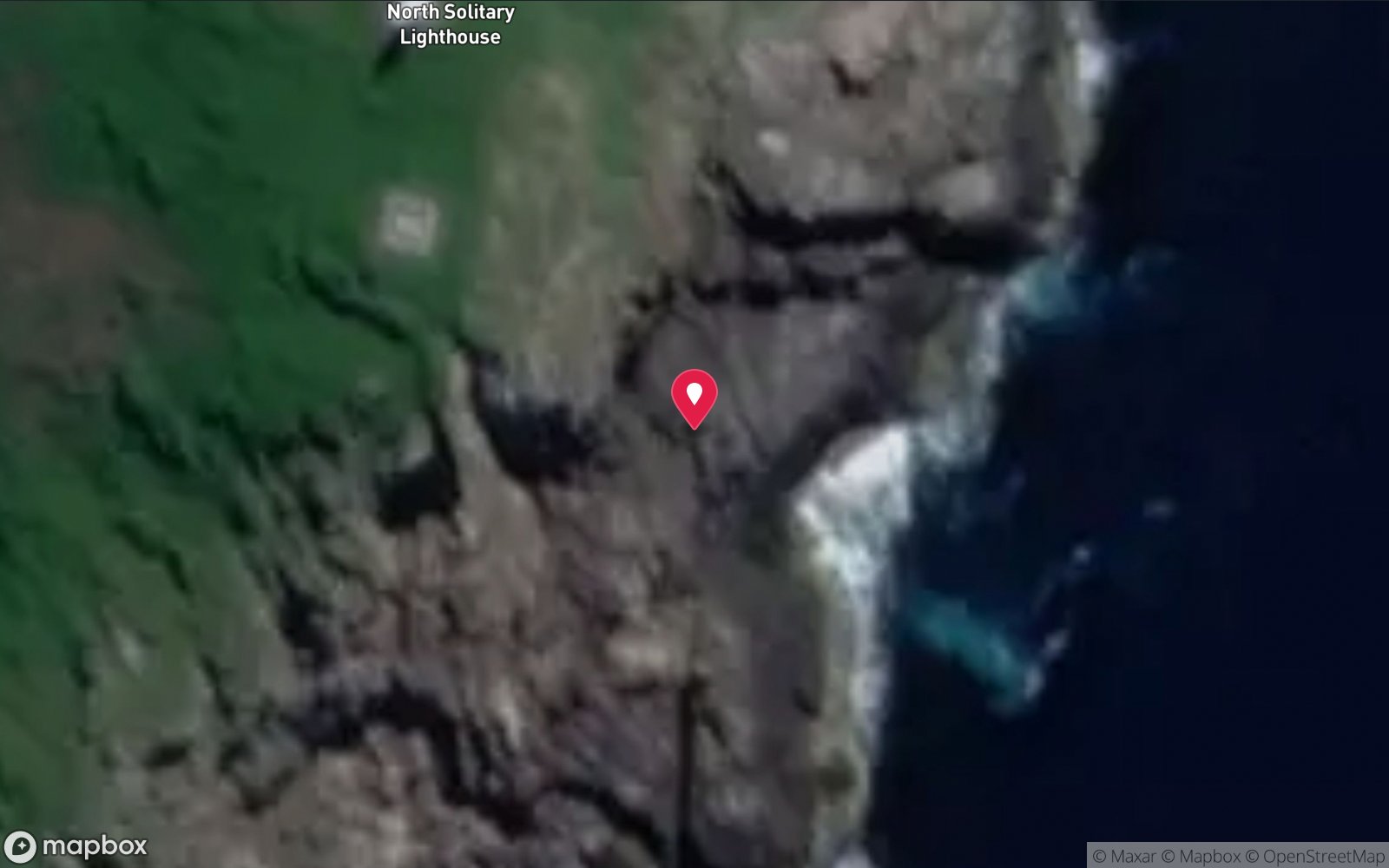
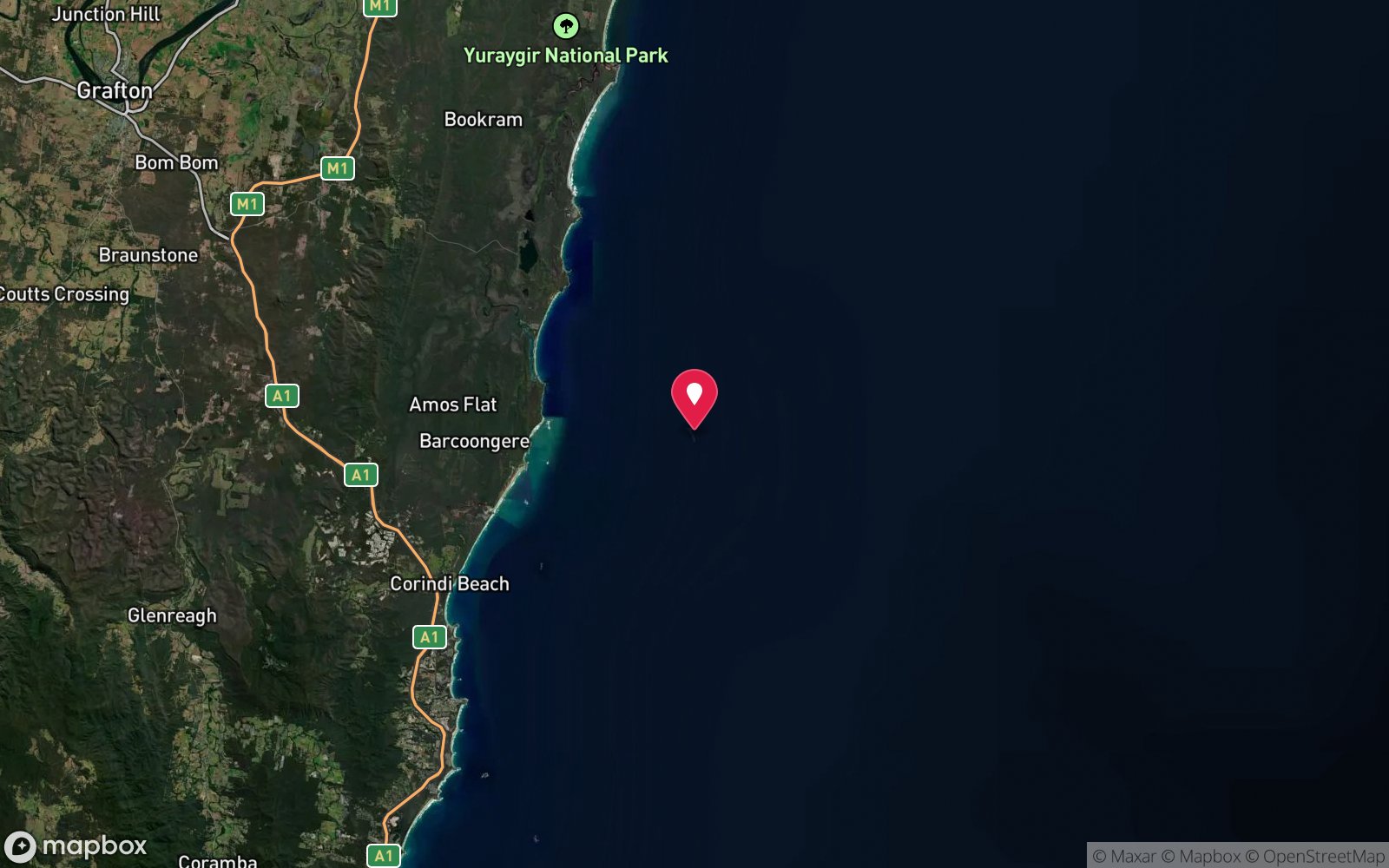
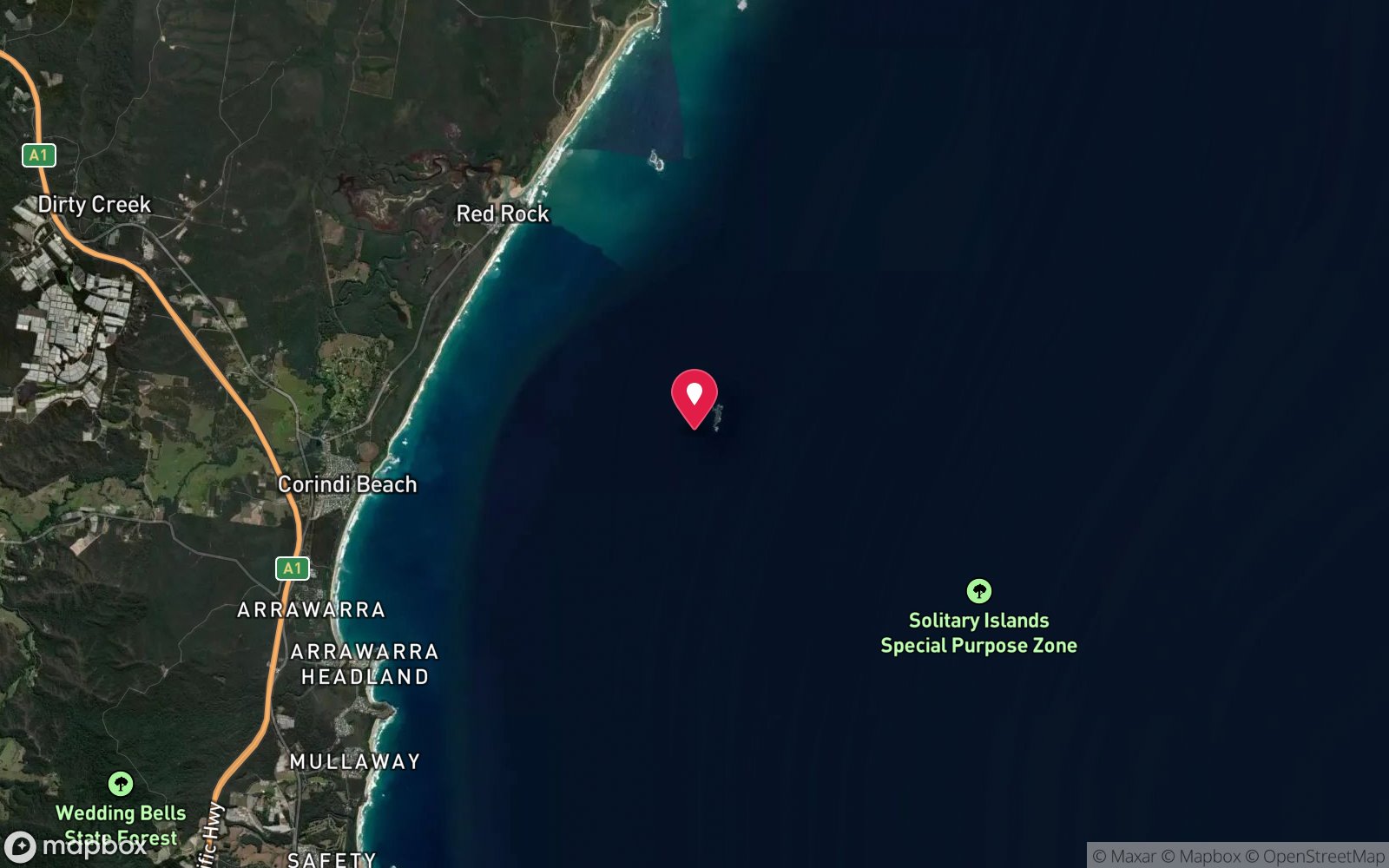
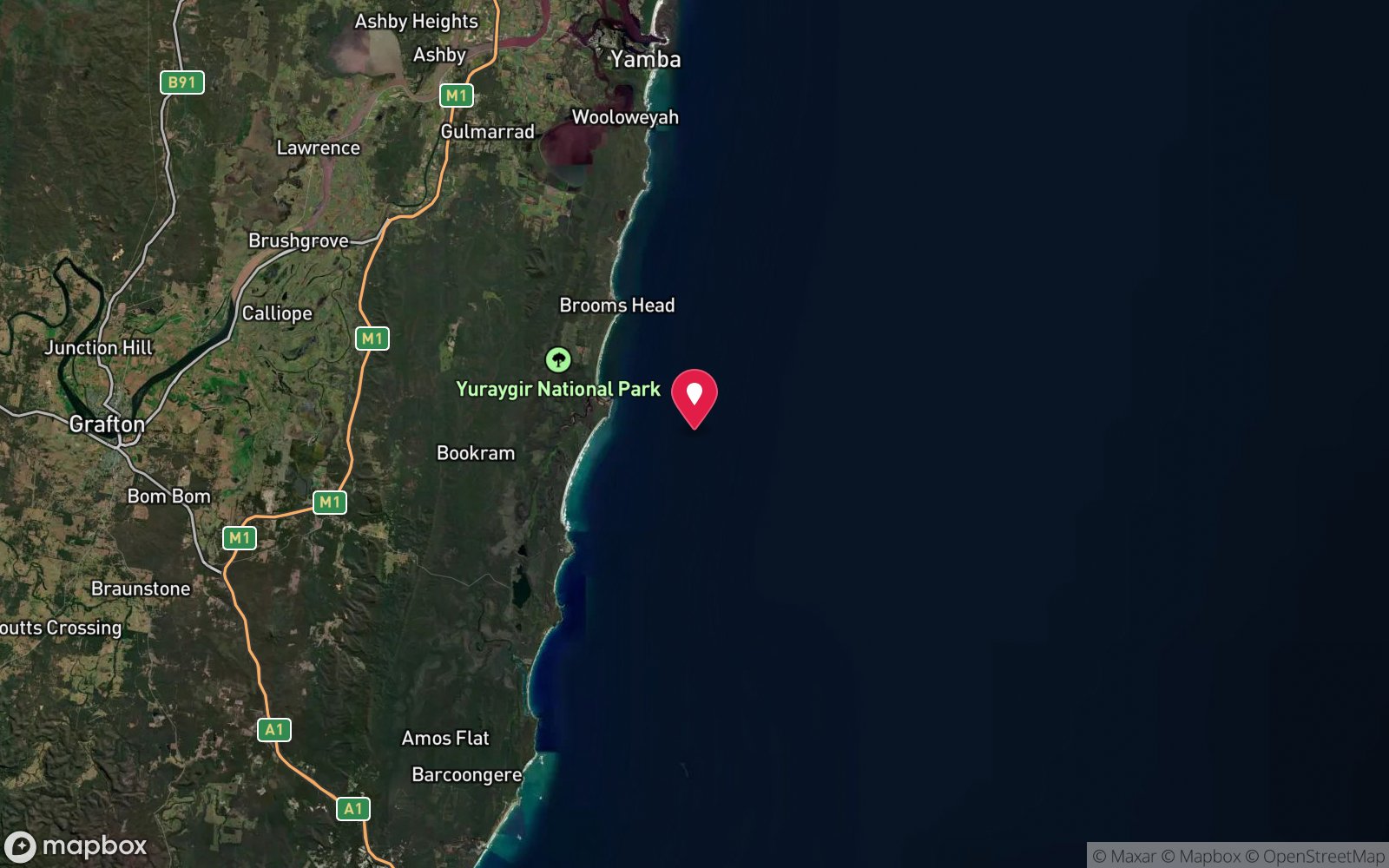
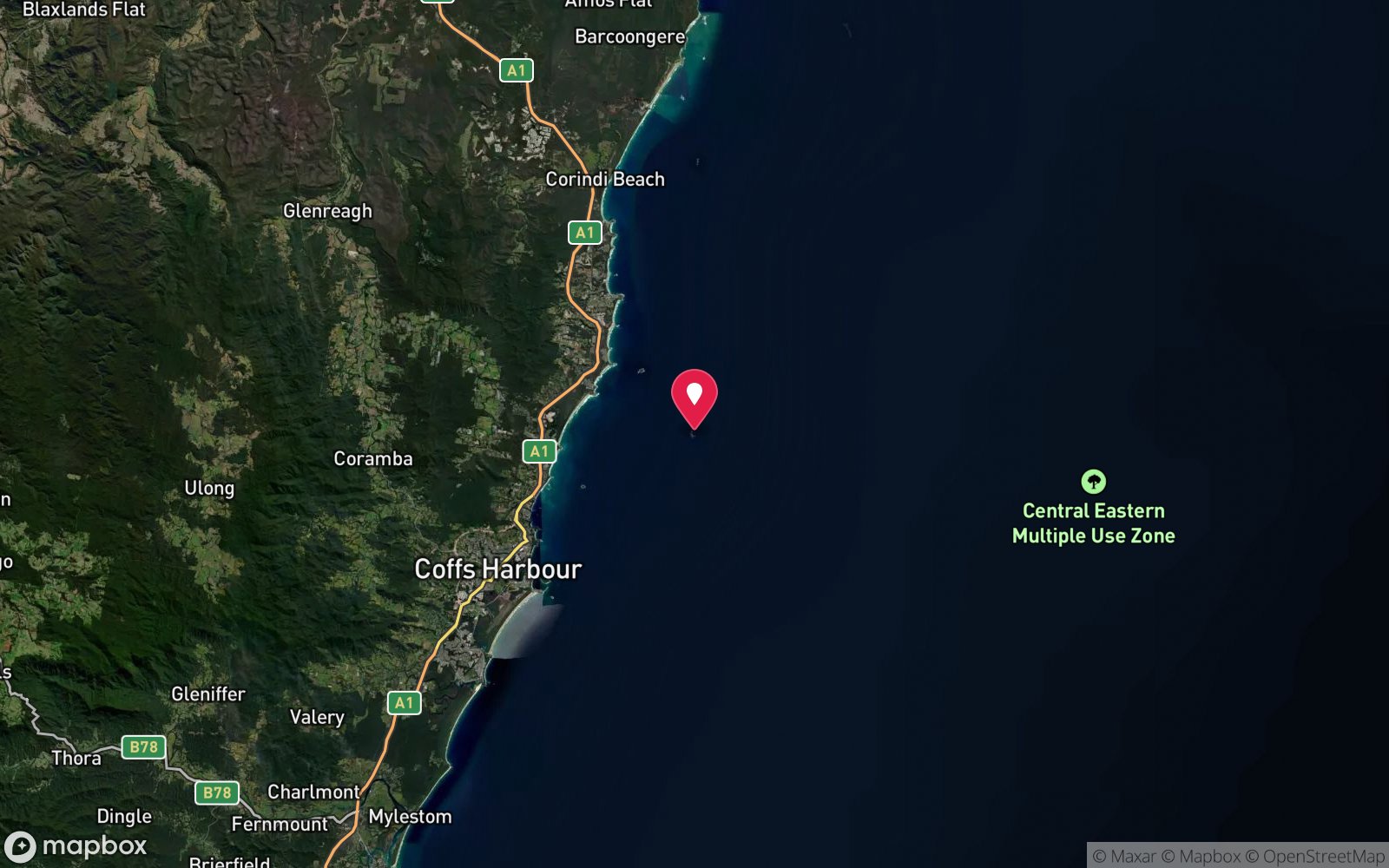
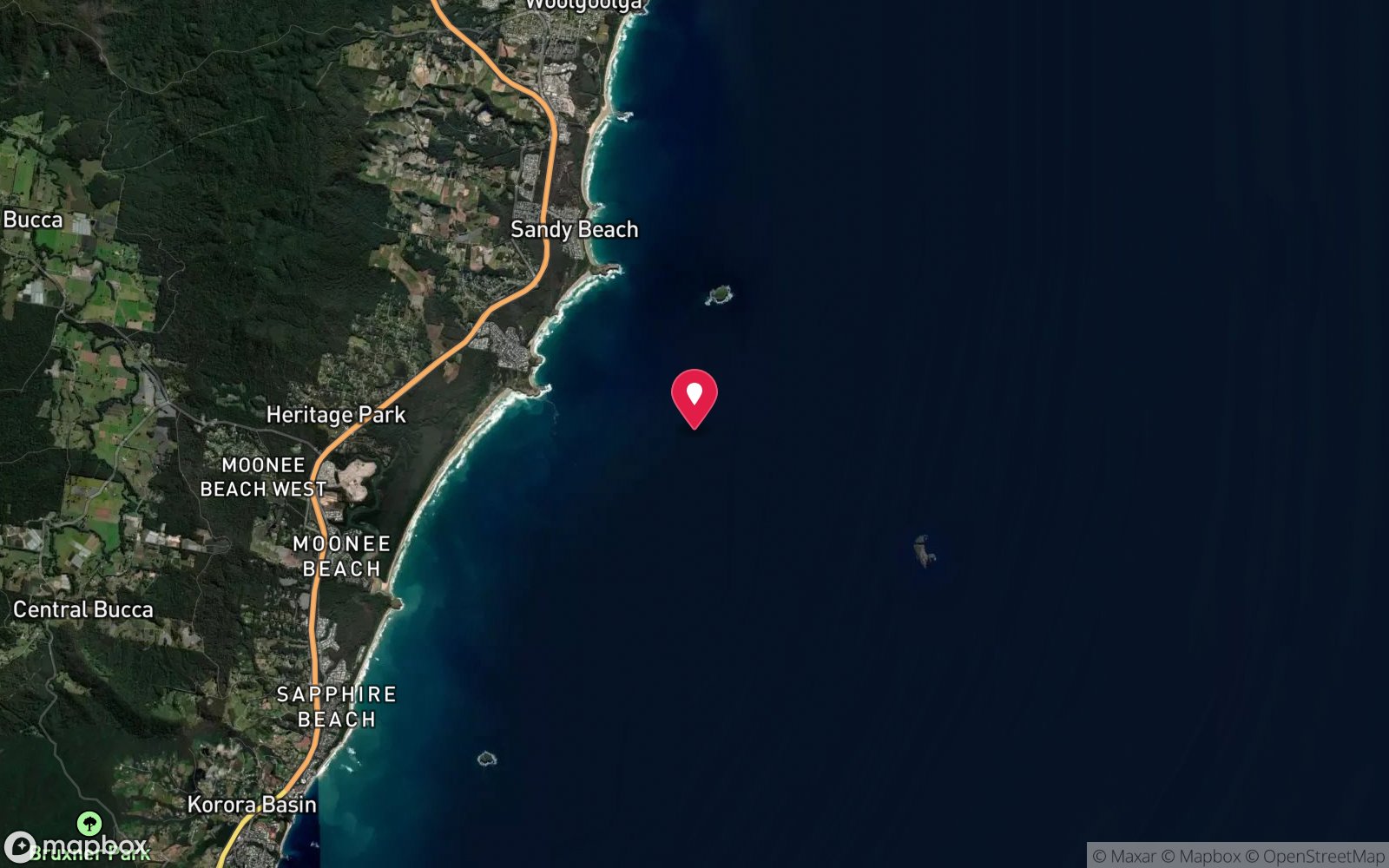
No published coordinates. The map above shows the general area, estimated from other documented sites near Wooli.
Primary source: michaelmcfadyenscuba.infoMarine park & permits
Cape Byron Marine Park / Solitary Islands Marine Park zoning applies – check current sanctuary/habitat protection zone boundaries before diving or spearfishing
Nearest recompression chamber
Prince of Wales Hospital (Randwick, Sydney)
Diving emergency: call 000, then DAN AP 1800 088 200.
Trip planner
Build a trip around North Solitary Island – Elbow Cave →
A day-by-day plan for Coffs Harbour & Solitary Islands with this site locked in.
This guide is a planning aid. Conditions change daily — confirm with a local dive centre and dive within your training. Data & safety notes.
Dive profile
How this site rates
Scores are computed from the recorded data, not opinions. How?
At a glance
North Solitary Island – Elbow Cave is a cave / cavern boat dive in Coffs Harbour & Solitary Islands, NSW, 6–13 m, suited to Open Water divers, about 75 minutes by boat.
Rated beginner: sheltered, shallow and manageable for a newly certified diver on a normal day, though note an overhead environment.
Why dive here
- An easy, current-free swim-through cave surrounded by extraordinarily dense anemone beds and a 1980s trawler wreck, allowing unusually long bottom times of 75-80 minutes.
- Sunk in 1988.
- A photographer's site: bring a macro lens or a wide-angle depending on the season.
- Rarely dived: expect to have the site to yourself, and plan your own logistics.
- Visibility often reaches 20-30 m.
Conditions to avoid
- Outgoing tide or run-off after rain (poor visibility)
- Cyclone season (roughly December–April)
About North Solitary Island – Elbow Cave
Elbow Cave sits on the western side of the southern part of North Solitary Island, where a reef fans out from the island in a broad semi-circle for 75 to 100 m, cut by a series of gullies running roughly north-south across the reef top. The cave itself is a small, uncomplicated swim-through best entered from its southern side, delivering divers into the main gully system at around 12 to 13 m — an easy, non-technical overhead section rather than a demanding cave dive, which keeps the site accessible to Open Water divers. The site's real drawcard is the sheer volume of life packed into a shallow, sheltered setting: tens of thousands of anemones carpet the reef, hosting several clownfish species side by side — Clark's, red, false clown, three-spot dascyllus and orange anemonefish have all been recorded here — alongside guineafowl moray eels, a good range of nudibranchs, Spanish dancers and egg cowries.
Scattered through the site, now so heavily encrusted with coral and sponge growth that identification is difficult without local knowledge, are the remains of a fishing trawler that sank here around 1988 or 1989, adding a modest wreck element to what is otherwise a pure reef dive. Concrete plaques installed some years ago by the NSW Marine Parks Authority as part of an interpretive underwater trail can still be found around the site, though their upkeep has not kept pace with the growth covering them. What sets Elbow Cave apart from many Solitary Islands sites is the sheer amount of time divers can comfortably spend there: with depths rarely exceeding 13 m and typically excellent visibility of 20 to 30 m, dives here regularly run 75 to 80 minutes, far longer than the 30-40 minute dives typical of the deeper sites at South Solitary Island or Pimpernel Rock.
Combined with calm, current-free conditions in the lee of the island, this makes Elbow Cave one of the best sites in the whole marine park for unhurried macro photography, and it is accessible only through Wooli Dive Centre, which requires a minimum group of six to run the trip.
Wreck details
Fishing trawler, heavily overgrown, exact dimensions unrecorded · Sunk 1988
Era: post-war. Oldest wrecks · Wartime wrecks · Scuttled warships
Other wrecks of the same era
- Henry Bolte · Max 25 m · Eden & Green Cape
- Tasman Hauler · Max 31 m · Eden & Green Cape
- 55-metre Crane Barge (Newcastle) · Max 55 m · Newcastle & Lake Macquarie
- The Valiant wreck · Max 27 m · Sydney Northern Beaches
- Apollo Barge wreck · Max 47 m · Sydney Northern Beaches
- Coolooli wreck · Max 48 m · Sydney Northern Beaches
Getting there & entry
Western side of the southern section of North Solitary Island: a reef running out from the island in a semi-circle for 75-100 m with north-south gullies, a small swim-through cave, and the wreckage of a fishing trawler sunk around 1988-89.
Wooli Dive Centre is the only operator serving this section of coast and departs from the Wooli River wharf in the small village of Wooli, reached via Wooli Way off the Pacific Highway/Grafton-Wooli Road. The river mouth has a shallow, shifting bar that the operator's purpose-built jet-propulsion vessel (able to run in very shallow water) is specifically equipped to cross; private trailer boats should not attempt this bar without strong local knowledge. From the wharf it is roughly 25 minutes to North Solitary Island's southern sites and up to 90 minutes to Pimpernel Rock in the north of the marine park, weather dependent.
Wooli Dive Centre requires a minimum group size (around six divers) to run a charter to the more remote sites. Elbow Cave requires a minimum group of six divers to be included on a Wooli Dive Centre charter.
Entry: Giant stride from the Wooli Dive Centre boat
Weather, swell & tides
North Solitary Island and Pimpernel Rock sit fully in the open ocean north of the more sheltered Coffs Harbour grounds, so trips depend on a genuinely settled weather window — under about 1.5 m swell and light-to-moderate winds — and are cancelled more often than the South Solitary Island trips run from Coffs. The Wooli River bar itself is shallow and can be dangerous in a big swell or a strong outgoing tide; the dive centre's shallow-draft, high-powered vessel is built specifically to manage it, but the bar can still close the operation down on a bad day. Visibility offshore is normally excellent, in the order of 15-30 m, but summer brings warmer water (up to 25°C) with more current from the East Australian Current, while winter is cooler (down to about 18-19°C) but often calmer.
Cyclone-influenced swells from the Coral Sea can affect this coast in late summer/early autumn even without a direct cyclone hit.
Best season: Year-round; late summer for the warmest water, late winter for cooler but often clearer conditions
How the dive is usually run
Descend onto the reef top at about 6 m, follow the north-south gullies to the swim-through, entering Elbow Cave from the southern side and emerging into the main gully system at 12-13 m, then spend the remainder of the long available bottom time working the anemone beds and trawler wreckage before an unhurried ascent.
Marine life
- Tens of thousands of anemones with multiple clownfish species (Clark's, red, false clown, three-spot dascyllus, orange anemonefish)
- guineafowl moray eels
- nudibranchs →
- Spanish dancers
- egg cowries
Linked species have their own page listing every site where they are recorded. All marine life →
Training required
Within the 18 m limit of an entry-level certification.
Courses that help here
- Cavern Diver – An overhead environment.
Depth tiers: 0–10 m easy · to 18 m Open Water · 18–30 m Advanced (25 m+ is a deep dive) · 30–40 m Deep specialty · 40 m+ technical. All courses
Hazards & warnings
Long boat commitment (75 minutes each way); minimum group size of six required; no mooring at some nearby sites, but Elbow Cave itself is sheltered and low-current.
Dive centres that go here
Only accessible through Wooli Dive Centre, and only run with a minimum group size of about six divers.
Operators recorded for North Solitary Island – Elbow Cave
Other dive centres in Coffs Harbour & Solitary Islands
General area
No position has been published for North Solitary Island – Elbow Cave. The circle shows where it is likely to be, worked out from other documented sites near Wooli. Ask a local operator for the exact site.
Dashed circle: general area (about 25 km), from other documented sites near Wooli. 6 pinned sites. Pins marked approximate on their pages show the general area only; not for navigation.
North Solitary Island – Elbow Cave: frequently asked questions
How deep is North Solitary Island – Elbow Cave?
North Solitary Island – Elbow Cave reaches a maximum depth of 13 m, with the shallowest part at about 6 m; most of the dive is spent around 10 m.
What certification do I need to dive North Solitary Island – Elbow Cave?
Open Water is the recommended minimum. Rated beginner: sheltered, shallow and manageable for a newly certified diver on a normal day, though note an overhead environment.
Can I shore dive North Solitary Island – Elbow Cave?
No, it is reached by boat (about 75 minutes). A dive centre is required: boat access only.
When is the best time to dive North Solitary Island – Elbow Cave?
Year-round; late summer for the warmest water, late winter for cooler but often clearer conditions.
What marine life will I see at North Solitary Island – Elbow Cave?
Regularly recorded: Tens of thousands of anemones with multiple clownfish species (Clark's, red, false clown, three-spot dascyllus, orange anemonefish), guineafowl moray eels, nudibranchs, Spanish dancers, egg cowries.
What wetsuit do I need at North Solitary Island – Elbow Cave?
3-5 mm full suit.
How cold is the water at North Solitary Island – Elbow Cave?
Typically 25 °C in summer and 19 °C in winter.
What are the main hazards at North Solitary Island – Elbow Cave?
Long boat commitment (75 minutes each way); minimum group size of six required; no mooring at some nearby sites, but Elbow Cave itself is sheltered and low-current. See the hazards section above for the full list.
Where is the nearest recompression chamber to North Solitary Island – Elbow Cave?
Prince of Wales Hospital (Randwick, Sydney). In an emergency call 000, then DAN Asia-Pacific on 1800 088 200.
Diving in Coffs Harbour & Solitary Islands
The Solitary Islands Marine Park is where the tropics meet the temperate zone: hard corals grow alongside kelp, anemonefish share ledges with blue gropers, and grey nurse sharks, turtles, mantas and leopard sharks all pass through. North Solitary's Anemone Bay has the densest carpet of anemones and clownfish in the country; South Solitary has the lighthouse, Manta Arch and Buchanan's Wall. Split Solitary and North West Solitary are closer in and quieter.
Getting there: Coffs Harbour is a six-hour drive or a one-hour flight from Sydney. Charters leave from Coffs Harbour marina; North Solitary trips run from Wooli or Coffs and take 40–60 minutes each way.
All Coffs Harbour & Solitary Islands dive sites and a suggested itinerary →
Sources
Data confidence: High. Last updated September 2026. Know this site better? How to send a correction
Nearby dive sites
More wrecks in New South Wales
Explore more
This region
Similar dives
Marine life