Dive slate · divesites.com.au · printed 8 Nov 2026
Apollo Barge wreck
Sydney Northern Beaches, New South Wales · near Narrabeen / Collaroy
| Depth | 41–47 m |
|---|---|
| Minimum level | Technical (decompression) |
| Difficulty | Expert/Technical |
| Access | Boat |
| Entry | Giant stride onto a shot line dropped on the wreck |
| Current | Mild |
| Visibility | 15-20 m |
| Water | summer 21-24 °C, winter 15-18 °C |
| Suit | 5 mm full suit in summer; 7 mm semi-dry or drysuit May–October |
| Best season | May–September |
| Bottom time | 22 min |
| Position | -33.72790, 151.34970 (approximate) |
| Permit | None required |
| Nearest chamber | Prince of Wales Hospital (Randwick, Sydney) |
| Emergency | 000 · DAN Asia-Pacific diving emergency 1800 088 200 |
Apollo Barge wreck
Also known as Apollo, Apollo hopper barge
A fully intact 60 m hopper barge at 47 m with an enterable engine room and holds full of jewfish and trumpeter.
Near Narrabeen / Collaroy · Sydney Northern Beaches, New South Wales
- Depth
- 41–47 m
- Minimum level
- Technical (decompression)
- Access
- Boat
- Boat ride
- ~50 min
- Water
- 21-24 °C
- Visibility
- 15-20 m
Apollo Barge wreck41–47 m · Technical (decompression)
Dive factsDepths, conditions, location & safety
Season
Off-peak nowBest months: May, June, July, August, September.
Dive facts
- Depth
- 41–47 m
- Typical depth
- 45 m
- Certification
- Technical (decompression)
- Difficulty
- Expert/Technical
- Depth tier
- Technical (40 m +)
- Access
- Boat
- Offshore
- 4 km
- Dive centre needed
- Yes – boat access only
- Shore / independent
- No
- Boat ride
- ~50 min
- Current
- Mild
- Visibility
- 15-20 m
- Water temp (summer)
- 21-24 °C
- Water temp (winter)
- 15-18 °C
- Water
- Temperate
- Bottom time
- 22 min
- Dive traffic
- Rarely dived (private boat/club only)
- Night dive
- No
- Snorkel friendly
- No
Exposure suit
5 mm full suit in summer; 7 mm semi-dry or drysuit May–October
Location
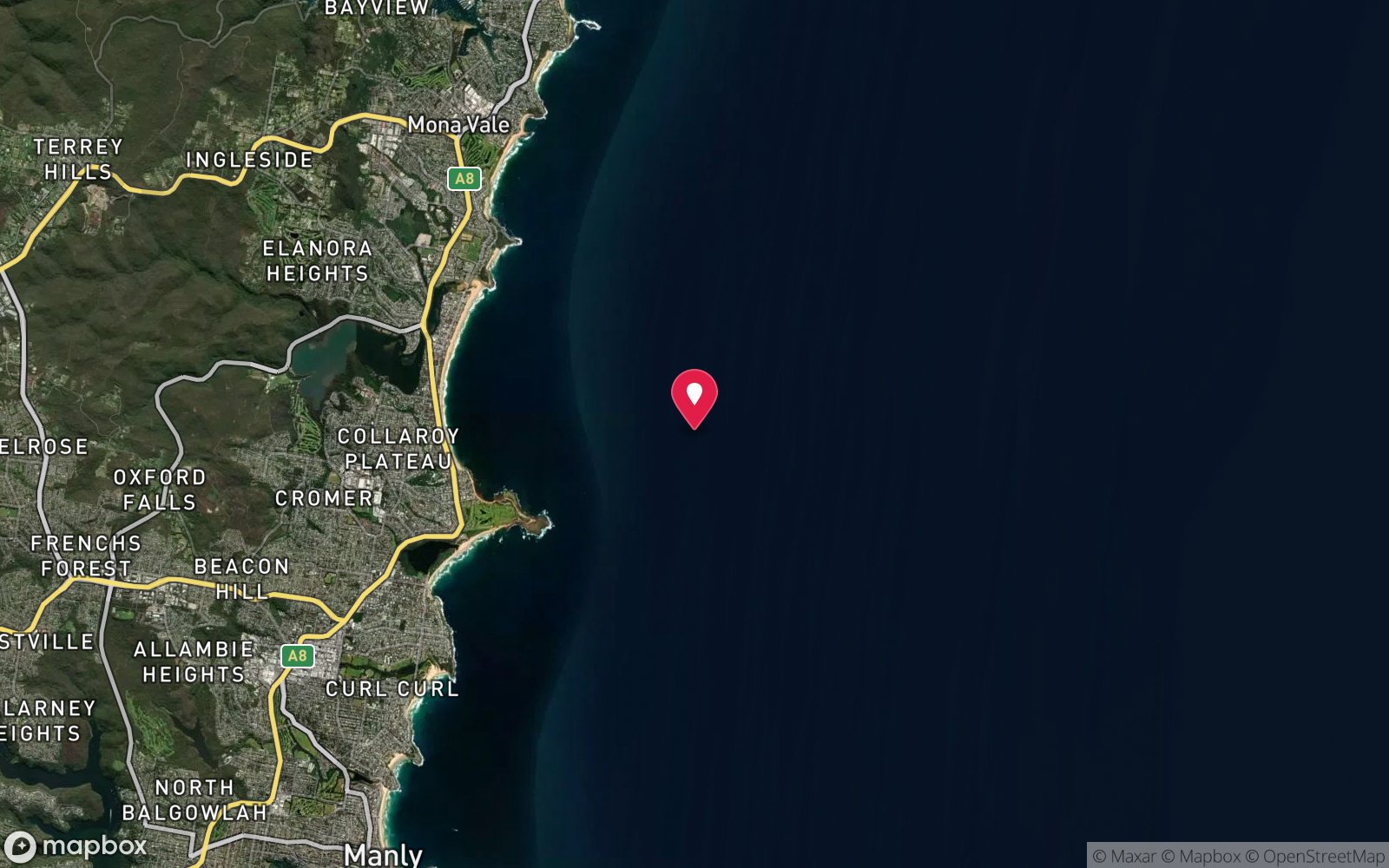
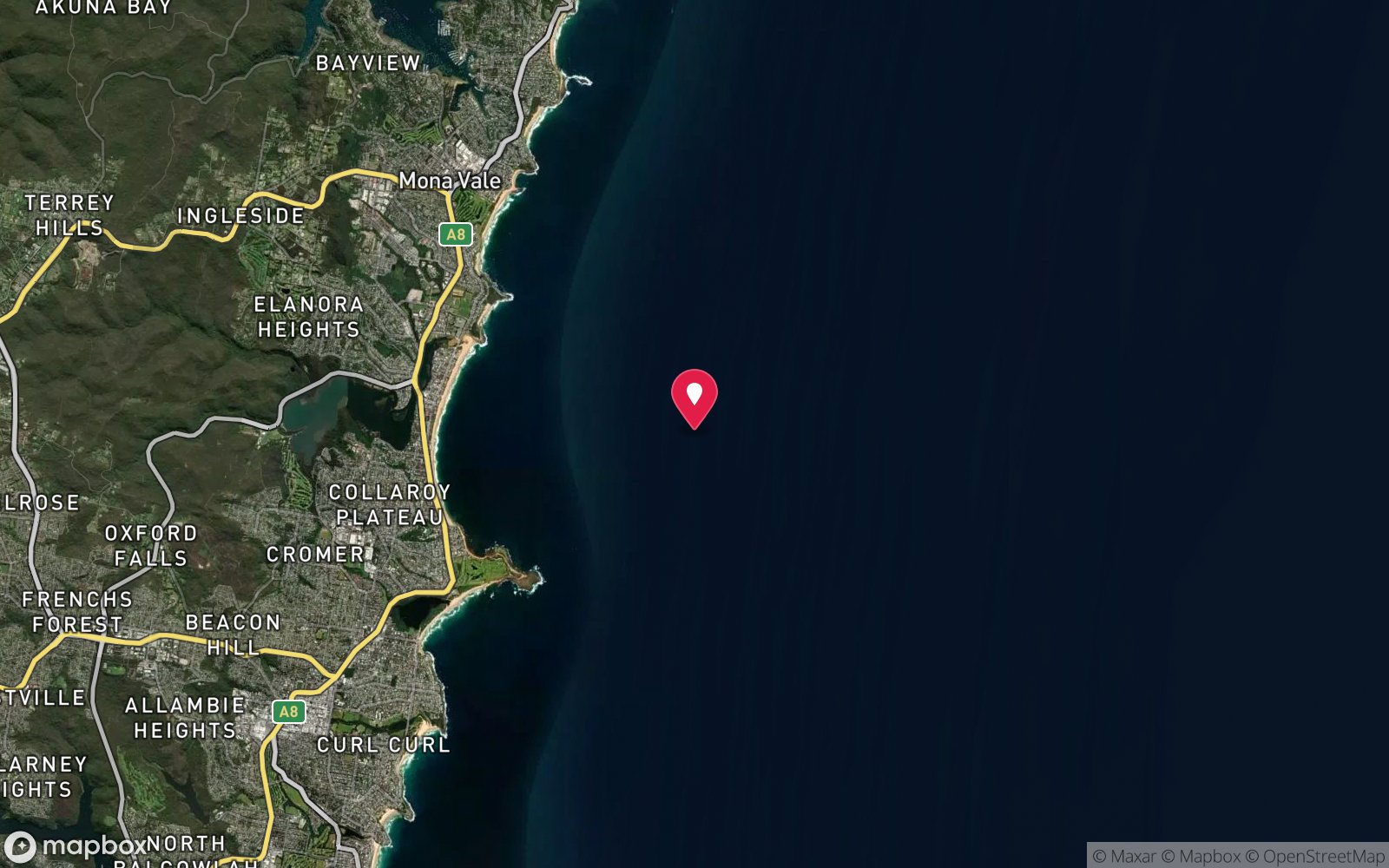
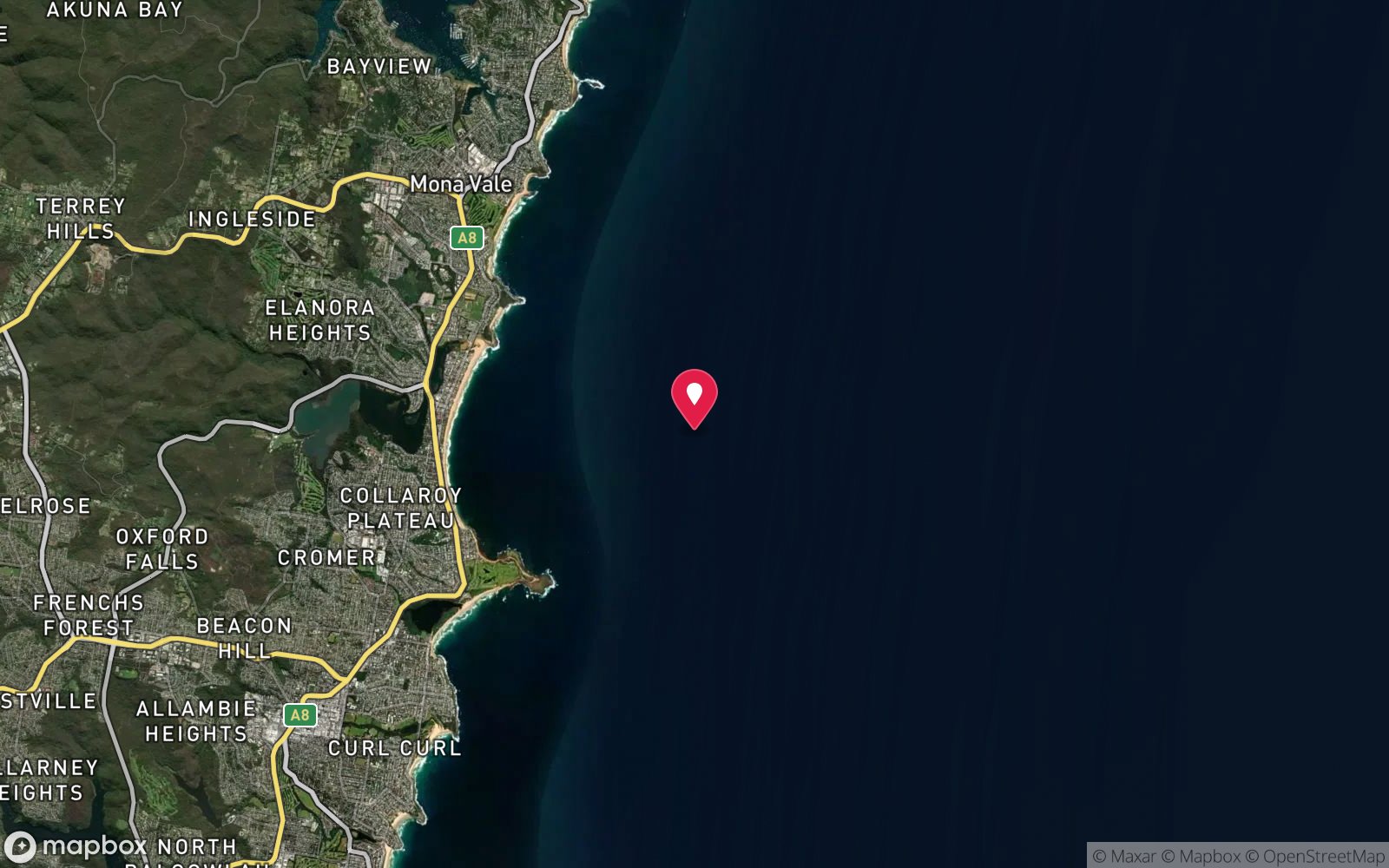
Long Reef artificial reef (wreck ground) · Sydney – Northern Beaches
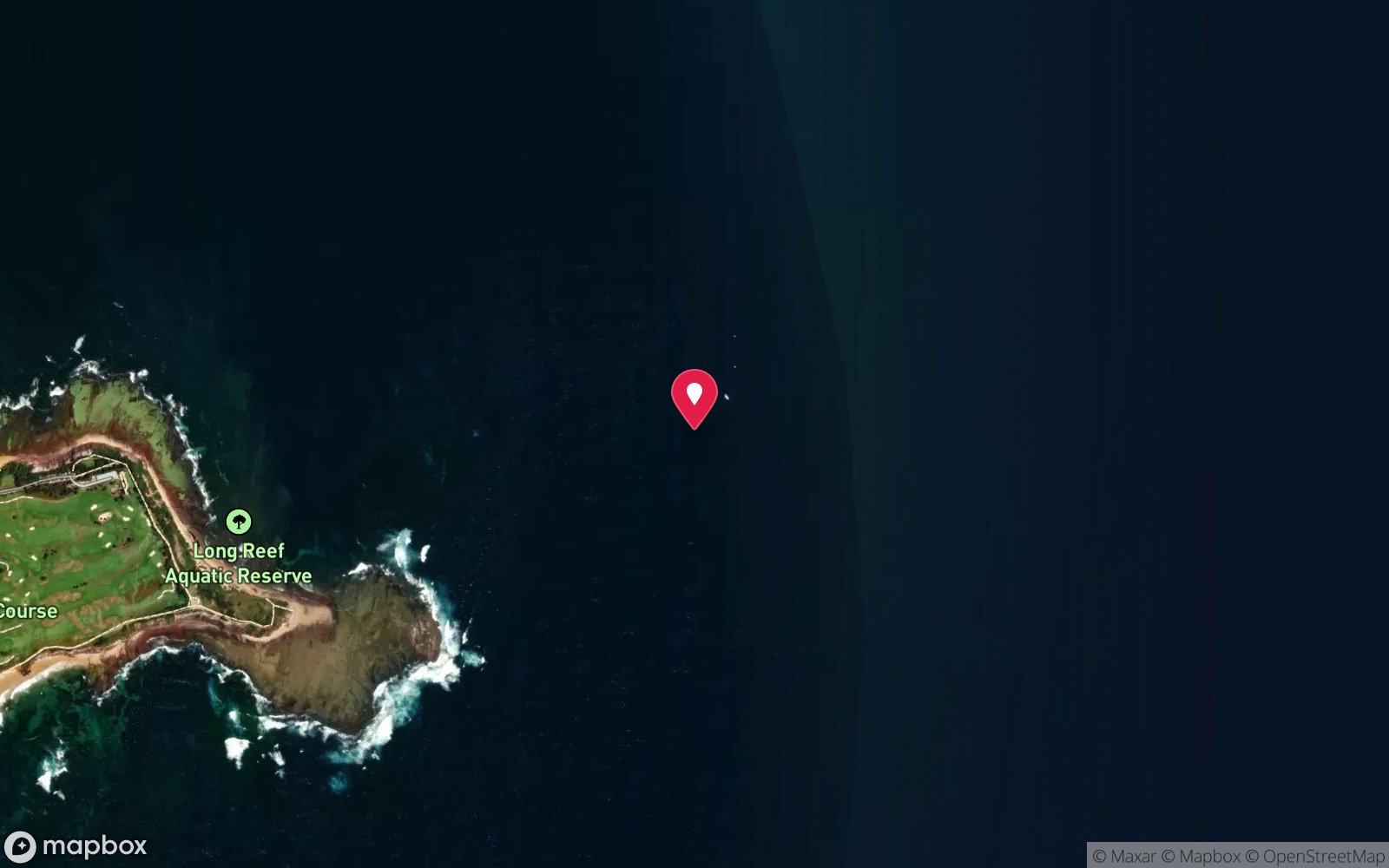
-33.72790, 151.34970
Approximate position — not for navigation.
Open in Google MapsPrimary source: michaelmcfadyenscuba.infoMarine park & permits
None required
Nearest recompression chamber
Prince of Wales Hospital (Randwick, Sydney)
Diving emergency: call 000, then DAN AP 1800 088 200.
Trip planner
Build a trip around Apollo Barge wreck →
A day-by-day plan for Sydney Northern Beaches with this site locked in.
This guide is a planning aid. Conditions change daily — confirm with a local dive centre and dive within your training. Data & safety notes.
Dive profile
How this site rates
Scores are computed from the recorded data, not opinions. How?
At a glance
Apollo Barge wreck is a wreck boat dive in Sydney Northern Beaches, NSW, 41–47 m, suited to Technical (decompression) divers, about 50 minutes by boat.
Rated expert/technical because of depth to 47 m, an overhead environment, cold water.
Why dive here
- A fully intact 60 m hopper barge at 47 m with an enterable engine room and holds full of jewfish and trumpeter.
- Sunk in 1980 (Hopper/dump barge, c.60 m, scuttled).
- Rarely dived: expect to have the site to yourself, and plan your own logistics.
- Visibility often reaches 15-20 m.
Conditions to avoid
- Swell above about 1.5 m
- Strong southerly or south-east swell and wind
- Afternoon north-easterlies
- Outgoing tide or run-off after rain (poor visibility)
- Spring plankton blooms
About Apollo Barge wreck
The Apollo is the biggest and most intact of the dumb barges sunk in the Long Reef artificial reef area, and for divers who have exhausted the ferries it is often the favourite. It is an unpowered hopper barge roughly 60 m long, 10 m wide and 6 m deep, of the type used to carry dredge spoil out to sea and dump it through bottom doors. Its working name is unknown; it was probably scuttled around 1980 with the rest of the reef program, and was found by Peter Fields and John Riley while searching for another wreck.
They named it after the dive-gear sponsor of their expedition. It sits upright on sand at 45–47 m with the deck at about 41 m, roughly 1.2 km south-south-west of the Dee Why and 11.6 km north of Sydney Heads. From the blunt bow with its anchor winch, a forward hatch drops into a large silt-filled compartment; behind it the hopper holds are divided into bays with the twin bottom-door mechanisms still visible.
At the stern is a small engine room housing a three-cylinder diesel that powered the winches and doors, a bridge structure with side doors, and hull plating that is beginning to rust through. Sydney Dive Charters describe two entry points into the machinery space, which is home to schools of blue morwong. The rear holds hold the densest fish: bastard trumpeter and jewfish in numbers.
Visibility is usually 15–20 m and current is seldom a problem, so with good gas planning this is one of the more relaxed dives at the depth. Anchoring must be precise because the bottom around the barge is sand with isolated rocks that will not hold. It suits decompression divers who have done the Dee Why and want an intact structure with penetration options; the silt inside the compartments is the principal reason to make a first dive an external tour only.
Wreck details
Hopper/dump barge, c.60 m, scuttled · Sunk 1980
Era: post-war. Oldest wrecks · Wartime wrecks · Scuttled warships
Other wrecks of the same era
- Coolooli wreck · Max 48 m · Sydney Northern Beaches
- Himma wreck · Max 52 m · Sydney Northern Beaches
- MV Bellubera wreck · Max 46 m · Sydney Northern Beaches
- The Valiant wreck · Max 27 m · Sydney Northern Beaches
- HMAS Doomba / Meggol wreck · Max 49 m · Sydney Northern Beaches
- SS Dee Why (ferry) wreck · Max 48 m · Sydney Northern Beaches
Getting there & entry
Large unpowered hopper barge, about 60 m long, scuttled around 1980 some 1.2 km south-south-west of the Dee Why ferry; upright on sand in 45–47 m.
Boat only. Charters and private boats usually launch from the Roseville Bridge ramp on Middle Harbour or Rose Bay/Manly in Sydney Harbour and run north up the coast past North Head, Manly and Dee Why (roughly 45–60 minutes at cruising speed), or from the Akuna Bay/Pittwater ramps and run south past Barrenjoey (similar time). There is no all-weather ramp on the Northern Beaches ocean coast itself.
The wrecks lie on a flat sand plain and cannot be seen from the surface; you need accurate GPS and a sounder, and must drop the anchor or shot line directly onto structure because it will not hold in the sand. A drifting decompression station with spare gas is the normal arrangement.
Entry: Giant stride onto a shot line dropped on the wreck
Weather, swell & tides
The Long Reef wreck ground is 4–5 km offshore in open water with no lee. Any southerly or north-easterly swell above about 1.5 m makes anchoring on the wreck and the long decompression hang unpleasant or unsafe; charters generally want under 1 m swell and under 15 knots. Surface current from the East Australian Current can run north–south across the site even when the bottom is still, so a drifting deco station or a strong anchor line is essential.
Visibility is best from late autumn through winter (15–25 m) when the water is clear and cool; summer brings warmer water but more plankton and thermoclines. Avoid the days after heavy rain when the Narrabeen and Hawkesbury outflows dirty the inshore water. Mornings before the sea breeze are calmest.
Best season: May–September
If it's blown out
Sheltered or shore sites within 25 km that often work when Apollo Barge wreck doesn't.
- Shelly Beach / Cabbage Tree Bay (Manly) · 9 km · Max 16 m
- Fairy Bower · 10 km · Max 10 m
- Manly Cove (Oceanworld nets) · 10 km · Max 6 m
- Fairlight · 11 km · Max 12 m
How the dive is usually run
Descend to the deck at 41 m. Circuit the outside first: blunt bow and anchor winch, along the hopper hold openings, to the stern engine room and bridge. On a second visit, trained divers may enter the engine room through the side door to see the three-cylinder diesel, and look into the holds for the fish schools.
Return to the shot and decompress.
Marine life
- Jewfish
- bastard trumpeter
- blue morwong
- bullseyes
- kingfish
- wobbegongs →
- sponges and anemones
Linked species have their own page listing every site where they are recorded. All marine life →
Training required
Beyond recreational limits: decompression, mixed gas or full cave/wreck training is required.
Courses that help here
- Enriched Air Nitrox – Longer no-decompression time at 25 m and deeper.
- Wreck Diver – The wreck has penetration options.
- Drysuit Diver – Cold water; locals dive dry for much of the year.
- Peak Performance Buoyancy – Silt and low visibility punish poor trim.
Depth tiers: 0–10 m easy · to 18 m Open Water · 18–30 m Advanced (25 m+ is a deep dive) · 30–40 m Deep specialty · 40 m+ technical. All courses
Hazards & warnings
45–47 m; decompression; deep silt inside compartments; overhead environment; sharp rusted plating; anchoring on sand fails; surface current.
Technical notes
Decompression dive. Typical plans use trimix (e.g. 21/35) or air/EANx with 50% and/or 100% O2 deco gases; 20–25 minutes bottom time gives 30–50 minutes of decompression. Twin cylinders or CCR with bailout, reel/line for any penetration, DSMB and surface support boat mandatory.
Silt inside compartments; several fatalities have occurred on this wreck group, so treat penetrations as overhead dives.
Dive centres that go here
No scheduled recreational charters. Sydney Dive Charters (Rose Bay/Manly) runs technical charters to the Long Reef wreck area on demand for T1/Tec45+ certified divers; otherwise private boats and technical dive clubs launching from Roseville, Akuna Bay or Rose Bay ramps. Expect a handful of visits per year.
Operators recorded for Apollo Barge wreck
Other dive centres in Sydney Northern Beaches
Abyss Scuba Diving
ProfiledRamsgate · Sydney South & Botany Bay · NSW
A Sydney operation associated with training across recreational and technical levels, boat diving and equipment services.
abyss.com.au · +61 2 9583 9662
Frog Dive Sydney
ProfiledGladesville · Sydney South & Botany Bay · NSW
A Willoughby PADI 5 Star IDC founded in 1985, teaching recreational through Trimix and rebreather courses with PADI, SDI and TDI, and testing cylinders in-store.
frogdive.com.au · (02) 9958 5699
Pro Dive Sydney
ProfiledSt Peters · Sydney South & Botany Bay · NSW
Pro Dive's inner-Sydney training centre at Alexandria, close to Camp Cove, Clovelly, Gordons Bay and Bare Island, with courses to Divemaster, hire and servicing.
prodive.com.au · (02) 9665 6333
Dive Centre Manly
ProfiledManly · Sydney South & Botany Bay · NSW
A Northern Beaches operation with a long-standing presence at Shelly Beach, offering recreational training, boat diving and technical pathways.
divesydney.com.au · (02) 9977 4355
Pro Dive Brookvale
ProfiledBrookvale · Sydney South & Botany Bay · NSW
Pro Dive's Northern Beaches centre at Brookvale, running the 43-foot dive boat Sea Life V alongside courses, hire, air fills and servicing.
prodive.com.au · (02) 9977 5966
Dive Centre Bondi
ProfiledBondi · Sydney South & Botany Bay · NSW
An Eastern Suburbs PADI 5 Star IDC on Bondi Road teaching through Instructor and technical levels, with air, Nitrox and Trimix fills and manufacturer-approved servicing.
divebondi.com.au · +61 2 9369 3855
Map
7 pinned sites. Pins marked approximate on their pages show the general area only; not for navigation.
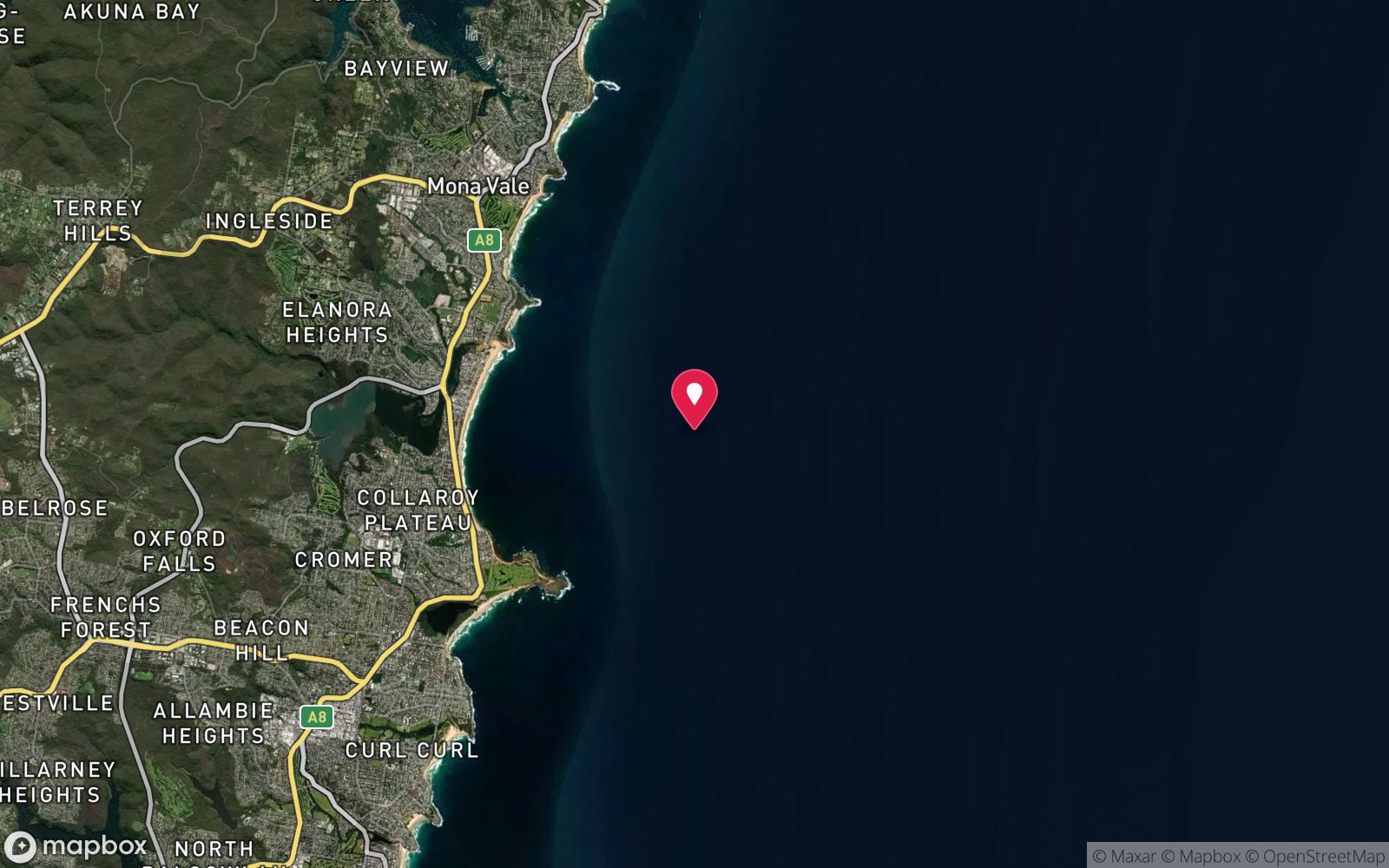
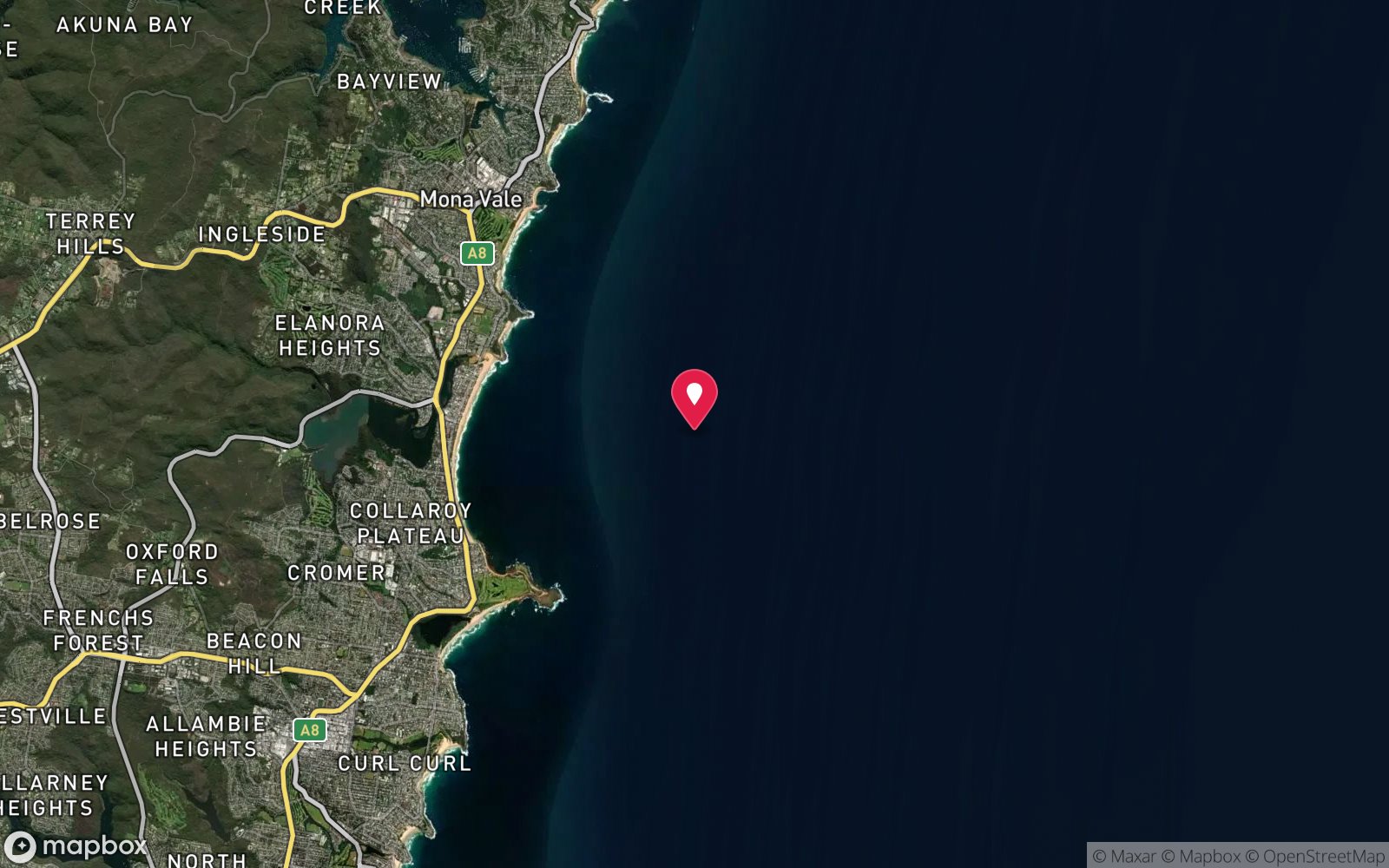
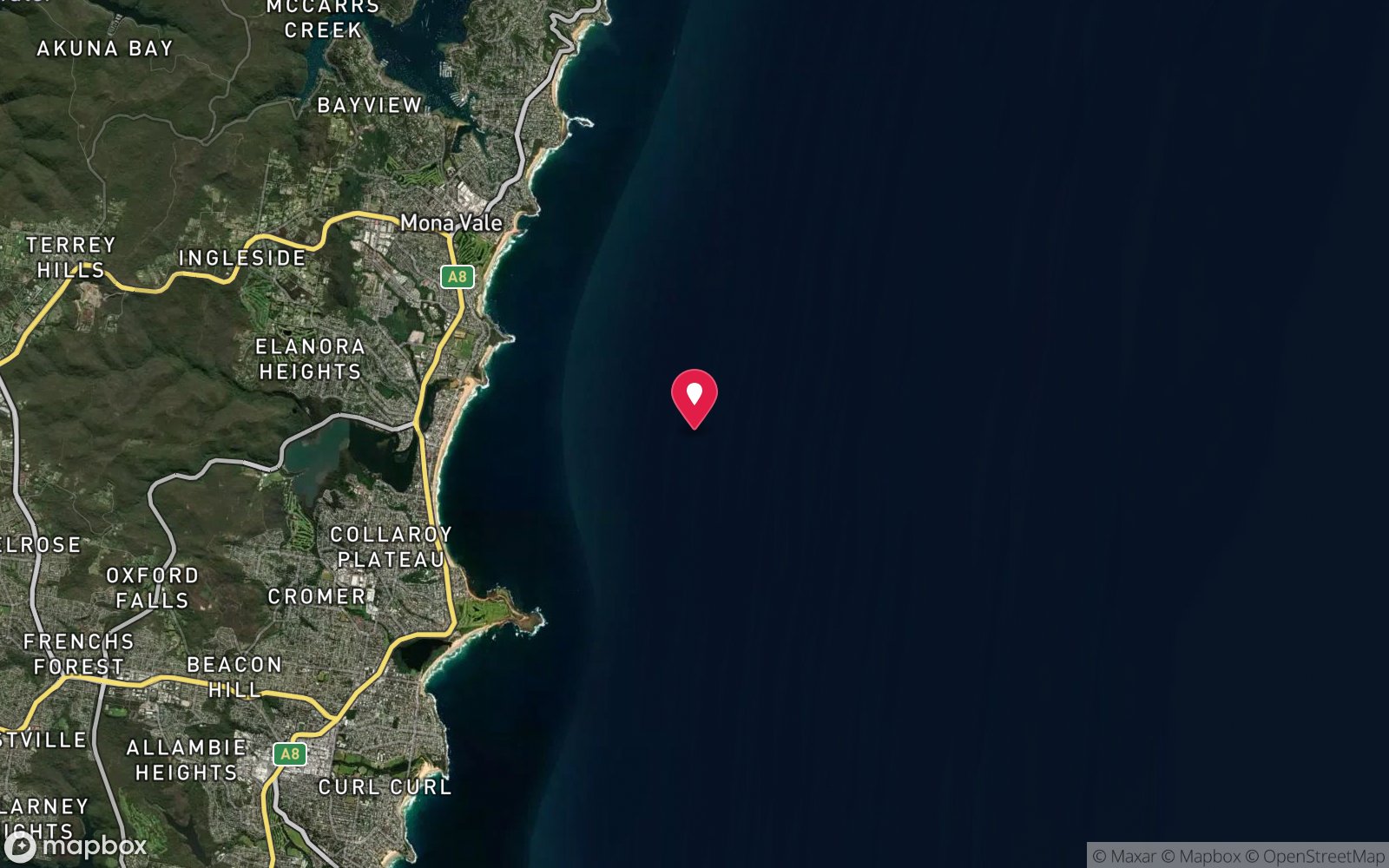
Satellite views
Apollo Barge wreck: frequently asked questions
How deep is Apollo Barge wreck?
Apollo Barge wreck reaches a maximum depth of 47 m, with the shallowest part at about 41 m; most of the dive is spent around 45 m.
What certification do I need to dive Apollo Barge wreck?
Technical (decompression) is the recommended minimum. Rated expert/technical because of depth to 47 m, an overhead environment, cold water.
Can I shore dive Apollo Barge wreck?
No, it is reached by boat (about 50 minutes). A dive centre is required: boat access only.
When is the best time to dive Apollo Barge wreck?
May–September.
What marine life will I see at Apollo Barge wreck?
Regularly recorded: Jewfish, bastard trumpeter, blue morwong, bullseyes, kingfish, wobbegongs, sponges and anemones.
What wetsuit do I need at Apollo Barge wreck?
5 mm full suit in summer; 7 mm semi-dry or drysuit May–October.
How cold is the water at Apollo Barge wreck?
Typically 21-24 °C in summer and 15-18 °C in winter.
What are the main hazards at Apollo Barge wreck?
45–47 m; decompression; deep silt inside compartments; overhead environment; sharp rusted plating; anchoring on sand fails; surface current. See the hazards section above for the full list.
Where is the nearest recompression chamber to Apollo Barge wreck?
Prince of Wales Hospital (Randwick, Sydney). In an emergency call 000, then DAN Asia-Pacific on 1800 088 200.
Diving in Sydney Northern Beaches
From Manly to Palm Beach the Northern Beaches are a string of headlands with reefs on their protected sides and open-ocean sites offshore. Shelly Beach at Manly is the classic Sydney shore dive, an aquatic reserve with blue gropers and dusky whalers in summer; Long Reef and the Apartments off Dee Why are boat dives with grey nurse sharks and a resident wobbegong population. The wreck of the Valiant off Palm Beach and the SS Tuggerah off Long Reef suit deeper divers.
Getting there: Shore sites at Manly, Fairlight, Freshwater, Long Reef and Palm Beach have parking and easy entries. Boats leave from Manly, Roseville and Pittwater.
All Sydney Northern Beaches dive sites and a suggested itinerary →
Sources
Data confidence: Medium · Being verified: Coordinates converted from AGD66; year of scuttling approximate.. Last updated September 2026. Know this site better? How to send a correction
Nearby dive sites
More wrecks in New South Wales
Explore more
This region
Marine life