Dive slate · divesites.com.au · printed 7 Nov 2026
Coolooli wreck
Sydney Northern Beaches, New South Wales · near Narrabeen / Collaroy
| Depth | 38–48 m |
|---|---|
| Minimum level | Technical (decompression) |
| Difficulty | Expert/Technical |
| Access | Boat |
| Entry | Giant stride onto a shot line/anchor dropped on the wreck |
| Current | Mild |
| Visibility | 12-20 m |
| Water | summer 21-24 °C, winter 15-18 °C |
| Suit | 5 mm full suit in summer; 7 mm semi-dry or drysuit May–October |
| Best season | May–September |
| Bottom time | 22 min |
| Position | -33.71814, 151.34920 (GPS) |
| Permit | None required |
| Nearest chamber | Prince of Wales Hospital (Randwick, Sydney) |
| Emergency | 000 · DAN Asia-Pacific diving emergency 1800 088 200 |
Coolooli wreck
Also known as Coolooli dredge
A towering bucket dredge on its side in 48 m with the bucket ladder still running to the bow; jewel anemones on every rope.
Near Narrabeen / Collaroy · Sydney Northern Beaches, New South Wales
- Depth
- 38–48 m
- Minimum level
- Technical (decompression)
- Access
- Boat
- Boat ride
- ~50 min
- Water
- 21-24 °C
- Visibility
- 12-20 m
Coolooli wreck38–48 m · Technical (decompression)
Dive factsDepths, conditions, location & safety
Season
Off-peak nowBest months: May, June, July, August, September.
Dive facts
- Depth
- 38–48 m
- Typical depth
- 45 m
- Certification
- Technical (decompression)
- Difficulty
- Expert/Technical
- Depth tier
- Technical (40 m +)
- Access
- Boat
- Offshore
- 4.3 km
- Dive centre needed
- Yes – boat access only
- Shore / independent
- No
- Boat ride
- ~50 min
- Current
- Mild
- Visibility
- 12-20 m
- Water temp (summer)
- 21-24 °C
- Water temp (winter)
- 15-18 °C
- Water
- Temperate
- Bottom time
- 22 min
- Dive traffic
- Rarely dived (private boat/club only)
- Night dive
- No
- Snorkel friendly
- No
Exposure suit
5 mm full suit in summer; 7 mm semi-dry or drysuit May–October
Location
Long Reef artificial reef (wreck ground) · Sydney – Northern Beaches
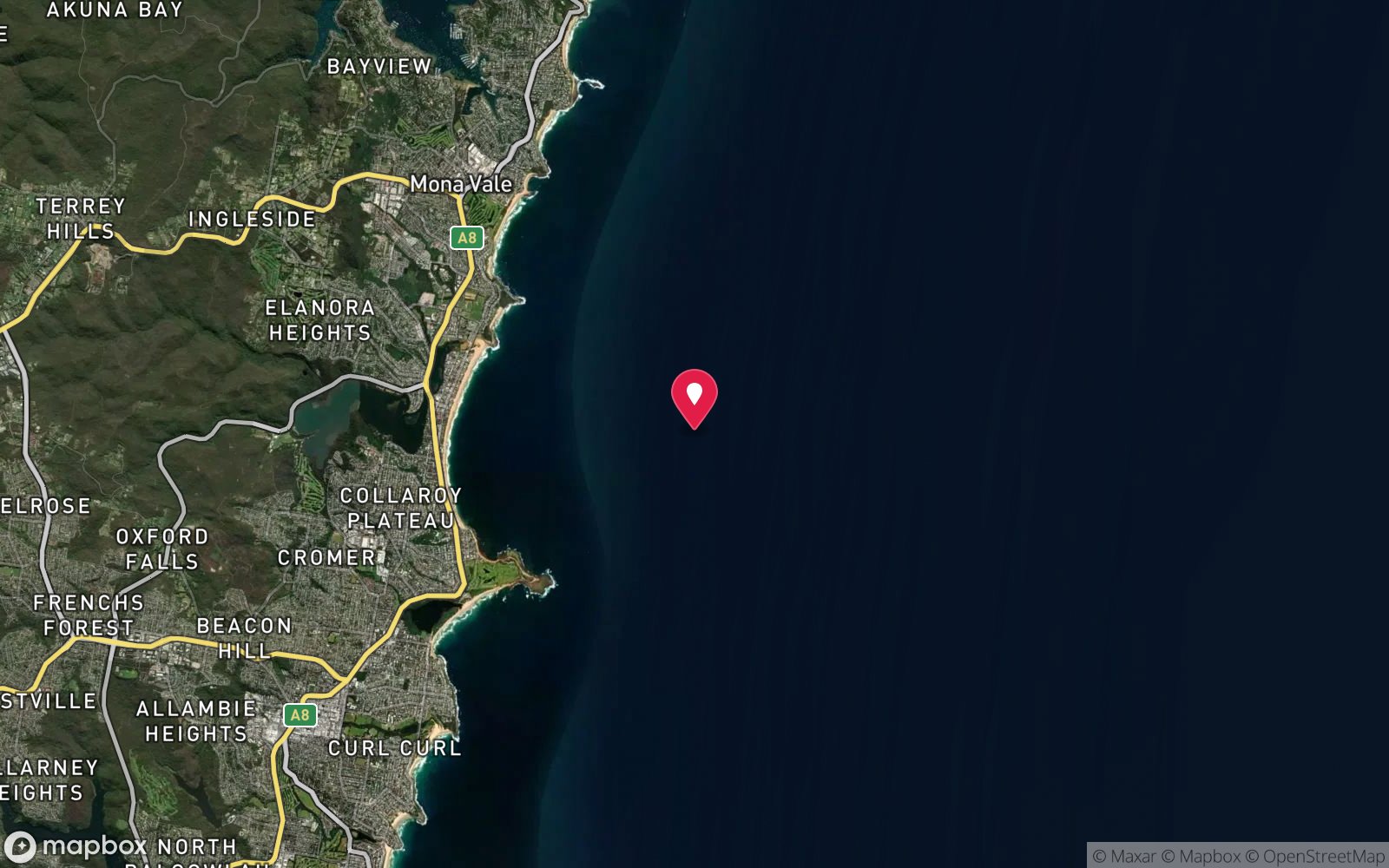
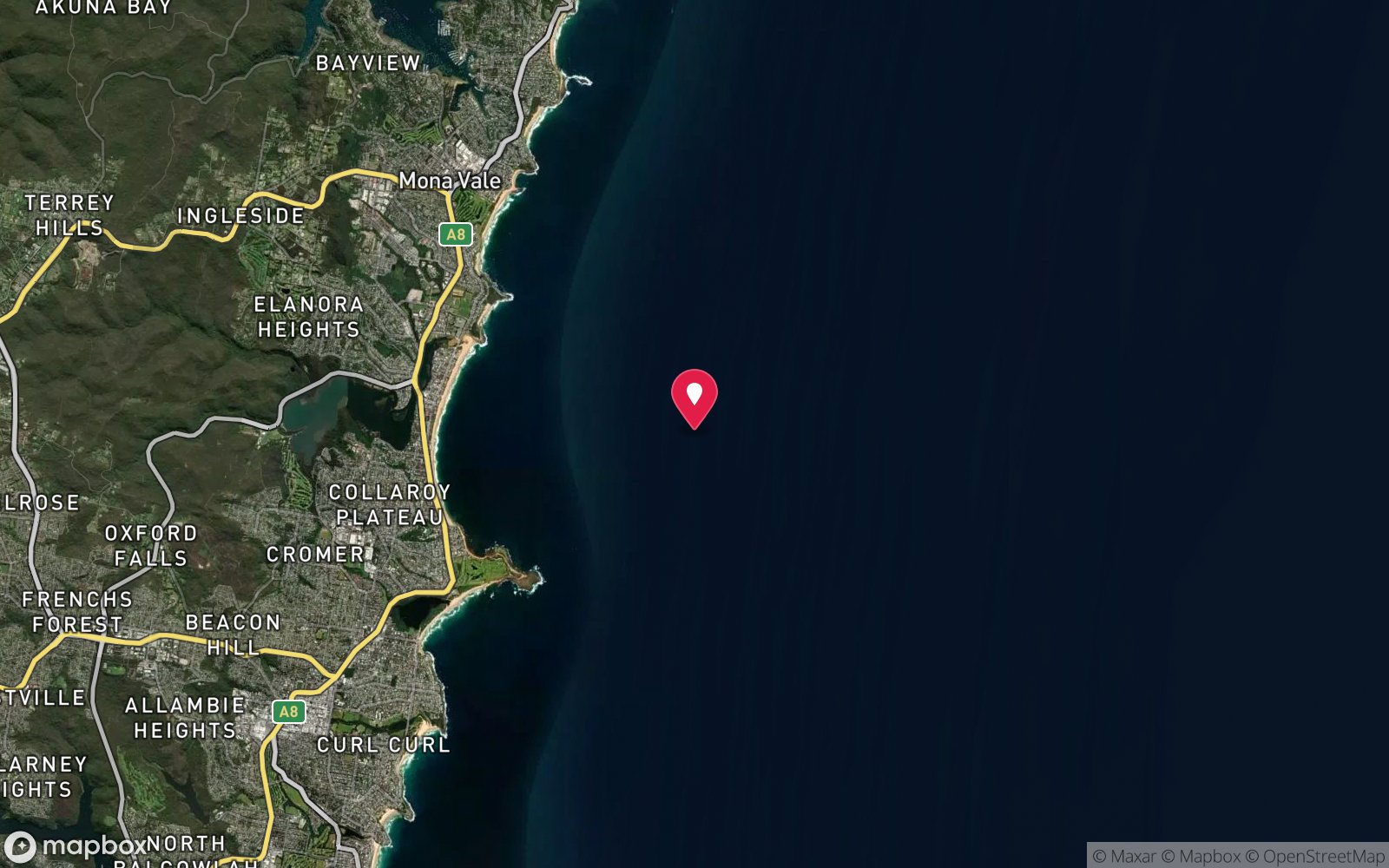
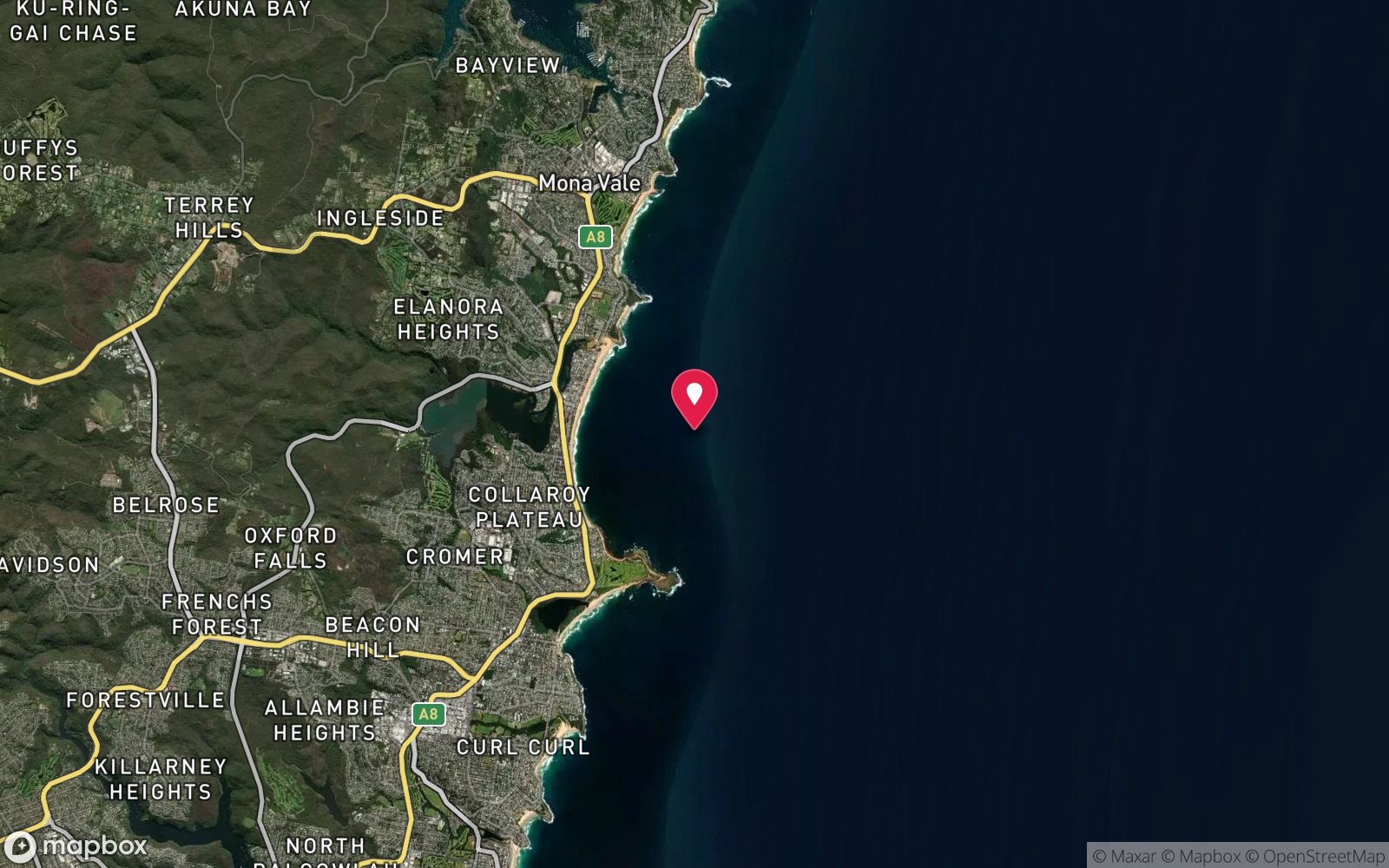
-33.71814, 151.34920
Published GPS position.
Open in Google MapsPrimary source: michaelmcfadyenscuba.infoMarine park & permits
None required
Nearest recompression chamber
Prince of Wales Hospital (Randwick, Sydney)
Diving emergency: call 000, then DAN AP 1800 088 200.
Trip planner
Build a trip around Coolooli wreck →
A day-by-day plan for Sydney Northern Beaches with this site locked in.
This guide is a planning aid. Conditions change daily — confirm with a local dive centre and dive within your training. Data & safety notes.
Dive profile
How this site rates
Scores are computed from the recorded data, not opinions. How?
At a glance
Coolooli wreck is a wreck boat dive in Sydney Northern Beaches, NSW, 38–48 m, suited to Technical (decompression) divers, about 50 minutes by boat.
Rated expert/technical because of depth to 48 m, cold water.
Why dive here
- A towering bucket dredge on its side in 48 m with the bucket ladder still running to the bow; jewel anemones on every rope.
- Sunk in 1980 (Bucket dredge, c.50 m, 150 tonnes, scuttled).
- Rarely dived: expect to have the site to yourself, and plan your own logistics.
- Visibility often reaches 12-20 m.
Conditions to avoid
- Swell above about 1.5 m
- Strong southerly or south-east swell and wind
- Afternoon north-easterlies
- Outgoing tide or run-off after rain (poor visibility)
- Spring plankton blooms
About Coolooli wreck
The Coolooli was for many years regarded as the best wreck in the Long Reef group, a big steel bucket dredge whose gantry, bucket ladder and funnel gave it an industrial silhouette unlike anything else off Sydney. Built in 1955 at the State Dockyard in Newcastle for the NSW Maritime Services Board, she was an unpowered dredge of about 50 m length and 10–11 m beam, towed from port to port to keep channels open. Laid up before 1975, she was sunk deliberately on 19 August 1980 as part of the artificial reef program that had already claimed the Dee Why and Meggol.
She lies on her starboard side, oriented roughly north–south, on sand at 48 m; most of the dive is spent between 42 and 46 m along the high port side and the deck. The defining feature is the long bucket arm running toward the cutter bar at the bow, still recognisable as a chain of huge steel buckets. Aft of it the superstructure and the funnel used to offer a straightforward penetration, entering the funnel and exiting through a rust hole, and memorial plaques for diver Paul Cavanagh, who died here in 1994, were fixed inside it.
A major collapse after 2009 changed the wreck considerably, and photographs from 2021 show it much flatter, so penetration options are now limited and the structure should be treated as unstable. A dumb barge lies 20 m to the south and further barges about 200 m away, which is useful for navigation and occasionally confusing on a sounder. Marine growth is the surprise: ropes and rails are furred with pink and blue jewel anemones and the shaded steel carries sponges and ascidians.
Fish life is thinner than on the Dee Why, though very large jewfish have been recorded. Visibility is typically 12–15 m and current is rare, making it one of the calmer deep dives on the coast. It suits decompression-trained divers who want a genuinely different wreck from the usual colliers and ferries, and it remains an important site in Sydney's technical diving history.
Wreck details
Bucket dredge, c.50 m, 150 tonnes, scuttled · Sunk 1980
Era: post-war. Oldest wrecks · Wartime wrecks · Scuttled warships
Other wrecks of the same era
- Apollo Barge wreck · Max 47 m · Sydney Northern Beaches
- Himma wreck · Max 52 m · Sydney Northern Beaches
- MV Bellubera wreck · Max 46 m · Sydney Northern Beaches
- The Valiant wreck · Max 27 m · Sydney Northern Beaches
- HMAS Doomba / Meggol wreck · Max 49 m · Sydney Northern Beaches
- SS Dee Why (ferry) wreck · Max 48 m · Sydney Northern Beaches
Getting there & entry
Unpowered NSW Maritime Services Board bucket dredge scuttled on 19 August 1980 off Narrabeen, lying on its starboard side in 48 m a few hundred metres from the Dee Why.
Boat only. Charters and private boats usually launch from the Roseville Bridge ramp on Middle Harbour or Rose Bay/Manly in Sydney Harbour and run north up the coast past North Head, Manly and Dee Why (roughly 45–60 minutes at cruising speed), or from the Akuna Bay/Pittwater ramps and run south past Barrenjoey (similar time). There is no all-weather ramp on the Northern Beaches ocean coast itself.
The wrecks lie on a flat sand plain and cannot be seen from the surface; you need accurate GPS and a sounder, and must drop the anchor or shot line directly onto structure because it will not hold in the sand. A drifting decompression station with spare gas is the normal arrangement.
Entry: Giant stride onto a shot line/anchor dropped on the wreck
Weather, swell & tides
The Long Reef wreck ground is 4–5 km offshore in open water with no lee. Any southerly or north-easterly swell above about 1.5 m makes anchoring on the wreck and the long decompression hang unpleasant or unsafe; charters generally want under 1 m swell and under 15 knots. Surface current from the East Australian Current can run north–south across the site even when the bottom is still, so a drifting deco station or a strong anchor line is essential.
Visibility is best from late autumn through winter (15–25 m) when the water is clear and cool; summer brings warmer water but more plankton and thermoclines. Avoid the days after heavy rain when the Narrabeen and Hawkesbury outflows dirty the inshore water. Mornings before the sea breeze are calmest.
Best season: May–September
If it's blown out
Sheltered or shore sites within 25 km that often work when Coolooli wreck doesn't.
- Shelly Beach / Cabbage Tree Bay (Manly) · 10 km · Max 16 m
- Fairy Bower · 11 km · Max 10 m
- Manly Cove (Oceanworld nets) · 11 km · Max 6 m
- Fairlight · 11 km · Max 12 m
How the dive is usually run
Descend to the high side of the hull at about 40 m. Follow the bucket ladder toward the bow cutter bar, cross to the superstructure and funnel (the classic swim is in through the funnel and out through a hole in its side, now much altered by collapse), then run the length of the deck edge back to the shot. Keep the barge 20 m to the south as a reference.
Ascend the line for staged decompression.
Marine life
- Jewfish (mulloway)
- kingfish
- bullseyes
- nannygai
- wobbegongs →
- jewel anemones
- sponges
- ascidians
Linked species have their own page listing every site where they are recorded. All marine life →
Training required
Beyond recreational limits: decompression, mixed gas or full cave/wreck training is required.
Courses that help here
- Enriched Air Nitrox – Longer no-decompression time at 25 m and deeper.
- Wreck Diver – The wreck has penetration options.
- Drysuit Diver – Cold water; locals dive dry for much of the year.
- Peak Performance Buoyancy – Silt and low visibility punish poor trim.
Depth tiers: 0–10 m easy · to 18 m Open Water · 18–30 m Advanced (25 m+ is a deep dive) · 30–40 m Deep specialty · 40 m+ technical. All courses
Hazards & warnings
48 m and decompression; wreck has partly collapsed and internal spaces are unstable; entanglement on cables and buckets; silt; sharp steel; fatalities have occurred here; current occasionally after anchoring.
Technical notes
Decompression dive. Typical plans use trimix (e.g. 21/35) or air/EANx with 50% and/or 100% O2 deco gases; 20–25 minutes bottom time gives 30–50 minutes of decompression. Twin cylinders or CCR with bailout, reel/line for any penetration, DSMB and surface support boat mandatory.
Silt inside compartments; several fatalities have occurred on this wreck group, so treat penetrations as overhead dives.
Dive centres that go here
No scheduled recreational charters. Sydney Dive Charters (Rose Bay/Manly) runs technical charters to the Long Reef wreck area on demand for T1/Tec45+ certified divers; otherwise private boats and technical dive clubs launching from Roseville, Akuna Bay or Rose Bay ramps. Expect a handful of visits per year.
Operators recorded for Coolooli wreck
Other dive centres in Sydney Northern Beaches
Abyss Scuba Diving
ProfiledRamsgate · Sydney South & Botany Bay · NSW
A Sydney operation associated with training across recreational and technical levels, boat diving and equipment services.
abyss.com.au · +61 2 9583 9662
Frog Dive Sydney
ProfiledGladesville · Sydney South & Botany Bay · NSW
A Willoughby PADI 5 Star IDC founded in 1985, teaching recreational through Trimix and rebreather courses with PADI, SDI and TDI, and testing cylinders in-store.
frogdive.com.au · (02) 9958 5699
Pro Dive Sydney
ProfiledSt Peters · Sydney South & Botany Bay · NSW
Pro Dive's inner-Sydney training centre at Alexandria, close to Camp Cove, Clovelly, Gordons Bay and Bare Island, with courses to Divemaster, hire and servicing.
prodive.com.au · (02) 9665 6333
Dive Centre Manly
ProfiledManly · Sydney South & Botany Bay · NSW
A Northern Beaches operation with a long-standing presence at Shelly Beach, offering recreational training, boat diving and technical pathways.
divesydney.com.au · (02) 9977 4355
Pro Dive Brookvale
ProfiledBrookvale · Sydney South & Botany Bay · NSW
Pro Dive's Northern Beaches centre at Brookvale, running the 43-foot dive boat Sea Life V alongside courses, hire, air fills and servicing.
prodive.com.au · (02) 9977 5966
Dive Centre Bondi
ProfiledBondi · Sydney South & Botany Bay · NSW
An Eastern Suburbs PADI 5 Star IDC on Bondi Road teaching through Instructor and technical levels, with air, Nitrox and Trimix fills and manufacturer-approved servicing.
divebondi.com.au · +61 2 9369 3855
Map
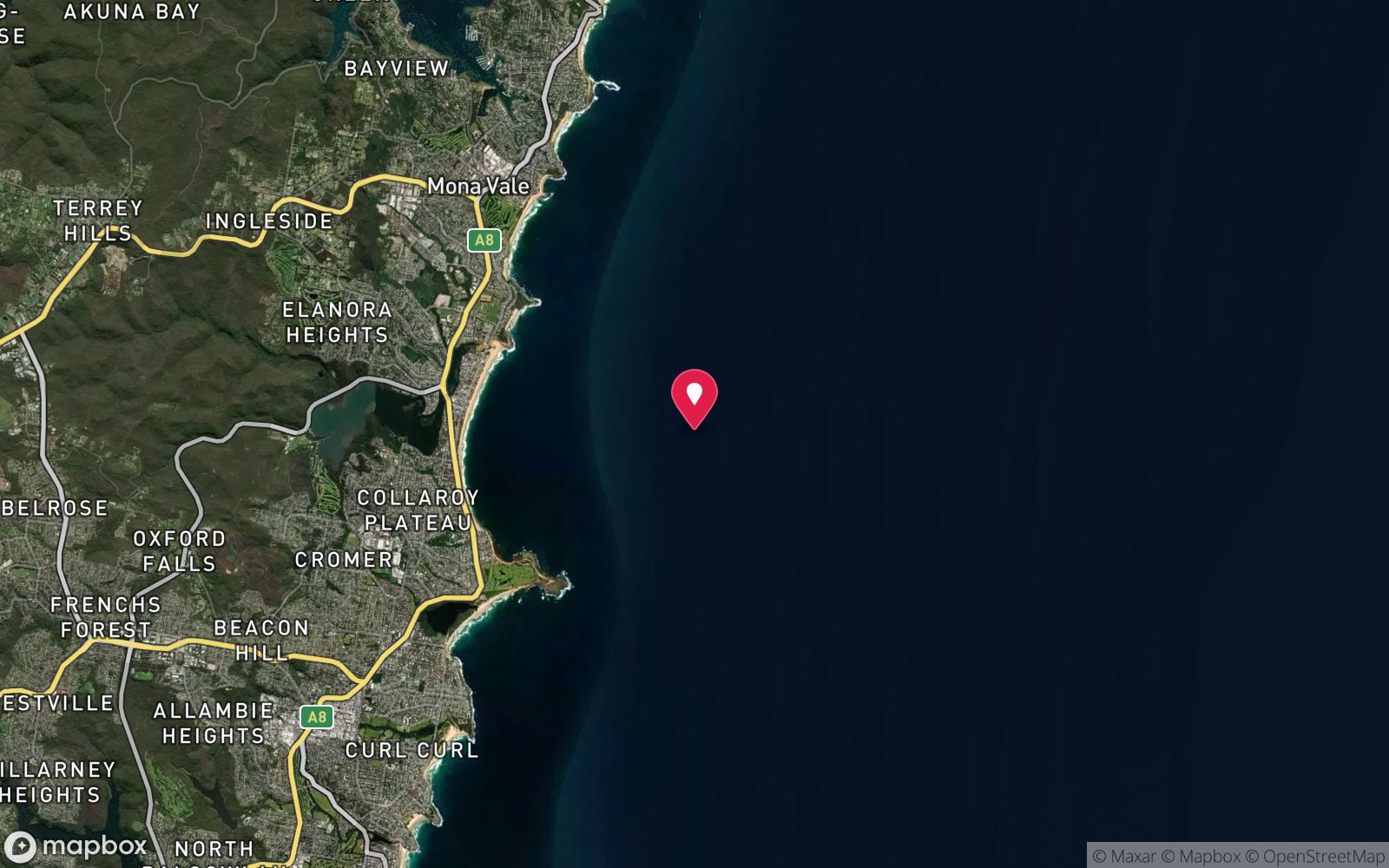
7 pinned sites. Pins marked approximate on their pages show the general area only; not for navigation.
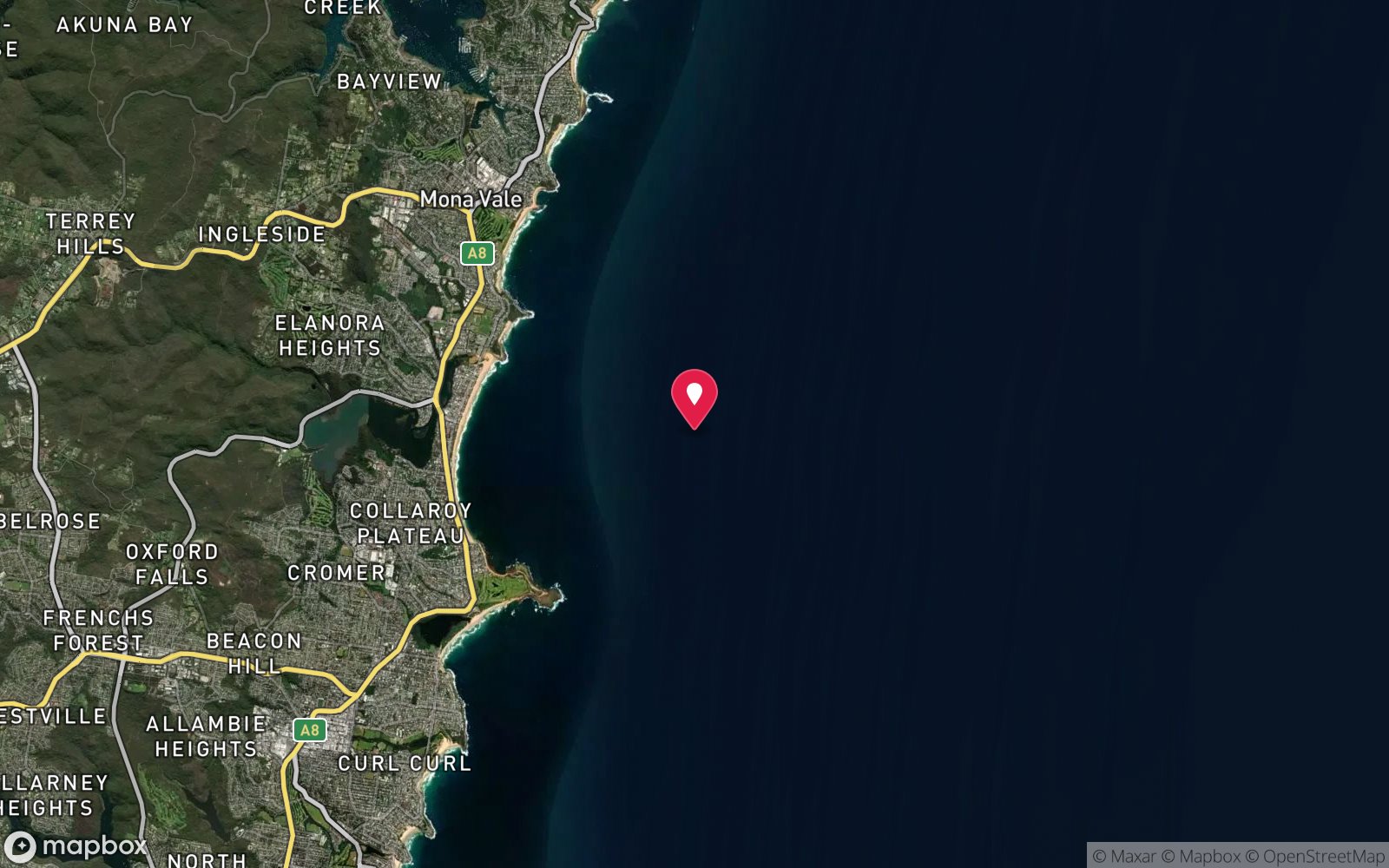
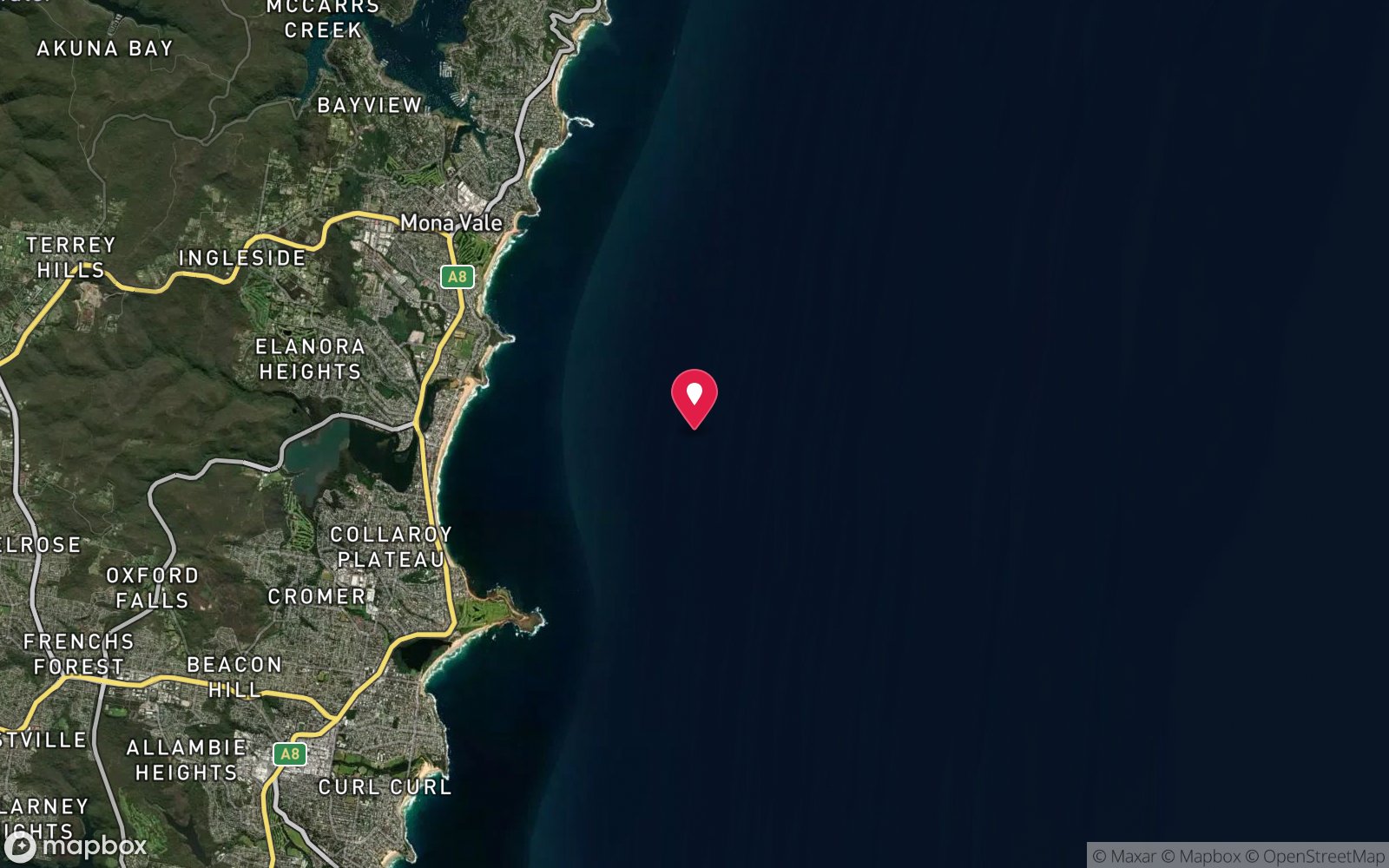
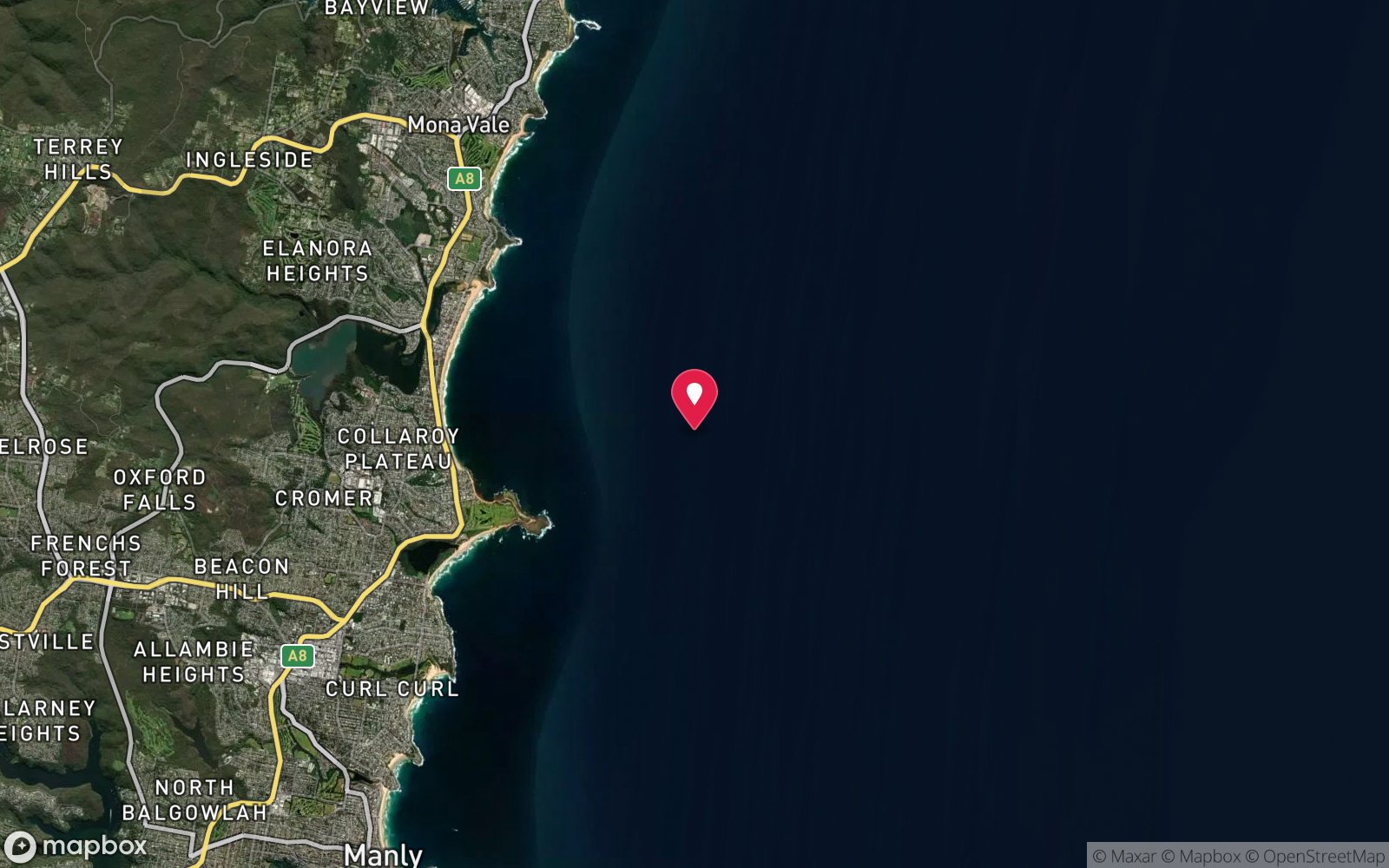
Satellite views
Coolooli wreck: frequently asked questions
How deep is Coolooli wreck?
Coolooli wreck reaches a maximum depth of 48 m, with the shallowest part at about 38 m; most of the dive is spent around 45 m.
What certification do I need to dive Coolooli wreck?
Technical (decompression) is the recommended minimum. Rated expert/technical because of depth to 48 m, cold water.
Can I shore dive Coolooli wreck?
No, it is reached by boat (about 50 minutes). A dive centre is required: boat access only.
When is the best time to dive Coolooli wreck?
May–September.
What marine life will I see at Coolooli wreck?
Regularly recorded: Jewfish (mulloway), kingfish, bullseyes, nannygai, wobbegongs, jewel anemones, sponges, ascidians.
What wetsuit do I need at Coolooli wreck?
5 mm full suit in summer; 7 mm semi-dry or drysuit May–October.
How cold is the water at Coolooli wreck?
Typically 21-24 °C in summer and 15-18 °C in winter.
What are the main hazards at Coolooli wreck?
48 m and decompression; wreck has partly collapsed and internal spaces are unstable; entanglement on cables and buckets; silt; sharp steel; fatalities have occurred here; current occasionally after anchoring. See the hazards section above for the full list.
Where is the nearest recompression chamber to Coolooli wreck?
Prince of Wales Hospital (Randwick, Sydney). In an emergency call 000, then DAN Asia-Pacific on 1800 088 200.
Diving in Sydney Northern Beaches
From Manly to Palm Beach the Northern Beaches are a string of headlands with reefs on their protected sides and open-ocean sites offshore. Shelly Beach at Manly is the classic Sydney shore dive, an aquatic reserve with blue gropers and dusky whalers in summer; Long Reef and the Apartments off Dee Why are boat dives with grey nurse sharks and a resident wobbegong population. The wreck of the Valiant off Palm Beach and the SS Tuggerah off Long Reef suit deeper divers.
Getting there: Shore sites at Manly, Fairlight, Freshwater, Long Reef and Palm Beach have parking and easy entries. Boats leave from Manly, Roseville and Pittwater.
All Sydney Northern Beaches dive sites and a suggested itinerary →
Sources
Data confidence: High. Last updated September 2026. Know this site better? How to send a correction
Nearby dive sites
More wrecks in New South Wales
Explore more
This region
Marine life