Ranked by the upper end of the recorded visibility range: the Coral Sea, the Rowley Shoals, the offshore territories, the Mount Gambier sinkholes and, in winter, Tasmania's east coast.
Updated daily from the directory. 30 sites listed.
1. Port Douglas · QLD
The Point (Agincourt Reef 3)
Visibility: 20-45 m · Shelf-edge point with 30 m+ visibility, a stepped wall dropping into the abyss, and sharks and pelagics working the current.
Our takeThe Agincourt reefs sit on the continental shelf edge where the clearest oceanic water reaches the Great Barrier Reef. The Point is where the Port Douglas boats go for 30 m-plus visibility, a stepped wall and sharks working the current.
2. Port Douglas · QLD
Coronation Corner (Agincourt Reef 3)
Visibility: 12-40 m · Clear-water southern corner of Agincourt 3 where sharks and barracuda work the current.
3. Port Douglas · QLD
Wreck Site (Agincourt Reef 3)
Visibility: 12-40 m · Clear sandy lagoon with 12 m pinnacles and the coral-covered remains of a fishing boat in the shallows.
4. Port Douglas · QLD
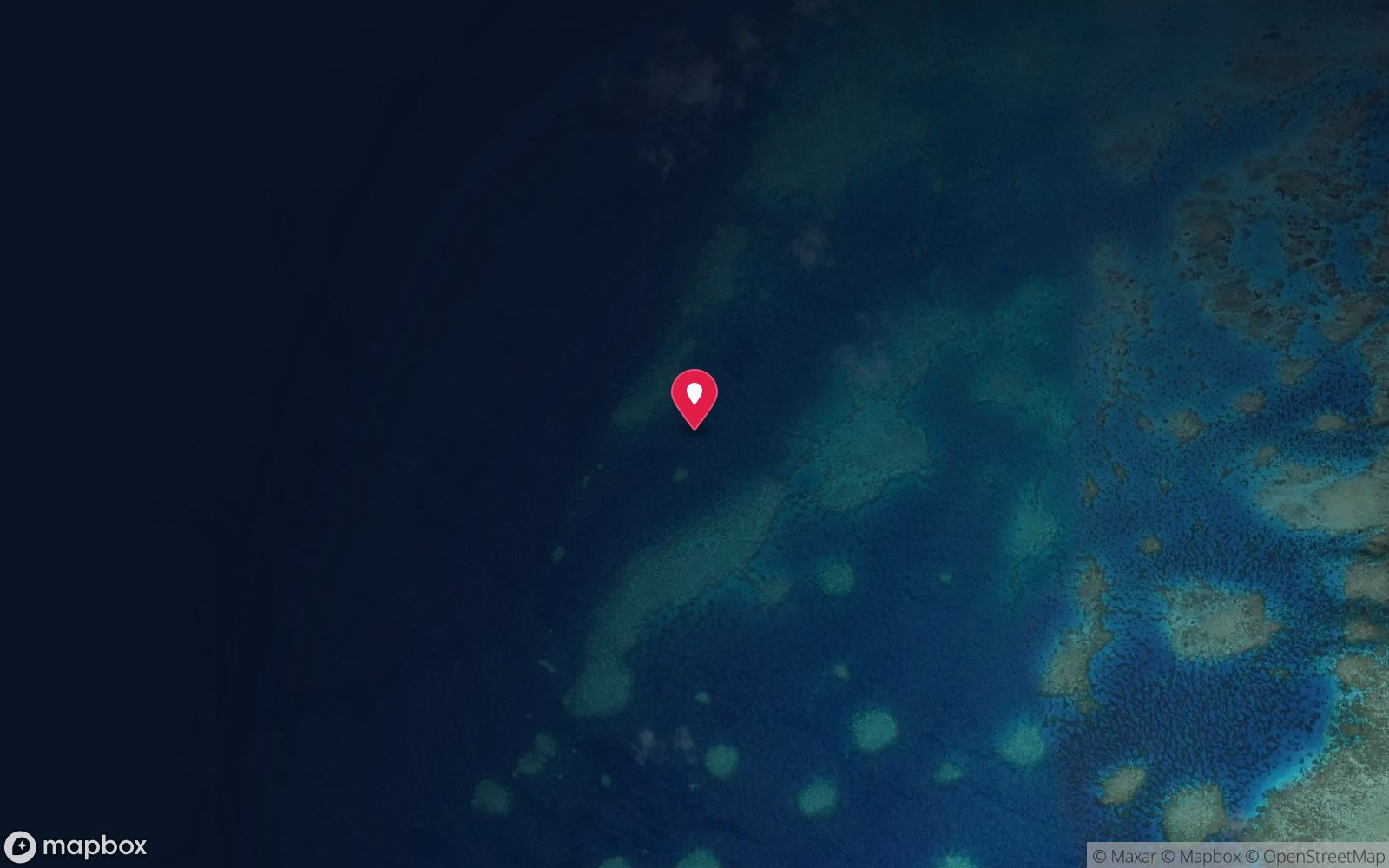
Gary's Gut (Agincourt Reef 4)
Visibility: 12-40 m · Dramatic 5–40 m wall with large fan corals and soft corals – the deepest dive on Agincourt 4.
5. Bundaberg & Agnes Water · QLD
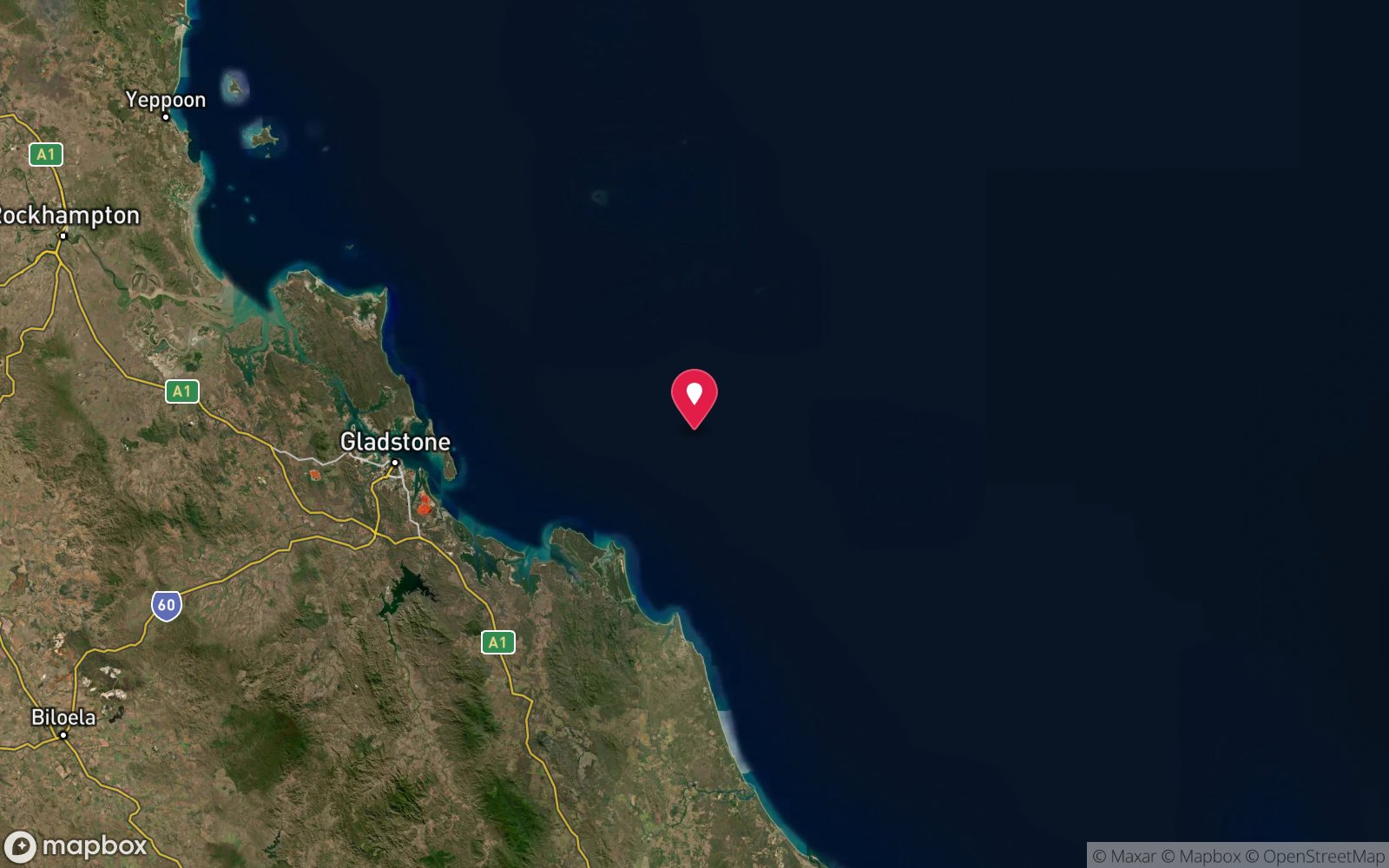
Barcoola Wreck
Visibility: 15-40 m · A 1994 trawler in 44 m buried in baitfish, with big cod, gropers and bronze whalers – locals rate the fish life above the Yongala.
6. Far Northern Reef & Torres Strait · QLD
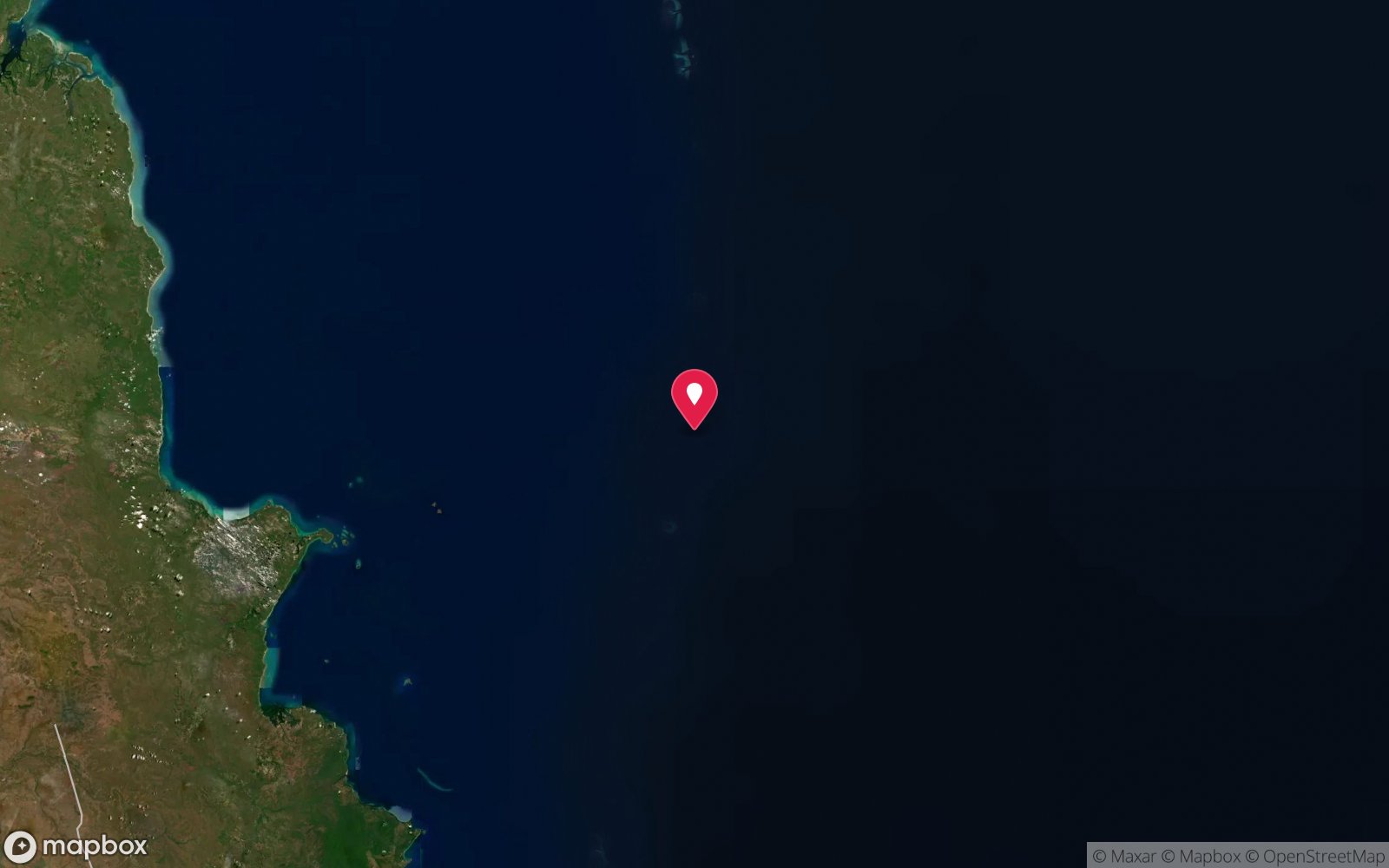
Great Detached Reef
Visibility: 12-40 m · Remote 46 km shelf-edge reef system with steep gorgonian walls, pinnacles from 60 m and pristine coral.
7. Far Northern Reef & Torres Strait · QLD
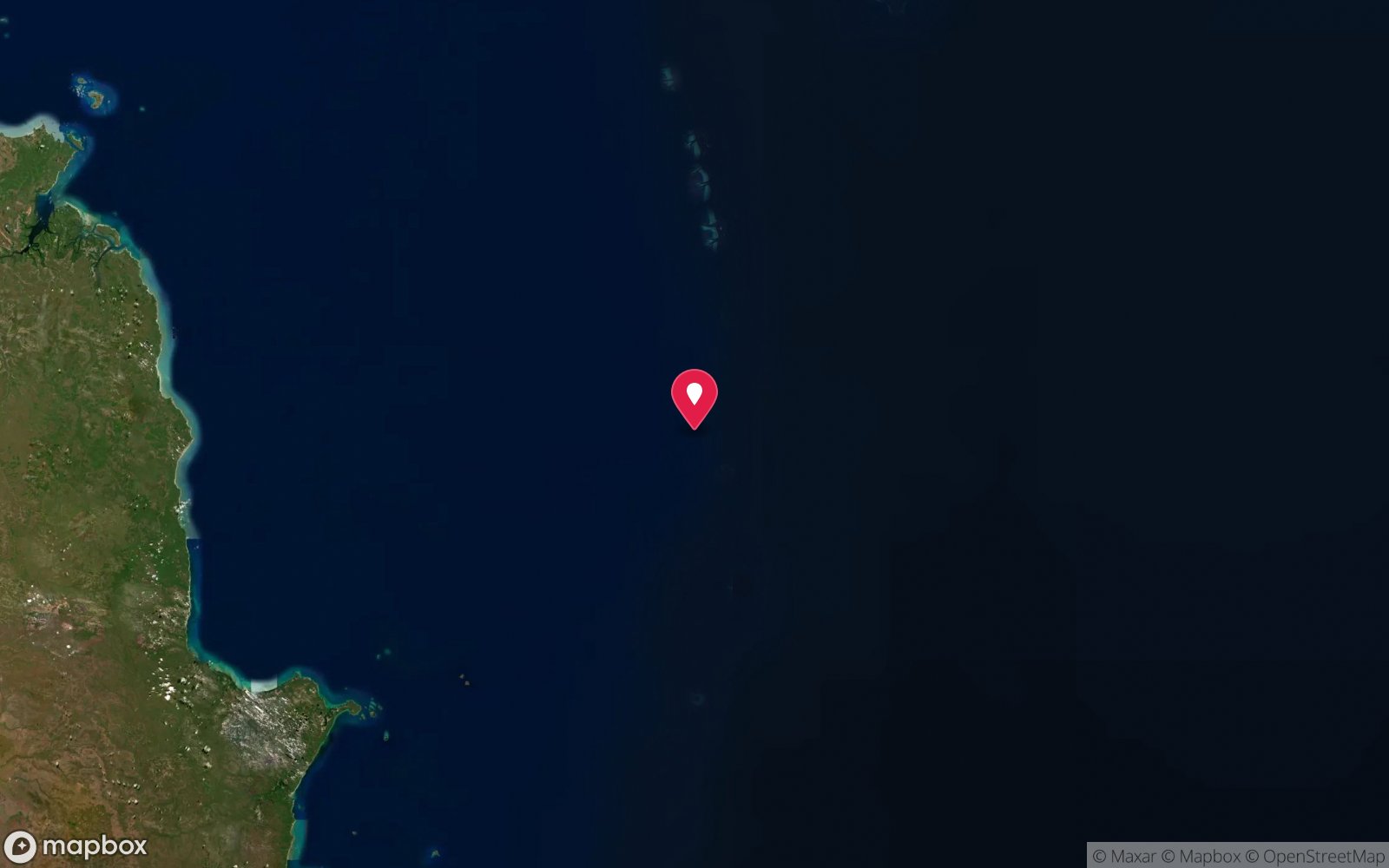
HMS Pandora wreck
Visibility: 15-40 m · The 1791 wreck of the Bounty-hunting frigate HMS Pandora – a permit-only historic shipwreck at 30–33 m.
8. Far Northern Reef & Torres Strait · QLD
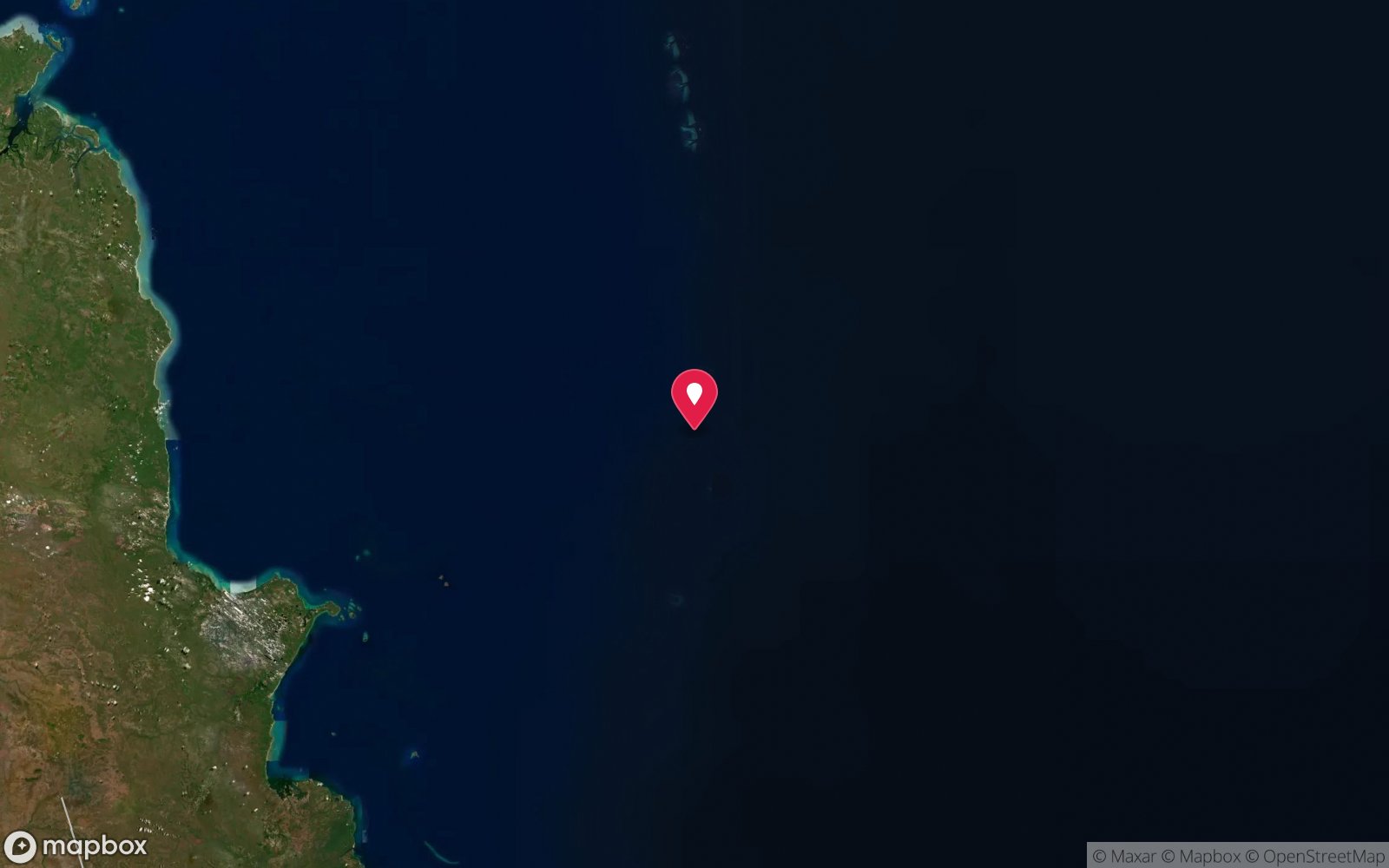
Raine Island
Visibility: 12-40 m · The world's largest green turtle rookery – dozens of turtles per dive and a chance of tiger sharks on pristine outer reef.
9. Far Northern Reef & Torres Strait · QLD
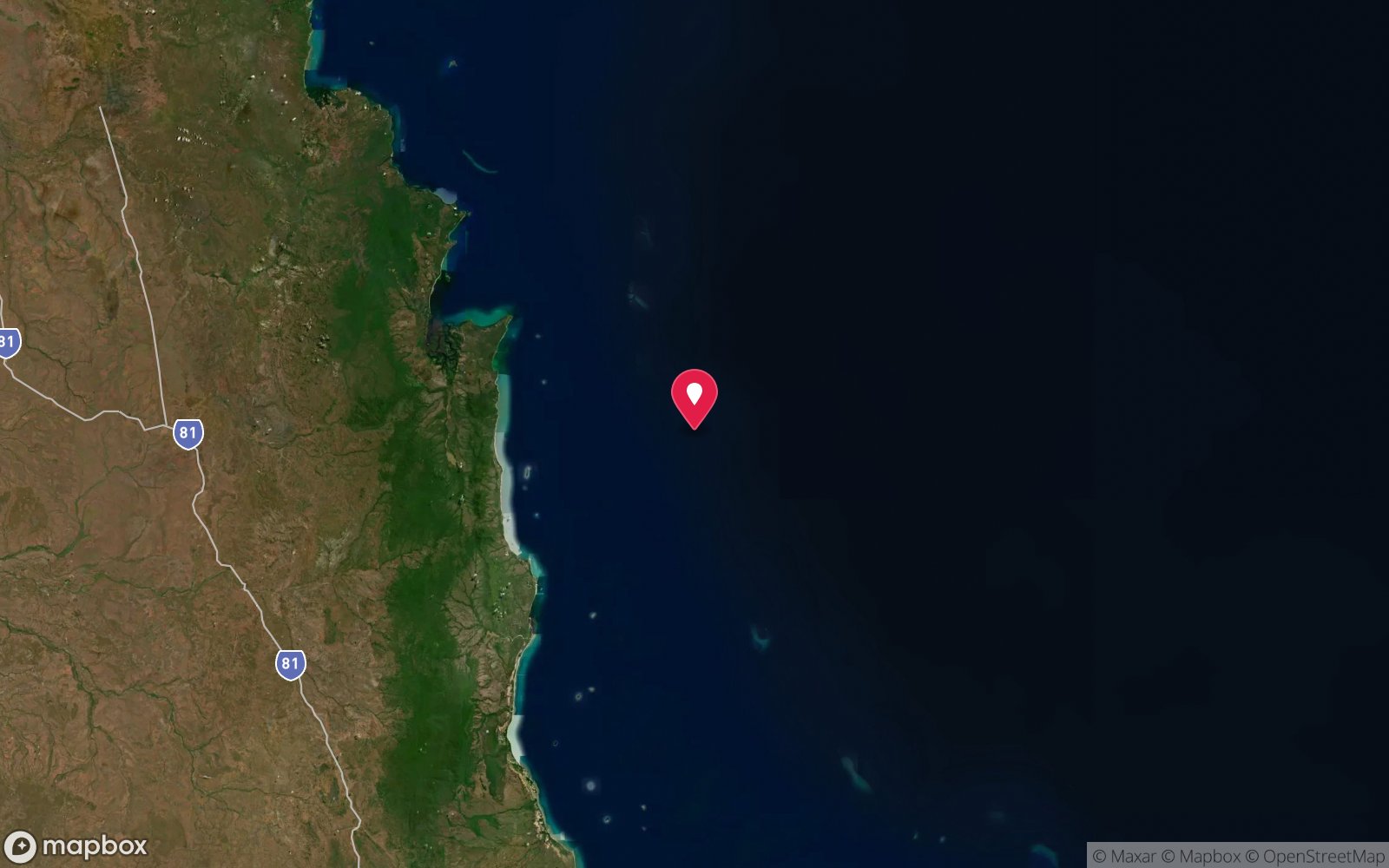
Tijou Reef
Visibility: 12-40 m · Remote shelf-edge walls with large fans, soft corals and pelagics.
10. Port Douglas · QLD
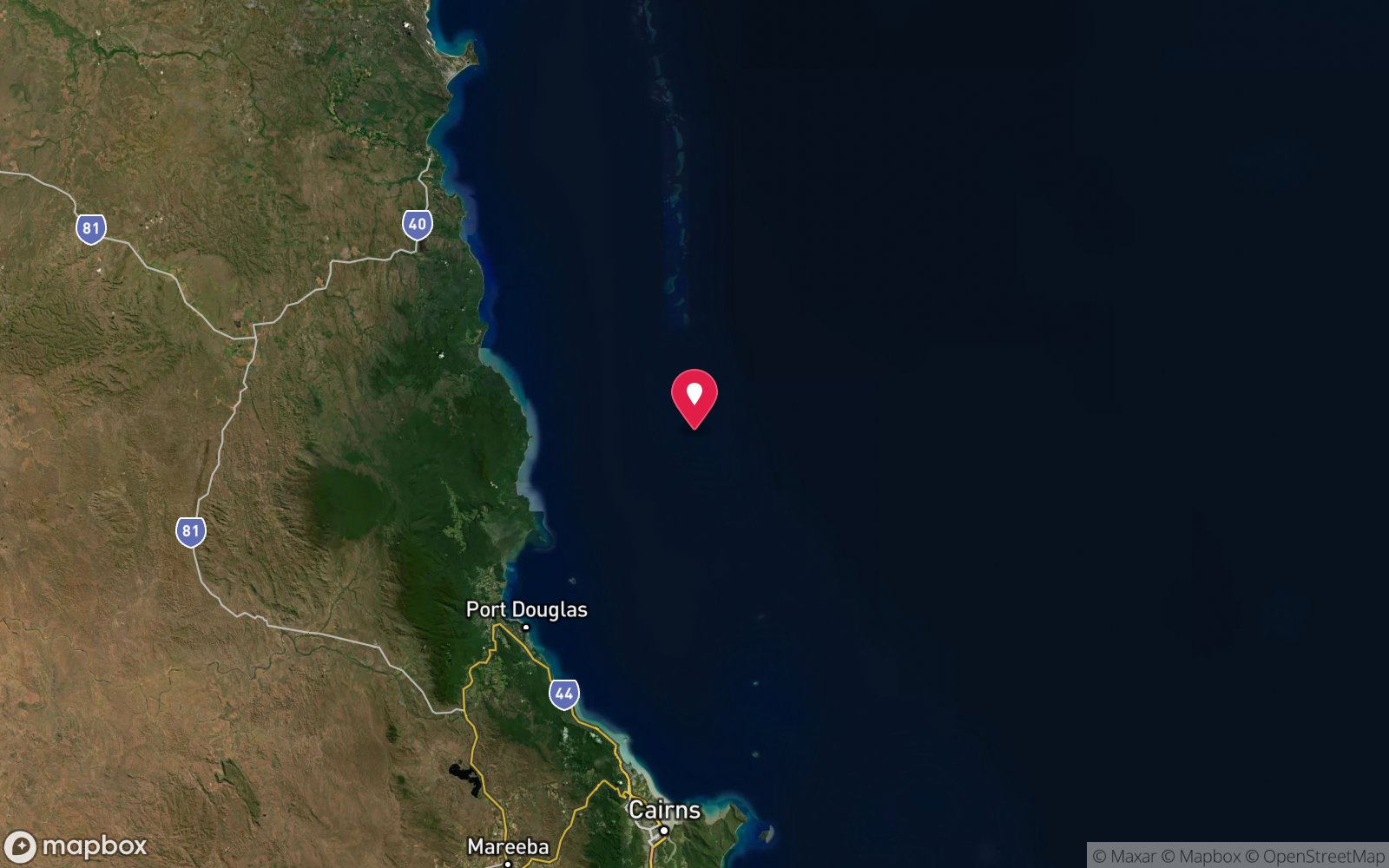
Castle Rock (Agincourt Reef 1)
Visibility: 8-35 m · A 24 m exposed wall on one side and a sheltered coral garden on the other; one of the better Agincourt sites for sharks and big groper.
11. Lady Musgrave & Bunker Group · QLD
The Apartments (Lady Musgrave)
Visibility: 15-35 m · A drift past layered plate corals on an untouched outer wall, in visibility up to 35 m.
12. Port Douglas · QLD
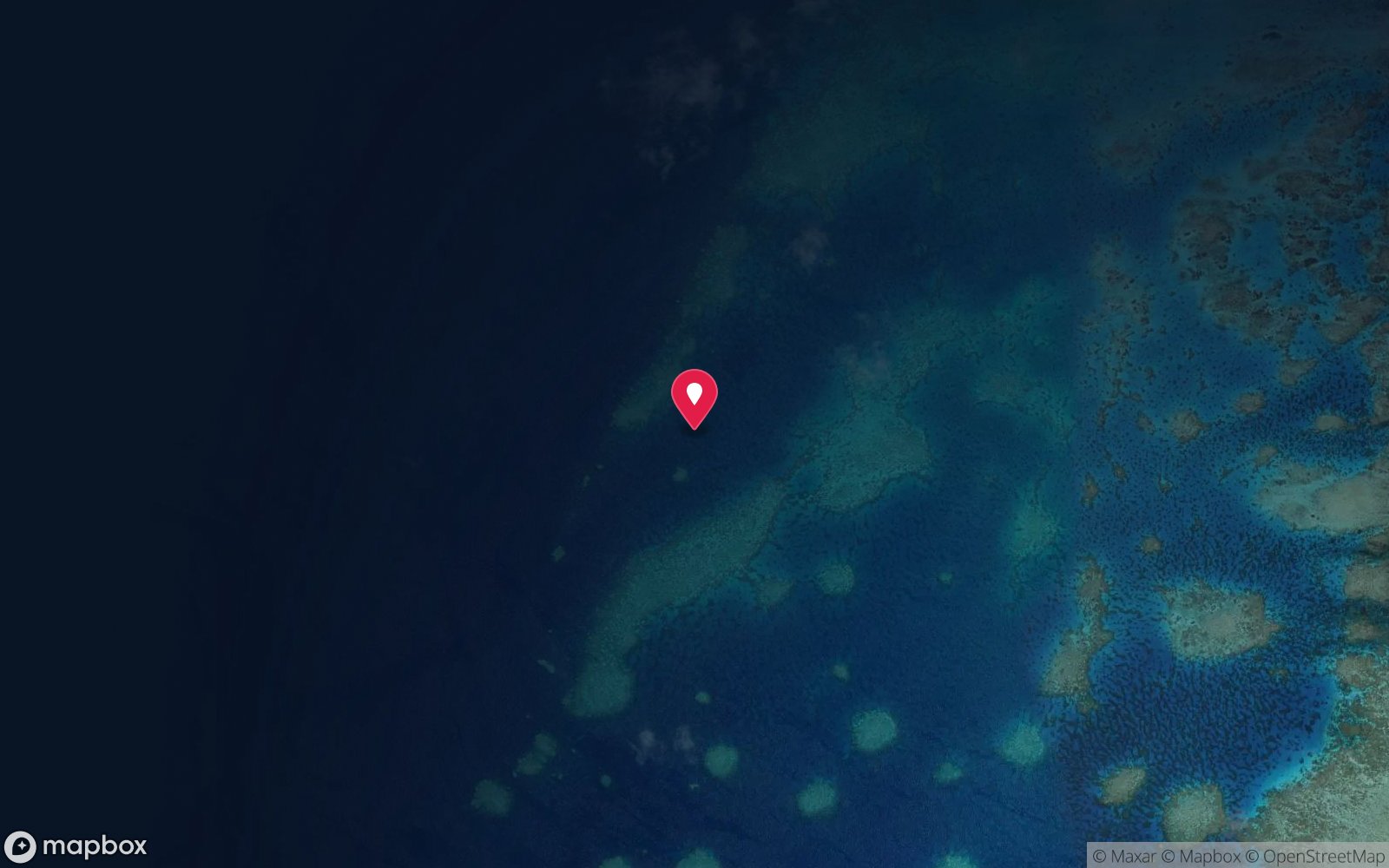
The Chapel (Agincourt Reef 4)
Visibility: 10-35 m · Swim-throughs, dense anemone fields with clownfish, and grey reef sharks on a compact patch reef.
13. Lady Elliot Island · QLD
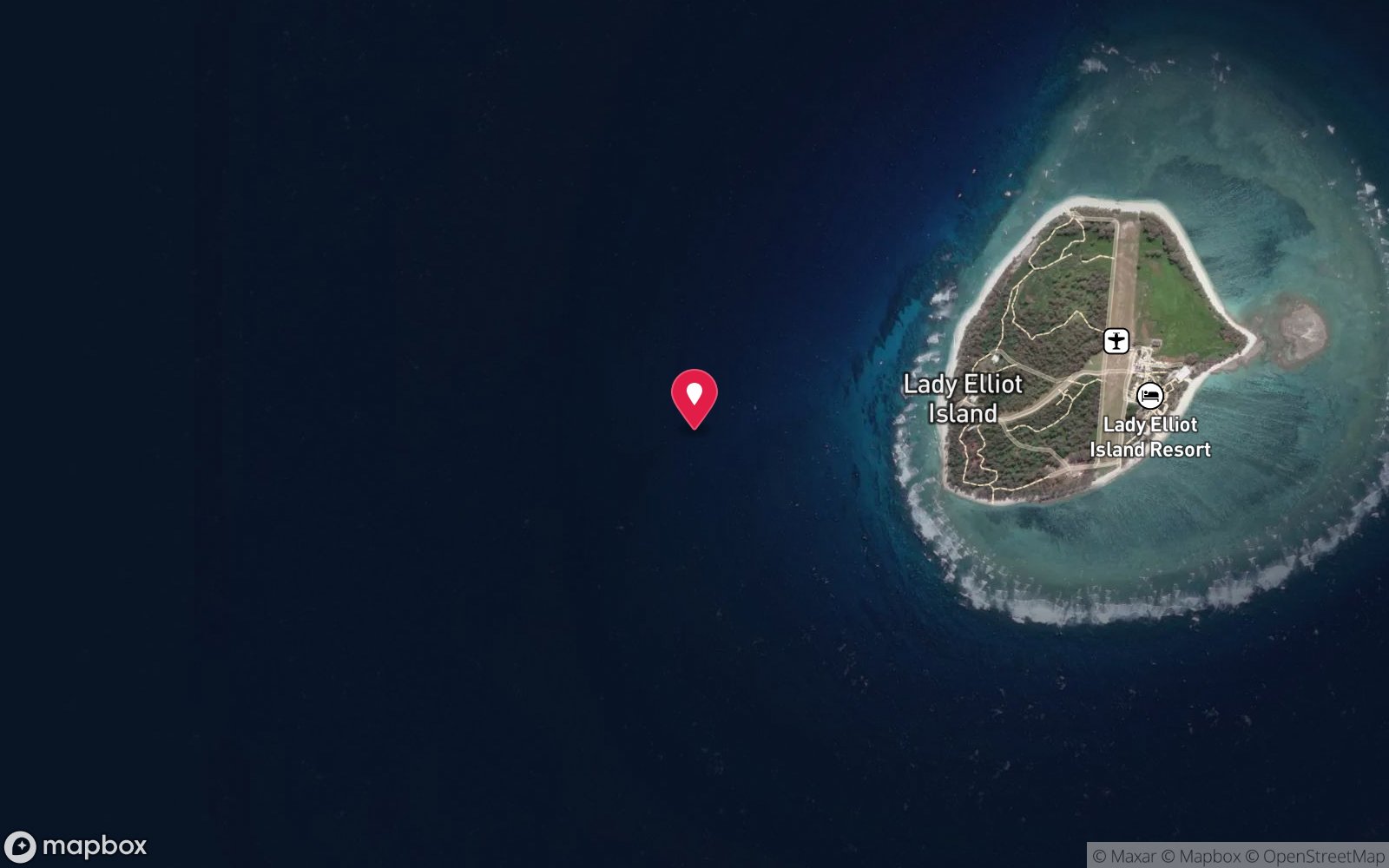
Anchor Bommie (Lady Elliot Island)
Visibility: 15-30 m · A soft-coral-covered admiralty anchor at 19 m beside a manta cleaning bommie rich in macro life.
14. Port Douglas · QLD
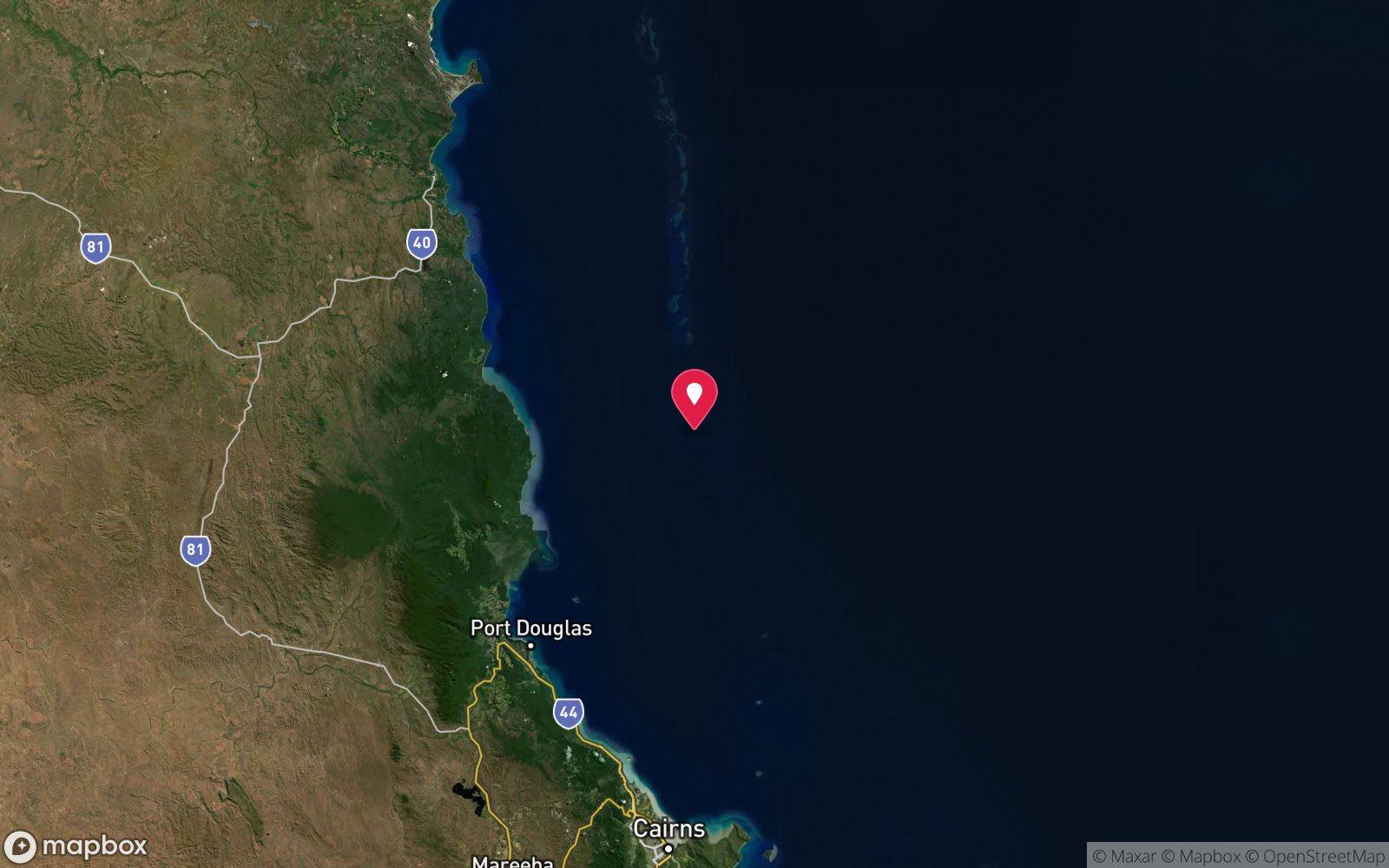
Barracuda Bommie (Agincourt Reef 2)
Visibility: 15-30 m · Circling barracuda school over a coral pinnacle; excellent snorkelling on the shallow garden around it.
15. Port Douglas · QLD
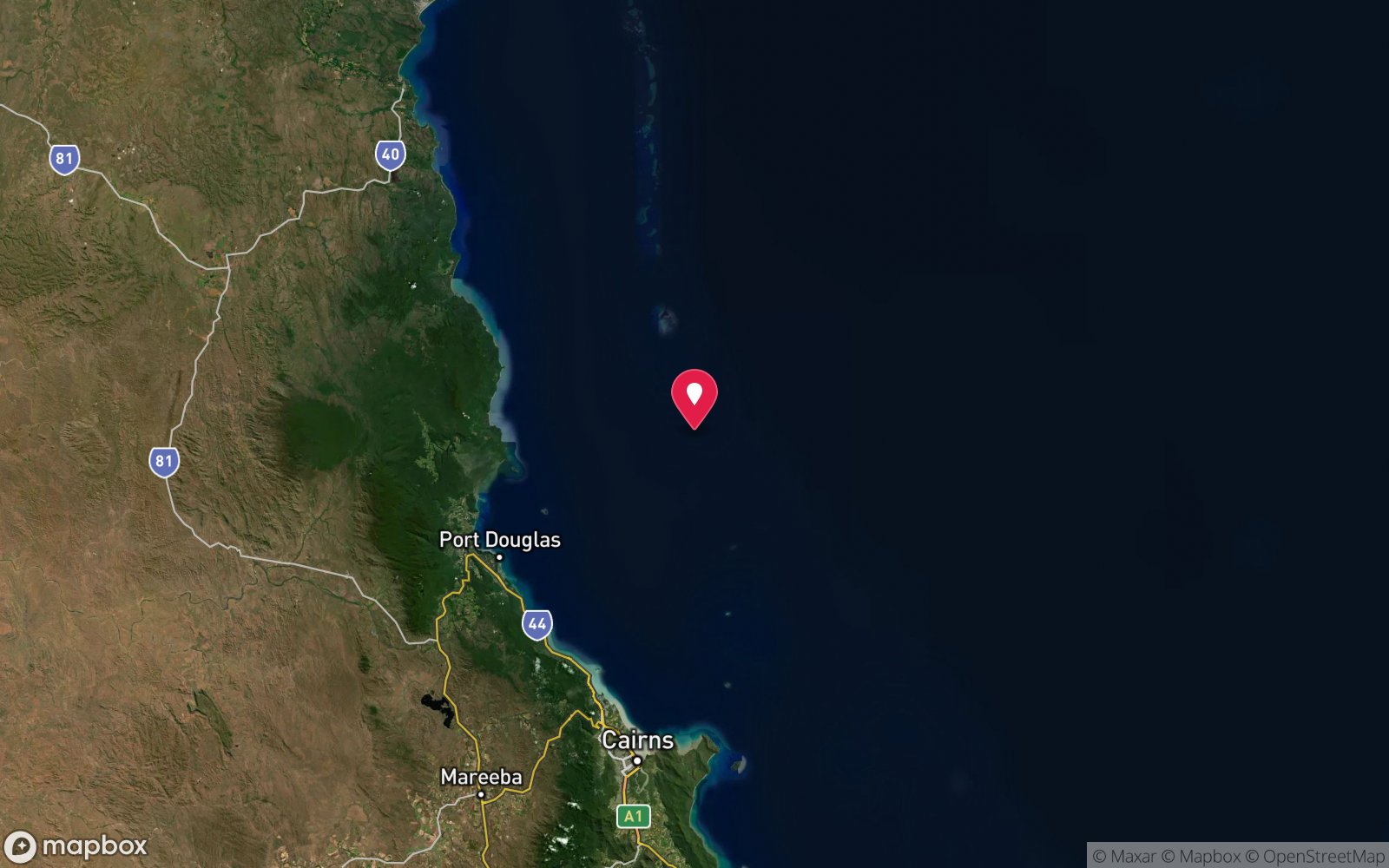
Bashful Bommie (Opal Reef)
Visibility: 15-30 m · Double-sided bommie with a sea-fan wall on a deep channel, a sheltered clam garden, and a very friendly Maori wrasse.
16. Port Douglas · QLD
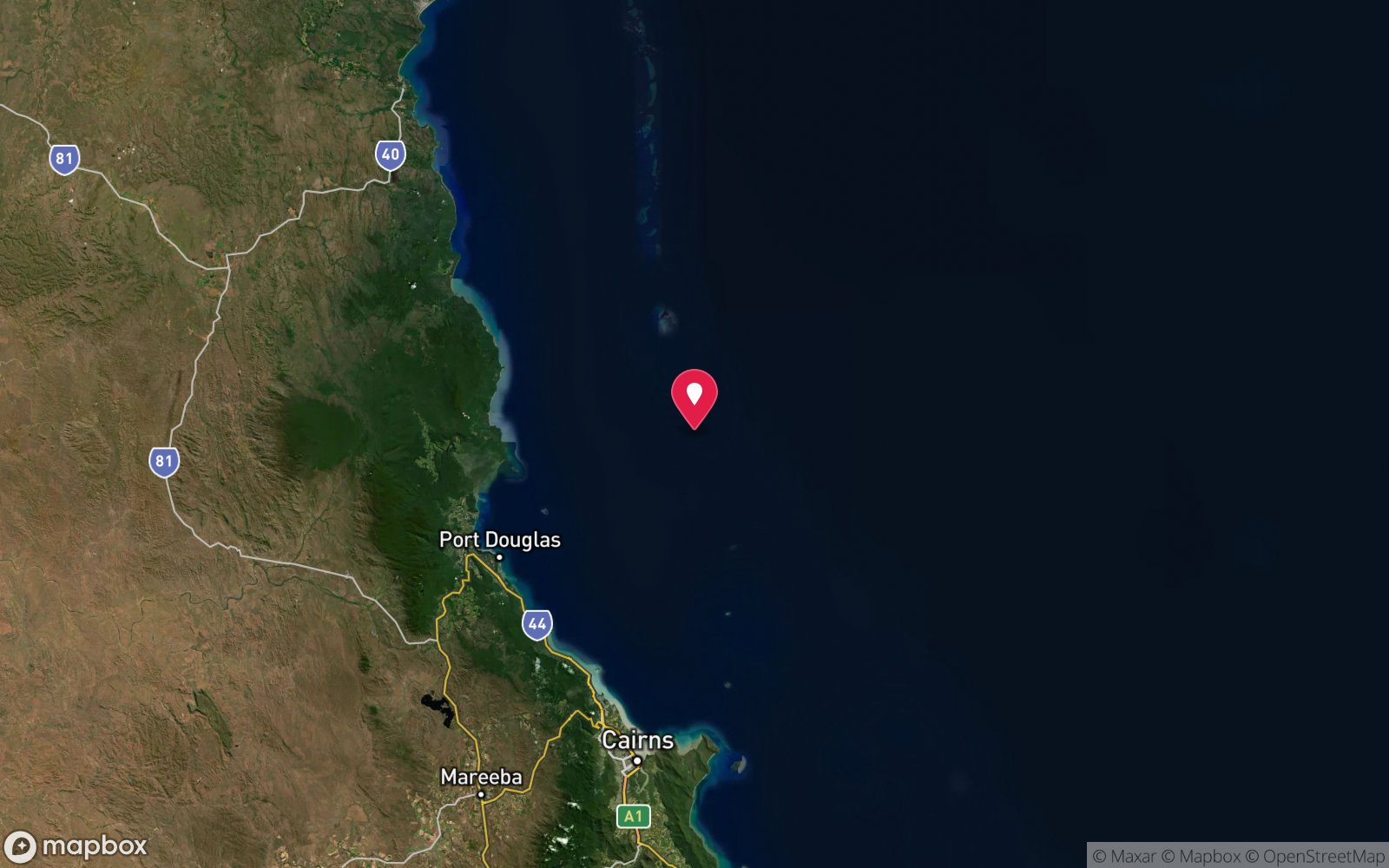
Blue Buoy (Opal Reef)
Visibility: 15-30 m · Reliable turtle encounters plus pipefish and razorfish; can be linked with Wild West.
17. Lady Musgrave & Bunker Group · QLD
Campgrounds (Lady Musgrave)
Visibility: 12-30 m · An untouched outer-reef wall drift past isolated coral formations, with pelagics brought in by the current.
18. Ribbon Reefs & Lizard Island · QLD
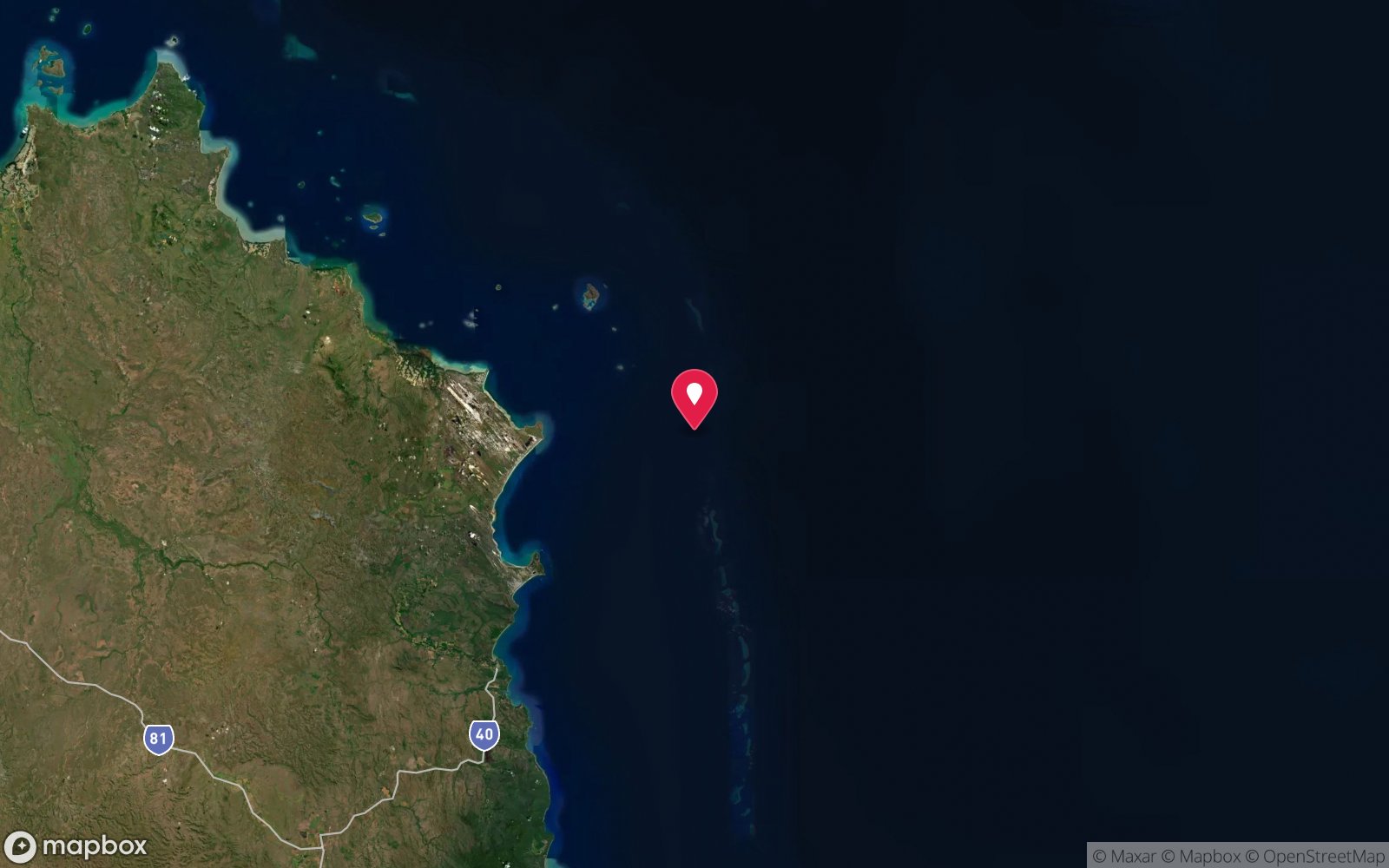
Challenger Bay
Visibility: 15-30 m · A famous night dive where trevally and red bass hunt in divers' torch beams; easy daytime dive over sand, bommies and recovering hard coral.
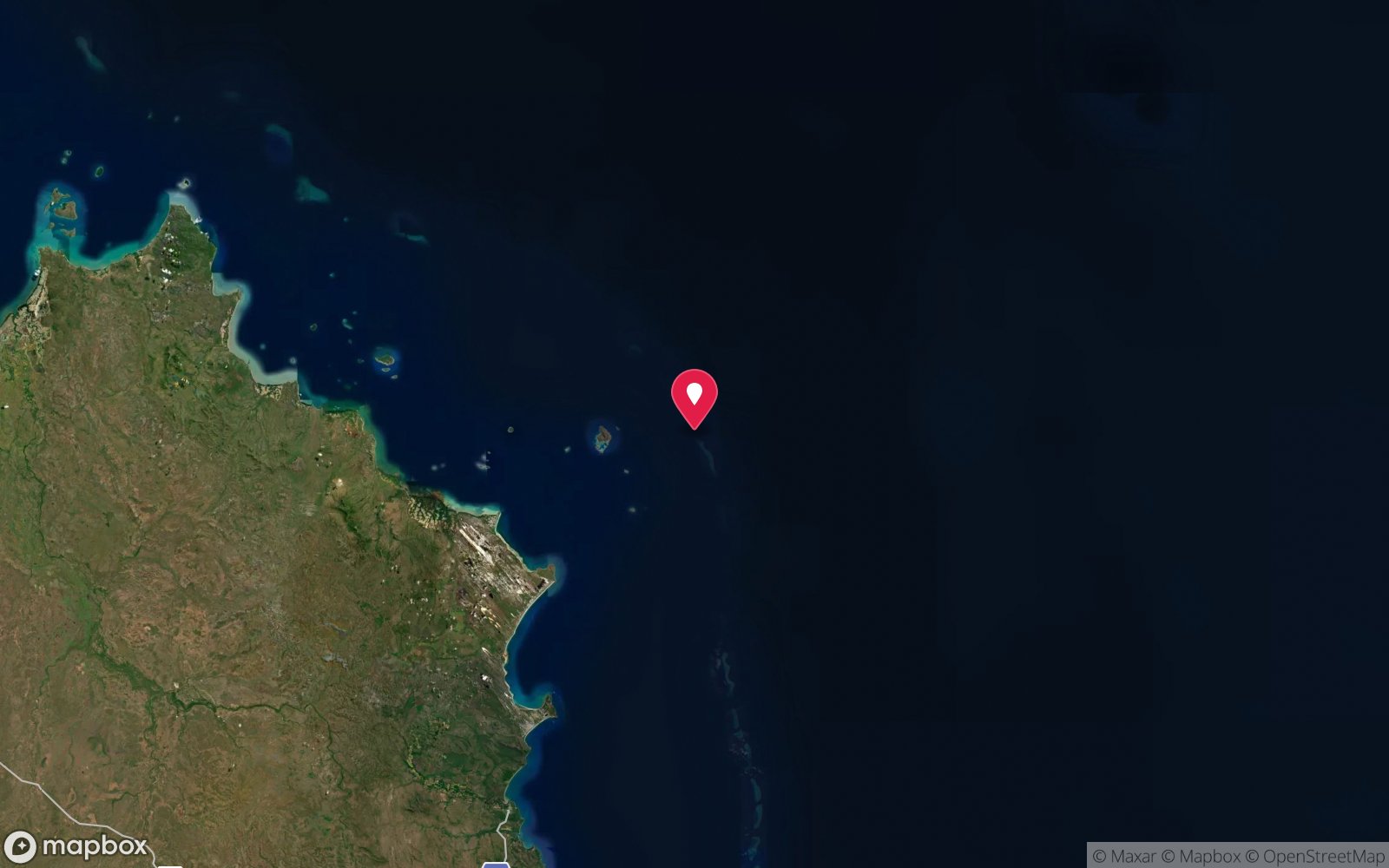
19. Ribbon Reefs & Lizard Island · QLD
Cod Hole
Visibility: 15-30 m · The Ribbon Reefs' famous potato cod site, where 1 m cod approach to within touching distance.
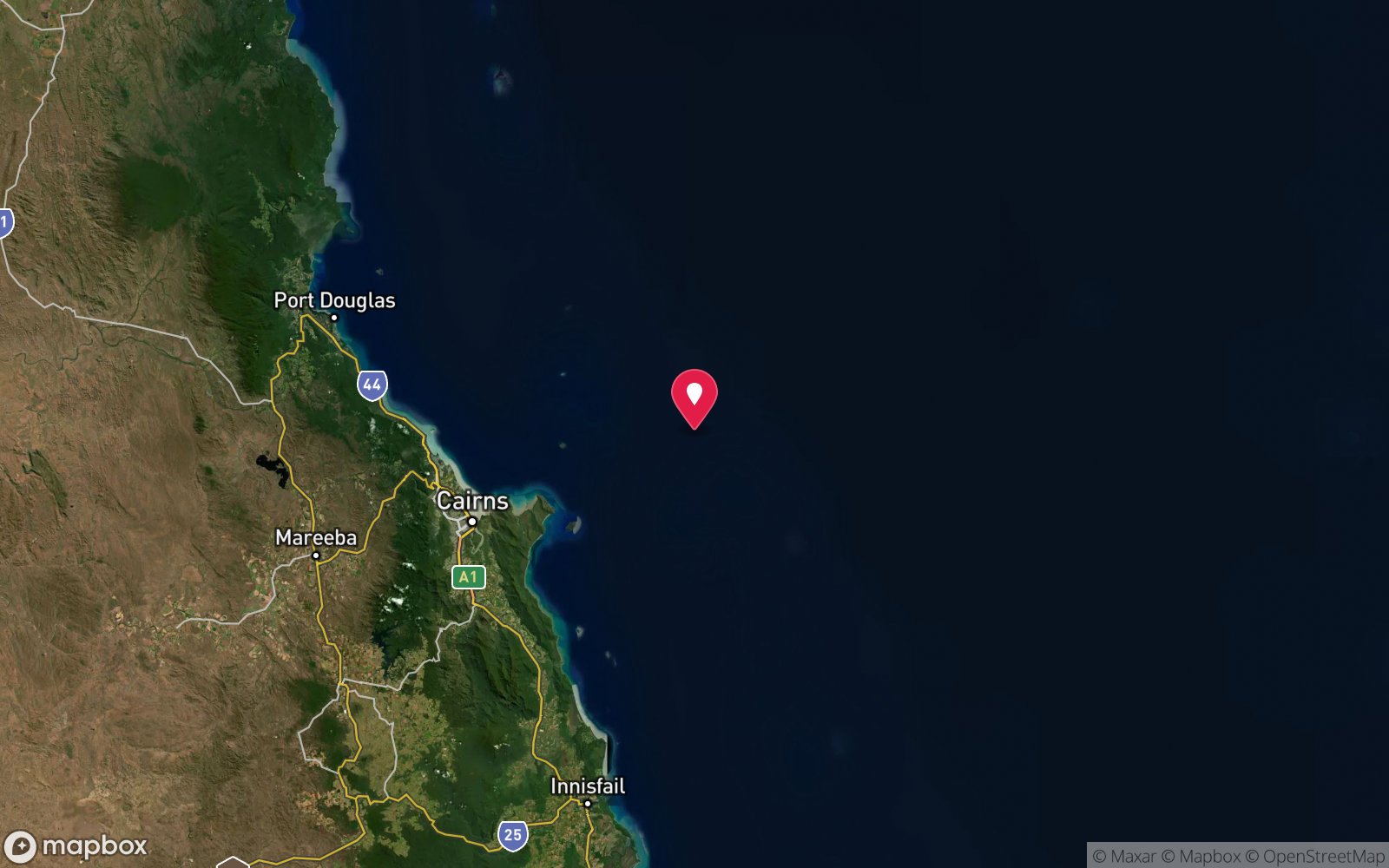
20. Cairns · QLD
Coral Gardens (Flynn Reef)
Visibility: 15-30 m · A 30 m wall with swim-throughs and overhangs beside a shallow garden of staghorn and plate corals; a favourite liveaboard night dive.
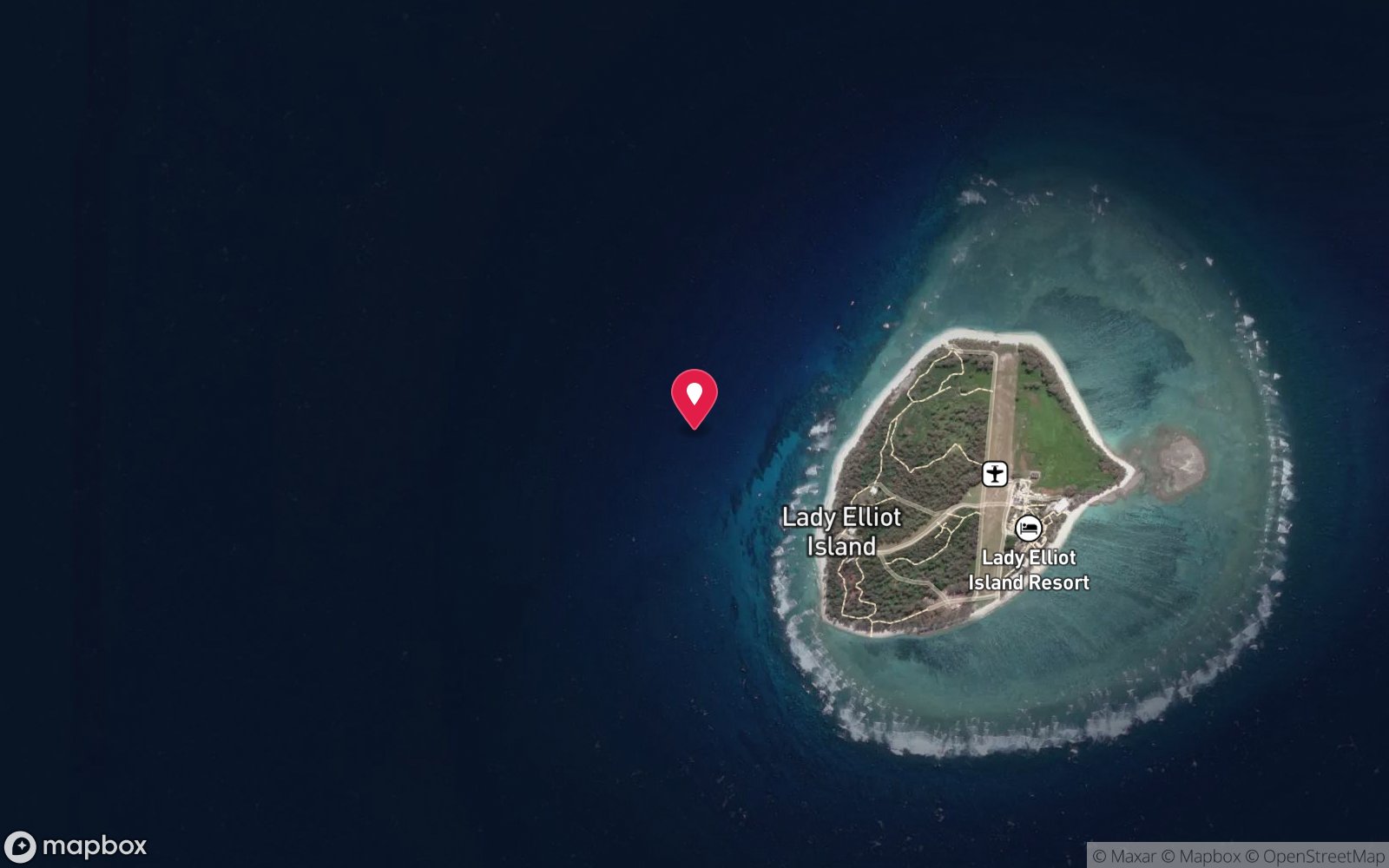
21. Lady Elliot Island · QLD
Coral Gardens (Lady Elliot Island)
Visibility: 15-30 m · Lady Elliot's prettiest shallow coral, with open archways and swim-throughs and schooling barracuda – an ideal first dive.
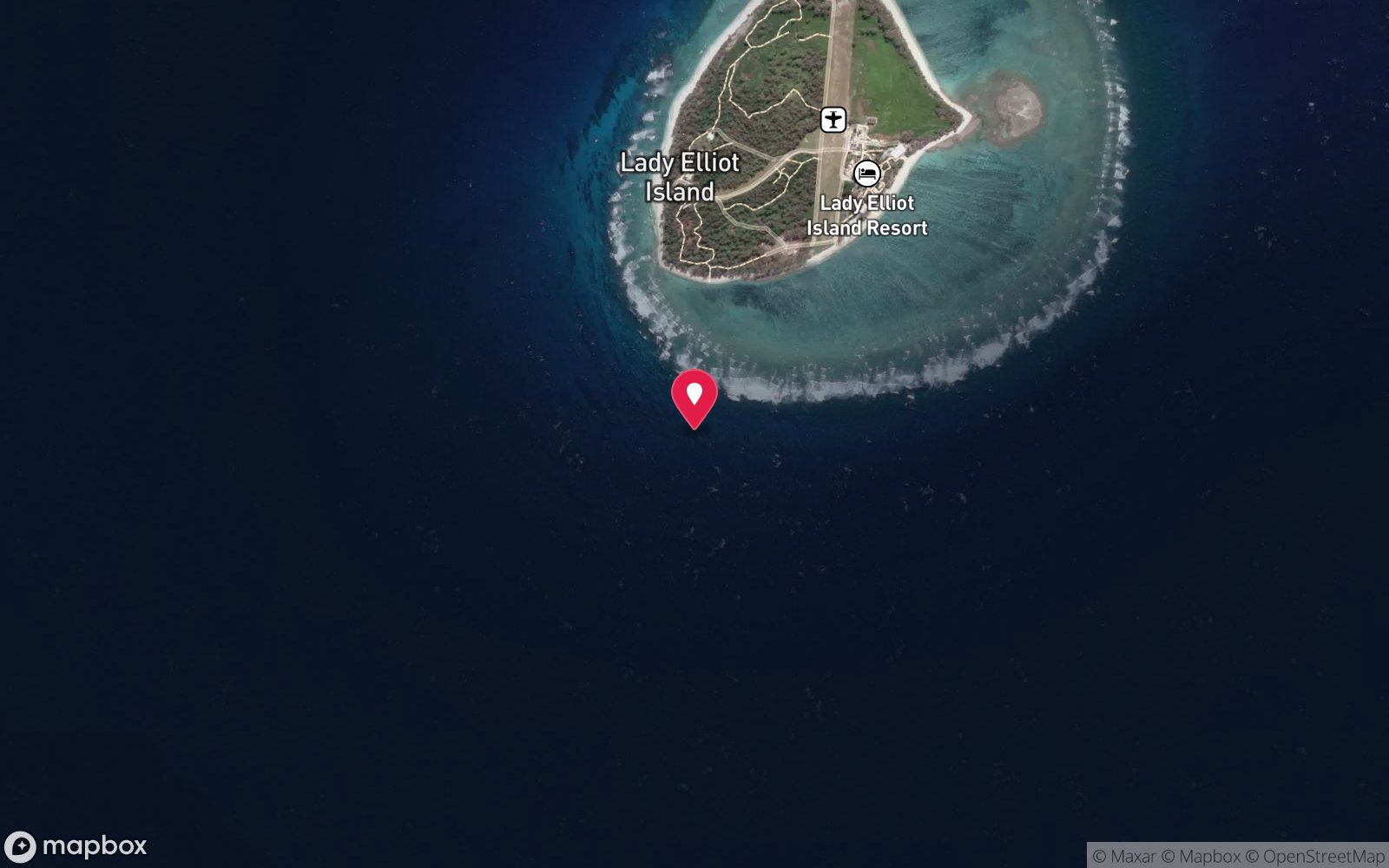
22. Lady Elliot Island · QLD
Encounters (Lady Elliot Island)
Visibility: 15-30 m · A current-swept southern reef edge beyond the airstrip where mantas come to feed.
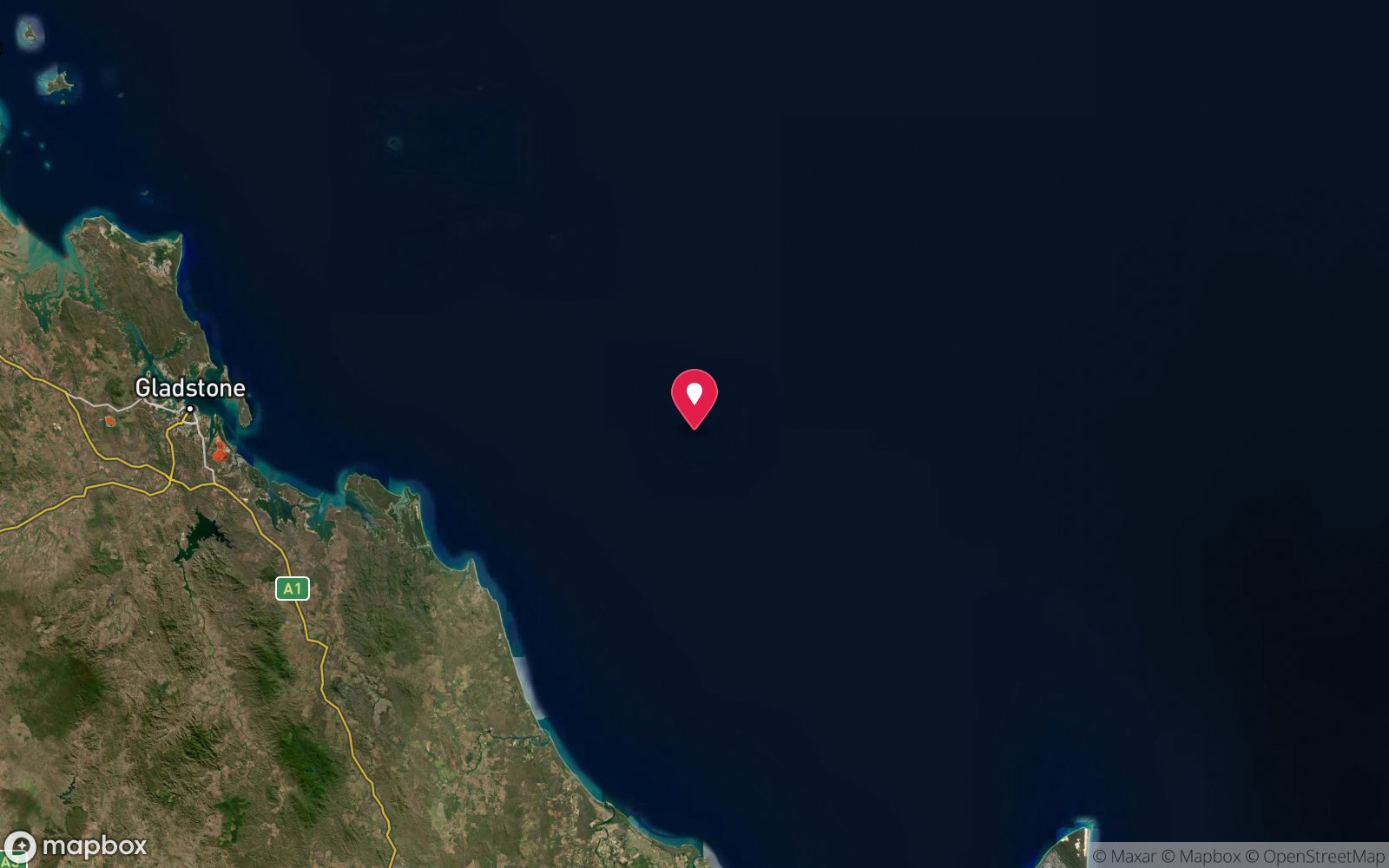
23. Lady Musgrave & Bunker Group · QLD
Entrance Bommies (Lady Musgrave)
Visibility: 12-30 m · A drift past flower-like plate and foliose corals at the lagoon mouth, where tidal flow brings sharks, rays and trevally.
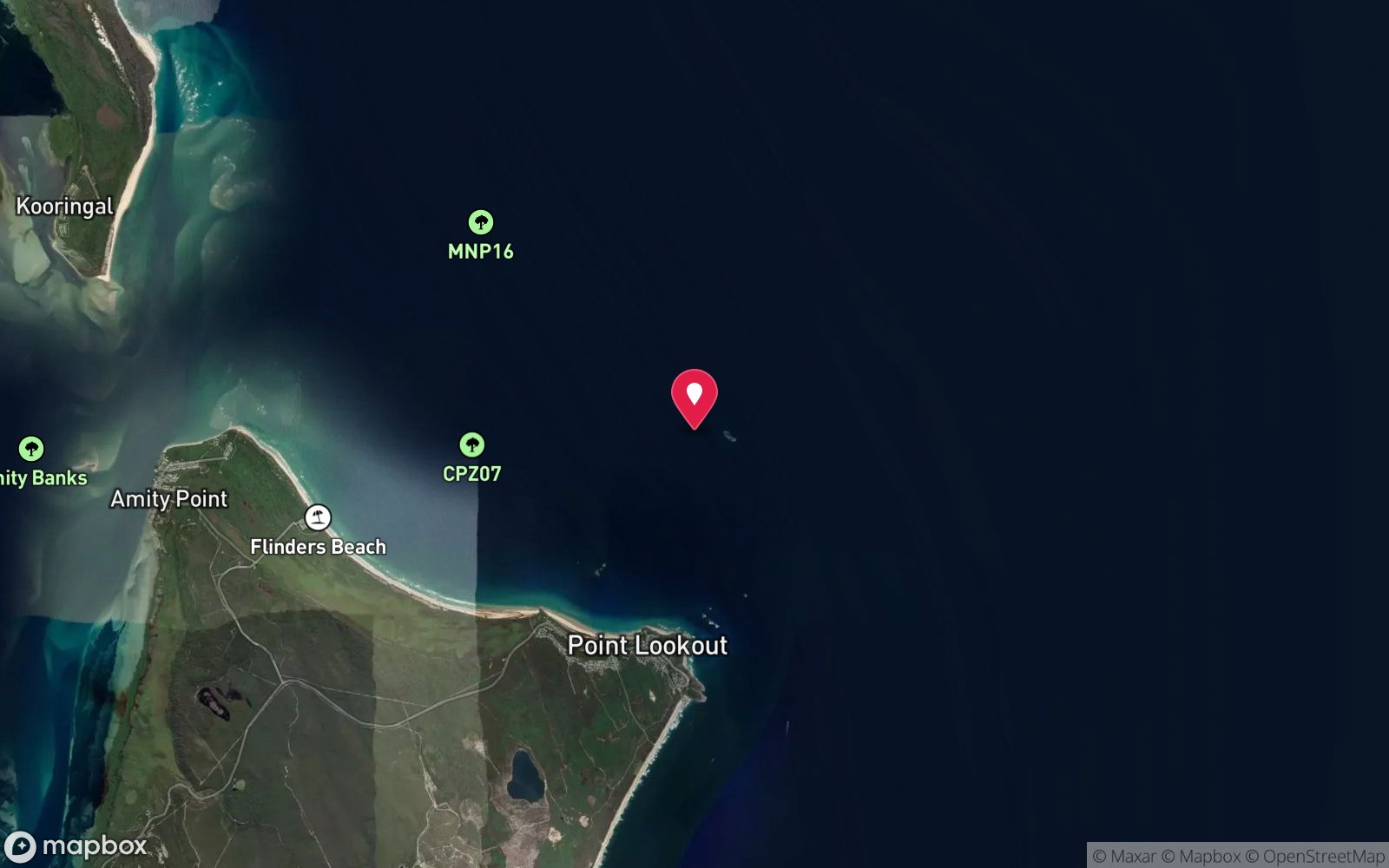
24. North Stradbroke Island · QLD
Flat Rock
Visibility: 10-30 m · A protected rock complex with four sites – coral gardens, turtle caves, a deep coral bowl and a winter grey nurse shark aggregation.
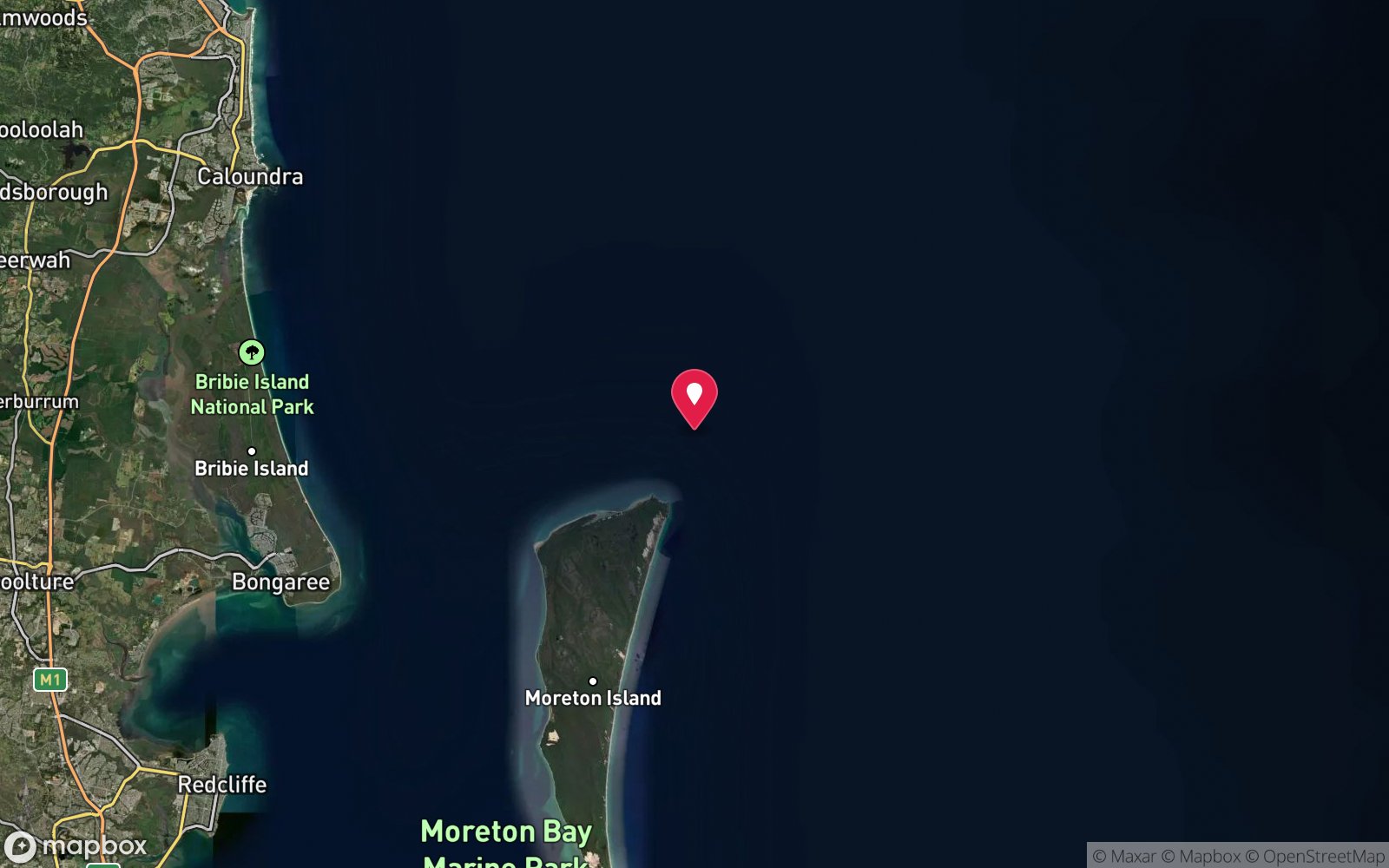
25. Brisbane & Moreton Bay · QLD
Flinders Reef
Visibility: 15-30 m · The most diverse coral reef in Moreton Bay, an hour from Brisbane.
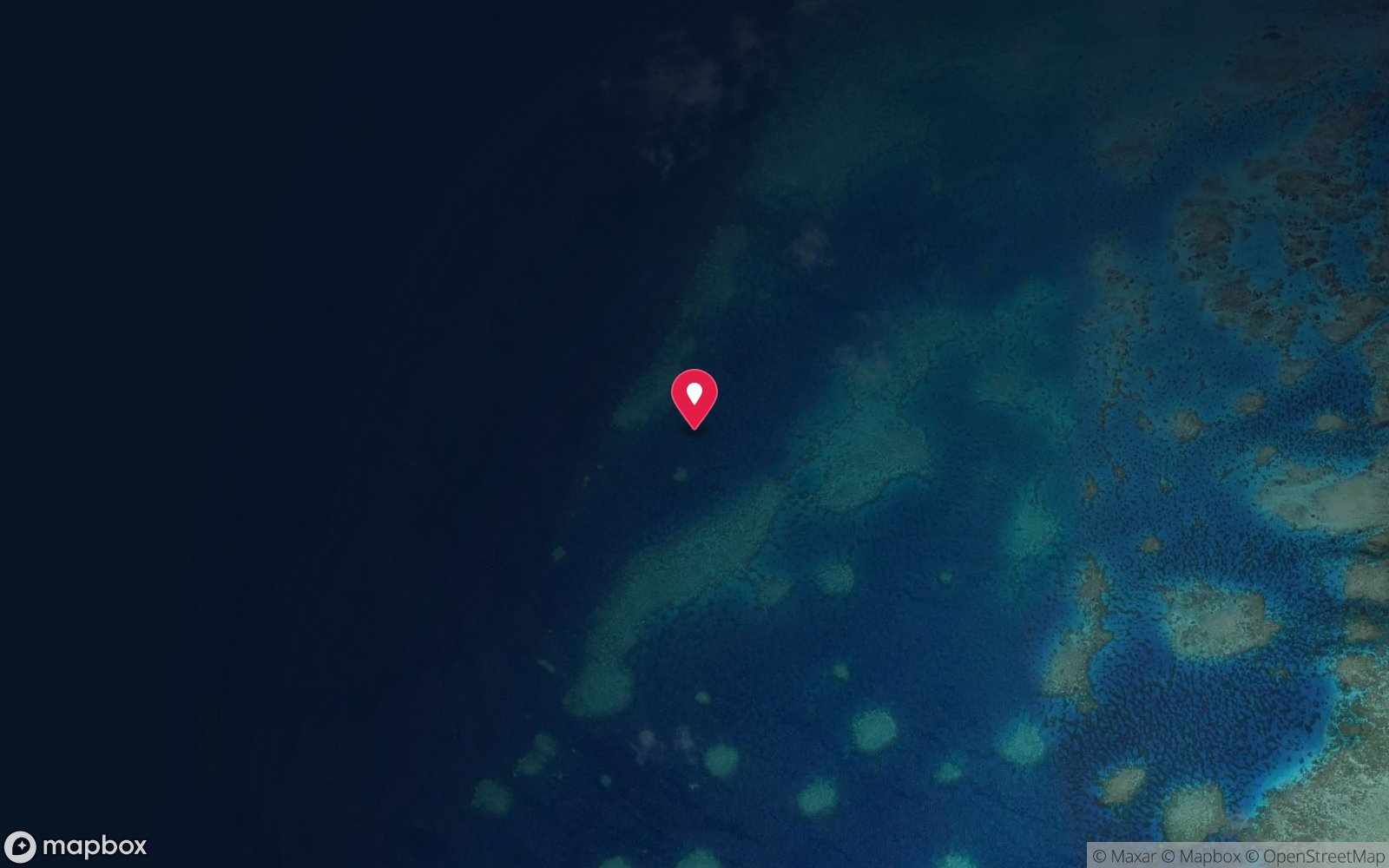
26. Port Douglas · QLD
Harry's Bommie (Agincourt Reef 4)
Visibility: 10-30 m · Instructors' favourite garden of pinnacles regularly visited by juvenile grey reef sharks and occasionally mantas.
27. Lady Elliot Island · QLD
Hiro's Cave (Lady Elliot Island)
Visibility: 15-30 m · A spectacular eastern wall with a 16 m cleaning station where mantas or silvertip sharks circle.
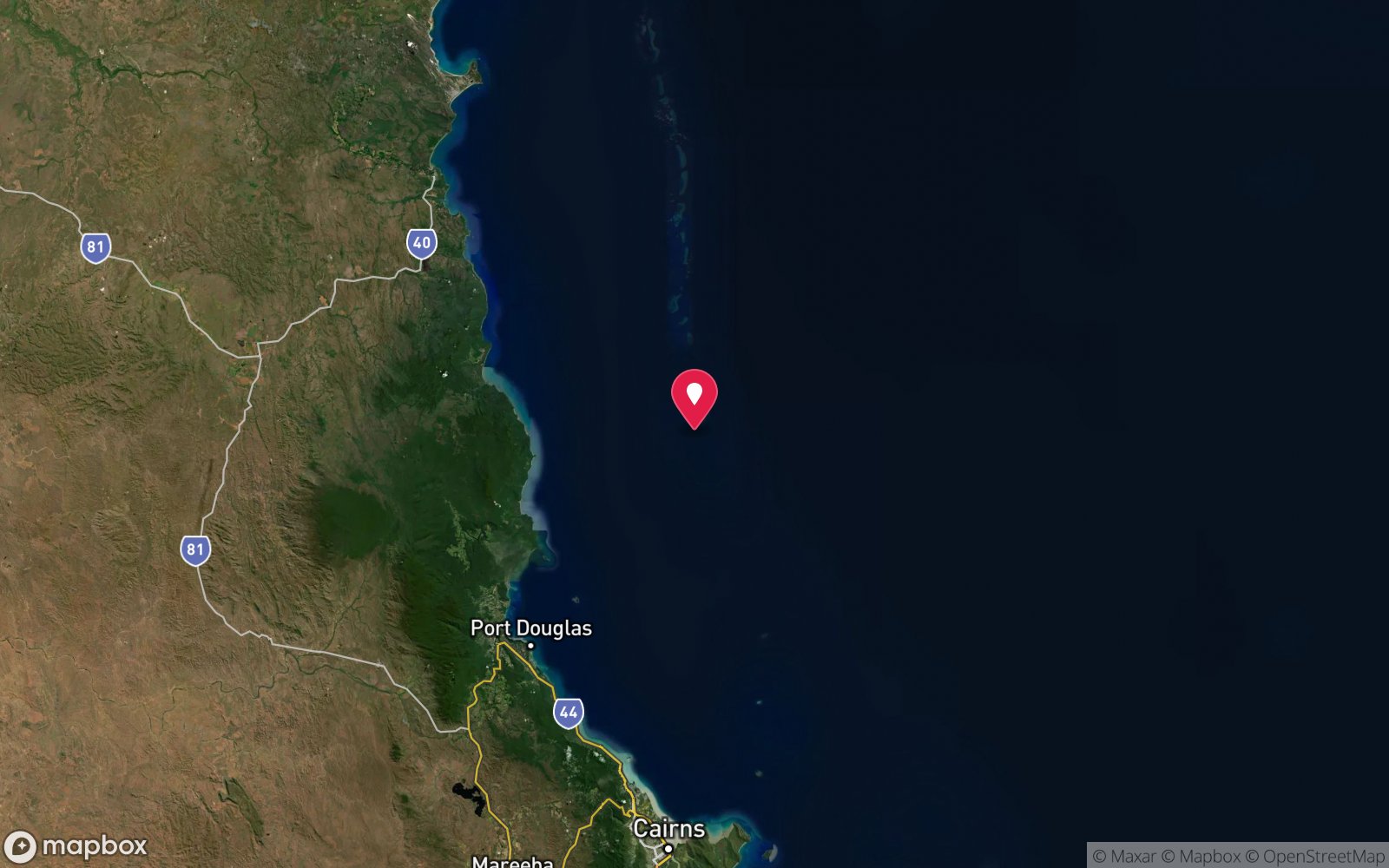
28. Port Douglas · QLD
Horseshoe Reef (Agincourt Reef 2)
Visibility: 12-30 m · Drift along a wall covered in shimmering blue fusilier schools with trevally and mackerel hunting through them.
29. Lady Musgrave & Bunker Group · QLD
Jeff's Edge (Lady Musgrave)
Visibility: 15-30 m · A drift along an outer wall of overhangs, caves and crevices, with sharks, rays and turtles off the edge.
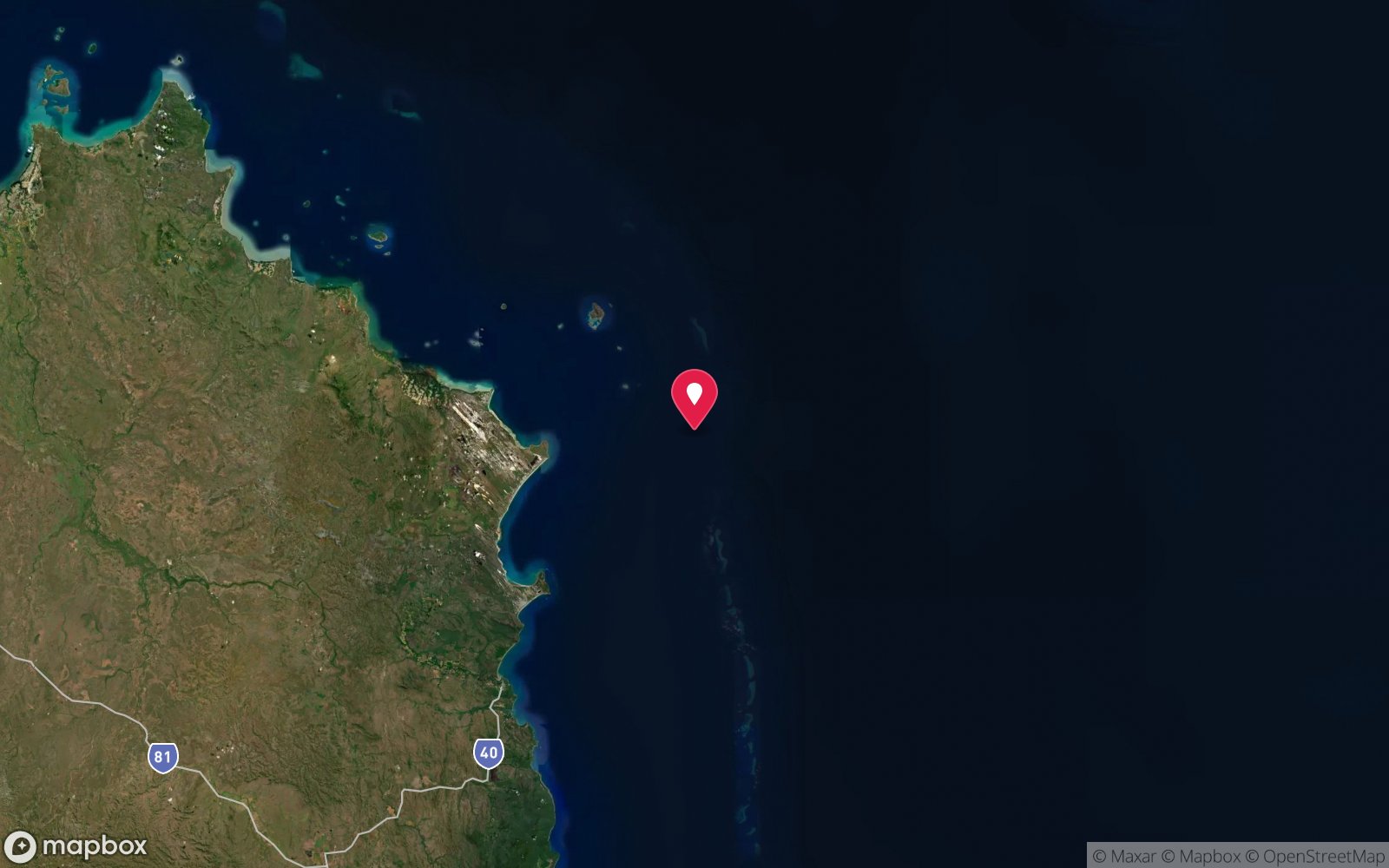
30. Ribbon Reefs & Lizard Island · QLD
Lighthouse Bommie
Visibility: 15-30 m · The classic dwarf minke whale site in June–July, and a pinnacle packed with fish, turtles and sea snakes all year.
The guide
Why the clearest water is fresh
The top of this list is inland. The Limestone Coast sinkholes and the Nullarbor caves hold groundwater that has been filtered through kilometres of limestone; there is no plankton, no sediment and no swell, so visibility is limited only by the light. Kilsby, Ewens Ponds and Piccaninnie routinely exceed 40 m and the caves exceed 100 m, numbers that no ocean site in Australia can match.
In the sea, clarity comes from distance from the coast and from the open ocean. The outer Great Barrier Reef at the shelf edge (Agincourt, the Ribbons, Osprey), Lord Howe and Balls Pyramid, the Coral Sea atolls and the Rowley Shoals all sit in oceanic water that the coastal rivers never reach. The temperate south has its clear days too, usually after a week of offshore wind in winter, but 20 m is exceptional where 40 m is routine on the outer reef.
Diving in very clear water
Clear water changes how a dive feels and how it should be planned. Depth is hard to judge when the bottom looks close; divers in the sinkholes routinely find themselves deeper than intended, which is why the CDAA sites have hard limits, guides and permits. Buoyancy control matters more, because every fin kick is visible for 50 m and silt in a cave stays suspended for days. And photography is easier and harder: no backscatter, but a scene that stretches further than any strobe can reach.
The sinkholes and Ewens Ponds are diveable year-round with the water a constant 15 °C; a 7 mm suit or a drysuit is standard. The outer reef is clearest from September to November, before the wet-season runoff.
Editorial last reviewed September 2026. The list itself is regenerated from the directory daily.
Frequently asked questions
Where is the best visibility in Australia?
The Coral Sea reefs (Osprey, Bougainville, Flinders), the Rowley Shoals, Christmas and Cocos islands and the Mount Gambier sinkholes regularly exceed 40 m. Tasmania's east coast reaches 30 m in winter.
More rankings
- The 25 Deepest Dive Sites in Australia
- Australia's Most Remote Dive Sites
- The Longest Boat Rides to a Day Dive
- The Warmest Dive Sites in Australia
- The Coldest Dive Sites in Australia
- The Most Biodiverse Dive Sites in Australia
- The Oldest Shipwrecks You Can Dive in Australia
- WWII and Wartime Wrecks You Can Dive in Australia
- All rankings →