Dive slate · divesites.com.au · printed 7 Nov 2026
The Point (Agincourt Reef 3)
Port Douglas, Queensland · near Port Douglas
| Depth | 5–30 m |
|---|---|
| Minimum level | Advanced Open Water |
| Difficulty | Advanced |
| Access | Boat (day trip) |
| Entry | Giant stride from the dive deck at the mooring, descend the mooring line or free descent |
| Current | Strong |
| Visibility | 20-45 m |
| Water | summer 28-30 °C, winter 23-25 °C |
| Suit | 3 mm full wetsuit or stinger suit plus shorty in summer; 5 mm full suit in winter (June–August); full-length lycra/stinger suit essential November–May |
| Best season | June–November for calmer seas and the best visibility outside stinger season (dwarf minke whales June–July, humpbacks July–September); October–December often gives glassy days; wet season (December–April) brings warm water, stingers, cyclone risk and run-off |
| Bottom time | 40 min |
| Position | -15.99000, 145.82000 (approximate) |
| Permit | Great Barrier Reef Marine Park – GBRMPA zoning applies (check the Cairns Section zoning map; many Agincourt/Opal sites sit in Marine National Park (Green) or Conservation Park zones – no fishing or collecting). Commercial operators hold permits; the $8.50/day Environmental Management Charge is collected on tours |
| Nearest chamber | Townsville University Hospital (Townsville) |
| Emergency | 000 · DAN Asia-Pacific diving emergency 1800 088 200 |
The Point (Agincourt Reef 3)
Shelf-edge point with 30 m+ visibility, a stepped wall dropping into the abyss, and sharks and pelagics working the current.
Near Port Douglas · Port Douglas, Queensland
- Depth
- 5–30 m
- Minimum level
- Advanced Open Water
- Access
- Boat (day trip)
- Boat ride
- ~90 min
- Water
- 28-30 °C
- Visibility
- 20-45 m
The Point (Agincourt Reef 3)5–30 m · Advanced Open Water
Dive factsDepths, conditions, location & safety
Season
In season nowBest months: January, February, March, April, June, July, August, September, October, November, December.
June–November for calmer seas and the best visibility outside stinger season (dwarf minke whales June–July, humpbacks July–September); October–December often gives glassy days; wet season (December–April) brings warm water, stingers, cyclone risk and run-off
- Best months
- Now (November)
- Stinger suit Nov–May
Dive facts
- Depth
- 5–30 m
- Typical depth
- 18 m
- Certification
- Advanced Open Water
- Difficulty
- Advanced
- Depth tier
- Advanced Open Water (18–30 m)
- Access
- Boat (day trip)
- Offshore
- 70 km
- Dive centre needed
- Yes – boat access only
- Shore / independent
- No
- Boat ride
- ~90 min
- Current
- Strong
- Visibility
- 20-45 m
- Water temp (summer)
- 28-30 °C
- Water temp (winter)
- 23-25 °C
- Water
- Tropical
- Bottom time
- 40 min
- Dive traffic
- Popular (weekly charters)
- Night dive
- No
- Snorkel friendly
- Partial
Exposure suit
3 mm full wetsuit or stinger suit plus shorty in summer; 5 mm full suit in winter (June–August); full-length lycra/stinger suit essential November–May
Location
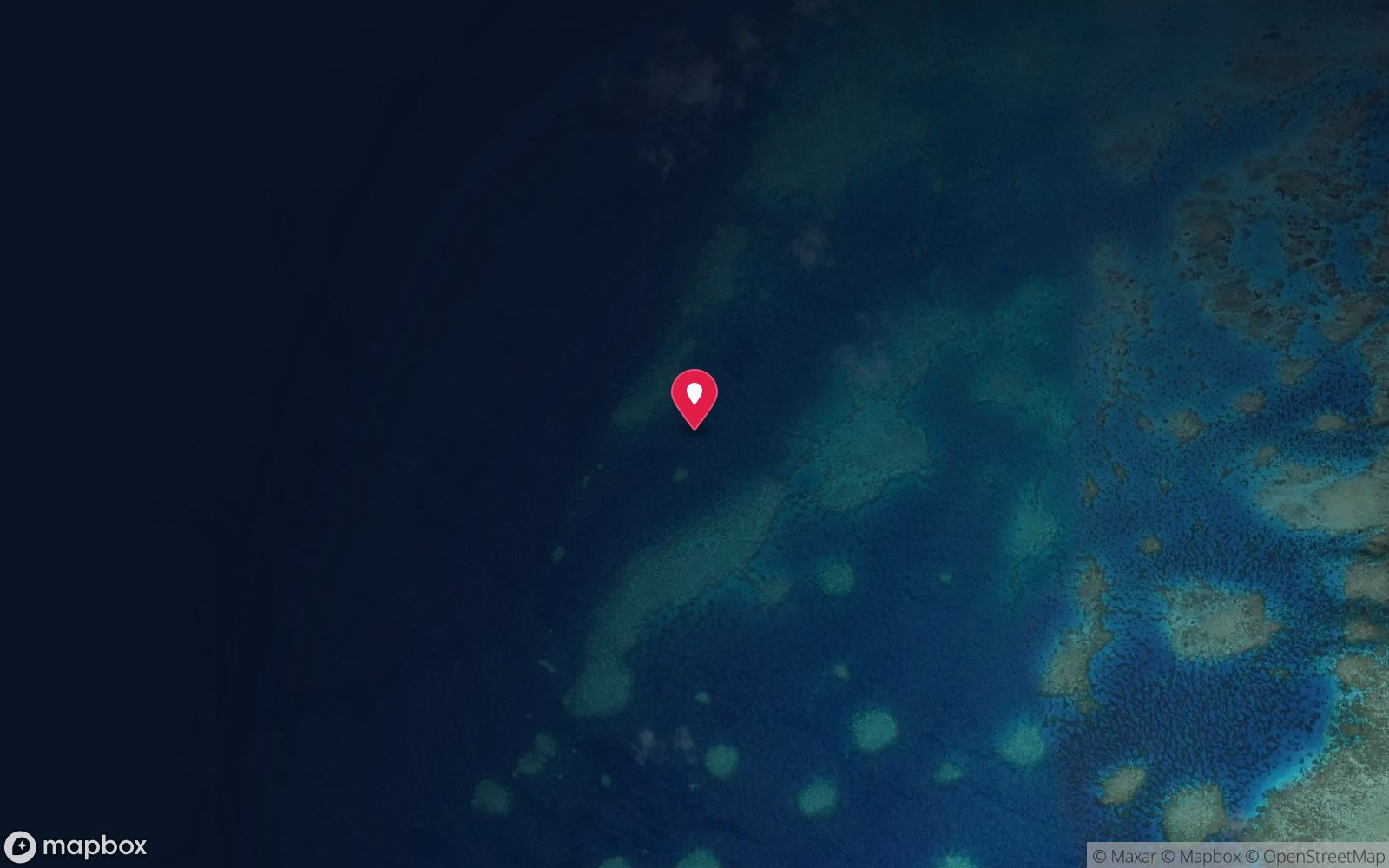
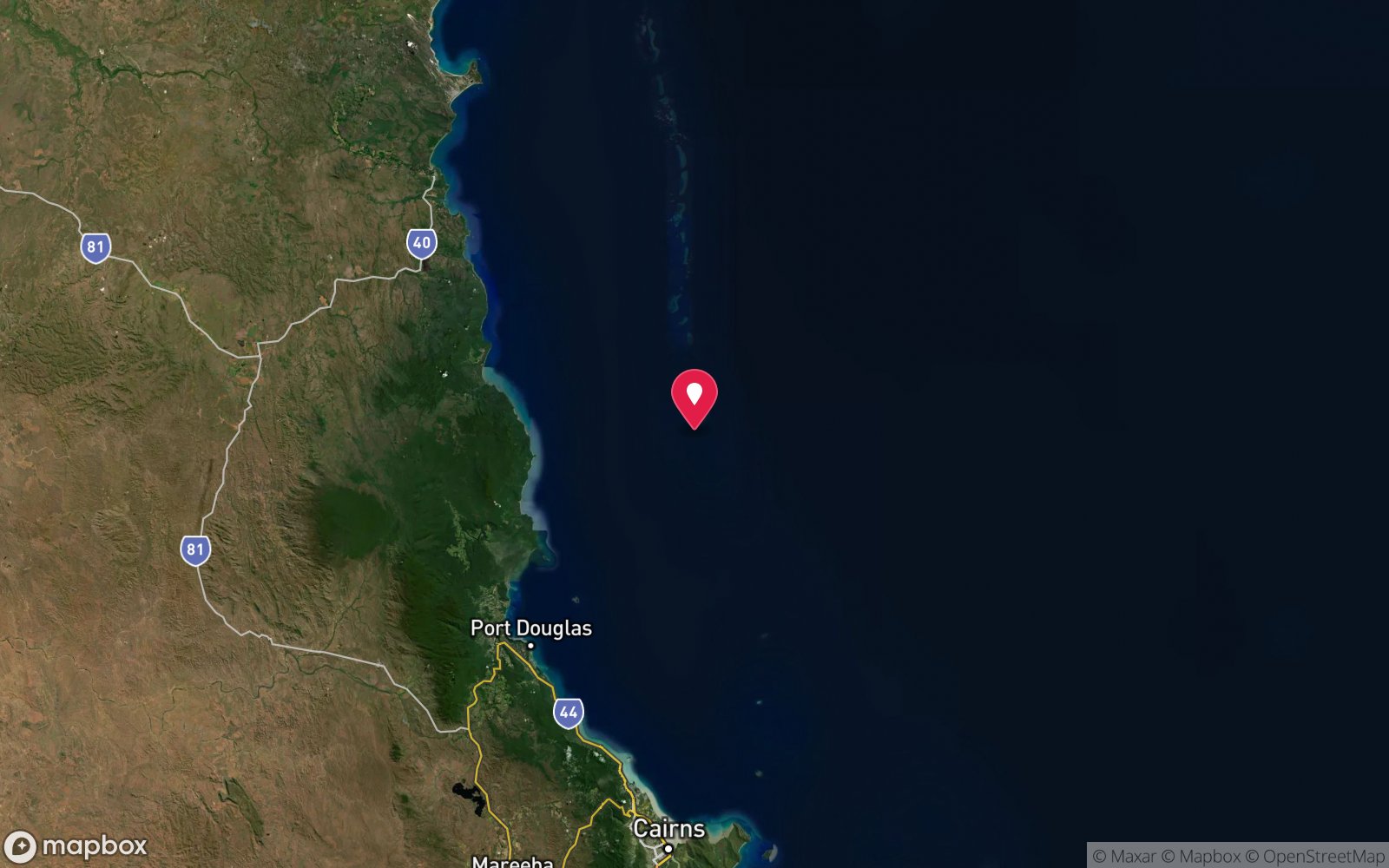
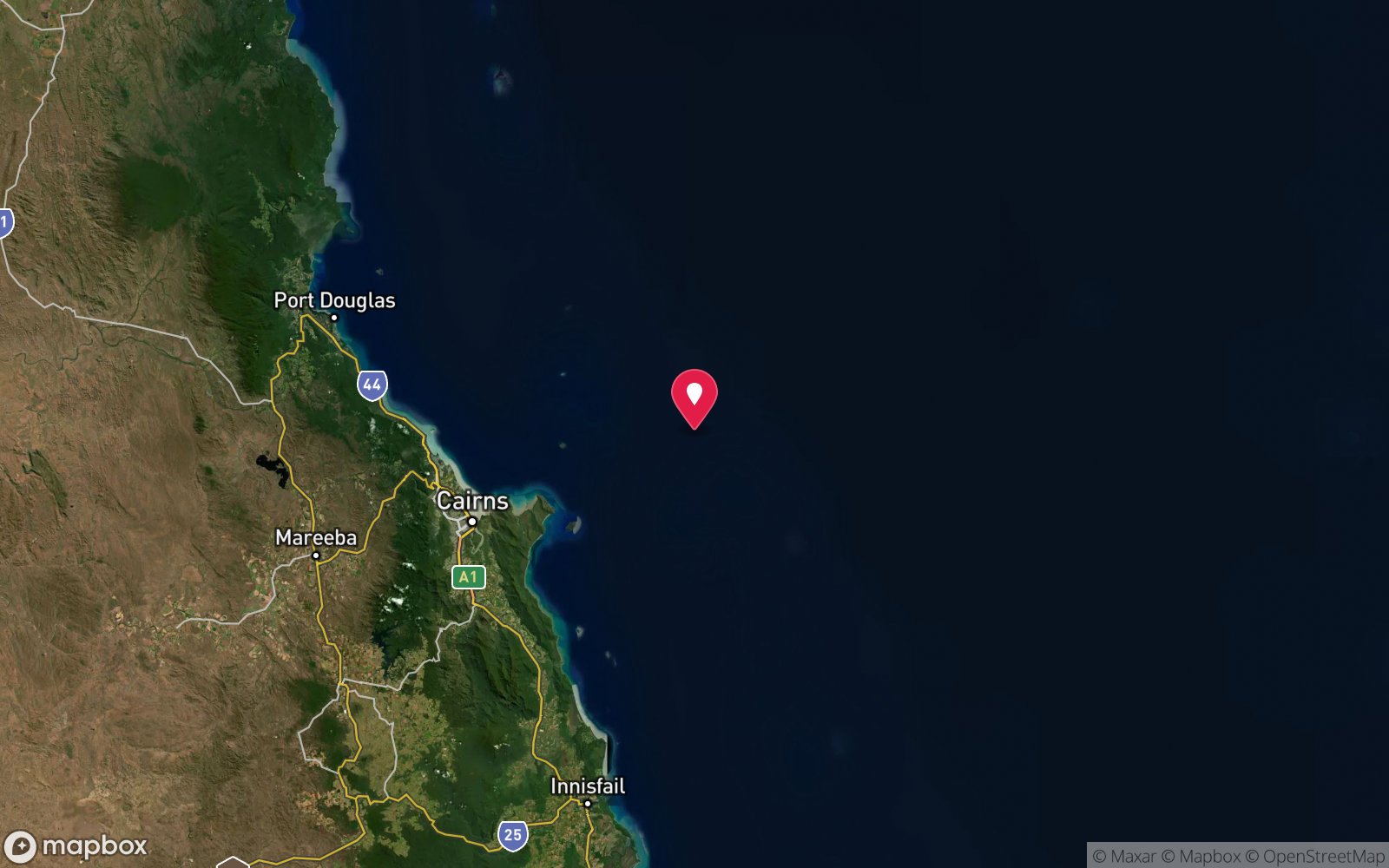
Agincourt Reef 3 · Port Douglas – Outer Great Barrier Reef
-15.99000, 145.82000
Approximate position — not for navigation.
Open in Google MapsPrimary source: divernet.comMarine park & permits
Great Barrier Reef Marine Park – GBRMPA zoning applies (check the Cairns Section zoning map; many Agincourt/Opal sites sit in Marine National Park (Green) or Conservation Park zones – no fishing or collecting). Commercial operators hold permits; the $8.50/day Environmental Management Charge is collected on tours
Nearest recompression chamber
Townsville University Hospital (Townsville)
Diving emergency: call 000, then DAN AP 1800 088 200.
Trip planner
Build a trip around The Point (Agincourt Reef 3) →
A day-by-day plan for Port Douglas with this site locked in.
This guide is a planning aid. Conditions change daily — confirm with a local dive centre and dive within your training. Data & safety notes.
Dive profile
How this site rates
Scores are computed from the recorded data, not opinions. How?
At a glance
The Point (Agincourt Reef 3) is a wall boat dive in Port Douglas, QLD, 5–30 m, suited to Advanced Open Water divers, strong current, about 90 minutes by boat.
Rated advanced because of depth beyond 18 m, strong current, boat traffic overhead.
Why dive here
- Shelf-edge point with 30 m+ visibility, a stepped wall dropping into the abyss, and sharks and pelagics working the current.
- Visibility often reaches 20-45 m.
Conditions to avoid
- Strong southerly or south-east swell and wind
- Outgoing tide or run-off after rain (poor visibility)
- Spring tides (strong current)
- Any time other than slack water
- Cyclone season (roughly December–April)
About The Point (Agincourt Reef 3)
The Point on Agincourt Reef No. 3 is one of the dives Divernet singles out among the tropical north's best: an outer point on the continental shelf edge where strong currents sweep plankton-rich water along the reef and attract large predators. Visibility here is often 30–45 m, and the reef wall drops in stages towards the abyss beyond the shelf – the seabed off the edge plunges to around 1,000 m. The topography is a series of steps and buttresses.
The upper reef is covered in hard corals and busy with reef fish, and below it the wall falls away in terraces encrusted with gorgonian fans, sea whips and soft corals that feed in the current. This is a place to look outward as much as at the reef: grey reef sharks hang in the current off the point, schools of trevally, barracuda and big-eye trevally circle, and dogtooth tuna and Spanish mackerel make hunting runs. Turtles and eagle rays pass along the wall.
The current that brings all this life also makes the site demanding. It can run strongly around the point, particularly on spring tides, and guides use the lee of buttresses and the sheltered side of the point to manage it. The dive is usually planned in the 15–25 m range, with the option to drift if the tide is running along the reef.
It is best suited to Advanced Open Water divers with drift and current experience. The contrast with the sheltered gardens and lagoon sites of Agincourt is stark – this is the open ocean edge of the Great Barrier Reef. On a clear day, looking down the stepped wall into deep blue with sharks below and schooling fish overhead is one of the finest experiences available on a Port Douglas day trip.
Note that Silverseries also lists a separate site named The Point at the southern end of Agincourt Reef No. 4.
Getting there & entry
The outer point of Agincourt Reef No. 3 on the continental shelf edge, where the reef wall drops away in stages into very deep water.
Agincourt day boats leave Crystalbrook Superyacht Marina (formerly the Reef Marina) on Wharf Street, Port Douglas, between about 8:00 and 8:30 am. Park in the marina car park or the free all-day street parking around Wharf and Dixie streets; Quicksilver, Poseidon and Calypso also run coach pick-ups from Port Douglas, Palm Cove and northern Cairns beaches. The run to the Agincourt ribbon reefs on the edge of the continental shelf is about 65–70 km north-east and takes roughly 75–90 minutes on the large catamarans (Silversonic is the fastest), longer on small-group boats such as Scuba IQ/Blue Dive.
You gear up on board and giant-stride from the dive deck at a permanent mooring; the skipper picks the sites on the day to suit wind and tide, so a named site is never guaranteed. Boats are back at the marina around 4:30 pm.
Entry: Giant stride from the dive deck at the mooring, descend the mooring line or free descent
Facilities: Departs Crystalbrook Superyacht Marina, Wharf Street, Port Douglas – car parking, toilets, cafes and restaurants at the marina; dive shops in town for gear hire and air
Weather, swell & tides
Agincourt is an outer ribbon reef on the shelf edge, so it is fully exposed to the south-east trade winds that blow from about April to September. Moorings on the protected western (back-reef) side remain diveable in 15–20 knots, but anything over 25 knots or a 2.5 m+ sea makes the crossing rough and operators may cancel or switch to more sheltered moorings. Calm spells in October–December give the glassiest days and 30 m+ visibility.
The wet season (December–April) brings northerlies, afternoon storms, cyclone risk and occasional reduced visibility after big rain events, although the outer reef is far less affected by run-off than inshore reefs. Marine stingers are present November–May. Tidal currents run along the reef edges and through the gaps between the Agincourt reefs; spring tides strengthen them, so exposed corners are usually dived on the neaps or near slack water.
Best season: June–November for calmer seas and the best visibility outside stinger season (dwarf minke whales June–July, humpbacks July–September); October–December often gives glassy days; wet season (December–April) brings warm water, stingers, cyclone risk and run-off
If it's blown out
Sheltered or shore sites within 25 km that often work when The Point (Agincourt Reef 3) doesn't.
- The Gap (Agincourt Reef 3) · 0 km · Max 12 m
- The Gardens (Agincourt Reef 2) · 5 km · Max 10 m
How the dive is usually run
Descend on the sheltered side, then move onto the point at 18–25 m with the wall on one shoulder, facing into any current. Hang in the lee of buttresses to watch the pelagics, turn when the current becomes hard work or at half gas, and return along the upper wall at 8–10 m, ascending in the lee for the safety stop.
Marine life
- Grey reef sharks →
- whitetip reef sharks →
- big-eye trevally
- giant trevally
- chevron barracuda
- dogtooth tuna
- Spanish mackerel
- eagle rays
- turtles →
- gorgonian fans
- sea whips
- soft corals
Linked species have their own page listing every site where they are recorded. All marine life →
Training required
Beyond 18 m an Advanced certification (which includes a deep dive to 30 m) is the accepted minimum. Anything past 25 m is a deep dive in practice.
At more than 25 m this counts as a deep dive: watch no-decompression limits and gas.
Courses that help here
- Enriched Air Nitrox – Longer no-decompression time at 25 m and deeper.
- Drift Diver – Current is a feature of the dive.
Depth tiers: 0–10 m easy · to 18 m Open Water · 18–30 m Advanced (25 m+ is a deep dive) · 30–40 m Deep specialty · 40 m+ technical. All courses
Hazards & warnings
Marine stingers (box jellyfish and Irukandji) are present November–May – wear a full-length stinger suit; strong currents around the point, possible down-currents near the wall; bottomless drop-off – easy to exceed planned depth; carry an SMB; boat traffic.
Technical notes
No-decompression recreational dive; nitrox recommended for repetitive days; maintain a strict maximum depth – the wall continues far beyond recreational limits.
Dive centres that go here
Visited by the Port Douglas day boats and small-group operators (Scuba IQ / Blue Dive, Tech Dive Academy) when conditions allow; not part of every day's rotation because of exposure and current.
Operators recorded for The Point (Agincourt Reef 3)
Blue Dive Port Douglas
ListedPort Douglas · Port Douglas · QLD
A Port Douglas operation focused on small-group training and guided diving on the northern Great Barrier Reef.
bluedive.com.au
Quicksilver Connections
ListedPort Douglas · Port Douglas · QLD
A large-scale Port Douglas reef tourism operation with pontoon-based access to Agincourt Reef, offering diving alongside snorkelling and other reef activities.
quicksilver-cruises.com · (07) 4087 2100
Scuba IQ
Named by sitesPort Douglas · Port Douglas · QLD
scubaiq.com.au · 0404 964 878
Tech Dive Academy
Named by sitesPort Douglas · Port Douglas · QLD
Site states it now serves private clients only, not the general public.
tech-dive-academy.com · 0416 934 336
Calypso Reef Cruises
Named by sitesPort Douglas · Port Douglas · QLD
Part of Reef Unlimited / Experience Co; outer reef snorkel and dive day trips.
calypsoreefcruises.com · (07) 4099 6999
Poseidon
Named by sitesPort Douglas · Port Douglas · QLD
Trades as Poseidon Outer Reef Cruises; part of the Quicksilver Group.
poseidon-cruises.com.au · (07) 4087 2100
Other dive centres in Port Douglas
Wavelength Reef Cruises
Named by sitesPort Douglas · Port Douglas · QLD
Snorkel-only outer reef tours (no scuba).
wavelength.com.au · (07) 4099 5031
ABC Reef Safaris
Named by sitesPort Douglas · Port Douglas · QLD
TripAdvisor reviews dated September 2026 (3,500+ reviews); new vessel launched late 2025; based at 3/34 Macrossan St Port Douglas.
abcreefsafaris.com.au · 07 4099 6243
OzDive
Named by sitesPort Douglas · Port Douglas · QLD
OZDIVE Pty Ltd; private/charter reef diving from Port Douglas; no phone or address published on site.
ozdive.com
Sailaway
Named by sitesPort Douglas · Port Douglas · QLD
Sailing/snorkel catamaran tours (Low Isles, outer reef).
sailawayportdouglas.com · (07) 4099 4200
Ocean Safari
Named by sitesCape Tribulation · Port Douglas · QLD
Based at Cape Tribulation (Daintree), not Port Douglas; snorkel tours.
oceansafari.com.au · (07) 4098 0006
Map
7 pinned sites. Pins marked approximate on their pages show the general area only; not for navigation.
Satellite views
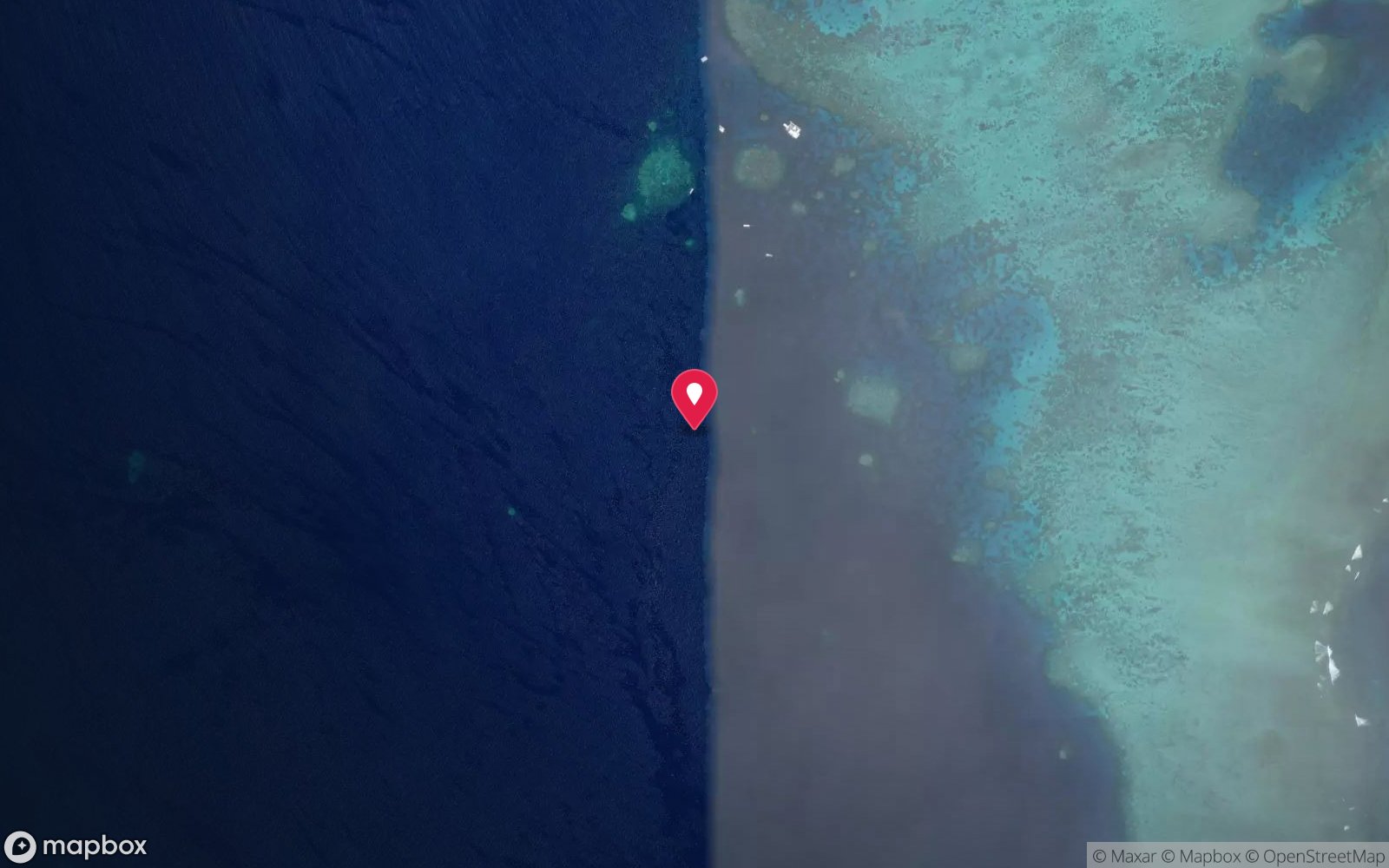
The Point (Agincourt Reef 3): frequently asked questions
How deep is The Point (Agincourt Reef 3)?
The Point (Agincourt Reef 3) reaches a maximum depth of 30 m, with the shallowest part at about 5 m; most of the dive is spent around 18 m.
What certification do I need to dive The Point (Agincourt Reef 3)?
Advanced Open Water is the recommended minimum. At more than 25 m this counts as a deep dive: watch no-decompression limits and gas. Rated advanced because of depth beyond 18 m, strong current, boat traffic overhead.
Can I shore dive The Point (Agincourt Reef 3)?
No, it is reached by boat (about 90 minutes). A dive centre is required: boat access only.
When is the best time to dive The Point (Agincourt Reef 3)?
June–November for calmer seas and the best visibility outside stinger season (dwarf minke whales June–July, humpbacks July–September); October–December often gives glassy days; wet season (December–April) brings warm water, stingers, cyclone risk and run-off.
What marine life will I see at The Point (Agincourt Reef 3)?
Regularly recorded: Grey reef sharks, whitetip reef sharks, big-eye trevally, giant trevally, chevron barracuda, dogtooth tuna, Spanish mackerel, eagle rays, turtles, gorgonian fans, sea whips, soft corals.
What wetsuit do I need at The Point (Agincourt Reef 3)?
3 mm full wetsuit or stinger suit plus shorty in summer; 5 mm full suit in winter (June–August); full-length lycra/stinger suit essential November–May.
How cold is the water at The Point (Agincourt Reef 3)?
Typically 28-30 °C in summer and 23-25 °C in winter.
What are the main hazards at The Point (Agincourt Reef 3)?
Marine stingers (box jellyfish and Irukandji) are present November–May – wear a full-length stinger suit; strong currents around the point, possible down-currents near the wall; bottomless drop-off – easy to exceed planned depth; carry an SMB; boat traffic. See the hazards section above for the full list.
Where is the nearest recompression chamber to The Point (Agincourt Reef 3)?
Townsville University Hospital (Townsville). In an emergency call 000, then DAN Asia-Pacific on 1800 088 200.
Diving in Port Douglas
Port Douglas boats work the Agincourt ribbon reefs on the very edge of the continental shelf, where the water is clearer and the coral generally healthier than on the Cairns day-boat reefs. Sites like Castle Rock, the Nursery Bommie, Barracuda Bommie and the Wreck Site have swim-throughs, pelagics and reliable 20 m-plus visibility. The Low Isles and Opal Reef are closer, shallower options.
Getting there: An hour north of Cairns airport. Boats depart the Reef Marina at Port Douglas.
Sources
Data confidence: Medium · Being verified: Divernet gives offshore distance as 21 miles (from Port Douglas coast); depth range for dive not published.. Last updated September 2026. Know this site better? How to send a correction
Nearby dive sites
More wall dives in Queensland
Explore more