Dive slate · divesites.com.au · printed 7 Nov 2026
Stonehenge (Agincourt Reef 3)
Port Douglas, Queensland · near Port Douglas
| Depth | 5–20 m |
|---|---|
| Minimum level | Advanced Open Water |
| Difficulty | Beginner |
| Access | Boat (day trip) |
| Entry | Giant stride from the dive deck at the mooring, descend the mooring line or free descent |
| Current | Mild |
| Visibility | 10-30 m |
| Water | summer 28-30 °C, winter 23-25 °C |
| Suit | 3 mm full wetsuit or stinger suit plus shorty in summer; 5 mm full suit in winter (June–August); full-length lycra/stinger suit essential November–May |
| Best season | June–November for calmer seas and the best visibility outside stinger season (dwarf minke whales June–July, humpbacks July–September); October–December often gives glassy days; wet season (December–April) brings warm water, stingers, cyclone risk and run-off |
| Bottom time | 45 min |
| Position | -15.99000, 145.82000 (approximate) |
| Permit | Great Barrier Reef Marine Park – GBRMPA zoning applies (check the Cairns Section zoning map; many Agincourt/Opal sites sit in Marine National Park (Green) or Conservation Park zones – no fishing or collecting). Commercial operators hold permits; the $8.50/day Environmental Management Charge is collected on tours |
| Nearest chamber | Townsville University Hospital (Townsville) |
| Emergency | 000 · DAN Asia-Pacific diving emergency 1800 088 200 |
Stonehenge (Agincourt Reef 3)
Coral pillars and arches forming swim-throughs, with some of the healthiest hard coral in the Port Douglas area.
Near Port Douglas · Port Douglas, Queensland
- Depth
- 5–20 m
- Minimum level
- Advanced Open Water
- Access
- Boat (day trip)
- Boat ride
- ~90 min
- Water
- 28-30 °C
- Visibility
- 10-30 m
Stonehenge (Agincourt Reef 3)5–20 m · Advanced Open Water
Dive factsDepths, conditions, location & safety
Season
In season nowBest months: January, February, March, April, June, July, August, September, October, November, December.
June–November for calmer seas and the best visibility outside stinger season (dwarf minke whales June–July, humpbacks July–September); October–December often gives glassy days; wet season (December–April) brings warm water, stingers, cyclone risk and run-off
- Best months
- Now (November)
- Stinger suit Nov–May
Dive facts
- Depth
- 5–20 m
- Typical depth
- 12 m
- Certification
- Advanced Open Water
- Difficulty
- Beginner
- Depth tier
- Advanced Open Water (18–30 m)
- Access
- Boat (day trip)
- Offshore
- 70 km
- Dive centre needed
- Yes – boat access only
- Shore / independent
- No
- Boat ride
- ~90 min
- Current
- Mild
- Visibility
- 10-30 m
- Water temp (summer)
- 28-30 °C
- Water temp (winter)
- 23-25 °C
- Water
- Tropical
- Bottom time
- 45 min
- Dive traffic
- Very popular (dived daily)
- Night dive
- No
- Snorkel friendly
- Partial
Exposure suit
3 mm full wetsuit or stinger suit plus shorty in summer; 5 mm full suit in winter (June–August); full-length lycra/stinger suit essential November–May
Location
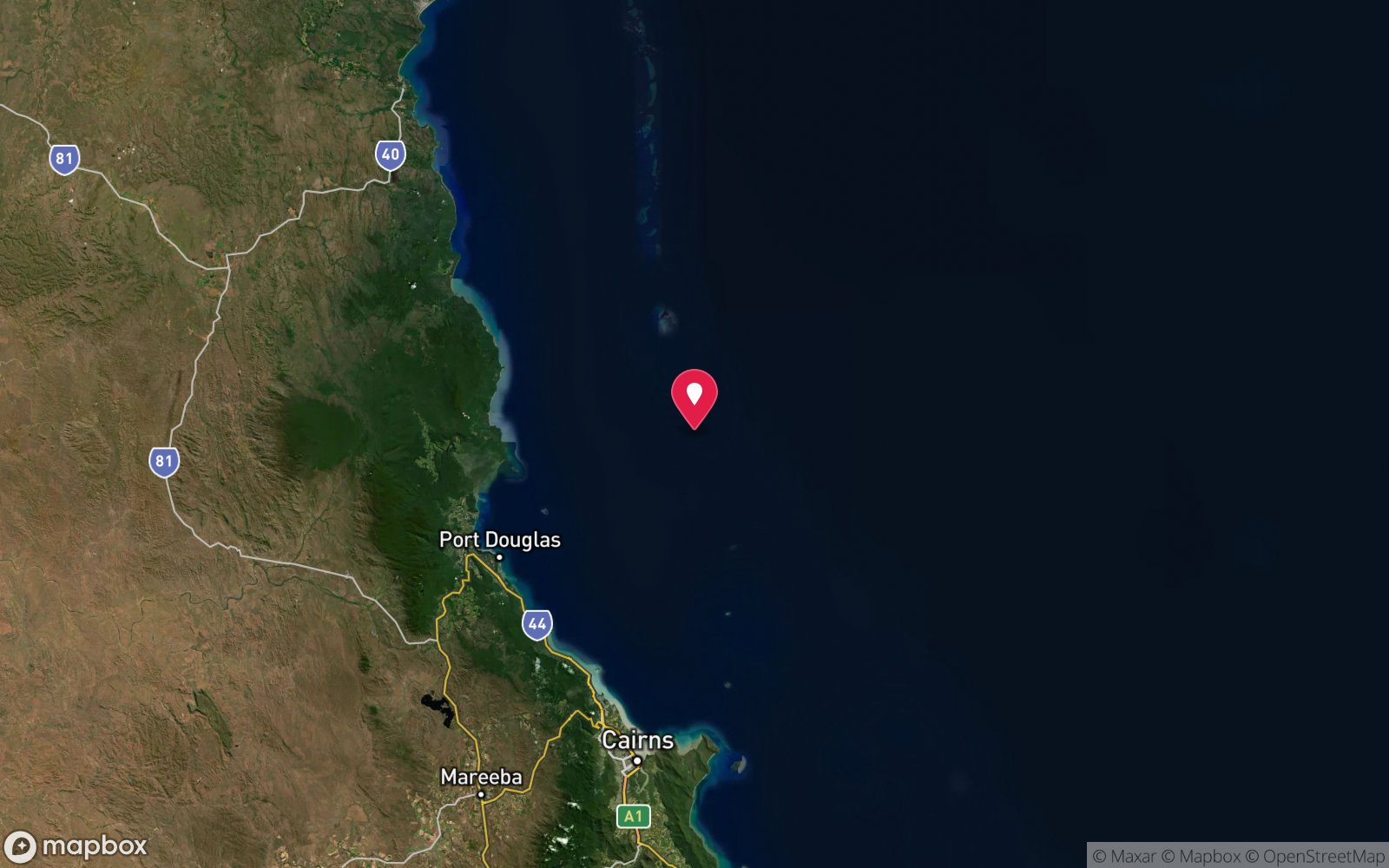
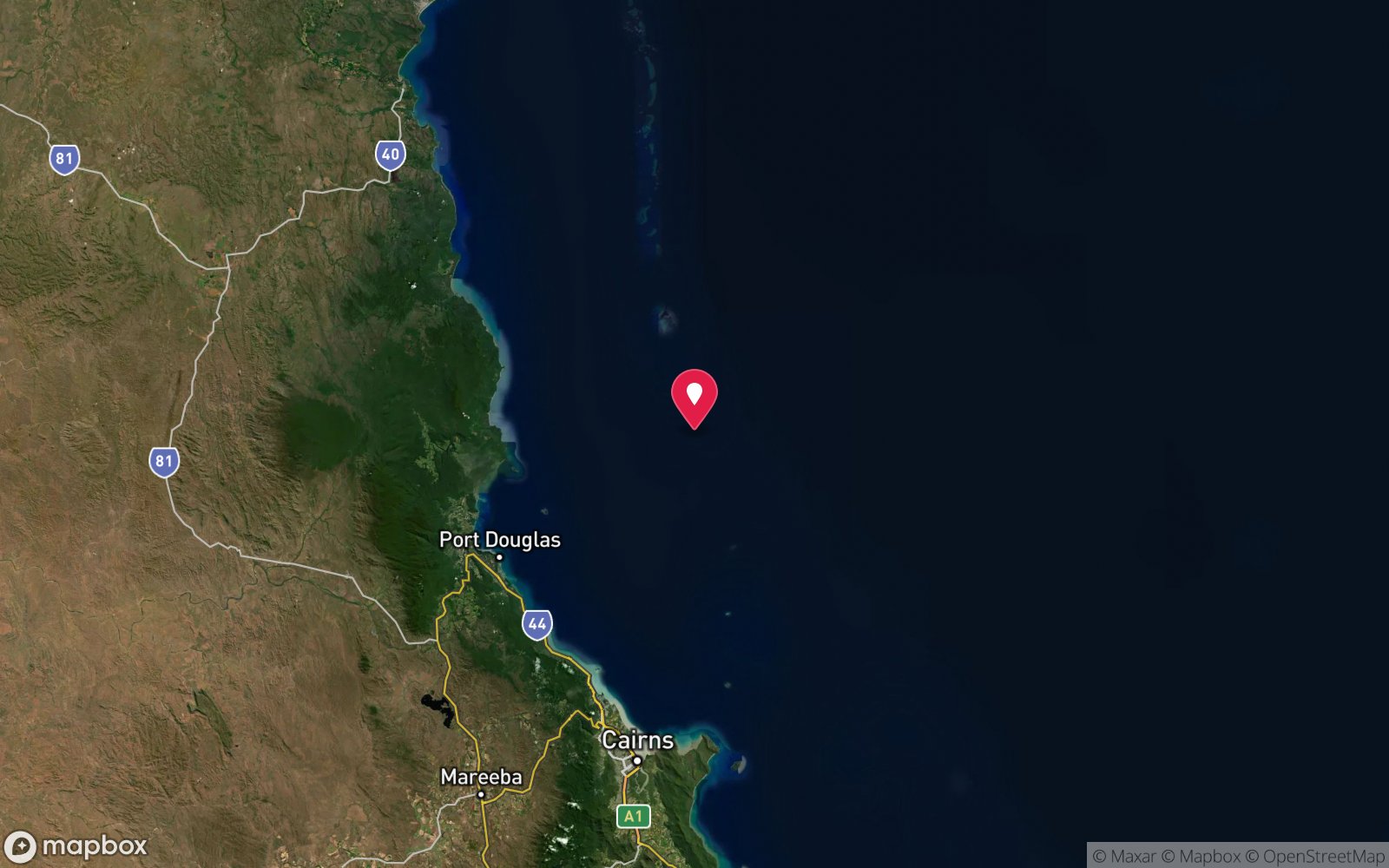
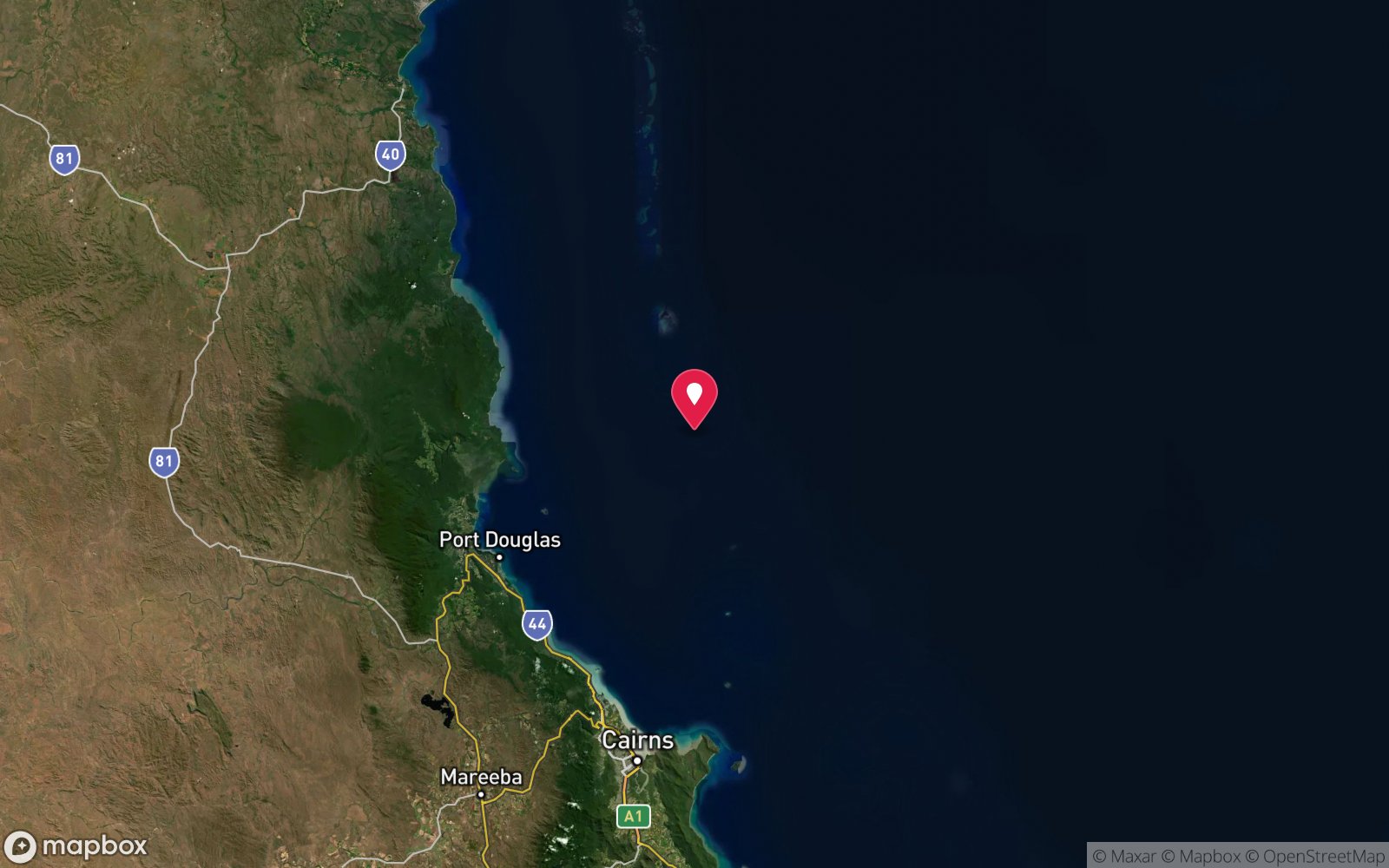
Agincourt Reef 3 · Port Douglas – Outer Great Barrier Reef
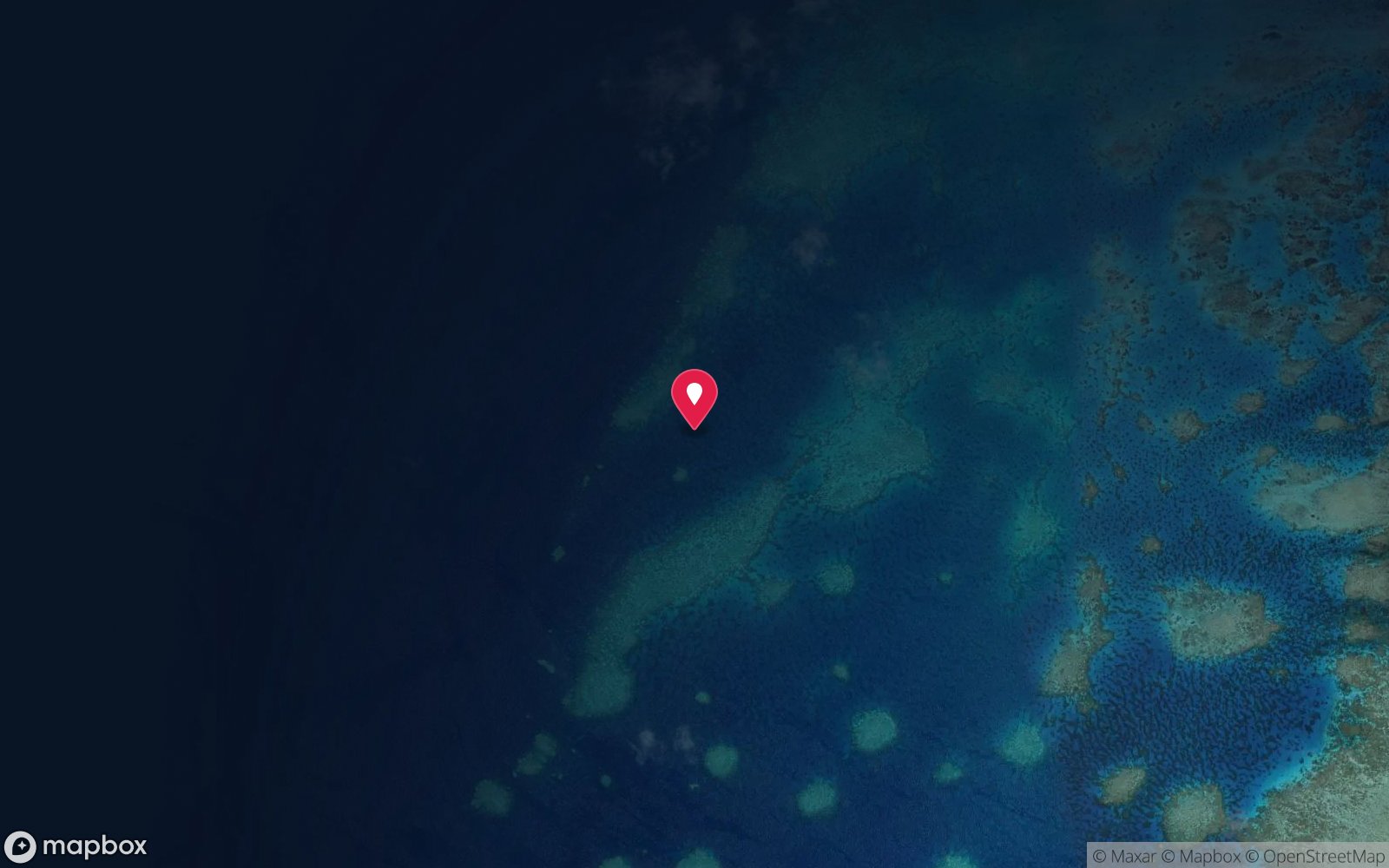
-15.99000, 145.82000
Approximate position — not for navigation.
Open in Google MapsDive site map (external) →Primary source: silverseries.com.auMarine park & permits
Great Barrier Reef Marine Park – GBRMPA zoning applies (check the Cairns Section zoning map; many Agincourt/Opal sites sit in Marine National Park (Green) or Conservation Park zones – no fishing or collecting). Commercial operators hold permits; the $8.50/day Environmental Management Charge is collected on tours
Nearest recompression chamber
Townsville University Hospital (Townsville)
Diving emergency: call 000, then DAN AP 1800 088 200.
Trip planner
Build a trip around Stonehenge (Agincourt Reef 3) →
A day-by-day plan for Port Douglas with this site locked in.
This guide is a planning aid. Conditions change daily — confirm with a local dive centre and dive within your training. Data & safety notes.
Dive profile
How this site rates
Scores are computed from the recorded data, not opinions. How?
At a glance
Stonehenge (Agincourt Reef 3) is a reef boat dive in Port Douglas, QLD, 5–20 m, suited to Advanced Open Water divers, about 90 minutes by boat.
Rated beginner: sheltered, shallow and manageable for a newly certified diver on a normal day, though note depth beyond 18 m and an overhead environment and boat traffic overhead.
Why dive here
- Coral pillars and arches forming swim-throughs, with some of the healthiest hard coral in the Port Douglas area.
- Visibility often reaches 10-30 m.
Conditions to avoid
- Strong southerly or south-east swell and wind
- Outgoing tide or run-off after rain (poor visibility)
- Spring tides (strong current)
- Any time other than slack water
- Cyclone season (roughly December–April)
About Stonehenge (Agincourt Reef 3)
Stonehenge on Agincourt Reef No. 3 is one of the most highly regarded coral sites out of Port Douglas. Silverseries describes it as rich in coral diversity with awesome swim-throughs, and Scuba IQ goes further, calling it one of the most incredible sites on the Great Barrier Reef, absolutely loaded with healthy coral. The name comes from the standing coral pillars and arches that give the reef its structure.
Big coral heads have grown up from the sand to around 5 m below the surface, and in places they have joined overhead to form a sequence of arches and short tunnels. Swimming through them is the highlight of the dive – they are open, lit from the sides and short enough to suit any diver with good buoyancy control. Inside, the walls are lined with sponges, soft corals and small fish sheltering from the light.
Around and between the pillars the coral cover is dense and varied: staghorn and plate Acropora, massive boulder corals, brain corals, soft corals and sea whips. The fish life matches it. Fusiliers swirl overhead, clownfish nestle in anemones on the tops of pillars, and cuttlefish hover near coral heads.
Giant clams are dotted across the reef, and reef sharks are often seen cruising the sand edges. The maximum depth is around 20 m, but most of the dive takes place between 8 and 15 m, which keeps it suitable for new open water divers and leaves plenty of light for photography. Scuba IQ notes it appeals to a wide range of diver abilities.
Stonehenge is a site to take slowly. Rather than covering distance, spend time weaving through the swim-throughs and examining the coral surfaces, where nudibranchs, flatworms and shrimps reward close inspection. It is one of the sites guides most often recommend when asked for the best coral on Agincourt.
Getting there & entry
A coral-rich reef on Agincourt Reef No. 3 with a series of swim-throughs.
Agincourt day boats leave Crystalbrook Superyacht Marina (formerly the Reef Marina) on Wharf Street, Port Douglas, between about 8:00 and 8:30 am. Park in the marina car park or the free all-day street parking around Wharf and Dixie streets; Quicksilver, Poseidon and Calypso also run coach pick-ups from Port Douglas, Palm Cove and northern Cairns beaches. The run to the Agincourt ribbon reefs on the edge of the continental shelf is about 65–70 km north-east and takes roughly 75–90 minutes on the large catamarans (Silversonic is the fastest), longer on small-group boats such as Scuba IQ/Blue Dive.
You gear up on board and giant-stride from the dive deck at a permanent mooring; the skipper picks the sites on the day to suit wind and tide, so a named site is never guaranteed. Boats are back at the marina around 4:30 pm.
Entry: Giant stride from the dive deck at the mooring, descend the mooring line or free descent
Facilities: Departs Crystalbrook Superyacht Marina, Wharf Street, Port Douglas – car parking, toilets, cafes and restaurants at the marina; dive shops in town for gear hire and air
Weather, swell & tides
Agincourt is an outer ribbon reef on the shelf edge, so it is fully exposed to the south-east trade winds that blow from about April to September. Moorings on the protected western (back-reef) side remain diveable in 15–20 knots, but anything over 25 knots or a 2.5 m+ sea makes the crossing rough and operators may cancel or switch to more sheltered moorings. Calm spells in October–December give the glassiest days and 30 m+ visibility.
The wet season (December–April) brings northerlies, afternoon storms, cyclone risk and occasional reduced visibility after big rain events, although the outer reef is far less affected by run-off than inshore reefs. Marine stingers are present November–May. Tidal currents run along the reef edges and through the gaps between the Agincourt reefs; spring tides strengthen them, so exposed corners are usually dived on the neaps or near slack water.
Best season: June–November for calmer seas and the best visibility outside stinger season (dwarf minke whales June–July, humpbacks July–September); October–December often gives glassy days; wet season (December–April) brings warm water, stingers, cyclone risk and run-off
If it's blown out
Sheltered or shore sites within 25 km that often work when Stonehenge (Agincourt Reef 3) doesn't.
- The Gap (Agincourt Reef 3) · 0 km · Max 12 m
- The Gardens (Agincourt Reef 2) · 5 km · Max 10 m
How the dive is usually run
Follow the guide from the mooring through the coral structures at 10–15 m, taking the swim-throughs in single file, then loop back over the reef top at 6–8 m searching for clams, cuttlefish and anemonefish. Safety stop on the reef top by the mooring.
Marine life
- Giant clams
- clownfish in anemones
- cuttlefish →
- fusiliers
- reef sharks →
- nudibranchs →
- sponges
- staghorn
- plate
- brain and soft corals
Linked species have their own page listing every site where they are recorded. All marine life →
Training required
Beyond 18 m an Advanced certification (which includes a deep dive to 30 m) is the accepted minimum. Anything past 25 m is a deep dive in practice.
Open Water divers can dive the shallower section (typical depth 12 m); the full site to 20 m needs Advanced Open Water. Operators often quote Open Water.
Operators' own listing: Open Water.
Courses that help here
- Cavern Diver – An overhead environment.
Depth tiers: 0–10 m easy · to 18 m Open Water · 18–30 m Advanced (25 m+ is a deep dive) · 30–40 m Deep specialty · 40 m+ technical. All courses
Hazards & warnings
Marine stingers (box jellyfish and Irukandji) are present November–May – wear a full-length stinger suit; swim-throughs are overhead environments – single file, no contact with coral; boat traffic at the mooring.
Dive centres that go here
Quicksilver Silversonic – daily, 3 dives across Agincourt 1–4; Poseidon (Quicksilver Group) – daily, 3 sites at Agincourt; Calypso Reef Cruises – regular Agincourt days; Scuba IQ / Blue Dive and Tech Dive Academy – small-group day trips several days a week.
Operators recorded for Stonehenge (Agincourt Reef 3)
Blue Dive Port Douglas
ListedPort Douglas · Port Douglas · QLD
A Port Douglas operation focused on small-group training and guided diving on the northern Great Barrier Reef.
bluedive.com.au
Quicksilver Connections
ListedPort Douglas · Port Douglas · QLD
A large-scale Port Douglas reef tourism operation with pontoon-based access to Agincourt Reef, offering diving alongside snorkelling and other reef activities.
quicksilver-cruises.com · (07) 4087 2100
Scuba IQ
Named by sitesPort Douglas · Port Douglas · QLD
scubaiq.com.au · 0404 964 878
Tech Dive Academy
Named by sitesPort Douglas · Port Douglas · QLD
Site states it now serves private clients only, not the general public.
tech-dive-academy.com · 0416 934 336
Calypso Reef Cruises
Named by sitesPort Douglas · Port Douglas · QLD
Part of Reef Unlimited / Experience Co; outer reef snorkel and dive day trips.
calypsoreefcruises.com · (07) 4099 6999
Poseidon
Named by sitesPort Douglas · Port Douglas · QLD
Trades as Poseidon Outer Reef Cruises; part of the Quicksilver Group.
poseidon-cruises.com.au · (07) 4087 2100
Other dive centres in Port Douglas
Wavelength Reef Cruises
Named by sitesPort Douglas · Port Douglas · QLD
Snorkel-only outer reef tours (no scuba).
wavelength.com.au · (07) 4099 5031
ABC Reef Safaris
Named by sitesPort Douglas · Port Douglas · QLD
TripAdvisor reviews dated September 2026 (3,500+ reviews); new vessel launched late 2025; based at 3/34 Macrossan St Port Douglas.
abcreefsafaris.com.au · 07 4099 6243
OzDive
Named by sitesPort Douglas · Port Douglas · QLD
OZDIVE Pty Ltd; private/charter reef diving from Port Douglas; no phone or address published on site.
ozdive.com
Sailaway
Named by sitesPort Douglas · Port Douglas · QLD
Sailing/snorkel catamaran tours (Low Isles, outer reef).
sailawayportdouglas.com · (07) 4099 4200
Ocean Safari
Named by sitesCape Tribulation · Port Douglas · QLD
Based at Cape Tribulation (Daintree), not Port Douglas; snorkel tours.
oceansafari.com.au · (07) 4098 0006
Map
7 pinned sites. Pins marked approximate on their pages show the general area only; not for navigation.
Satellite views
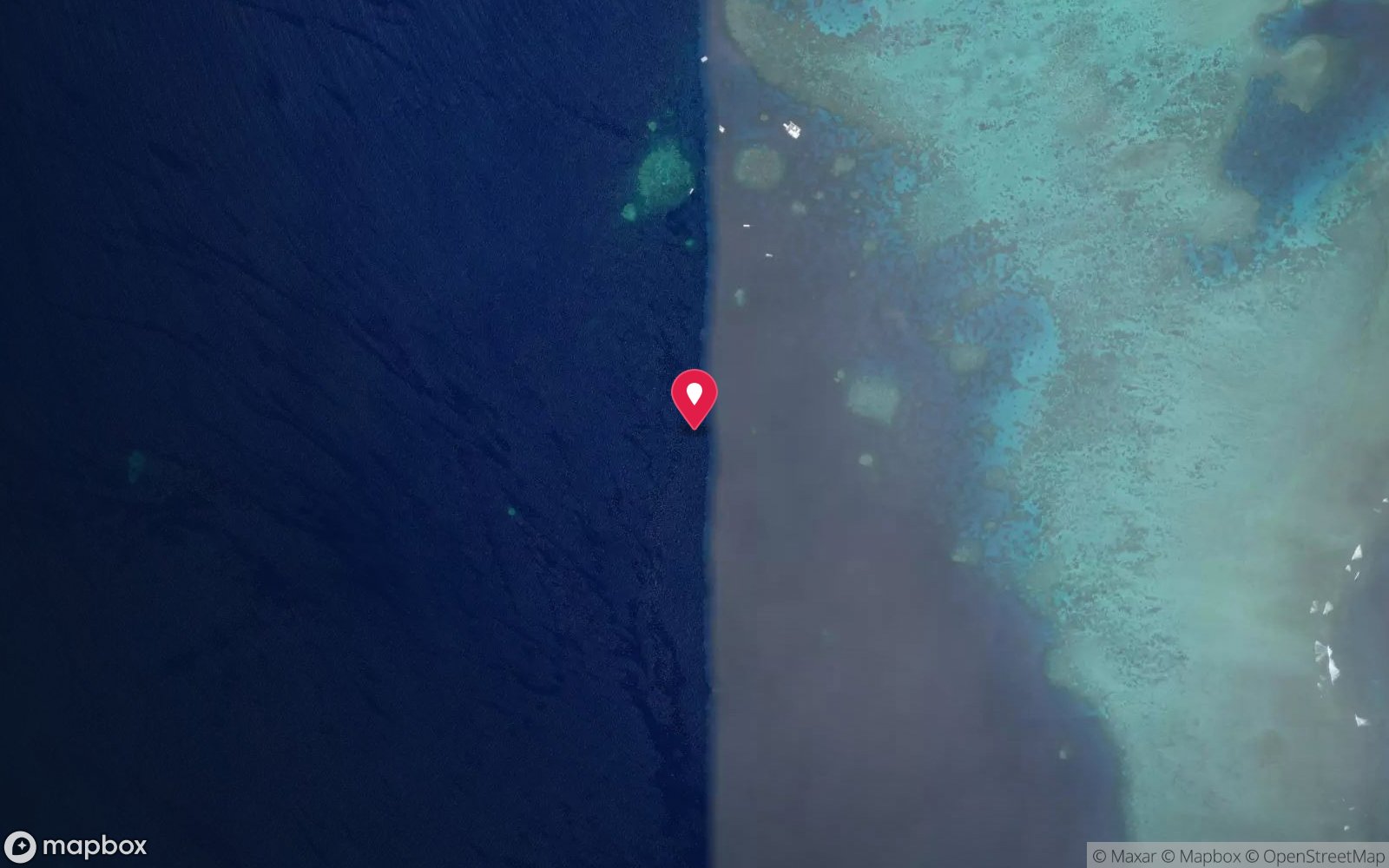
Stonehenge (Agincourt Reef 3): frequently asked questions
How deep is Stonehenge (Agincourt Reef 3)?
Stonehenge (Agincourt Reef 3) reaches a maximum depth of 20 m, with the shallowest part at about 5 m; most of the dive is spent around 12 m.
What certification do I need to dive Stonehenge (Agincourt Reef 3)?
Advanced Open Water is the recommended minimum. Open Water divers can dive the shallower section (typical depth 12 m); the full site to 20 m needs Advanced Open Water. Operators often quote Open Water. Rated beginner: sheltered, shallow and manageable for a newly certified diver on a normal day, though note depth beyond 18 m and an overhead environment and boat traffic overhead.
Can I shore dive Stonehenge (Agincourt Reef 3)?
No, it is reached by boat (about 90 minutes). A dive centre is required: boat access only.
When is the best time to dive Stonehenge (Agincourt Reef 3)?
June–November for calmer seas and the best visibility outside stinger season (dwarf minke whales June–July, humpbacks July–September); October–December often gives glassy days; wet season (December–April) brings warm water, stingers, cyclone risk and run-off.
What marine life will I see at Stonehenge (Agincourt Reef 3)?
Regularly recorded: Giant clams, clownfish in anemones, cuttlefish, fusiliers, reef sharks, nudibranchs, sponges, staghorn, plate, brain and soft corals.
What wetsuit do I need at Stonehenge (Agincourt Reef 3)?
3 mm full wetsuit or stinger suit plus shorty in summer; 5 mm full suit in winter (June–August); full-length lycra/stinger suit essential November–May.
How cold is the water at Stonehenge (Agincourt Reef 3)?
Typically 28-30 °C in summer and 23-25 °C in winter.
What are the main hazards at Stonehenge (Agincourt Reef 3)?
Marine stingers (box jellyfish and Irukandji) are present November–May – wear a full-length stinger suit; swim-throughs are overhead environments – single file, no contact with coral; boat traffic at the mooring. See the hazards section above for the full list.
Where is the nearest recompression chamber to Stonehenge (Agincourt Reef 3)?
Townsville University Hospital (Townsville). In an emergency call 000, then DAN Asia-Pacific on 1800 088 200.
Diving in Port Douglas
Port Douglas boats work the Agincourt ribbon reefs on the very edge of the continental shelf, where the water is clearer and the coral generally healthier than on the Cairns day-boat reefs. Sites like Castle Rock, the Nursery Bommie, Barracuda Bommie and the Wreck Site have swim-throughs, pelagics and reliable 20 m-plus visibility. The Low Isles and Opal Reef are closer, shallower options.
Getting there: An hour north of Cairns airport. Boats depart the Reef Marina at Port Douglas.
Sources
- silverseries.com.au/dive-sites
- poseidon-cruises.com.au/great-barrier-reef
- scubaiq.com.au/port-douglas-dive-sites
Data confidence: High. Last updated September 2026. Know this site better? How to send a correction
Nearby dive sites
More reef dives in Queensland
Explore more
This region
Similar dives
Marine life