Ranked by the upper end of the recorded visibility range: the Coral Sea, the Rowley Shoals, the offshore territories, the Mount Gambier sinkholes and, in winter, Tasmania's east coast.
Updated daily from the directory. 30 sites listed.
1. Nullarbor Caves · WA
Cocklebiddy Cave
Visibility: 20-50 m · One of the longest underwater caves in the world under the Nullarbor. Expedition cave diving only.
Our takeOnce the longest known underwater cave in the world, more than 6 km of straight, gin-clear tunnel under the Nullarbor Plain. An expedition, not a dive; the first lake is visited by cave-rated divers, the far sumps by very few.
2. Nullarbor Caves · WA
Weebubbie Cave
Visibility: 20-50 m · A colossal flooded tunnel near Eucla with 150 m lakes, extreme clarity and deep Advanced Cave sections.
Our takeA flooded tunnel under the Nullarbor near Eucla with lakes 150 m long and clarity that makes distance impossible to judge. Advanced Cave rating beyond the entrance lakes; the drive alone is a day from Adelaide or Perth.
3. Perth · WA
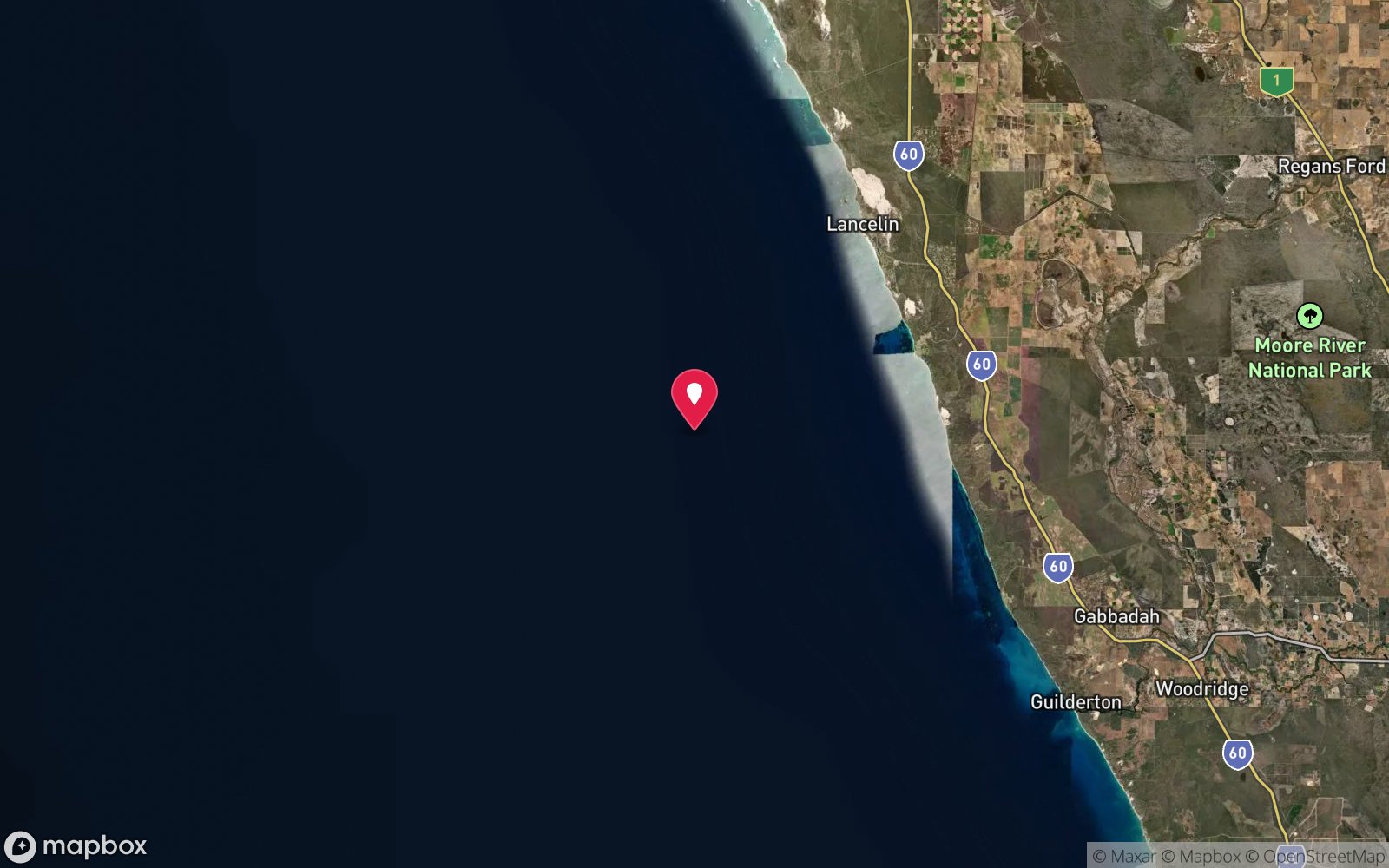
Key Biscayne Oil Rig Wreck
Visibility: 10–40 m · An upturned oil rig in 26–42 m of often clear blue water, known for grey nurse sharks and large fish.
4. Rowley Shoals · WA
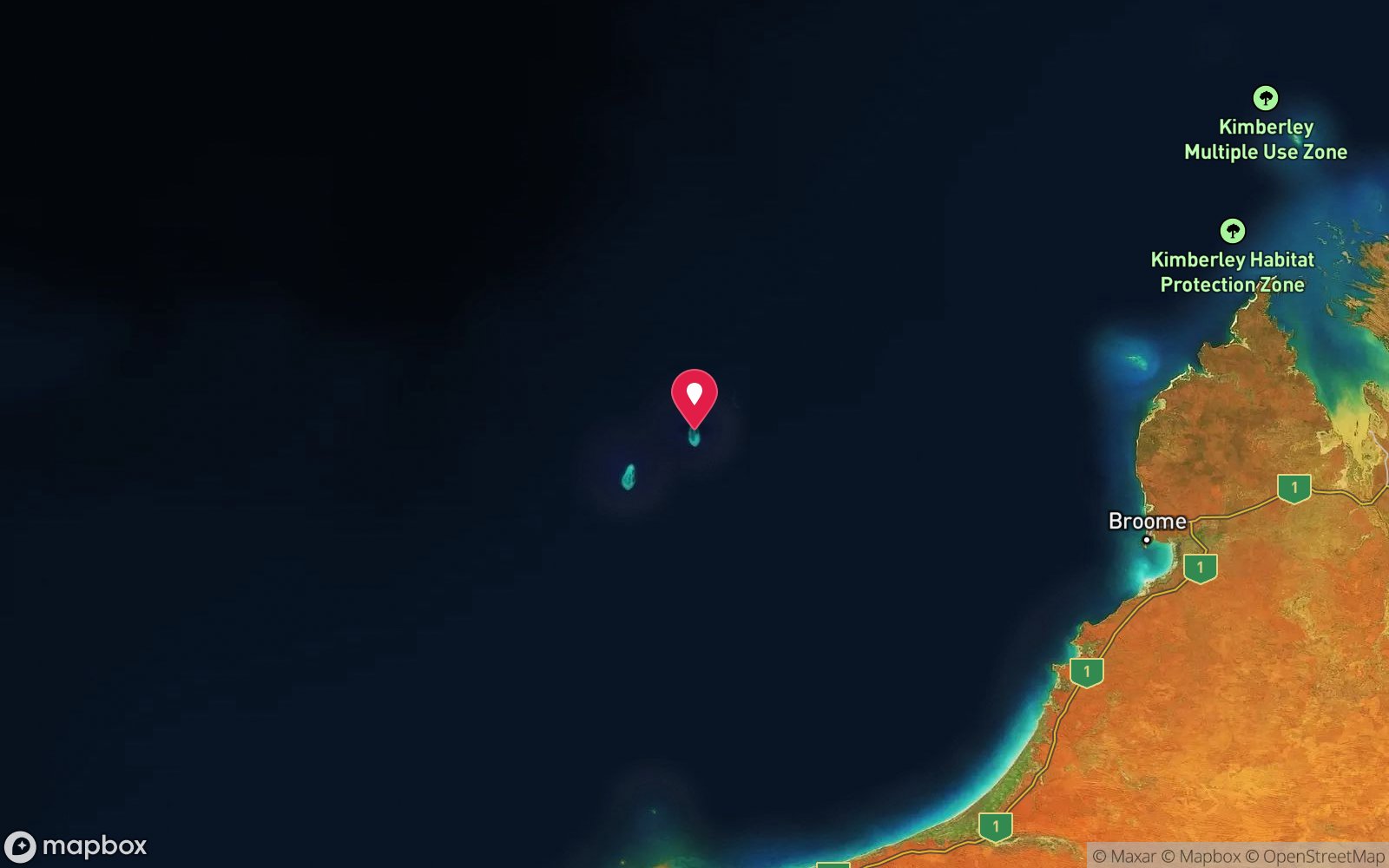
Blue Lagoon (Clerke Reef)
Visibility: 20-40 m · Sheltered lagoons with walls, coral heads and 40 m visibility — the Rowleys' easy classic.
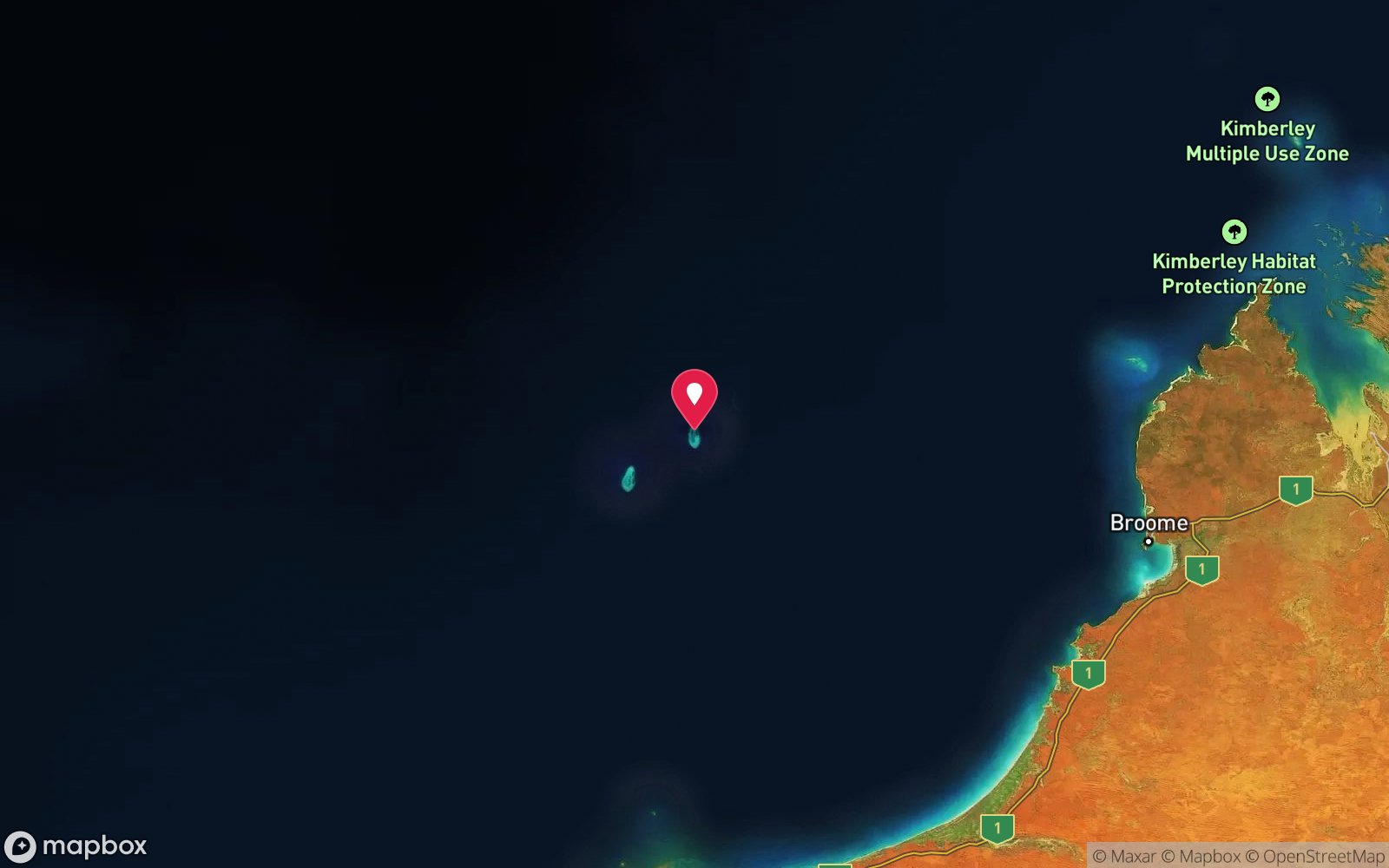
5. Rowley Shoals · WA
Clerke Aquarium
Visibility: 20-40 m · A calm bommie and staghorn garden inside Clerke.
6. Rowley Shoals · WA
Clerke Caves
Visibility: 20-40 m · Light shafts through tunnels framed by red gorgonians.
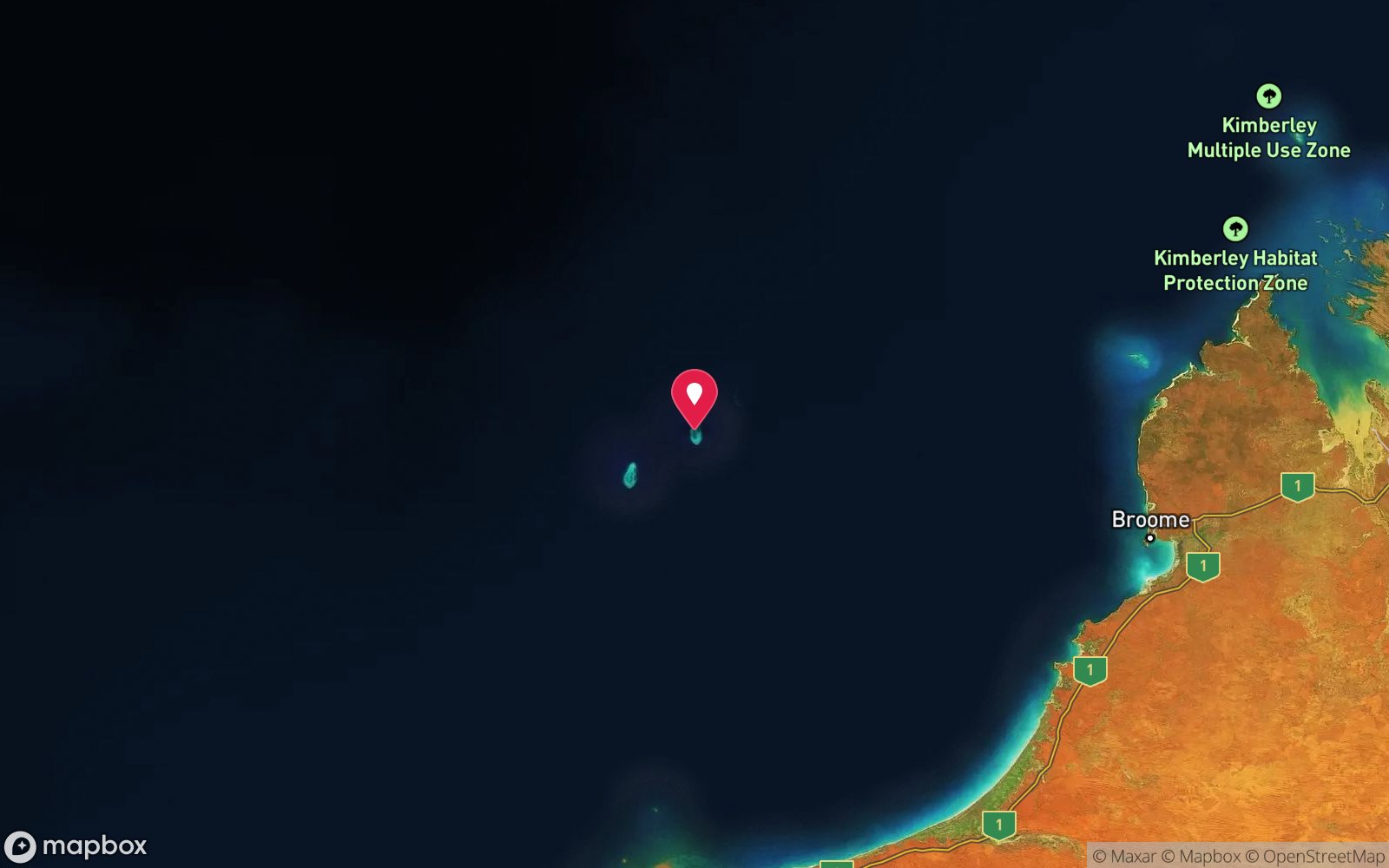
7. Rowley Shoals · WA
Clerke Channel Drift
Visibility: 20-40 m · A fast flood-tide drift through bommies into the lagoon.
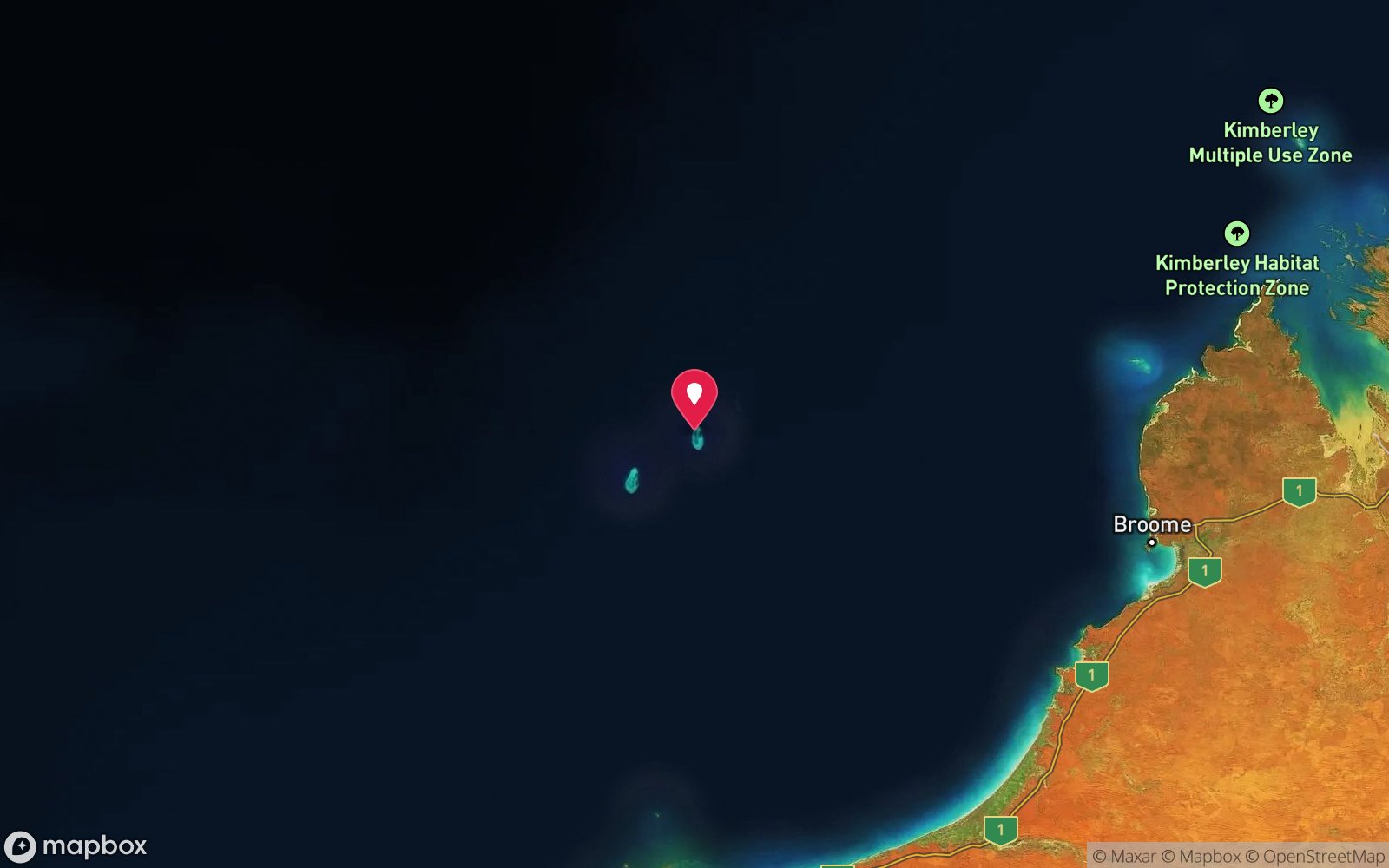
8. Rowley Shoals · WA
Clerke Wall
Visibility: 20-40 m · A vertical atoll wall with pelagics in 30 m+ visibility.
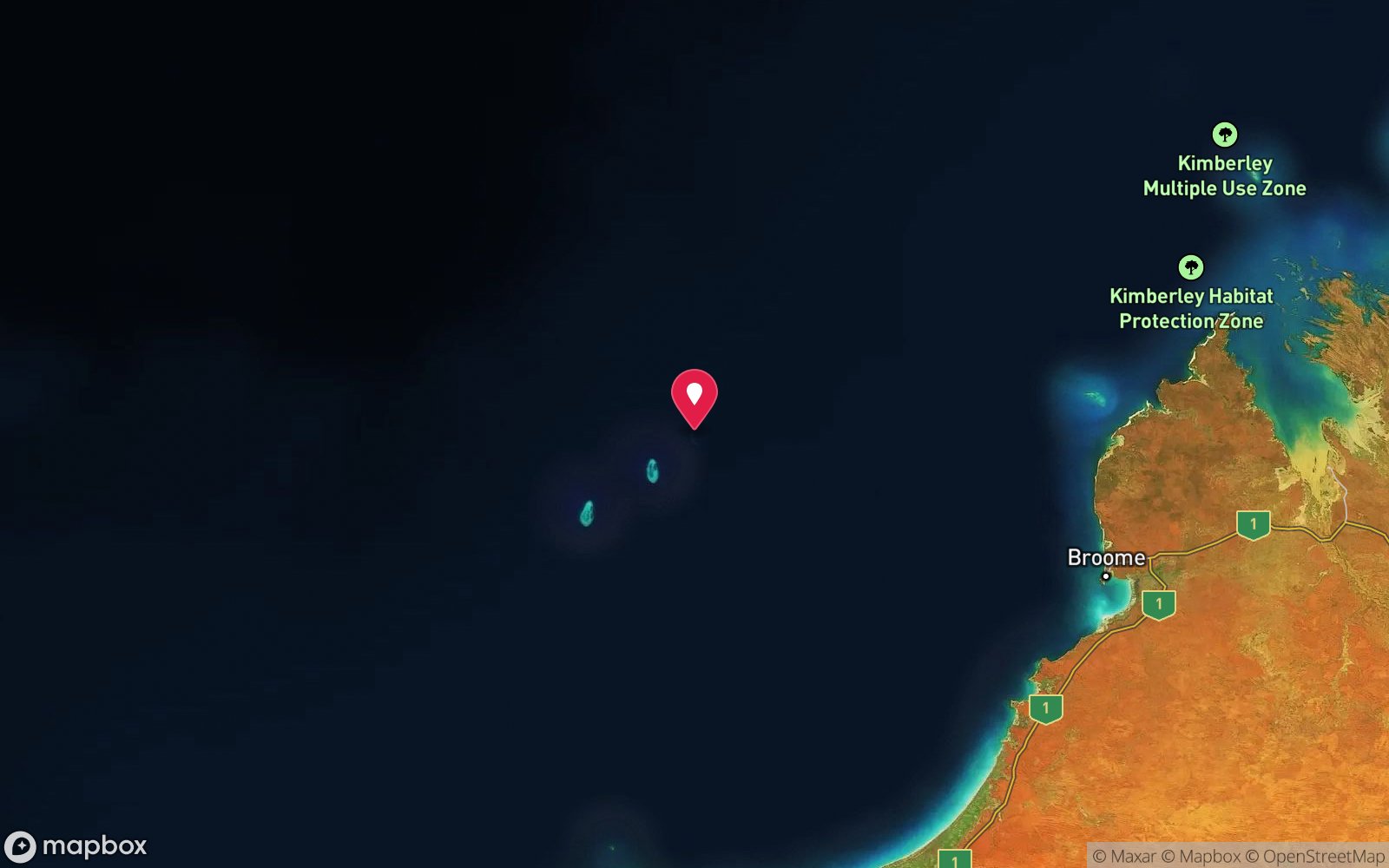
9. Rowley Shoals · WA
Cod Hole (Mermaid Reef)
Visibility: 20-40 m · Bumphead parrotfish and sharks over white sand, ending in a fast drift.
10. Rowley Shoals · WA
Cupcakes (Clerke Reef)
Visibility: 20-40 m · Cupcake-shaped bommies with curious batfish.
11. Rowley Shoals · WA
Eel Creek (Clerke Reef)
Visibility: 20-40 m · A field of hundreds of garden eels.
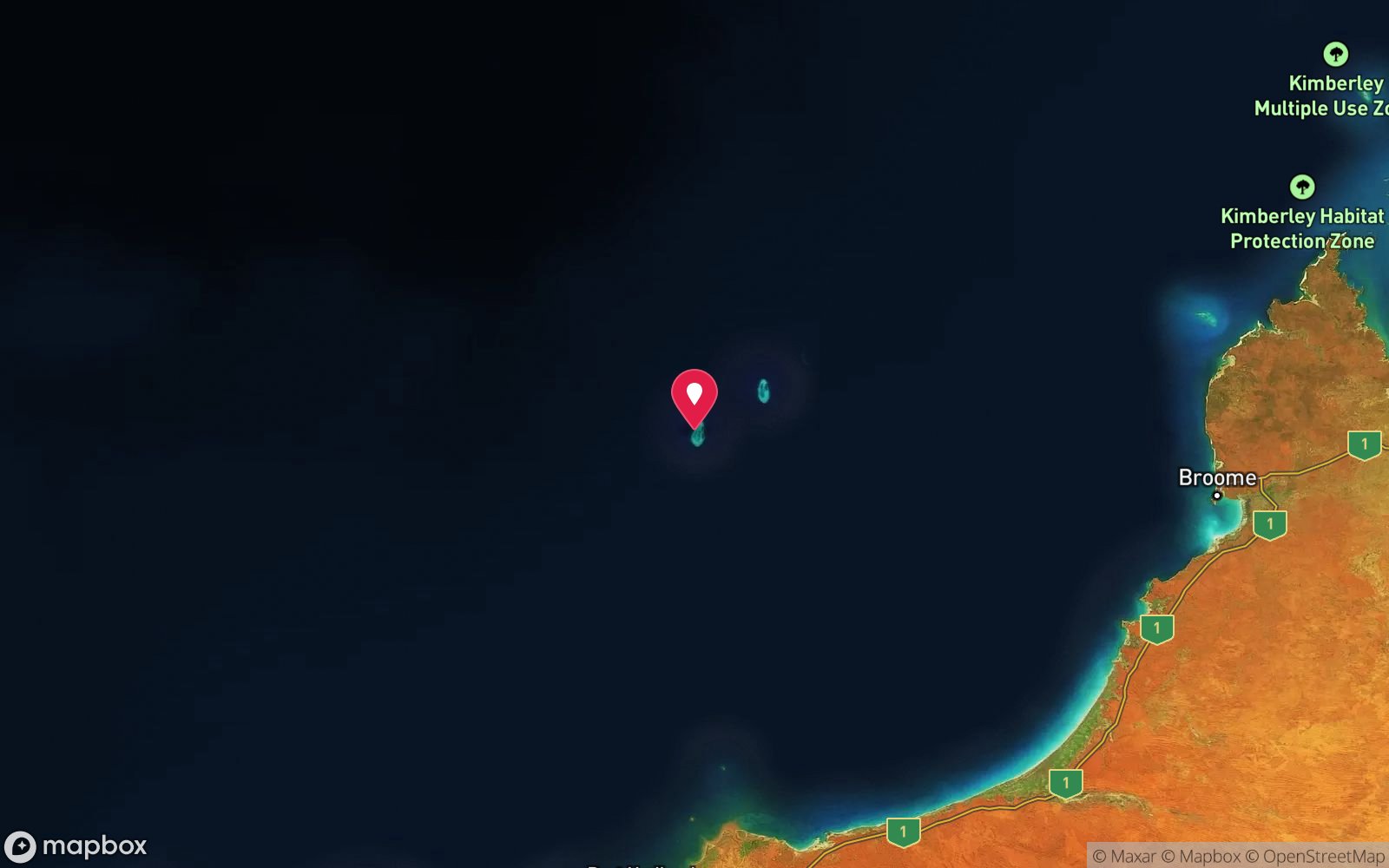
12. Rowley Shoals · WA
Imperieuse Reef
Visibility: 20-40 m · The least-publicised atoll, with the Cunningham Island lighthouse.
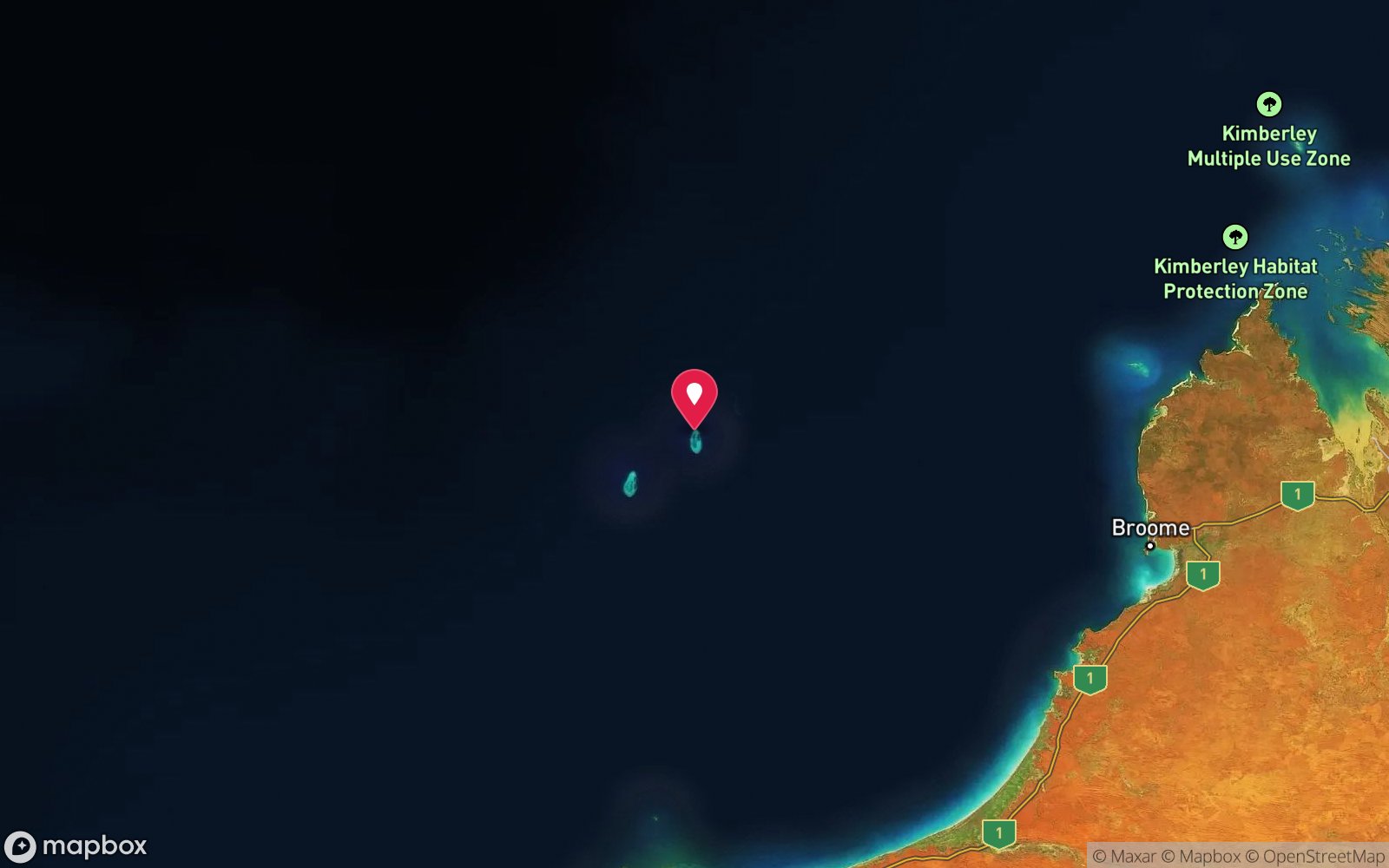
13. Rowley Shoals · WA
Jimmy Goes to China
Visibility: 20-40 m · Grey reefs and silvertips on a current-swept point.
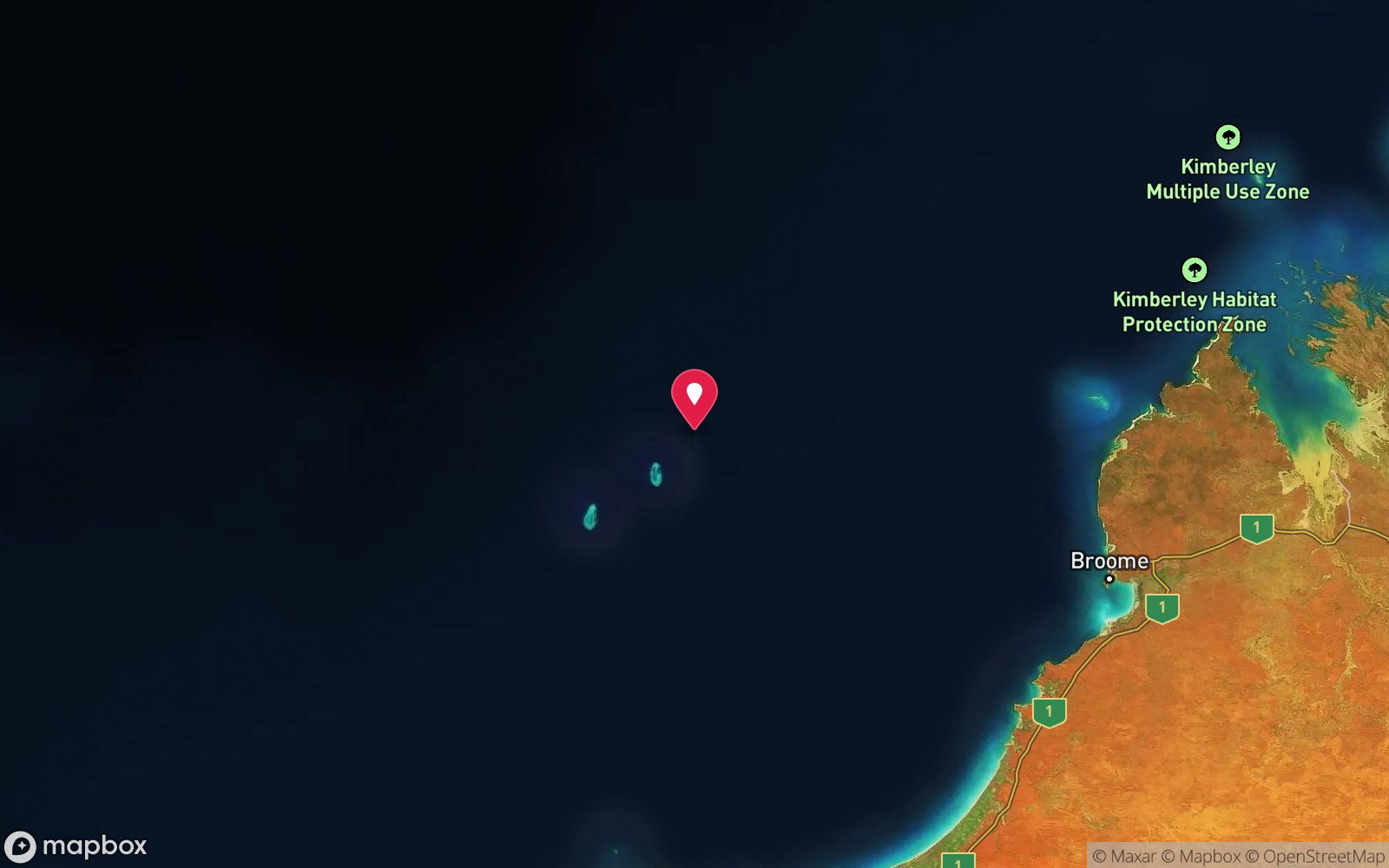
14. Rowley Shoals · WA
Mermaid Wall
Visibility: 20-40 m · The Shoals' deepest wall, draped in red gorgonians.
15. Rowley Shoals · WA
Minis & Mighties (Clerke Reef)
Visibility: 20-40 m · Clear-water slope to a drop-off.
16. Nullarbor Caves · WA
Murra-El-Elevyn Cave
Visibility: 20-40 m · Massive creamy-grey formations in a clear, relatively accessible Nullarbor cave – often the first dive of a Nullarbor trip.
17. Nullarbor Caves · WA
Olwolgin Cave
Visibility: 10-40 m · Australia's longest known underwater cave – over 11 km of shallow phreatic passage on the Roe Plain.
18. Nullarbor Caves · WA
Pannikin Plains Cave
Visibility: 20-40 m · The deep Nullarbor cave where a 1988 collapse trapped an expedition, inspiring the film 'Sanctum'.
19. Rowley Shoals · WA
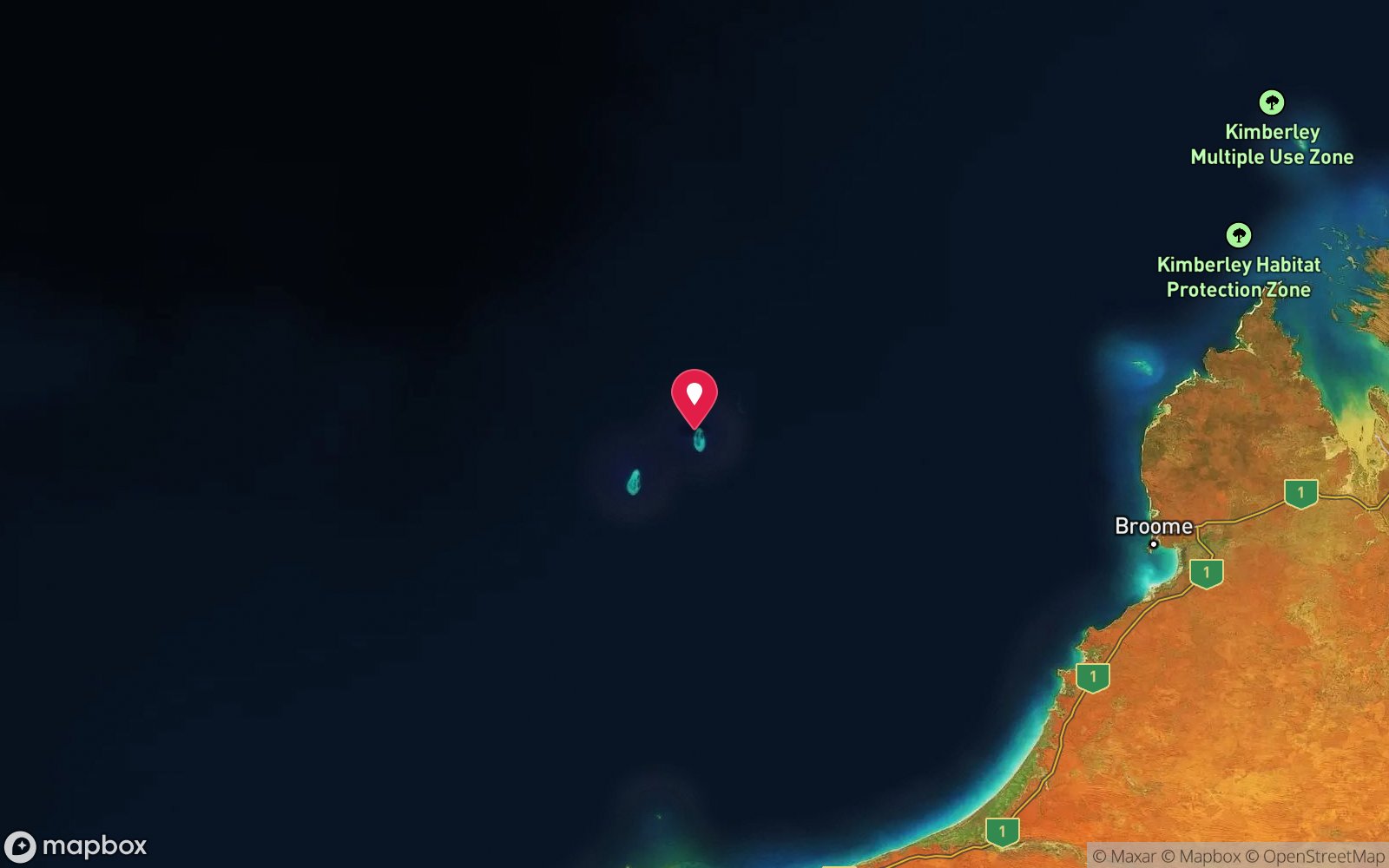
The Bat Cave (Clerke Reef)
Visibility: 20-40 m · A gorgonian-covered wall plunging to 50 m.
20. Nullarbor Caves · WA
Tommy Grahams Cave
Visibility: 20-40 m · A warm-water phreatic maze with a striking halocline, a CO2-filled inner chamber and a punishing entry.
21. Geographe Bay & Busselton · WA
HMAS Swan Wreck
Visibility: 10-30 m · A 113 m destroyer escort scuttled off Dunsborough in 1997 with easy penetration and resident schools of fish.
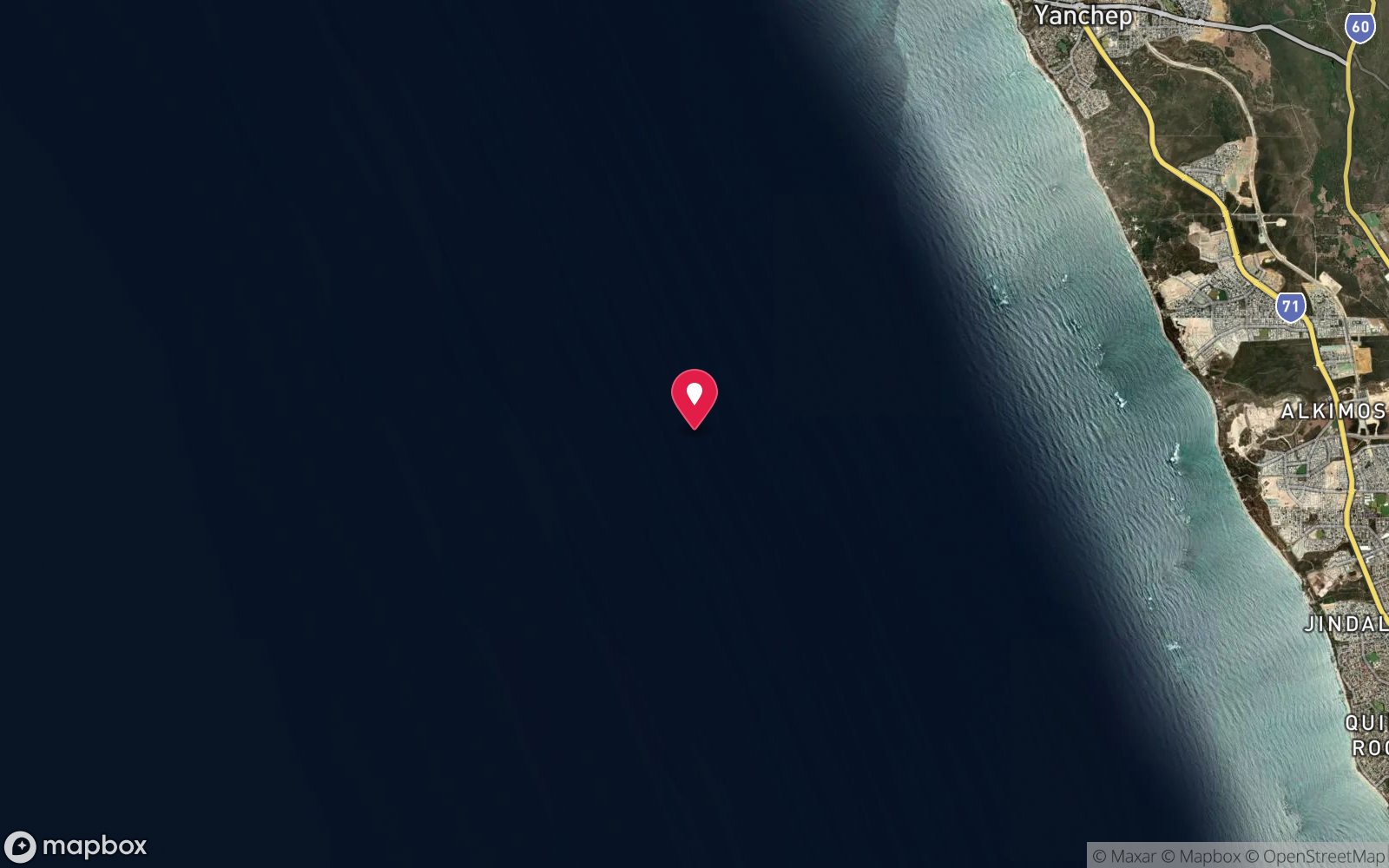
22. Perth · WA
Gemini Wreck
Visibility: 10–30 (5–30) m · An upturned 36 m hopper barge in 30 m of often clear blue water, surrounded by schools of samson fish and kingfish.
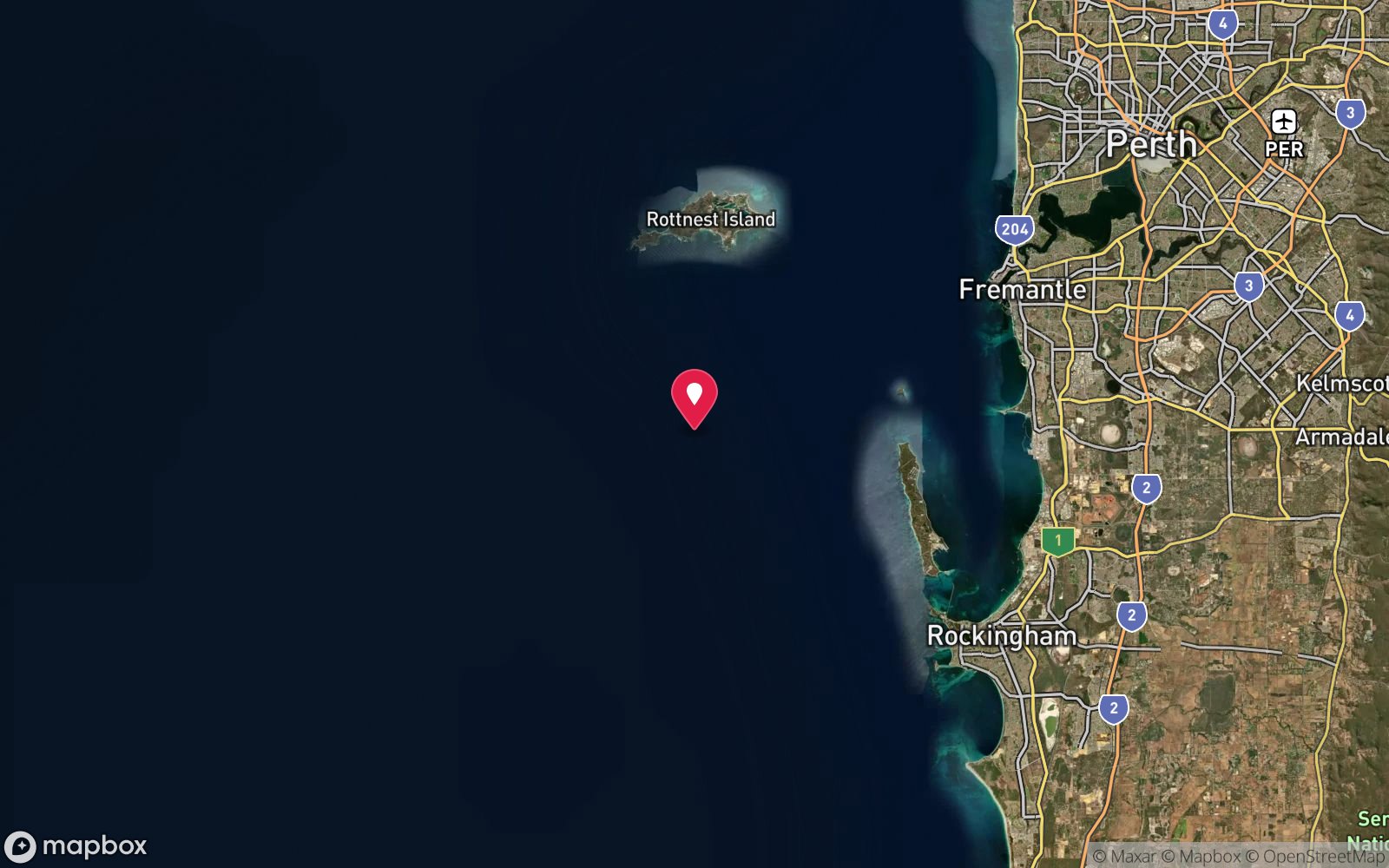
23. Rottnest Island · WA
HNLMS K XI Submarine Wreck
Visibility: 10–30 m · A 1924 Dutch colonial submarine, lost for almost 80 years and found in 2025, lying in 38 m with torpedo tubes still visible.
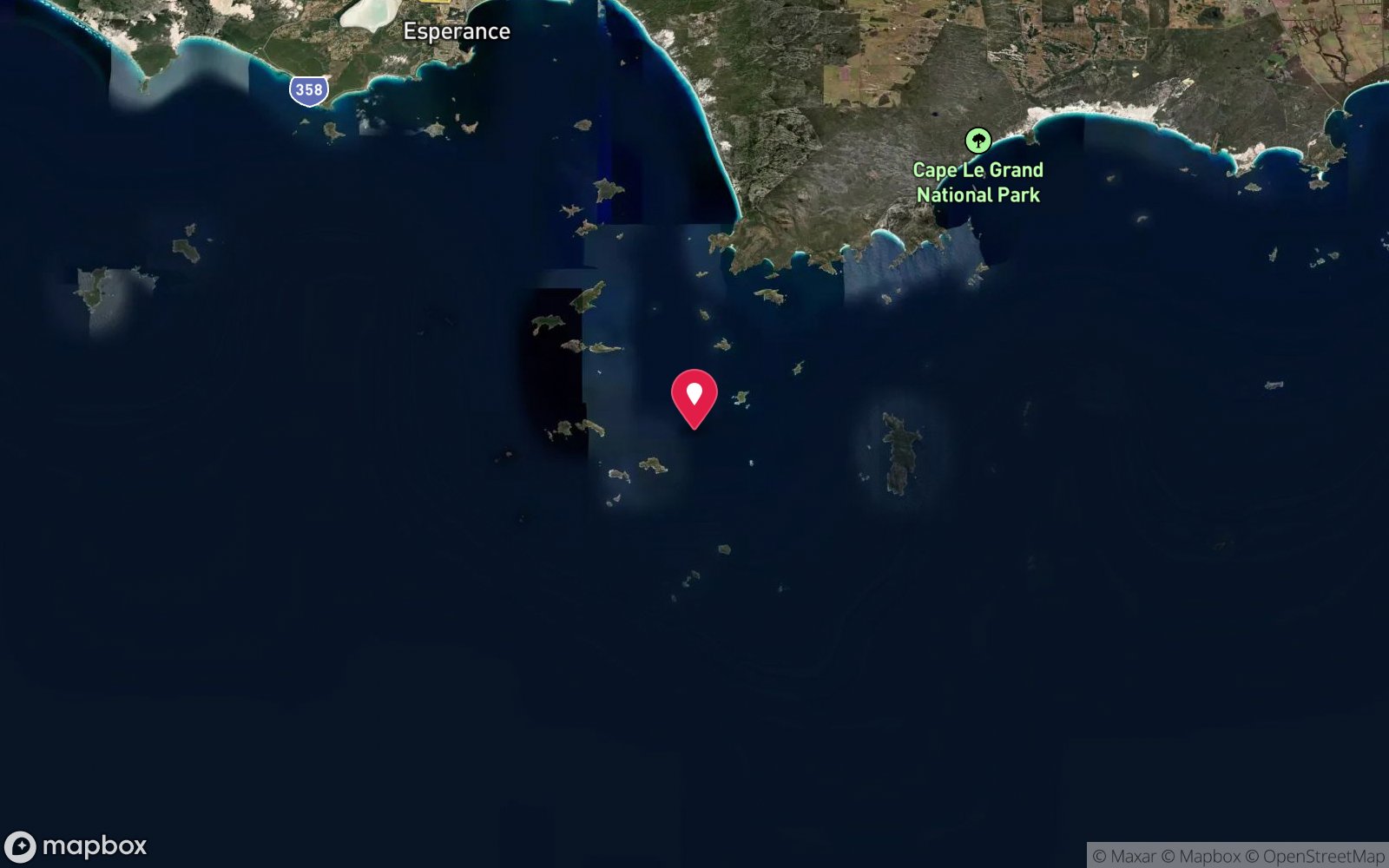
24. Esperance & Recherche Archipelago · WA
Sanko Harvest Wreck
Visibility: 15-30 m · Australia's largest wreck dive – a 174 m bulk carrier broken into giant sections in 13-44 m, protected by a 500 m no-take zone.
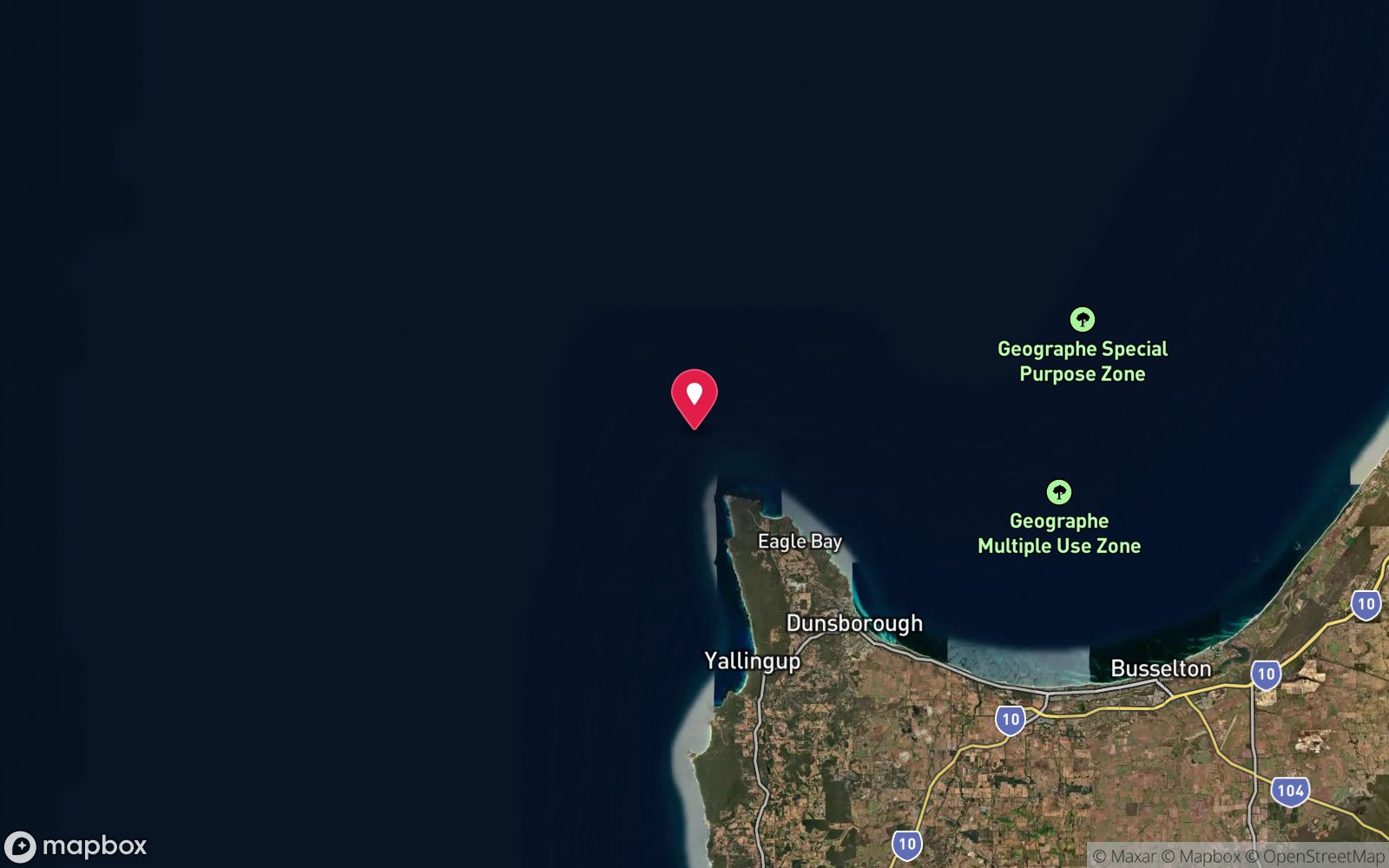
25. Geographe Bay & Busselton · WA
Wrights Bank
Visibility: 15-30 m · A blue-water pinnacle off Cape Naturaliste with fanning corals and big pelagics - the South West's advanced reef dive.
26. Broome & Kimberley · WA
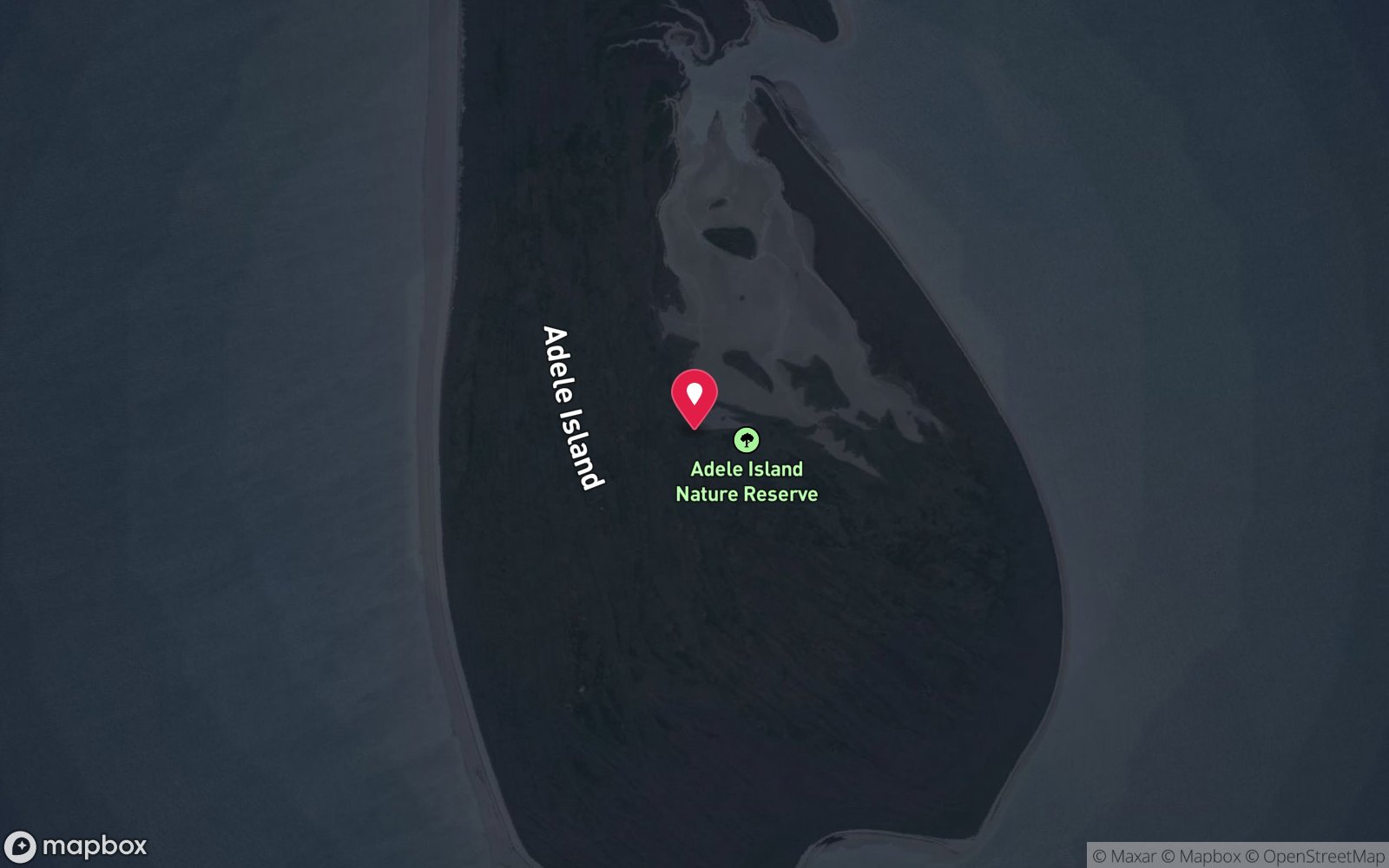
Adele Island
Visibility: 10-30 m · A remote reef platform and seabird island with abundant sharks.
27. Geraldton & Abrolhos Islands · WA
Anemone Lump (Easter Group)
Visibility: 15-30 m · Anemone-covered coral bommie from 38 m to 3 m with baitfish clouds, big plate corals and curious emperors.
28. Albany & Great Southern · WA
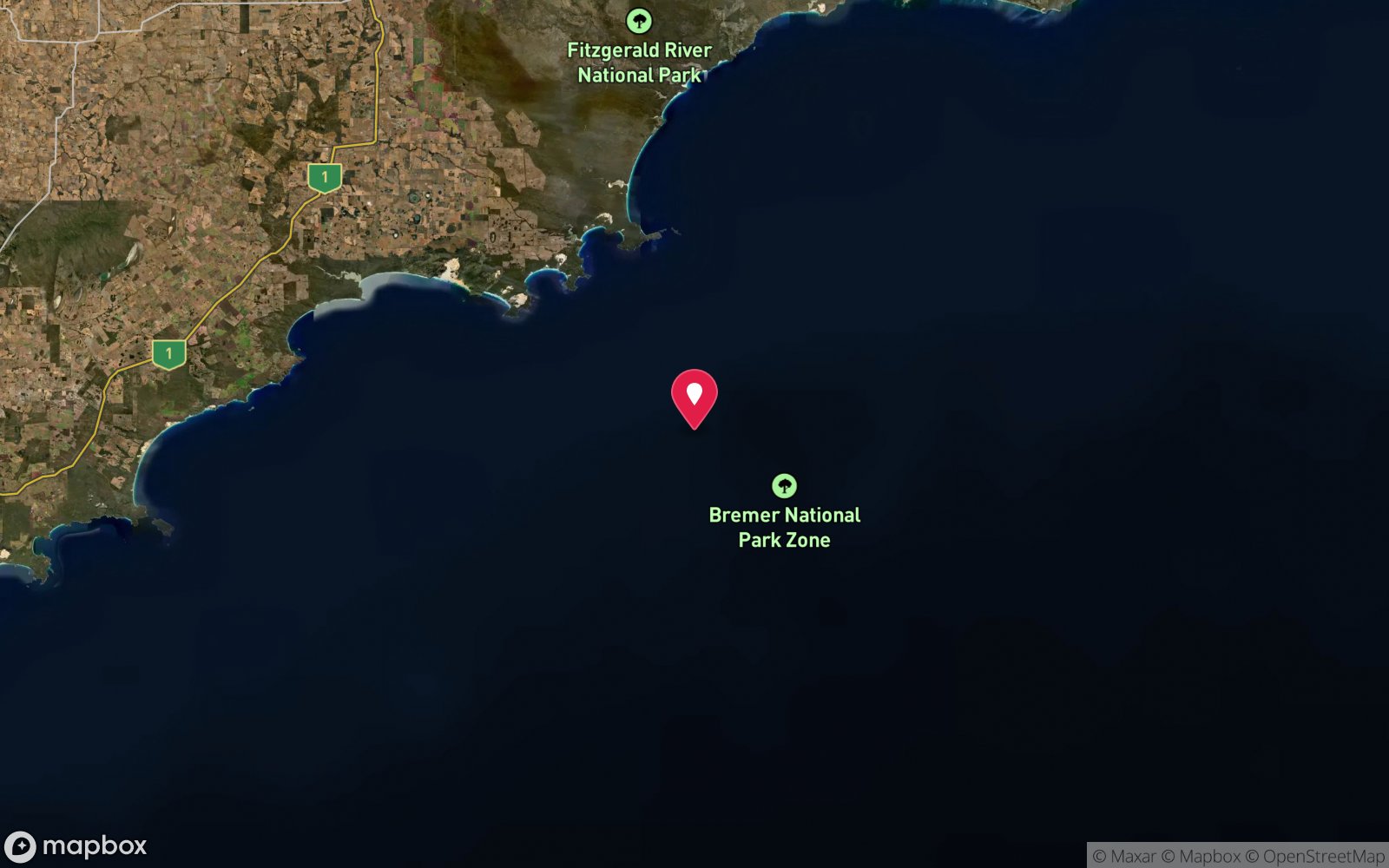
Bremer Canyon (orca expeditions)
Visibility: 30+ m · One of the largest summer killer whale aggregations in the southern hemisphere – viewed from the boat, not in the water.
29. Broome & Kimberley · WA
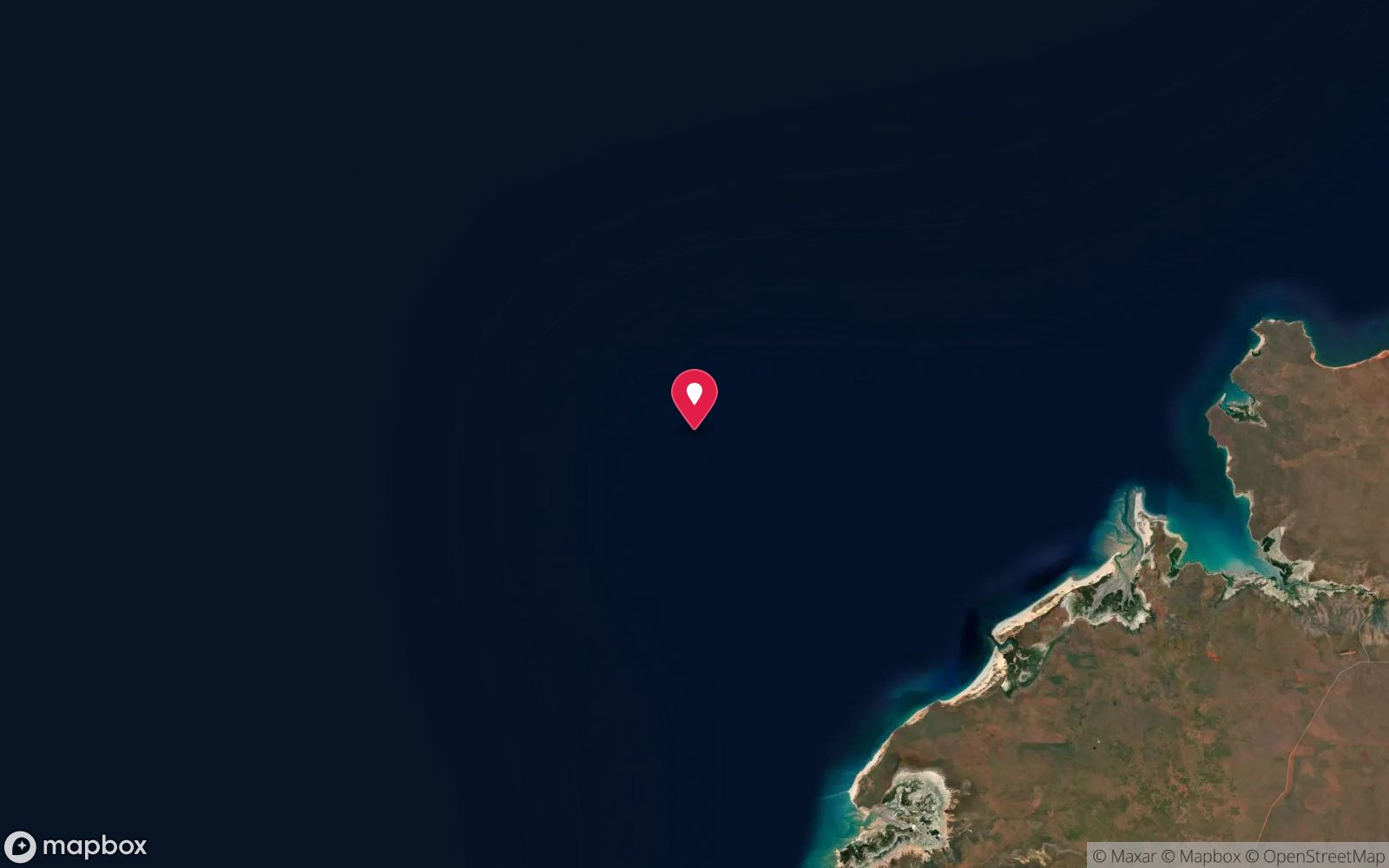
Lacepede Islands
Visibility: 10-30 m · A remote turtle and seabird sanctuary with the 1879 Manfred wreck.
30. Broome & Kimberley · WA
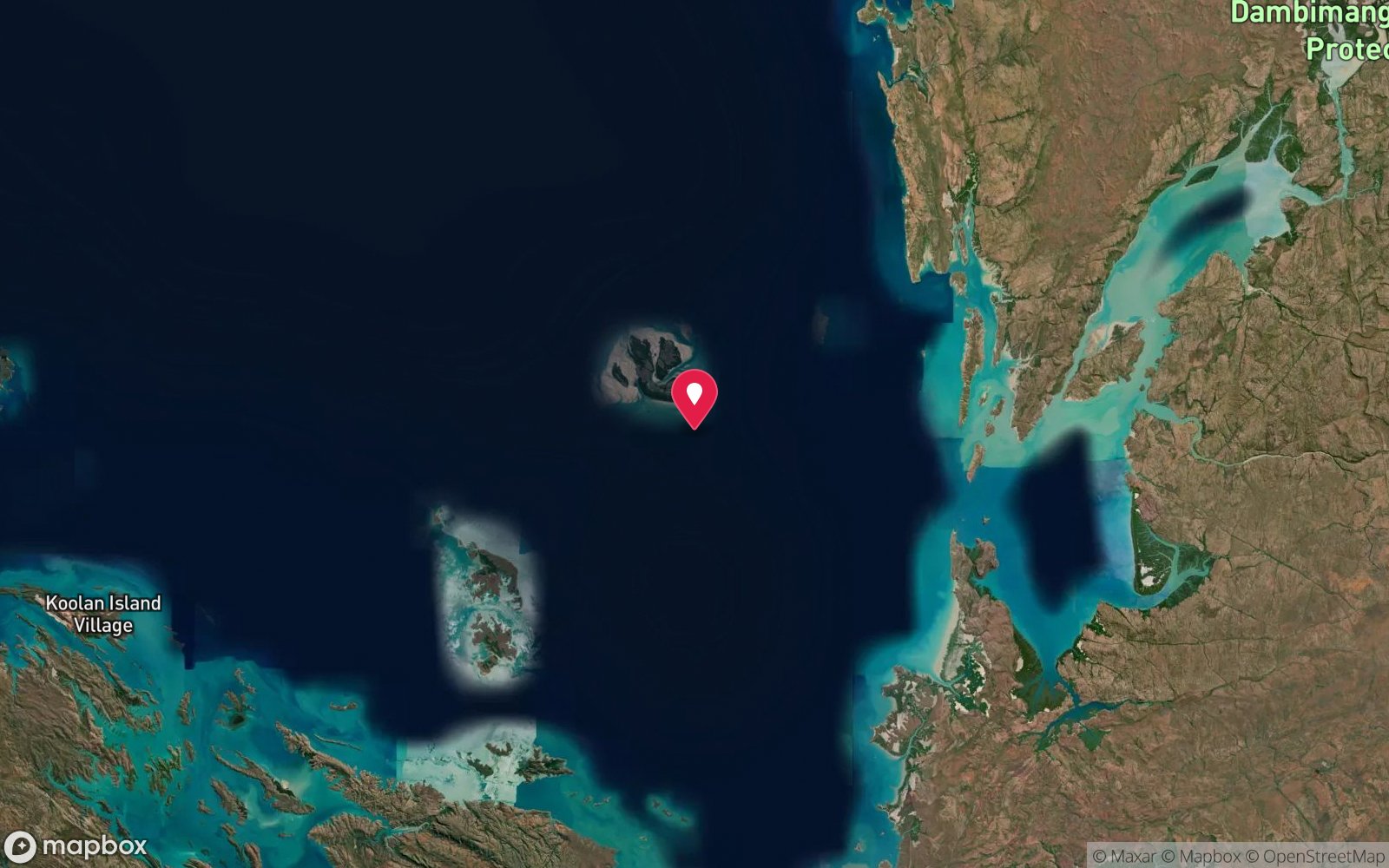
Montgomery Reef
Visibility: 10-30 m · The world's largest inshore reef, draining in waterfalls on a 10 m tide.
The guide
Why the clearest water is fresh
The top of this list is inland. The Limestone Coast sinkholes and the Nullarbor caves hold groundwater that has been filtered through kilometres of limestone; there is no plankton, no sediment and no swell, so visibility is limited only by the light. Kilsby, Ewens Ponds and Piccaninnie routinely exceed 40 m and the caves exceed 100 m, numbers that no ocean site in Australia can match.
In the sea, clarity comes from distance from the coast and from the open ocean. The outer Great Barrier Reef at the shelf edge (Agincourt, the Ribbons, Osprey), Lord Howe and Balls Pyramid, the Coral Sea atolls and the Rowley Shoals all sit in oceanic water that the coastal rivers never reach. The temperate south has its clear days too, usually after a week of offshore wind in winter, but 20 m is exceptional where 40 m is routine on the outer reef.
Diving in very clear water
Clear water changes how a dive feels and how it should be planned. Depth is hard to judge when the bottom looks close; divers in the sinkholes routinely find themselves deeper than intended, which is why the CDAA sites have hard limits, guides and permits. Buoyancy control matters more, because every fin kick is visible for 50 m and silt in a cave stays suspended for days. And photography is easier and harder: no backscatter, but a scene that stretches further than any strobe can reach.
The sinkholes and Ewens Ponds are diveable year-round with the water a constant 15 °C; a 7 mm suit or a drysuit is standard. The outer reef is clearest from September to November, before the wet-season runoff.
Editorial last reviewed September 2026. The list itself is regenerated from the directory daily.
Frequently asked questions
Where is the best visibility in Australia?
The Coral Sea reefs (Osprey, Bougainville, Flinders), the Rowley Shoals, Christmas and Cocos islands and the Mount Gambier sinkholes regularly exceed 40 m. Tasmania's east coast reaches 30 m in winter.
More rankings
- The 25 Deepest Dive Sites in Australia
- Australia's Most Remote Dive Sites
- The Longest Boat Rides to a Day Dive
- The Warmest Dive Sites in Australia
- The Coldest Dive Sites in Australia
- The Most Biodiverse Dive Sites in Australia
- The Oldest Shipwrecks You Can Dive in Australia
- WWII and Wartime Wrecks You Can Dive in Australia
- All rankings →