Dive slate · divesites.com.au · printed 9 Nov 2026
Anemone Lump (Easter Group)
Geraldton & Abrolhos Islands, Western Australia · near Geraldton
| Depth | 3–38 m |
|---|---|
| Minimum level | Deep/Advanced + experience |
| Difficulty | Advanced |
| Access | Boat (multi-day/liveaboard) |
| Entry | Giant stride or back roll from charter/private boat |
| Current | Strong |
| Visibility | 15-30 m |
| Water | summer 22-24 °C, winter 20-21 °C |
| Suit | 3-5 mm wetsuit |
| Best season | March-May and September-November, at slack water |
| Bottom time | 35 min |
| Position | not published |
| Permit | Houtman Abrolhos Islands National Park (declared 2019) and Fish Habitat Protection Area – visitor rules, Reef Observation Areas (no fishing) and public moorings apply; no camping; check DPIRD/DBCA Abrolhos visitor guide. |
| Nearest chamber | Fiona Stanley Hospital Hyperbaric Medicine Unit (Murdoch, Perth) – requires aeromedical evacuation (RFDS) from this remote site |
| Emergency | 000 · DAN Asia-Pacific diving emergency 1800 088 200 |
Anemone Lump (Easter Group)
Also known as Anemone Lump
Anemone-covered coral bommie from 38 m to 3 m with baitfish clouds, big plate corals and curious emperors.
Near Geraldton · Geraldton & Abrolhos Islands, Western Australia
- Depth
- 3–38 m
- Minimum level
- Deep/Advanced + experience
- Access
- Boat (multi-day/liveaboard)
- Boat ride
- ~200 min
- Water
- 22-24 °C
- Visibility
- 15-30 m
Anemone Lump (Easter Group)3–38 m · Deep/Advanced + experience
Dive factsDepths, conditions, location & safety
Season
In season nowBest months: March, April, May, September, October, November.
March-May and September-November, at slack water
- Best months
- Now (November)
- Stinger suit Nov–May
Dive facts
- Depth
- 3–38 m
- Typical depth
- 15 m
- Certification
- Deep/Advanced + experience
- Difficulty
- Advanced
- Depth tier
- Deep / Advanced + experience (30–40 m)
- Access
- Boat (multi-day/liveaboard)
- Offshore
- 60 km
- Dive centre needed
- Yes – boat access only
- Shore / independent
- No
- Boat ride
- ~200 min
- Current
- Strong
- Visibility
- 15-30 m
- Water temp (summer)
- 22-24 °C
- Water temp (winter)
- 20-21 °C
- Water
- Subtropical
- Bottom time
- 35 min
- Dive traffic
- Remote/expedition only
- Night dive
- No
- Snorkel friendly
- Partial
Exposure suit
3-5 mm wetsuit
Location
Easter Group · Mid West – Houtman Abrolhos
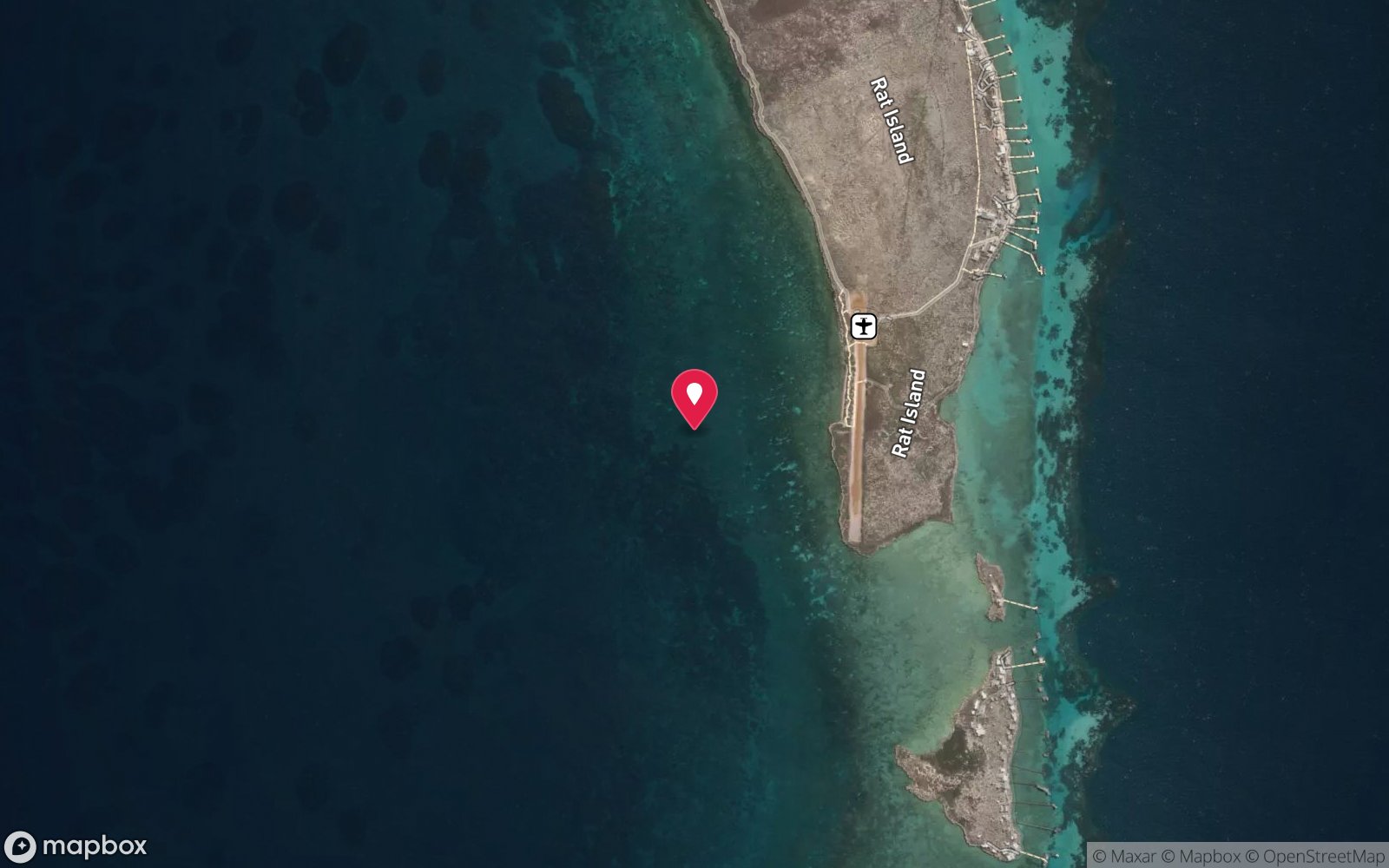
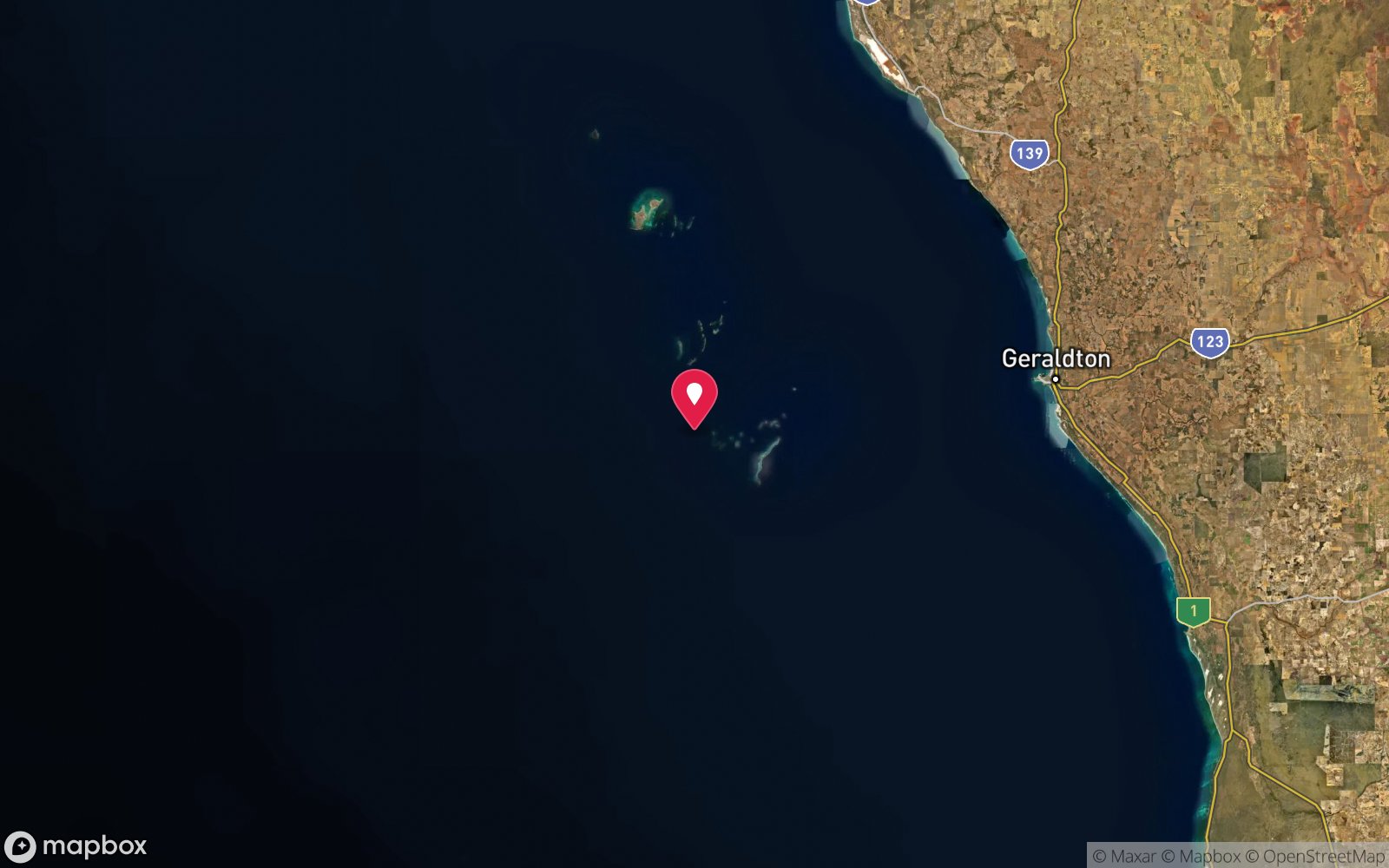
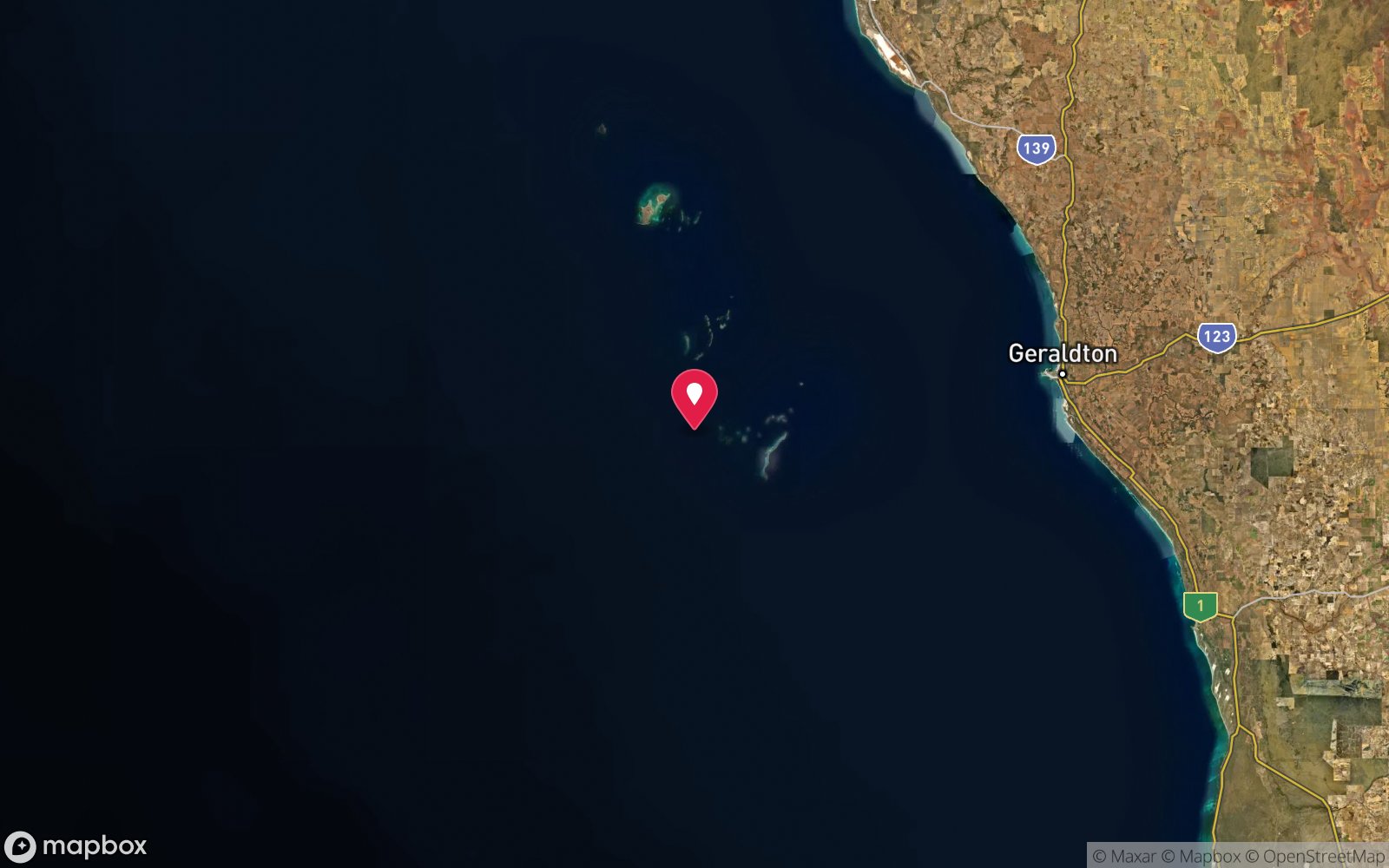
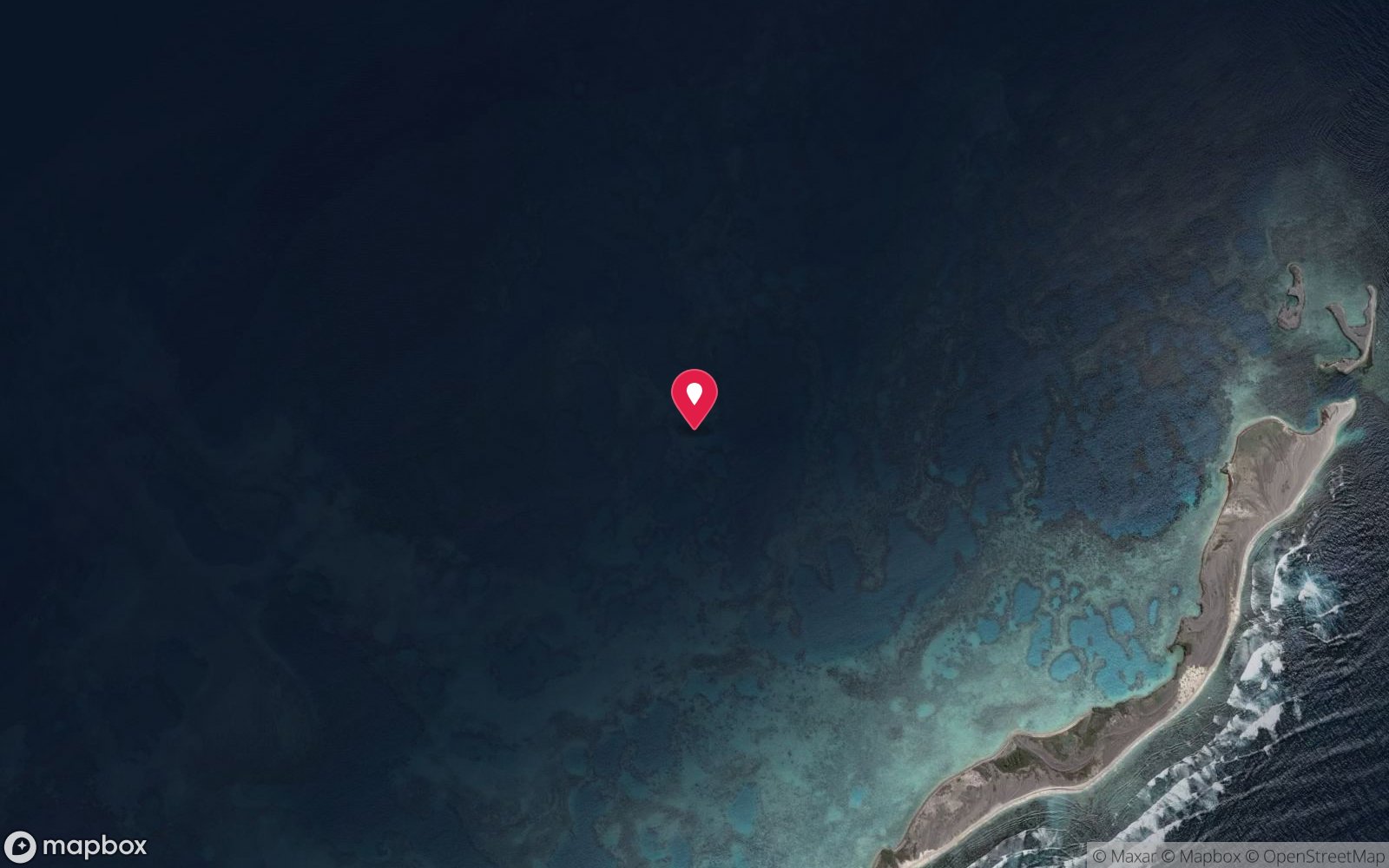
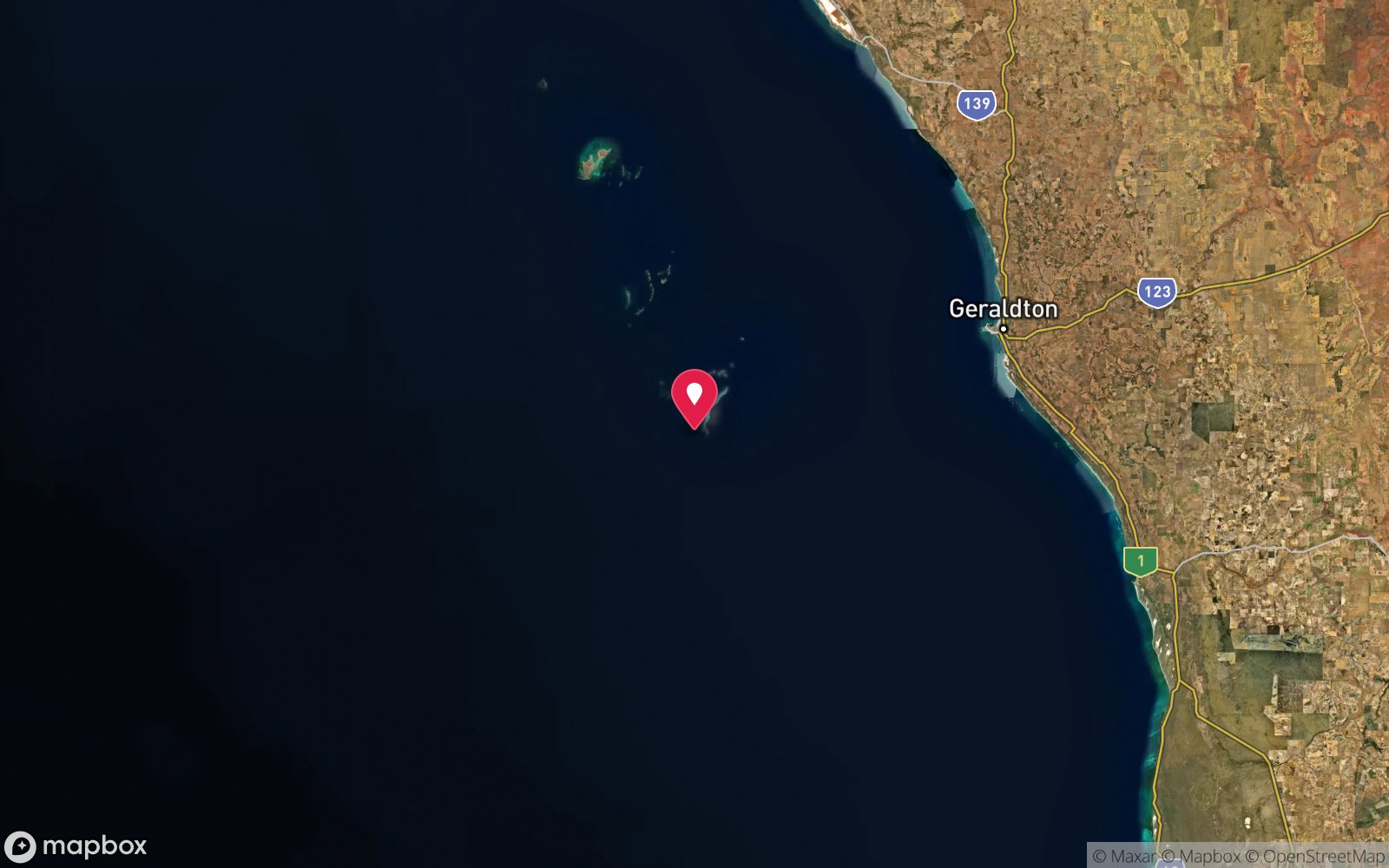
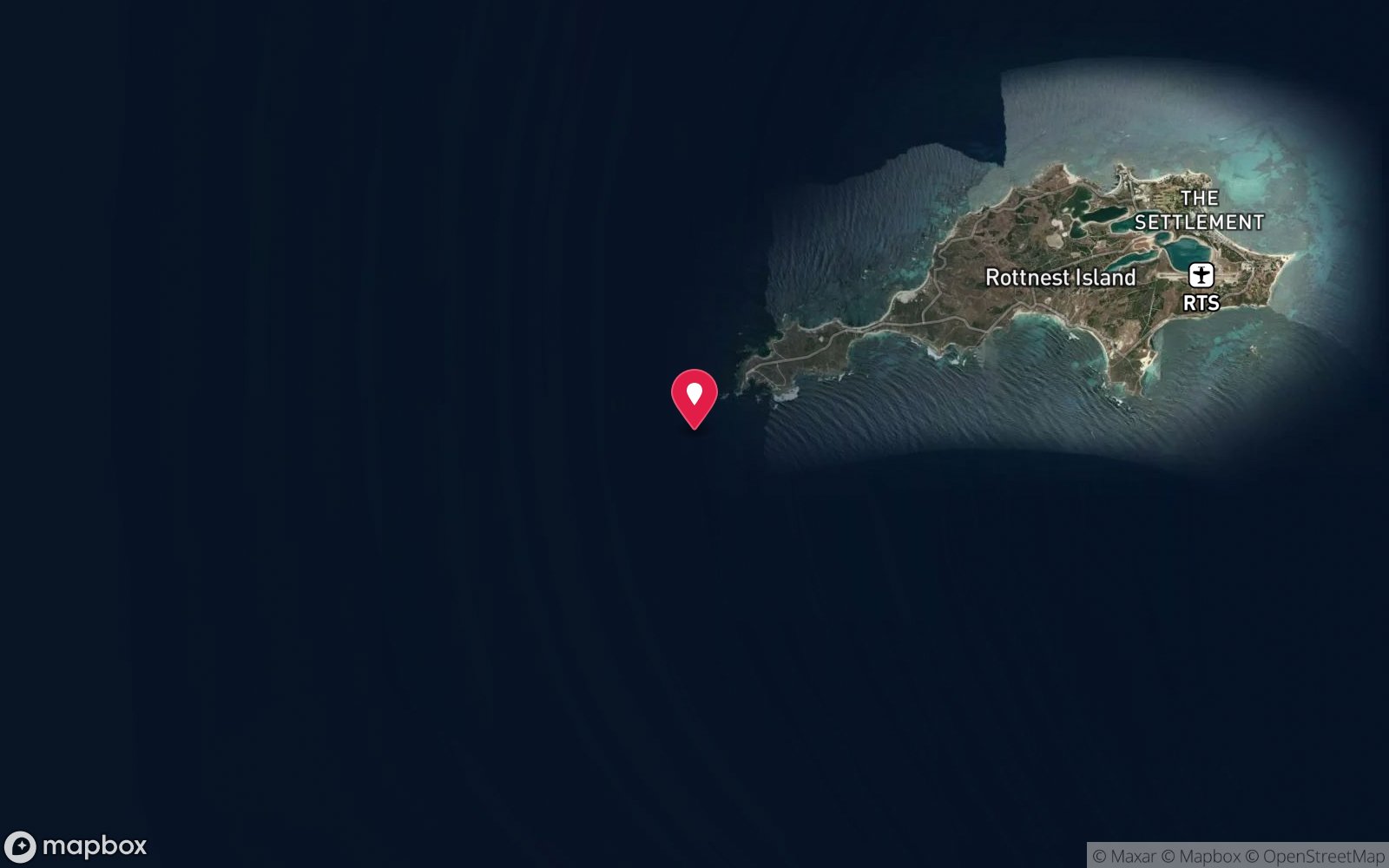
No published coordinates. The map above shows the general area, estimated from other documented sites near Geraldton.
Primary source: marinelife.org.auMarine park & permits
Houtman Abrolhos Islands National Park (declared 2019) and Fish Habitat Protection Area – visitor rules, Reef Observation Areas (no fishing) and public moorings apply; no camping; check DPIRD/DBCA Abrolhos visitor guide.
Nearest recompression chamber
Fiona Stanley Hospital Hyperbaric Medicine Unit (Murdoch, Perth) – requires aeromedical evacuation (RFDS) from this remote site
Diving emergency: call 000, then DAN AP 1800 088 200.
Trip planner
Build a trip around Anemone Lump (Easter Group) →
A day-by-day plan for Geraldton & Abrolhos Islands with this site locked in.
This guide is a planning aid. Conditions change daily — confirm with a local dive centre and dive within your training. Data & safety notes.
Dive profile
How this site rates
Scores are computed from the recorded data, not opinions. How?
At a glance
Anemone Lump (Easter Group) is a pinnacle / bommie liveaboard-only site in Geraldton & Abrolhos Islands, WA, 3–38 m, suited to Deep/Advanced + experience divers, strong current, about 200 minutes by boat.
Rated advanced because of depth to 38 m, strong current.
Why dive here
- Anemone-covered coral bommie from 38 m to 3 m with baitfish clouds, big plate corals and curious emperors.
- Rarely dived: expect to have the site to yourself, and plan your own logistics.
- Visibility often reaches 15-30 m.
Conditions to avoid
- Strong southerly or south-east swell and wind
- Any time other than slack water
About Anemone Lump (Easter Group)
Anemone Lump is widely regarded as the Abrolhos's premier dive site. It is a coral bommie in the Easter Group rising from about 38-40 m to within 3-8 m of the surface. Marine Life Network describes its covering of anemones with resident anemonefish and thousands of silvery minnows (baitfish) swirling around the lump, with tiger sharks recorded; Eco Abrolhos adds huge plate corals and large, curious spangled emperor and snapper.
The bommie concentrates life in the open water around it: schools of baitfish attract predators, and the anemone fields at this latitude – thanks to the Leeuwin Current – are a striking sight. Strong currents sweep the site, which feeds the growth but means it must be dived at slack water, ideally with a guide.
It suits Advanced Open Water divers comfortable with current and depth; snorkellers can enjoy the top in calm, slack conditions. It is a highlight of liveaboard itineraries in the Easter Group, which also include Rolland Passage and the sea lions of Little Sandy Island.
Slack water at the Abrolhos is short, so liveaboard crews time the dive carefully and usually drop divers up-current of the lump. The shallow top also makes an excellent long safety stop among the anemones. Photographers should bring wide-angle for the baitfish clouds and macro for the anemonefish. Nitrox helps extend time on the flanks, and a reef hook is not appropriate on living coral – hold position by finning or using dead rock only.
Getting there & entry
Coral bommie rising from about 38-40 m to 3-8 m in the Easter Group, covered in anemones with anemonefish and huge plate corals; the Abrolhos's premier dive site, subject to strong currents.
The Houtman Abrolhos lie 60-80 km west of Geraldton (about 420 km north of Perth). There is no public accommodation or camping on the islands, so divers visit on liveaboard trips departing Geraldton (a 3-5 hour crossing), on private vessels using the public moorings, or – for snorkelling only – on scenic-flight day tours that land on East Wallabi Island. Anemone Lump is in the Easter Group, the central group of the Abrolhos, about 60 km (3-4 hours) from Geraldton.
Liveaboards visit on slack tide; there is no public GPS mark.
Entry: Giant stride or back roll from charter/private boat
Weather, swell & tides
The Abrolhos sit on the edge of the continental shelf in the path of the warm Leeuwin Current, which keeps water at 20-24°C and supports the world's southernmost major coral reefs. The islands are exposed to the south-west swell and to strong southerly winds that blow most afternoons from October to March; the crossing from Geraldton is often rough. Marine Life Network recommends March-May and September-November; late summer-autumn highs give the calmest seas.
Western rock lobster season (15 March-30 June) brings fishing camps and boat traffic. Marine Life Network notes the site is affected by strong currents; dive it at slack water and in light winds.
Best season: March-May and September-November, at slack water
How the dive is usually run
Descend at slack water onto the upper bommie at 8-12 m, circle it looking at the anemone fields and plate corals, drop to 20-25 m on the flanks if the current allows, and return to the top for the safety stop; deploy a DSMB if current picks up.
Marine life
- Anemones and anemonefish
- huge plate corals
- spangled emperor
- pink snapper
- baitfish schools
- coral trout
- baldchin groper
- tiger sharks
Linked species have their own page listing every site where they are recorded. All marine life →
Training required
The recreational limit. Operators expect a Deep Diver specialty or Advanced plus a log of similar dives, and most recommend nitrox.
Advanced Open Water divers can dive the shallower section (typical depth 15 m); the full site to 38 m needs Deep/Advanced + experience. Operators often quote Advanced Open Water. This is a deep dive: plan gas, bottom time and a safety stop accordingly, and consider nitrox.
Operators' own listing: Advanced Open Water.
Courses that help here
- Enriched Air Nitrox – Longer no-decompression time at 25 m and deeper.
- Deep Diver – The site reaches 38 m.
- Drift Diver – Current is a feature of the dive.
Depth tiers: 0–10 m easy · to 18 m Open Water · 18–30 m Advanced (25 m+ is a deep dive) · 30–40 m Deep specialty · 40 m+ technical. All courses
Hazards & warnings
Strong currents – slack water only; depth to 38 m; tiger sharks recorded; remote.
Dive centres that go here
Liveaboard only for diving: Image Dive – 'Southern Image', the only dedicated dive boat at the Abrolhos (4 days/4 nights from Geraldton, max 8 divers, 3-4 dives a day); Eco Abrolhos Cruises – 5-day small-group cruises from Geraldton with snorkelling and diving; occasional Perth club charters. Batavia Coast Dive & Watersports (Geraldton) runs Abrolhos trips when boats are available. Eco Abrolhos lists Anemone Lump as an outstanding snorkel and dive location.
Operators recorded for Anemone Lump (Easter Group)
Image Dive & Charters
Named by sitesHillarys · Perth · WA
Image Dive Pty Ltd trading as Image Dive and Charters; boat dive charters from Hillarys.
imagedive.com.au · 0417 957 870
Eco Abrolhos Cruises
Named by sitesGeraldton · Geraldton & Abrolhos Islands · WA
Liveaboard cruise operator to the Abrolhos Islands.
ecoabrolhos.com.au · (08) 9964 5101
Other dive centres in Geraldton & Abrolhos Islands
General area
No position has been published for Anemone Lump (Easter Group). The circle shows where it is likely to be, worked out from other documented sites near Geraldton. Ask a local operator for the exact site.
Dashed circle: general area (about 60 km), from other documented sites near Geraldton. 6 pinned sites. Pins marked approximate on their pages show the general area only; not for navigation.
Anemone Lump (Easter Group): frequently asked questions
How deep is Anemone Lump (Easter Group)?
Anemone Lump (Easter Group) reaches a maximum depth of 38 m, with the shallowest part at about 3 m; most of the dive is spent around 15 m.
What certification do I need to dive Anemone Lump (Easter Group)?
Deep/Advanced + experience is the recommended minimum. Advanced Open Water divers can dive the shallower section (typical depth 15 m); the full site to 38 m needs Deep/Advanced + experience. Operators often quote Advanced Open Water. This is a deep dive: plan gas, bottom time and a safety stop accordingly, and consider nitrox. Rated advanced because of depth to 38 m, strong current.
Can I shore dive Anemone Lump (Easter Group)?
No, it is reached by boat (about 200 minutes). A dive centre is required: boat access only.
When is the best time to dive Anemone Lump (Easter Group)?
March-May and September-November, at slack water.
What marine life will I see at Anemone Lump (Easter Group)?
Regularly recorded: Anemones and anemonefish, huge plate corals, spangled emperor, pink snapper, baitfish schools, coral trout, baldchin groper, tiger sharks.
What wetsuit do I need at Anemone Lump (Easter Group)?
3-5 mm wetsuit.
How cold is the water at Anemone Lump (Easter Group)?
Typically 22-24 °C in summer and 20-21 °C in winter.
What are the main hazards at Anemone Lump (Easter Group)?
Strong currents – slack water only; depth to 38 m; tiger sharks recorded; remote. See the hazards section above for the full list.
Where is the nearest recompression chamber to Anemone Lump (Easter Group)?
Fiona Stanley Hospital Hyperbaric Medicine Unit (Murdoch, Perth) – requires aeromedical evacuation (RFDS) from this remote site. In an emergency call 000, then DAN Asia-Pacific on 1800 088 200.
Diving in Geraldton & Abrolhos Islands
The Houtman Abrolhos, 60 km off Geraldton, are 122 islands with coral reefs, the Batavia (1629) wreck site and huge crayfish populations in water that mixes tropical and temperate species. Geraldton itself has the Point Moore reefs and the SS Sunbeam and other wrecks.
Getting there: Charters and short liveaboards from Geraldton, five hours north of Perth, mostly in spring and autumn.
All Geraldton & Abrolhos Islands dive sites and a suggested itinerary →
Sources
Data confidence: Medium · Being verified: Location unpublished. Description under 250 words – limited published documentation.. Last updated September 2026. Know this site better? How to send a correction