Dive slate · divesites.com.au · printed 9 Nov 2026
Disaster Rock
Broome & Kimberley, Western Australia · near Broome
| Depth | 10–25 m |
|---|---|
| Minimum level | Advanced Open Water |
| Difficulty | Advanced |
| Access | Boat |
| Entry | Backward roll from private boat at slack water |
| Current | Variable/Tidal |
| Visibility | 2-10 m |
| Water | summer 29-31 °C, winter 23-25 °C |
| Suit | 3 mm full suit (stinger protection in summer) |
| Best season | May–September on neap tides |
| Bottom time | 40 min |
| Position | not published |
| Permit | Yawuru Nagulagun / Roebuck Bay Marine Park and Eighty Mile Beach area – check zoning; no dive permit required |
| Nearest chamber | Fiona Stanley Hospital (Perth) via RFDS from Broome; Royal Darwin Hospital is the alternative for the far north Kimberley |
| Emergency | 000 · DAN Asia-Pacific diving emergency 1800 088 200 |
Disaster Rock
Also known as Disaster Rock (Broome)
Pelagic action on an offshore rock.
Near Broome · Broome & Kimberley, Western Australia
- Depth
- 10–25 m
- Minimum level
- Advanced Open Water
- Access
- Boat
- Boat ride
- ~20 min
- Water
- 29-31 °C
- Visibility
- 2-10 m
Disaster Rock10–25 m · Advanced Open Water
Dive factsDepths, conditions, location & safety
Season
Off-peak nowBest months: May, June, July, August, September.
Dive facts
- Depth
- 10–25 m
- Typical depth
- 18 m
- Certification
- Advanced Open Water
- Difficulty
- Advanced
- Depth tier
- Advanced Open Water (18–30 m)
- Access
- Boat
- Offshore
- 3 km
- Dive centre needed
- Recommended
- Shore / independent
- No
- Boat ride
- ~20 min
- Current
- Variable/Tidal
- Visibility
- 2-10 m
- Water temp (summer)
- 29-31 °C
- Water temp (winter)
- 23-25 °C
- Water
- Tropical
- Bottom time
- 40 min
- Dive traffic
- Rarely dived (private boat/club only)
- Night dive
- No
- Snorkel friendly
- No
Exposure suit
3 mm full suit (stinger protection in summer)
Location
Broome
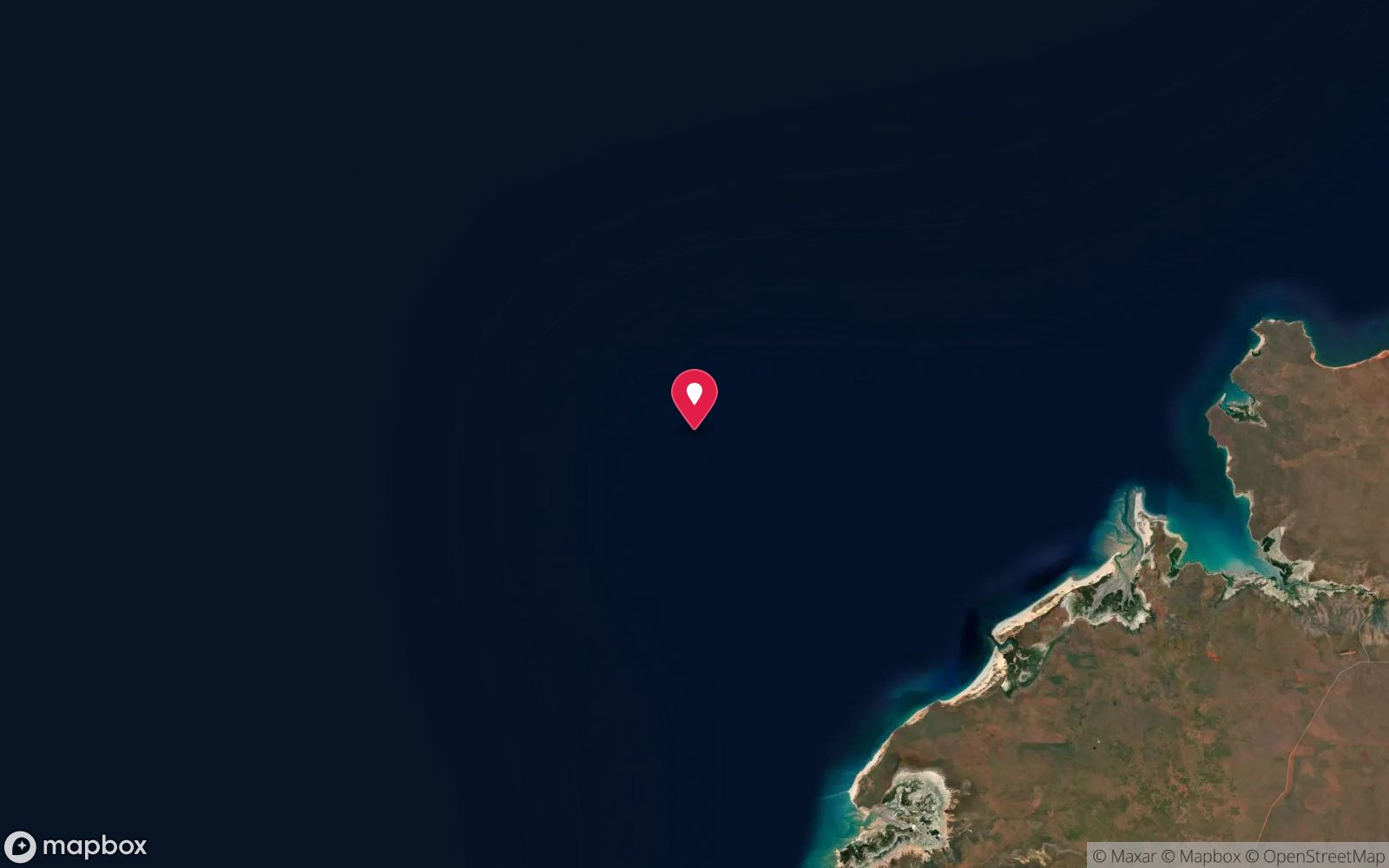
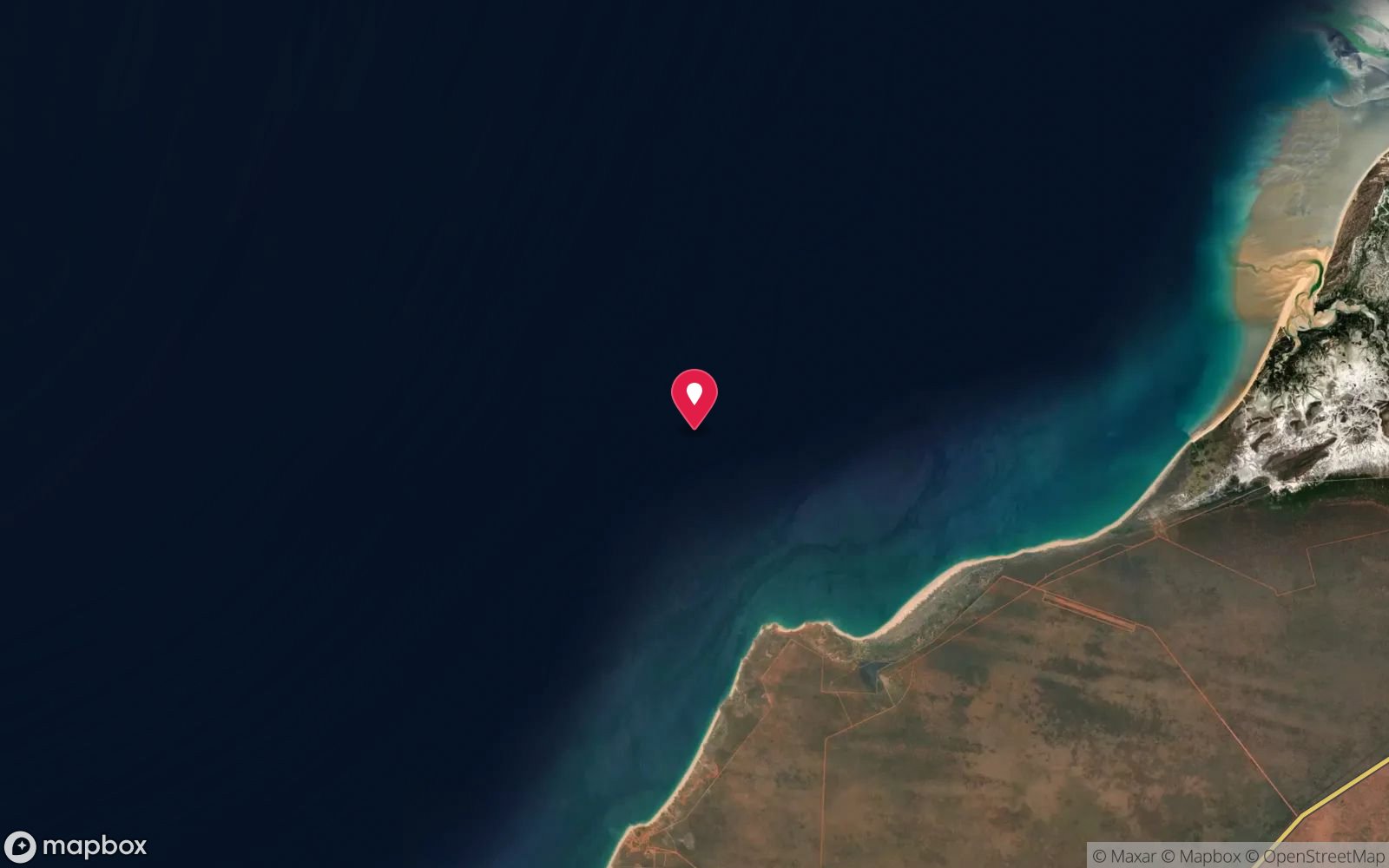
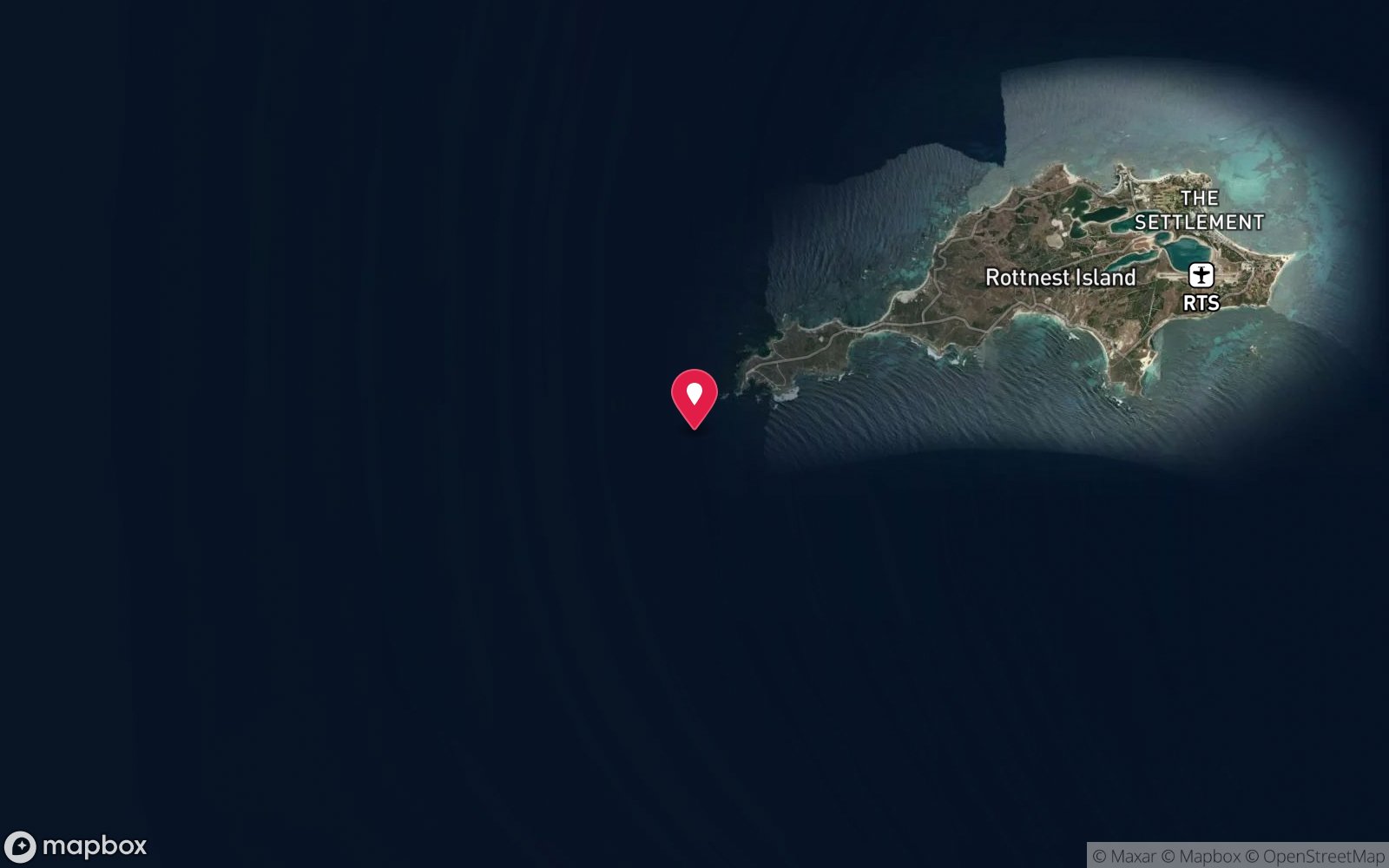
No published coordinates. The map above shows the general area, estimated from other documented sites near Broome.
Primary source: marinelife.org.auMarine park & permits
Yawuru Nagulagun / Roebuck Bay Marine Park and Eighty Mile Beach area – check zoning; no dive permit required
Nearest recompression chamber
Fiona Stanley Hospital (Perth) via RFDS from Broome; Royal Darwin Hospital is the alternative for the far north Kimberley
Diving emergency: call 000, then DAN AP 1800 088 200.
Trip planner
Build a trip around Disaster Rock →
A day-by-day plan for Broome & Kimberley with this site locked in.
This guide is a planning aid. Conditions change daily — confirm with a local dive centre and dive within your training. Data & safety notes.
Dive profile
How this site rates
Scores are computed from the recorded data, not opinions. How?
At a glance
Disaster Rock is a pinnacle / bommie boat dive in Broome & Kimberley, WA, 10–25 m, suited to Advanced Open Water divers, variable/tidal current, about 20 minutes by boat.
Rated advanced because of depth beyond 18 m, tidal current that must be timed.
Why dive here
- Pelagic action on an offshore rock.
- Rarely dived: expect to have the site to yourself, and plan your own logistics.
Conditions to avoid
- Outgoing tide or run-off after rain (poor visibility)
- Spring tides (strong current)
- Any time other than slack water
- Cyclone season (roughly December–April)
- Stinger season without a full suit (November–May)
About Disaster Rock
Disaster Rock is known for pelagic encounters: the Marine Life Network lists barracuda, tuna, trevally, mackerel, batfish, sharks, stingrays, eagle rays, turtles and groupers.
Diving around Broome: the town's waters are better known for pearling than recreational diving, and the Marine Life Network documents a handful of reef and rock sites off Gantheaume Point and Riddell Point and further offshore that local divers visit on neap tides. The limestone reefs are coated in soft corals, sponges and gorgonians rather than the hard coral of Ningaloo, and fish life is often dense because the sites are rarely dived. The ruling factors are tide and visibility: the same site can be clear on a neap slack and unusable on a spring tide. Saltwater crocodiles, large sharks and seasonal box jellyfish mean divers should plan conservatively, carry surface support and dive with someone who knows the area.
Planning notes: Advanced Open Water certification is recommended and the site is rated advanced. Expect to spend most of the dive around 18 m, with a maximum of about 25 m. Access is by boat only, and site selection depends on wind, swell and tide on the day. Currents are significant, so timing around the tide is part of the plan. Best season: May–September on neap tides. Traffic: rarely dived (private boat/club only).
Getting there & entry
Offshore rock near Broome known for pelagic fish encounters.
Broome is 2,200 km north of Perth with daily flights. Boats launch at the Town Beach ramp on Roebuck Bay (usable only on the higher part of the tide) or the Entrance Point ramp near Gantheaume Point on the ocean side, which is usable at most tides. There is no scheduled day-dive operator in Broome at the time of writing; diving is by private boat, with local knowledge, or through charter vessels.
Offshore rocks and reefs off Gantheaume and Riddell Points are 10–40 minutes from Entrance Point.
Entry: Backward roll from private boat at slack water
Facilities: Entrance Point and Town Beach boat ramps; Broome town services.
Weather, swell & tides
Broome has one of the largest tidal ranges in Australia — spring tides approach 10 m in Roebuck Bay — so currents are powerful and visibility depends on the tide. Dive only on neap tides and at slack water; spring tides produce strong currents and turbid water. The dry season (May–October) brings settled weather but strong easterly winds some days; the wet season (November–April) brings cyclones, storms and river run-off.
Box jellyfish and Irukandji occur mainly October–May. Saltwater crocodiles and large sharks inhabit Roebuck Bay and Kimberley waters. Water 23–24 °C in winter to 30 °C+ in summer.
Best season: May–September on neap tides
How the dive is usually run
Descend at slack, hold position near the rock to watch pelagics, and ascend the line.
Marine life
- Barracuda
- tuna
- trevally
- mackerel
- batfish
- sharks
- stingrays
- eagle rays
- turtles →
- groupers
Linked species have their own page listing every site where they are recorded. All marine life →
Training required
Beyond 18 m an Advanced certification (which includes a deep dive to 30 m) is the accepted minimum. Anything past 25 m is a deep dive in practice.
Depth tiers: 0–10 m easy · to 18 m Open Water · 18–30 m Advanced (25 m+ is a deep dive) · 30–40 m Deep specialty · 40 m+ technical. All courses
Hazards & warnings
Current; sharks; depth (not published).
Dive centres that go here
No regular dive operator – private boats with local knowledge only.
Other dive centres in Broome & Kimberley
The Great Escape Charter Company
Named by sitesBroome · Rowley Shoals · WA
Website live for 2026 advertising 5- and 7-night Rowley Shoals dive and snorkel cruises for the 2026 and 2027 seasons (March–November).
greatescapecruises.com.au · (08) 9193 5983
Broome Historical Walking Tours
Named by sitesBroome · Broome & Kimberley · WA
Walking tour operator, not a dive business; departs Town Beach, Broome.
broomehistoricalwalkingtours.com
All dive centres in Western Australia →
Operators mentioned: None regular (air fills limited – check locally)
General area
No position has been published for Disaster Rock. The circle shows where it is likely to be, worked out from other documented sites near Broome. Ask a local operator for the exact site.
Dashed circle: general area (about 60 km), from other documented sites near Broome. 6 pinned sites. Pins marked approximate on their pages show the general area only; not for navigation.
Disaster Rock: frequently asked questions
How deep is Disaster Rock?
Disaster Rock reaches a maximum depth of 25 m, with the shallowest part at about 10 m; most of the dive is spent around 18 m.
What certification do I need to dive Disaster Rock?
Advanced Open Water is the recommended minimum. Rated advanced because of depth beyond 18 m, tidal current that must be timed.
Can I shore dive Disaster Rock?
No, it is reached by boat (about 20 minutes).
When is the best time to dive Disaster Rock?
May–September on neap tides.
What marine life will I see at Disaster Rock?
Regularly recorded: Barracuda, tuna, trevally, mackerel, batfish, sharks, stingrays, eagle rays, turtles, groupers.
What wetsuit do I need at Disaster Rock?
3 mm full suit (stinger protection in summer).
How cold is the water at Disaster Rock?
Typically 29-31 °C in summer and 23-25 °C in winter.
What are the main hazards at Disaster Rock?
Current; sharks; depth (not published). See the hazards section above for the full list.
Where is the nearest recompression chamber to Disaster Rock?
Fiona Stanley Hospital (Perth) via RFDS from Broome; Royal Darwin Hospital is the alternative for the far north Kimberley. In an emergency call 000, then DAN Asia-Pacific on 1800 088 200.
Diving in Broome & Kimberley
Broome's diving is tidal and turbid but full of history: the pearling-lugger wrecks, WWII flying boats sunk in Roebuck Bay in 1942 and reachable on the lowest tides, and the reefs off Gantheaume Point. The Kimberley coast beyond is liveaboard country with huge tides, crocodiles and untouched reef.
Getting there: Fly to Broome. Local operators dive on neap tides; Kimberley coast trips are multi-day expedition charters.
All Broome & Kimberley dive sites and a suggested itinerary →
Sources
Data confidence: Low · Being verified: Location and depths.. Last updated September 2026. Know this site better? How to send a correction
Nearby dive sites
More pinnacle/bommie dives in Western Australia
Explore more