Dive slate · divesites.com.au · printed 9 Nov 2026
10 Metre Spire
Rottnest Island, Western Australia · near Rottnest Island (Thomson Bay settlement)
| Depth | 10–27 m |
|---|---|
| Minimum level | Advanced Open Water |
| Difficulty | Advanced |
| Access | Boat (day trip) |
| Entry | Giant stride or back roll from charter or private boat |
| Current | Strong |
| Visibility | 15-25 m |
| Water | summer 21-24 °C, winter 17-19 °C |
| Suit | 5 mm full wetsuit in summer and autumn; 7 mm or 5 mm with hood and vest in winter and spring |
| Best season | Late summer and autumn (February-May) for calm easterly mornings and the warmest water; winter gives clear water between fronts |
| Bottom time | 25 min |
| Position | -32.03277, 115.44008 (GPS) |
| Permit | Rottnest Island Reserve - West End Demersal Sanctuary Zone (no take of demersal species) |
| Nearest chamber | Fiona Stanley Hospital Hyperbaric Medicine Unit (Murdoch, Perth) |
| Emergency | 000 · DAN Asia-Pacific diving emergency 1800 088 200 |
10 Metre Spire
Also known as Ten Metre Spire
An offshore spire with big overhangs and a fish-packed cave, rising to 10 m off the West End.
Near Rottnest Island (Thomson Bay settlement) · Rottnest Island, Western Australia
- Depth
- 10–27 m
- Minimum level
- Advanced Open Water
- Access
- Boat (day trip)
- Boat ride
- ~90 min
- Water
- 21-24 °C
- Visibility
- 15-25 m
10 Metre Spire10–27 m · Advanced Open Water
Dive factsDepths, conditions, location & safety
Season
Off-peak nowBest months: January, February, March, April, May, June, July, August, December.
Late summer and autumn (February-May) for calm easterly mornings and the warmest water; winter gives clear water between fronts
- Best months
- Now (November)
Dive facts
- Depth
- 10–27 m
- Typical depth
- 18 m
- Certification
- Advanced Open Water
- Difficulty
- Advanced
- Depth tier
- Advanced Open Water (18–30 m)
- Access
- Boat (day trip)
- Offshore
- 2 km
- Dive centre needed
- Yes – boat access only
- Shore / independent
- No
- Boat ride
- ~90 min
- Current
- Strong
- Visibility
- 15-25 m
- Water temp (summer)
- 21-24 °C
- Water temp (winter)
- 17-19 °C
- Water
- Temperate
- Bottom time
- 25 min
- Dive traffic
- Rarely dived (private boat/club only)
- Night dive
- No
- Snorkel friendly
- No
Exposure suit
5 mm full wetsuit in summer and autumn; 7 mm or 5 mm with hood and vest in winter and spring
Location
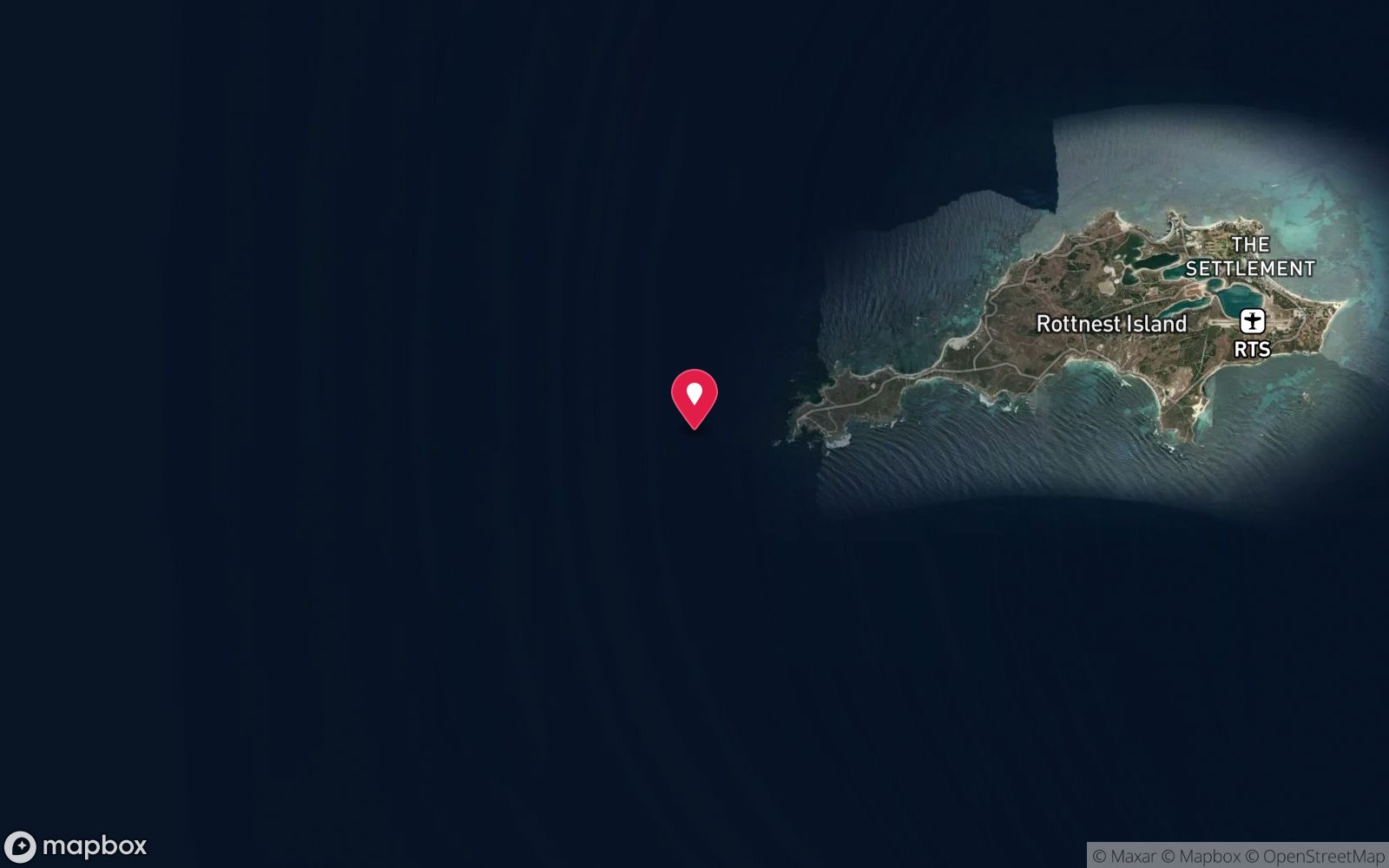
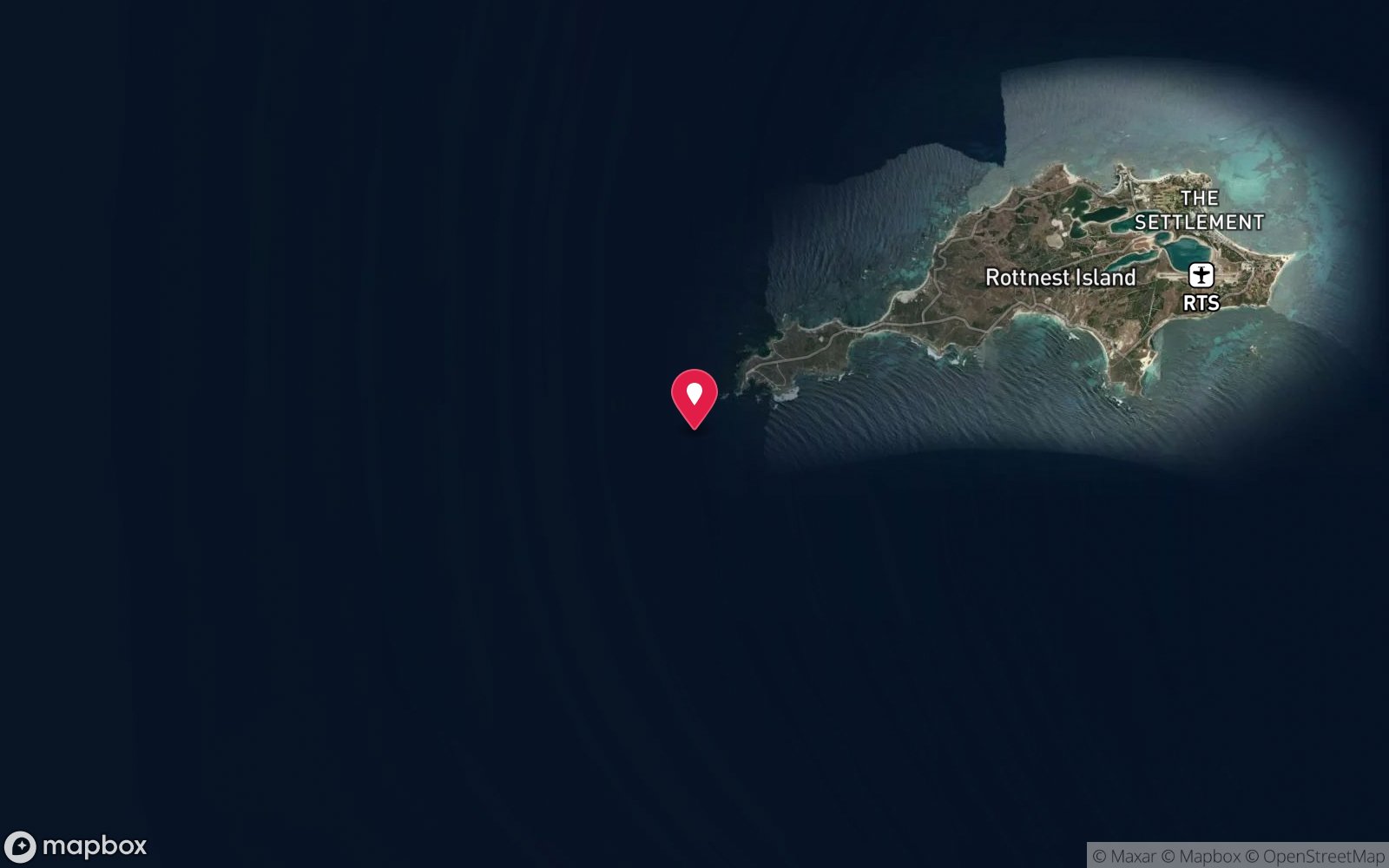
Off the West End (south of Cape Vlamingh) · Rottnest Island (Wadjemup)
-32.03277, 115.44008
Published GPS position.
Open in Google MapsPrimary source: marinelife.org.auMarine park & permits
Rottnest Island Reserve - West End Demersal Sanctuary Zone (no take of demersal species)
Nearest recompression chamber
Fiona Stanley Hospital Hyperbaric Medicine Unit (Murdoch, Perth)
Diving emergency: call 000, then DAN AP 1800 088 200.
Trip planner
Build a trip around 10 Metre Spire →
A day-by-day plan for Rottnest Island with this site locked in.
This guide is a planning aid. Conditions change daily — confirm with a local dive centre and dive within your training. Data & safety notes.
Dive profile
How this site rates
Scores are computed from the recorded data, not opinions. How?
At a glance
10 Metre Spire is a pinnacle / bommie boat dive in Rottnest Island, WA, 10–27 m, suited to Advanced Open Water divers, strong current, about 90 minutes by boat.
Rated advanced because of depth beyond 18 m, strong current.
Why dive here
- An offshore spire with big overhangs and a fish-packed cave, rising to 10 m off the West End.
- Rarely dived: expect to have the site to yourself, and plan your own logistics.
- Visibility often reaches 15-25 m.
About 10 Metre Spire
The 10 Metre Spire is one of the offshore West End sites that make Rottnest's far end so highly regarded by experienced Perth divers. Marinelife.org.au places it about a mile south of the West End, with the reef top at about 10 m and an average depth of 18 m, dropping to 27 m. It describes plenty of big overhangs, a large cave on the northern side that is often packed with fish, and hard and soft corals.
The spire concentrates fish in the way offshore pinnacles do. The cave and overhangs hold schools of bullseyes and old wives, while the open water around the spire can bring buffalo bream, western blue groper, dhufish and samson fish, and pelagic species when current is running. The West End Demersal Sanctuary Zone protects bottom-dwelling species across this end of the island, so demersal fish are relatively abundant.
The dive's reputation is tempered by its conditions: it needs less than 1 m of swell and very little wind, is prone to strong currents, and is a long way from help. That makes it a dive for Advanced divers with good current skills, nitrox and a well-organised boat with a pickup driver. When it all lines up, it is one of the best reef dives off Perth.
Published detail beyond the marinelife.org.au listing is scarce, so seek local knowledge before planning, and have a sheltered backup such as Roe Reef in mind for the day. A good skipper who can follow bubbles in current is essential for this site.
Getting there & entry
Offshore reef spire rising to about 10 m from 18-27 m, roughly 1 mile south of the West End of Rottnest, with big overhangs and a large northern cave.
A West End site about 30 km from Fremantle - 1.5 hours or more by boat. Only attempt from a capable boat on a calm, low-swell day; locate the spire by GPS and sounder and live-boat or anchor off the reef. Rottnest lies about 18 km west of Fremantle; allow 45-90 minutes each way by charter or trailer boat depending on the site.
Follow Rottnest Island Authority mooring and anchoring rules - do not anchor on reef or in sanctuary zones - carry a marine radio and log a trip plan, as the crossing of Gage Roads can turn rough when the afternoon sea breeze arrives.
Entry: Giant stride or back roll from charter or private boat
Weather, swell & tides
Needs very calm weather - marinelife.org.au specifies swell under 1 m and minimal wind - and is prone to strong currents. Best at neap tides on summer or autumn mornings with light easterlies. General pattern at Rottnest: summer brings calm morning easterlies followed by a strong south-westerly sea breeze from late morning, so dive early; winter brings north-westerly fronts and large swell, with clear, calm spells between them.
Check the Bureau of Meteorology coastal forecast for swell height and period before committing.
Best season: Late summer and autumn (February-May) for calm easterly mornings and the warmest water; winter gives clear water between fronts
If it's blown out
Sheltered or shore sites within 25 km that often work when 10 Metre Spire doesn't.
- Salmon Bay · 7 km · Max 5 m
- Little Armstrong Bay · 7 km · Max 5 m
- Little Parakeet Bay · 8 km · Max 4 m
- Little Salmon Bay · 9 km · Max 6 m
How the dive is usually run
Descend onto the spire top at 10 m, spiral down its flanks past the overhangs to the large northern cave at around 18-20 m, then return up the spire and ascend on a DSMB, allowing for current. Agree a turn pressure before descending (half gas, or a third where current is likely), carry a DSMB, and make a 3-minute safety stop at 5 m.
Marine life
- Bullseyes
- old wife
- buffalo bream
- western blue groper →
- dhufish
- samson fish
- yellowtail kingfish
- hard and soft corals
- sponges
Linked species have their own page listing every site where they are recorded. All marine life →
Training required
Beyond 18 m an Advanced certification (which includes a deep dive to 30 m) is the accepted minimum. Anything past 25 m is a deep dive in practice.
At more than 25 m this counts as a deep dive: watch no-decompression limits and gas.
Courses that help here
- Enriched Air Nitrox – Longer no-decompression time at 25 m and deeper.
- Cavern Diver – An overhead environment.
- Drift Diver – Current is a feature of the dive.
Depth tiers: 0–10 m easy · to 18 m Open Water · 18–30 m Advanced (25 m+ is a deep dive) · 30–40 m Deep specialty · 40 m+ technical. All courses
Hazards & warnings
Strong currents; very exposed - under 1 m swell only; depth to 27 m; remote from help.
Technical notes
Nitrox recommended; live-boat pickup and DSMBs essential.
Dive centres that go here
No regular operator - private boats and dive clubs (e.g. UWA Underwater Club) only. Nearest dive services: Perth Scuba, Bucket List Diver and Dolphin Scuba (Perth/Fremantle) run Rottnest boat trips; there are no dive shops or air fills on the island.
Operators recorded for 10 Metre Spire
Perth Scuba
ProfiledCanning Vale · Perth · WA
One of the most fully documented operations in Western Australia, covering recreational, professional, technical and freediving training alongside substantial equipment facilities.
perthscuba.com · (08) 9455 4448
Dolphin Scuba Diving
ProfiledWelshpool · Perth · WA
A Perth business providing training, equipment and service support.
dolphinscuba.com.au · (08) 9353 2488
Bucket List Diver
Named by sitesFremantle · Perth · WA
bucketlistdiver.com · (08) 9200 4447
UWA Underwater Club
Named by sitesCrawley · Rottnest Island · WA
University of Western Australia dive club (operating since 1968); club, not a shop.
uwauc.org.au
Other dive centres in Rottnest Island
ADRENO Perth
ListedO'Connor · Perth · WA
An equipment retailer with a spearfishing and freediving emphasis. Primarily retail rather than a training centre.
adreno.com.au/pages/contact-us-perth · (08) 6424 8480
Dive Imports
ListedMt Hawthorn · Perth · WA
A Perth equipment business. Retail range, servicing and training availability require verification.
diveimports.com · (08) 9443 1657
Dolphin Dive Fremantle
ListedSouth Fremantle · Perth · WA
A Fremantle operation serving local divers, with proximity to Rottnest Island departures.
dolphindive.com.au
Perth Diving Academy
ListedHillarys · Perth · WA
A Perth training business serving the metropolitan recreational market.
perthdiving.com.au · (08) 9448 6343
Spear West
ListedPerth · WA
A Perth spearfishing and freediving business. This serves a different customer from a conventional scuba centre.
spearwest.com.au · 0411 063 351
Image Dive & Charters
Named by sitesHillarys · Perth · WA
Image Dive Pty Ltd trading as Image Dive and Charters; boat dive charters from Hillarys.
imagedive.com.au · 0417 957 870
Map
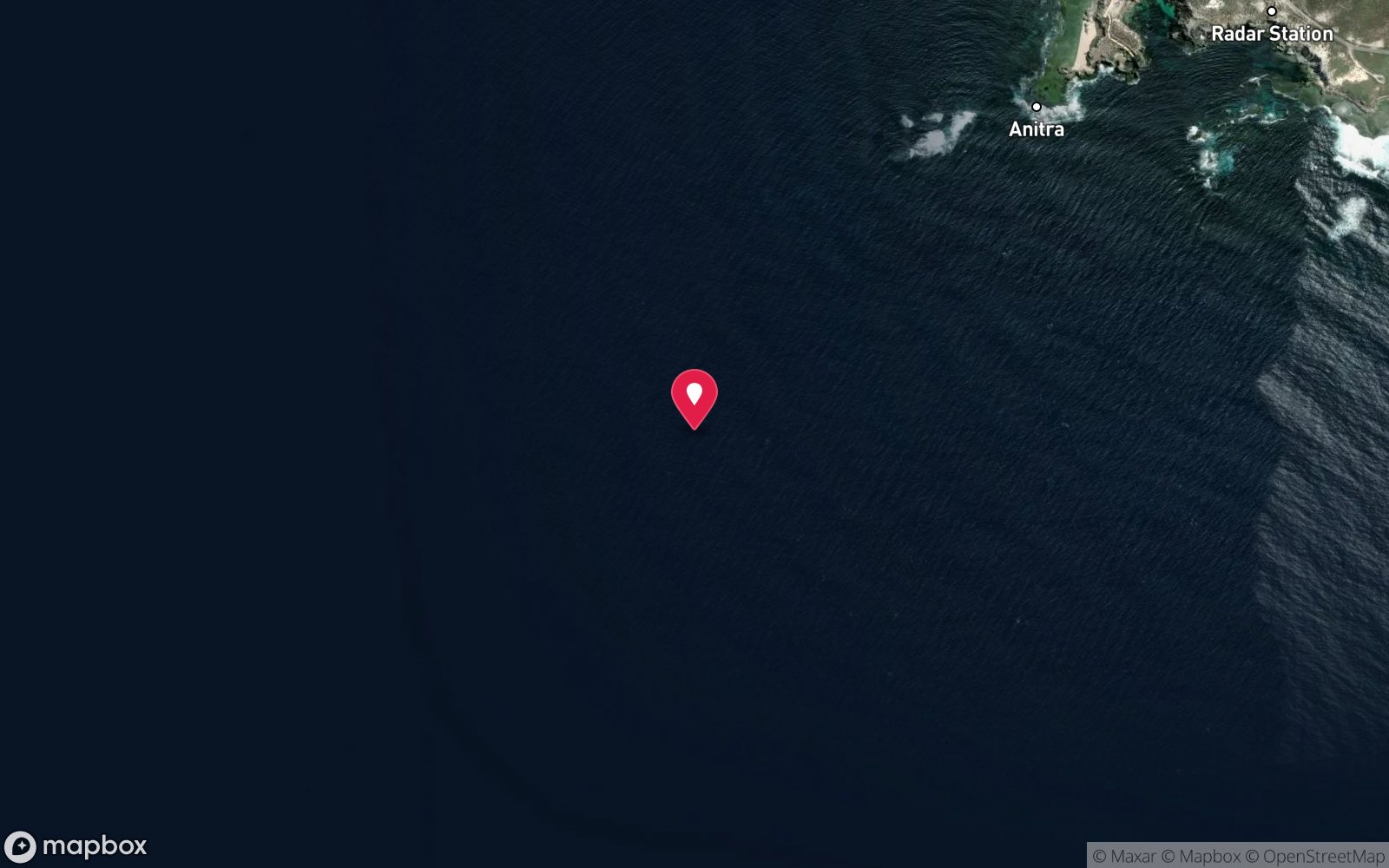
7 pinned sites. Pins marked approximate on their pages show the general area only; not for navigation.
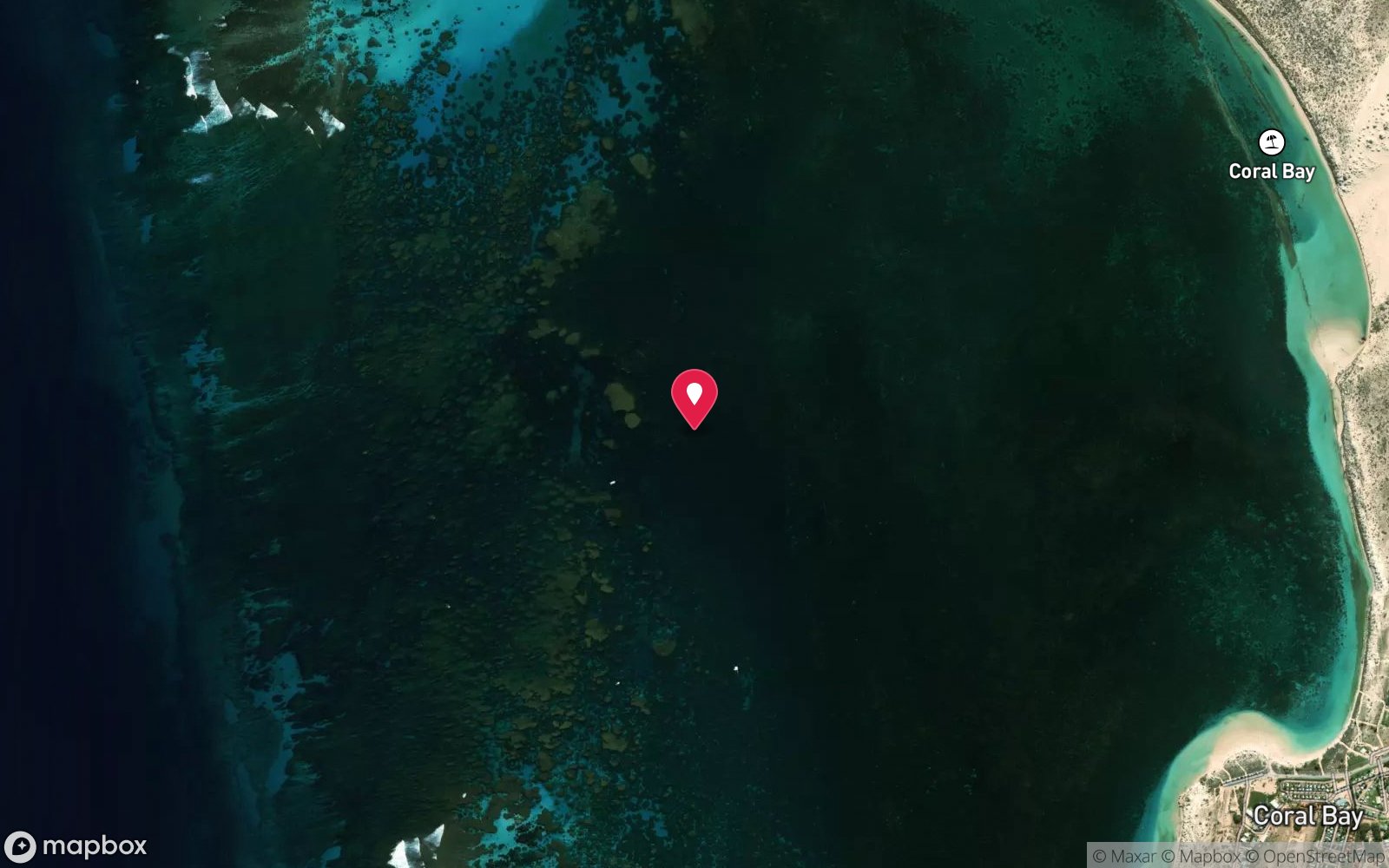
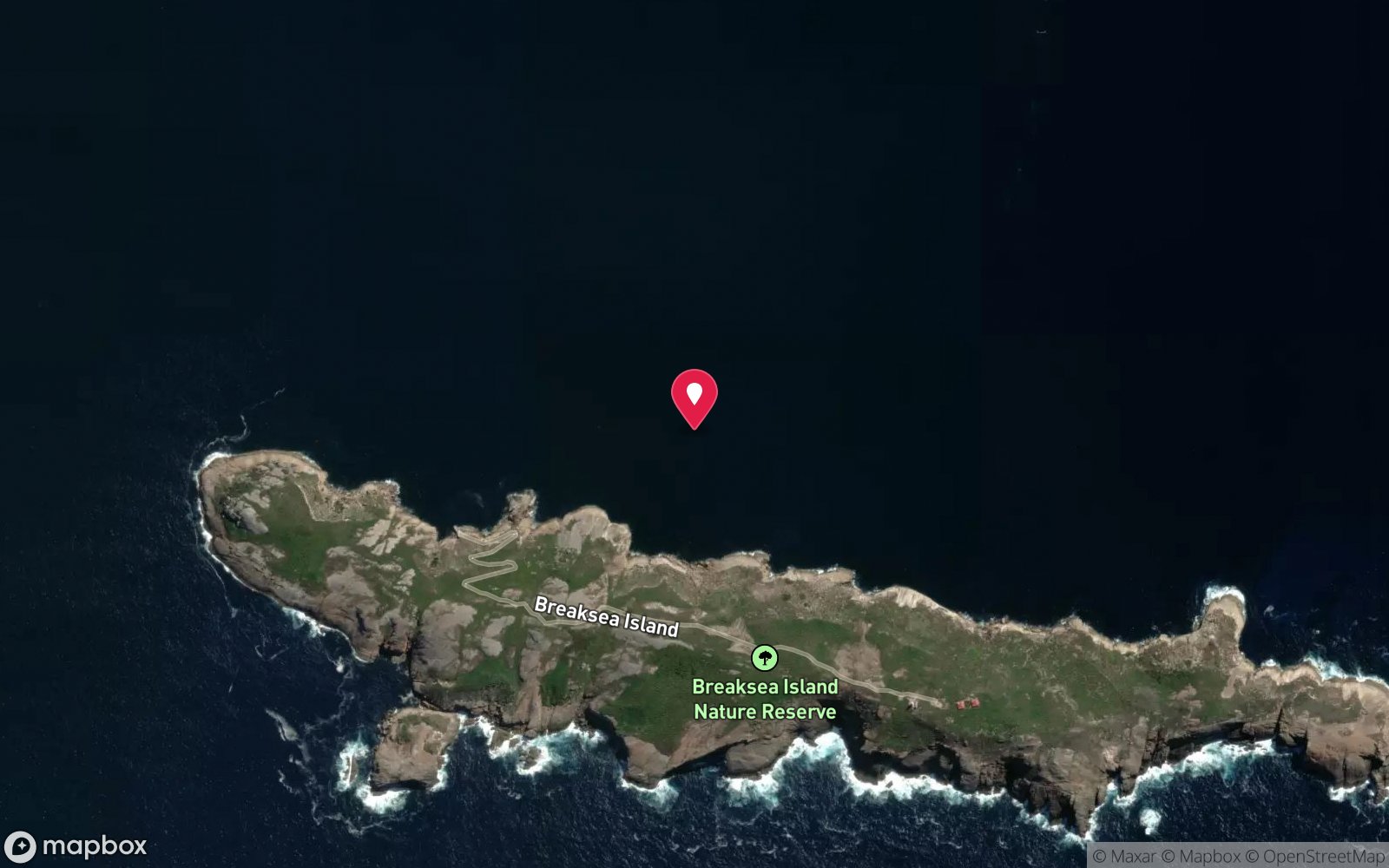
Satellite views
10 Metre Spire: frequently asked questions
How deep is 10 Metre Spire?
10 Metre Spire reaches a maximum depth of 27 m, with the shallowest part at about 10 m; most of the dive is spent around 18 m.
What certification do I need to dive 10 Metre Spire?
Advanced Open Water is the recommended minimum. At more than 25 m this counts as a deep dive: watch no-decompression limits and gas. Rated advanced because of depth beyond 18 m, strong current.
Can I shore dive 10 Metre Spire?
No, it is reached by boat (about 90 minutes). A dive centre is required: boat access only.
When is the best time to dive 10 Metre Spire?
Late summer and autumn (February-May) for calm easterly mornings and the warmest water; winter gives clear water between fronts.
What marine life will I see at 10 Metre Spire?
Regularly recorded: Bullseyes, old wife, buffalo bream, western blue groper, dhufish, samson fish, yellowtail kingfish, hard and soft corals, sponges.
What wetsuit do I need at 10 Metre Spire?
5 mm full wetsuit in summer and autumn; 7 mm or 5 mm with hood and vest in winter and spring.
How cold is the water at 10 Metre Spire?
Typically 21-24 °C in summer and 17-19 °C in winter.
What are the main hazards at 10 Metre Spire?
Strong currents; very exposed - under 1 m swell only; depth to 27 m; remote from help. See the hazards section above for the full list.
Where is the nearest recompression chamber to 10 Metre Spire?
Fiona Stanley Hospital Hyperbaric Medicine Unit (Murdoch, Perth). In an emergency call 000, then DAN Asia-Pacific on 1800 088 200.
Diving in Rottnest Island
Rottnest, 20 km off Fremantle, has more than 50 dive sites, the most shipwrecks on the WA coast (the Rottnest Wreck Trail and the deep Ships' Graveyard beyond) and coral growing at the southern limit of its range. Limestone caves, swim-throughs and ledges at Crystal Palace, Roe Reef and the Shark Cave are the classics; the West End has seals and pelagics.
Getting there: Ferries from Fremantle, Perth and Hillarys; charter boats from Fremantle run day trips. Several bays can be dived from the shore by bike-and-fin.
Sources
Data confidence: Medium. Last updated September 2026. Know this site better? How to send a correction