Dive slate · divesites.com.au · printed 8 Nov 2026
Tommy Grahams Cave
Nullarbor Caves, Western Australia · near Cocklebiddy
| Depth | 0–36 m |
|---|---|
| Minimum level | Cave/Cavern certification |
| Difficulty | Expert/Technical |
| Access | Shore |
| Entry | Crawl through 'The Birth Canal' restriction and descend a 55-degree slope to the water |
| Current | None |
| Visibility | 20-40 m |
| Water | summer 24 °C, winter 24 °C |
| Suit | 5 mm wetsuit (warm 24°C water); some CCR divers use drysuits |
| Best season | April-October (cooler surface temperatures for gear hauls) |
| Position | -32.06000, 126.30000 (approximate) |
| Permit | Access by written application at least four weeks in advance to the District Manager, Department of Biodiversity, Conservation and Attractions (formerly Parks and Wildlife), PO Box 234, Esperance WA 6450, with CDAA indemnity/application forms, attendee list, dates, emergency contacts and current CDAA cards. |
| Nearest chamber | Fiona Stanley Hospital Hyperbaric Medicine Unit (Murdoch, Perth) – about 1,100-1,400 km; RFDS aeromedical evacuation essential (Royal Adelaide Hospital hyperbaric unit may be closer for sites near Eucla) |
| Emergency | 000 · DAN Asia-Pacific diving emergency 1800 088 200 |
Tommy Grahams Cave
Also known as Tommy Graham's Cave
A warm-water phreatic maze with a striking halocline, a CO2-filled inner chamber and a punishing entry.
Near Cocklebiddy · Nullarbor Caves, Western Australia
- Depth
- 0–36 m
- Minimum level
- Cave/Cavern certification
- Access
- Shore
- Boat ride
- —
- Water
- 24 °C
- Visibility
- 20-40 m
Tommy Grahams Cave0–36 m · Cave/Cavern certification · Shore
Dive factsDepths, conditions, location & safety
Season
Off-peak nowBest months: April, May, June, July, August, September, October.
April-October (cooler surface temperatures for gear hauls)
- Best months
- Now (November)
Dive facts
- Depth
- 0–36 m
- Typical depth
- 20 m
- Certification
- Cave/Cavern certification
- Difficulty
- Expert/Technical
- Depth tier
- Deep / Advanced + experience (30–40 m)
- Access
- Shore
- Dive centre needed
- Yes – permit/guide required
- Shore / independent
- No
- Current
- None
- Visibility
- 20-40 m
- Water temp (summer)
- 24 °C
- Water temp (winter)
- 24 °C
- Water
- Temperate
- Dive traffic
- Remote/expedition only
- Night dive
- No
- Snorkel friendly
- No
Exposure suit
5 mm wetsuit (warm 24°C water); some CCR divers use drysuits
Location
Cocklebiddy · Nullarbor Plain – Caves
-32.06000, 126.30000
Approximate position — not for navigation.
Open in Google MapsPrimary source: tdisdi.comMarine park & permits
Access by written application at least four weeks in advance to the District Manager, Department of Biodiversity, Conservation and Attractions (formerly Parks and Wildlife), PO Box 234, Esperance WA 6450, with CDAA indemnity/application forms, attendee list, dates, emergency contacts and current CDAA cards.
Nearest recompression chamber
Fiona Stanley Hospital Hyperbaric Medicine Unit (Murdoch, Perth) – about 1,100-1,400 km; RFDS aeromedical evacuation essential (Royal Adelaide Hospital hyperbaric unit may be closer for sites near Eucla)
Diving emergency: call 000, then DAN AP 1800 088 200.
Trip planner
Build a trip around Tommy Grahams Cave →
A day-by-day plan for Nullarbor Caves with this site locked in.
This guide is a planning aid. Conditions change daily — confirm with a local dive centre and dive within your training. Data & safety notes.
Dive profile
How this site rates
Scores are computed from the recorded data, not opinions. How?
At a glance
Tommy Grahams Cave is a cave / cavern dive in Nullarbor Caves, WA, 0–36 m, suited to Cave/Cavern certification divers.
Rated expert/technical because of depth to 36 m, an overhead environment, cold water.
Why dive here
- A warm-water phreatic maze with a striking halocline, a CO2-filled inner chamber and a punishing entry.
- Rarely dived: expect to have the site to yourself, and plan your own logistics.
- Visibility often reaches 20-40 m.
About Tommy Grahams Cave
Tommy Grahams is the Nullarbor cave rated 'Cave' (rather than Advanced Cave) by the CDAA, but it is no easy dive. The CDAA site description traces a steep entrance slope down a nearly choked rockpile into the main chamber and a small lake, then a 190 m sump through a phreatic maze to an 80 m dry chamber with another lake. Beyond, Glacier Lake leads 130 m to a 30 m-diameter rockpile chamber blocked 35 m above the water.
A TDI trip report adds detail: the first sump reaches an official 30 m depth (the team recorded 36.4 m), with named passages including The Keyhole, The Five Ways, The Blue Room – which has an amazing halocline – and The Slot. The dry 'Inner Sanctum' has high CO2, so divers breathe from their cylinders or rebreathers while crossing. Water and air in the cave are a relatively warm 24°C.
The cave was explored from Christmas 1973/74, with about 1,300 m added in the early expeditions; the final rock pile could not be passed in 1975. Divernet notes that only 50-60 people have reached the furthest point, and that the system may extend for many kilometres.
The entry is brutal – a restriction called The Birth Canal and a 55-degree slope – and the site is remote. Divers must apply to DBCA Esperance four weeks ahead. Teams typically base themselves at Cocklebiddy and allow several days for the hauls, dives and recovery. Rebreathers make the Inner Sanctum crossing and long dives more manageable.
Getting there & entry
Nullarbor cave about 30 minutes off-track from Cocklebiddy, with a steep entrance rockpile, a 190 m first sump to 30-36 m through a phreatic maze, the CO2-rich 'Inner Sanctum' and a 130 m second sump from Glacier Lake; warm 24°C water.
The Nullarbor caves lie along the Eyre Highway between Norseman and the SA border, roughly 11-14 hours' drive from Perth. Cocklebiddy Roadhouse (fuel, meals, water, showers) is the base for the central caves; Norseman, 435 km west, is the nearest regional centre. Access to the cave entrances is by unsealed station/bush tracks (4WD recommended), and all cylinders, compressors, gas, water and rope/hauling gear must be carried in.
From Cocklebiddy Roadhouse, Tommy Grahams is a further 30 minutes by track. The entrance is at about 90 m above sea level, with the water table at sea level: divers crawl through a restriction known as 'The Birth Canal' and descend a 55-degree slope to the lake – a haul one team compared to climbing a 30-storey building, taking four people six hours. DBCA written permission is required.
Entry: Crawl through 'The Birth Canal' restriction and descend a 55-degree slope to the water
Facilities: None at the cave; Cocklebiddy Roadhouse 30 minutes.
Weather, swell & tides
Surface weather matters mainly for access and safety: summer temperatures can exceed 45°C, making gear hauls dangerous, while winter nights are cold. Heavy rain is rare but can flood entrances and destabilise rockpiles (the 1988 Pannikin Plains collapse followed a severe storm). Underwater conditions are stable year-round: groundwater at about 19°C (24°C at Tommy Grahams), often brackish to saline with haloclines, and visibility commonly 20-50 m or more unless disturbed.
Autumn to spring (April-October) is the usual expedition season. Tommy Grahams' water and dry cave are about 24°C – warmer than the other central caves – and the Inner Sanctum air chamber has high CO2 levels.
Best season: April-October (cooler surface temperatures for gear hauls)
How the dive is usually run
Cave-rated divers dive the entrance lake and first sump through the phreatic maze (The Keyhole, Five Ways, Blue Room with its halocline). Crossing the 80 m Inner Sanctum requires breathing from cylinders/CCR because of CO2; the second sump from Glacier Lake runs 130 m to the Terminal Rock Pile.
Marine life
- Stygofauna; no fish
Linked species have their own page listing every site where they are recorded. All marine life →
Training required
The recreational limit. Operators expect a Deep Diver specialty or Advanced plus a log of similar dives, and most recommend nitrox.
This is a deep dive: plan gas, bottom time and a safety stop accordingly, and consider nitrox.
Courses that help here
- Enriched Air Nitrox – Longer no-decompression time at 25 m and deeper.
- Deep Diver – The site reaches 36 m.
- Cavern Diver – An overhead environment.
- Drysuit Diver – Cold water; locals dive dry for much of the year.
Depth tiers: 0–10 m easy · to 18 m Open Water · 18–30 m Advanced (25 m+ is a deep dive) · 30–40 m Deep specialty · 40 m+ technical. All courses
Hazards & warnings
High CO2 in the Inner Sanctum – breathe from gas supply; restriction at entry; steep slope carries; depth to 36 m; halocline visibility; remoteness; permit required.
Technical notes
CDAA Cave rating (Wikipedia/CDAA site list). DBCA Esperance permit, four weeks' notice. Carry gas/CCR for CO2 chamber crossing; plan multi-hour gear hauls.
Dive centres that go here
No operator – CDAA-rated divers by permission only.
All dive centres in Western Australia →
Operators mentioned: None – CDAA members/expeditions only
Map
7 pinned sites. Pins marked approximate on their pages show the general area only; not for navigation.
Satellite views
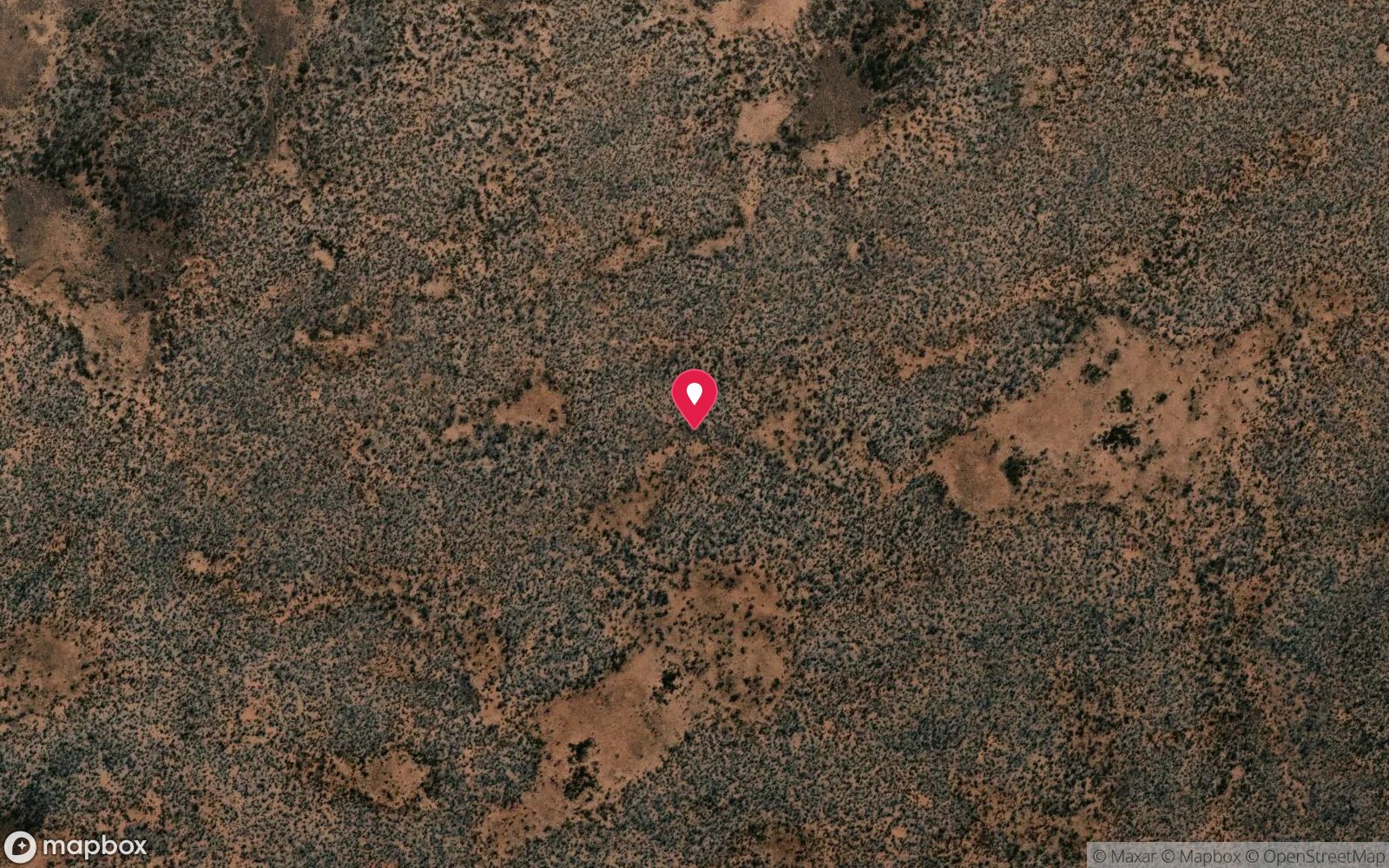
Tommy Grahams Cave: frequently asked questions
How deep is Tommy Grahams Cave?
Tommy Grahams Cave reaches a maximum depth of 36 m, with the shallowest part at about 0 m; most of the dive is spent around 20 m.
What certification do I need to dive Tommy Grahams Cave?
Cave/Cavern certification is the recommended minimum. This is a deep dive: plan gas, bottom time and a safety stop accordingly, and consider nitrox. Rated expert/technical because of depth to 36 m, an overhead environment, cold water.
Can I shore dive Tommy Grahams Cave?
No, it is reached by boat. A dive centre is required: permit/guide required.
When is the best time to dive Tommy Grahams Cave?
April-October (cooler surface temperatures for gear hauls).
What marine life will I see at Tommy Grahams Cave?
Regularly recorded: Stygofauna; no fish.
What wetsuit do I need at Tommy Grahams Cave?
5 mm wetsuit (warm 24°C water); some CCR divers use drysuits.
How cold is the water at Tommy Grahams Cave?
Typically 24 °C in summer and 24 °C in winter.
What are the main hazards at Tommy Grahams Cave?
High CO2 in the Inner Sanctum – breathe from gas supply; restriction at entry; steep slope carries; depth to 36 m; halocline visibility; remoteness; permit required. See the hazards section above for the full list.
Where is the nearest recompression chamber to Tommy Grahams Cave?
Fiona Stanley Hospital Hyperbaric Medicine Unit (Murdoch, Perth) – about 1,100-1,400 km; RFDS aeromedical evacuation essential (Royal Adelaide Hospital hyperbaric unit may be closer for sites near Eucla). In an emergency call 000, then DAN Asia-Pacific on 1800 088 200.
Diving in Nullarbor Caves
Under the Nullarbor Plain lie some of the longest and deepest underwater cave systems on earth: Cocklebiddy (more than 6 km of passage), Weebubbie, Tommy Grahams, Murra-El-Elevyn and Pannikin Plain. These are expedition cave dives requiring permits from the WA Department of Biodiversity, Conservation and Attractions, full cave qualifications and self-sufficiency in a place with no services.
Getting there: By road along the Eyre Highway, 1,200 km east of Perth; the caves are on pastoral leases or in reserves with locked gates.
Sources
- tdisdi.com/tdi-diver-news/trip-report-tommy-grahams-cave
- cavedivers.com.au/index.cfm?module=businessdirectory&pagemode=indiv&action=details&page_id=1404666
- divernet.com/scuba-diving/the-nullarbor-the-big-ones
- cavediving.net.au/index.php/history/188-penetration-diving-on-the-nullarbor-plain-1974-77
- en.wikipedia.org/wiki/Cave_Divers_Association_of_Australia
Data confidence: High · Being verified: Coordinates approximate (v1).. Last updated September 2026. Know this site better? How to send a correction