Dive slate · divesites.com.au · printed 8 Nov 2026
Weebubbie Cave
Nullarbor Caves, Western Australia · near Eucla
| Depth | 0–40 m |
|---|---|
| Minimum level | Cave/Cavern certification |
| Difficulty | Expert/Technical |
| Access | Shore |
| Entry | 30-40 m rope/haul descent of the doline and boulder slope, then carry to the lake |
| Current | None |
| Visibility | 20-50 m |
| Water | summer 19 °C, winter 19 °C |
| Suit | Drysuit or 5-7 mm wetsuit; many divers use drysuits for long exposures and dry-cave carries |
| Best season | April-October (cooler surface temperatures for gear hauls) |
| Position | -31.63000, 128.86000 (approximate) |
| Permit | Written permission via WA Department of Planning, Lands and Heritage (proposals@dplh.wa.gov.au) plus landowner permission; CDAA membership required. |
| Nearest chamber | Fiona Stanley Hospital Hyperbaric Medicine Unit (Murdoch, Perth) – about 1,100-1,400 km; RFDS aeromedical evacuation essential (Royal Adelaide Hospital hyperbaric unit may be closer for sites near Eucla) |
| Emergency | 000 · DAN Asia-Pacific diving emergency 1800 088 200 |
Weebubbie Cave
Also known as Weebubbie, 6N2
A colossal flooded tunnel near Eucla with 150 m lakes, extreme clarity and deep Advanced Cave sections.
Near Eucla · Nullarbor Caves, Western Australia
- Depth
- 0–40 m
- Minimum level
- Cave/Cavern certification
- Access
- Shore
- Boat ride
- —
- Water
- 19 °C
- Visibility
- 20-50 m
Weebubbie Cave0–40 m · Cave/Cavern certification · Shore
Dive factsDepths, conditions, location & safety
Season
Off-peak nowBest months: April, May, June, July, August, September, October.
April-October (cooler surface temperatures for gear hauls)
- Best months
- Now (November)
Dive facts
- Depth
- 0–40 m
- Typical depth
- 15 m
- Certification
- Cave/Cavern certification
- Difficulty
- Expert/Technical
- Depth tier
- Deep / Advanced + experience (30–40 m)
- Access
- Shore
- Dive centre needed
- Yes – permit/guide required
- Shore / independent
- No
- Current
- None
- Visibility
- 20-50 m
- Water temp (summer)
- 19 °C
- Water temp (winter)
- 19 °C
- Water
- Temperate
- Dive traffic
- Remote/expedition only
- Night dive
- No
- Snorkel friendly
- No
Exposure suit
Drysuit or 5-7 mm wetsuit; many divers use drysuits for long exposures and dry-cave carries
Location
Eucla · Nullarbor Plain – Caves
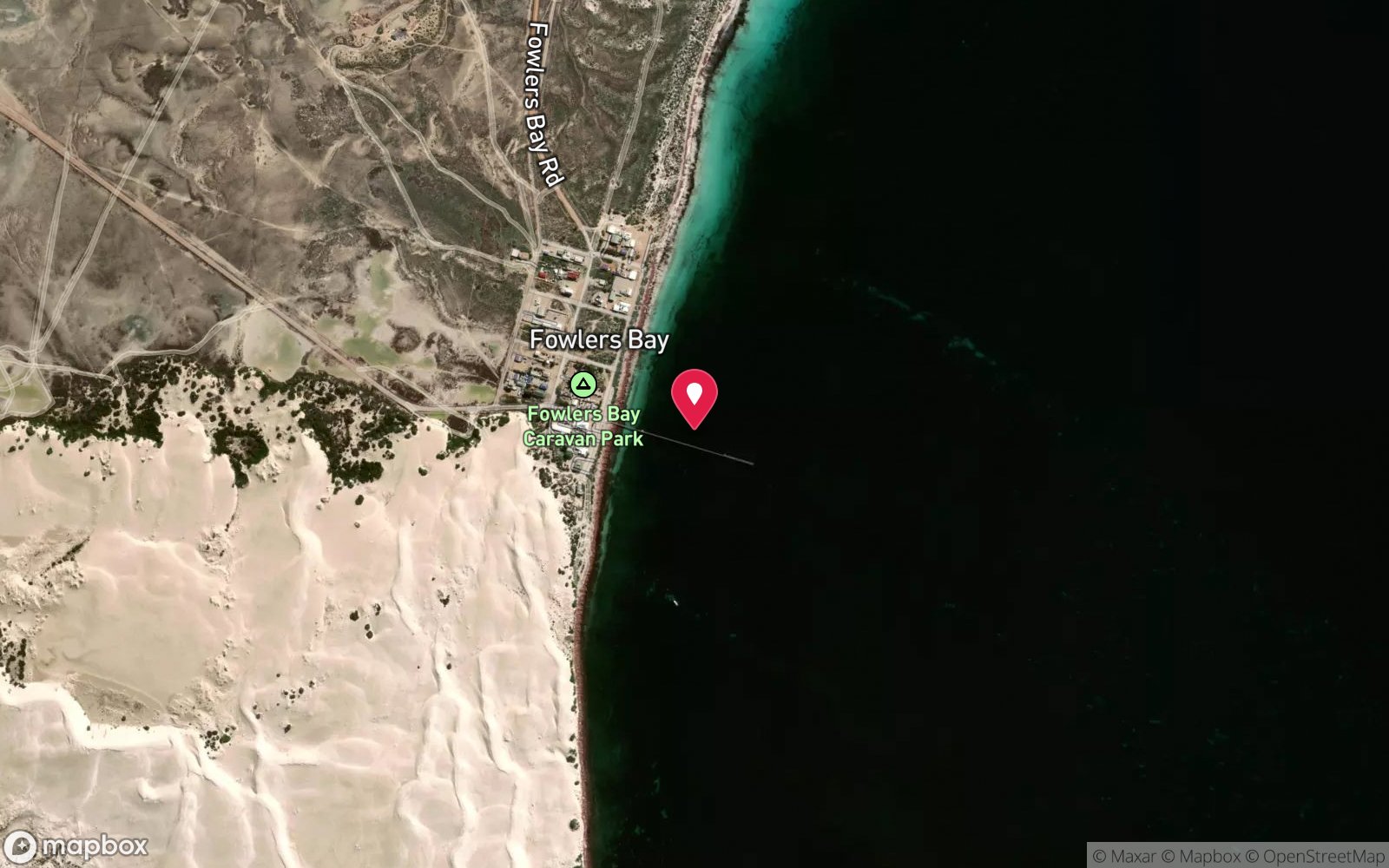
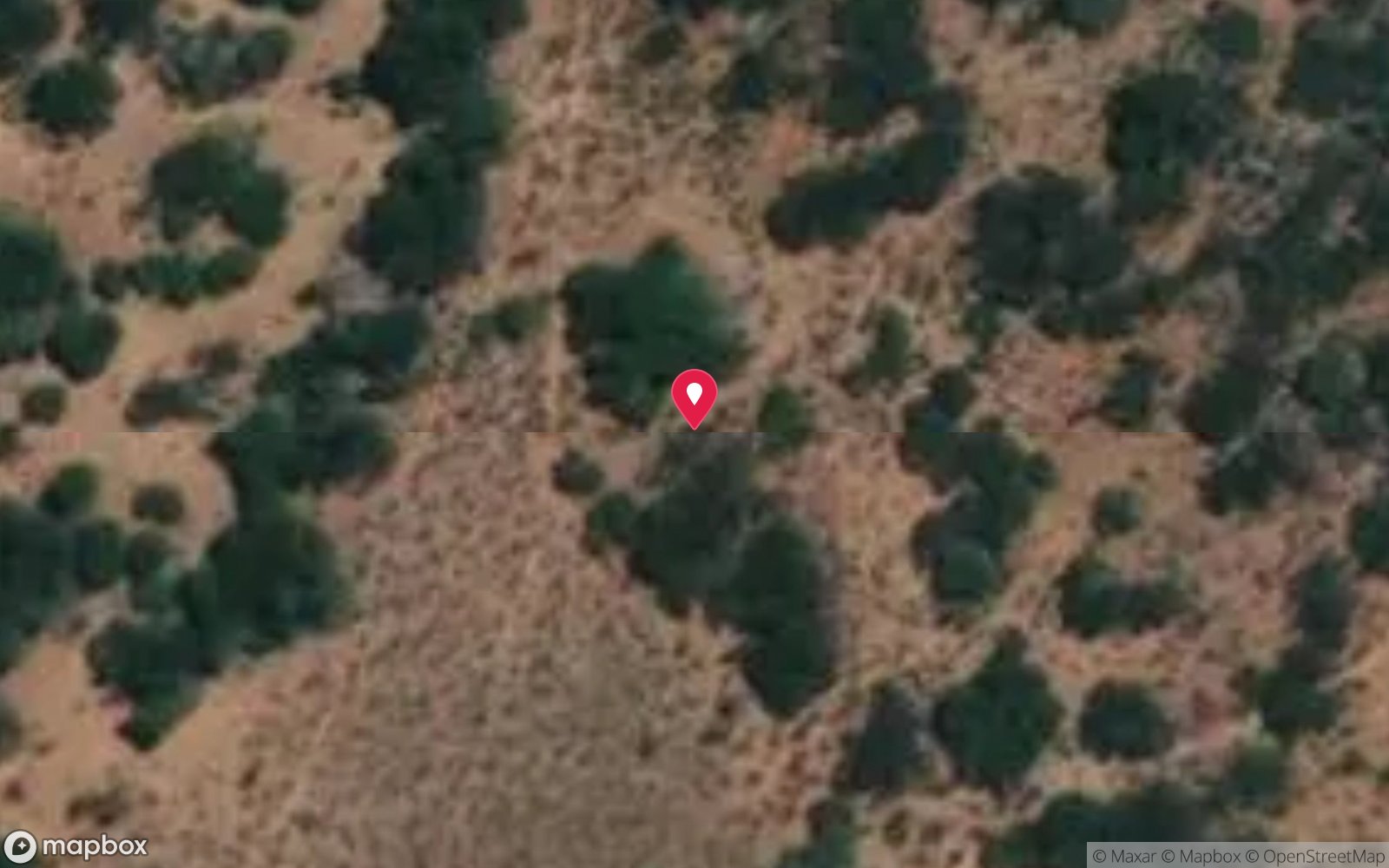
-31.63000, 128.86000
Approximate position — not for navigation.
Open in Google MapsPrimary source: cavedivers.com.auMarine park & permits
Written permission via WA Department of Planning, Lands and Heritage (proposals@dplh.wa.gov.au) plus landowner permission; CDAA membership required.
Nearest recompression chamber
Fiona Stanley Hospital Hyperbaric Medicine Unit (Murdoch, Perth) – about 1,100-1,400 km; RFDS aeromedical evacuation essential (Royal Adelaide Hospital hyperbaric unit may be closer for sites near Eucla)
Diving emergency: call 000, then DAN AP 1800 088 200.
Trip planner
Build a trip around Weebubbie Cave →
A day-by-day plan for Nullarbor Caves with this site locked in.
This guide is a planning aid. Conditions change daily — confirm with a local dive centre and dive within your training. Data & safety notes.
Dive profile
How this site rates
Scores are computed from the recorded data, not opinions. How?
At a glance
Weebubbie Cave is a cave / cavern dive in Nullarbor Caves, WA, 0–40 m, suited to Cave/Cavern certification divers.
Rated expert/technical because of depth to 40 m, an overhead environment, cold water.
Why dive here
- A colossal flooded tunnel near Eucla with 150 m lakes, extreme clarity and deep Advanced Cave sections.
- Rarely dived: expect to have the site to yourself, and plan your own logistics.
- Visibility often reaches 20-50 m.
About Weebubbie Cave
Weebubbie is the grandest of the Nullarbor's show-caves for divers. The CDAA describes a large talus-filled main passage heading south-west from the doline to two lakes; the large lake is about 150 m long, and a 100 m sump connects to further airspace and submerged passages, with a 150 m south-east offshoot. The smaller lake reaches 28 m. Visiting writers describe it as the biggest tunnel they have ever seen, with sun-baked orange-brown walls and vast bouldery terrain beyond the reach of torches, and water so clear it makes a swimming pool look murky.
Exploration dates to the 1970s: in late 1974 and August 1975 divers pushed the Railway Tunnel to about 40 m depth and 400 m length, facing decompression problems in depths over 33 m and noting long unexplored tunnels. More recent work has explored deeper sections, including the 'Snot Room' below 40 m, named for bacterial growths.
The CDAA tri-rates the site: the northern pool is Sinkhole-rated, the majority of the cave Cave-rated, and the deep section below 40 m, the Y-shaped tunnel and the Railway Tunnel are Advanced Cave-rated. Access requires written permission at least four weeks ahead (currently via proposals@dplh.wa.gov.au), a site indemnity for each visit, current CDAA cards and landowner permission.
Weebubbie is extraordinarily remote and physically demanding: equipment must be hauled down a 30-40 m drop and carried across boulders. It suits well-organised teams of cave-qualified divers prepared for a self-contained expedition. The same palaeontological richness that makes Nullarbor caves important – fossils of extinct megafauna have been recovered from the region's caves – means divers must avoid disturbing sediments and bones.
Getting there & entry
Large Nullarbor cave near Eucla with a huge talus-filled passage leading from a collapse doline to two lakes; tri-rated by CDAA (Sinkhole, Cave, Advanced Cave), with the smaller lake reaching 28 m and the Railway Tunnel to 40 m.
The Nullarbor caves lie along the Eyre Highway between Norseman and the SA border, roughly 11-14 hours' drive from Perth. Cocklebiddy Roadhouse (fuel, meals, water, showers) is the base for the central caves; Norseman, 435 km west, is the nearest regional centre. Access to the cave entrances is by unsealed station/bush tracks (4WD recommended), and all cylinders, compressors, gas, water and rope/hauling gear must be carried in.
Weebubbie is near Eucla, close to the WA-SA border, reached by 4WD track from the Eyre Highway. The entry requires a hauling frame for a 30-40 m vertical rope descent into the doline, then a long scramble down a talus slope into the main passage to the 150 m main lake. Written permission is required (see permit field).
Entry: 30-40 m rope/haul descent of the doline and boulder slope, then carry to the lake
Facilities: None at the cave. Eucla (roadhouse, motel, fuel) nearby.
Weather, swell & tides
Surface weather matters mainly for access and safety: summer temperatures can exceed 45°C, making gear hauls dangerous, while winter nights are cold. Heavy rain is rare but can flood entrances and destabilise rockpiles (the 1988 Pannikin Plains collapse followed a severe storm). Underwater conditions are stable year-round: groundwater at about 19°C (24°C at Tommy Grahams), often brackish to saline with haloclines, and visibility commonly 20-50 m or more unless disturbed.
Autumn to spring (April-October) is the usual expedition season. The main lake is still and clear; deep sections below 40 m require decompression planning.
Best season: April-October (cooler surface temperatures for gear hauls)
How the dive is usually run
Sinkhole-rated divers are limited to the northern pool. Cave-rated divers dive the main lake and first sump on laid line, managing depth to about 30 m. Advanced Cave divers can continue into the Y-shaped tunnel, the Railway Tunnel and the deep 'Snot Room' below 40 m with appropriate gas and decompression plans.
Marine life
- Stygofauna; bacterial mats ('snot') in deep sections; no fish
Linked species have their own page listing every site where they are recorded. All marine life →
Training required
The recreational limit. Operators expect a Deep Diver specialty or Advanced plus a log of similar dives, and most recommend nitrox.
This is a deep dive: plan gas, bottom time and a safety stop accordingly, and consider nitrox.
Courses that help here
- Enriched Air Nitrox – Longer no-decompression time at 25 m and deeper.
- Deep Diver – The site reaches 40 m.
- Cavern Diver – An overhead environment.
- Drysuit Diver – Cold water; locals dive dry for much of the year.
Depth tiers: 0–10 m easy · to 18 m Open Water · 18–30 m Advanced (25 m+ is a deep dive) · 30–40 m Deep specialty · 40 m+ technical. All courses
Hazards & warnings
Vertical rope descent and heavy gear hauling; boulder slopes; depth beyond 40 m in advanced sections; decompression; extreme remoteness; permit required; heat.
Technical notes
CDAA tri-rated: Sinkhole (northern pool), Cave (most of site), Advanced Cave (below 40 m, Y tunnel, Railway Tunnel). Apply at least four weeks in advance to proposals@dplh.wa.gov.au with indemnities, attendee list, dates, emergency contacts, CDAA cards and landowner permission. Trimix and staged decompression for deep sections; hauling frame and SRT gear for entry.
Dive centres that go here
No operator – CDAA-rated divers by permission only.
All dive centres in Western Australia →
Operators mentioned: None – CDAA members/expeditions only
Map
7 pinned sites. Pins marked approximate on their pages show the general area only; not for navigation.
Satellite views
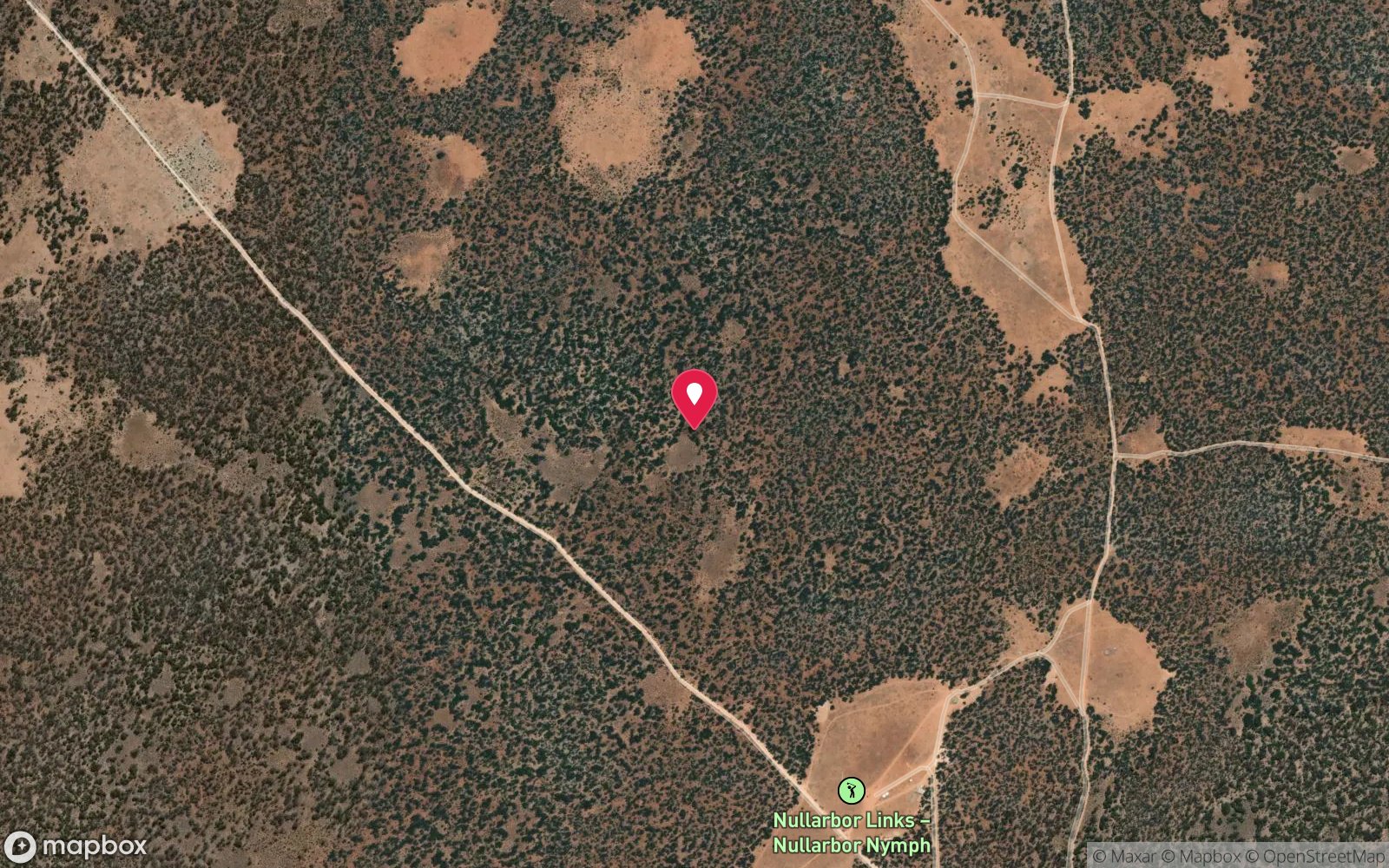
Weebubbie Cave: frequently asked questions
How deep is Weebubbie Cave?
Weebubbie Cave reaches a maximum depth of 40 m, with the shallowest part at about 0 m; most of the dive is spent around 15 m.
What certification do I need to dive Weebubbie Cave?
Cave/Cavern certification is the recommended minimum. This is a deep dive: plan gas, bottom time and a safety stop accordingly, and consider nitrox. Rated expert/technical because of depth to 40 m, an overhead environment, cold water.
Can I shore dive Weebubbie Cave?
No, it is reached by boat. A dive centre is required: permit/guide required.
When is the best time to dive Weebubbie Cave?
April-October (cooler surface temperatures for gear hauls).
What marine life will I see at Weebubbie Cave?
Regularly recorded: Stygofauna; bacterial mats ('snot') in deep sections; no fish.
What wetsuit do I need at Weebubbie Cave?
Drysuit or 5-7 mm wetsuit; many divers use drysuits for long exposures and dry-cave carries.
How cold is the water at Weebubbie Cave?
Typically 19 °C in summer and 19 °C in winter.
What are the main hazards at Weebubbie Cave?
Vertical rope descent and heavy gear hauling; boulder slopes; depth beyond 40 m in advanced sections; decompression; extreme remoteness; permit required; heat. See the hazards section above for the full list.
Where is the nearest recompression chamber to Weebubbie Cave?
Fiona Stanley Hospital Hyperbaric Medicine Unit (Murdoch, Perth) – about 1,100-1,400 km; RFDS aeromedical evacuation essential (Royal Adelaide Hospital hyperbaric unit may be closer for sites near Eucla). In an emergency call 000, then DAN Asia-Pacific on 1800 088 200.
Diving in Nullarbor Caves
Under the Nullarbor Plain lie some of the longest and deepest underwater cave systems on earth: Cocklebiddy (more than 6 km of passage), Weebubbie, Tommy Grahams, Murra-El-Elevyn and Pannikin Plain. These are expedition cave dives requiring permits from the WA Department of Biodiversity, Conservation and Attractions, full cave qualifications and self-sufficiency in a place with no services.
Getting there: By road along the Eyre Highway, 1,200 km east of Perth; the caves are on pastoral leases or in reserves with locked gates.
Sources
- cavedivers.com.au/index.cfm?module=businessdirectory&pagemode=indiv&action=details&page_id=1404677
- divernet.com/scuba-diving/the-nullarbor-the-big-ones
- cavediving.net.au/index.php/history/188-penetration-diving-on-the-nullarbor-plain-1974-77
- nullarborroadhouse.com.au/cave-diving-in-the-nullarbor-weebubbie-and-cocklebiddy
- en.wikipedia.org/wiki/Cave_Divers_Association_of_Australia
Data confidence: High · Being verified: Coordinates approximate (v1); 'Snot Room' naming origin from general knowledge.. Last updated September 2026. Know this site better? How to send a correction