Dive slate · divesites.com.au · printed 8 Nov 2026
HMAS Swan Wreck
Geographe Bay & Busselton, Western Australia · near Dunsborough
| Depth | 8–31 m |
|---|---|
| Minimum level | Deep/Advanced + experience |
| Difficulty | Intermediate |
| Access | Boat (day trip) |
| Entry | Giant stride from charter boat or public mooring; descend the mooring line |
| Current | Mild |
| Visibility | 10-30 m |
| Water | summer 19-22 °C, winter 16-18 °C |
| Suit | 5 mm wetsuit in summer and autumn; 7 mm or semi-dry with hood in winter and spring |
| Best season | Mid-September to mid-May (peak visibility 10-25 m, 19-22 C) |
| Bottom time | 30 min |
| Position | -33.55133, 115.09938 (GPS) |
| Permit | Geographe Bay Artificial Reef Society (GBARS) dive permit required (day, month or year - via Swan Dive or Busselton/Dunsborough visitor centres); no fishing within 200 m of the yellow marker buoy; within Ngari Capes Marine Park |
| Nearest chamber | Fiona Stanley Hospital Hyperbaric Medicine Unit (Murdoch, Perth) |
| Emergency | 000 · DAN Asia-Pacific diving emergency 1800 088 200 |
HMAS Swan Wreck
Also known as Ex-HMAS Swan, HMAS Swan (DE 50), Fluffy Duck
A 113 m warship upright in 31 m with the crow's nest at 8 m and cut-outs for safe penetration - Australia's first purpose-sunk warship dive site.
Near Dunsborough · Geographe Bay & Busselton, Western Australia
- Depth
- 8–31 m
- Minimum level
- Deep/Advanced + experience
- Access
- Boat (day trip)
- Boat ride
- ~25 min
- Water
- 19-22 °C
- Visibility
- 10-30 m
HMAS Swan Wreck8–31 m · Deep/Advanced + experience
Dive factsDepths, conditions, location & safety
Season
Off-peak nowBest months: May, September.
Mid-September to mid-May (peak visibility 10-25 m, 19-22 C)
- Best months
- Now (November)
Dive facts
- Depth
- 8–31 m
- Typical depth
- 18 m
- Certification
- Deep/Advanced + experience
- Difficulty
- Intermediate
- Depth tier
- Deep / Advanced + experience (30–40 m)
- Access
- Boat (day trip)
- Offshore
- 2 km
- Dive centre needed
- Yes – permit/guide required
- Shore / independent
- No
- Boat ride
- ~25 min
- Current
- Mild
- Visibility
- 10-30 m
- Water temp (summer)
- 19-22 °C
- Water temp (winter)
- 16-18 °C
- Water
- Temperate
- Bottom time
- 30 min
- Dive traffic
- Very popular (dived daily)
- Night dive
- Possible
- Snorkel friendly
- No
Exposure suit
5 mm wetsuit in summer and autumn; 7 mm or semi-dry with hood in winter and spring
Location
Off Eagle Bay / Meelup (Geographe Bay) · South West WA - Dunsborough, Geographe Bay & Cape Naturaliste
-33.55133, 115.09938
Published GPS position.
Open in Google MapsDive site map (external) →Primary source: divingwawrecks.comMarine park & permits
Geographe Bay Artificial Reef Society (GBARS) dive permit required (day, month or year - via Swan Dive or Busselton/Dunsborough visitor centres); no fishing within 200 m of the yellow marker buoy; within Ngari Capes Marine Park
Nearest recompression chamber
Fiona Stanley Hospital Hyperbaric Medicine Unit (Murdoch, Perth)
Diving emergency: call 000, then DAN AP 1800 088 200.
Trip planner
Build a trip around HMAS Swan Wreck →
A day-by-day plan for Geographe Bay & Busselton with this site locked in.
This guide is a planning aid. Conditions change daily — confirm with a local dive centre and dive within your training. Data & safety notes.
Dive profile
How this site rates
Scores are computed from the recorded data, not opinions. How?
At a glance
HMAS Swan Wreck is a wreck boat dive in Geographe Bay & Busselton, WA, 8–31 m, suited to Deep/Advanced + experience divers, about 25 minutes by boat.
Rated intermediate because of depth to 31 m, boat traffic overhead, wreck penetration options that need training.
Why dive here
- A 113 m warship upright in 31 m with the crow's nest at 8 m and cut-outs for safe penetration - Australia's first purpose-sunk warship dive site.
- Sunk in 1997.
- Visibility often reaches 10-30 m.
About HMAS Swan Wreck
HMAS Swan is Western Australia's most famous dive wreck and, according to divingwawrecks, the first purpose-sunk warship prepared as an artificial reef in Australian waters. She was a 113-114 m River-class destroyer escort (DE 50) of about 2,100 tons, built in Victoria in 1968 and commissioned into the Royal Australian Navy on 20 January 1970. After 27 years and 775,870 nautical miles of service, mostly in South-East Asian and Australian waters, she was stripped, cleaned and scuttled off Eagle Bay in December 1997 in front of about 10,000 spectators. She settled upright on sand at 31 m with a slight list to port, 1 nm north of Eagle Bay.
The wreck rises 24 m from the seabed: the crow's nest is at about 8 m and the main deck at about 18 m, so divers of all levels can enjoy it. Large access holes were cut in the hull before scuttling, allowing light into the interior and giving many safe routes inside and out. Marinelife.org.au describes a grey naval hull lightly dusted with silt and increasingly covered in soft corals, with batfish around the crow's nest and bullseyes, King George whiting, samson fish, dhufish, bream, Shaw's cowfish, western blue devils, sweep and talma. Swan Dive adds groupers, and the UWA Underwater Club notes that multiple dives are needed to see the whole ship.
A Geographe Bay Artificial Reef Society permit is required, and fishing and spearfishing are banned within 200 m of the yellow marker buoy. The wreck suits Open Water divers on the upper decks and Advanced and wreck-trained divers who want to explore inside.
The ship and the sinking
HMAS Swan (DE 50) was a River-class destroyer escort built at Williamstown Naval Dockyard in Victoria and commissioned in January 1970, 113 m long and about 2,100 tons. She spent 27 years mostly in South-East Asian and Australian waters and steamed more than 775,000 nautical miles before decommissioning in September 1996.
The Geographe Bay Artificial Reef Society raised the money and did the work to make her a dive site, the first warship in Australia prepared and sunk for divers. She was cleaned, cut with access holes and, on 14 December 1997, scuttled off Eagle Bay near Dunsborough in front of an estimated 10,000 spectators on the shore and in boats.
What is there today
She sits upright on sand in 31 m with the crow's nest at 8 m and the decks in the low 20s. Geographe Bay is sheltered from the prevailing swell, so she is diveable most of the year in 12–20 m visibility; three decades of growth have covered her in sponges and soft corals, with resident samson fish, bullseyes and the occasional sea lion.
Wrecks older than 75 years, and several younger ones, are protected under the Underwater Cultural Heritage Act 2018: look, photograph, take nothing. Australia's oldest wreck dives →
Wreck details
River-class destroyer escort (DE 50), steel, 113-114 m, about 2,100 tons · Sunk 1997
Era: modern, mostly scuttled as artificial reefs. Oldest wrecks · Wartime wrecks · Scuttled warships
Other wrecks of the same era
- Two Fold Bay Wreck · Max 12 m · Perth
- HMAS Perth Wreck · Max 35 m · Albany & Great Southern
- Gemini Wreck · Max 30 m · Perth
- Lena Wreck · Max 18 m · Geographe Bay & Busselton
- Sanko Harvest Wreck · Max 44 m · Esperance & Recherche Archipelago
- South Tomi Wreck · Max 25 m · Geraldton & Abrolhos Islands
Getting there & entry
River-class destroyer escort scuttled as a dive wreck in December 1997, sitting upright in 31 m about 1 nautical mile north of Eagle Bay, between Dunsborough and Cape Naturaliste; two public moorings mark bow and stern.
Swan Dive runs the main charters, departing from Busselton (the shop and cafe are at Port Geographe Marina) on a four-hour trip that includes two dives on the wreck. Private boats can launch at the Quindalup or Dunsborough ramps and run a few kilometres north-west to the moorings off Eagle Bay; a Geographe Bay Artificial Reef Society permit (day, monthly or annual) is required and is sold by Swan Dive and through the Busselton and Dunsborough visitor centres. Tie off to one of the two public moorings (white floats) on the bow and stern.
Entry: Giant stride from charter boat or public mooring; descend the mooring line
Facilities: Two public moorings (white floats) at bow and stern; Swan Dive shop and cafe at Port Geographe Marina for permits, fills, nitrox and hire; ramps at Quindalup and Dunsborough.
Weather, swell & tides
Divingwawrecks gives a working limit of under 1.5 m swell. The wreck lies in the shelter of Cape Naturaliste and is protected from south-westerly swell, but northerly and north-westerly winds and winter storms roll swell into the bay. The peak season is mid-September to mid-May.
Mornings are calmer before the sea breeze; visibility is usually 15-25 m.
Best season: Mid-September to mid-May (peak visibility 10-25 m, 19-22 C)
If it's blown out
Sheltered or shore sites within 25 km that often work when HMAS Swan Wreck doesn't.
- Meelup Beach · 3 km · Max 4 m
- Yallingup Lagoon · 12 km · Max 3 m
- Injidup Natural Spa · 19 km · Max 2 m
- Busselton Jetty Underwater Sculpture Park · 24 km · Max 8 m
How the dive is usually run
Descend the bow or stern mooring line, pass the crow's nest at 8 m and the main deck at about 18 m, and explore the superstructure and bridge; Open Water divers stay on the upper decks, while Advanced divers can drop to the hull and sand at 31 m and enter through the large cut-outs. Plan a second dive for the other end of the ship and finish with a safety stop on the mooring.
Marine life
- Batfish (school around the crow's nest)
- bullseyes
- King George whiting
- samson fish
- dhufish
- groupers
- bream
- Shaw's cowfish
- western blue devil →
- sweep
- talma
- soft corals and sponges
Linked species have their own page listing every site where they are recorded. All marine life →
Training required
The recreational limit. Operators expect a Deep Diver specialty or Advanced plus a log of similar dives, and most recommend nitrox.
Advanced Open Water divers can dive the shallower section (typical depth 18 m); the full site to 31 m needs Deep/Advanced + experience. Operators often quote Advanced Open Water. This is a deep dive: plan gas, bottom time and a safety stop accordingly, and consider nitrox.
Operators' own listing: Advanced Open Water.
Courses that help here
- Enriched Air Nitrox – Longer no-decompression time at 25 m and deeper.
- Deep Diver – The site reaches 31 m.
- Wreck Diver – The wreck has penetration options.
- Peak Performance Buoyancy – Silt and low visibility punish poor trim.
Depth tiers: 0–10 m easy · to 18 m Open Water · 18–30 m Advanced (25 m+ is a deep dive) · 30–40 m Deep specialty · 40 m+ technical. All courses
Hazards & warnings
Depth to 31 m - watch no-deco limits; penetration only within training (silt inside); permit required; no fishing within 200 m of the yellow marker buoy; boat traffic; north-westerly swell over 1.5 m.
Technical notes
Nitrox available from Swan Dive and useful for longer bottom times; wreck specialty recommended for interior penetration; suitable for technical training.
Dive centres that go here
Swan Dive (Busselton/Port Geographe) - daily wreck trips in season, guided or unguided (two dives, about 4 hours; all levels from Open Water to technical, must have dived within 6 months); Cape Dive (Dunsborough) and The Dive Shed (Busselton) historically also ran charters. Private boats with a GBARS permit.
Operators recorded for HMAS Swan Wreck
Swan Dive
Named by sitesBusselton · Margaret River & Augusta · WA
Also operates from 310 Geographe Bay Rd, Quindalup (Dunsborough).
swandive.com.au · 0439 108 760
Dive Busselton Jetty
Named by sitesBusselton · Geographe Bay & Busselton · WA
Not operating dives or undersea walks for the 2025-26 season due to jetty redevelopment; hopes to resume Dec 2026.
divebusseltonjetty.com.au
Other dive centres in Geographe Bay & Busselton
Octopus Garden Dive Charters
Named by sitesBunbury · Geographe Bay & Busselton · WA
Operates from Bunbury (not Busselton); dive charters and dolphin cruises.
octopusgardendivecharters.com.au · 0417 794 008
Coastal Water Dive
Named by sitesEast Bunbury · Geographe Bay & Busselton · WA
Shop is in Bunbury, not Busselton.
coastalwaterdive.com.au · (08) 9721 7786
Map
7 pinned sites. Pins marked approximate on their pages show the general area only; not for navigation.
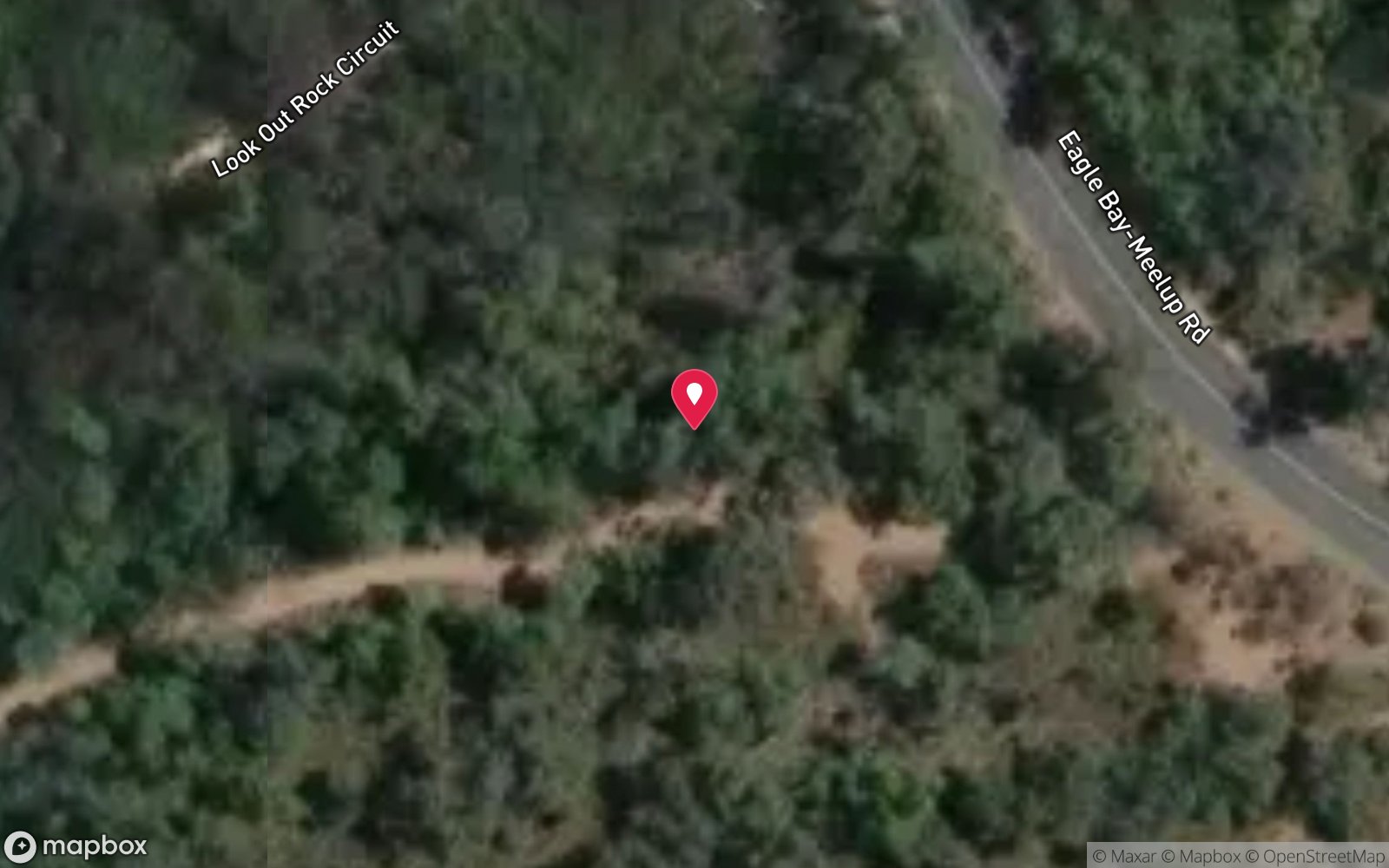
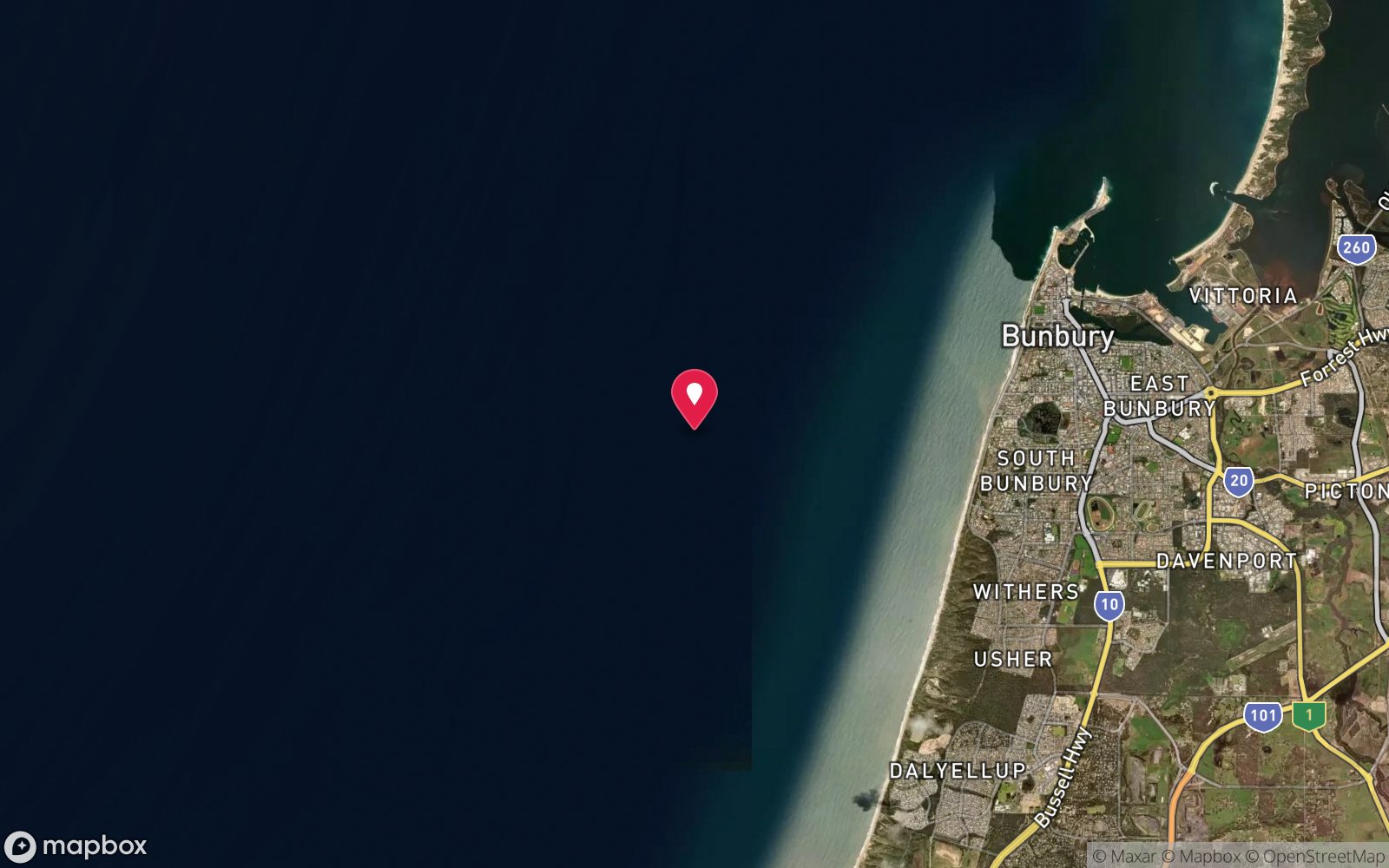
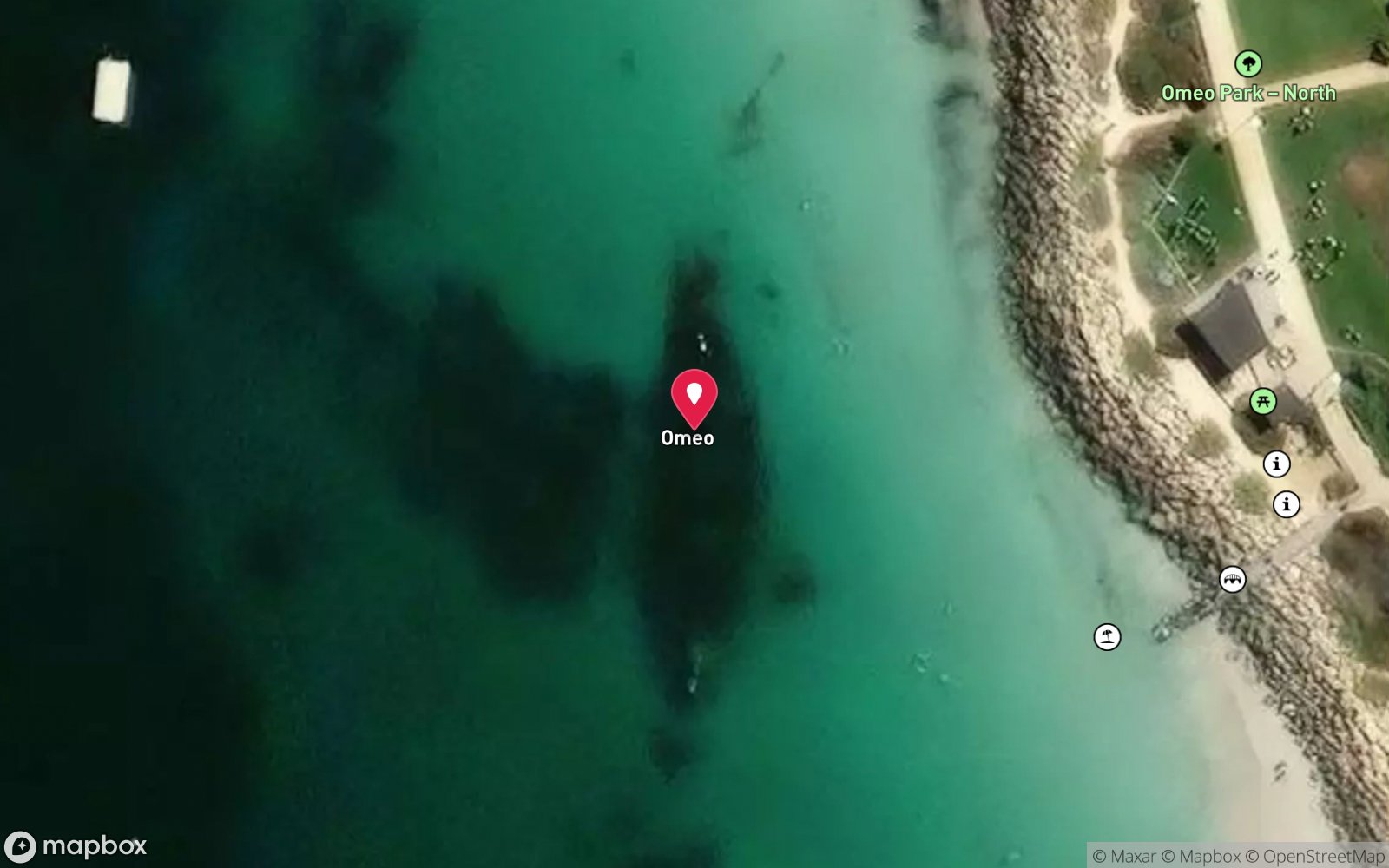
Satellite views
HMAS Swan Wreck: frequently asked questions
How deep is HMAS Swan Wreck?
HMAS Swan Wreck reaches a maximum depth of 31 m, with the shallowest part at about 8 m; most of the dive is spent around 18 m.
What certification do I need to dive HMAS Swan Wreck?
Deep/Advanced + experience is the recommended minimum. Advanced Open Water divers can dive the shallower section (typical depth 18 m); the full site to 31 m needs Deep/Advanced + experience. Operators often quote Advanced Open Water. This is a deep dive: plan gas, bottom time and a safety stop accordingly, and consider nitrox. Rated intermediate because of depth to 31 m, boat traffic overhead, wreck penetration options that need training.
Can I shore dive HMAS Swan Wreck?
No, it is reached by boat (about 25 minutes). A dive centre is required: permit/guide required.
When is the best time to dive HMAS Swan Wreck?
Mid-September to mid-May (peak visibility 10-25 m, 19-22 C).
What marine life will I see at HMAS Swan Wreck?
Regularly recorded: Batfish (school around the crow's nest), bullseyes, King George whiting, samson fish, dhufish, groupers, bream, Shaw's cowfish, western blue devil, sweep, talma, soft corals and sponges.
What wetsuit do I need at HMAS Swan Wreck?
5 mm wetsuit in summer and autumn; 7 mm or semi-dry with hood in winter and spring.
How cold is the water at HMAS Swan Wreck?
Typically 19-22 °C in summer and 16-18 °C in winter.
What are the main hazards at HMAS Swan Wreck?
Depth to 31 m - watch no-deco limits; penetration only within training (silt inside); permit required; no fishing within 200 m of the yellow marker buoy; boat traffic; north-westerly swell over 1.5 m. See the hazards section above for the full list.
Where is the nearest recompression chamber to HMAS Swan Wreck?
Fiona Stanley Hospital Hyperbaric Medicine Unit (Murdoch, Perth). In an emergency call 000, then DAN Asia-Pacific on 1800 088 200.
Diving in Geographe Bay & Busselton
Geographe Bay is sheltered from the Southern Ocean swell and has the 1.8 km Busselton Jetty with its underwater observatory, the HMAS Swan wreck off Dunsborough, the Four Mile Reef sponge gardens and easy beach dives at Meelup and Castle Rock. It is the South-West's most reliable diving.
Getting there: Two and a half hours south of Perth. Busselton Jetty is a walk-in dive (or a jetty-train ride); charters from Dunsborough run the Swan.
All Geographe Bay & Busselton dive sites and a suggested itinerary →
Sources
- divingwawrecks.com/ex-hmas-swan
- swandive.com.au/snorkelling-and-scuba-diving/hmas-swan-wreck-dive
- book.bookeasy.com/hmas-swan-dive-wreck-dive-permits/tours/13106
- margaretriver.com/things-to-do/attractions/aquatic-adventures/scuba-snorkelling-diving
- uwauc.org.au/come-diving-with-us/our-dive-sites
- marinelife.org.au/?page_id=170
- meeluppark.com/visitor-information/swimming-surfing-and-snorkelling.aspx
Data confidence: High · Being verified: Length 113 m (Swan Dive) vs 114 m (divingwawrecks); exact scuttling date (v1: 14 December 1997) not re-verified this pass.. Last updated September 2026. Know this site better? How to send a correction
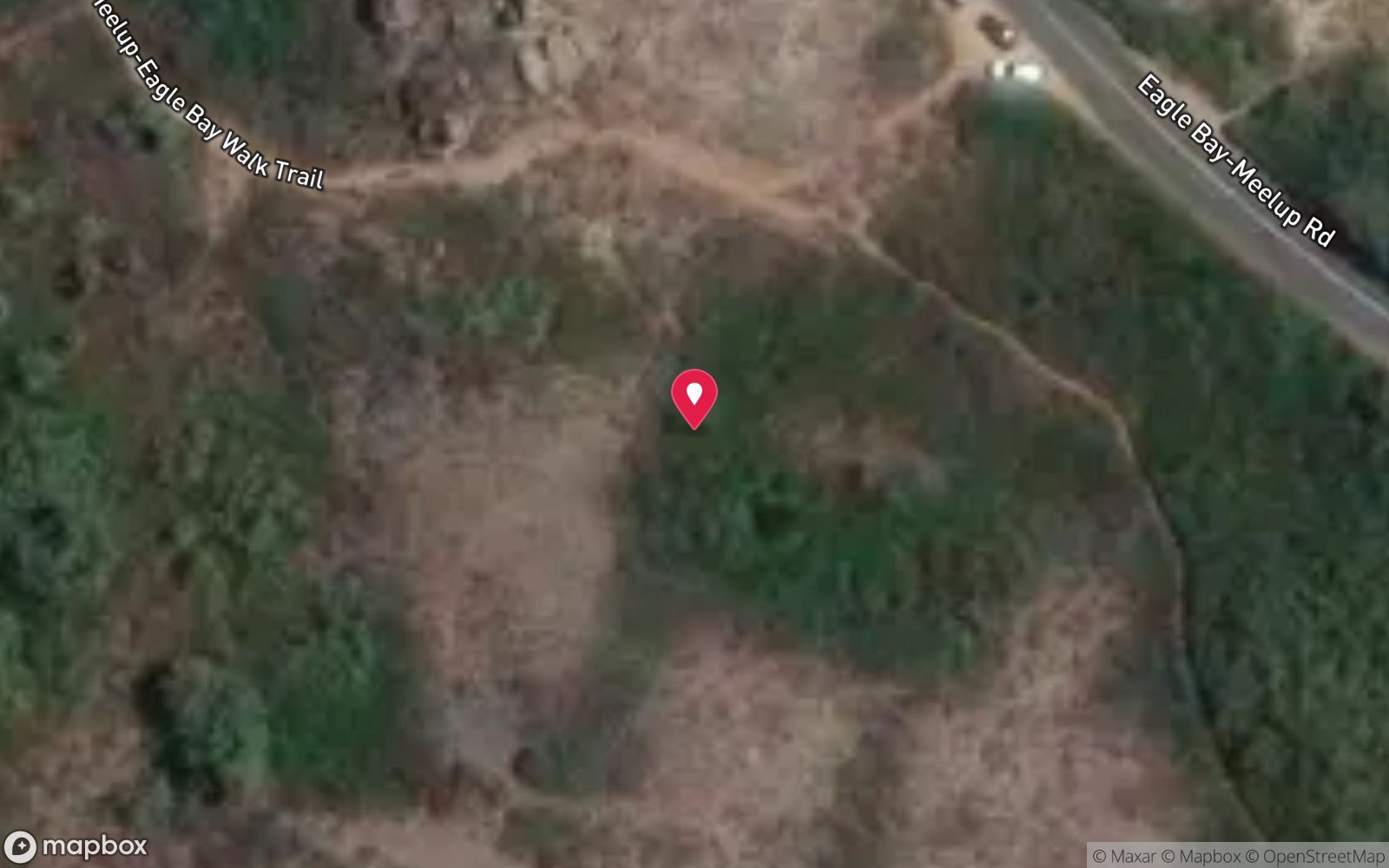
Nearby dive sites
More wrecks in Western Australia
Explore more
This region
Similar dives
Marine life