Ranked by the upper end of the recorded visibility range: the Coral Sea, the Rowley Shoals, the offshore territories, the Mount Gambier sinkholes and, in winter, Tasmania's east coast.
Updated daily from the directory. 30 sites listed.
1. Tasman Peninsula · TAS
Tasman Island
Visibility: 20-40 m · Remote island wall under the Tasman Island lighthouse with deep-water sponges, seals and clean Southern Ocean water.
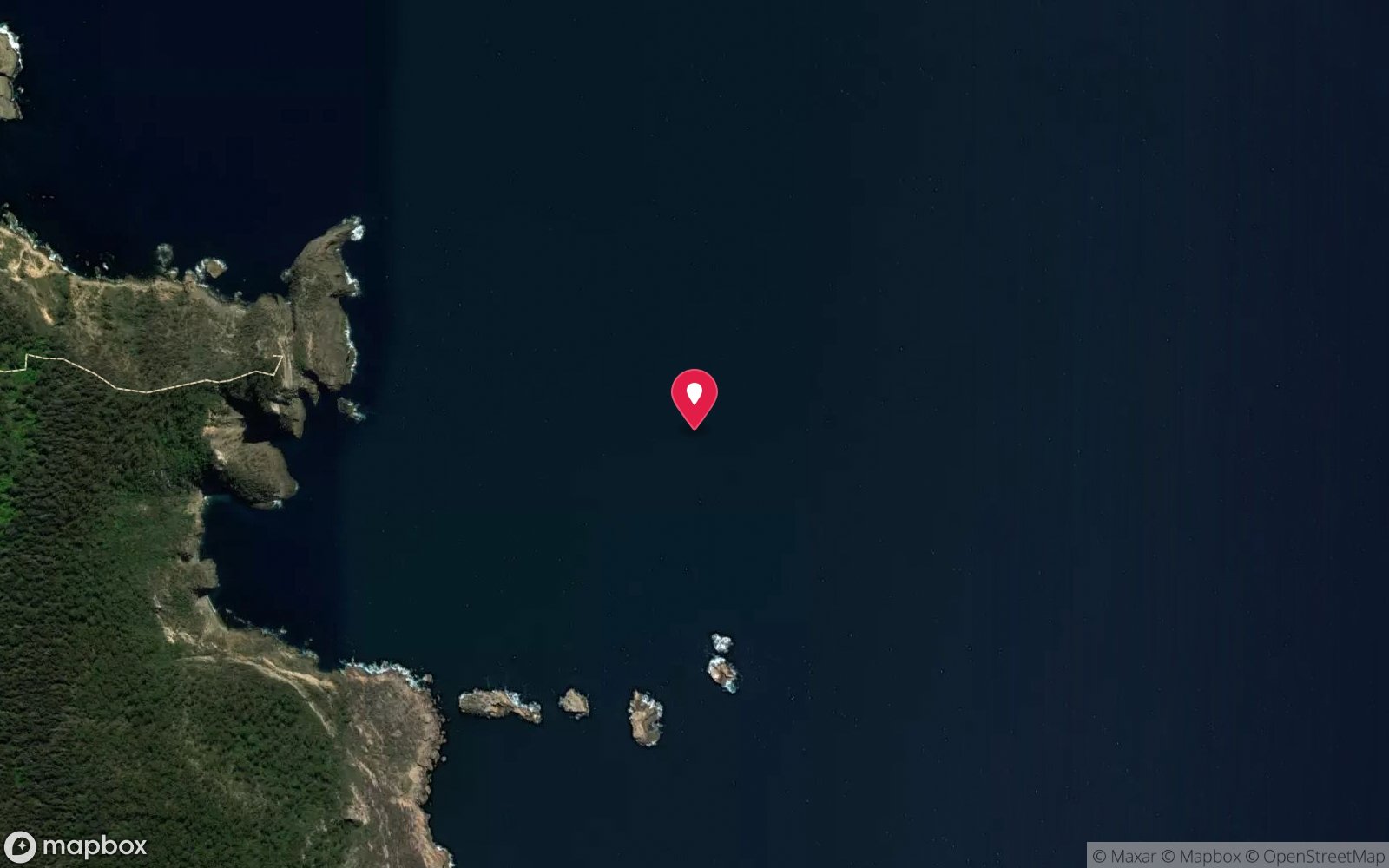
2. Tasman Peninsula · TAS
Sisters Rocks
Visibility: 15-30 m · Vertical walls that bloom with sponges, sea whips and anemones below 30 m; regarded as one of Australia's best temperate wall dives.
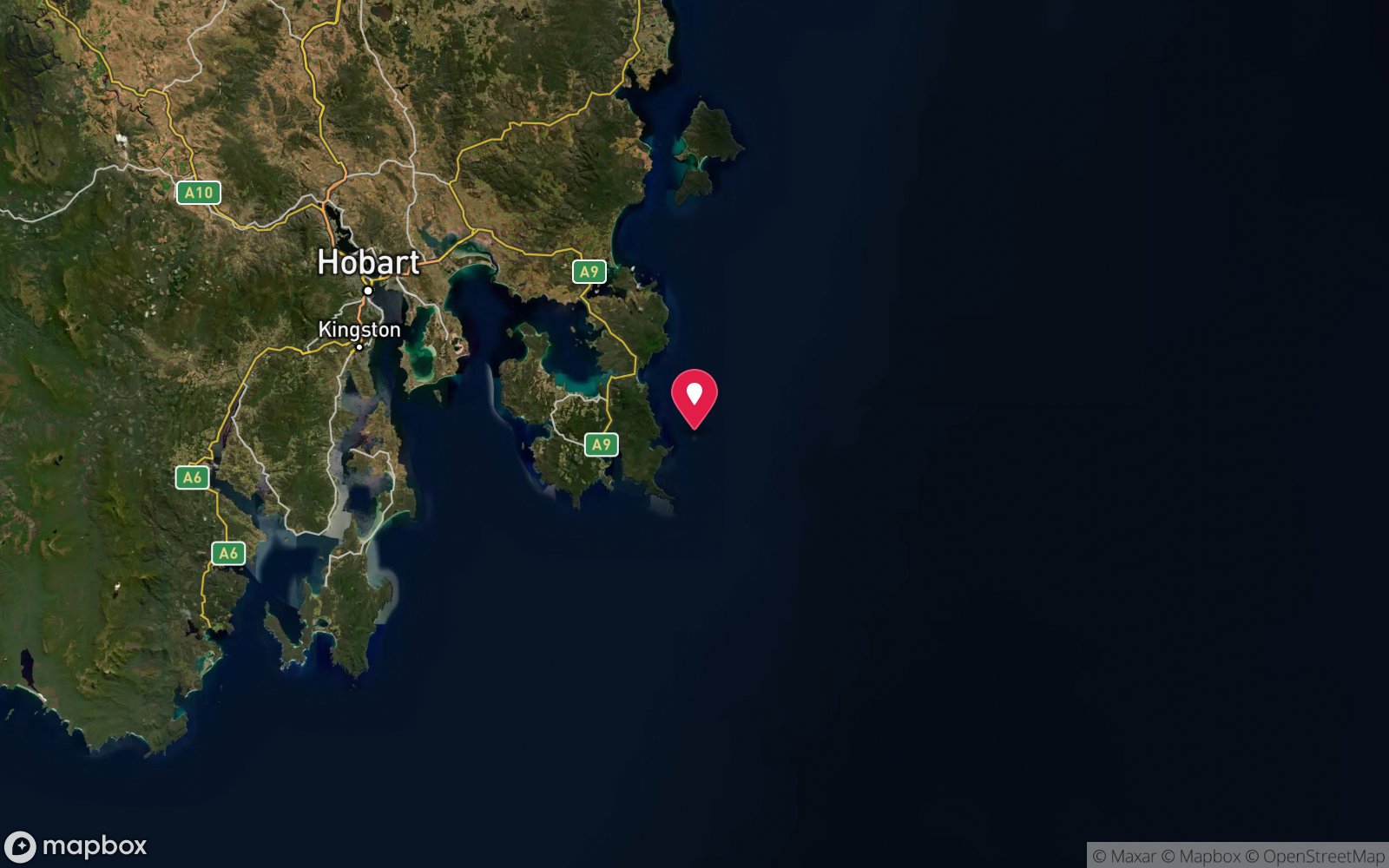
3. Tasman Peninsula · TAS
Hippolyte Rocks
Visibility: 15-30 m · Remote seal-colony islets with bull kelp shallows, sponge reefs from 30 m and huge fish schools.
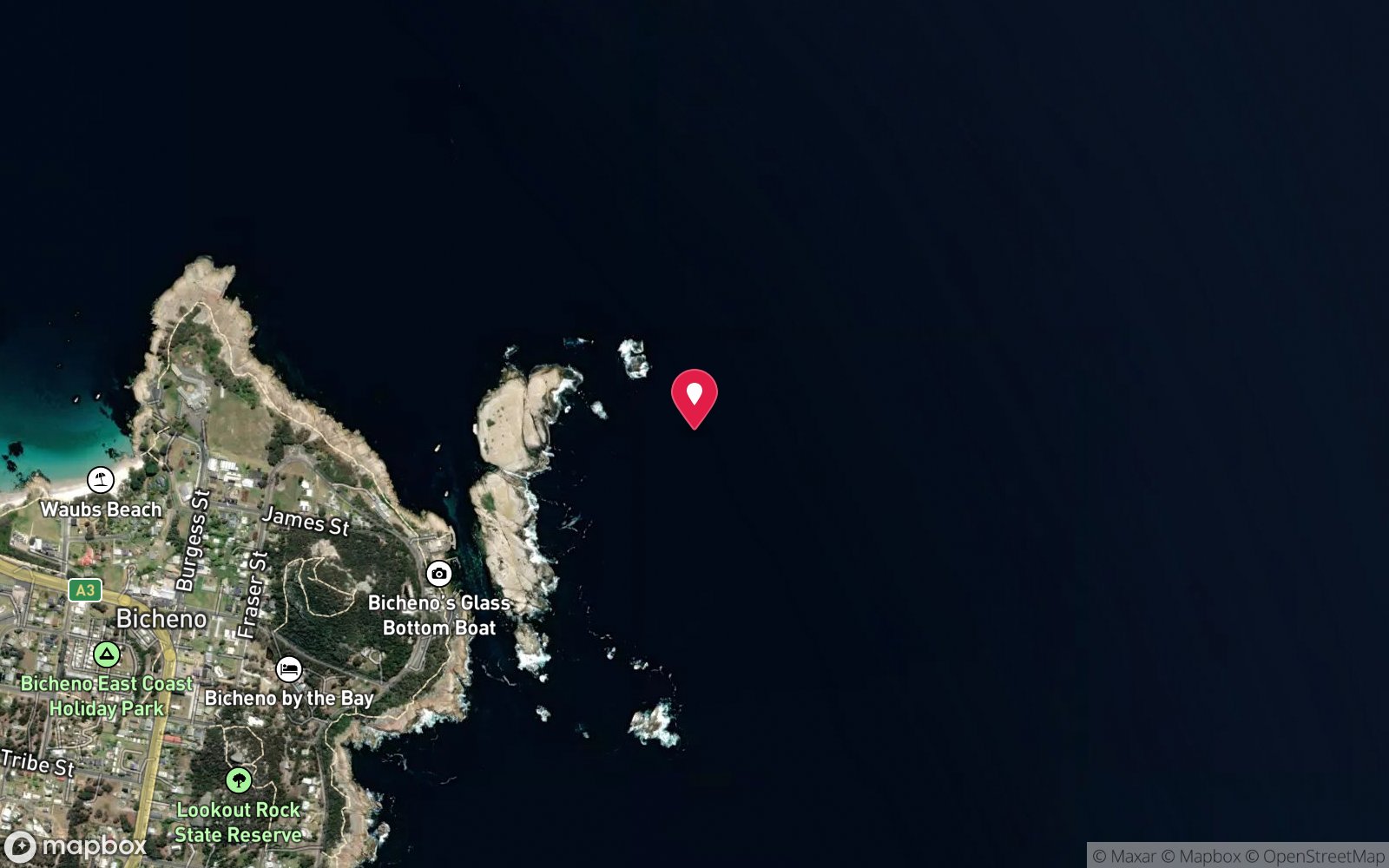
4. Tasmania East Coast · TAS
Magic Garden (Bicheno)
Visibility: 15-30 m · A wall of sponges and soft corals that is Bicheno's most photographed site.
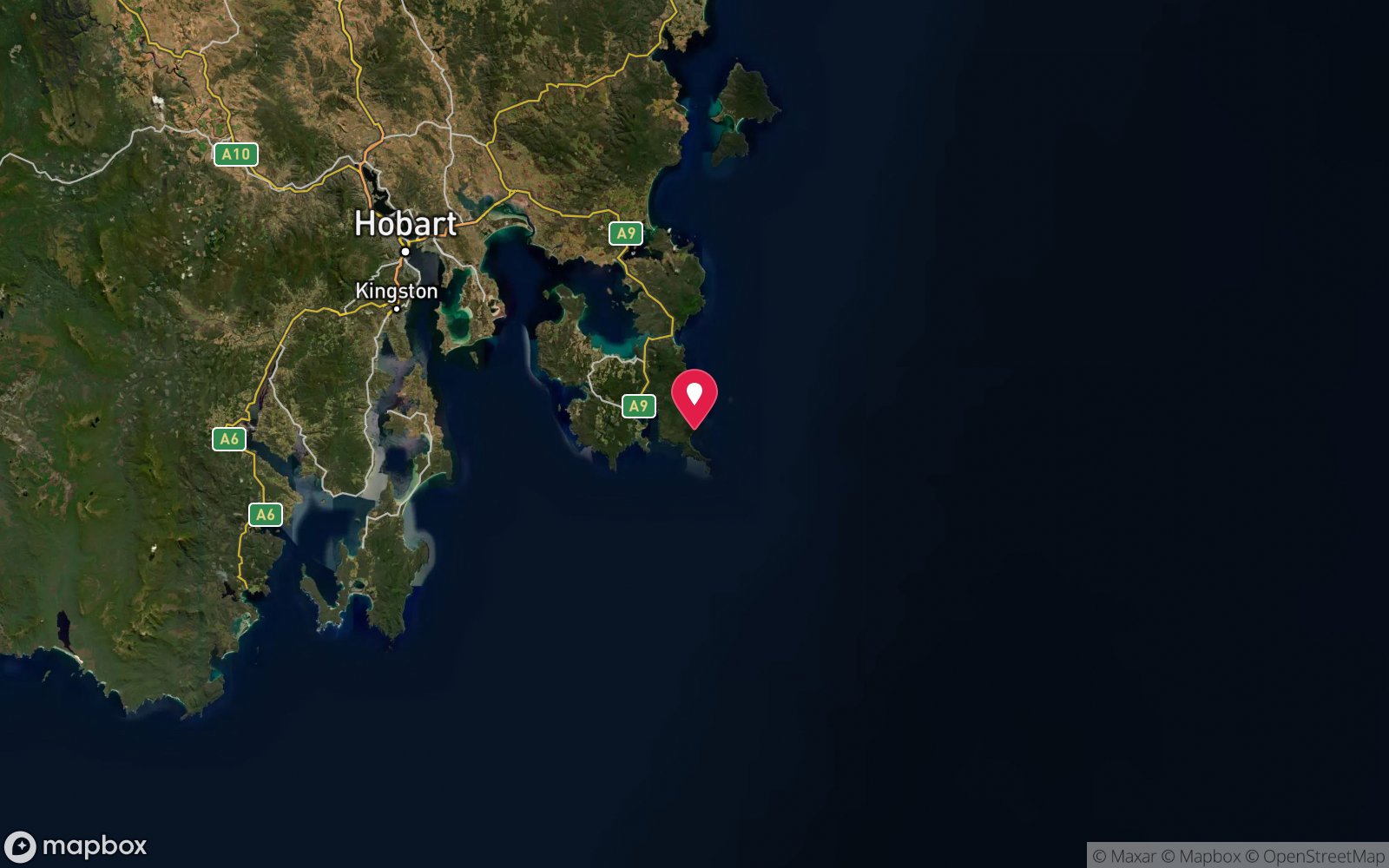
5. Tasman Peninsula · TAS
Munro Bight
Visibility: 15-30 m · Giant kelp and walls beneath Australia's tallest sea cliffs, with seals – often paired with the Nord.
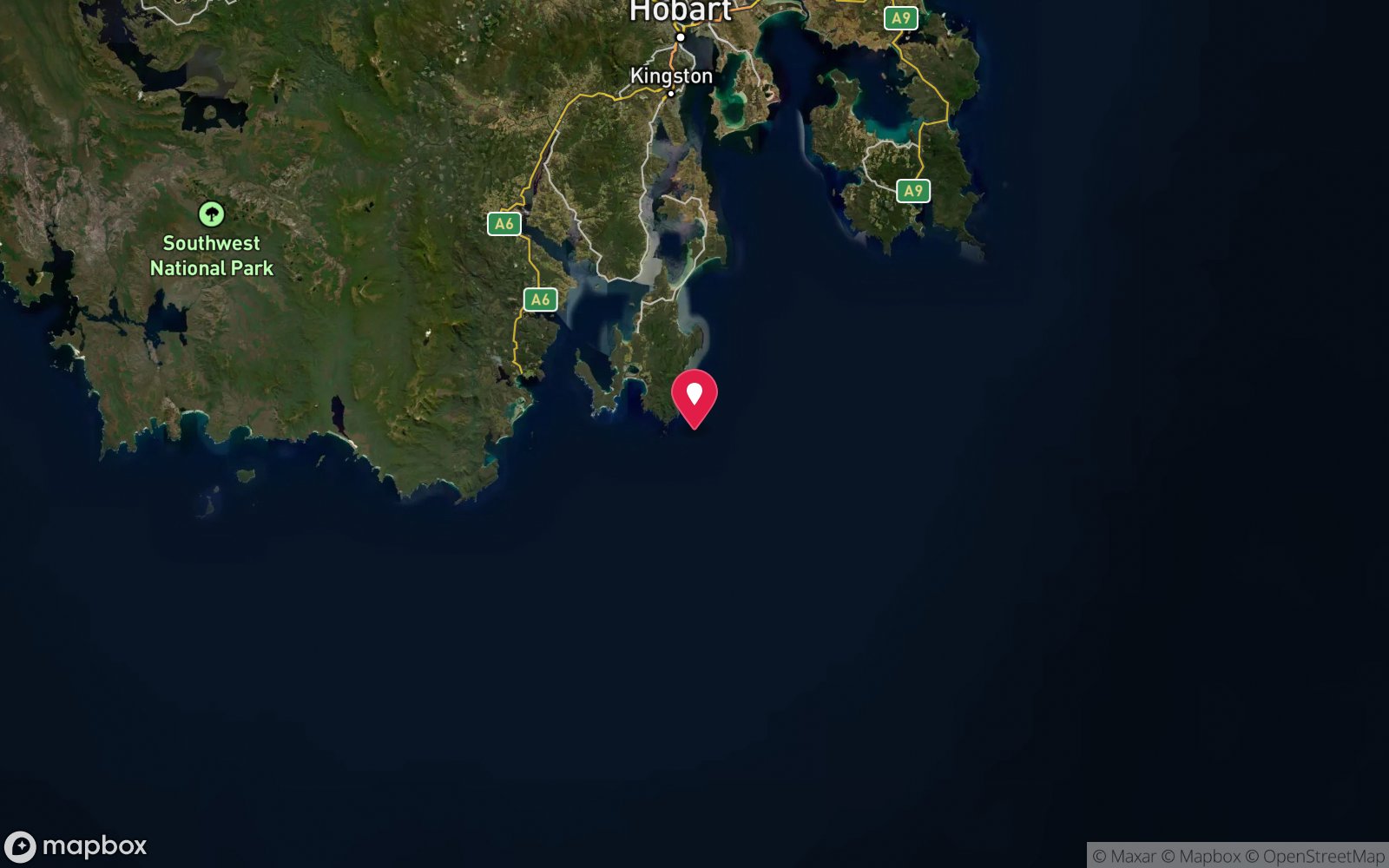
6. Bruny Island & D'Entrecasteaux Channel · TAS
The Friars (Bruny Island)
Visibility: 15-30 m · Remote volcanic islets with swim-throughs, seals and clean Southern Ocean water off Bruny's southern tip.
7. Tasman Peninsula · TAS
The Needle (Hippolyte)
Visibility: 15-30 m · Current-swept sponge pinnacle that sank the SS Tasman; one of Tasmania's most dramatic deep dives.
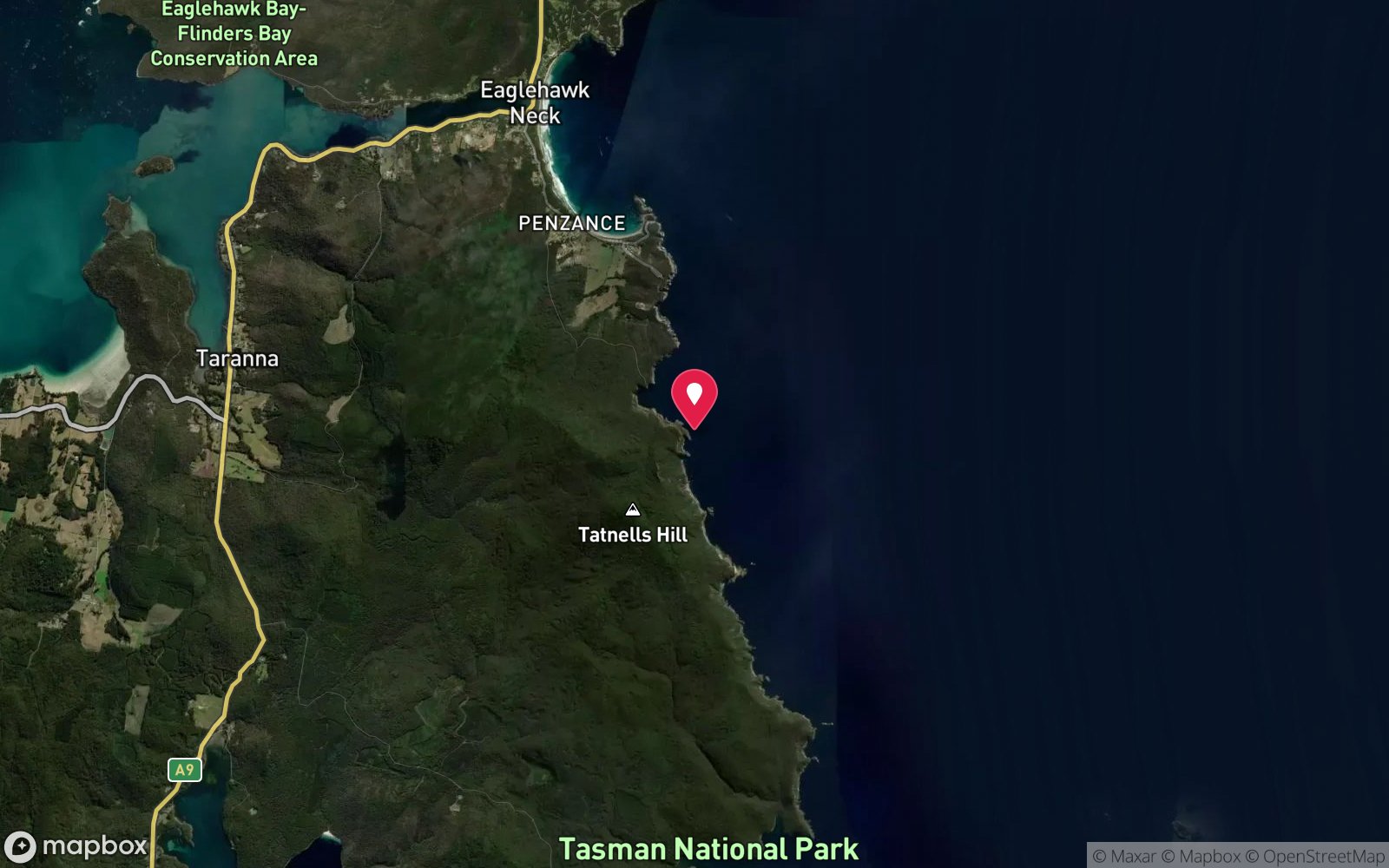
8. Tasman Peninsula · TAS
Cathedral Cave
Visibility: 10-25 m · A huge sea cave system at Waterfall Bay, with chambers you can surface in and walls of colour outside.
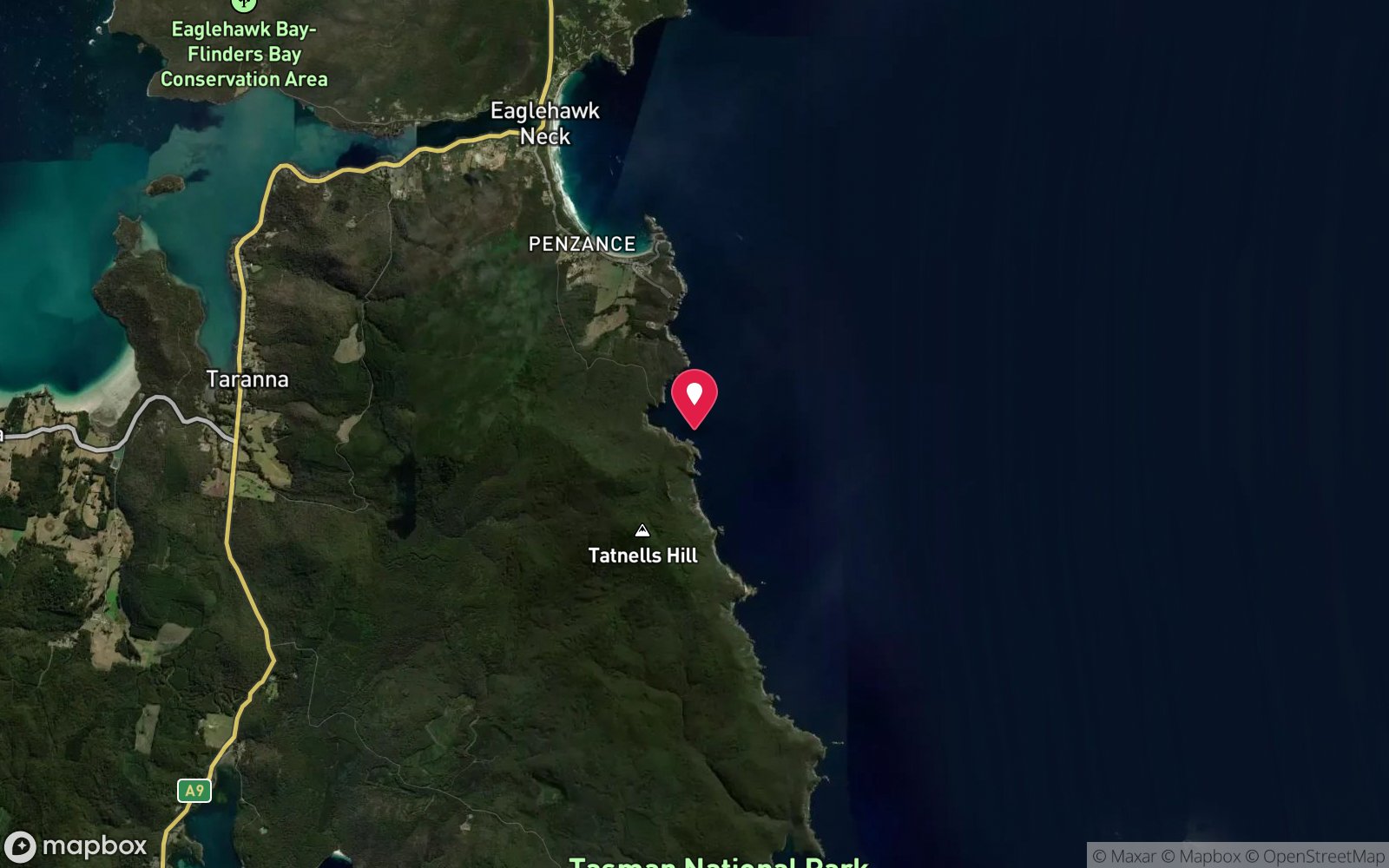
9. Tasman Peninsula · TAS
Waterfall Bay Wall
Visibility: 10-25 m · The dolerite wall beneath 100 m cliffs, with kelp, sponge gardens and seals passing through.
10. Tasman Peninsula · TAS
Deep Glen Bay North Wall
Visibility: 12-25 m · Colourful sponge and sea-whip wall that is the fallback when the Sisters are blown out, with seals and seadragons.
11. Tasman Peninsula · TAS
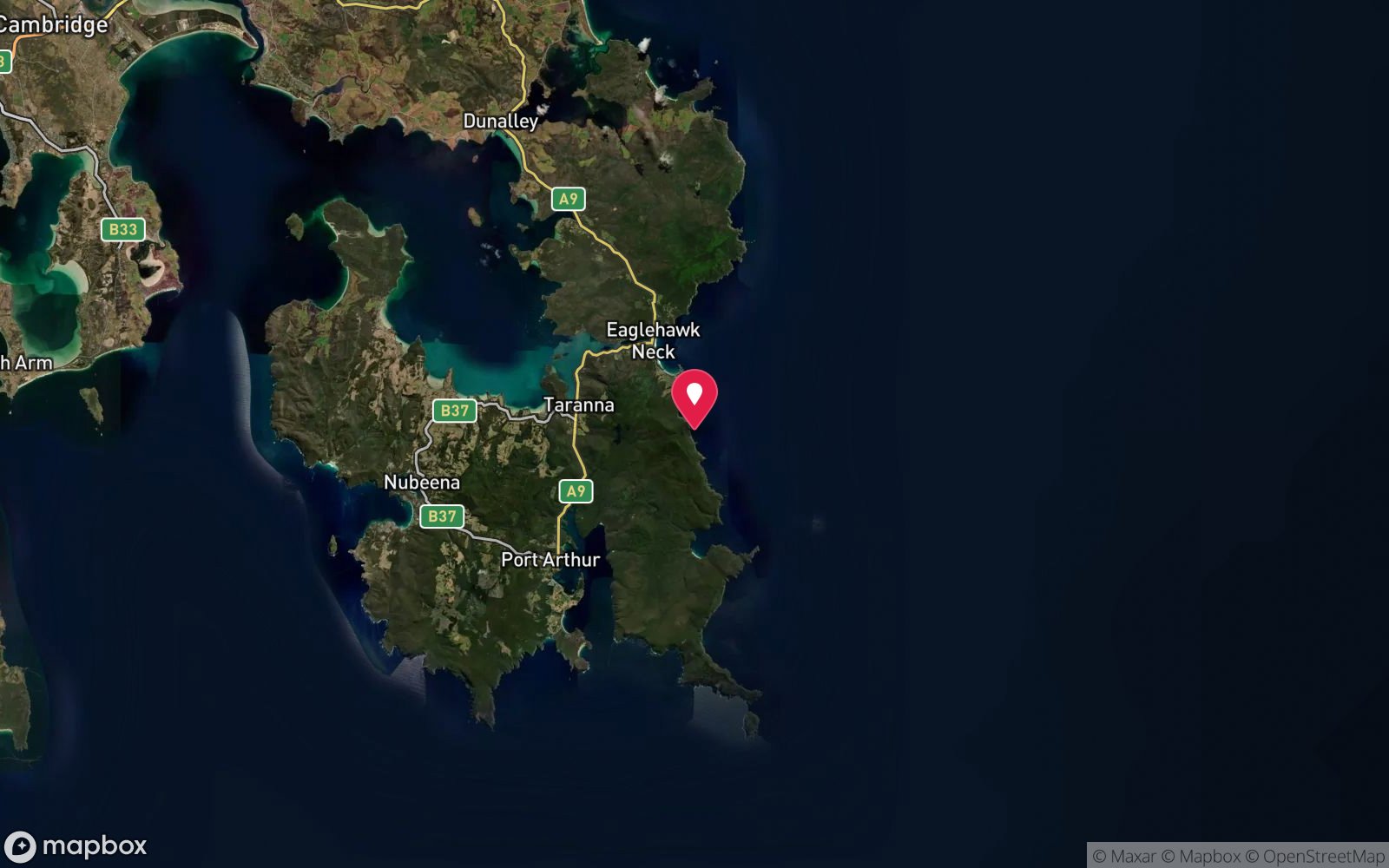
Little Waterfall Bay
Visibility: 10-25 m · Caves and swim-throughs on the Tasman Peninsula in clear water.
12. Tasman Peninsula · TAS
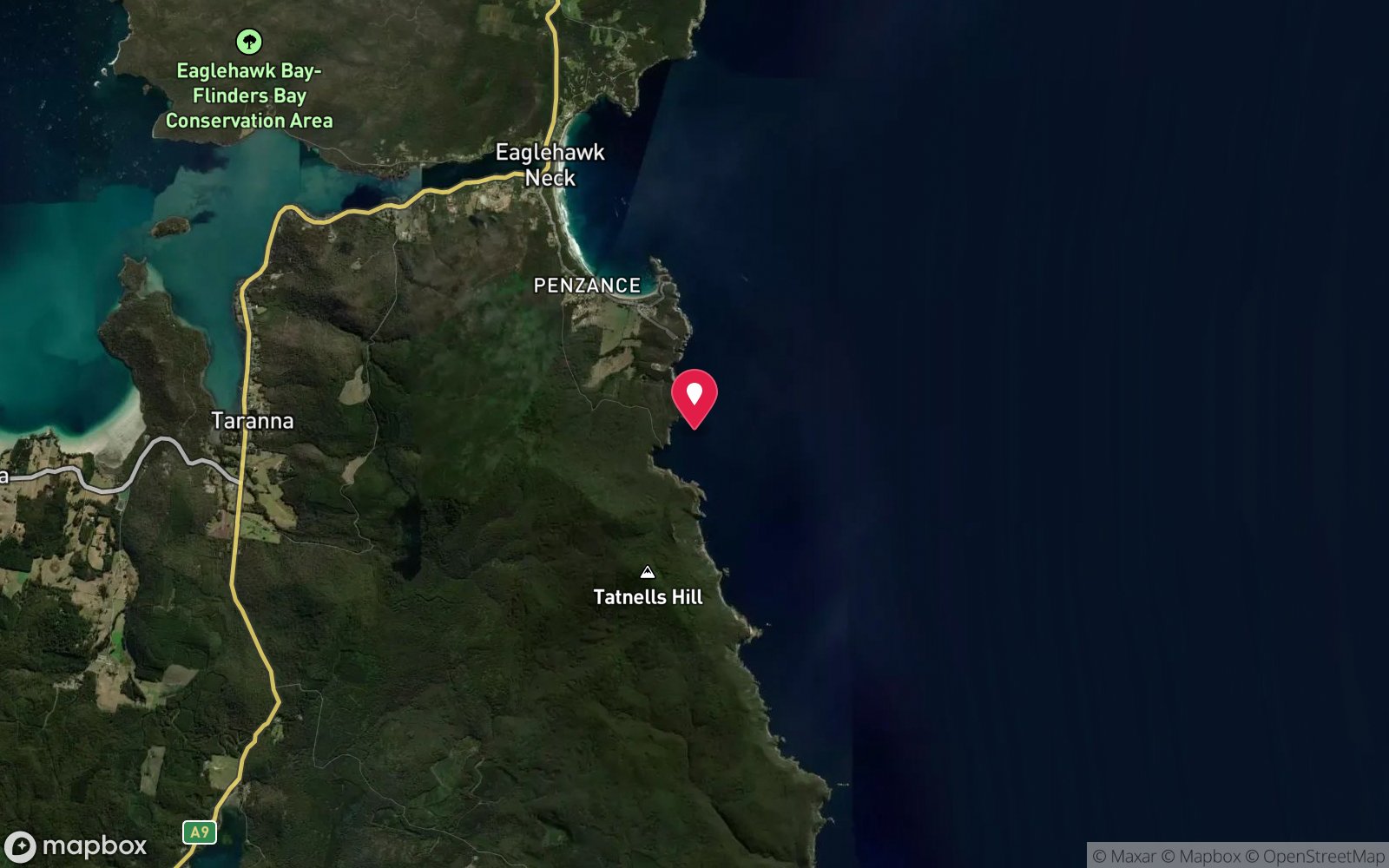
Patersons Arch
Visibility: 10-25 m · Big daylight swim-through arches lined with anemones – cave scenery without the commitment.
13. Tasmania North & North-West · TAS
Boat Harbour Point
Visibility: 10-25 m · Easy, varied shore dives either side of the point at one of Tasmania's prettiest beaches.
14. Tasmania North & North-West · TAS
Glory Hole (Sisters Cave)
Visibility: 10-25 m · Quartzite caves, a boulder maze and a bullseye-filled sea cave - Sisters Beach's shore dive.
15. Tasmania East Coast · TAS
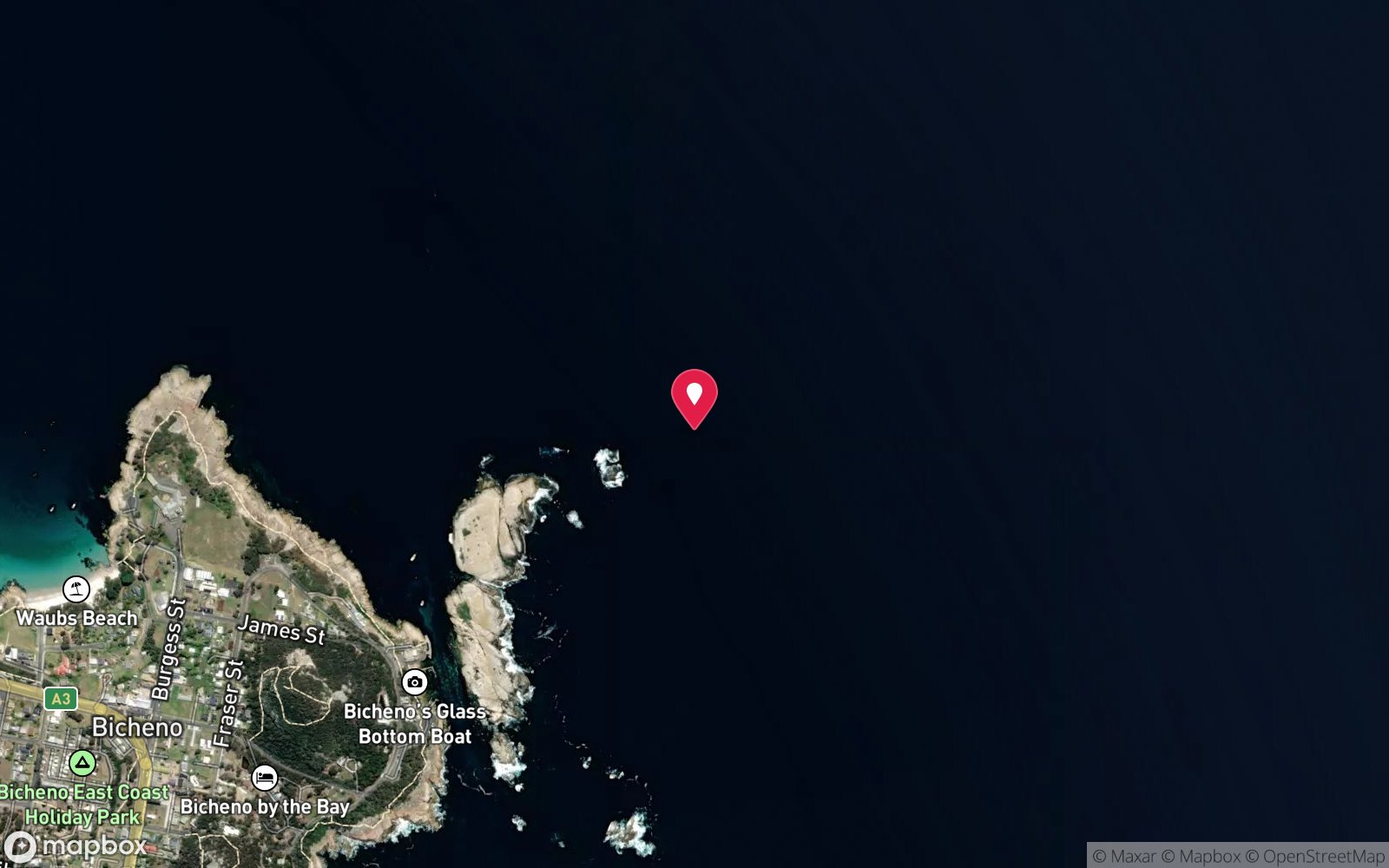
Golden Bommies
Visibility: 12-25 m · Twin 10 m bommies smothered in yellow zoanthids and sea whips rising from sand at 39 m; huge schools of butterfly perch and morwong in a no-take reserve.
16. Tasmania East Coast · TAS
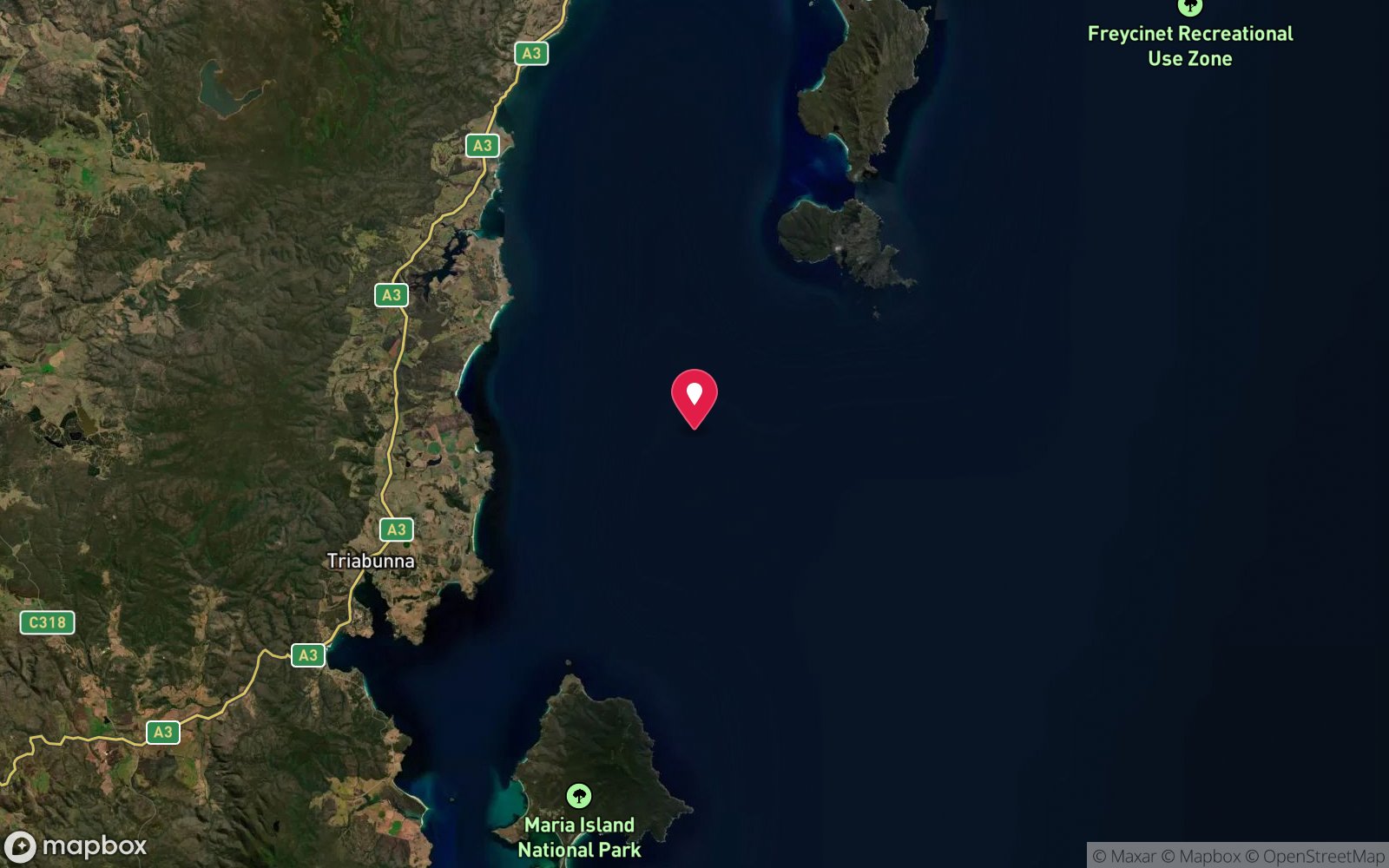
Ile des Phoques
Visibility: 12-25 m · Rated among Tasmania's best dives: a colony of hundreds of playful fur seals and a well-lit cave through the island.
17. Tasmania North & North-West · TAS
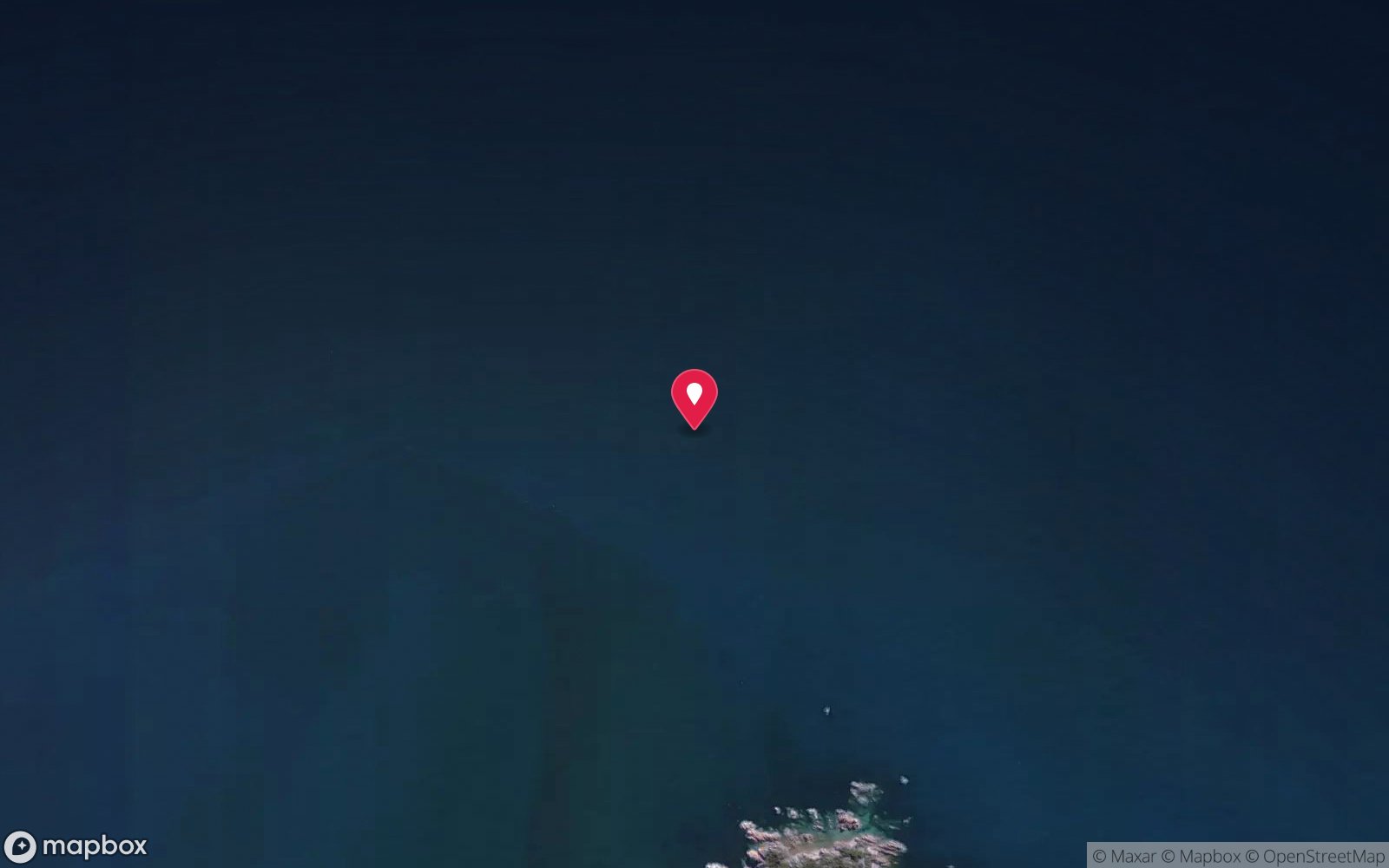
North West Rocky Cape
Visibility: 10-25 m · Gutters and small boulders on a reef rising from 20 m to 10 m.
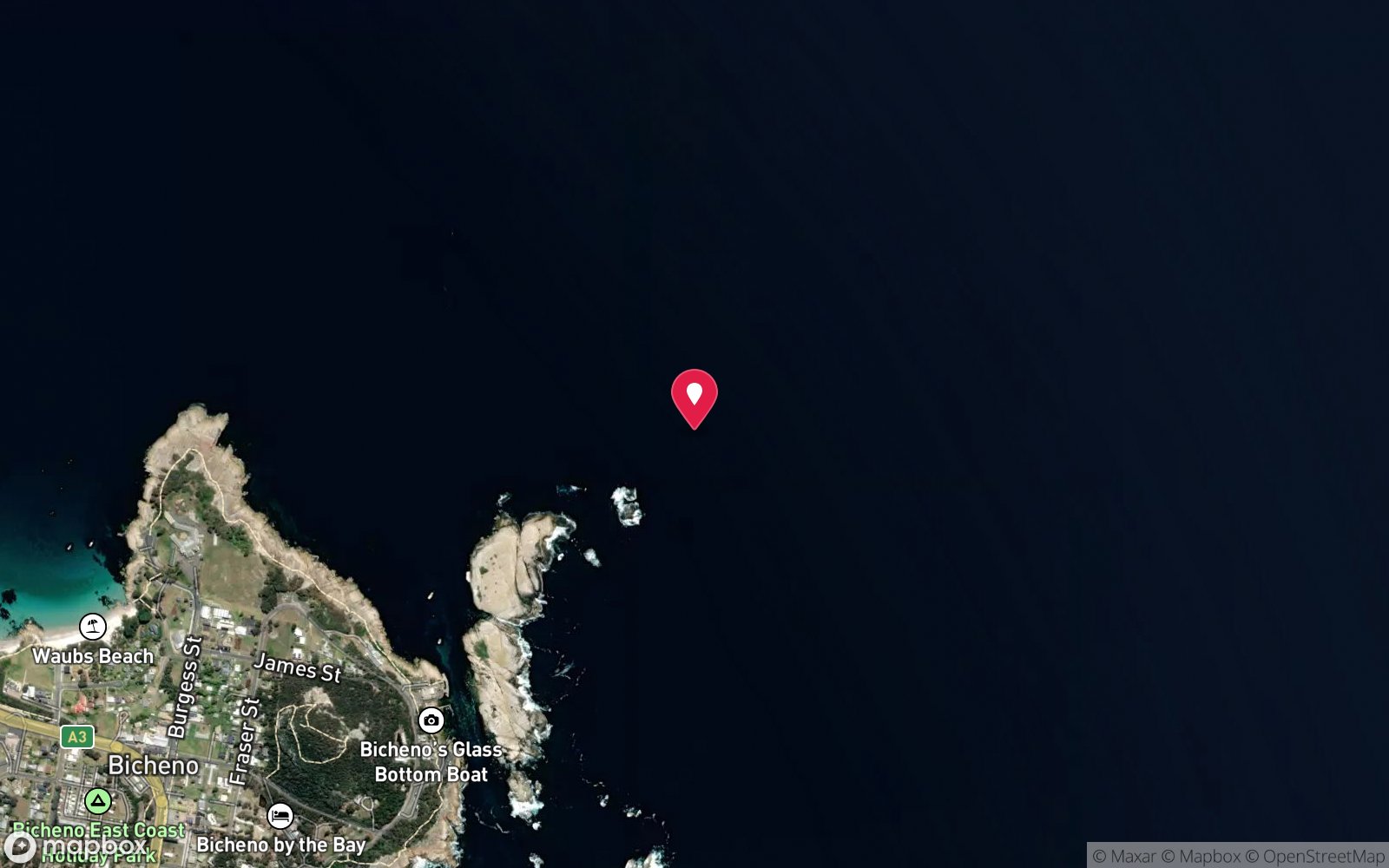
18. Tasmania East Coast · TAS
Paradise Reef
Visibility: 12-25 m · A two-sided sponge and sea-whip reef that gives deep-site colour at more moderate depths.
19. Tasmania North & North-West · TAS
Pebbly Beach (Rocky Cape)
Visibility: 10-25 m · An attractive day-or-night shore dive with spires covered in nudibranchs and basket stars.
20. Tasmania North & North-West · TAS
Rocky Cape
Visibility: 10-25 m · An easy, sheltered course site with a fish-packed rock and superb night diving.
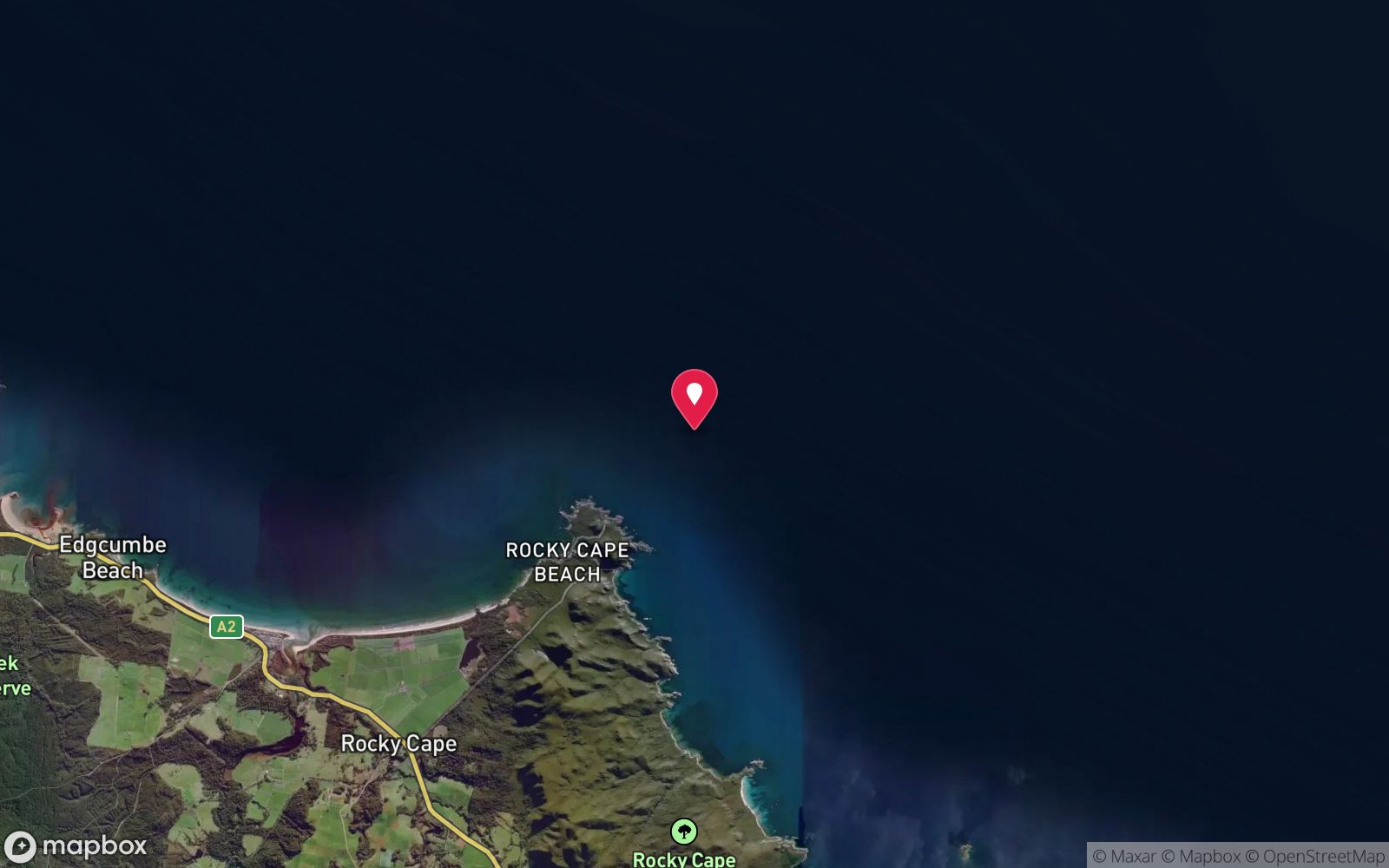
21. Tasmania North & North-West · TAS
Rocky Cape Outer Reef
Visibility: 10-25 m · Rated 9/10: a twin-peaked outcrop stepping to 25 m with current-fed gorgonians and sea pens in often 25 m visibility.
22. Tasmania North & North-West · TAS
Sea Pen Point (Rocky Cape)
Visibility: 10-25 m · Sea pens in 10-16 m - unusually shallow - on a colourful, tide-fed reef.
23. Tasmania North & North-West · TAS
Simmos Reef (Shag Rock)
Visibility: 10-25 m · A figure-6 bommie from 25 m to 4 m with sea pens, dumpling squid and 25 m visibility.
24. Tasmania North & North-West · TAS
Sisters Island (North East Bommie)
Visibility: 10-25 m · An easy bommie circumnavigation in gutters of kelp, gorgonians and nudibranchs, often in 20 m visibility.
25. Tasman Peninsula · TAS
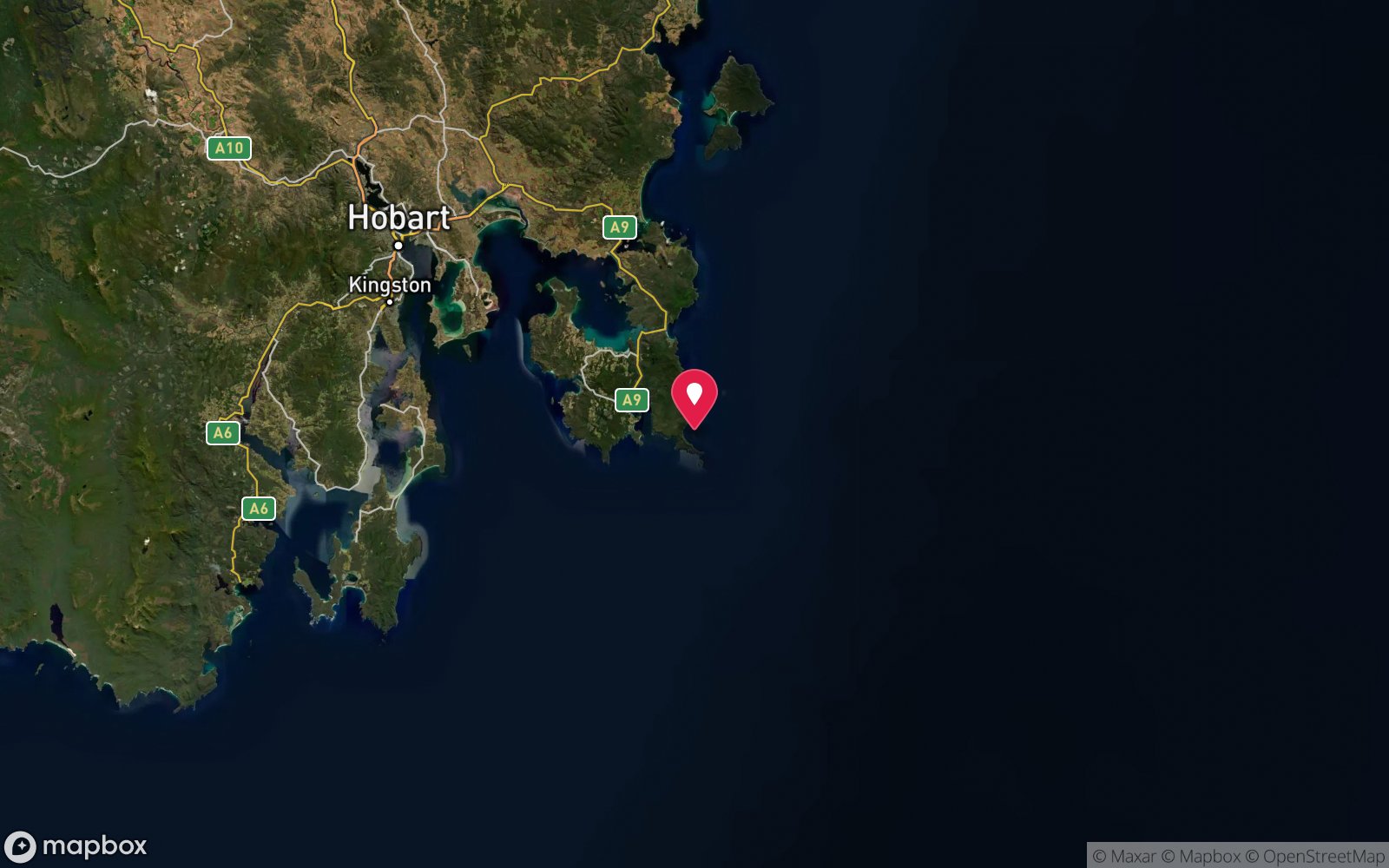
SS Nord
Visibility: 15-25 m · Intact 88 m steamer upright at 42 m, cloaked in colour and fish; rated among Australia's best wreck dives.
26. Tasmania North & North-West · TAS
SS Southern Cross (Boat Rock)
Visibility: 10-25 m · Stern and propeller of an 1863 Clyde-built steamer lost in bushfire smoke in 1889.
27. Tasmania North & North-West · TAS
Stanley – The Nut / Godfreys Beach
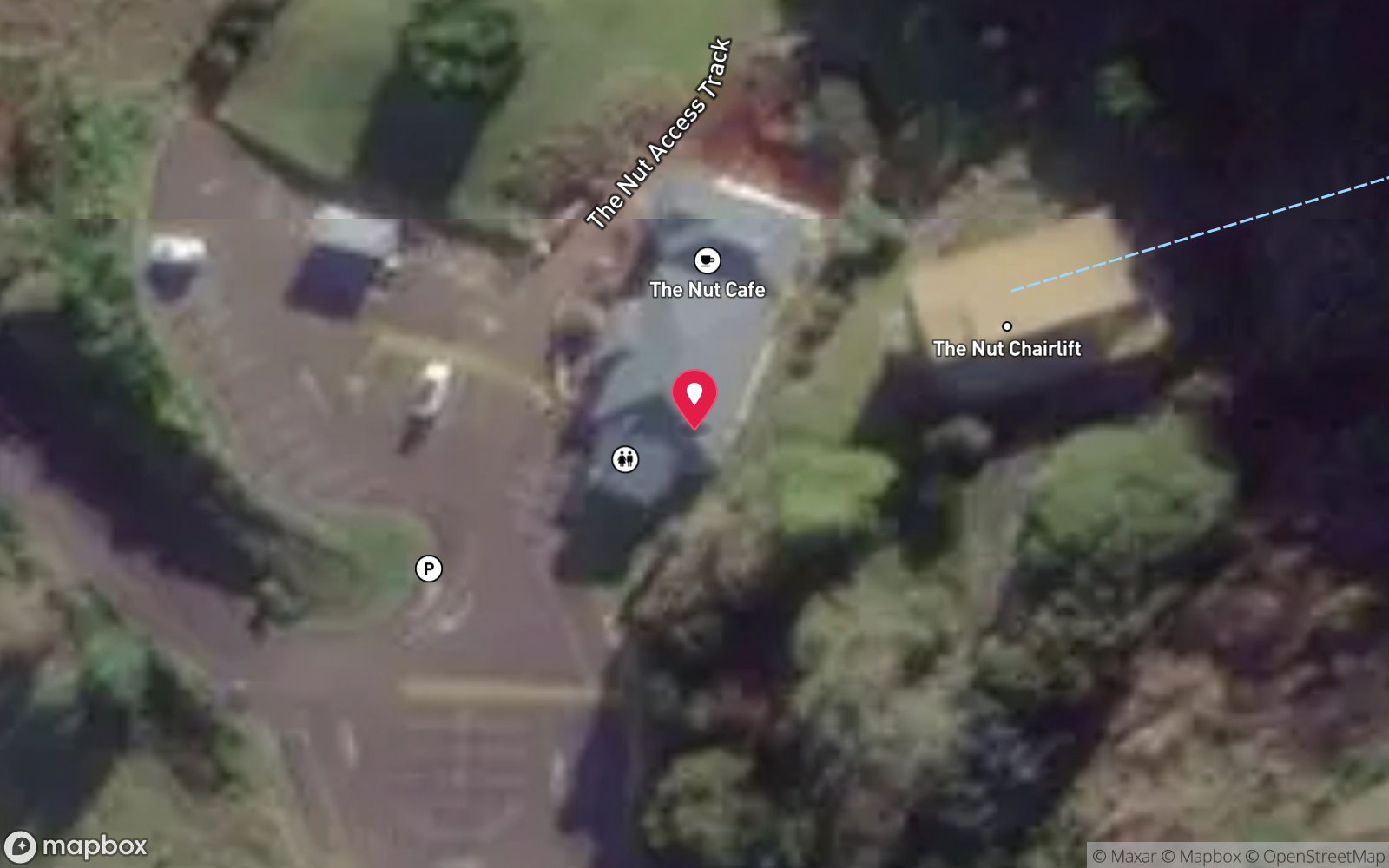
Visibility: 10-25 m · A sheltered westerly-weather shore dive beneath The Nut, with seadragons, prowfish and giant sponges.
28. Tasmania East Coast · TAS
The Hairy Wall
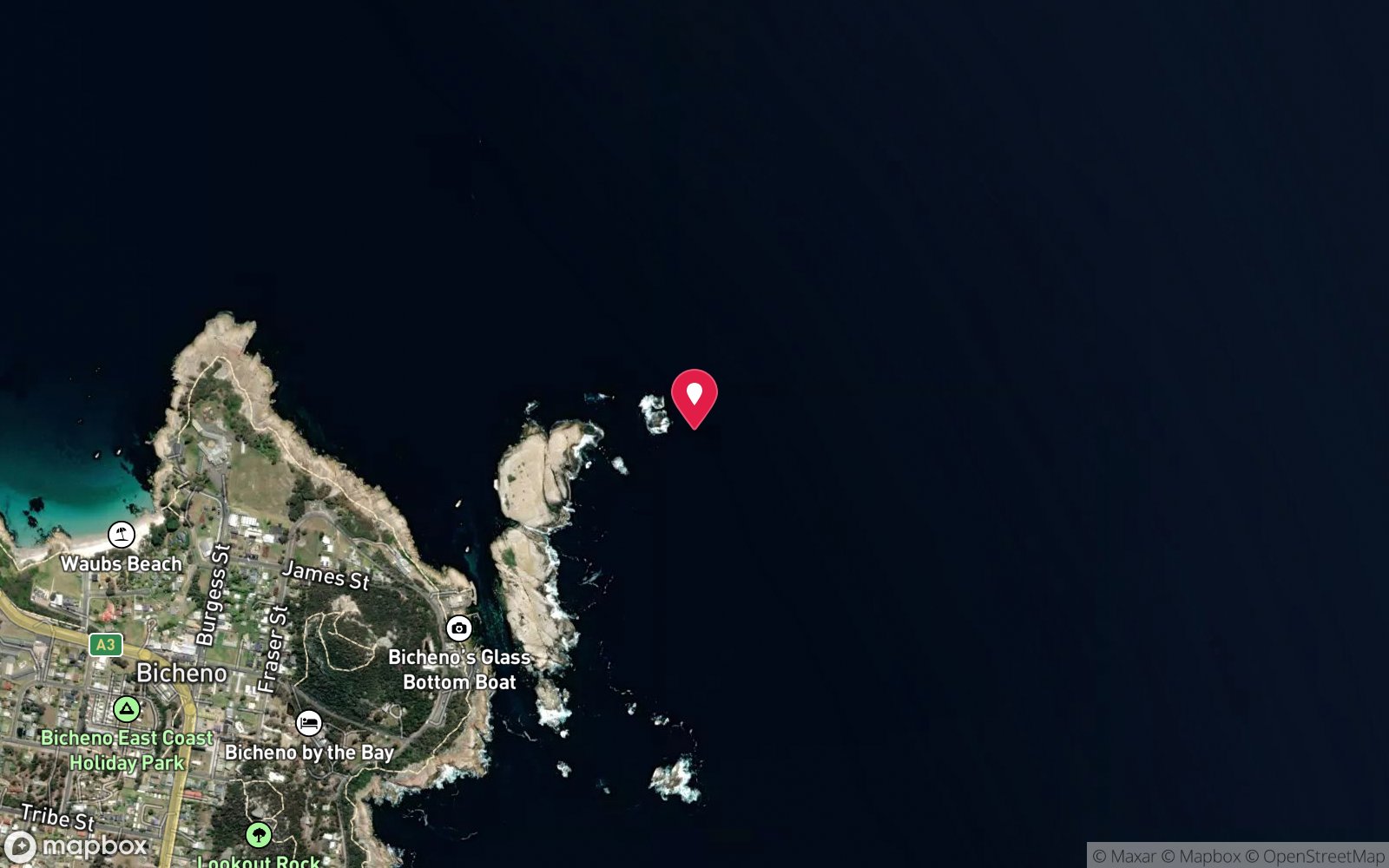
Visibility: 12-25 m · A long granite drop-off bristling with sea whips, often with the clearest water in the reserve.
29. Tasman Peninsula · TAS
The Thumbs
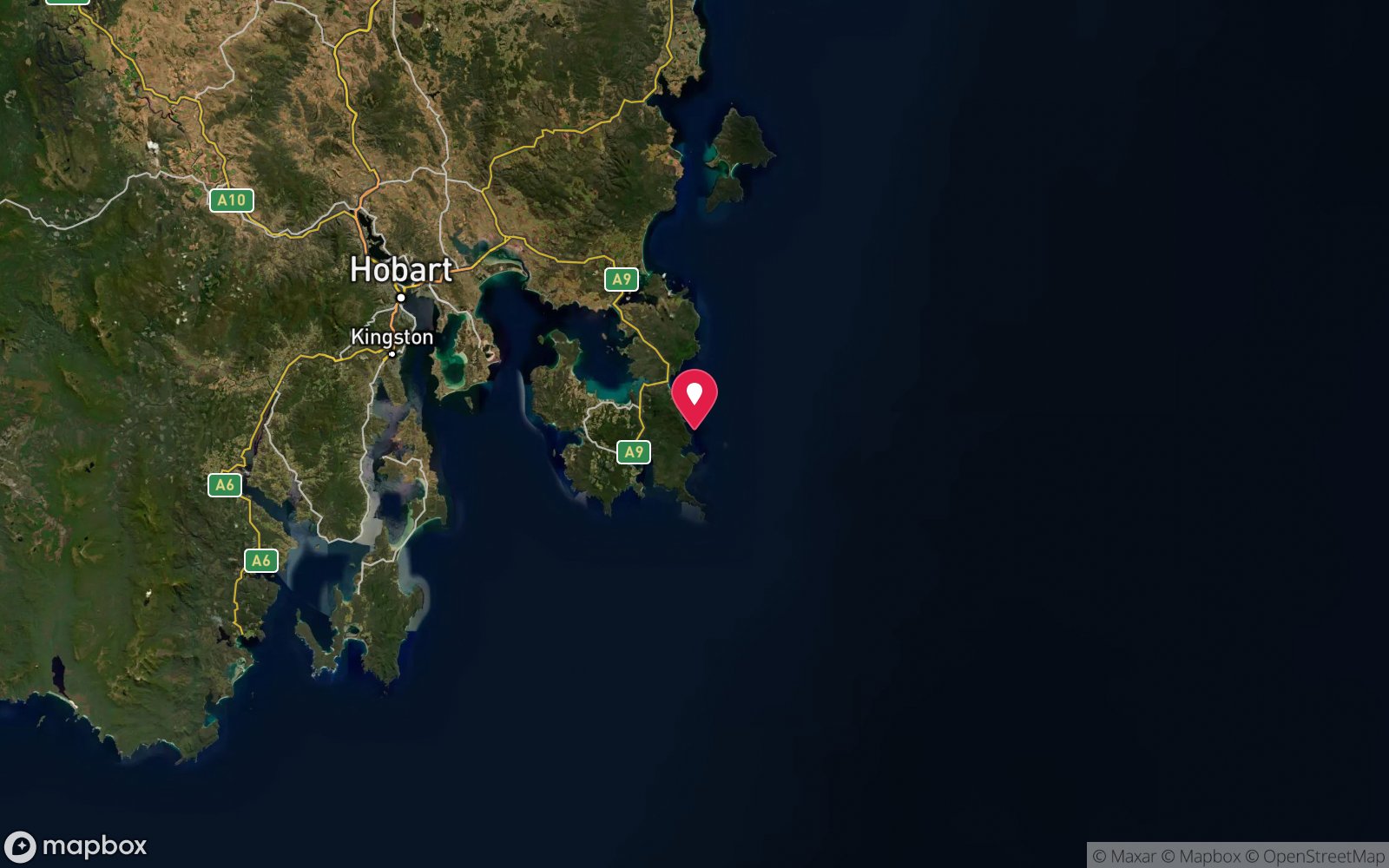
Visibility: 15-25 m · Deep wall under striking rock formations with sea whips and sponge gardens from 25 m.
30. Tasman Peninsula · TAS
Twin Peaks (Sundial Caves)
Visibility: 12-25 m · Twin spires with a 35 m swim-through, a cave maze and deep sponge and gorgonian gardens.
The guide
Why the clearest water is fresh
The top of this list is inland. The Limestone Coast sinkholes and the Nullarbor caves hold groundwater that has been filtered through kilometres of limestone; there is no plankton, no sediment and no swell, so visibility is limited only by the light. Kilsby, Ewens Ponds and Piccaninnie routinely exceed 40 m and the caves exceed 100 m, numbers that no ocean site in Australia can match.
In the sea, clarity comes from distance from the coast and from the open ocean. The outer Great Barrier Reef at the shelf edge (Agincourt, the Ribbons, Osprey), Lord Howe and Balls Pyramid, the Coral Sea atolls and the Rowley Shoals all sit in oceanic water that the coastal rivers never reach. The temperate south has its clear days too, usually after a week of offshore wind in winter, but 20 m is exceptional where 40 m is routine on the outer reef.
Diving in very clear water
Clear water changes how a dive feels and how it should be planned. Depth is hard to judge when the bottom looks close; divers in the sinkholes routinely find themselves deeper than intended, which is why the CDAA sites have hard limits, guides and permits. Buoyancy control matters more, because every fin kick is visible for 50 m and silt in a cave stays suspended for days. And photography is easier and harder: no backscatter, but a scene that stretches further than any strobe can reach.
The sinkholes and Ewens Ponds are diveable year-round with the water a constant 15 °C; a 7 mm suit or a drysuit is standard. The outer reef is clearest from September to November, before the wet-season runoff.
Editorial last reviewed September 2026. The list itself is regenerated from the directory daily.
Frequently asked questions
Where is the best visibility in Australia?
The Coral Sea reefs (Osprey, Bougainville, Flinders), the Rowley Shoals, Christmas and Cocos islands and the Mount Gambier sinkholes regularly exceed 40 m. Tasmania's east coast reaches 30 m in winter.
More rankings
- The 25 Deepest Dive Sites in Australia
- Australia's Most Remote Dive Sites
- The Longest Boat Rides to a Day Dive
- The Warmest Dive Sites in Australia
- The Coldest Dive Sites in Australia
- The Most Biodiverse Dive Sites in Australia
- The Oldest Shipwrecks You Can Dive in Australia
- WWII and Wartime Wrecks You Can Dive in Australia
- All rankings →