Dive slate · divesites.com.au · printed 9 Nov 2026
The Friars (Bruny Island)
Bruny Island & D'Entrecasteaux Channel, Tasmania · near Adventure Bay
| Depth | 10–40 m |
|---|---|
| Minimum level | Deep/Advanced + experience |
| Difficulty | Advanced |
| Access | Boat (day trip) |
| Entry | Back roll or giant stride from charter boat |
| Current | Strong |
| Visibility | 15-30 m |
| Water | summer 14-18 °C, winter 10-13 °C |
| Suit | Drysuit strongly recommended year-round; 7 mm semi-dry or two-piece 7 mm wetsuit with hood and gloves is the minimum in summer |
| Best season | Late summer to autumn (February-May) for settled weather and best visibility; diveable year-round between fronts |
| Bottom time | 30 min |
| Position | -43.53000, 147.36000 (approximate) |
| Permit | Seal-watching guidelines apply (vessels 50 m, 100 m in Nov-Dec); no landing. |
| Nearest chamber | Royal Hobart Hospital Hyperbaric Medicine Unit (Hobart CBD); DAN emergency hotline 1800 088 200 |
| Emergency | 000 · DAN Asia-Pacific diving emergency 1800 088 200 |
The Friars (Bruny Island)
Also known as The Friars, Friar Rocks
Remote volcanic islets with swim-throughs, seals and clean Southern Ocean water off Bruny's southern tip.
Near Adventure Bay · Bruny Island & D'Entrecasteaux Channel, Tasmania
- Depth
- 10–40 m
- Minimum level
- Deep/Advanced + experience
- Access
- Boat (day trip)
- Boat ride
- ~50 min
- Water
- 14-18 °C
- Visibility
- 15-30 m
The Friars (Bruny Island)10–40 m · Deep/Advanced + experience
Dive factsDepths, conditions, location & safety
Season
Off-peak nowBest months: January, February, March, April, May, December.
Late summer to autumn (February-May) for settled weather and best visibility; diveable year-round between fronts
- Best months
- Now (November)
Dive facts
- Depth
- 10–40 m
- Typical depth
- 25 m
- Certification
- Deep/Advanced + experience
- Difficulty
- Advanced
- Depth tier
- Deep / Advanced + experience (30–40 m)
- Access
- Boat (day trip)
- Offshore
- 2 km
- Dive centre needed
- Yes – boat access only
- Shore / independent
- No
- Boat ride
- ~50 min
- Current
- Strong
- Visibility
- 15-30 m
- Water temp (summer)
- 14-18 °C
- Water temp (winter)
- 10-13 °C
- Water
- Cold Temperate
- Bottom time
- 30 min
- Dive traffic
- Remote/expedition only
- Night dive
- No
- Snorkel friendly
- No
Exposure suit
Drysuit strongly recommended year-round; 7 mm semi-dry or two-piece 7 mm wetsuit with hood and gloves is the minimum in summer
Location
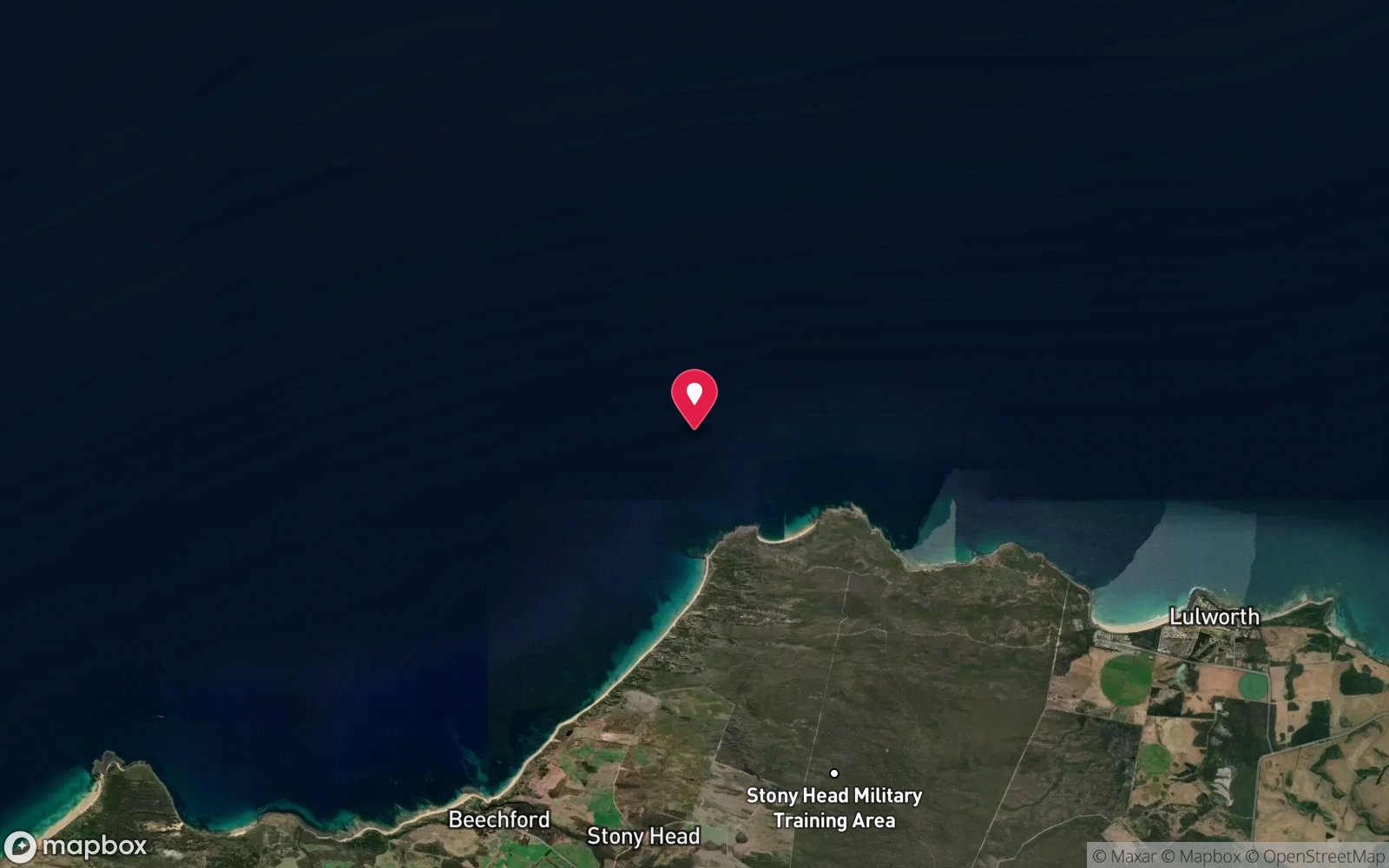
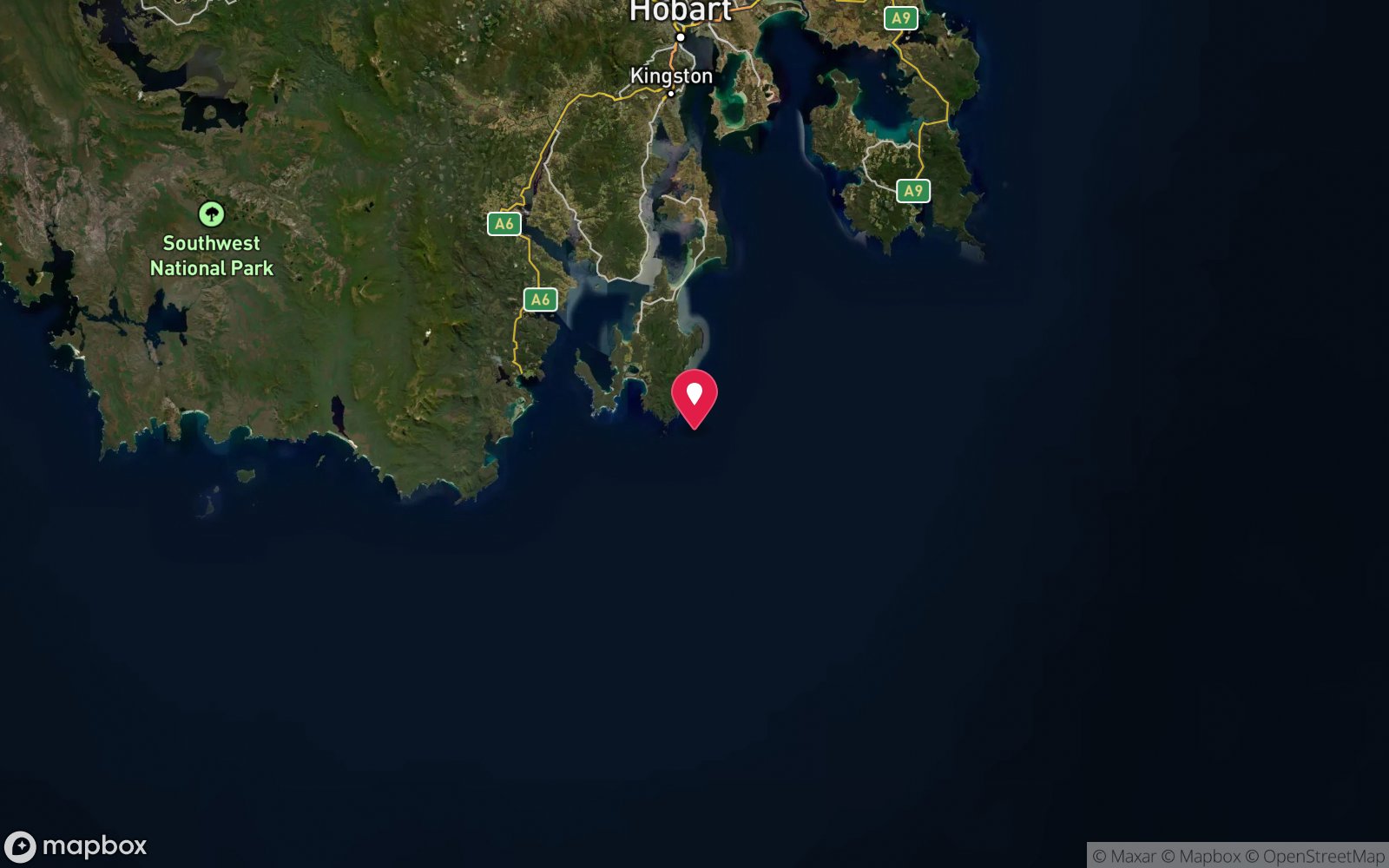
South Bruny – Tasman Head
-43.53000, 147.36000
Approximate position — not for navigation.
Open in Google MapsPrimary source: marinelife.org.auMarine park & permits
Seal-watching guidelines apply (vessels 50 m, 100 m in Nov-Dec); no landing.
Nearest recompression chamber
Royal Hobart Hospital Hyperbaric Medicine Unit (Hobart CBD); DAN emergency hotline 1800 088 200
Diving emergency: call 000, then DAN AP 1800 088 200.
Trip planner
Build a trip around The Friars (Bruny Island) →
A day-by-day plan for Bruny Island & D'Entrecasteaux Channel with this site locked in.
This guide is a planning aid. Conditions change daily — confirm with a local dive centre and dive within your training. Data & safety notes.
Dive profile
How this site rates
Scores are computed from the recorded data, not opinions. How?
At a glance
The Friars (Bruny Island) is a island boat dive in Bruny Island & D'Entrecasteaux Channel, TAS, 10–40 m, suited to Deep/Advanced + experience divers, strong current, about 50 minutes by boat.
Rated advanced because of depth to 40 m, strong current, cold water.
Why dive here
- Remote volcanic islets with swim-throughs, seals and clean Southern Ocean water off Bruny's southern tip.
- Rarely dived: expect to have the site to yourself, and plan your own logistics.
- Visibility often reaches 15-30 m.
Conditions to avoid
- Strong southerly or south-east swell and wind
- Any time other than slack water
About The Friars (Bruny Island)
The Friars are a cluster of rocky islets off Tasman Head, the southern tip of Bruny Island, where the D'Entrecasteaux Channel and Storm Bay meet the Southern Ocean. They support a colony of Australian and New Zealand fur seals and are a highlight of the Bruny Island wildlife cruises. The Marine Life Network guide rates the Friars among the best dives in south-east Tasmania, at 20-30 m.
It describes a huge, fairly flat dome of rock studded with impressive rocks and islands, large blocks of volcanic rock split by numerous swim-throughs, and channels between the islands with marine growth in the cracks, seals and colourful invertebrates. It warns of strong current in the channels, extreme exposure and the need for a large, well-equipped boat. The combination of clean oceanic water, dramatic topography and seals makes the Friars a genuine expedition-style dive.
Sponges, jewel anemones and other invertebrates encrust the swim-throughs, schools of butterfly perch and bastard trumpeter hang in the current, and seals twist around divers. Tasmanian seal-watching guidelines require vessels to stay at least 50 m from seals (100 m during November-December pupping) and slow down within 200 m; landing on the colony is not permitted. Seal colonies attract white sharks, so keep dives compact and stay close to the rock.
Only experienced divers with a capable skipper and a live boat should attempt the Friars, and only in the rare calm windows when the swell drops away. The wildlife cruises that pass the Friars show how rarely the sea is flat here; if you are visiting Bruny without a suitable boat, a cruise is the best way to see the seals and the formations from the surface.
Getting there & entry
Group of volcanic rock islets off Tasman Head at the southern tip of Bruny Island, with a fur seal colony, swim-throughs and current-swept channels.
Bruny Island is reached by the vehicle ferry from Kettering (about 35 km, 40 minutes south of Hobart via the Southern Outlet and Channel Highway) to Roberts Point on North Bruny; the crossing takes about 20 minutes and runs frequently, but book or queue early in summer. From Roberts Point drive south across The Neck to Adventure Bay (about 35-40 minutes), where there are boat ramps and a jetty. There are no dive shops or air fills on Bruny – bring filled cylinders from Hobart or Kingston.
The Friars lie off Tasman Head, about 20 km south of Adventure Bay – roughly 40-60 minutes by boat. The Marine Life Network guide stresses that a large, well-equipped craft and exceptionally calm weather are required, with a long run to the nearest safe anchorage. Pennicott Wilderness Journeys' Bruny Island Cruises visit the seal colony from Adventure Bay for sightseeing; divers need their own boat or a Channel charter.
Entry: Back roll or giant stride from charter boat
Facilities: Adventure Bay ramp; no fills on Bruny.
Weather, swell & tides
The Friars are fully exposed to the Southern Ocean and the Tasman Sea. The Marine Life Network describes them as requiring exceptionally calm weather, with strong currents in the channels between the islets. Dive only with minimal swell (well under 1 m) and light winds, ideally around slack water.
Southerly and south-westerly swell, which is present most days, makes the site unworkable. Late summer and autumn give the best odds. Visibility is often excellent – 15 m or more – when conditions allow.
Best season: Late summer to autumn (February-May) for settled weather and best visibility; diveable year-round between fronts
If it's blown out
Sheltered or shore sites within 25 km that often work when The Friars (Bruny Island) doesn't.
- Adventure Bay (Bruny Island) · 18 km · Max 25 m
- Quiet Corner – Natal Queen Wreck · 21 km · Max 4 m
How the dive is usually run
Choose a lee-side drop, descend onto the rock dome and explore the swim-throughs between the volcanic blocks at 15-25 m, avoiding the inter-island channels if current is running. Ascend along a rock face and deploy an SMB early for live-boat pick-up.
Marine life
- Australian and New Zealand fur seals →
- sponges
- jewel anemones
- sea whips
- colourful invertebrates
- butterfly perch
- bastard trumpeter
- banded morwong
- rock lobster
Linked species have their own page listing every site where they are recorded. All marine life →
Training required
The recreational limit. Operators expect a Deep Diver specialty or Advanced plus a log of similar dives, and most recommend nitrox.
This is a deep dive: plan gas, bottom time and a safety stop accordingly, and consider nitrox.
Courses that help here
- Enriched Air Nitrox – Longer no-decompression time at 25 m and deeper.
- Deep Diver – The site reaches 40 m.
- Drift Diver – Current is a feature of the dive.
- Drysuit Diver – Cold water; locals dive dry for much of the year.
Depth tiers: 0–10 m easy · to 18 m Open Water · 18–30 m Advanced (25 m+ is a deep dive) · 30–40 m Deep specialty · 40 m+ technical. All courses
Hazards & warnings
Strong currents in the channels; extreme exposure; long boat run; seal colony – observe vessel approach distances, shark awareness; remote – long evacuation to Hobart.
Technical notes
Live-boat drift diving; carry SMB, reel, VHF and oxygen on the boat.
Dive centres that go here
No scheduled dive trips. Occasional charters by Underwater Adventures Tasmania in exceptional weather; private expedition boats. Bruny Island Cruises (Pennicott) visits for wildlife viewing only.
Operators recorded for The Friars (Bruny Island)
Other dive centres in Bruny Island & D'Entrecasteaux Channel
Tasmania Tech and Dive Centre
ProfiledHobart & Derwent · TAS
The Tasmanian operation most clearly associated with technical diving services, spanning recreational and technical training with technical gas support.
Go Dive Tasmania
ListedHobart · Hobart & Derwent · TAS
A Tasmanian business providing training, equipment and service support for cold-water diving.
godivetas.com.au · (03) 6231 9749
Tasmanian Divers North
ListedLaunceston · Tasmania North & North-West · TAS
A northern Tasmanian operation serving the Bass Strait coastline and local diving community.
tasdivers.com.au · (03) 6229 1020
Tasmanian Divers South
ListedKingston · Hobart & Derwent · TAS
A southern Tasmanian operation serving the Hobart region and surrounding diving.
tasdivers.com.au · (03) 6229 1020
The Dive Shop Hobart
ListedHobart · Hobart & Derwent · TAS
A Hobart equipment and service business supporting local cold-water divers.
thediveshophobart.com.au · (03) 6234 3428
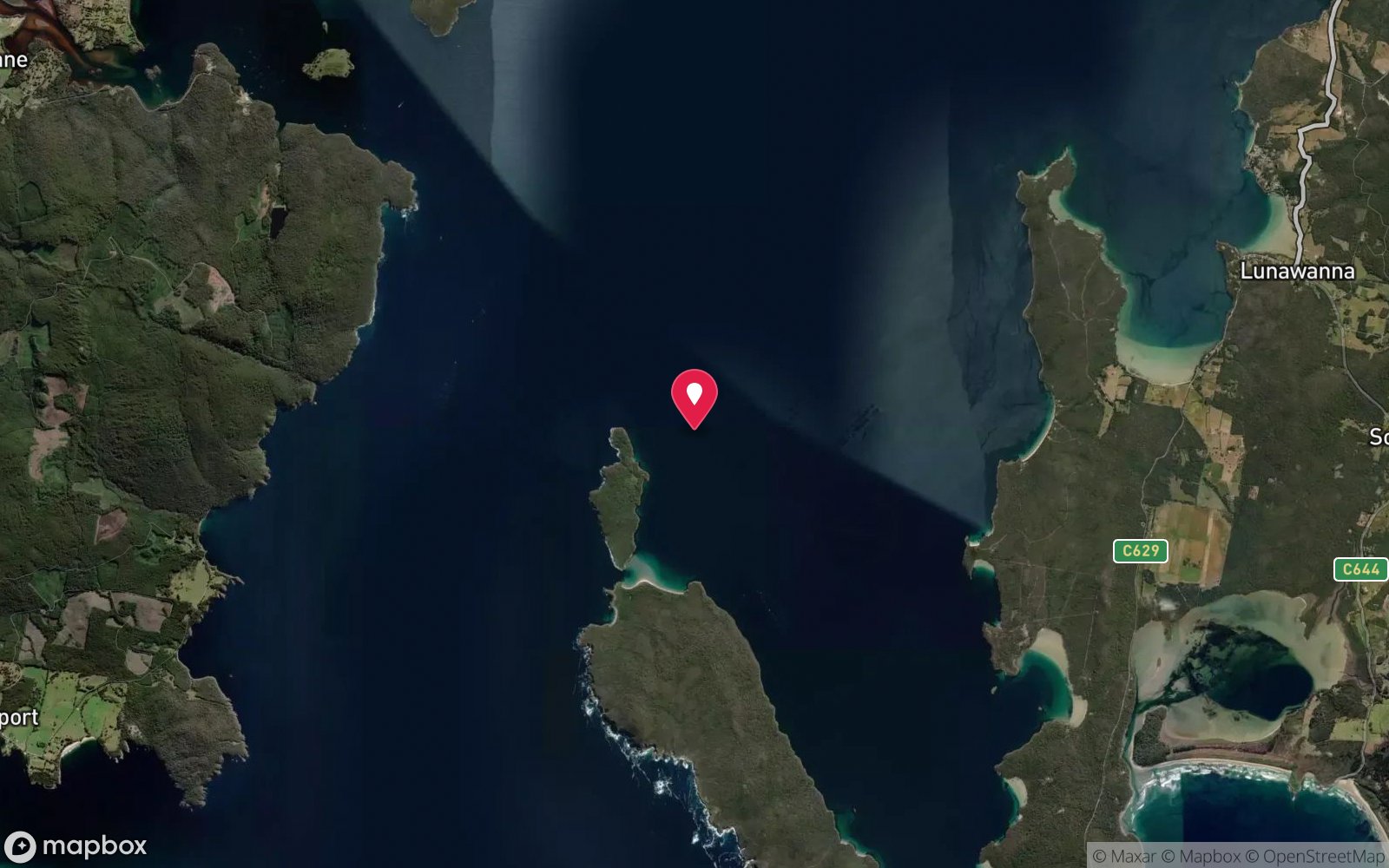
Map
7 pinned sites. Pins marked approximate on their pages show the general area only; not for navigation.
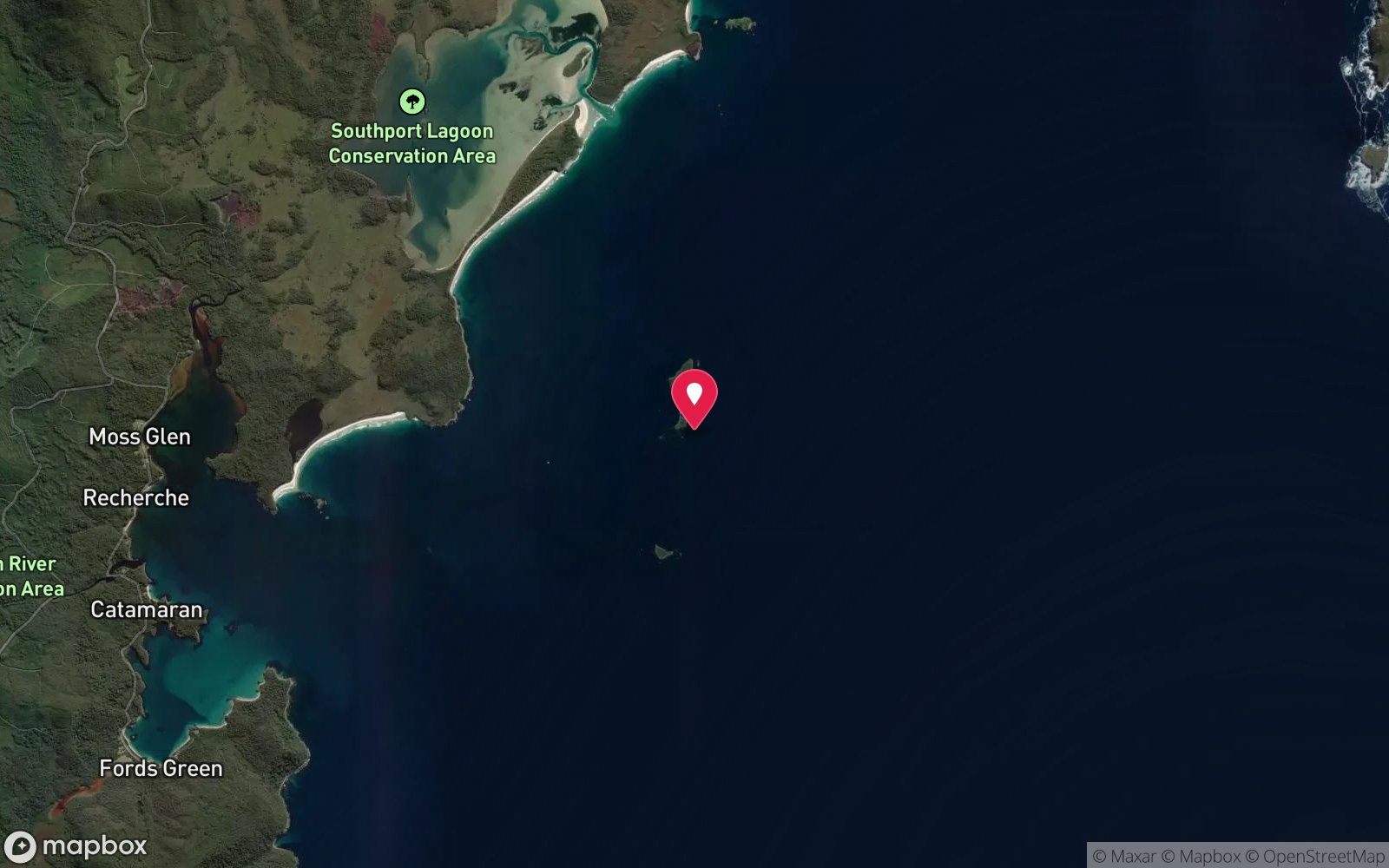
Satellite views


The Friars (Bruny Island): frequently asked questions
How deep is The Friars (Bruny Island)?
The Friars (Bruny Island) reaches a maximum depth of 40 m, with the shallowest part at about 10 m; most of the dive is spent around 25 m.
What certification do I need to dive The Friars (Bruny Island)?
Deep/Advanced + experience is the recommended minimum. This is a deep dive: plan gas, bottom time and a safety stop accordingly, and consider nitrox. Rated advanced because of depth to 40 m, strong current, cold water.
Can I shore dive The Friars (Bruny Island)?
No, it is reached by boat (about 50 minutes). A dive centre is required: boat access only.
When is the best time to dive The Friars (Bruny Island)?
Late summer to autumn (February-May) for settled weather and best visibility; diveable year-round between fronts.
What marine life will I see at The Friars (Bruny Island)?
Regularly recorded: Australian and New Zealand fur seals, sponges, jewel anemones, sea whips, colourful invertebrates, butterfly perch, bastard trumpeter, banded morwong, rock lobster.
What wetsuit do I need at The Friars (Bruny Island)?
Drysuit strongly recommended year-round; 7 mm semi-dry or two-piece 7 mm wetsuit with hood and gloves is the minimum in summer.
How cold is the water at The Friars (Bruny Island)?
Typically 14-18 °C in summer and 10-13 °C in winter.
What are the main hazards at The Friars (Bruny Island)?
Strong currents in the channels; extreme exposure; long boat run; seal colony – observe vessel approach distances, shark awareness; remote – long evacuation to Hobart. See the hazards section above for the full list.
Where is the nearest recompression chamber to The Friars (Bruny Island)?
Royal Hobart Hospital Hyperbaric Medicine Unit (Hobart CBD); DAN emergency hotline 1800 088 200. In an emergency call 000, then DAN Asia-Pacific on 1800 088 200.
Diving in Bruny Island & D'Entrecasteaux Channel
Bruny Island's Adventure Bay and the Friars at its southern tip offer fur seals, kelp, caves and clear water, while the sheltered D'Entrecasteaux Channel has jetties, wrecks and easy shore dives at Kettering, Woodbridge and Tinderbox. It is Hobart's weekend diving.
Getting there: Ferry from Kettering to Bruny Island (30 minutes from Hobart). Charters run from Hobart and Kettering; several channel sites are shore dives.
All Bruny Island & D'Entrecasteaux Channel dive sites and a suggested itinerary →