Dive slate · divesites.com.au · printed 8 Nov 2026
Partridge Island
Bruny Island & D'Entrecasteaux Channel, Tasmania · near Lunawanna
| Depth | 2–10 m |
|---|---|
| Minimum level | Open Water |
| Difficulty | Beginner |
| Access | Boat (day trip) |
| Entry | Back roll or giant stride from charter boat |
| Current | Mild |
| Visibility | 5-12 m |
| Water | summer 14-18 °C, winter 9-12 °C |
| Suit | Drysuit strongly recommended year-round; 7 mm semi-dry or two-piece 7 mm wetsuit with hood and gloves is the minimum in summer |
| Best season | Late summer to autumn (February-May) for settled weather and best visibility; diveable year-round between fronts |
| Bottom time | 55 min |
| Position | -43.39000, 147.11500 (approximate) |
| Permit | No permit required |
| Nearest chamber | Royal Hobart Hospital Hyperbaric Medicine Unit (Hobart CBD); DAN emergency hotline 1800 088 200 |
| Emergency | 000 · DAN Asia-Pacific diving emergency 1800 088 200 |
Partridge Island
Sheltered island dive with a tall giant kelp forest on the channel side (condition variable).
Near Lunawanna · Bruny Island & D'Entrecasteaux Channel, Tasmania
- Depth
- 2–10 m
- Minimum level
- Open Water
- Access
- Boat (day trip)
- Boat ride
- ~15 min
- Water
- 14-18 °C
- Visibility
- 5-12 m
Partridge Island2–10 m · Open Water
Dive factsDepths, conditions, location & safety
Season
Off-peak nowBest months: January, February, March, April, May, December.
Late summer to autumn (February-May) for settled weather and best visibility; diveable year-round between fronts
- Best months
- Now (November)
Dive facts
- Depth
- 2–10 m
- Typical depth
- 6 m
- Certification
- Open Water
- Difficulty
- Beginner
- Depth tier
- Easy (0–10 m)
- Access
- Boat (day trip)
- Offshore
- 1 km
- Dive centre needed
- Yes – boat access only
- Shore / independent
- No
- Boat ride
- ~15 min
- Current
- Mild
- Visibility
- 5-12 m
- Water temp (summer)
- 14-18 °C
- Water temp (winter)
- 9-12 °C
- Water
- Cold Temperate
- Bottom time
- 55 min
- Dive traffic
- Rarely dived (private boat/club only)
- Night dive
- No
- Snorkel friendly
- Yes
Exposure suit
Drysuit strongly recommended year-round; 7 mm semi-dry or two-piece 7 mm wetsuit with hood and gloves is the minimum in summer
Location
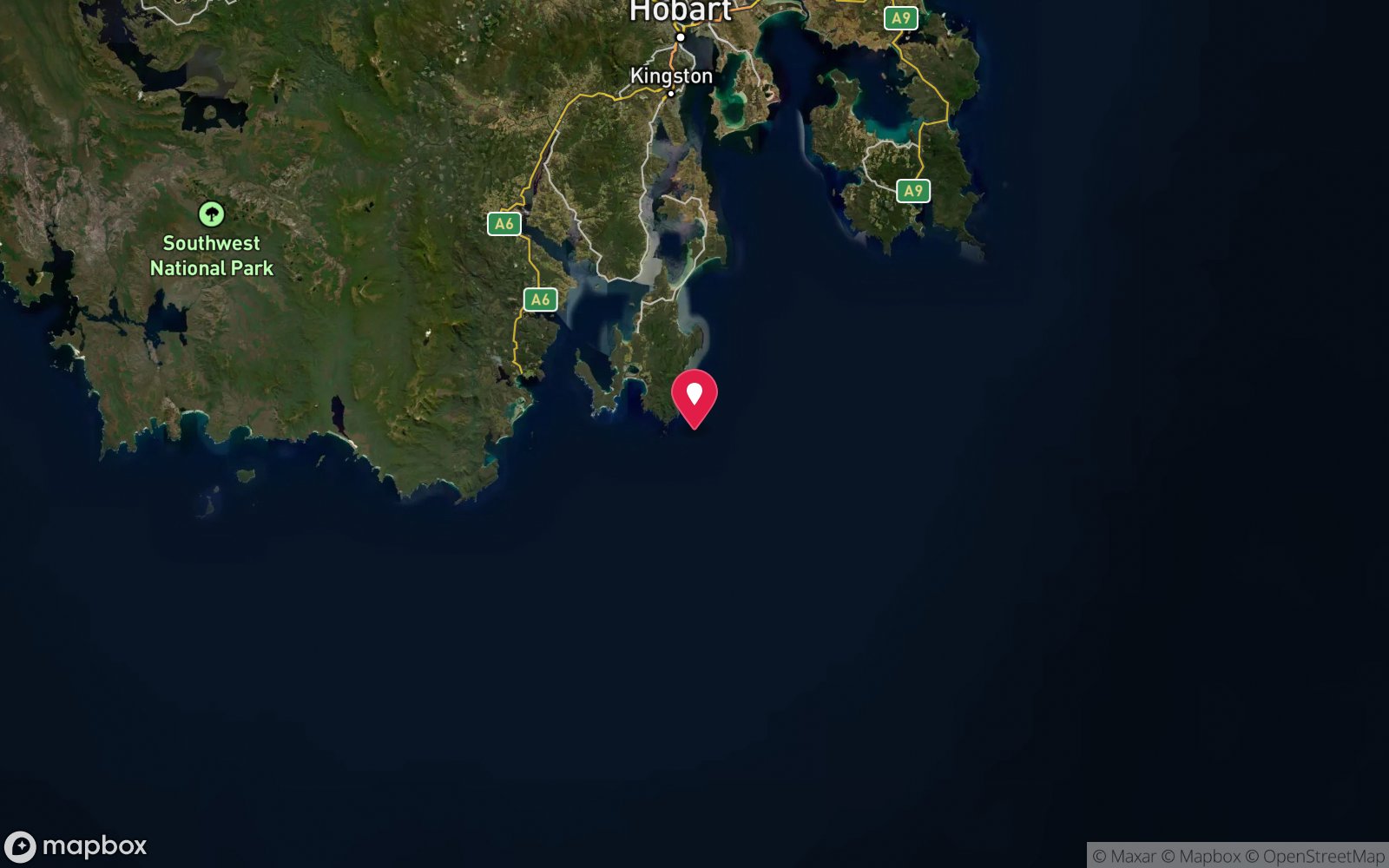
South-west Bruny – Channel entrance
-43.39000, 147.11500
Approximate position — not for navigation.
Open in Google MapsPrimary source: marinelife.org.auMarine park & permits
No permit required
Nearest recompression chamber
Royal Hobart Hospital Hyperbaric Medicine Unit (Hobart CBD); DAN emergency hotline 1800 088 200
Diving emergency: call 000, then DAN AP 1800 088 200.
Trip planner
Build a trip around Partridge Island →
A day-by-day plan for Bruny Island & D'Entrecasteaux Channel with this site locked in.
This guide is a planning aid. Conditions change daily — confirm with a local dive centre and dive within your training. Data & safety notes.
Dive profile
How this site rates
Scores are computed from the recorded data, not opinions. How?
At a glance
Partridge Island is a island boat dive in Bruny Island & D'Entrecasteaux Channel, TAS, 2–10 m, suited to Open Water divers, about 15 minutes by boat.
Rated beginner: sheltered, shallow and manageable for a newly certified diver on a normal day, though note cold water.
Why dive here
- Sheltered island dive with a tall giant kelp forest on the channel side (condition variable).
- Snorkel-friendly, so non-diving companions can join at the surface.
- Rarely dived: expect to have the site to yourself, and plan your own logistics.
Conditions to avoid
- Strong southerly or south-east swell and wind
- Strong northerlies
- Outgoing tide or run-off after rain (poor visibility)
About Partridge Island
Partridge Island lies off the south-western coast of Bruny Island at the southern entrance to the D'Entrecasteaux Channel. The Marine Life Network guide rates it highly: the northern side is sheltered from the prevailing southerly swell, with thick weed, a tall Macrocystis forest on the channel side and depth increasing progressively seaward, in 2-10 m. It records reef fish and green seaweeds, notes that the island is heavily fished, and describes it as good for groups and for camera work.
The tall giant kelp is the highlight, though – as everywhere in south-east Tasmania – its condition now varies from year to year with water temperature and may be much reduced from the forest described. Beneath the canopy, wrasse, leatherjackets, bastard trumpeter and magpie morwong feed, and seahorses and weedy seadragons may be found. It is an easy, shallow dive for all levels once there, but reaching it requires a boat and a crossing either from Bruny Island or from the Dover–Southport side.
D'Entrecasteaux's expedition anchored in these waters in 1792-93, and the channel and the island names reflect French and early colonial charting. Ask locally about the current state of the kelp before making the trip. With good planning it makes a rewarding day trip combined with Quiet Bay or Courts Island, and the scenery of the southern channel entrance – with Bruny's cliffs and the far south's mountains – is outstanding.
Carry a VHF radio and let someone know your plans, as mobile coverage is patchy. Snorkellers can enjoy the canopy from the surface on calm days.
Getting there & entry
Island off the south-west of Bruny Island at the southern entrance to the D'Entrecasteaux Channel, with thick weed and a tall Macrocystis forest on its channel side.
Bruny Island is reached by the vehicle ferry from Kettering (about 35 km, 40 minutes south of Hobart via the Southern Outlet and Channel Highway) to Roberts Point on North Bruny; the crossing takes about 20 minutes and runs frequently, but book or queue early in summer. Launch at Lunawanna/Cloudy Bay area ramps on South Bruny or cross the channel from Dover/Southport; Partridge Island lies off Bruny's south-western shore. Anchor on the sheltered northern side in sand, clear of the kelp.
Bring filled cylinders; there are no fills on Bruny.
Entry: Back roll or giant stride from charter boat
Facilities: Boat ramps on South Bruny and at Dover/Southport; no fills on Bruny.
Weather, swell & tides
The D'Entrecasteaux Channel is sheltered from ocean swell by Bruny Island, but strong northerly and southerly winds funnel along it and raise a steep chop. Southerly swell entering from the Southern Ocean affects the southern channel sites. Visibility is moderate and often green-tinged from Huon River and local runoff, dropping after heavy rain; the Marine Life Network notes a possible slow tidal current at some sites.
Calm mornings in late summer and autumn are best; the channel can be dived year-round. The northern side of the island is sheltered from the prevailing southerly swell.
Best season: Late summer to autumn (February-May) for settled weather and best visibility; diveable year-round between fronts
If it's blown out
Sheltered or shore sites within 25 km that often work when Partridge Island doesn't.
- Blubber Head (Port Esperance) · 11 km · Max 10 m
- Lady Bay (Southport) · 12 km · Max 10 m
- Southport Convict Cemetery · 12 km · Max 10 m
- Ninepin Point Marine Reserve · 13 km · Max 10 m
How the dive is usually run
Descend on the northern side into the weed, move to the channel side where the Macrocystis grows, and swim among the stipes as the bottom deepens seaward. Return to the anchor through the weed.
Marine life
- Giant kelp (Macrocystis, variable)
- thick brown and green seaweeds
- wrasse
- leatherjackets
- bastard trumpeter
- magpie morwong
- seahorses →
- weedy seadragons →
Linked species have their own page listing every site where they are recorded. All marine life →
Training required
Shallow enough for snorkellers and for a first dive under supervision. Any certified diver can dive it.
Courses that help here
- Drysuit Diver – Cold water; locals dive dry for much of the year.
Depth tiers: 0–10 m easy · to 18 m Open Water · 18–30 m Advanced (25 m+ is a deep dive) · 30–40 m Deep specialty · 40 m+ technical. All courses
Hazards & warnings
Exposed crossings in wind; kelp entanglement; heavily fished – fishing line and nets; no facilities.
Dive centres that go here
Underwater Adventures Tasmania – Channel and Bruny boat trips from Hobart; otherwise private boats from channel ramps (Kettering, Woodbridge, Middleton, Gordon, Alonnah).
Operators recorded for Partridge Island
Other dive centres in Bruny Island & D'Entrecasteaux Channel
Tasmania Tech and Dive Centre
ProfiledHobart & Derwent · TAS
The Tasmanian operation most clearly associated with technical diving services, spanning recreational and technical training with technical gas support.
Go Dive Tasmania
ListedHobart · Hobart & Derwent · TAS
A Tasmanian business providing training, equipment and service support for cold-water diving.
godivetas.com.au · (03) 6231 9749
Tasmanian Divers North
ListedLaunceston · Tasmania North & North-West · TAS
A northern Tasmanian operation serving the Bass Strait coastline and local diving community.
tasdivers.com.au · (03) 6229 1020
Tasmanian Divers South
ListedKingston · Hobart & Derwent · TAS
A southern Tasmanian operation serving the Hobart region and surrounding diving.
tasdivers.com.au · (03) 6229 1020
The Dive Shop Hobart
ListedHobart · Hobart & Derwent · TAS
A Hobart equipment and service business supporting local cold-water divers.
thediveshophobart.com.au · (03) 6234 3428
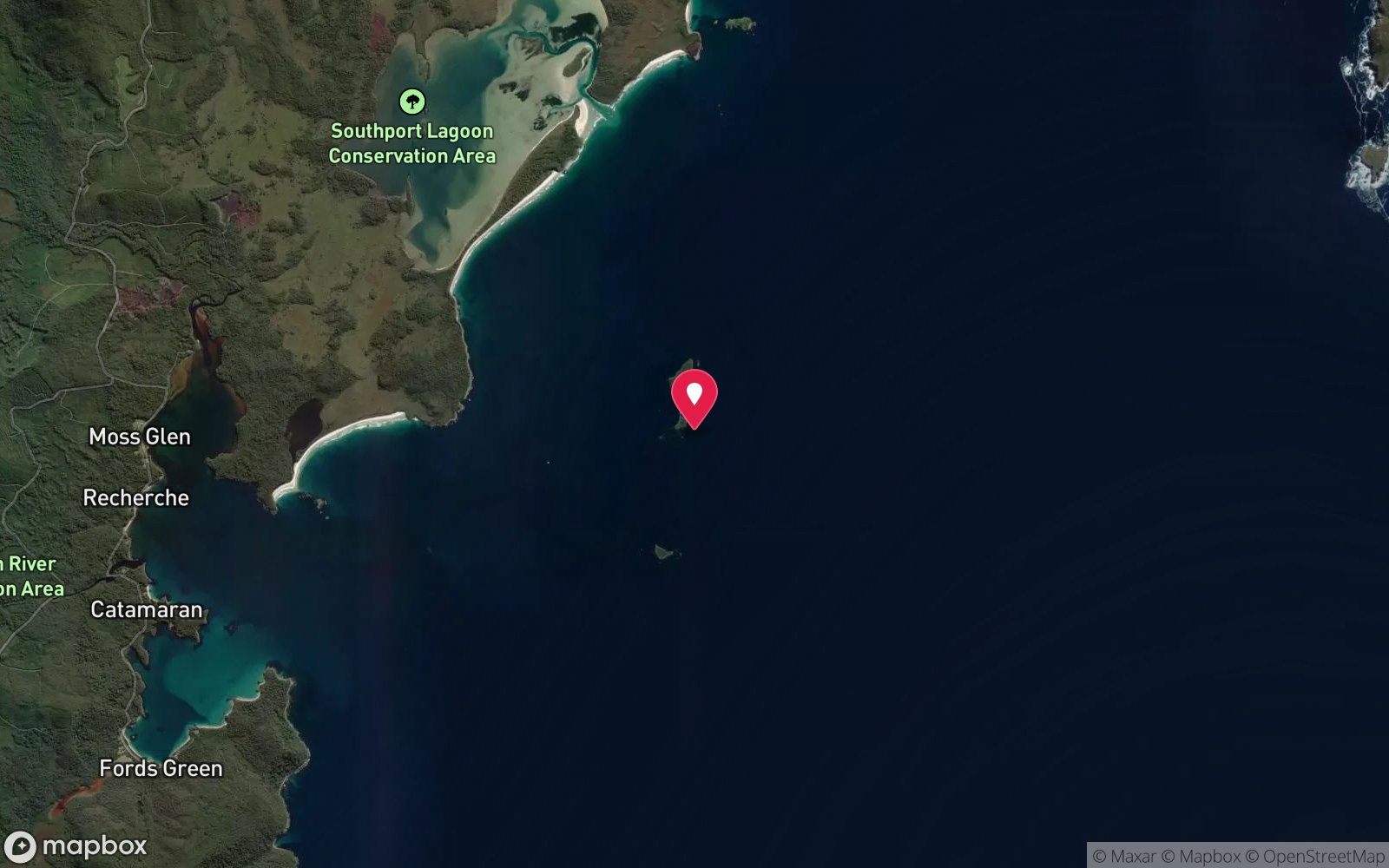
Map
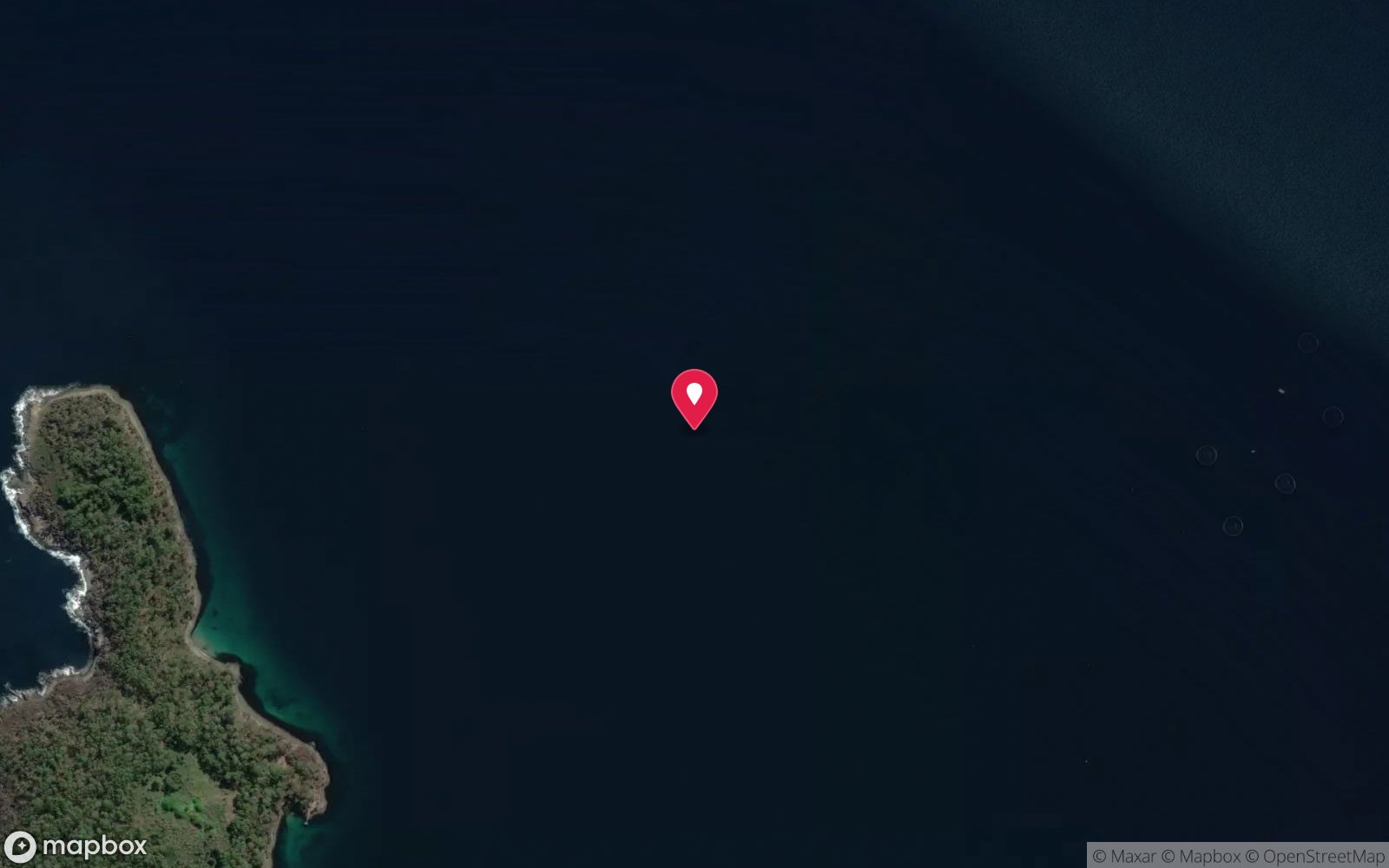
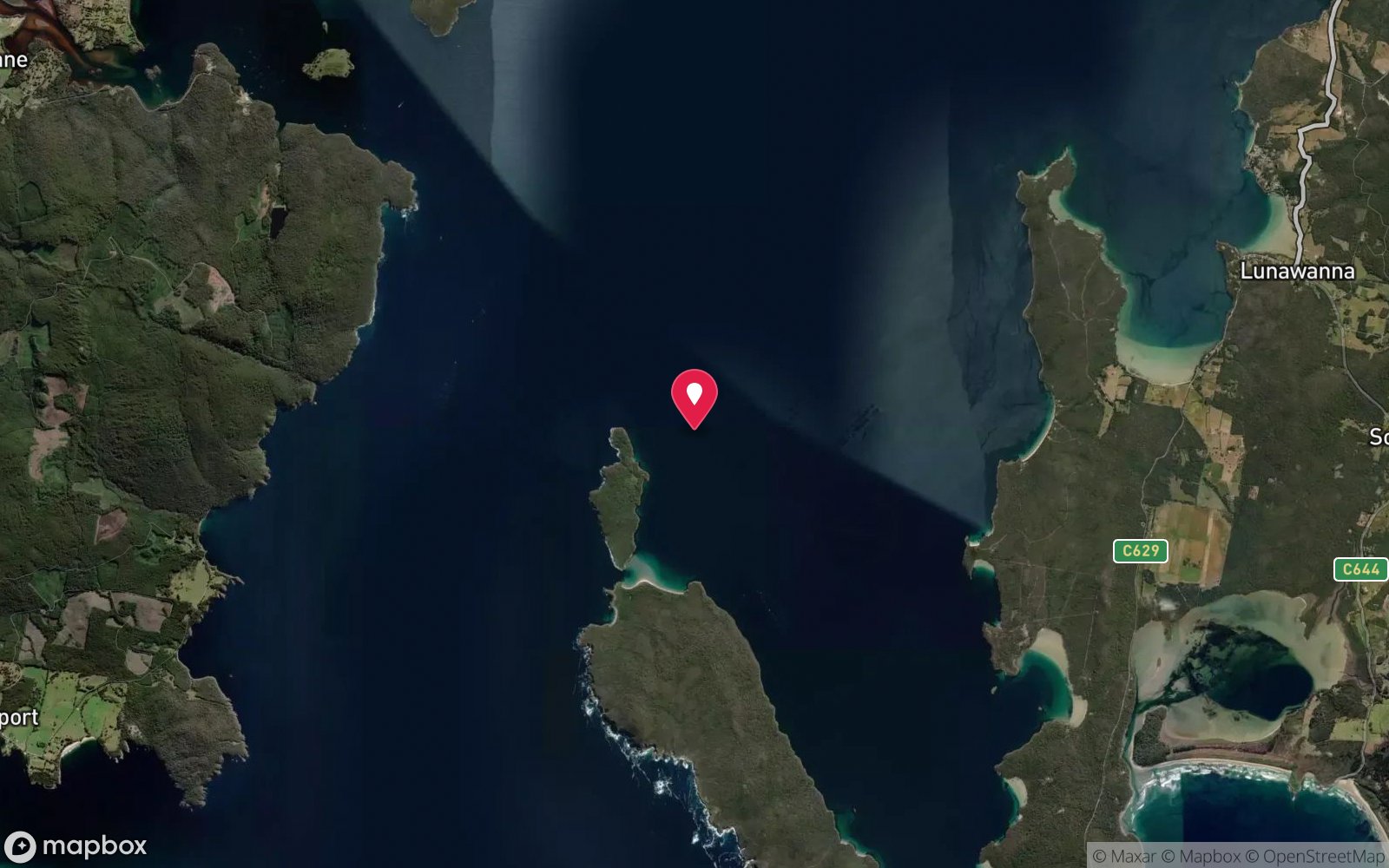
7 pinned sites. Pins marked approximate on their pages show the general area only; not for navigation.
Satellite views
Partridge Island: frequently asked questions
How deep is Partridge Island?
Partridge Island reaches a maximum depth of 10 m, with the shallowest part at about 2 m; most of the dive is spent around 6 m.
What certification do I need to dive Partridge Island?
Open Water is the recommended minimum. Rated beginner: sheltered, shallow and manageable for a newly certified diver on a normal day, though note cold water.
Can I shore dive Partridge Island?
No, it is reached by boat (about 15 minutes). A dive centre is required: boat access only.
When is the best time to dive Partridge Island?
Late summer to autumn (February-May) for settled weather and best visibility; diveable year-round between fronts.
What marine life will I see at Partridge Island?
Regularly recorded: Giant kelp (Macrocystis, variable), thick brown and green seaweeds, wrasse, leatherjackets, bastard trumpeter, magpie morwong, seahorses, weedy seadragons.
What wetsuit do I need at Partridge Island?
Drysuit strongly recommended year-round; 7 mm semi-dry or two-piece 7 mm wetsuit with hood and gloves is the minimum in summer.
How cold is the water at Partridge Island?
Typically 14-18 °C in summer and 9-12 °C in winter.
What are the main hazards at Partridge Island?
Exposed crossings in wind; kelp entanglement; heavily fished – fishing line and nets; no facilities. See the hazards section above for the full list.
Where is the nearest recompression chamber to Partridge Island?
Royal Hobart Hospital Hyperbaric Medicine Unit (Hobart CBD); DAN emergency hotline 1800 088 200. In an emergency call 000, then DAN Asia-Pacific on 1800 088 200.
Diving in Bruny Island & D'Entrecasteaux Channel
Bruny Island's Adventure Bay and the Friars at its southern tip offer fur seals, kelp, caves and clear water, while the sheltered D'Entrecasteaux Channel has jetties, wrecks and easy shore dives at Kettering, Woodbridge and Tinderbox. It is Hobart's weekend diving.
Getting there: Ferry from Kettering to Bruny Island (30 minutes from Hobart). Charters run from Hobart and Kettering; several channel sites are shore dives.
All Bruny Island & D'Entrecasteaux Channel dive sites and a suggested itinerary →
Sources
Data confidence: Low · Being verified: Current kelp extent unknown; coordinates approximate.. Last updated September 2026. Know this site better? How to send a correction
Nearby dive sites
More island dives in Tasmania
Explore more
This region
Similar dives