State guide · TAS
Scuba diving in Tasmania
Giant kelp, sea caves, the deepest sea cliffs in the southern hemisphere and water as clear as it is cold.
- Dive sites
- 238
- Regions
- 12
- Wrecks
- 53
- Shore dives
- 50
- Beginner sites
- 67
Tasmania is the coldest diving in Australia and, on the right day, the clearest. The east coast, from Bicheno down through the Tasman Peninsula to Bruny Island, has visibility that regularly exceeds 25 m in winter, granite and dolerite walls covered in sponge, sea whips and jewel anemones, and some of the largest sea caves in the country at Waterfall Bay and Cathedral Cave near Eaglehawk Neck. Fur seals haul out at Hippolyte Rocks and the Friars, and remnants of the giant kelp forests that once lined the coast survive at Fortescue Bay and Munro Bight.
Bicheno, three hours from Hobart, is the state's diving capital: Governor Island Marine Reserve has more than 20 sites in a few hundred metres, including the Castle, Magic Garden and the Golden Bommies. The Tasman Peninsula is deeper and wilder, with Sisters Rocks, the Thumbs and the 300 m sea cliffs of Cape Pillar above 40–70 m dives. Hobart has the Tinderbox Marine Reserve, the Derwent wrecks and, across the channel, Bruny Island's Adventure Bay and the Friars.
The north and west coasts are dived by very few people. The north-west around Wynyard and Rocky Cape has clear water and sponge gardens in Bass Strait, and King Island and the Flinders Island group are wreck country, with the Cataraqui, Loch Leven and dozens of others lost on the islands' rocks. Tasmania's sea temperature and weather are the limiting factors: drysuits are standard and settled spells are short.
The east coast season
Counter-intuitively, winter is often the best time to dive eastern Tasmania. The water drops to 11–13 °C but the westerly weather flattens the east coast, the plankton clears and 30 m visibility is common. February to May has the warmest water (16–18 °C), the settled autumn weather and the longest days. Summer brings easterly swells that close the exposed sites, and the spring plankton bloom in October and November cuts visibility. The Tasman Peninsula cliffs and caves need swell under about 1 m, which happens more often in autumn and winter than in summer.
Kelp, urchins and the changing coast
Tasmania's diving has changed in a generation. Warming water from the East Australian Current has brought long-spined sea urchins south, and they have grazed large areas of kelp reef to bare rock, particularly on the north-east coast. The giant kelp (Macrocystis) forests have shrunk by more than 95 per cent; the remaining stands near Fortescue Bay and Munro Bight are protected and restoration projects are underway. Divers who want to see kelp forest should plan for it deliberately and ask local operators where it currently stands.
Operators and access
Bicheno and Eaglehawk Neck each have a dedicated dive operator running daily boat dives in season; Hobart has shops that charter to the Tinderbox area, Bruny Island and the Derwent wrecks. Independent shore diving is straightforward around Hobart, Bicheno and the north-west. The offshore islands (Flinders, King, the Kent Group, Maatsuyker) are private-boat or expedition destinations.
When to dive Tasmania
February – May
Warmest water (15–18 °C), settled weather and long days. Peak season for Bicheno and the Tasman Peninsula.
June – September
Coldest (11–13 °C) but often the clearest water of the year on the east coast, with westerly weather flattening the sea.
October – November
Spring plankton reduces visibility; still good in the sheltered channels and around Hobart.
The five dives to do first
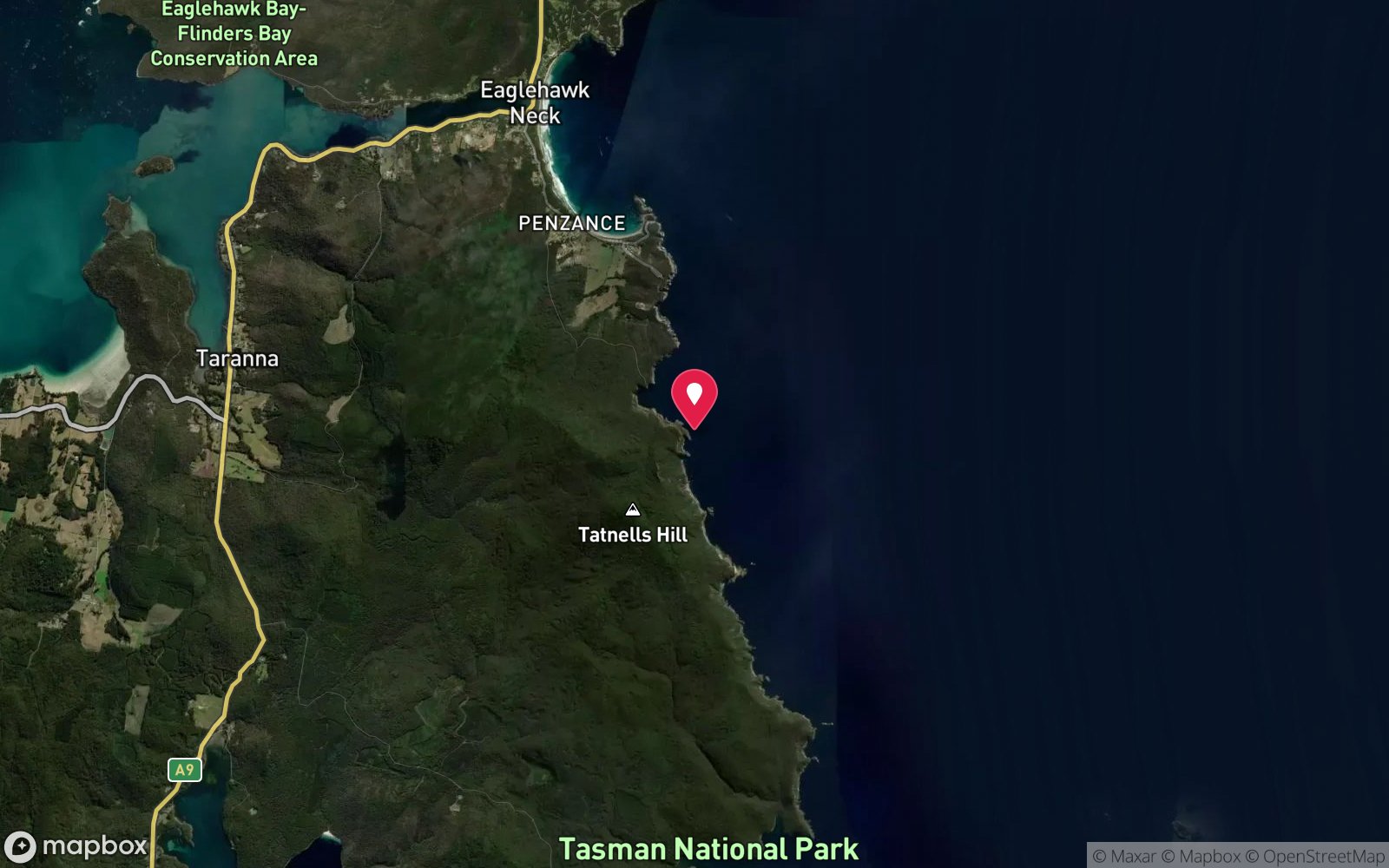
1. Tasman Peninsula · TAS
Cathedral Cave
A huge sea cave system at Waterfall Bay, with chambers you can surface in and walls of colour outside.
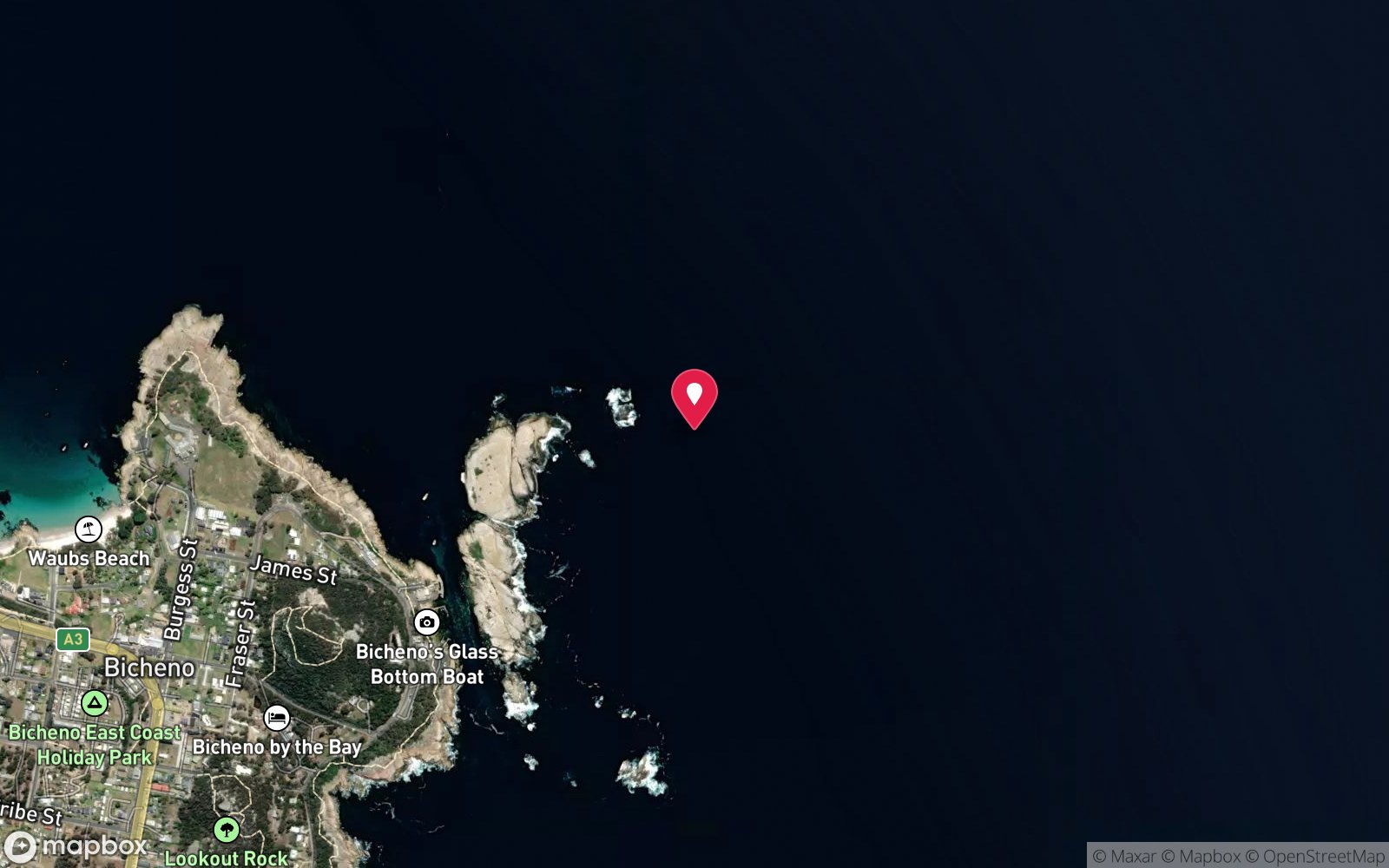
2. Tasmania East Coast · TAS
The Castle (Bicheno)
Governor Island's deep granite tower, 40 m to the sand, covered in jewel anemones and sea whips.
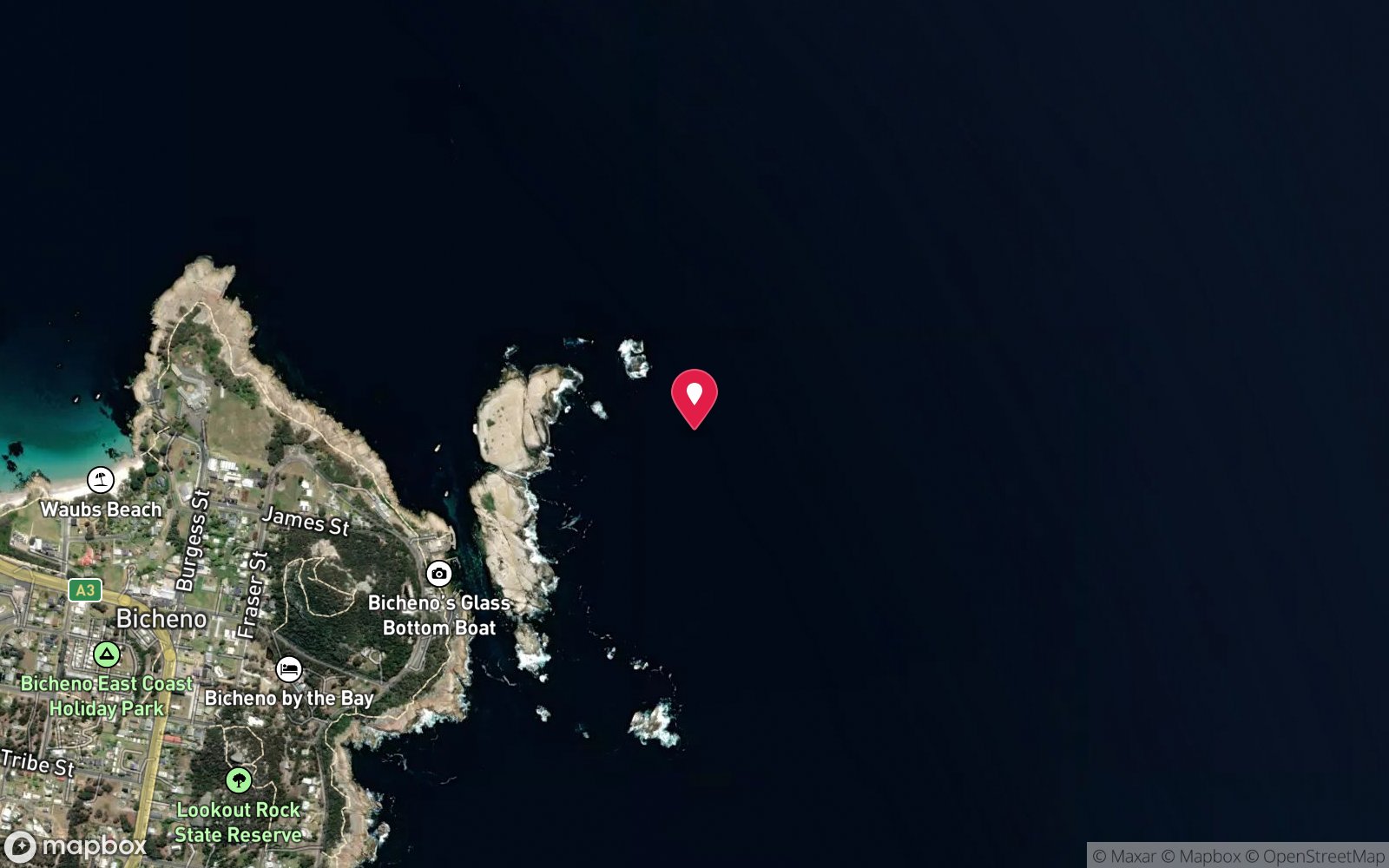
3. Tasmania East Coast · TAS
Magic Garden (Bicheno)
A wall of sponges and soft corals that is Bicheno's most photographed site.
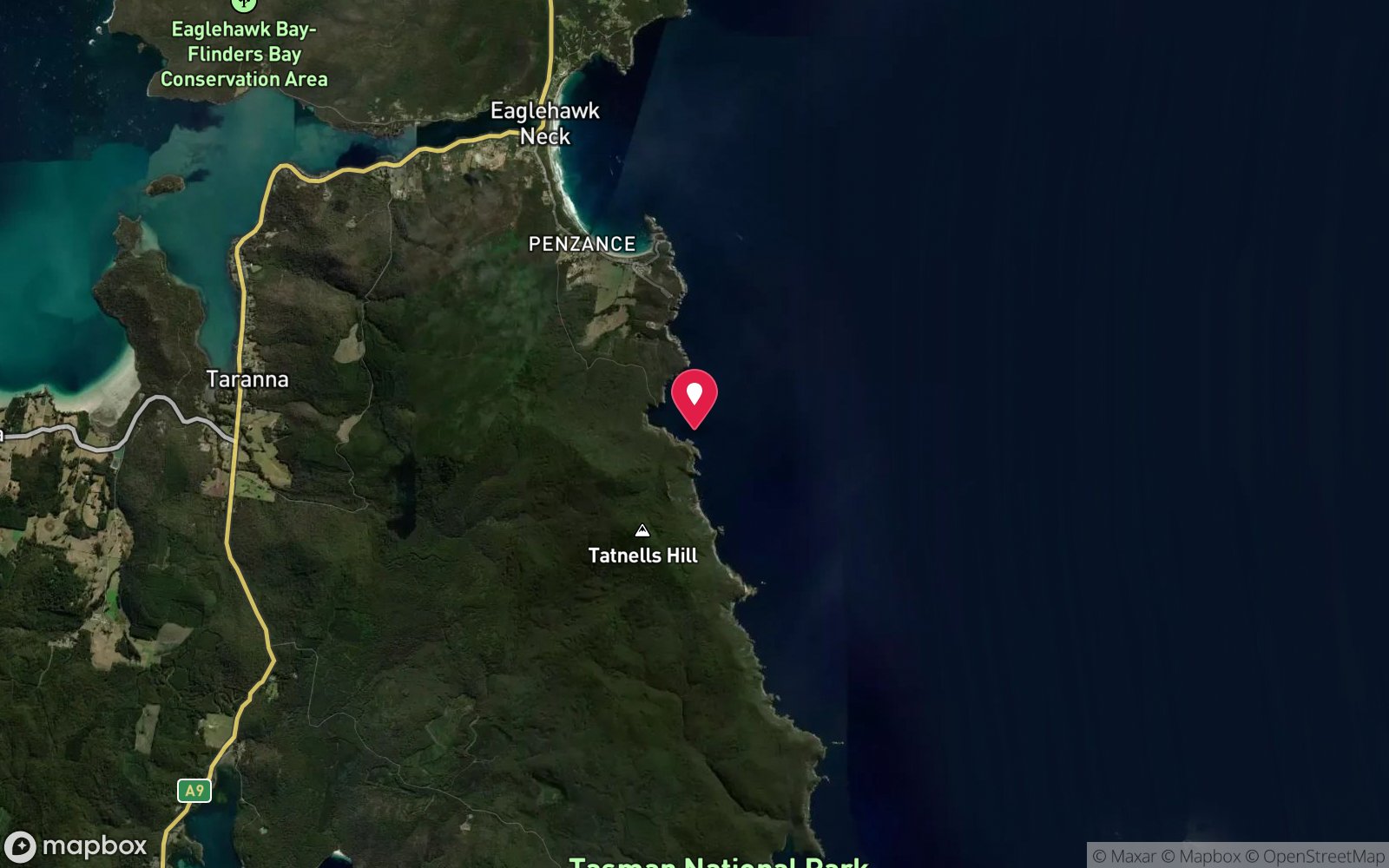
4. Tasman Peninsula · TAS
Waterfall Bay Wall
The dolerite wall beneath 100 m cliffs, with kelp, sponge gardens and seals passing through.
5. Hobart & Derwent · TAS
Tinderbox Marine Reserve
Hobart's shore-dive reserve with an underwater snorkel trail, weedy seadragons and easy access.
Also worth planning around
1. Tasmania East Coast · TAS
Governor Island Wave Deflection Wall
Bicheno's easiest dive and one of its most colourful, in 6 m.
2. Tasman Peninsula · TAS
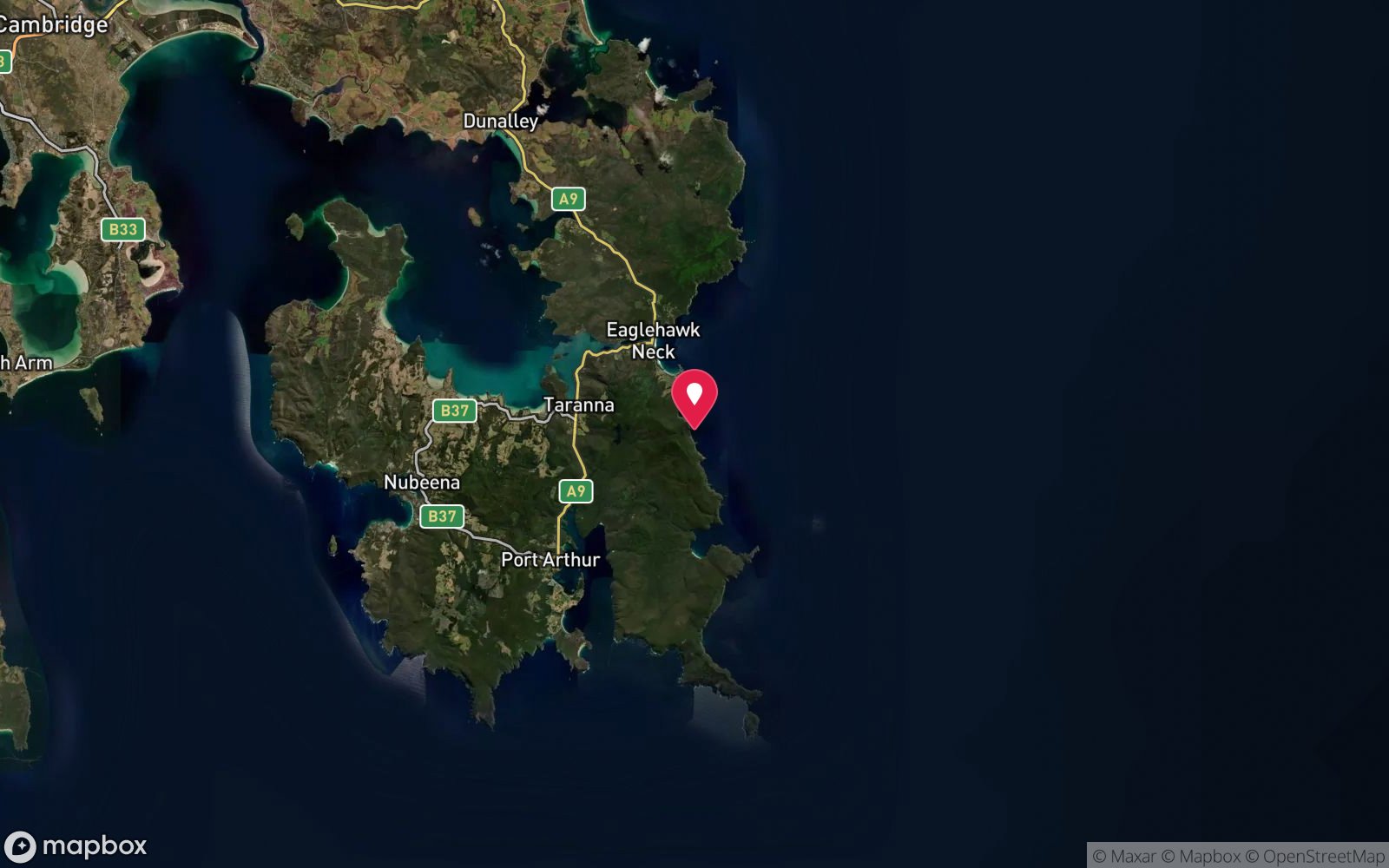
Little Waterfall Bay
Caves and swim-throughs on the Tasman Peninsula in clear water.
3. Tasmania East Coast · TAS
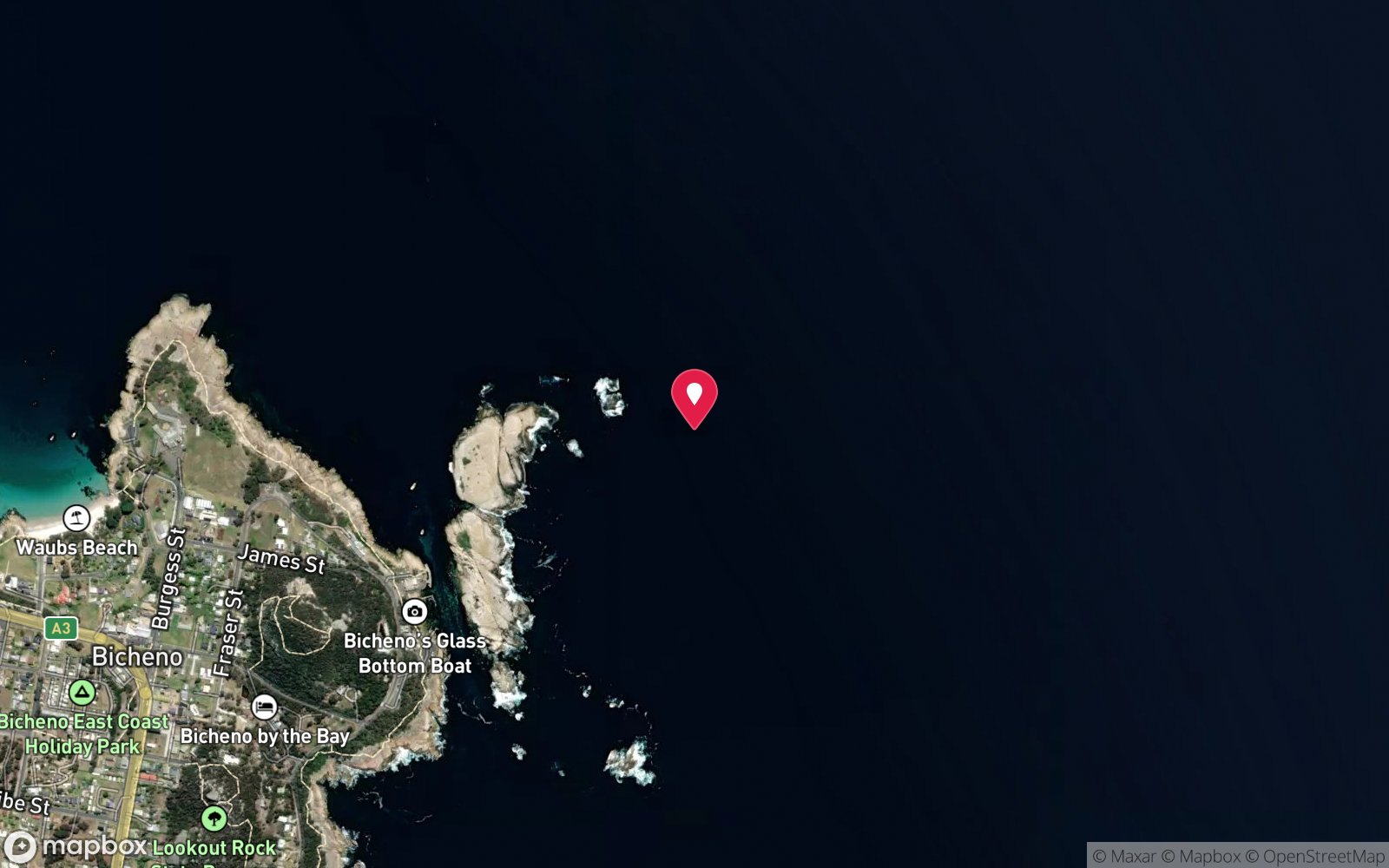
Mount Everest (Bicheno)
A deep pinnacle for experienced divers off Governor Island.
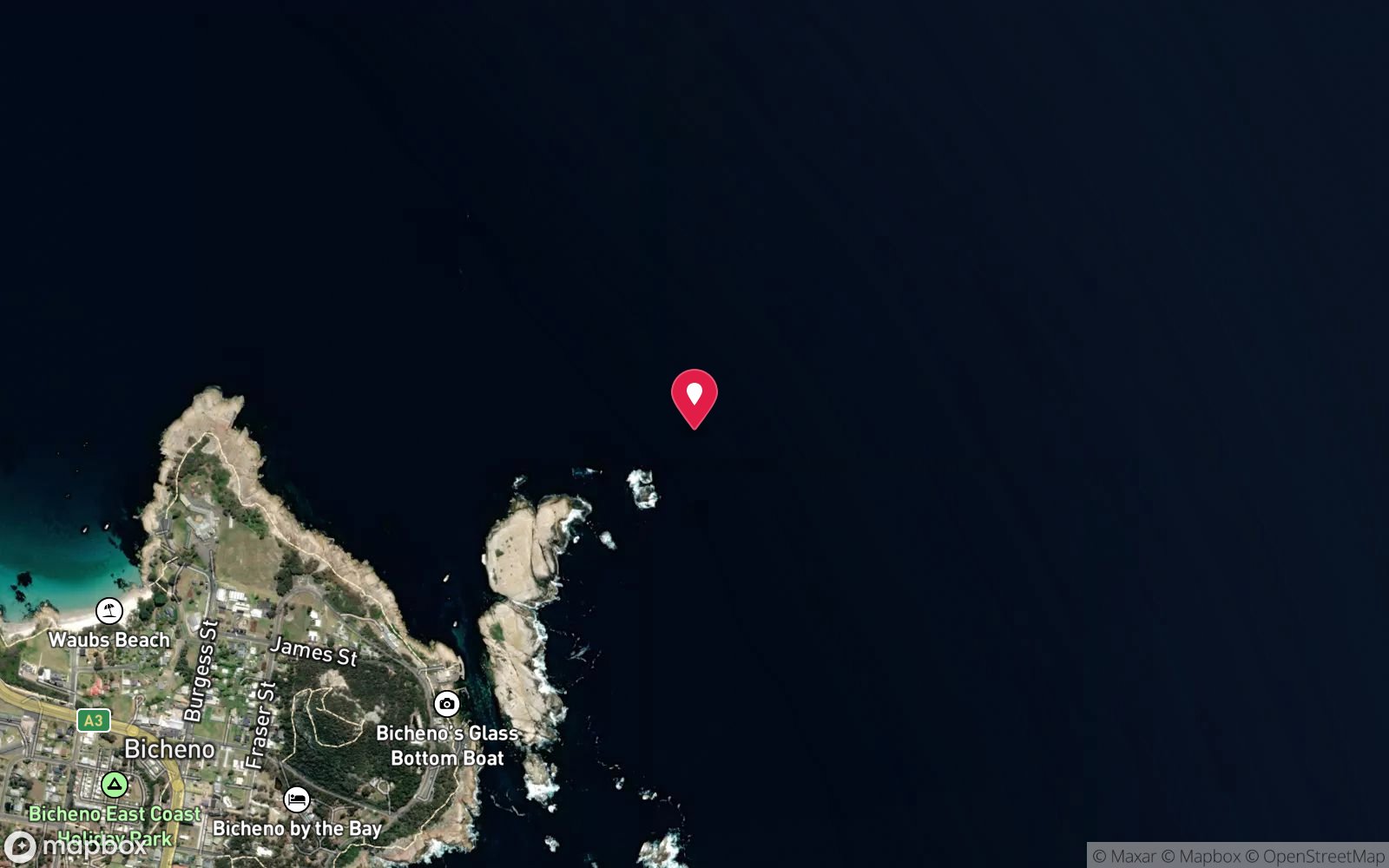
4. Tasmania East Coast · TAS
The Canyon (Bicheno)
A 37 m granite canyon with sea whips and schooling butterfly perch.
Dive regions of Tasmania
12 regions, 238 sites. Each region page has a written introduction, a suggested itinerary and every site with depth, level and access.
Bicheno is Tasmania's dive capital. Governor Island Marine Reserve, a few hundred metres offshore, has more than 20 sites in granite: the…
The Tasman Peninsula has the tallest sea cliffs in the southern hemisphere, and beneath them some of Australia's most dramatic diving: the…
Bass Strait's Tasmanian shore from Devonport to Stanley and Rocky Cape is clear, cold and almost undived: sponge gardens, kelp and rock…
Hobart has the Tinderbox Marine Reserve, with its snorkel trail, weedy seadragons and easy shore access, the Derwent's wrecks and the Alma…
The north-east corner around St Helens, Binalong Bay and the Bay of Fires has orange lichen-covered granite above water and kelp, sponge…
Bruny Island's Adventure Bay and the Friars at its southern tip offer fur seals, kelp, caves and clear water, while the sheltered…
South of Hobart the Huon estuary and the far south coast around Cockle Creek, Recherche Bay and Southport are cold, wild and rarely dived,…
The Furneaux Group in eastern Bass Strait is wreck country: the Sydney Cove (1797), the Farsund and dozens of others lie around the…
King Island's reefs and its more than 60 recorded shipwrecks, including the Cataraqui (Australia's worst civilian maritime disaster) and…
The west coast around Strahan and Macquarie Harbour is dived by almost nobody. The harbour's tannin-stained water hides wrecks and kelp,…
Deal, Erith and Dover islands in the middle of Bass Strait form Tasmania's most remote marine reserve, with kelp forests, sea caves, seals…
Tasmania's freshwater diving is niche: Lake St Clair and a few limestone springs and caves in the Mole Creek and Junee areas, dived by…
Popular, well-documented dives in Tasmania
Tasmania diving FAQ
When is the best time to dive Tasmania?
February to May for warmth and settled weather; June to September for the clearest water. Avoid the October–November plankton bloom if visibility matters.
Do I need a drysuit in Tasmania?
Almost everyone dives dry. A 7 mm semi-dry with hood and gloves is workable from February to April for short dives, but water is 11–13 °C for half the year.
Where is the giant kelp in Tasmania?
Small remnant stands survive near Fortescue Bay and Munro Bight on the Tasman Peninsula, with restoration plots nearby. Ask the Eaglehawk Neck operator for current locations; most of the historic forests are gone.