Dive slate · divesites.com.au · printed 8 Nov 2026
Lomas Point Reef
Huon & Far South, Tasmania · near Dover
| Depth | 10–20 m |
|---|---|
| Minimum level | Advanced Open Water |
| Difficulty | Intermediate |
| Access | Boat (day trip) |
| Entry | Back roll or giant stride from charter boat |
| Current | None |
| Visibility | 5-12 m |
| Water | summer 14-18 °C, winter 10-13 °C |
| Suit | Drysuit strongly recommended year-round; 7 mm semi-dry or two-piece 7 mm wetsuit with hood and gloves is the minimum in summer |
| Best season | Late summer to autumn (February-May) for settled weather and best visibility; diveable year-round between fronts |
| Bottom time | 40 min |
| Position | -43.34000, 147.04000 (approximate) |
| Permit | Historic wreck debris protected. |
| Nearest chamber | Royal Hobart Hospital Hyperbaric Medicine Unit (Hobart CBD); DAN emergency hotline 1800 088 200 |
| Emergency | 000 · DAN Asia-Pacific diving emergency 1800 088 200 |
Lomas Point Reef
Also known as Lomas Point
Boulder reef strewn with debris from the 1855 Katherine Sharer explosion.
Near Dover · Huon & Far South, Tasmania
- Depth
- 10–20 m
- Minimum level
- Advanced Open Water
- Access
- Boat (day trip)
- Boat ride
- ~10 min
- Water
- 14-18 °C
- Visibility
- 5-12 m
Lomas Point Reef10–20 m · Advanced Open Water
Dive factsDepths, conditions, location & safety
Season
Off-peak nowBest months: January, February, March, April, May, December.
Late summer to autumn (February-May) for settled weather and best visibility; diveable year-round between fronts
- Best months
- Now (November)
Dive facts
- Depth
- 10–20 m
- Typical depth
- 14 m
- Certification
- Advanced Open Water
- Difficulty
- Intermediate
- Depth tier
- Advanced Open Water (18–30 m)
- Access
- Boat (day trip)
- Offshore
- 0.2 km
- Dive centre needed
- Yes – boat access only
- Shore / independent
- No
- Boat ride
- ~10 min
- Current
- None
- Visibility
- 5-12 m
- Water temp (summer)
- 14-18 °C
- Water temp (winter)
- 10-13 °C
- Water
- Cold Temperate
- Bottom time
- 40 min
- Dive traffic
- Rarely dived (private boat/club only)
- Night dive
- No
- Snorkel friendly
- No
Exposure suit
Drysuit strongly recommended year-round; 7 mm semi-dry or two-piece 7 mm wetsuit with hood and gloves is the minimum in summer
Location
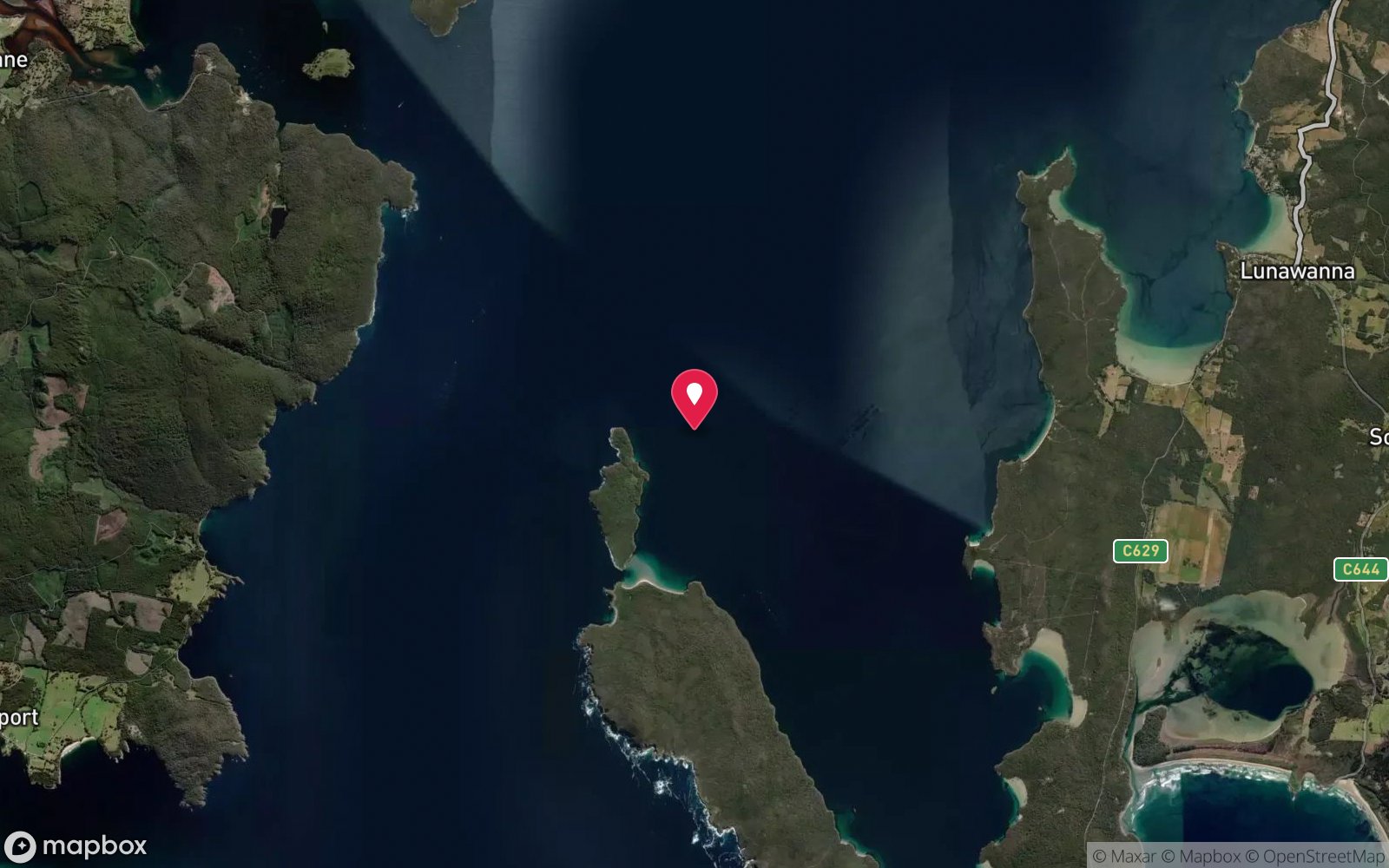
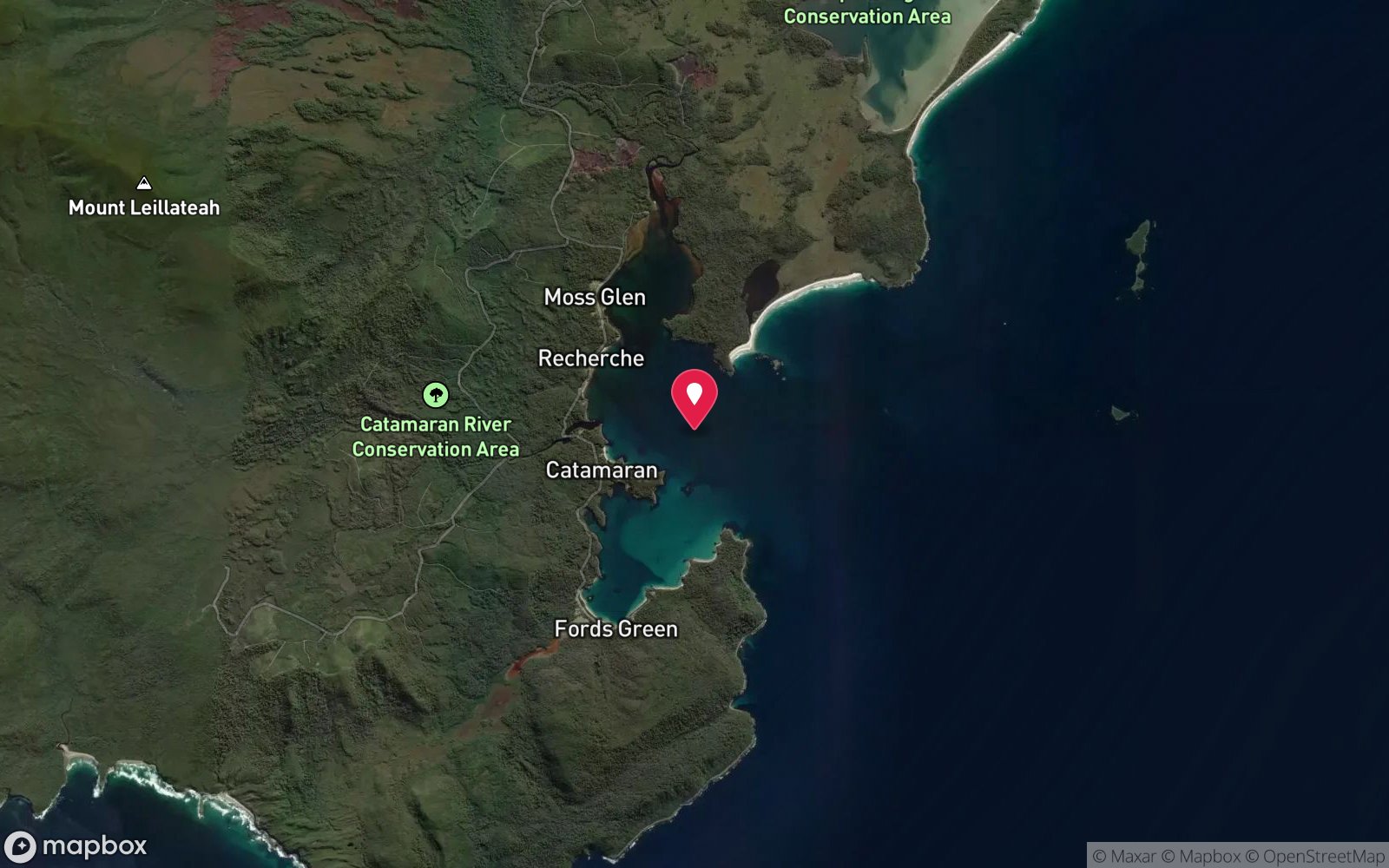
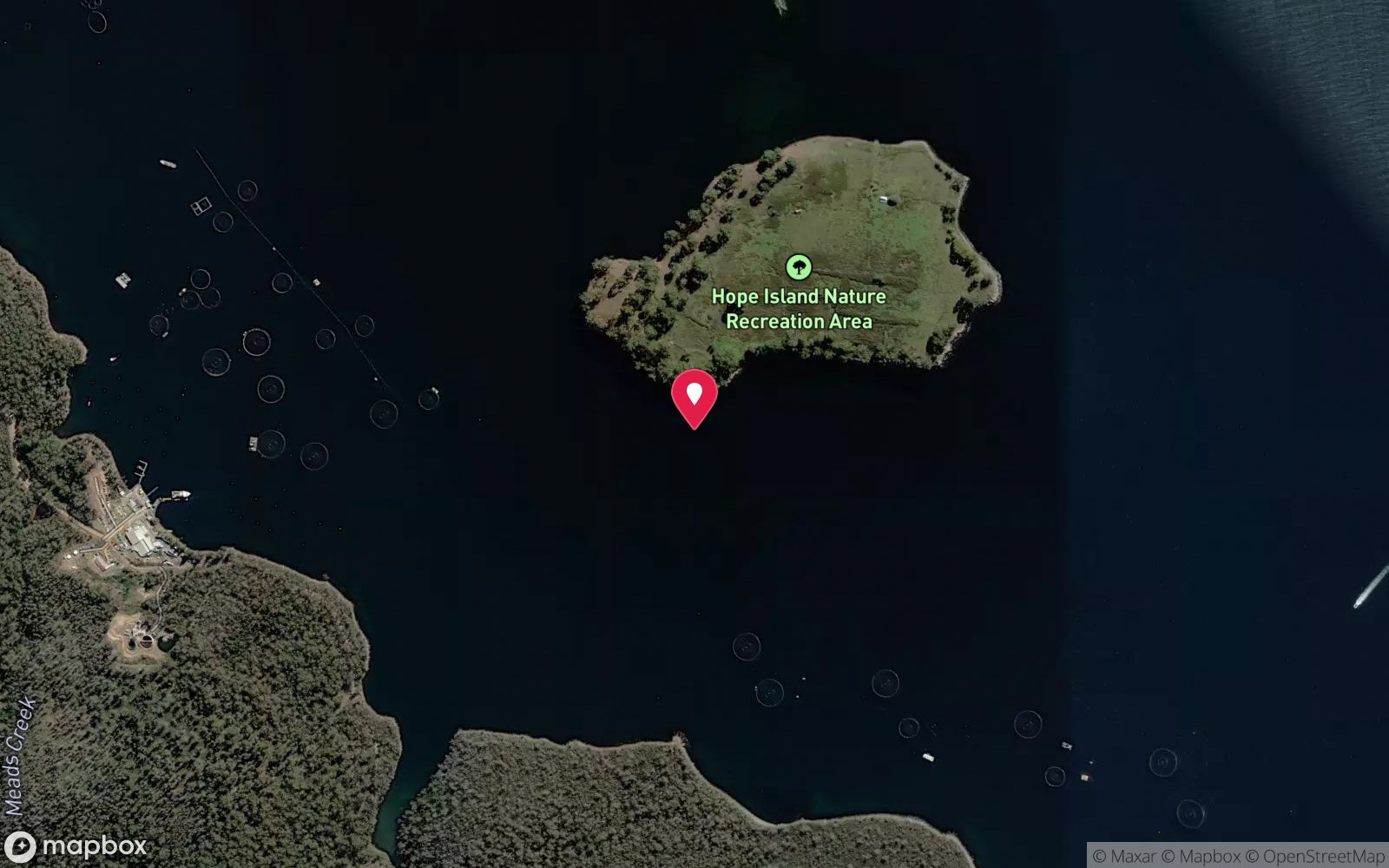
Port Esperance – Dover
-43.34000, 147.04000
Approximate position — not for navigation.
Open in Google MapsPrimary source: marinelife.org.auMarine park & permits
Historic wreck debris protected.
Nearest recompression chamber
Royal Hobart Hospital Hyperbaric Medicine Unit (Hobart CBD); DAN emergency hotline 1800 088 200
Diving emergency: call 000, then DAN AP 1800 088 200.
Trip planner
Build a trip around Lomas Point Reef →
A day-by-day plan for Huon & Far South with this site locked in.
This guide is a planning aid. Conditions change daily — confirm with a local dive centre and dive within your training. Data & safety notes.
Dive profile
How this site rates
Scores are computed from the recorded data, not opinions. How?
At a glance
Lomas Point Reef is a reef boat dive in Huon & Far South, TAS, 10–20 m, suited to Advanced Open Water divers, about 10 minutes by boat.
Rated intermediate because of depth beyond 18 m, boat traffic overhead, cold water.
Why dive here
- Boulder reef strewn with debris from the 1855 Katherine Sharer explosion.
- Rarely dived: expect to have the site to yourself, and plan your own logistics.
Conditions to avoid
- Strong southerly or south-east swell and wind
- Outgoing tide or run-off after rain (poor visibility)
About Lomas Point Reef
Lomas Point lies on the southern side of Port Esperance, near the scattered remains of the Katherine Sharer. The Marine Life Network guide describes a main boulder field in 10-20 m, an impressive kelp forest in about 10 m (at the time of writing), and cargo debris scattered across the reef from the 1855 explosion that destroyed the Katherine Sharer – dramatic evidence of the blast's force. The boulders form a complex reef of gaps and overhangs where wrasse, leatherjackets, morwong and rock lobster shelter, and their shaded faces carry sponges and ascidians.
The kelp forest the guide describes was probably giant kelp, which has since declined dramatically across south-east Tasmania; divers today should expect shorter brown algae, with any Macrocystis a bonus. The combination of a pleasant boulder reef with fragments of Tasmanian maritime history makes Lomas Point a good pairing with the Katherine Sharer on the same boat trip. Any debris found is part of a protected historic site and must be left in place.
Port Esperance is relatively sheltered, making this a reliable option in the far south when the outer coast is rough. Take a torch to look into the boulder gaps. A sounder helps pick out the boulder field, and a gentle survey of the area between the reef and the Katherine Sharer site gives a sense of how far debris was thrown.
Dover's services are only minutes away, making this an easy half-day outing. The far south has no dive shop, so bring filled cylinders from Hobart or Kingston, and allow for patchy mobile coverage by carrying a VHF radio and leaving a trip plan.
Getting there & entry
Boulder-field reef on the southern side of Port Esperance near the Katherine Sharer wreck, formerly with an impressive kelp forest at 10 m and scattered debris from the 1855 explosion.
Dover is on the Huon Highway about 85 km (1 hour 20 minutes) south of Hobart via Huonville and Geeveston. There are boat ramps and jetties at Dover and around Port Esperance. Lomas Point is on the southern side of Port Esperance, a short boat run from Dover (about 10 minutes).
Anchor in sand off the boulder field. Dover has a store, fuel and accommodation.
Entry: Back roll or giant stride from charter boat
Facilities: Dover ramp, store and fuel; fills in Hobart or Kingston.
Weather, swell & tides
The far south – Port Esperance, Southport and Recherche Bay – opens southward to the Southern Ocean. Southerly and south-westerly swell and strong southerly winds make the exposed sites unworkable and quickly reduce visibility, while northerly and light westerly winds give calm water. Sheltered bays such as Port Esperance and inner Recherche Bay remain diveable in moderate conditions.
Weather changes rapidly and fronts arrive every few days; plan around high-pressure systems in late summer and autumn and watch for south-westerly changes.
Best season: Late summer to autumn (February-May) for settled weather and best visibility; diveable year-round between fronts
If it's blown out
Sheltered or shore sites within 25 km that often work when Lomas Point Reef doesn't.
- Blubber Head (Port Esperance) · 5 km · Max 10 m
- Partridge Island · 8 km · Max 10 m
- Southport Convict Cemetery · 11 km · Max 10 m
- Lady Bay (Southport) · 12 km · Max 10 m
How the dive is usually run
Descend onto the main boulder field at 12-15 m, look for cargo debris from the Katherine Sharer among the boulders, and rise to 10 m where kelp grew historically before ascending.
Marine life
- Brown algae and kelp (giant kelp historically)
- sponges
- ascidians
- wrasse
- leatherjackets
- magpie morwong
- rock lobster
Linked species have their own page listing every site where they are recorded. All marine life →
Training required
Beyond 18 m an Advanced certification (which includes a deep dive to 30 m) is the accepted minimum. Anything past 25 m is a deep dive in practice.
Open Water divers can dive the shallower section (typical depth 14 m); the full site to 20 m needs Advanced Open Water. Operators often quote Open Water.
Operators' own listing: Open Water.
Courses that help here
- Drysuit Diver – Cold water; locals dive dry for much of the year.
- Peak Performance Buoyancy – Silt and low visibility punish poor trim.
Depth tiers: 0–10 m easy · to 18 m Open Water · 18–30 m Advanced (25 m+ is a deep dive) · 30–40 m Deep specialty · 40 m+ technical. All courses
Hazards & warnings
Historic material protected; boat traffic; low visibility after rain.
Dive centres that go here
No regular operator; private boats and club expeditions. Underwater Adventures Tasmania runs occasional far-south trips (the Acteons are mentioned by Go Dive Tasmania as a kelp-diving area).
Operators recorded for Lomas Point Reef
Other dive centres in Huon & Far South
Go Dive Tasmania
ListedHobart · Hobart & Derwent · TAS
A Tasmanian business providing training, equipment and service support for cold-water diving.
godivetas.com.au · (03) 6231 9749
Tasmanian Divers North
ListedLaunceston · Tasmania North & North-West · TAS
A northern Tasmanian operation serving the Bass Strait coastline and local diving community.
tasdivers.com.au · (03) 6229 1020
Map
7 pinned sites. Pins marked approximate on their pages show the general area only; not for navigation.
Satellite views
Lomas Point Reef: frequently asked questions
How deep is Lomas Point Reef?
Lomas Point Reef reaches a maximum depth of 20 m, with the shallowest part at about 10 m; most of the dive is spent around 14 m.
What certification do I need to dive Lomas Point Reef?
Advanced Open Water is the recommended minimum. Open Water divers can dive the shallower section (typical depth 14 m); the full site to 20 m needs Advanced Open Water. Operators often quote Open Water. Rated intermediate because of depth beyond 18 m, boat traffic overhead, cold water.
Can I shore dive Lomas Point Reef?
No, it is reached by boat (about 10 minutes). A dive centre is required: boat access only.
When is the best time to dive Lomas Point Reef?
Late summer to autumn (February-May) for settled weather and best visibility; diveable year-round between fronts.
What marine life will I see at Lomas Point Reef?
Regularly recorded: Brown algae and kelp (giant kelp historically), sponges, ascidians, wrasse, leatherjackets, magpie morwong, rock lobster.
What wetsuit do I need at Lomas Point Reef?
Drysuit strongly recommended year-round; 7 mm semi-dry or two-piece 7 mm wetsuit with hood and gloves is the minimum in summer.
How cold is the water at Lomas Point Reef?
Typically 14-18 °C in summer and 10-13 °C in winter.
What are the main hazards at Lomas Point Reef?
Historic material protected; boat traffic; low visibility after rain. See the hazards section above for the full list.
Where is the nearest recompression chamber to Lomas Point Reef?
Royal Hobart Hospital Hyperbaric Medicine Unit (Hobart CBD); DAN emergency hotline 1800 088 200. In an emergency call 000, then DAN Asia-Pacific on 1800 088 200.
Diving in Huon & Far South
South of Hobart the Huon estuary and the far south coast around Cockle Creek, Recherche Bay and Southport are cold, wild and rarely dived, with wrecks, kelp and clear water when the weather allows. Maatsuyker Island, off the south coast, is an expedition destination.
Getting there: One to two hours south of Hobart; private boats and occasional club trips.
Sources
Data confidence: Low · Being verified: Current kelp status unknown; coordinates approximate.. Last updated September 2026. Know this site better? How to send a correction