Dive slate · divesites.com.au · printed 8 Nov 2026
Charlotte Cove
Huon & Far South, Tasmania · near Cygnet
| Depth | 1–6 m |
|---|---|
| Minimum level | Snorkel/Any |
| Difficulty | Beginner |
| Access | Shore or Boat |
| Entry | Shore entry (landowner permission may be needed) or small dinghy from a rocky, shallow ramp |
| Current | Mild |
| Visibility | 2-6 m |
| Water | summer 14-18 °C, winter 9-12 °C |
| Suit | Drysuit strongly recommended year-round; 7 mm semi-dry or two-piece 7 mm wetsuit with hood and gloves is the minimum in summer |
| Best season | Late summer to autumn (February-May) for settled weather and best visibility; diveable year-round between fronts |
| Bottom time | 50 min |
| Position | -43.22500, 147.10500 (approximate) |
| Permit | No permit required |
| Nearest chamber | Royal Hobart Hospital Hyperbaric Medicine Unit (Hobart CBD); DAN emergency hotline 1800 088 200 |
| Emergency | 000 · DAN Asia-Pacific diving emergency 1800 088 200 |
Charlotte Cove
Small, dense kelp garden at the Huon mouth for a quiet shallow snorkel.
Near Cygnet · Huon & Far South, Tasmania
- Depth
- 1–6 m
- Minimum level
- Snorkel/Any
- Access
- Shore or Boat
- Boat ride
- —
- Water
- 14-18 °C
- Visibility
- 2-6 m
Charlotte Cove1–6 m · Snorkel/Any · Shore
Dive factsDepths, conditions, location & safety
Season
Off-peak nowBest months: January, February, March, April, May, December.
Late summer to autumn (February-May) for settled weather and best visibility; diveable year-round between fronts
- Best months
- Now (November)
Dive facts
- Depth
- 1–6 m
- Typical depth
- 4 m
- Certification
- Snorkel/Any
- Difficulty
- Beginner
- Depth tier
- Easy (0–10 m)
- Access
- Shore or Boat
- Dive centre needed
- No – independently diveable
- Shore / independent
- Possible (experienced only)
- Current
- Mild
- Visibility
- 2-6 m
- Water temp (summer)
- 14-18 °C
- Water temp (winter)
- 9-12 °C
- Water
- Cold Temperate
- Bottom time
- 50 min
- Dive traffic
- Rarely dived (private boat/club only)
- Night dive
- No
- Snorkel friendly
- Yes
Exposure suit
Drysuit strongly recommended year-round; 7 mm semi-dry or two-piece 7 mm wetsuit with hood and gloves is the minimum in summer
Location
Huon River mouth
-43.22500, 147.10500
Approximate position — not for navigation.
Open in Google MapsPrimary source: marinelife.org.auMarine park & permits
No permit required
Nearest recompression chamber
Royal Hobart Hospital Hyperbaric Medicine Unit (Hobart CBD); DAN emergency hotline 1800 088 200
Diving emergency: call 000, then DAN AP 1800 088 200.
Trip planner
Build a trip around Charlotte Cove →
A day-by-day plan for Huon & Far South with this site locked in.
This guide is a planning aid. Conditions change daily — confirm with a local dive centre and dive within your training. Data & safety notes.
Dive profile
How this site rates
Scores are computed from the recorded data, not opinions. How?
At a glance
Charlotte Cove is a reef shore dive for experienced divers in Huon & Far South, TAS, 1–6 m, suitable for snorkellers and first-time divers.
Rated beginner: sheltered, shallow and manageable for a newly certified diver on a normal day, though note cold water.
Why dive here
- Small, dense kelp garden at the Huon mouth for a quiet shallow snorkel.
- Snorkel-friendly, so non-diving companions can join at the surface.
- Rarely dived: expect to have the site to yourself, and plan your own logistics.
Conditions to avoid
- Strong southerly or south-east swell and wind
- Strong northerlies
- Outgoing tide or run-off after rain (poor visibility)
About Charlotte Cove
Charlotte Cove is a small cove at the mouth of the Huon River, on the stretch of coast between Cygnet and Verona Sands. The Marine Life Network guide describes a thin band of rocky reef that supports a small but very thick kelp garden in 2-6 m, with reef fish, and notes that the area is subject to Huon River runoff. It also records practical complications: shore access may require the landowner's permission, the boat ramp is rocky and shallow and suitable only for small dinghies, and the area was being developed for housing.
The dense kelp makes a pleasant shallow snorkel or dive, sheltering wrasse, leatherjackets, weedfish and juvenile fish, with sea stars and crabs among the holdfasts. As at nearby Ninepin Point, the Huon's tannin-stained water darkens the environment, and visibility is typically low. The cove is a modest local site rather than a destination, most useful for divers living in the Huon Valley or combining it with Ninepin Point and Butts Reef.
Because access arrangements may have changed with residential development, check before visiting and respect private property. Take a torch to see colour in the dim water. The Huon Valley's orchards, cafes and markets make the area a pleasant base for a weekend, and divers can combine a morning dive with a visit to Cygnet or Franklin.
On a calm, dry day, a slow snorkel along the edge of the kelp can turn up weedy seadragons and seahorses in the understorey, and the shallow depth means long, relaxed dives without cold-water fatigue setting in too quickly.
Getting there & entry
Cove at the mouth of the Huon River with a thin band of rocky reef supporting a small, very thick kelp garden in 2-6 m.
Charlotte Cove is on the Huon River mouth south of Cygnet, about 1 hour from Hobart via Huonville or the Channel Highway. The Marine Life Network guide notes that divers may need permission from the local landowner for shore access, and that the rocky, shallow boat ramp suits only small dinghies. The area has since been developed for housing, so check current public access before diving.
Entry: Shore entry (landowner permission may be needed) or small dinghy from a rocky, shallow ramp
Facilities: Limited; shops at Cygnet; fills in Kingston or Hobart.
Weather, swell & tides
The Huon River mouth and lower D'Entrecasteaux Channel are sheltered from ocean swell by Bruny Island, but northerly and southerly winds funnel along the channel and raise a steep chop. The dominant influence is the Huon River: its tannin-stained, fresher water forms a dark surface layer that cuts light, especially after rain, when visibility can drop to 1-3 m. After dry spells visibility may reach 8-10 m beneath the tannin layer.
Tidal currents are mostly mild. Late summer and autumn, after dry weather, are best; the area can be dived year-round.
Best season: Late summer to autumn (February-May) for settled weather and best visibility; diveable year-round between fronts
If it's blown out
Sheltered or shore sites within 25 km that often work when Charlotte Cove doesn't.
- Ninepin Point Marine Reserve · 8 km · Max 10 m
- Blubber Head (Port Esperance) · 9 km · Max 10 m
- Green Island (D'Entrecasteaux Channel) · 13 km · Max 10 m
- SS Laura Hulk (Little Peppermint Bay) · 13 km · Max 4 m
How the dive is usually run
Enter at the reef, swim through the thick kelp garden along the band of rock at 2-5 m, and return the same way.
Marine life
- Kelp garden
- wrasse
- leatherjackets
- weedfish
- juvenile fish
- sea stars
- crabs
Linked species have their own page listing every site where they are recorded. All marine life →
Training required
Shallow enough for snorkellers and for a first dive under supervision. Any certified diver can dive it.
Courses that help here
- Drysuit Diver – Cold water; locals dive dry for much of the year.
- Peak Performance Buoyancy – Silt and low visibility punish poor trim.
Depth tiers: 0–10 m easy · to 18 m Open Water · 18–30 m Advanced (25 m+ is a deep dive) · 30–40 m Deep specialty · 40 m+ technical. All courses
Hazards & warnings
Access may cross private land – obtain permission; shallow rocky ramp; low visibility from Huon runoff; kelp entanglement.
Dive centres that go here
No operator trips; local and club divers only.
Operators recorded for Charlotte Cove
Go Dive Tasmania
ListedHobart · Hobart & Derwent · TAS
A Tasmanian business providing training, equipment and service support for cold-water diving.
godivetas.com.au · (03) 6231 9749
Tasmanian Divers North
ListedLaunceston · Tasmania North & North-West · TAS
A northern Tasmanian operation serving the Bass Strait coastline and local diving community.
tasdivers.com.au · (03) 6229 1020
Other dive centres in Huon & Far South
Map
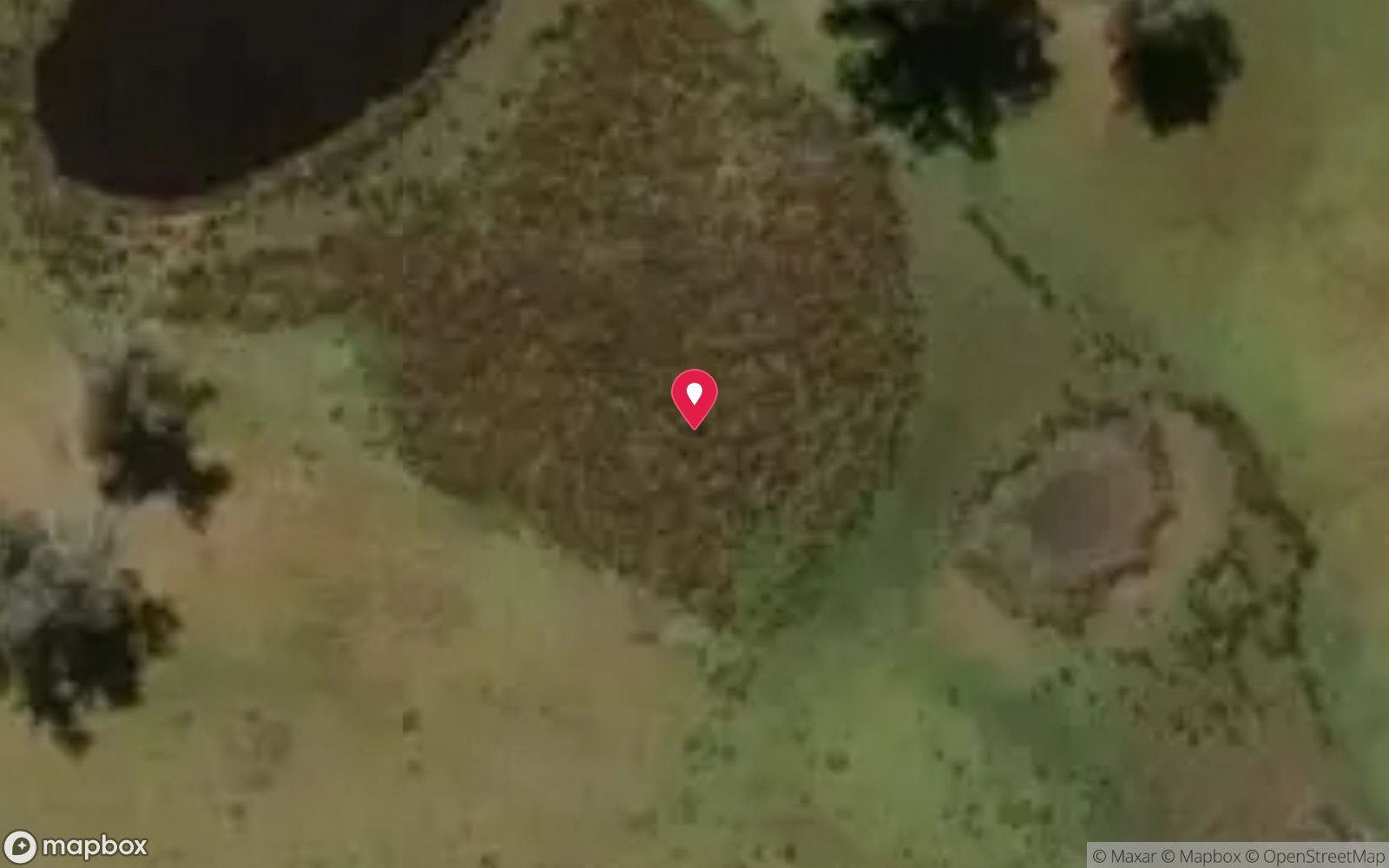
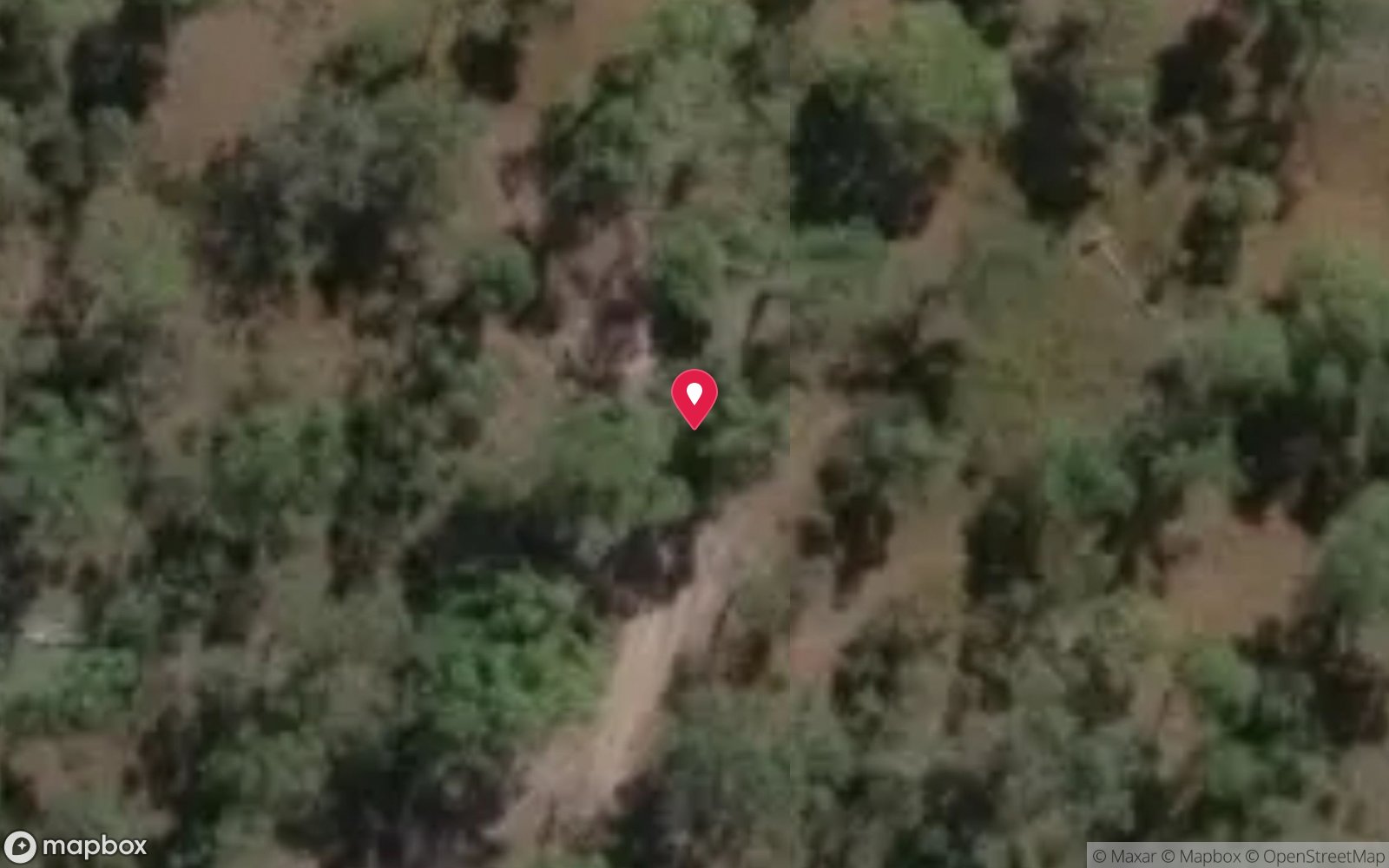
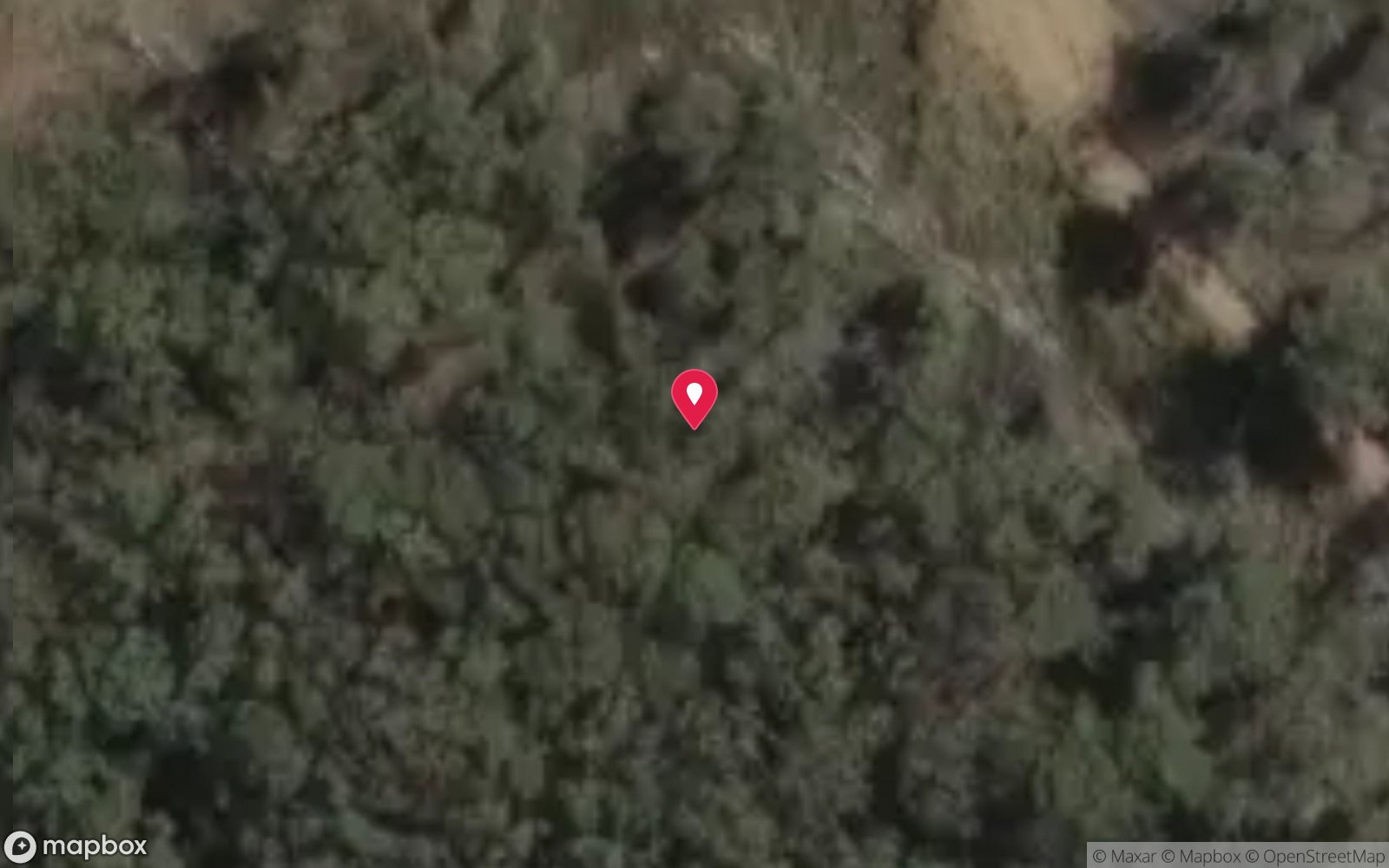
7 pinned sites. Pins marked approximate on their pages show the general area only; not for navigation.
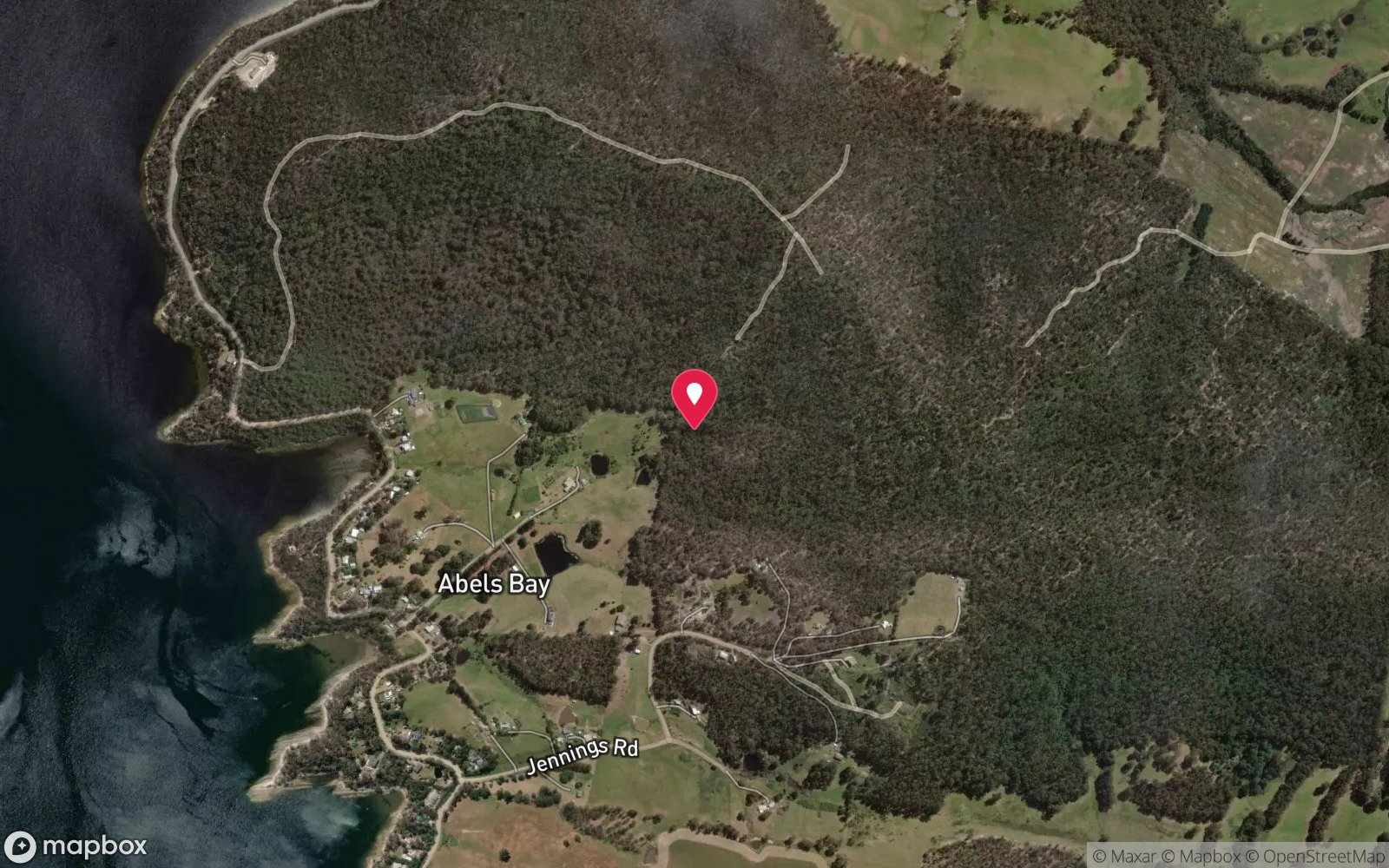
Satellite views
Charlotte Cove: frequently asked questions
How deep is Charlotte Cove?
Charlotte Cove reaches a maximum depth of 6 m, with the shallowest part at about 1 m; most of the dive is spent around 4 m.
What certification do I need to dive Charlotte Cove?
No certification is needed to snorkel it, and it suits introductory dives. Rated beginner: sheltered, shallow and manageable for a newly certified diver on a normal day, though note cold water.
Can I shore dive Charlotte Cove?
Experienced divers do dive Charlotte Cove from the shore, but the entry or conditions make it unsuitable for newer divers without local guidance. Entry: Shore entry (landowner permission may be needed) or small dinghy from a rocky, shallow ramp.
When is the best time to dive Charlotte Cove?
Late summer to autumn (February-May) for settled weather and best visibility; diveable year-round between fronts.
What marine life will I see at Charlotte Cove?
Regularly recorded: Kelp garden, wrasse, leatherjackets, weedfish, juvenile fish, sea stars, crabs.
What wetsuit do I need at Charlotte Cove?
Drysuit strongly recommended year-round; 7 mm semi-dry or two-piece 7 mm wetsuit with hood and gloves is the minimum in summer.
How cold is the water at Charlotte Cove?
Typically 14-18 °C in summer and 9-12 °C in winter.
What are the main hazards at Charlotte Cove?
Access may cross private land – obtain permission; shallow rocky ramp; low visibility from Huon runoff; kelp entanglement. See the hazards section above for the full list.
Where is the nearest recompression chamber to Charlotte Cove?
Royal Hobart Hospital Hyperbaric Medicine Unit (Hobart CBD); DAN emergency hotline 1800 088 200. In an emergency call 000, then DAN Asia-Pacific on 1800 088 200.
Diving in Huon & Far South
South of Hobart the Huon estuary and the far south coast around Cockle Creek, Recherche Bay and Southport are cold, wild and rarely dived, with wrecks, kelp and clear water when the weather allows. Maatsuyker Island, off the south coast, is an expedition destination.
Getting there: One to two hours south of Hobart; private boats and occasional club trips.
Sources
Data confidence: Low · Being verified: Public access status unknown after housing development; coordinates approximate.. Last updated September 2026. Know this site better? How to send a correction