Dive slate · divesites.com.au · printed 9 Nov 2026
Deep Glen Bay North Wall
Tasman Peninsula, Tasmania · near Eaglehawk Neck
| Depth | 8–40 m |
|---|---|
| Minimum level | Deep/Advanced + experience |
| Difficulty | Intermediate |
| Access | Boat (day trip) |
| Entry | Back roll or giant stride from charter boat |
| Current | Mild |
| Visibility | 12-25 m |
| Water | summer 14-18 °C, winter 10-13 °C |
| Suit | Drysuit strongly recommended year-round; 7 mm semi-dry or two-piece 7 mm wetsuit with hood and gloves is the minimum in summer |
| Best season | Late summer to autumn (February-May) for settled weather and best visibility; diveable year-round between fronts |
| Bottom time | 40 min |
| Position | -42.96000, 147.98500 (approximate) |
| Permit | No permit required. |
| Nearest chamber | Royal Hobart Hospital Hyperbaric Medicine Unit (Hobart CBD); DAN emergency hotline 1800 088 200 |
| Emergency | 000 · DAN Asia-Pacific diving emergency 1800 088 200 |
Deep Glen Bay North Wall
Also known as North Wall, Deep Glen Bay
Colourful sponge and sea-whip wall that is the fallback when the Sisters are blown out, with seals and seadragons.
Near Eaglehawk Neck · Tasman Peninsula, Tasmania
- Depth
- 8–40 m
- Minimum level
- Deep/Advanced + experience
- Access
- Boat (day trip)
- Boat ride
- ~15 min
- Water
- 14-18 °C
- Visibility
- 12-25 m
Deep Glen Bay North Wall8–40 m · Deep/Advanced + experience
Dive factsDepths, conditions, location & safety
Season
Off-peak nowBest months: January, February, March, April, May, December.
Late summer to autumn (February-May) for settled weather and best visibility; diveable year-round between fronts
- Best months
- Now (November)
Dive facts
- Depth
- 8–40 m
- Typical depth
- 20 m
- Certification
- Deep/Advanced + experience
- Difficulty
- Intermediate
- Depth tier
- Deep / Advanced + experience (30–40 m)
- Access
- Boat (day trip)
- Offshore
- 0.1 km
- Dive centre needed
- Yes – boat access only
- Shore / independent
- No
- Boat ride
- ~15 min
- Current
- Mild
- Visibility
- 12-25 m
- Water temp (summer)
- 14-18 °C
- Water temp (winter)
- 10-13 °C
- Water
- Cold Temperate
- Bottom time
- 40 min
- Dive traffic
- Popular (weekly charters)
- Night dive
- No
- Snorkel friendly
- No
Exposure suit
Drysuit strongly recommended year-round; 7 mm semi-dry or two-piece 7 mm wetsuit with hood and gloves is the minimum in summer
Location
Forestier Peninsula – Deep Glen Bay
-42.96000, 147.98500
Approximate position — not for navigation.
Open in Google MapsPrimary source: indopacificimages.comMarine park & permits
No permit required.
Nearest recompression chamber
Royal Hobart Hospital Hyperbaric Medicine Unit (Hobart CBD); DAN emergency hotline 1800 088 200
Diving emergency: call 000, then DAN AP 1800 088 200.
Trip planner
Build a trip around Deep Glen Bay North Wall →
A day-by-day plan for Tasman Peninsula with this site locked in.
This guide is a planning aid. Conditions change daily — confirm with a local dive centre and dive within your training. Data & safety notes.
Dive profile
How this site rates
Scores are computed from the recorded data, not opinions. How?
At a glance
Deep Glen Bay North Wall is a wall boat dive in Tasman Peninsula, TAS, 8–40 m, suited to Deep/Advanced + experience divers, about 15 minutes by boat.
Rated intermediate because of depth to 40 m, surge on the entry or in the shallows, cold water.
Why dive here
- Colourful sponge and sea-whip wall that is the fallback when the Sisters are blown out, with seals and seadragons.
- Visibility often reaches 12-25 m.
Conditions to avoid
- Strong southerly or south-east swell and wind
- Afternoon north-easterlies
- Spring tides (strong current)
About Deep Glen Bay North Wall
Deep Glen Bay cuts into the Forestier Peninsula north of Pirates Bay, and its northern side forms a wall that is one of the most frequently dived sites on this stretch of coast. Local photographers describe it as a 'Sisters lite': the wall merges into the coastline and carries colourful sponges, sea whips and invertebrates, but it sits in a more sheltered position, so it is the site operators use when the weather is not cooperating offshore. Go Dive Tasmania rates it at 10-40 m with sheer walls, excellent visibility and a good chance of weedy seadragons, while the Marine Life Network guide describes a reef extending seaward with narrow ledges and caves, sponges, hydroids and gorgonians in about 30 m.
The Tasmanian Scuba Diving Club notes steep underwater cliffs, boulder fields and kelp forest. The Divers Alert Network's account of diving here with Mick Baron and Karen Gowlett-Holmes singles out the North Wall's tapestry of invertebrates and fish, including Shaw's cowfish, banded morwong and rock lobster. New Zealand fur seals are regular visitors, weaving through the kelp at the top of the wall.
The flexibility of the site is its strength. Newer divers can stay at 12-18 m along the upper wall and still see plenty of colour, while Advanced and Deep divers can drop to 30 m and beyond where the sponge and sea-whip gardens become denser. Weedy seadragons are found on the kelp and sand edges in the shallower sections.
Visibility is often excellent because the site is washed by clean coastal water. It is a reliable, varied dive that many visitors end up doing more than once.
Getting there & entry
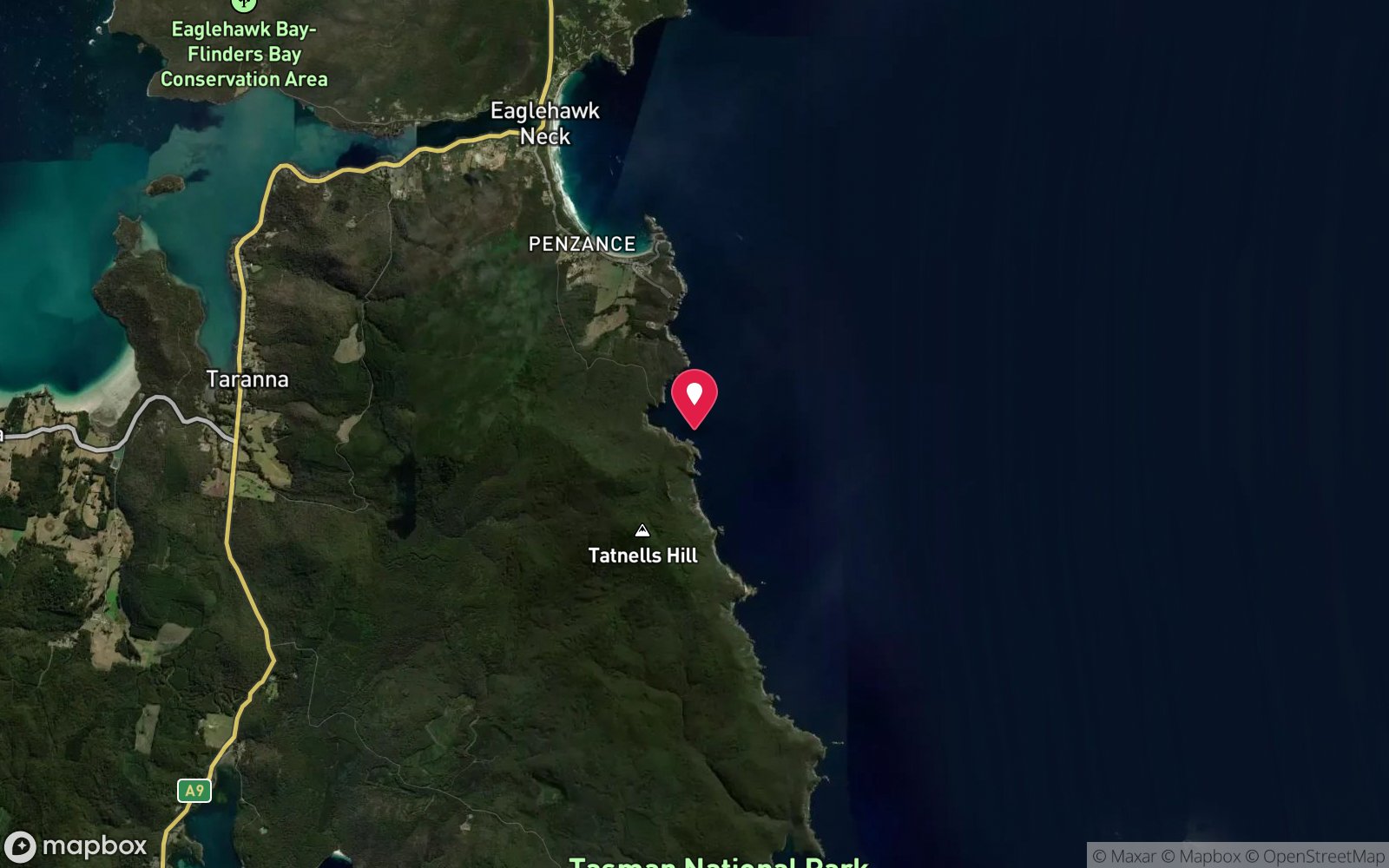
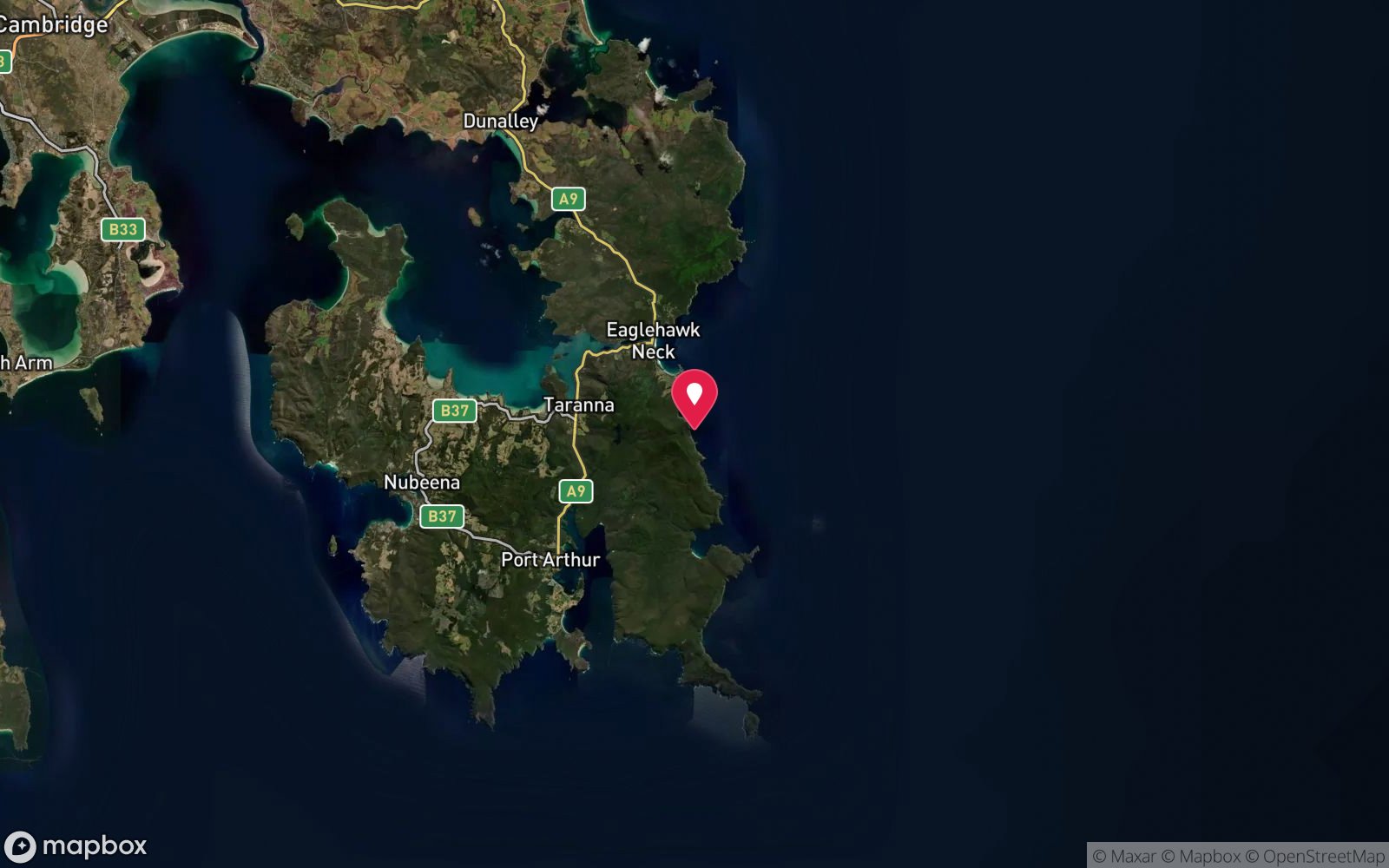
Wall along the northern side of Deep Glen Bay on the Forestier Peninsula, about 7 km north-east of Eaglehawk Neck.
Boat access only. Eaglehawk Dive Centre's catamaran and Go Dive Tasmania's boat leave from the Pirates Bay jetty/boat ramp at Eaglehawk Neck (Old Jetty Road, off the Arthur Highway about 75 km and 1 hour 15 minutes from Hobart). The Forestier Peninsula sites lie north-east of Pirates Bay: the run across the bay and around Cape Surville takes roughly 15-25 minutes depending on sea state.
Private boats also launch at Pirates Bay; there are no public moorings on the offshore pinnacles, so boats drift-dive or anchor in sand well clear of sponge gardens and run a live-boat pick-up.
Entry: Back roll or giant stride from charter boat
Weather, swell & tides
The Forestier Peninsula coast faces east and north-east into the Tasman Sea with no shelter from easterly weather. These sites need westerly or north-westerly winds and small swell (generally under about 1.5 m) from the east and south-east; north-easterly sea breezes that build through summer afternoons often shut them by midday, so trips run in the morning. Southerly groundswell wraps around Cape Surville and creates heavy surge on the shallow tops.
Currents are unpredictable and can run strongly around the points and pinnacles, especially on spring tides and when the East Australian Current pushes south in late summer. Autumn (March-May) gives the most frequent calm windows and the clearest water; operators decide on the morning of the dive. Deep Glen Bay is more sheltered than the Sisters and is often still diveable when the offshore pinnacles are not.
Best season: Late summer to autumn (February-May) for settled weather and best visibility; diveable year-round between fronts
If it's blown out
Sheltered or shore sites within 25 km that often work when Deep Glen Bay North Wall doesn't.
- Eaglehawk Neck Jetty (Pirates Bay) · 7 km · Max 12 m
- Fortescue Bay · 19 km · Max 20 m
- Lookout Bluff – The Split · 11 km · Max 9 m
- Dunalley (Denison) Canal · 16 km · Max 10 m
How the dive is usually run
Descend on the wall at its seaward end, drop to the depth that suits the group (18-25 m for most, deeper for Deep-certified divers) and follow the face into the bay. Check ledges and caves for cowfish and lobster, and rise through the kelp at the inner end for a safety stop.
Marine life
- Sponges
- sea whips
- gorgonians
- hydroids
- jewel anemones
- weedy seadragons →
- Shaw's cowfish
- banded morwong
- butterfly perch
- southern rock lobster
- octopus →
- New Zealand fur seals →
Linked species have their own page listing every site where they are recorded. All marine life →
Training required
The recreational limit. Operators expect a Deep Diver specialty or Advanced plus a log of similar dives, and most recommend nitrox.
Operators often quote Open Water, but the site reaches 40 m, which is beyond that level's depth limit; Deep/Advanced + experience is the appropriate minimum for the full dive. This is a deep dive: plan gas, bottom time and a safety stop accordingly, and consider nitrox.
Operators' own listing: Open Water.
Courses that help here
- Enriched Air Nitrox – Longer no-decompression time at 25 m and deeper.
- Deep Diver – The site reaches 40 m.
- Cavern Diver – An overhead environment.
- Drysuit Diver – Cold water; locals dive dry for much of the year.
Depth tiers: 0–10 m easy · to 18 m Open Water · 18–30 m Advanced (25 m+ is a deep dive) · 30–40 m Deep specialty · 40 m+ technical. All courses
Hazards & warnings
Depth at the wall base (40 m+); surge in the caves; exposed to easterly swell; SMB needed for pick-up.
Dive centres that go here
Eaglehawk Dive Centre – regular site and the usual alternative when the Sisters are too rough; Go Dive Tasmania – Deep Glen Bay (10-40 m, Open Water to Deep); Tasmanian Scuba Diving Club – club trips.
Operators recorded for Deep Glen Bay North Wall
Eaglehawk Dive Centre
ProfiledEaglehawk Neck · Tasman Peninsula · TAS
The principal operation at Eaglehawk Neck, servicing the Tasman Peninsula's sea caves, walls and deeper wrecks.
eaglehawkdive.com.au · 0417 013 518
Go Dive Tasmania
ListedHobart · Hobart & Derwent · TAS
A Tasmanian business providing training, equipment and service support for cold-water diving.
godivetas.com.au · (03) 6231 9749
Map
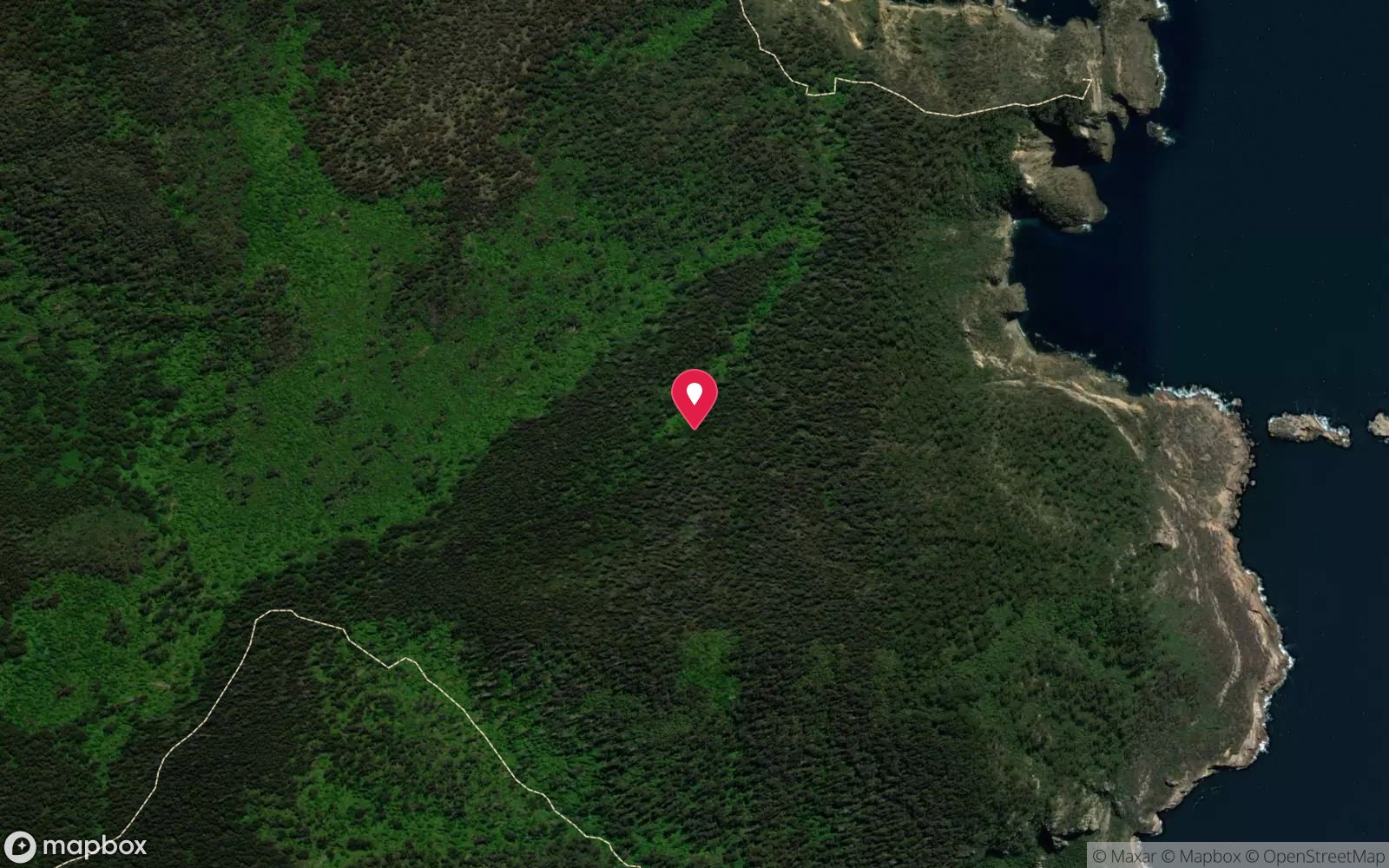
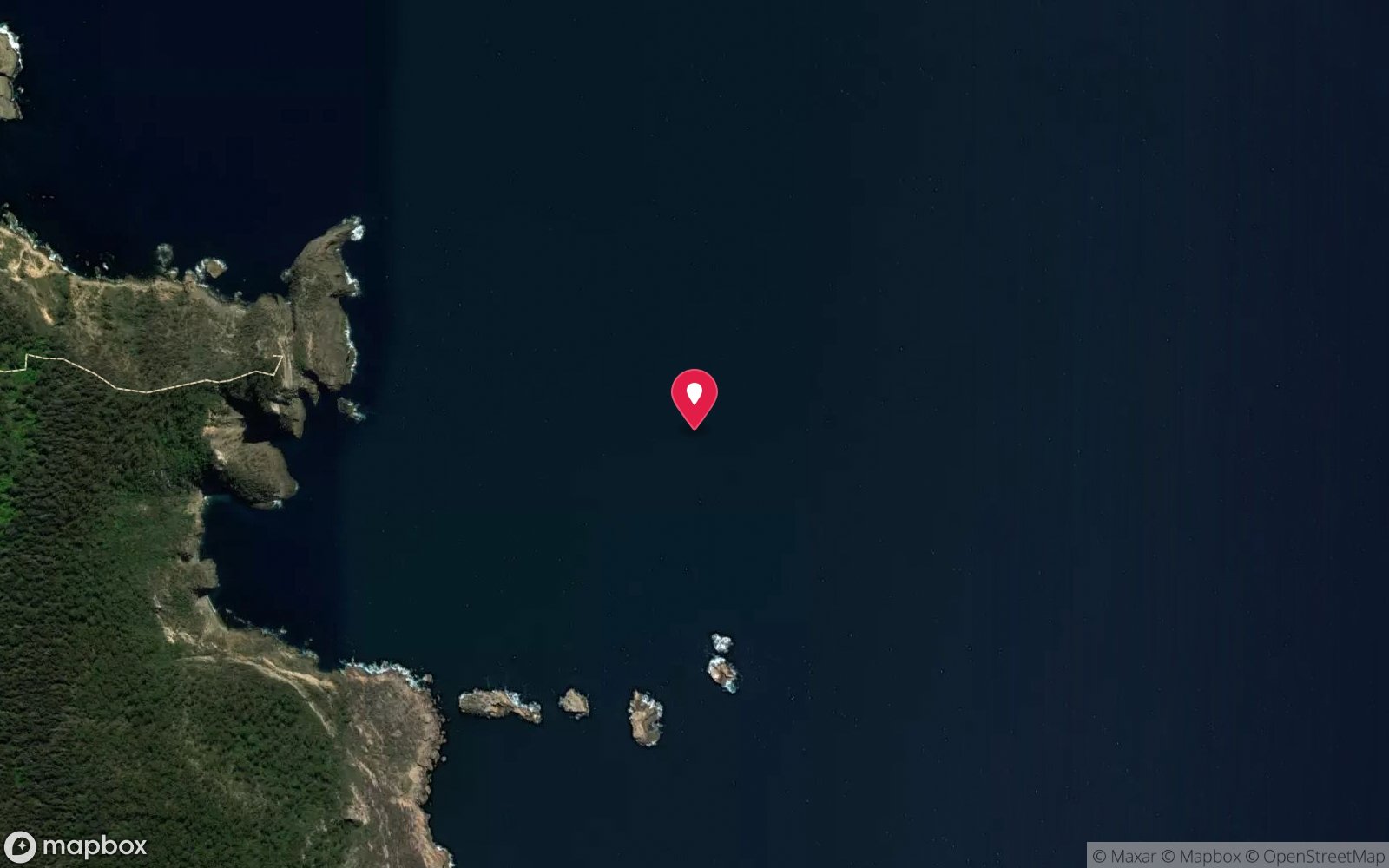
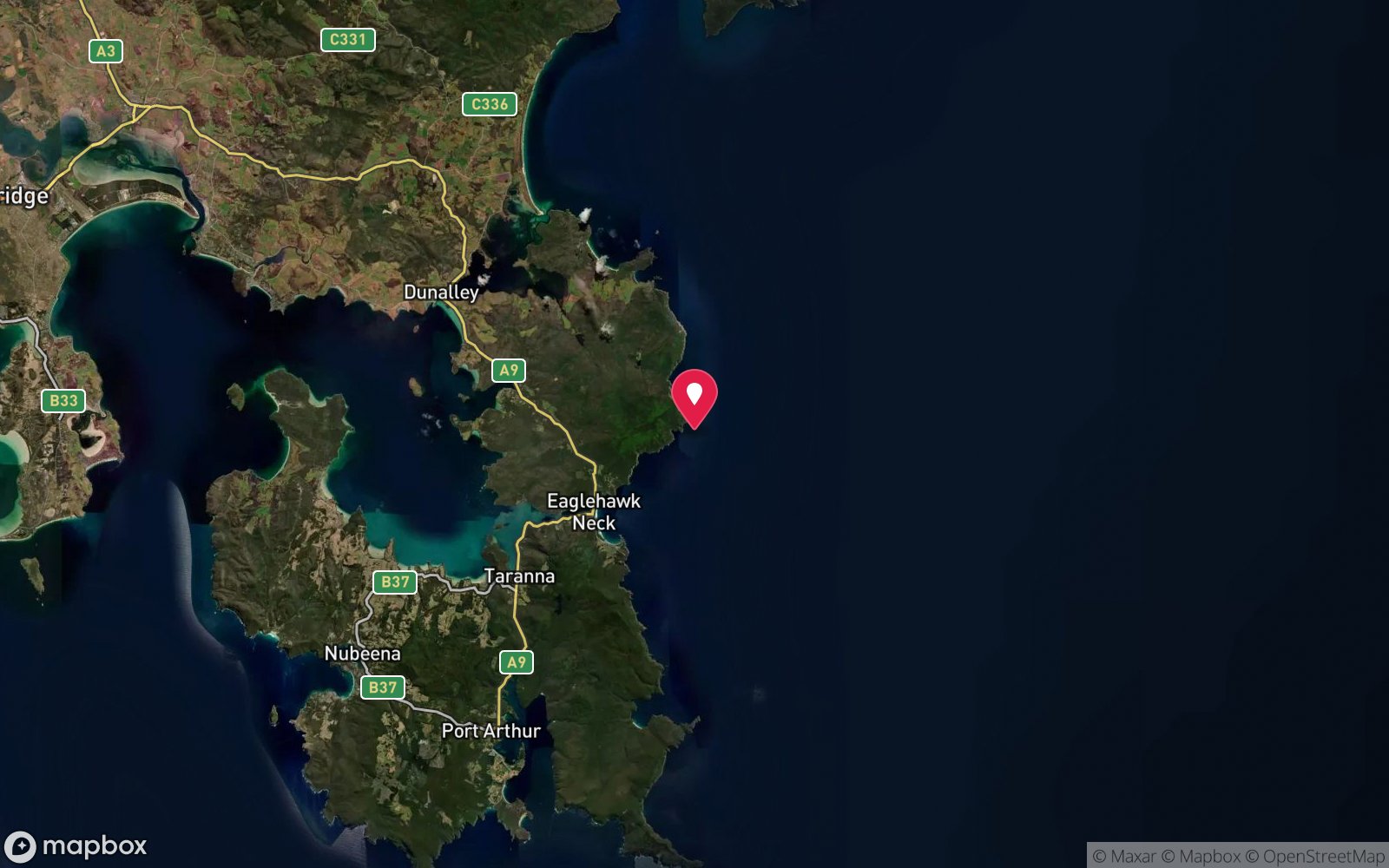
7 pinned sites. Pins marked approximate on their pages show the general area only; not for navigation.
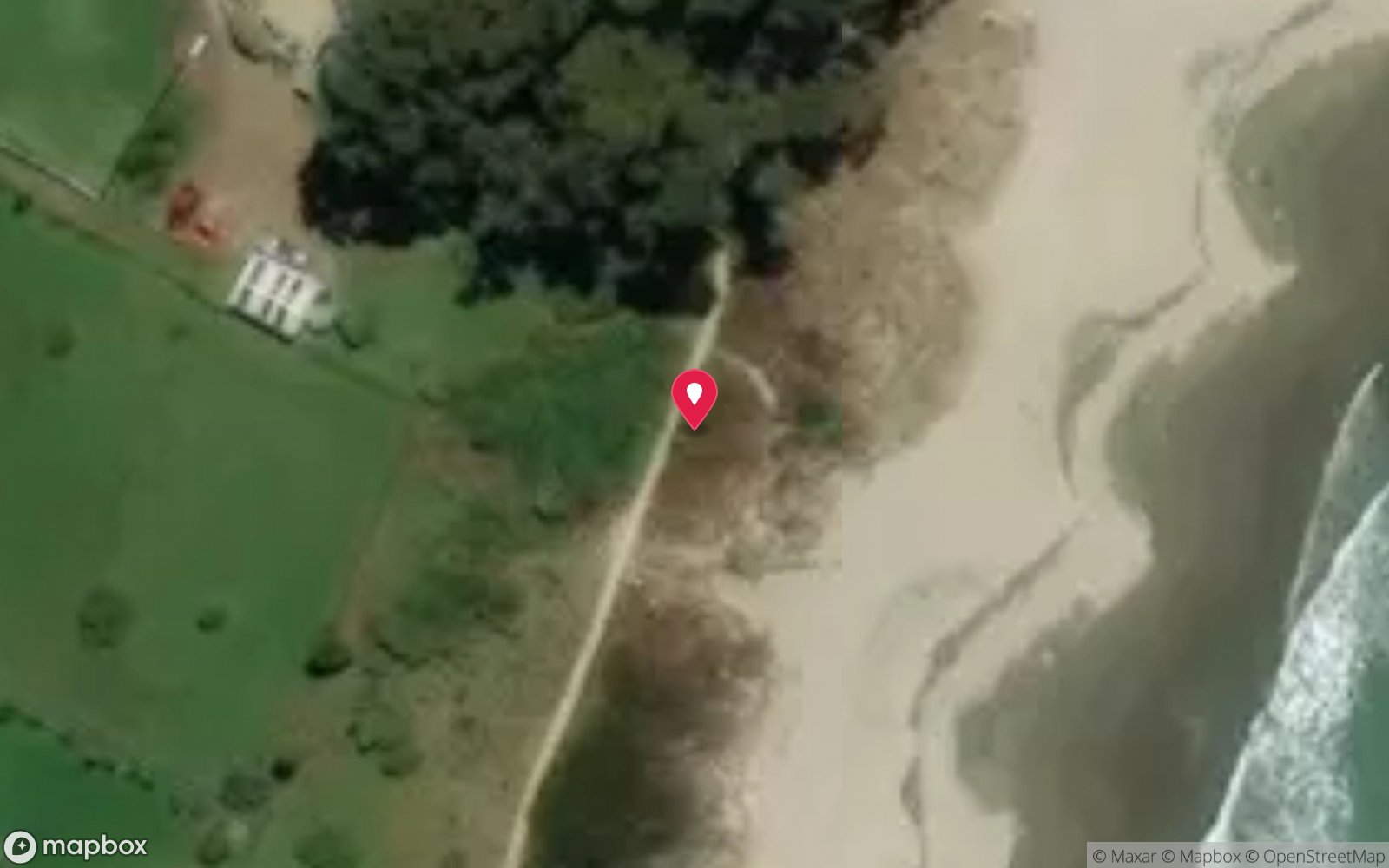
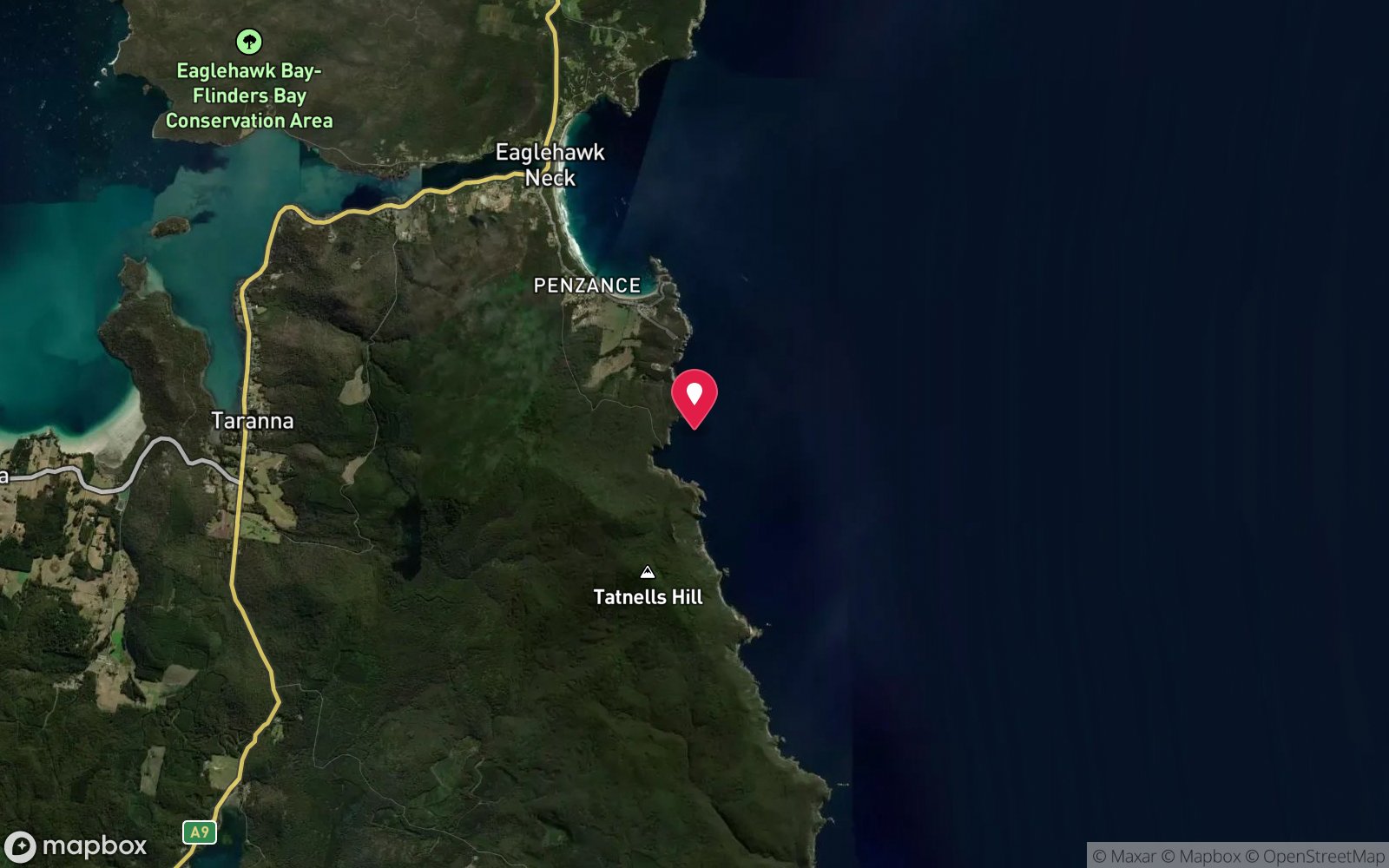
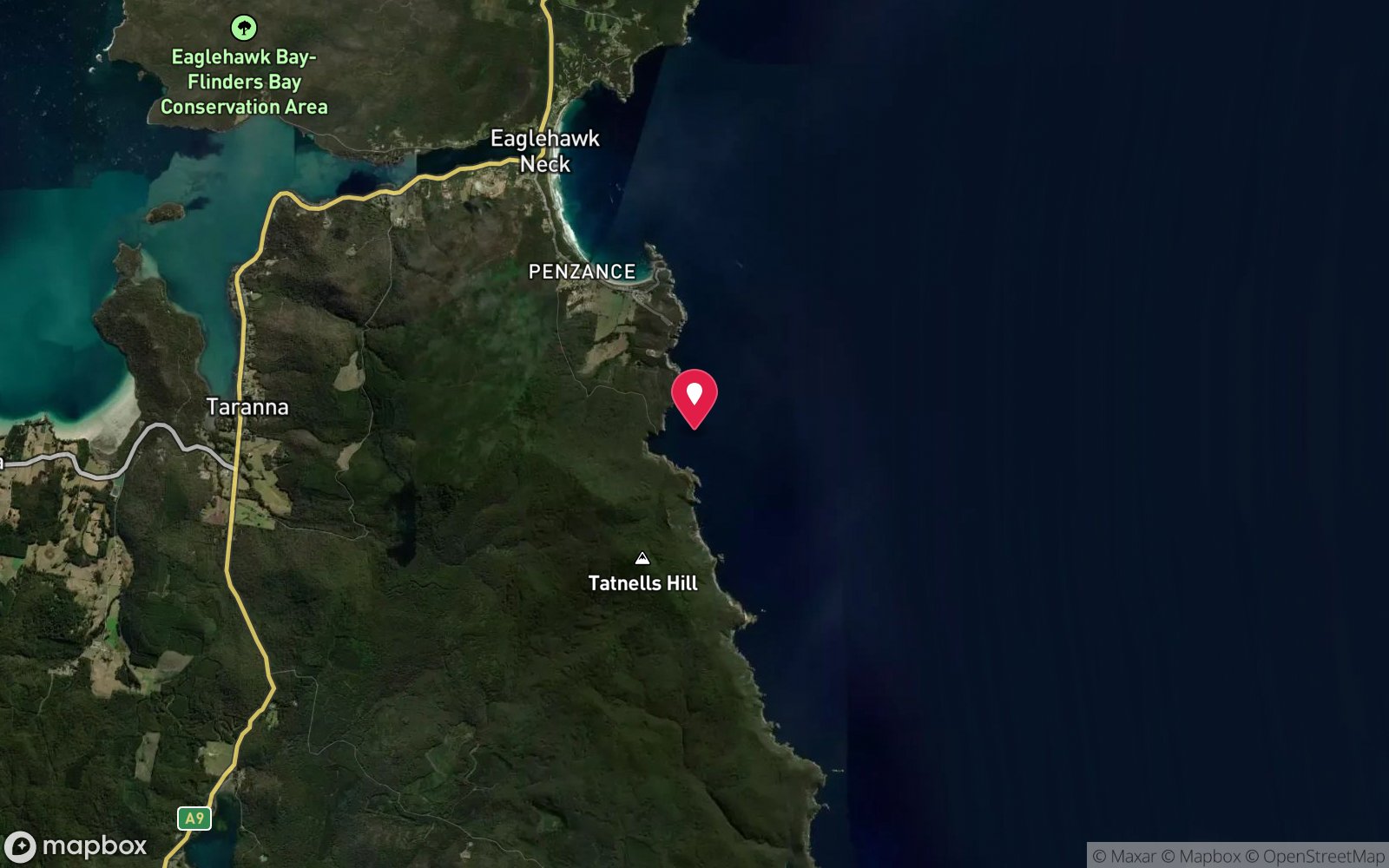
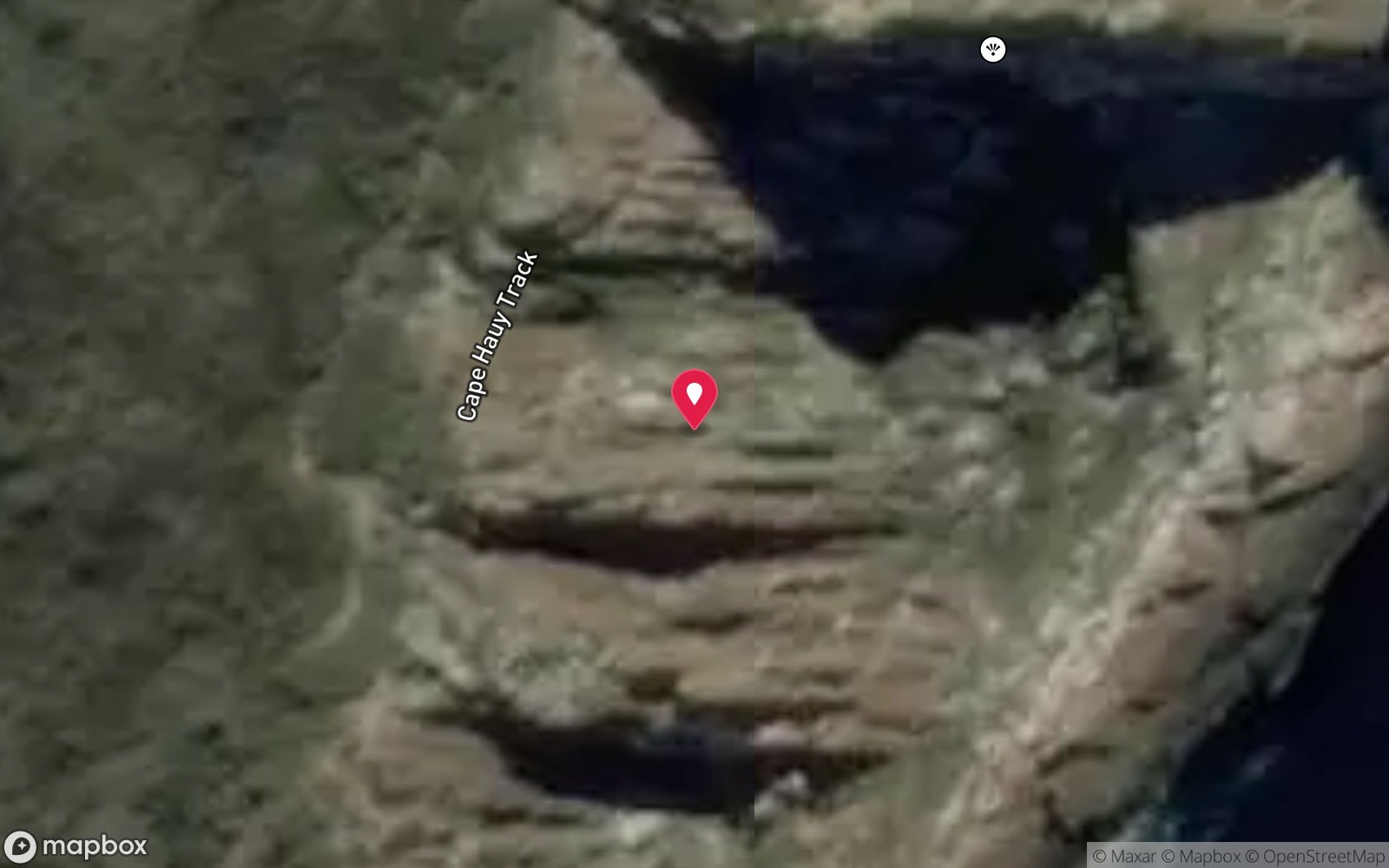
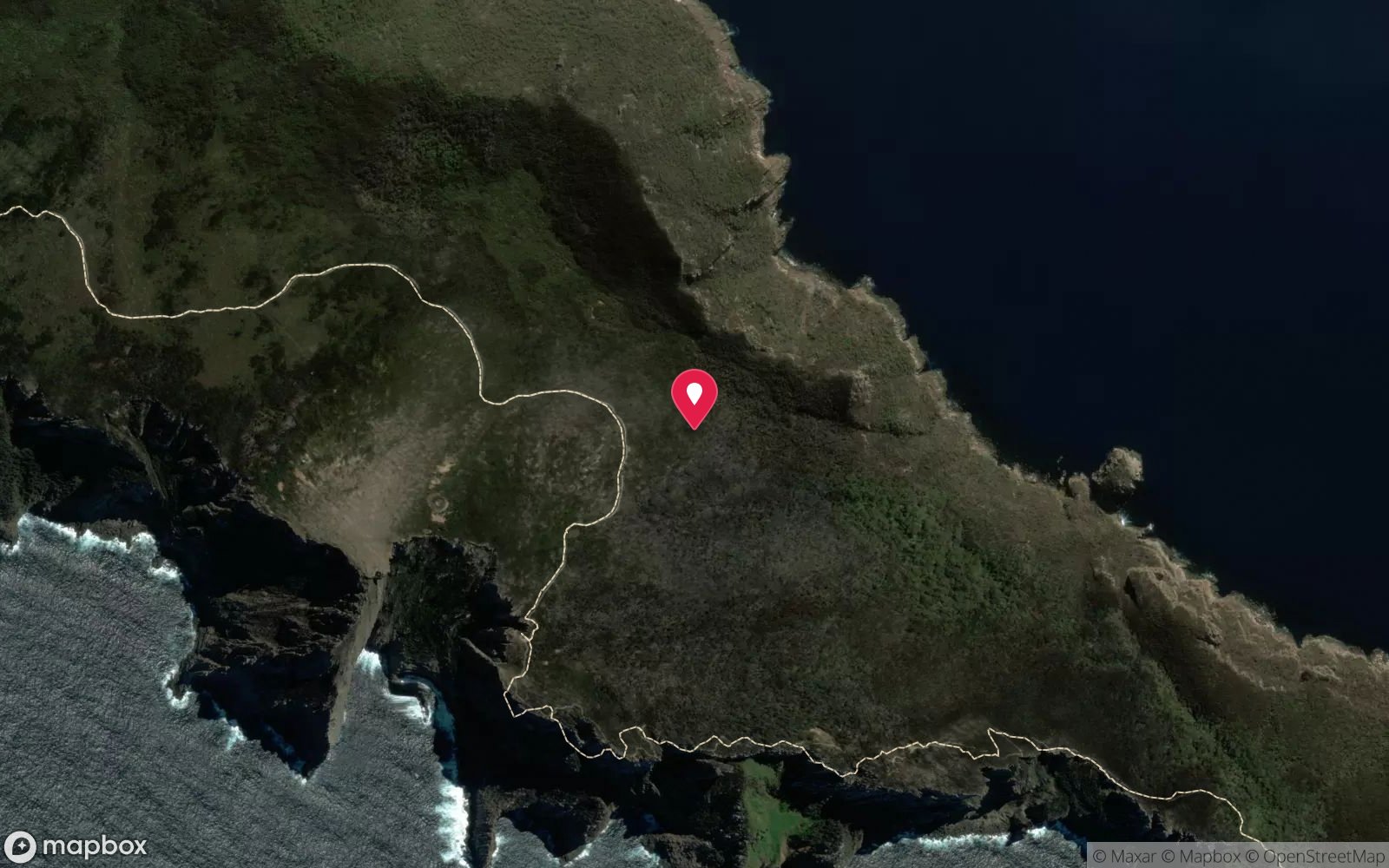
Satellite views
Deep Glen Bay North Wall: frequently asked questions
How deep is Deep Glen Bay North Wall?
Deep Glen Bay North Wall reaches a maximum depth of 40 m, with the shallowest part at about 8 m; most of the dive is spent around 20 m.
What certification do I need to dive Deep Glen Bay North Wall?
Deep/Advanced + experience is the recommended minimum. Operators often quote Open Water, but the site reaches 40 m, which is beyond that level's depth limit; Deep/Advanced + experience is the appropriate minimum for the full dive. This is a deep dive: plan gas, bottom time and a safety stop accordingly, and consider nitrox. Rated intermediate because of depth to 40 m, surge on the entry or in the shallows, cold water.
Can I shore dive Deep Glen Bay North Wall?
No, it is reached by boat (about 15 minutes). A dive centre is required: boat access only.
When is the best time to dive Deep Glen Bay North Wall?
Late summer to autumn (February-May) for settled weather and best visibility; diveable year-round between fronts.
What marine life will I see at Deep Glen Bay North Wall?
Regularly recorded: Sponges, sea whips, gorgonians, hydroids, jewel anemones, weedy seadragons, Shaw's cowfish, banded morwong, butterfly perch, southern rock lobster, octopus, New Zealand fur seals.
What wetsuit do I need at Deep Glen Bay North Wall?
Drysuit strongly recommended year-round; 7 mm semi-dry or two-piece 7 mm wetsuit with hood and gloves is the minimum in summer.
How cold is the water at Deep Glen Bay North Wall?
Typically 14-18 °C in summer and 10-13 °C in winter.
What are the main hazards at Deep Glen Bay North Wall?
Depth at the wall base (40 m+); surge in the caves; exposed to easterly swell; SMB needed for pick-up. See the hazards section above for the full list.
Where is the nearest recompression chamber to Deep Glen Bay North Wall?
Royal Hobart Hospital Hyperbaric Medicine Unit (Hobart CBD); DAN emergency hotline 1800 088 200. In an emergency call 000, then DAN Asia-Pacific on 1800 088 200.
Diving in Tasman Peninsula
The Tasman Peninsula has the tallest sea cliffs in the southern hemisphere, and beneath them some of Australia's most dramatic diving: the Cathedral Cave system and Waterfall Bay's caves and wall, the Sisters and Hippolyte Rocks with their fur seals, the Thumbs, and the remnant giant kelp at Fortescue Bay and Munro Bight. Deep sites like the Patersons Arch and the Nord wreck (40 m) reward experienced divers.
Getting there: Ninety minutes from Hobart. A dedicated dive operator at Eaglehawk Neck runs boat dives; Fortescue Bay and Pirates Bay have shore access.
Sources
- indopacificimages.com/diving-tasmania
- divernet.com/world-dives/explore-tasmanias-underwater-wonders-diving-into-the-hidden-gems-of-australias-apple-isle
- godivetas.com.au/pages/dive-sites
- marinelife.org.au/?page_id=97
- tsdc.org.au/2024/05/24/deep-glen-bay
- dan.org/alert-diver/article/tasmania
Data confidence: High. Last updated September 2026. Know this site better? How to send a correction
Nearby dive sites
More wall dives in Tasmania
Explore more
This region
Marine life