Dive slate · divesites.com.au · printed 8 Nov 2026
Challenger Bay
Ribbon Reefs & Lizard Island, Queensland · near Lizard Island / Cooktown (liveaboard from Cairns)
| Depth | 5–30 m |
|---|---|
| Minimum level | Advanced Open Water |
| Difficulty | Beginner |
| Access | Boat (multi-day/liveaboard) |
| Entry | Giant stride from liveaboard dive deck; descend mooring or line |
| Current | Mild |
| Visibility | 15-30 m |
| Water | summer 27-29 °C, winter 23-25 °C |
| Suit | 3 mm full wetsuit or lycra Nov–Apr (27–29°C); 5 mm full wetsuit Jun–Sep (23–25°C); full-length lycra or stinger suit recommended Nov–May |
| Best season | Year-round. Jun–Jul dwarf minke whale season; Aug–Nov calmest seas and best visibility; Nov–Dec coral spawning; Dec–Apr warmest water, more rain and cyclone risk |
| Bottom time | 50 min |
| Position | -14.97000, 145.69000 (approximate) |
| Permit | Great Barrier Reef Marine Park (Commonwealth) – outer Ribbon Reefs, GBRMPA zoning applies (much of the Ribbon Reef front is Marine National Park 'green' zone; check the Cooktown–Lizard Island zoning map). Operators hold GBRMPA permits; the Environmental Management Charge is included in trip fees. No private permit needed to dive with a permitted operator. |
| Nearest chamber | Townsville University Hospital hyperbaric unit (Townsville) – via aeromedical evacuation (RFDS/rescue helicopter from Lizard Island or Cooktown airstrip, or vessel diversion); liveaboards carry oxygen and satellite communications |
| Emergency | 000 · DAN Asia-Pacific diving emergency 1800 088 200 |
Challenger Bay
A famous night dive where trevally and red bass hunt in divers' torch beams; easy daytime dive over sand, bommies and recovering hard coral.
Near Lizard Island / Cooktown (liveaboard from Cairns) · Ribbon Reefs & Lizard Island, Queensland
- Depth
- 5–30 m
- Minimum level
- Advanced Open Water
- Access
- Boat (multi-day/liveaboard)
- Boat ride
- —
- Water
- 27-29 °C
- Visibility
- 15-30 m
Challenger Bay5–30 m · Advanced Open Water
Dive factsDepths, conditions, location & safety
Season
In season nowBest months: January, February, March, April, June, July, August, September, October, November, December.
Year-round. Jun–Jul dwarf minke whale season; Aug–Nov calmest seas and best visibility; Nov–Dec coral spawning; Dec–Apr warmest water, more rain and cyclone risk
- Best months
- Now (November)
- Stinger suit Nov–May
Dive facts
- Depth
- 5–30 m
- Typical depth
- 15 m
- Certification
- Advanced Open Water
- Difficulty
- Beginner
- Depth tier
- Advanced Open Water (18–30 m)
- Access
- Boat (multi-day/liveaboard)
- Dive centre needed
- Yes – boat access only
- Shore / independent
- No
- Current
- Mild
- Visibility
- 15-30 m
- Water temp (summer)
- 27-29 °C
- Water temp (winter)
- 23-25 °C
- Water
- Tropical
- Bottom time
- 50 min
- Dive traffic
- Very popular (dived daily)
- Night dive
- Yes
- Snorkel friendly
- Partial
Exposure suit
3 mm full wetsuit or lycra Nov–Apr (27–29°C); 5 mm full wetsuit Jun–Sep (23–25°C); full-length lycra or stinger suit recommended Nov–May
Location
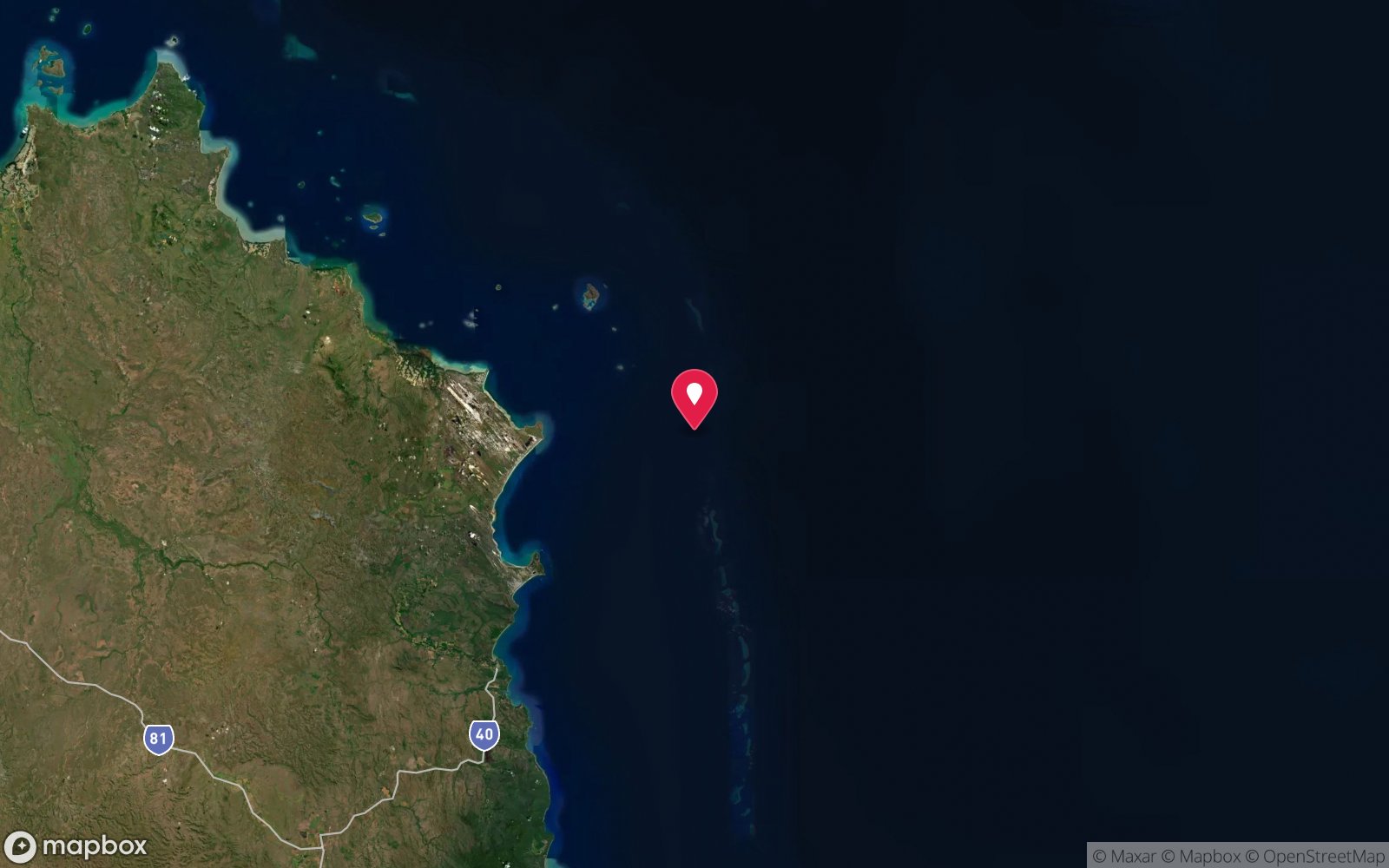
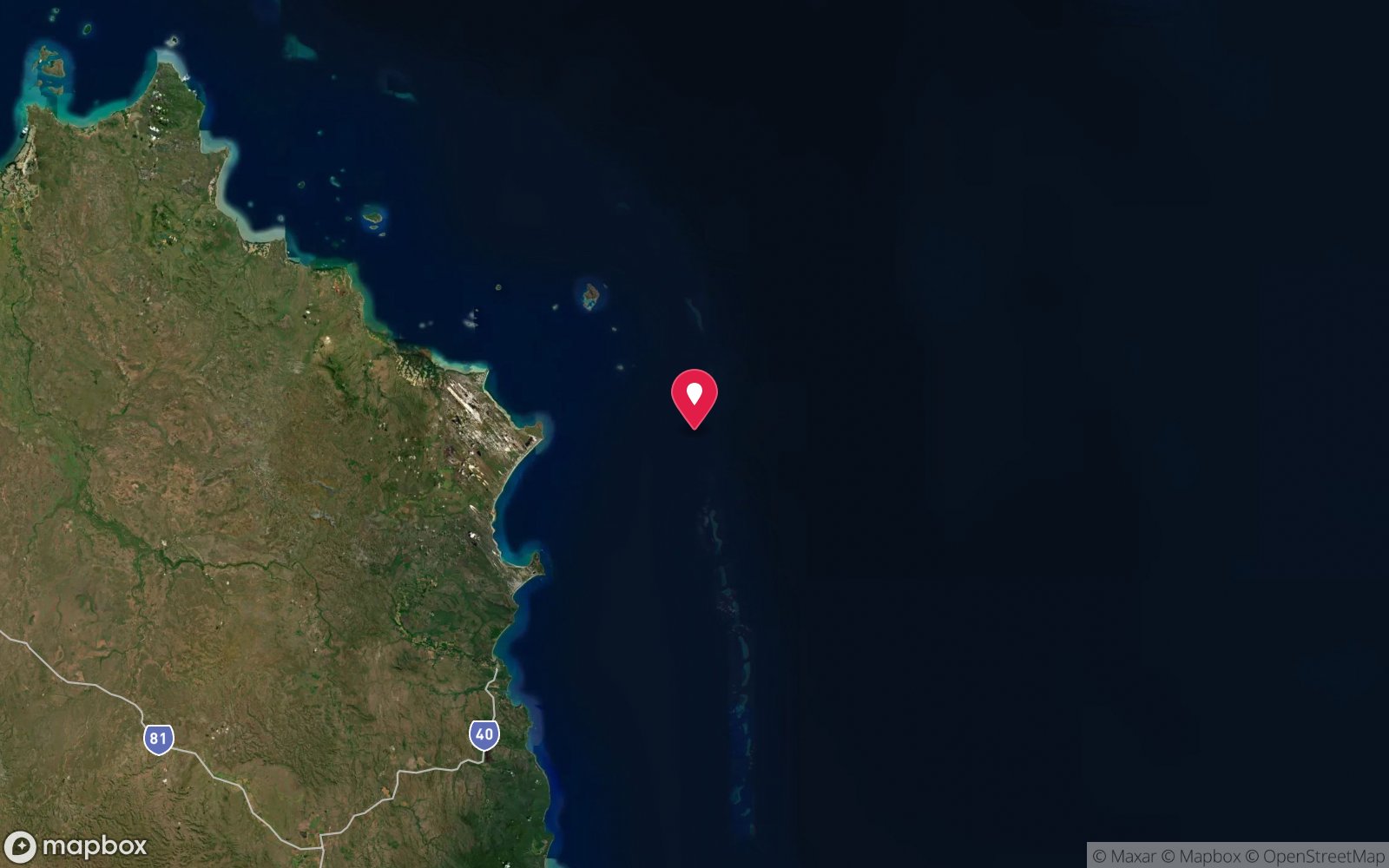
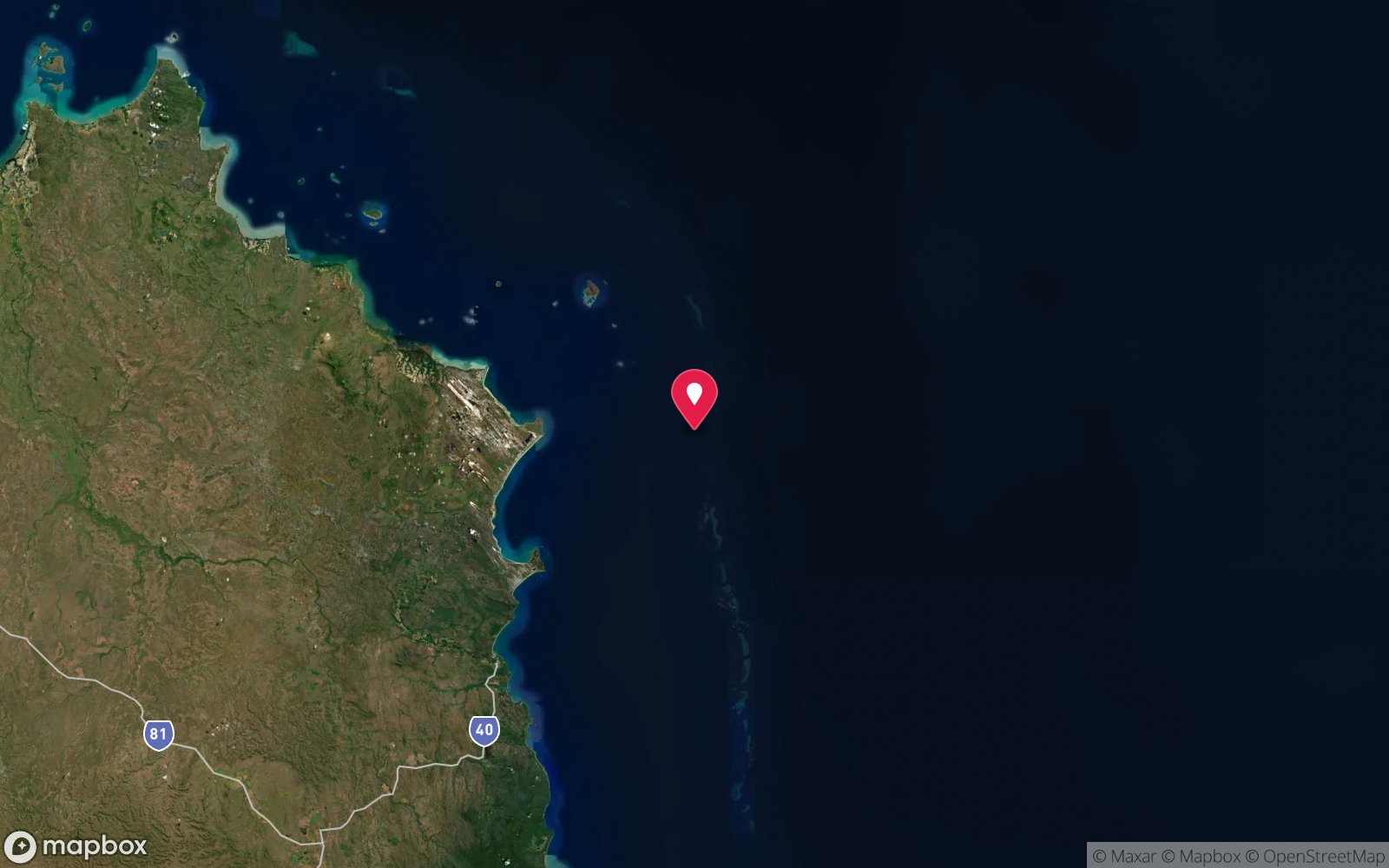
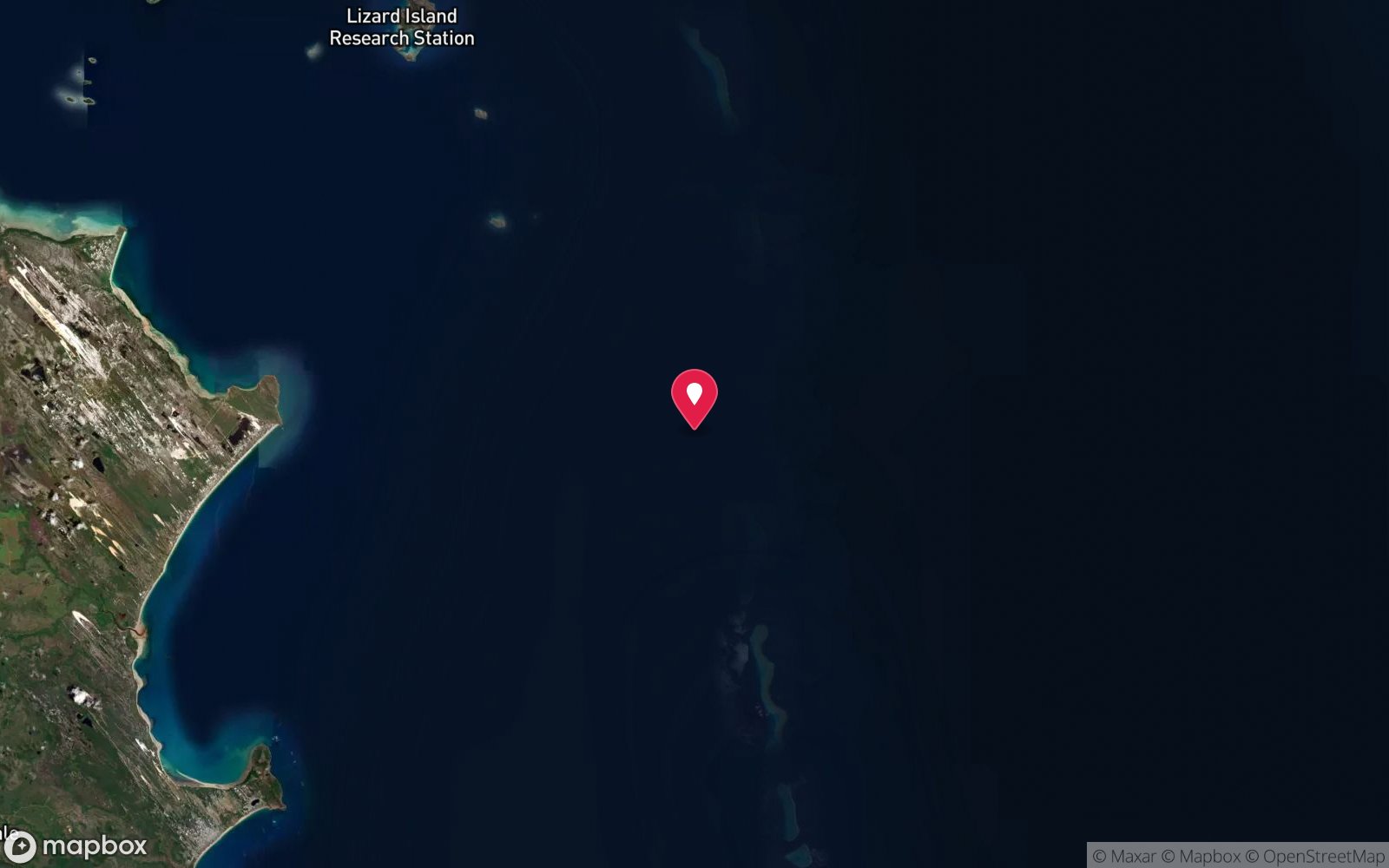
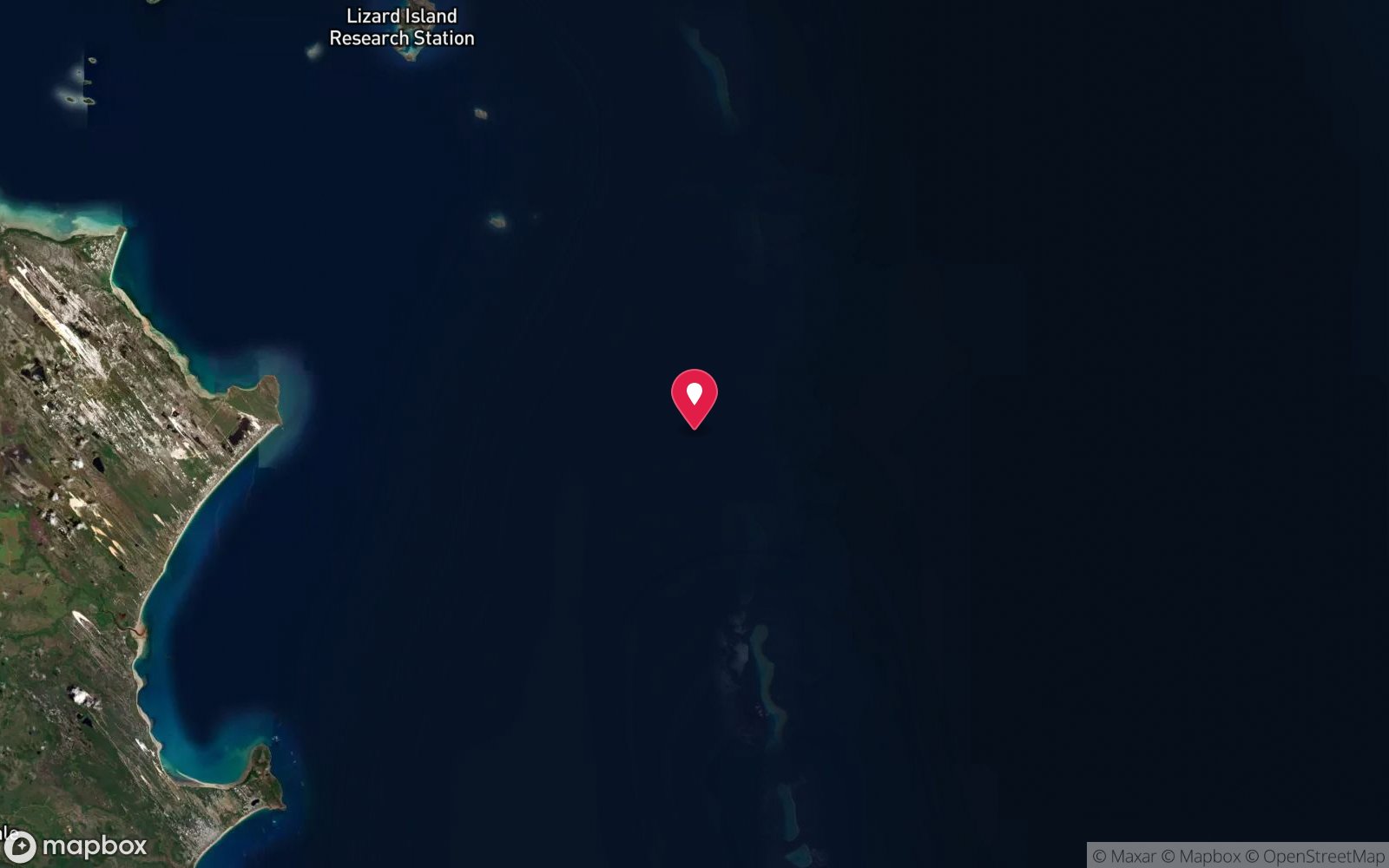
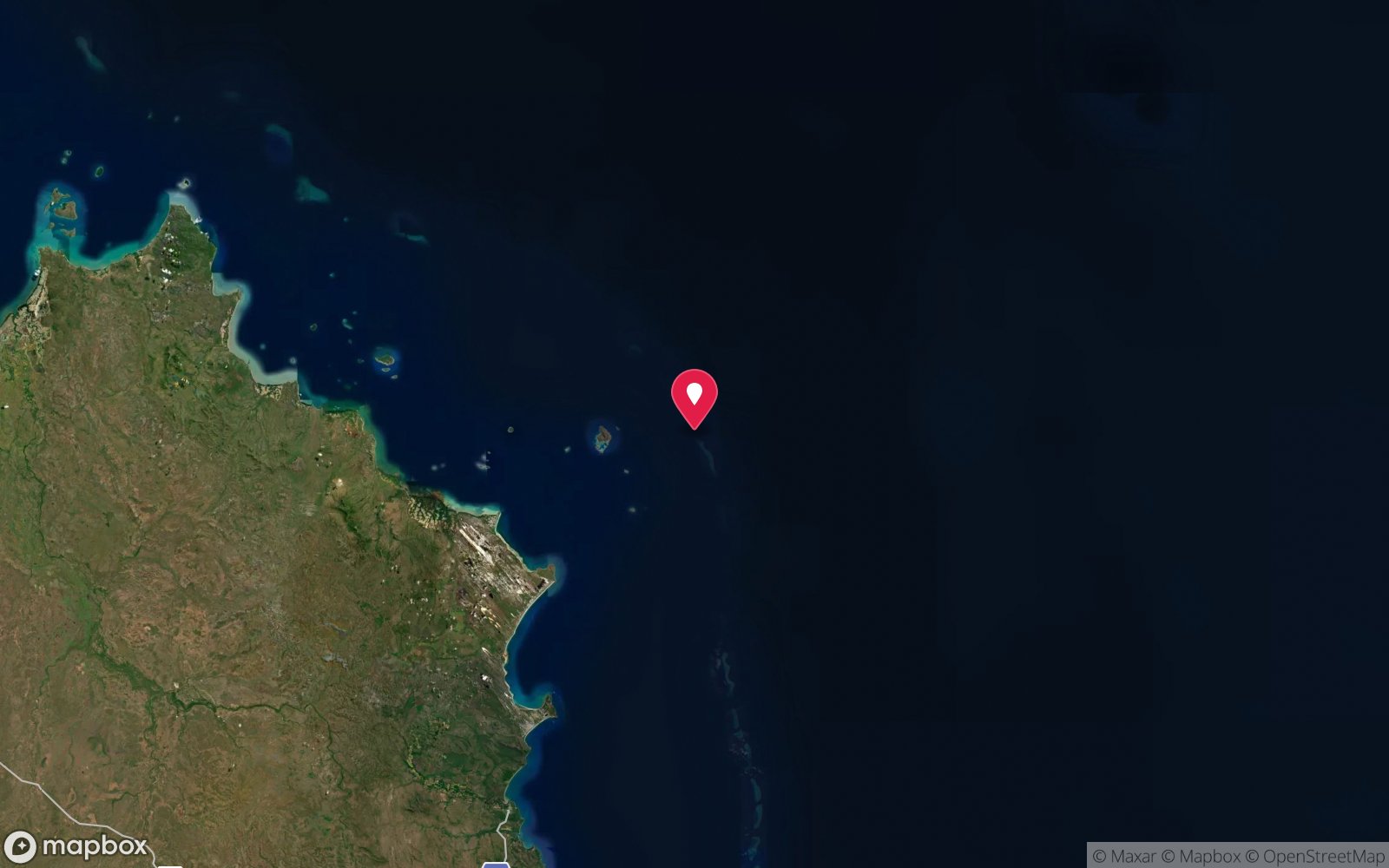
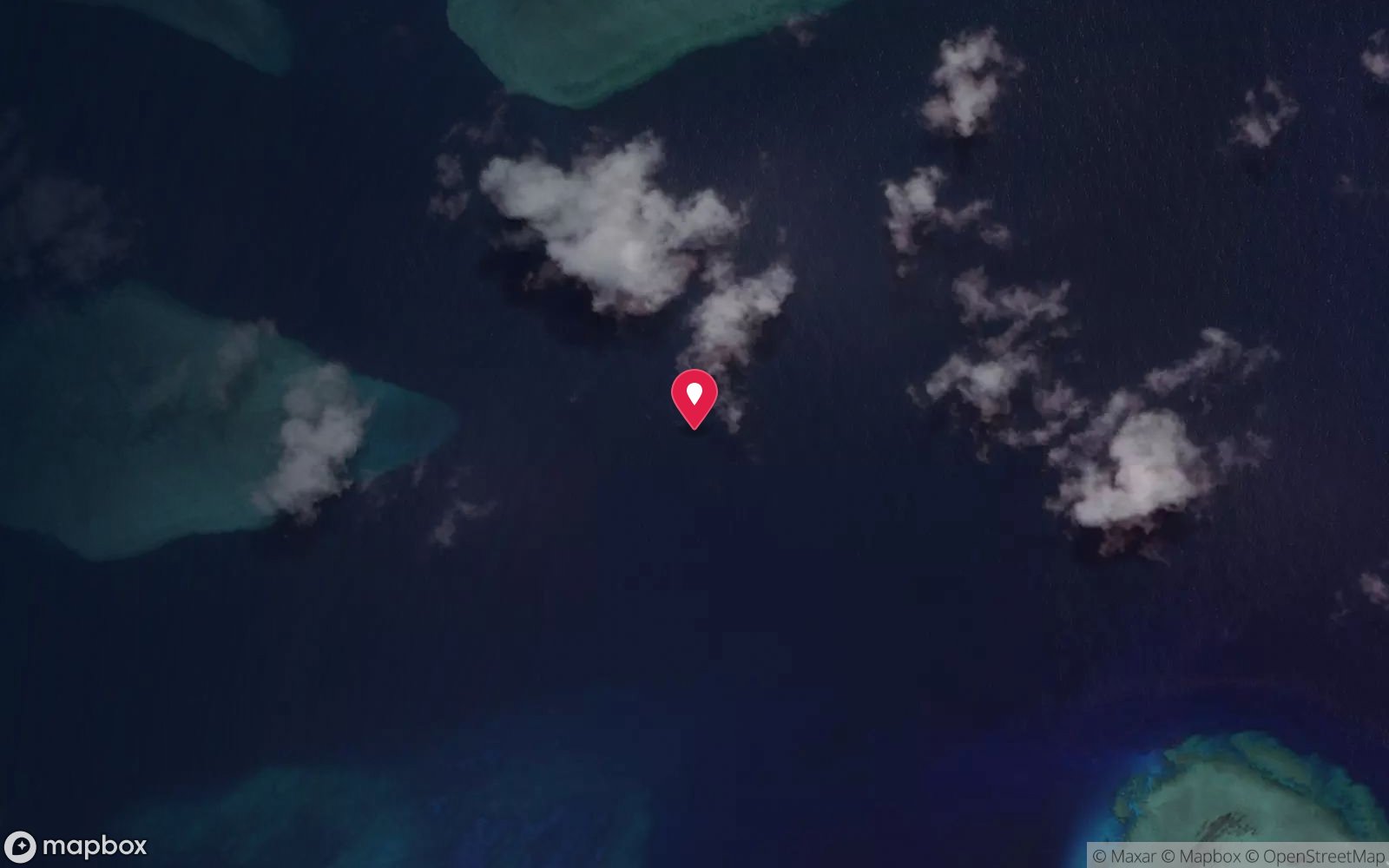
Between Ribbon Reefs No. 9 and 10 ('Ribbon 9½') · Far North GBR – Ribbon Reefs
-14.97000, 145.69000
Approximate position — not for navigation.
Open in Google MapsPrimary source: dive-the-world.comMarine park & permits
Great Barrier Reef Marine Park (Commonwealth) – outer Ribbon Reefs, GBRMPA zoning applies (much of the Ribbon Reef front is Marine National Park 'green' zone; check the Cooktown–Lizard Island zoning map). Operators hold GBRMPA permits; the Environmental Management Charge is included in trip fees. No private permit needed to dive with a permitted operator.
Nearest recompression chamber
Townsville University Hospital hyperbaric unit (Townsville) – via aeromedical evacuation (RFDS/rescue helicopter from Lizard Island or Cooktown airstrip, or vessel diversion); liveaboards carry oxygen and satellite communications
Diving emergency: call 000, then DAN AP 1800 088 200.
Trip planner
Build a trip around Challenger Bay →
A day-by-day plan for Ribbon Reefs & Lizard Island with this site locked in.
This guide is a planning aid. Conditions change daily — confirm with a local dive centre and dive within your training. Data & safety notes.
Dive profile
How this site rates
Scores are computed from the recorded data, not opinions. How?
At a glance
Challenger Bay is a reef liveaboard-only site in Ribbon Reefs & Lizard Island, QLD, 5–30 m, suited to Advanced Open Water divers.
Rated beginner: sheltered, shallow and manageable for a newly certified diver on a normal day, though note depth beyond 18 m and boat traffic overhead.
Why dive here
- A famous night dive where trevally and red bass hunt in divers' torch beams; easy daytime dive over sand, bommies and recovering hard coral.
- Commonly dived at night, when octopus, cuttlefish and crustaceans are out.
- Visibility often reaches 15-30 m.
Conditions to avoid
- Strong southerly or south-east swell and wind
- Any time other than slack water
- Cyclone season (roughly December–April)
- Stinger season without a full suit (November–May)
About Challenger Bay
Challenger Bay is best known for one of the most dramatic night dives on the Great Barrier Reef. Located between Ribbon Reefs No. 9 and 10, it is a sheltered bay where liveaboards commonly spend the night, and the resident predators have learnt to use divers' torches for hunting. Giant trevally and schools of red bass shadow divers after dark and dart into the beam to snatch small fish, which makes for an adrenalin-charged experience that Mike Ball's guides describe as fish actively hunting in the dive lights.
By day the site is gentler. The reef platform sits at about 5 m and slopes to a sandy bottom at 20–30 m, with hard coral fields, sandy gullies and scattered bommies. Dive the World describes it as hard coral fields with sandy gullies, multiple bommies and a main reef wall. The shallows took a hammering from the 2014–15 cyclones, but the hard corals are recovering, and the sand holds garden eels, stingrays and whitetip reef sharks.
Fish life is abundant: batfish, diagonal-banded sweetlips, mackerel, barracuda, clown triggerfish, pufferfish and giant moray eels, with giant clams scattered through the coral. Challenger Bay sits beside Gotham City and Mike Ball treats the two as neighbours; the same predators patrol both.
Because the mooring is shallow, sheltered and right under the boat, it suits every level of diver and is often the first night dive for people new to it. Keep a firm grip on your torch and your nerves; the fish move fast and close, but they are interested only in their prey.
Getting there & entry
A sheltered bay on the lagoon side between Ribbon Reefs No. 9 and 10, with a reef wall, scattered bommies and sandy gullies; a regular overnight mooring.
Liveaboard only (or fly-dive via Lizard Island). Mike Ball Dive Expeditions' Spoilsport and Spirit of Freedom depart Cairns (Trinity Wharf / Marlin Marina) in the evening and steam north overnight, roughly 12–14 hours and 200–250 km, to reach the Ribbon Reefs by morning; some itineraries fly Cairns–Lizard Island (about one hour, scenic flight along the coast) and board or disembark there. Trips run 3–7 nights and include Challenger Bay as an afternoon and night-dive mooring.
Divers enter by giant stride from the dive deck at the mooring and descend the mooring line. Because it is sheltered, liveaboards often spend the night here, so it is dived in the late afternoon and again after dark straight off the back of the boat.
Entry: Giant stride from liveaboard dive deck; descend mooring or line
Weather, swell & tides
The Ribbon Reefs sit on the edge of the continental shelf and take the full south-east trade wind from April to October. Lagoon-side moorings stay diveable in 20–25 knot SE winds, but reef-front sites and passes need lighter winds; liveaboards shelter behind the reefs overnight. September to December is usually calmest.
Tidal flow through the gaps between the Ribbons is strong on springs, so exposed pinnacles are timed for slack water. December to April brings rain, lower visibility and cyclone risk; box jellyfish and Irukandji are possible November to May. Challenger Bay is one of the most sheltered moorings on the Ribbons and is diveable in all but the strongest trades, which is why it is used as an overnight anchorage.
Best season: Year-round. Jun–Jul dwarf minke whale season; Aug–Nov calmest seas and best visibility; Nov–Dec coral spawning; Dec–Apr warmest water, more rain and cyclone risk
How the dive is usually run
By day, descend the mooring to the sand at 15–20 m, visit the nearest bommies and the base of the main reef wall, then return over the hard-coral fields to the 5 m reef platform. At night, stay close to the boat, keep torches pointed down and let the hunting trevally and red bass work around you.
Marine life
- Giant trevally
- red bass
- batfish
- diagonal-banded sweetlips
- mackerel
- tuna
- barracuda
- clown triggerfish
- giant moray eels
- octopus →
- pufferfish
- garden eels
- stingrays
- whitetip and grey reef sharks →
- giant clams
Linked species have their own page listing every site where they are recorded. All marine life →
Training required
Beyond 18 m an Advanced certification (which includes a deep dive to 30 m) is the accepted minimum. Anything past 25 m is a deep dive in practice.
Open Water divers can dive the shallower section (typical depth 15 m); the full site to 30 m needs Advanced Open Water. Operators often quote Open Water. At more than 25 m this counts as a deep dive: watch no-decompression limits and gas.
Operators' own listing: Open Water.
Courses that help here
- Enriched Air Nitrox – Longer no-decompression time at 25 m and deeper.
- Night Diver – Commonly dived at night.
Depth tiers: 0–10 m easy · to 18 m Open Water · 18–30 m Advanced (25 m+ is a deep dive) · 30–40 m Deep specialty · 40 m+ technical. All courses
Hazards & warnings
Fast-moving predatory fish at night (keep torches low, do not light prey fish unnecessarily); boat traffic at the overnight mooring; stingers Nov–May.
Dive centres that go here
Mike Ball Dive Expeditions (Spoilsport) – Ribbon Reef and Coral Sea itineraries from Cairns, several departures a month; Spirit of Freedom – 3-, 4- and 7-night trips from Cairns/Lizard Island, weekly. Usually scheduled as the night dive.
Operators recorded for Challenger Bay
Mike Ball Dive Expeditions
ListedCairns · Cairns · QLD
A long-running expedition liveaboard operation associated with Ribbon Reefs and Coral Sea itineraries, including minke whale season trips.
mikeball.com · (07) 4053 0500
Spirit of Freedom
ListedCairns · Cairns · QLD
An expedition liveaboard associated with Ribbon Reefs, Osprey Reef and Coral Sea itineraries.
spiritoffreedom.com.au · (07) 4047 9150
Other dive centres in Ribbon Reefs & Lizard Island
Passions of Paradise
ListedCairns · Cairns · QLD
A Cairns sailing catamaran day trip combining reef diving and snorkelling.
passions.com.au · (07) 4041 1600
Divers Den
ListedCairns · Cairns · QLD
A Cairns operation running both day-boat and liveaboard products alongside a training business and retail presence.
diversden.com.au · (07) 4046 7333
Down Under Cruise & Dive
ListedCairns · Cairns · QLD
A Cairns day-boat operator offering reef diving, snorkelling and introductory diving.
downundercruiseanddive.com.au · (07) 4052 8300
Reef Encounter
ListedCairns · Cairns · QLD
A Cairns-based liveaboard vessel offering multi-day reef stays with day-boat transfers.
reefencounter.com.au · (07) 4037 2700
Pro Dive Cairns
ListedCairns · Cairns · QLD
A long-established Cairns operation best known for multi-day liveaboard certification trips that combine Open Water training with outer Great Barrier Reef diving.
prodivecairns.com · (07) 4031 5255
Ocean Free & Ocean Freedom
ListedCairns · Cairns · QLD
Small-vessel Cairns day trips, positioned around lower passenger numbers than the large reef catamarans.
oceanfree.com.au · (07) 4052 1111
Map
7 pinned sites. Pins marked approximate on their pages show the general area only; not for navigation.
Satellite views
Challenger Bay: frequently asked questions
How deep is Challenger Bay?
Challenger Bay reaches a maximum depth of 30 m, with the shallowest part at about 5 m; most of the dive is spent around 15 m.
What certification do I need to dive Challenger Bay?
Advanced Open Water is the recommended minimum. Open Water divers can dive the shallower section (typical depth 15 m); the full site to 30 m needs Advanced Open Water. Operators often quote Open Water. At more than 25 m this counts as a deep dive: watch no-decompression limits and gas. Rated beginner: sheltered, shallow and manageable for a newly certified diver on a normal day, though note depth beyond 18 m and boat traffic overhead.
Can I shore dive Challenger Bay?
No, it is reached by boat. A dive centre is required: boat access only.
When is the best time to dive Challenger Bay?
Year-round. Jun–Jul dwarf minke whale season; Aug–Nov calmest seas and best visibility; Nov–Dec coral spawning; Dec–Apr warmest water, more rain and cyclone risk.
What marine life will I see at Challenger Bay?
Regularly recorded: Giant trevally, red bass, batfish, diagonal-banded sweetlips, mackerel, tuna, barracuda, clown triggerfish, giant moray eels, octopus, pufferfish, garden eels and more.
What wetsuit do I need at Challenger Bay?
3 mm full wetsuit or lycra Nov–Apr (27–29°C); 5 mm full wetsuit Jun–Sep (23–25°C); full-length lycra or stinger suit recommended Nov–May.
How cold is the water at Challenger Bay?
Typically 27-29 °C in summer and 23-25 °C in winter.
What are the main hazards at Challenger Bay?
Fast-moving predatory fish at night (keep torches low, do not light prey fish unnecessarily); boat traffic at the overnight mooring; stingers Nov–May. See the hazards section above for the full list.
Can you night dive Challenger Bay?
Yes, Challenger Bay is commonly dived at night.
Diving in Ribbon Reefs & Lizard Island
The Ribbon Reefs are ten long, narrow reefs on the edge of the shelf north of Cairns, reached by liveaboard. They hold the Great Barrier Reef's most famous sites: the Cod Hole and its potato cod, Steve's Bommie's single fish-covered pinnacle, Pixie Pinnacle, the Lighthouse Bommie and Challenger Bay, with dwarf minke whales joining divers in June and July. Lizard Island, a national park with a research station and a resort, sits at the northern end.
Getting there: Three- to seven-night liveaboards from Cairns and Port Douglas, often with a low-level flight back from Lizard Island. Lizard Island resort guests can dive locally.
All Ribbon Reefs & Lizard Island dive sites and a suggested itinerary →
Sources
- dive-the-world.com/diving-sites-australia-great-barrier-reef-ribbon-reefs.php
- spiritoffreedom.com.au/ribbon-reefs
- mikeball.com/ribbon-reef-liveaboard
- nigelmarshphotography.com/blog-posts/minke-scubadiver
- divernet.com/scuba-diving/the-call-of-the-minkes
- morrisnautical.au/packages/highlights-of-the-ribbon-reefs
Data confidence: High · Being verified: Coordinates approximate.. Last updated September 2026. Know this site better? How to send a correction
Nearby dive sites
More reef dives in Queensland
Explore more
This region
Similar dives