Dive slate · divesites.com.au · printed 7 Nov 2026
HMAS Bayonet
Port Phillip Heads, Victoria · near Flinders
| Depth | 70–82 m |
|---|---|
| Minimum level | Technical (decompression) |
| Difficulty | Expert/Technical |
| Access | Boat (day trip) |
| Entry | Backward roll from a technical expedition vessel; shot line on the wreck; drifting decompression under a live boat |
| Current | Strong |
| Visibility | 15-30 m |
| Water | summer 16-19 °C, winter 12-14 °C |
| Suit | Drysuit with heated undergarments; CCR standard |
| Best season | Autumn (Mar–May) high-pressure windows with low swell |
| Bottom time | 20 min |
| Position | -38.71750, 144.58750 (approximate) |
| Permit | No marine park; no heritage protection zone (post-1999 scuttling). No permit required. |
| Nearest chamber | The Alfred (Melbourne) |
| Emergency | 000 · DAN Asia-Pacific diving emergency 1800 088 200 |
HMAS Bayonet
Also known as ex-HMAS Bayonet (P 101), Bayonet patrol boat
An Attack-class patrol boat scuttled in 1999 and found in 2001 – upright and clean in 82 m off Cape Schanck with waterline marks still readable; a rare rebreather expedition dive.
Near Flinders · Port Phillip Heads, Victoria
- Depth
- 70–82 m
- Minimum level
- Technical (decompression)
- Access
- Boat (day trip)
- Boat ride
- ~110 min
- Water
- 16-19 °C
- Visibility
- 15-30 m
HMAS Bayonet70–82 m · Technical (decompression)
Dive factsDepths, conditions, location & safety
Season
Off-peak nowBest months: March, April, May.
Autumn (Mar–May) high-pressure windows with low swell
- Best months
- Now (November)
Dive facts
- Depth
- 70–82 m
- Typical depth
- 78 m
- Certification
- Technical (decompression)
- Difficulty
- Expert/Technical
- Depth tier
- Technical (40 m +)
- Access
- Boat (day trip)
- Offshore
- 30 km
- Dive centre needed
- Yes – boat access only
- Shore / independent
- No
- Boat ride
- ~110 min
- Current
- Strong
- Visibility
- 15-30 m
- Water temp (summer)
- 16-19 °C
- Water temp (winter)
- 12-14 °C
- Water
- Cold Temperate
- Bottom time
- 20 min
- Dive traffic
- Remote/expedition only
- Night dive
- No
- Snorkel friendly
- No
Exposure suit
Drysuit with heated undergarments; CCR standard
Location
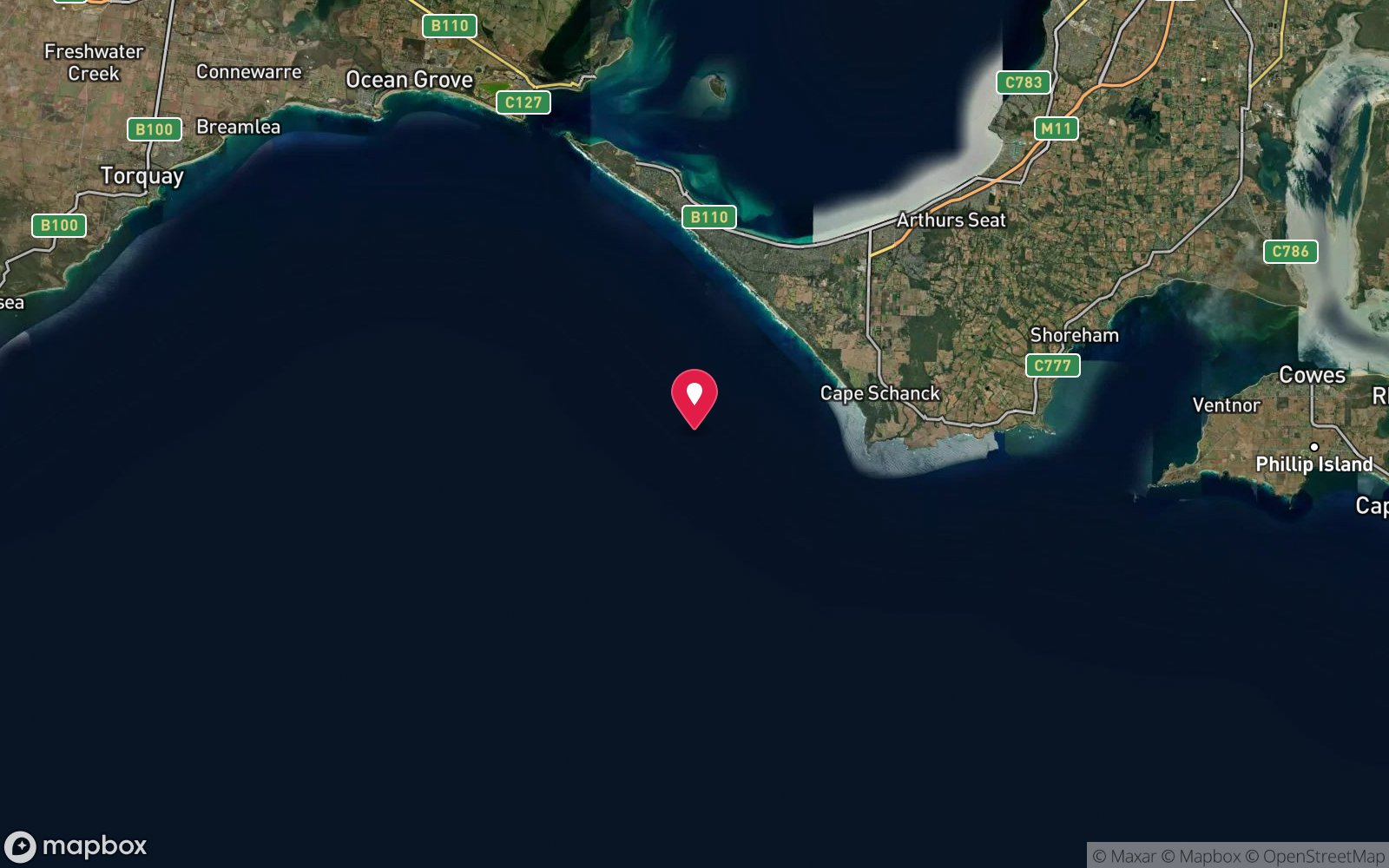
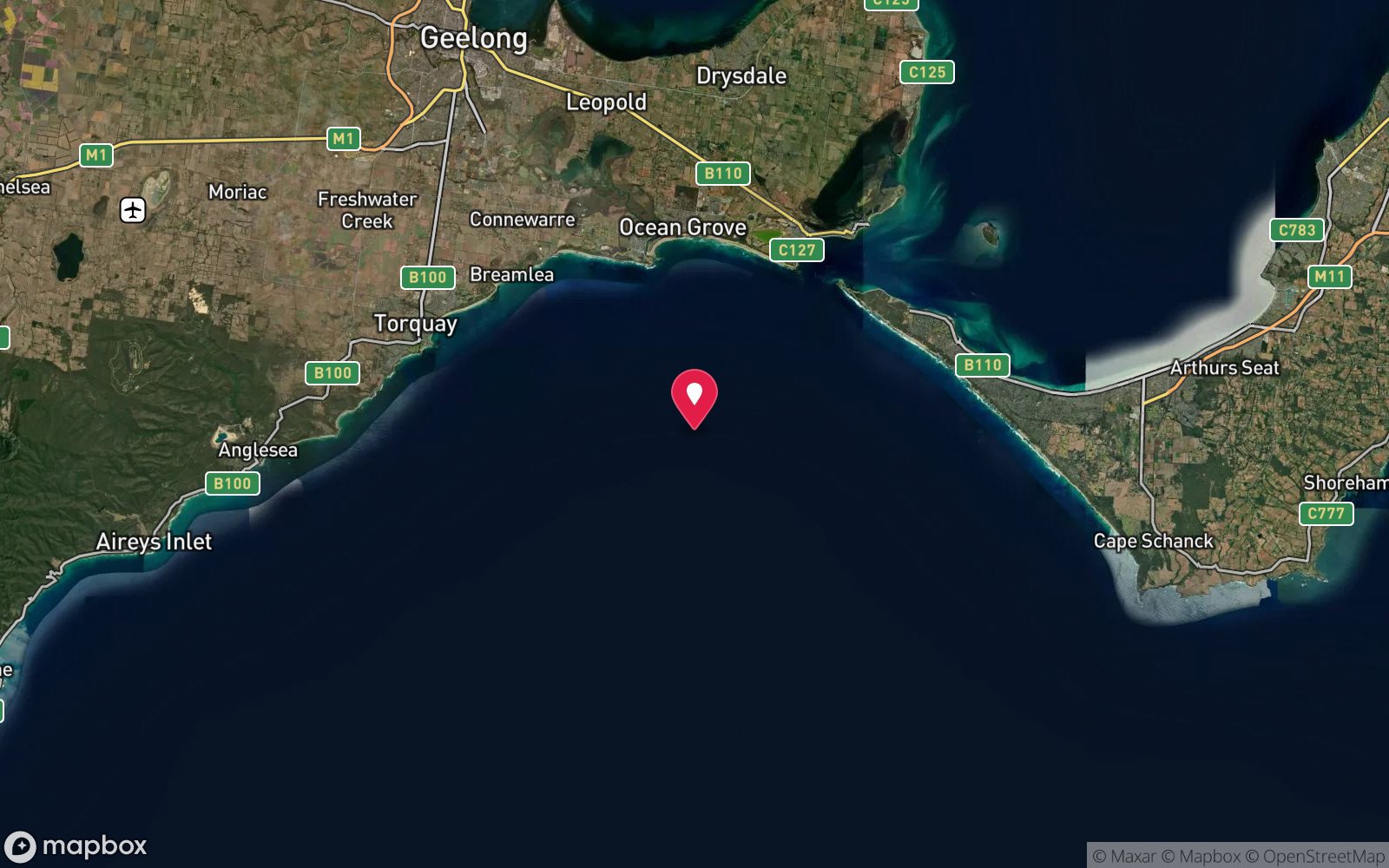
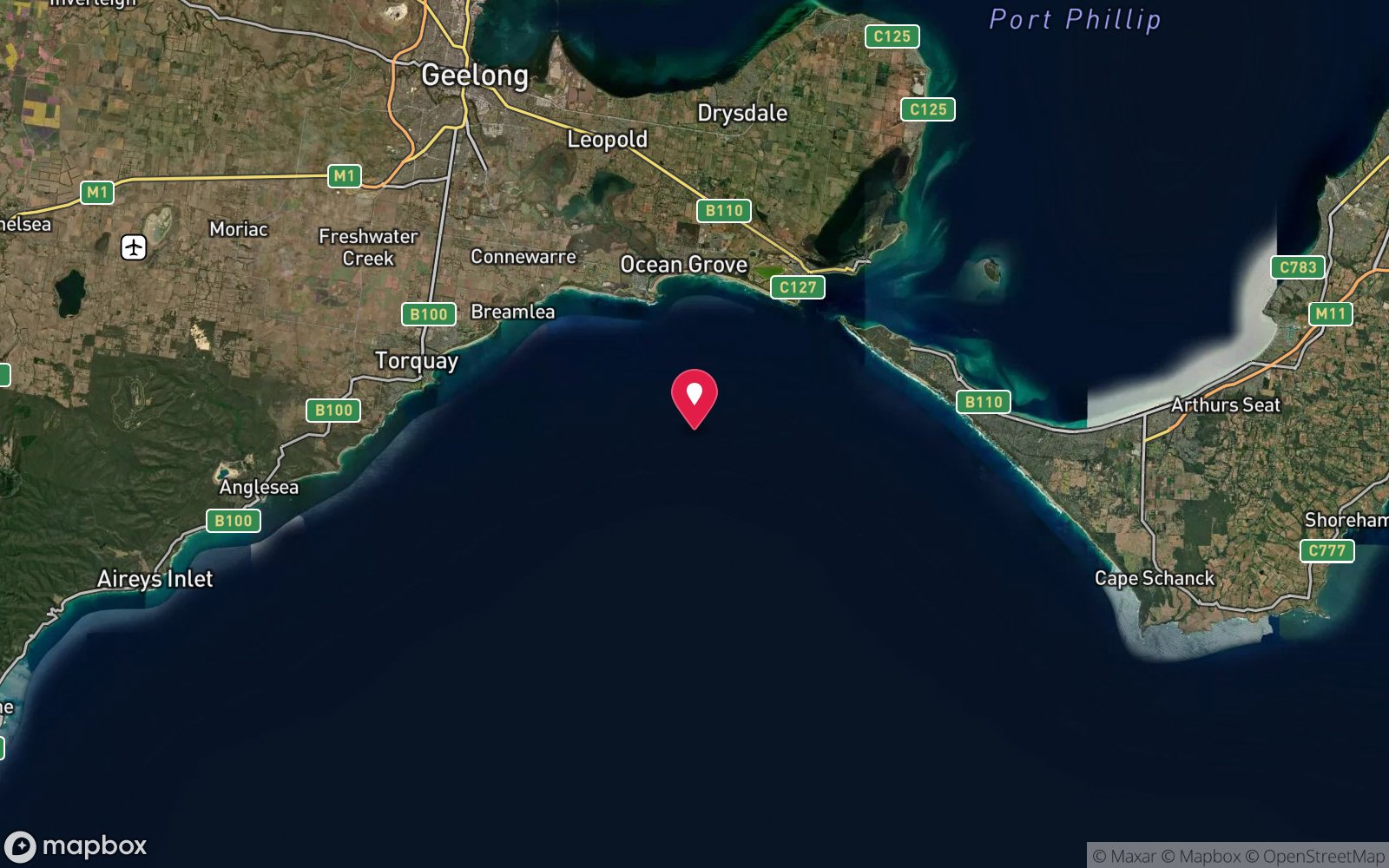
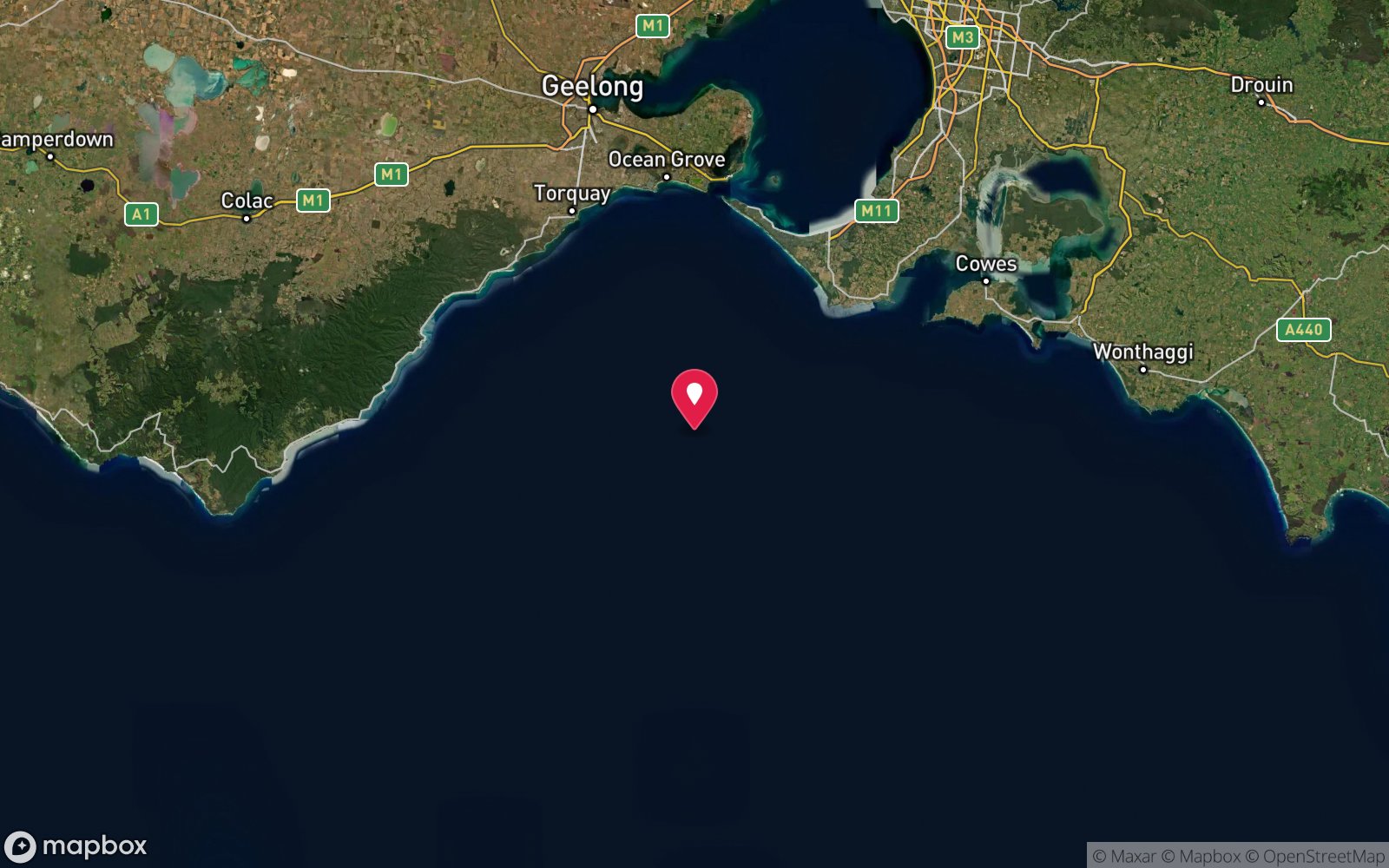
Bass Strait – Cape Schanck · Port Phillip Heads & Bass Strait
-38.71750, 144.58750
Approximate position — not for navigation.
Open in Google MapsPrimary source: scubadoctor.com.auTags
Marine park & permits
No marine park; no heritage protection zone (post-1999 scuttling). No permit required.
Nearest recompression chamber
The Alfred (Melbourne)
Diving emergency: call 000, then DAN AP 1800 088 200.
Trip planner
Build a trip around HMAS Bayonet →
A day-by-day plan for Port Phillip Heads with this site locked in.
This guide is a planning aid. Conditions change daily — confirm with a local dive centre and dive within your training. Data & safety notes.
Dive profile
How this site rates
Scores are computed from the recorded data, not opinions. How?
At a glance
HMAS Bayonet is a wreck boat dive in Port Phillip Heads, VIC, 70–82 m, suited to Technical (decompression) divers, strong current, about 110 minutes by boat.
Rated expert/technical because of depth to 82 m, strong current, wreck penetration options that need training, cold water.
Why dive here
- An Attack-class patrol boat scuttled in 1999 and found in 2001 – upright and clean in 82 m off Cape Schanck with waterline marks still readable; a rare rebreather expedition dive.
- Sunk in 1999 (Attack-class patrol boat, 32.8 m, 146 t).
- Rarely dived: expect to have the site to yourself, and plan your own logistics.
- Visibility often reaches 15-30 m.
About HMAS Bayonet
HMAS Bayonet (P 101) was an Attack-class patrol boat, one of twenty built for the Royal Australian Navy in the late 1960s for coastal patrol and, later, fisheries and immigration work in northern waters. She was laid down by Walkers Limited at Maryborough, Queensland, in October 1968, launched on 6 November 1968 and commissioned on 22 February 1969: 32.8 m long, 146 tons full load, two diesels for 21 knots, a 40 mm Bofors forward and a crew of 19. On 27 March 1982 she was transferred to the Melbourne Port Division of the RAN Reserve for reservist and cadet training out of HMAS Lonsdale and Western Port, and she paid off on 26 June 1988.
The Navy's original plan was to sink her in about 30 m as a recreational dive site; that fell through, and on 21 September 1999 Defence Maritime Services staff scuttled her instead in deep water off Cape Schanck. The wreck was located on 23 December 2001 by the Red October Group, a Melbourne technical team, after a year of planning. She sits upright on a sand bottom at 82 m with the deck at about 70 m, in strong current that has carved steep sand ripples around the hull.
Divers report the hull surprisingly clean, with the painted waterline markings on the bow still readable, a hole in the foredeck where the Bofors was removed, the wheelhouse and superstructure intact, and a mass of wiring visible inside – she was stripped of little. Twenty-five years on, sponge and sea-whip growth is established and ling, boarfish and crayfish have moved in. Bayonet is a trimix or rebreather expedition dive – the Scuba Doctor notes four cylinders per diver on open circuit – with 90 minutes or more of decompression in open Bass Strait, and it is attempted a couple of times a year at most.
It suits the most experienced Victorian technical divers, and it is a curiosity: the only modern warship wreck in the state apart from the Canberra, and a reminder of what the Canberra might have been had the Navy's first plan gone the same way.
Wreck details
Attack-class patrol boat, 32.8 m, 146 t · Sunk 1999
Era: modern, mostly scuttled as artificial reefs. Oldest wrecks · Wartime wrecks · Scuttled warships
Other wrecks of the same era
- Emily S · Max 24 m · Portland & the West
- ex-HMAS Canberra · Max 32 m · Port Phillip Heads
- The Barge (Cochrane Artificial Reef) · Max 15 m · Bundaberg & Agnes Water
- Severance Wreck (Lady Elliot Island) · Max 21 m · Lady Elliot Island
- Light Ships (Cochrane Artificial Reef) · Max 18 m · Bundaberg & Agnes Water
- Marina Star · Max 60 m · Jervis Bay
Getting there & entry
In deep water in Bass Strait about 30 km south-south-west of Cape Schanck and 45 km south of Port Phillip Heads, in 82 m.
Expedition only. The Bayonet lies about 45 km south of The Heads in open Bass Strait – 1.5–2 hours each way in a fast technical charter from Queenscliff Harbour or Portsea, or a similar run from Flinders (Western Port). Drive Melbourne–Queenscliff via the Geelong Ring Road and Bellarine Highway (1 h 40 min) or Melbourne–Flinders via the Mornington Peninsula Freeway and Boneo Road (1 h 30 min).
Trips are organised privately by Melbourne rebreather teams chartering a suitable vessel; nothing marks the site, the published position is a GPS mark from the 2001 discovery, and a good sounder is needed to find a 33 m hull in 82 m.
Entry: Backward roll from a technical expedition vessel; shot line on the wreck; drifting decompression under a live boat
Facilities: Queenscliff Harbour, Portsea Pier or Flinders ramp departures; nothing at sea
Weather, swell & tides
Open Bass Strait 30 km south of Cape Schanck with no shelter from any direction. The Scuba Doctor notes steep sand ripples around the hull from strong currents, and the site needs slack water as well as a swell under about 1 m and light winds for the whole day – a combination that occurs a few times a year, mostly in autumn. The 90-minute decompression is drifted under a float with the boat following.
Fog and the long passage home are additional factors. Visibility at 80 m in clean offshore water is often 20–30 m.
Best season: Autumn (Mar–May) high-pressure windows with low swell
How the dive is usually run
Expedition CCR dive: descend the shot to the deck at about 70 m, spend 20 minutes on the upright 33 m patrol boat – bow with its readable waterline marks and the empty gun mount, wheelhouse, stern – without entering the wiring-choked interior, then leave the shot on a DSMB and complete 90–120 minutes of drifting decompression with support divers at the shallow stops.
Marine life
- Deep-water sponges
- sea whips
- ling
- boarfish
- southern rock lobster
- butterfly perch
Linked species have their own page listing every site where they are recorded. All marine life →
Training required
Beyond recreational limits: decompression, mixed gas or full cave/wreck training is required.
Courses that help here
- Enriched Air Nitrox – Longer no-decompression time at 25 m and deeper.
- Wreck Diver – The wreck has penetration options.
- Drift Diver – Current is a feature of the dive.
- Drysuit Diver – Cold water; locals dive dry for much of the year.
Depth tiers: 0–10 m easy · to 18 m Open Water · 18–30 m Advanced (25 m+ is a deep dive) · 30–40 m Deep specialty · 40 m+ technical. All courses
Hazards & warnings
82 m depth with 90–120 min decompression in open Bass Strait; strong currents (sand ripples around the hull); remote – 1.5–2 hours from port; tiny weather windows; interior choked with wiring – no penetration; CCR/trimix only.
Technical notes
Expedition CCR dive: diluent around 10/60–10/70, full bailout for an 82 m ascent, oxygen and EAN50 deco, drifting decompression under a float with support divers and a live boat. Open circuit requires four or more cylinders per diver. Not a historic shipwreck under heritage law but treat as such.
Dive centres that go here
No operator. Found and first dived by the Red October Group on 23 December 2001 after twelve months of planning; since then visited only by occasional Melbourne closed-circuit rebreather expeditions – a dive or two a year at most.
Other dive centres in Port Phillip Heads
The Scuba Doctor
ProfiledRye · Melbourne & Port Phillip Bay · VIC
A Victorian equipment and service business with an extensive retail presence, located to serve both Melbourne and Mornington Peninsula divers.
scubadoctor.com.au · (03) 5985 3322
Diveline Scuba Centre
ListedFrankston · Melbourne & Port Phillip Bay · VIC
A Victorian business associated with technical training and gas support alongside recreational courses.
diveline.com.au · (03) 9783 7166
Aquability
ListedMordialloc · Melbourne & Port Phillip Bay · VIC
A Victorian operation associated with technical diving training. Exact agency, course levels and gas support require verification.
aquability.com.au · (03) 9587 1811
Bay City Scuba
ListedEast Geelong · Melbourne & Port Phillip Bay · VIC
A Victorian business associated with recreational and technical training alongside equipment and gas services.
baycityscuba.com · (03) 5248 1488
Scuba Culture
ListedBurwood · Melbourne & Port Phillip Bay · VIC
A Melbourne business providing training and equipment support for local divers.
scubaculture.com.au · (03) 9808 0033
Scubabo Dive Victoria (Queenscliff)
ListedQueenscliff · Geelong & Bellarine · VIC
A Queenscliff operation, strategically located for access toward Port Phillip Heads.
dive.scubabo.com · (03) 5258 1188
All dive centres in Victoria →
Operators mentioned: Melbourne technical dive clubs, Red October Group
Map
7 pinned sites. Pins marked approximate on their pages show the general area only; not for navigation.
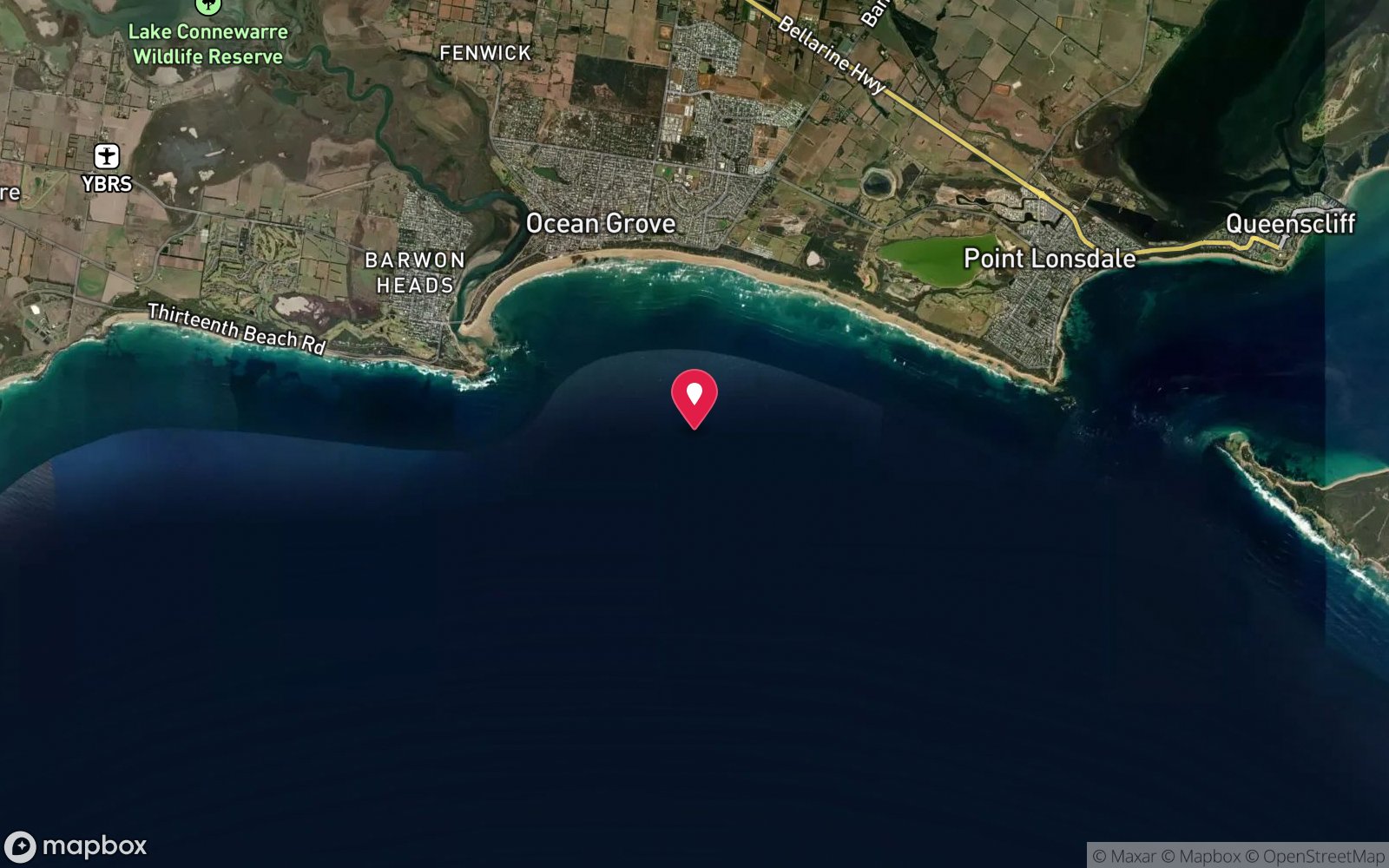
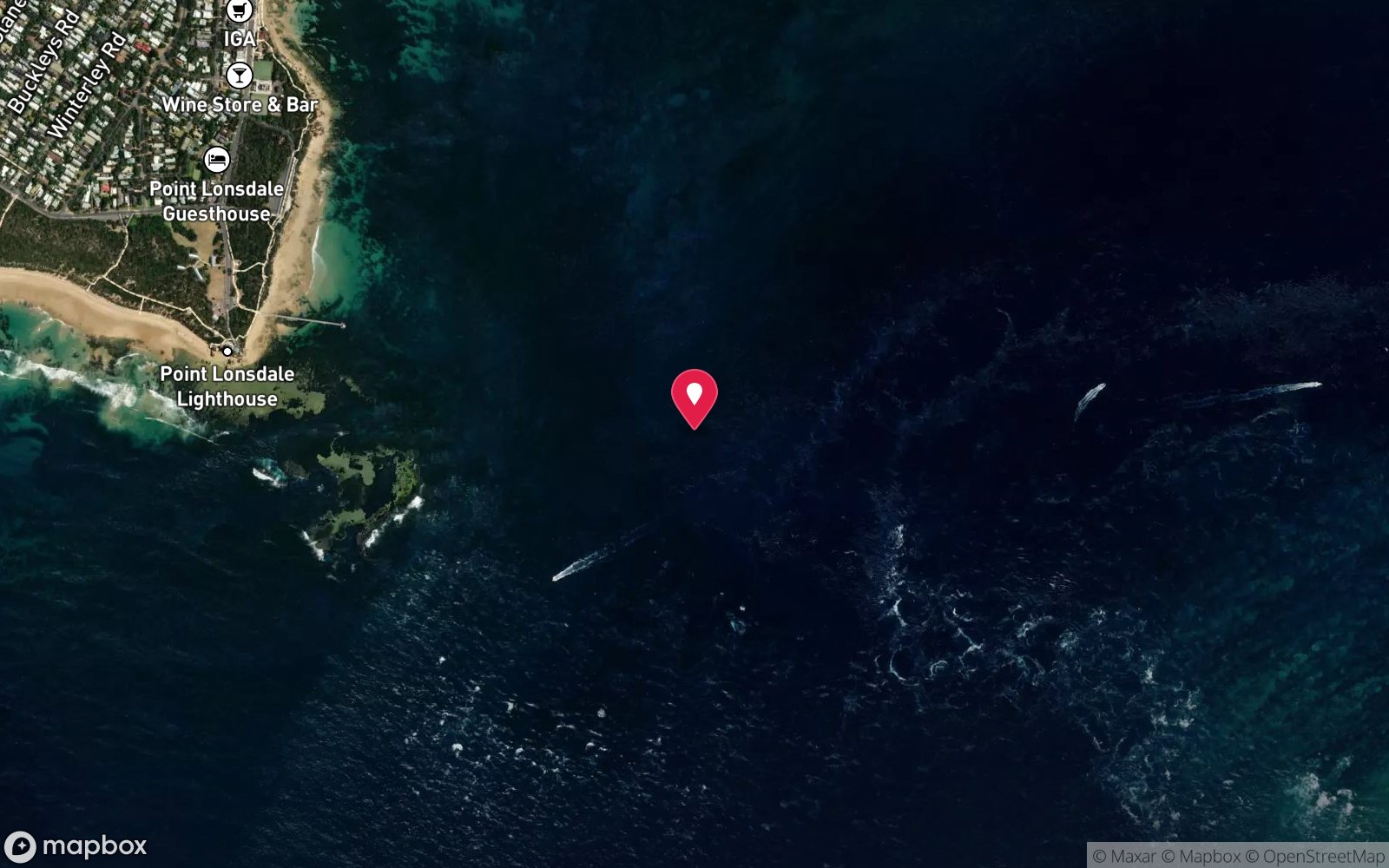
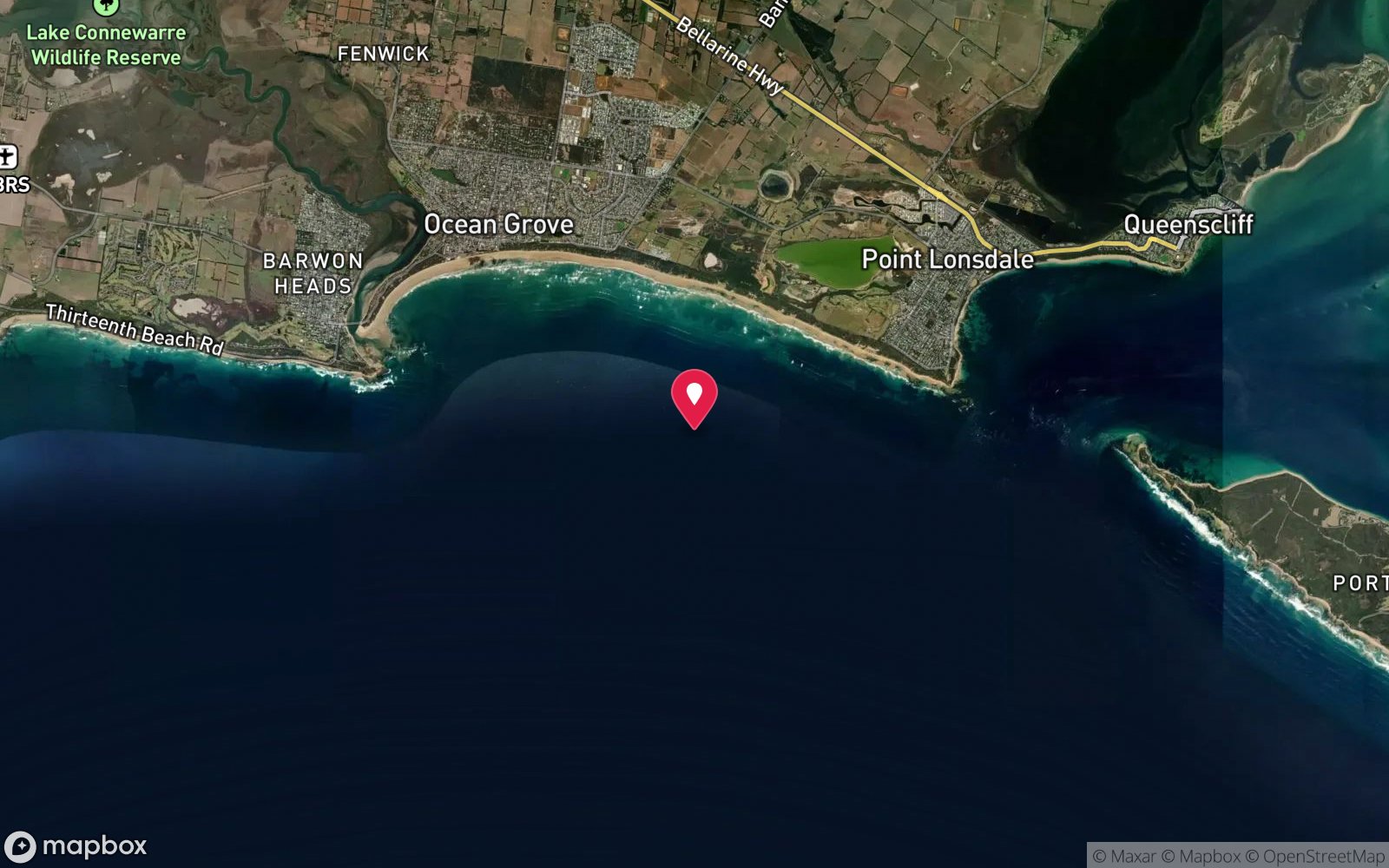
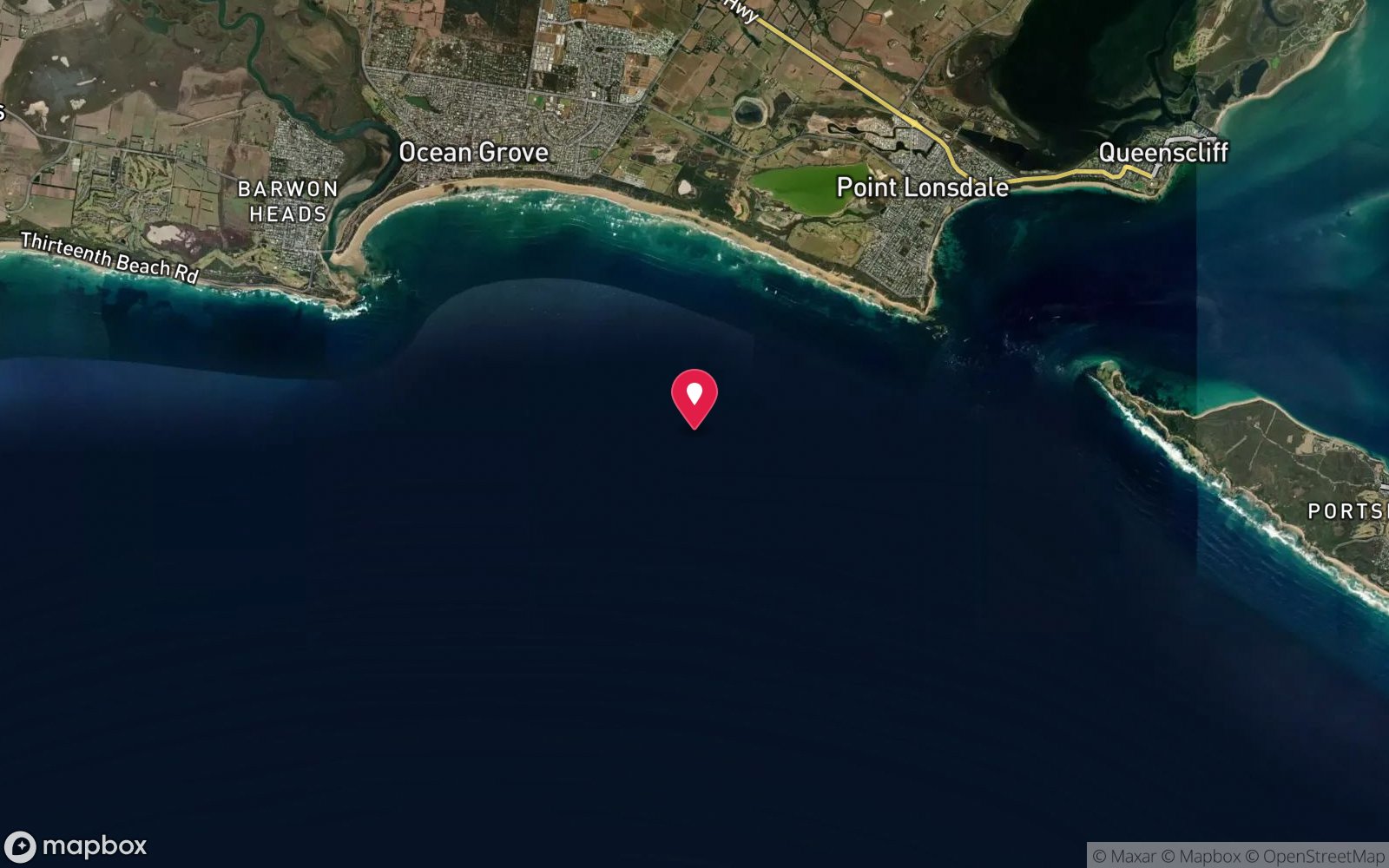
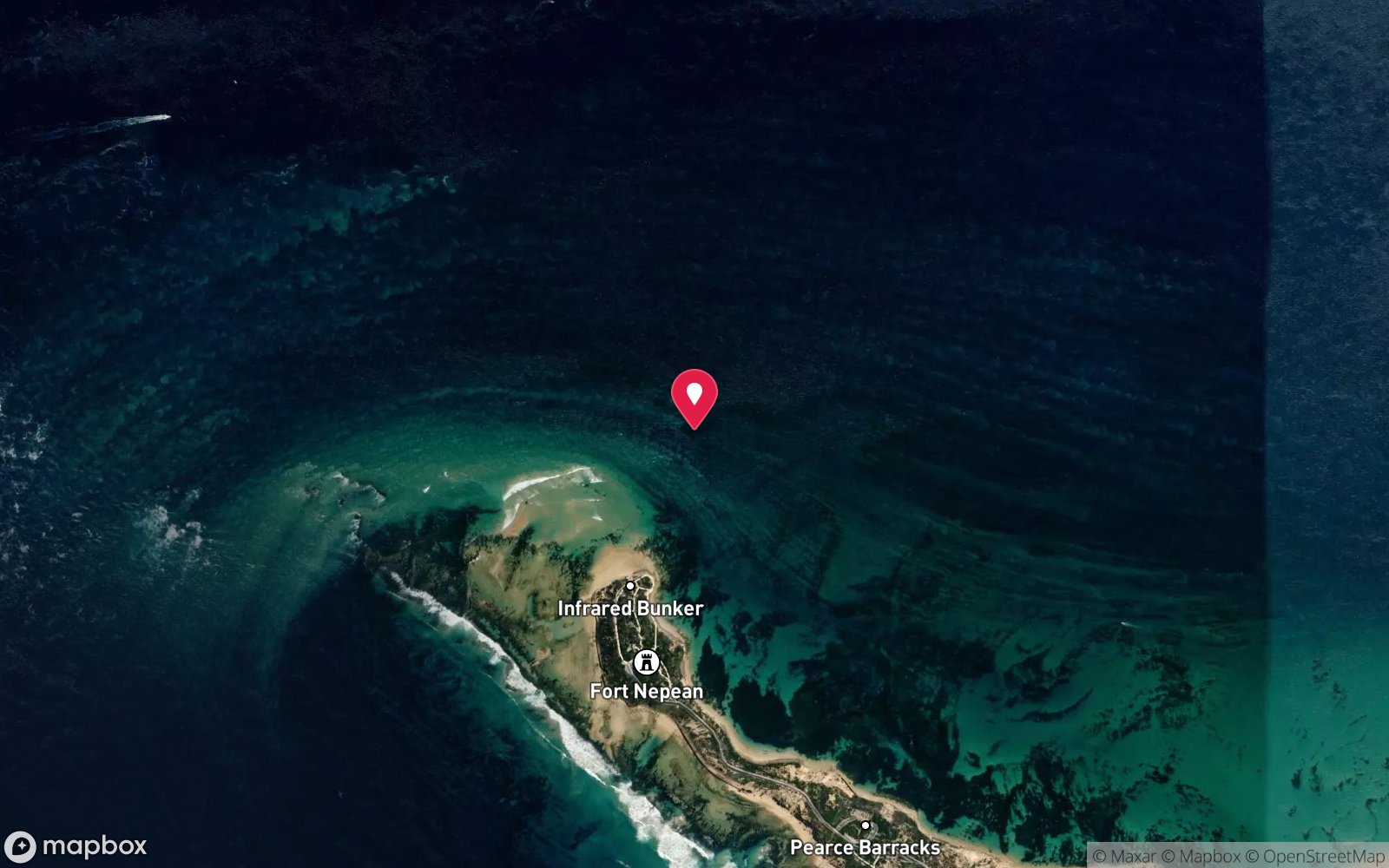
Satellite views
HMAS Bayonet: frequently asked questions
How deep is HMAS Bayonet?
HMAS Bayonet reaches a maximum depth of 82 m, with the shallowest part at about 70 m; most of the dive is spent around 78 m.
What certification do I need to dive HMAS Bayonet?
Technical (decompression) is the recommended minimum. Rated expert/technical because of depth to 82 m, strong current, wreck penetration options that need training, cold water.
Can I shore dive HMAS Bayonet?
No, it is reached by boat (about 110 minutes). A dive centre is required: boat access only.
When is the best time to dive HMAS Bayonet?
Autumn (Mar–May) high-pressure windows with low swell.
What marine life will I see at HMAS Bayonet?
Regularly recorded: Deep-water sponges, sea whips, ling, boarfish, southern rock lobster, butterfly perch.
What wetsuit do I need at HMAS Bayonet?
Drysuit with heated undergarments; CCR standard.
How cold is the water at HMAS Bayonet?
Typically 16-19 °C in summer and 12-14 °C in winter.
What are the main hazards at HMAS Bayonet?
82 m depth with 90–120 min decompression in open Bass Strait; strong currents (sand ripples around the hull); remote – 1.5–2 hours from port; tiny weather windows; interior choked with wiring – no penetration; CCR/trimix only. See the hazards section above for the full list.
Where is the nearest recompression chamber to HMAS Bayonet?
The Alfred (Melbourne). In an emergency call 000, then DAN Asia-Pacific on 1800 088 200.
Diving in Port Phillip Heads
The entrance to Port Phillip Bay is a 3 km gap through which the whole bay drains and fills twice a day, and the currents have carved walls, canyons and caves in the limestone: Lonsdale Wall, Nepean Wall, the Boulders, the Cave, the Canyons and Popes Eye. Outside the Heads lies the Ships' Graveyard, with more than 40 scuttled vessels including the J1, J2, J4 and J5 submarines, the SS Coogee and the Eliza Ramsden. Every dive here is on slack water and every dive is from a charter.
Getting there: Charters from Queenscliff, Portsea and Sorrento, timed to the slack. Ninety minutes from Melbourne.
All Port Phillip Heads dive sites and a suggested itinerary →
Sources
- scubadoctor.com.au/divesite.htm?site=Bayonet
- scubadoctor.com.au/victorian-ships-graveyard.htm
- en.wikipedia.org/wiki/HMAS_Bayonet
Data confidence: Medium · Being verified: Position is a discovery GPS mark – approximate; boat times typical. Last updated September 2026. Know this site better? How to send a correction