Dive slate · divesites.com.au · printed 9 Nov 2026
Cape Schanck West (Pulpit Rock)
Mornington Peninsula, Victoria · near Cape Schanck
| Depth | 1–7 m |
|---|---|
| Minimum level | Advanced Open Water |
| Difficulty | Advanced |
| Access | Shore |
| Entry | Boardwalk and stairs from the lighthouse car park to the rock platform; rock entry beside Pulpit Rock |
| Current | Variable/Tidal |
| Visibility | 5–15 m m |
| Water | summer 16–19 °C °C, winter 12–14 °C °C |
| Suit | 7 mm semi-dry with hood and gloves as a minimum; drysuit common year-round |
| Best season | Autumn and winter after several days of northerlies; rarely in summer |
| Bottom time | 40 min |
| Position | -38.49603, 144.88608 (GPS) |
| Permit | Mornington Peninsula National Park foreshore – no permit; fishing/collecting rules apply |
| Nearest chamber | The Alfred (Melbourne) |
| Emergency | 000 · DAN Asia-Pacific diving emergency 1800 088 200 |
Cape Schanck West (Pulpit Rock)
Also known as Cape Schanck; Pulpit Rock; The Arch; Shark Cave
Gullies, gorges and bommies around a basalt headland with The Arch swim-through and Shark Cave full of Port Jacksons; the most dramatic shore dive on the peninsula's ocean coast.
Near Cape Schanck · Mornington Peninsula, Victoria
- Depth
- 1–7 m
- Minimum level
- Advanced Open Water
- Access
- Shore
- Boat ride
- —
- Water
- 16–19 °C
- Visibility
- 5–15 m
Cape Schanck West (Pulpit Rock)1–7 m · Advanced Open Water · Shore
Dive factsDepths, conditions, location & safety
Season
Off-peak nowBest months: January, February, March, April, May, June, July, August, December.
Autumn and winter after several days of northerlies; rarely in summer
- Best months
- Now (November)
Dive facts
- Depth
- 1–7 m
- Typical depth
- 5 m
- Certification
- Advanced Open Water
- Difficulty
- Advanced
- Depth tier
- Easy (0–10 m)
- Access
- Shore
- Dive centre needed
- Recommended
- Shore / independent
- Possible (experienced only)
- Current
- Variable/Tidal
- Visibility
- 5–15 m
- Water temp (summer)
- 16–19 °C
- Water temp (winter)
- 12–14 °C
- Water
- Cold Temperate
- Bottom time
- 40 min
- Dive traffic
- Rarely dived (private boat/club only)
- Night dive
- No
- Snorkel friendly
- Partial
Exposure suit
7 mm semi-dry with hood and gloves as a minimum; drysuit common year-round
Location
Cape Schanck
-38.49603, 144.88608
Published GPS position.
Open in Google MapsPrimary source: scubadoctor.com.auMarine park & permits
Mornington Peninsula National Park foreshore – no permit; fishing/collecting rules apply
Nearest recompression chamber
The Alfred (Melbourne)
Diving emergency: call 000, then DAN AP 1800 088 200.
Trip planner
Build a trip around Cape Schanck West (Pulpit Rock) →
A day-by-day plan for Mornington Peninsula with this site locked in.
This guide is a planning aid. Conditions change daily — confirm with a local dive centre and dive within your training. Data & safety notes.
Dive profile
How this site rates
Scores are computed from the recorded data, not opinions. How?
At a glance
Cape Schanck West (Pulpit Rock) is a reef shore dive for experienced divers in Mornington Peninsula, VIC, 1–7 m, suited to Advanced Open Water divers, variable/tidal current.
Rated advanced because of tidal current that must be timed, surge on the entry or in the shallows, cold water.
Why dive here
- Gullies, gorges and bommies around a basalt headland with The Arch swim-through and Shark Cave full of Port Jacksons; the most dramatic shore dive on the peninsula's ocean coast.
- Rarely dived: expect to have the site to yourself, and plan your own logistics.
Conditions to avoid
- Strong southerly or south-east swell and wind
- Afternoon north-easterlies
About Cape Schanck West (Pulpit Rock)
Cape Schanck is the basalt headland at the southern extremity of the Mornington Peninsula, capped by an 1859 lighthouse and fronted by Pulpit Rock, the columnar stack at its tip, and its western side is the most spectacular shore dive on the peninsula's ocean coast. The Scuba Doctor lists it at 1–7 m for Advanced divers and describes a dive that swims around the cape in the channel between the headland and Pulpit Rock into a western shore of big gullies, gorges and bommies on a rocky bottom, with two named features: The Arch, an underwater cave through the rock, and Shark Cave, a cavern that is usually occupied by Port Jackson sharks. Because the cape is volcanic rather than limestone the rock is hard and dark, the walls are vertical and the gullies deep, and the life is correspondingly dense – sponges, sea tulips and lace corals (bryozoans) on every shaded face, kelp on the ridges, schools of sweep and zebrafish in the surge, old wives, boarfish, magpie perch and wrasse in the gorges, rock lobsters and abalone in the cracks, and weedy seadragons on the kelp.
Further out, reefs at 15–25 m of rubble, bedrock, sand and kelp gardens rise to deeper pinnacles covered in colourful sponges and corals; these are boat dives and the Cape Schanck Cray Reef north-west of the lighthouse is the best known. The source is unequivocal that the shore dive can only be done in very calm conditions and is unsafe in any swell: Cape Schanck takes the full force of Bass Strait, the channel becomes a rip on a falling tide, and the nearly kilometre-long walk and 100 m climb with gear mean a diver is committed long before reaching the water. On the rare glassy days, however, it is unforgettable.
It suits experienced, fit Advanced divers with surf skills, and it rewards a guide who knows the caves.
Getting there & entry
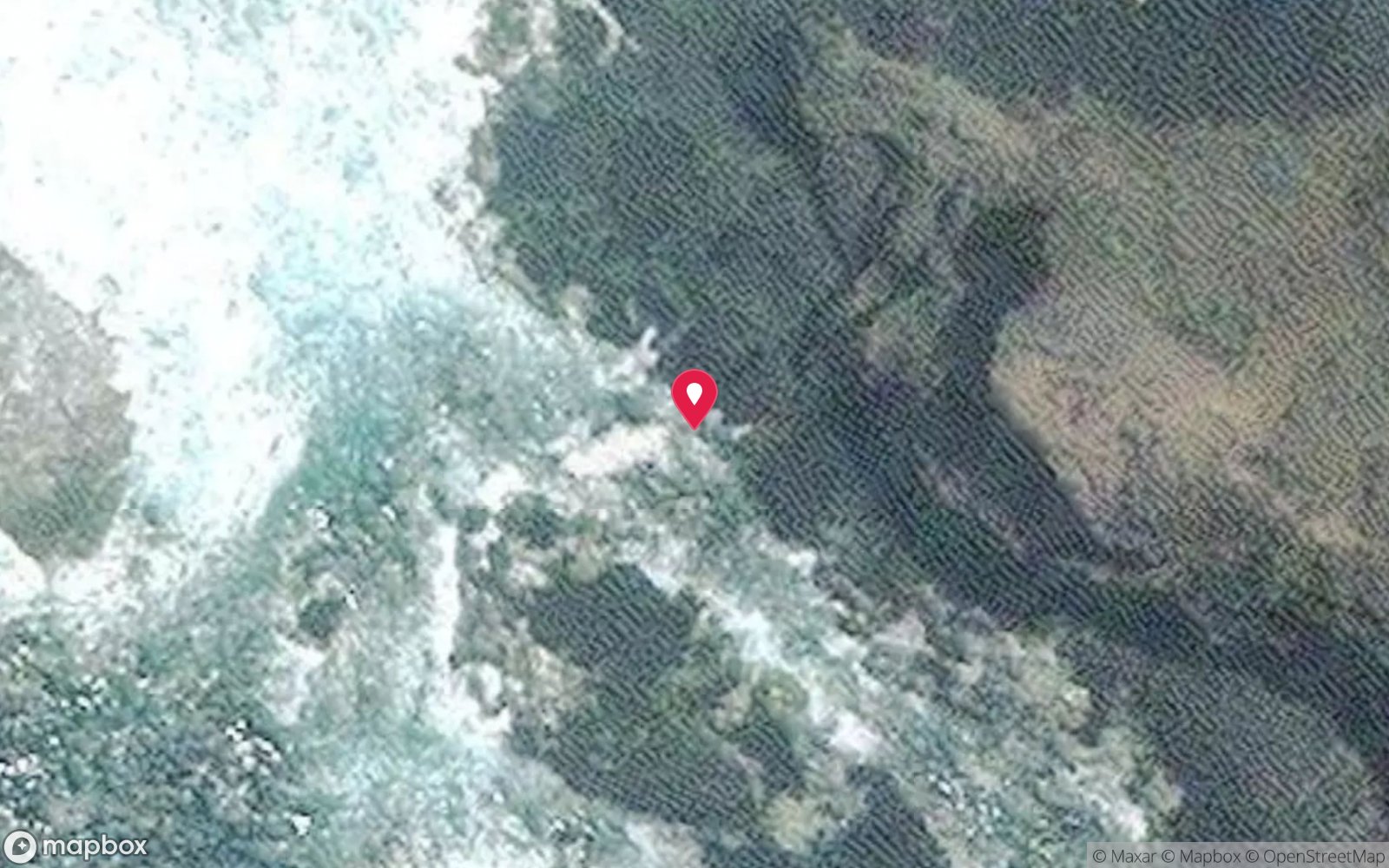
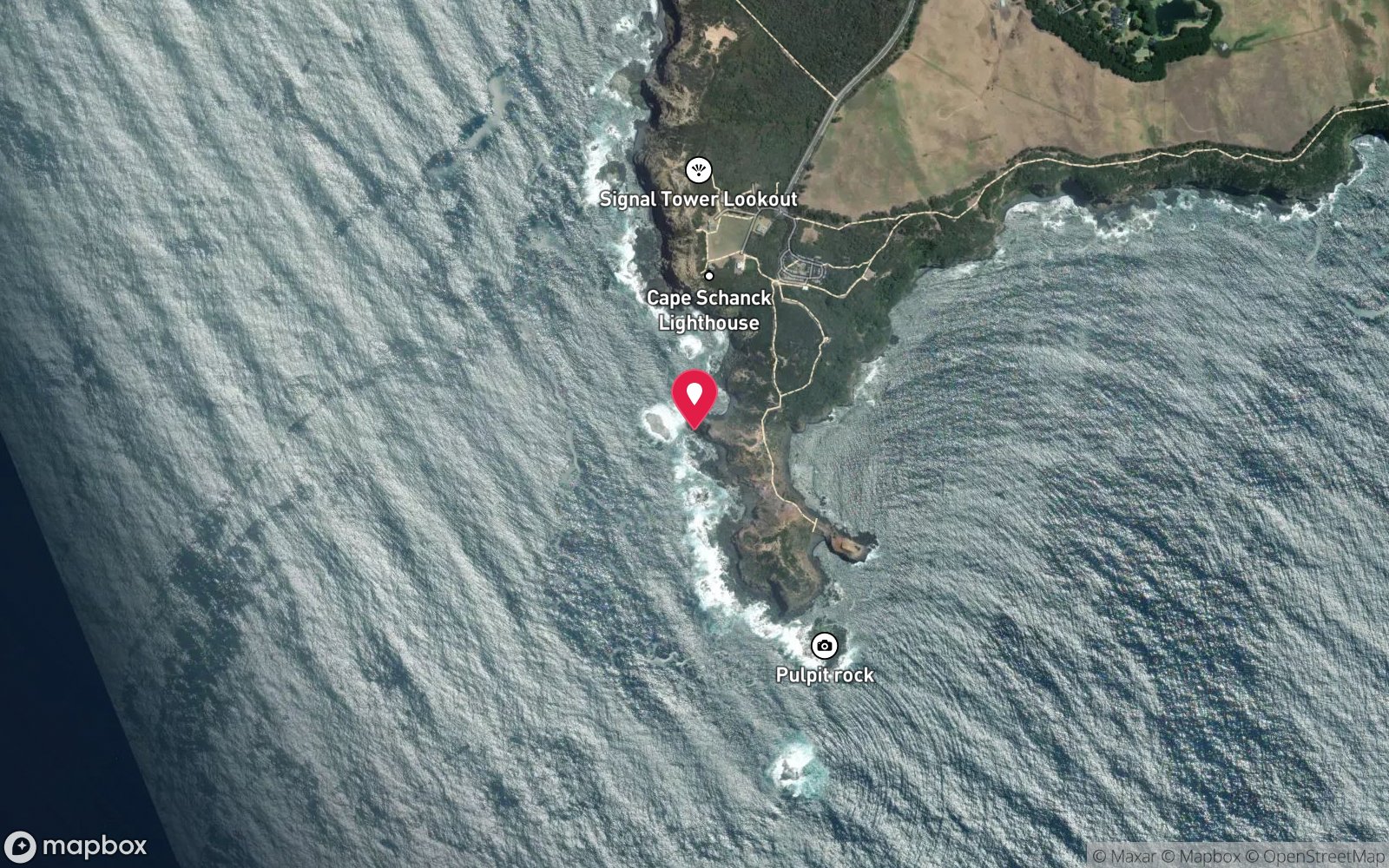
Western side of Cape Schanck, the basalt headland at the southern tip of the Mornington Peninsula, dived in the channel between the cape and Pulpit Rock and along the gullies, bommies and caves of the western shore; 2.7 km south of Fingal Beach.
Drive to the Cape Schanck lighthouse car park at the end of Cape Schanck Road (Mornington Peninsula National Park, parking fees may apply). Follow the boardwalk and the long staircase down toward Pulpit Rock – nearly a kilometre of walking from the car park and about 100 m of descent, all of which must be climbed back with wet gear; a second trip for tanks is normal. Enter from the rock platform on the western side beside Pulpit Rock in the sheltered channel at low tide.
Exit by the same route. Boats from Flinders (15 km east) dive the offshore reefs.
Entry: Boardwalk and stairs from the lighthouse car park to the rock platform; rock entry beside Pulpit Rock
Facilities: Cape Schanck lighthouse car park (fees), toilets and café/kiosk at the lighthouse reserve; boardwalk; nearest air fills at The Scuba Doctor (Rye) or Extreme Watersport (Capel Sound), about 25 km.
Weather, swell & tides
The back beaches face south-west into Bass Strait and are safe to dive only in rare flat conditions: The Scuba Doctor's rule of thumb is swell under about 1.5–2 m with periods of 10 seconds or more, usually only after three or four days of northerly to north-easterly winds, with light northerly winds on the day. Any southerly or westerly wind, or a fresh swell, makes the entries lethal. Dive around low tide when the limestone platforms are exposed and the gullies are sheltered, and abort if there is white water over the entry.
Rips and tidal streams near The Rip run even on calm days, and conditions change within an hour. Winter high-pressure systems bring the calmest spells; summer sea breezes rule out afternoons.
Best season: Autumn and winter after several days of northerlies; rarely in summer
If it's blown out
Sheltered or shore sites within 25 km that often work when Cape Schanck West (Pulpit Rock) doesn't.
- Flinders Pier · 12 km · Max 6 m
- Rye Pier · 15 km · Max 7 m
- Blairgowrie Pier · 18 km · Max 7 m
- Portsea Pier · 25 km · Max 7 m
How the dive is usually run
Enter the channel between the cape and Pulpit Rock at low tide, swim around the cape on the western side through the big gullies and past the bommies in 4–7 m, locating The Arch and Shark Cave, then turn at half gas and return through the channel; the offshore reefs at 15–25 m are a boat dive, not a swim.
Marine life
- Port Jackson shark →
- weedy seadragon →
- southern rock lobster
- blacklip abalone
- sea tulips
- lace corals (bryozoans)
- sponges
- sea sweep
- zebrafish
- old wife
- long-snouted boarfish
- magpie perch
- bluethroat wrasse
- kelp
- Australian fur seal (occasional) →
Linked species have their own page listing every site where they are recorded. All marine life →
Training required
Shallow enough for snorkellers and for a first dive under supervision. Any certified diver can dive it.
Courses that help here
- Cavern Diver – An overhead environment.
- Drysuit Diver – Cold water; locals dive dry for much of the year.
Depth tiers: 0–10 m easy · to 18 m Open Water · 18–30 m Advanced (25 m+ is a deep dive) · 30–40 m Deep specialty · 40 m+ technical. All courses
Hazards & warnings
Unsafe in any swell – very calm conditions only; rip through the channel; caves and arch in surge; nearly 1 km walk and 100 m climb with gear; unpatrolled; no alternative exit; cold water; national park rules.
Dive centres that go here
No regular operator. The Scuba Doctor (Rye) and Peninsula clubs run occasional guided shore dives when conditions allow; otherwise experienced private groups only.
Operators recorded for Cape Schanck West (Pulpit Rock)
The Scuba Doctor
ProfiledRye · Melbourne & Port Phillip Bay · VIC
A Victorian equipment and service business with an extensive retail presence, located to serve both Melbourne and Mornington Peninsula divers.
scubadoctor.com.au · (03) 5985 3322
Diveline Scuba Centre
ListedFrankston · Melbourne & Port Phillip Bay · VIC
A Victorian business associated with technical training and gas support alongside recreational courses.
diveline.com.au · (03) 9783 7166
Aquability
ListedMordialloc · Melbourne & Port Phillip Bay · VIC
A Victorian operation associated with technical diving training. Exact agency, course levels and gas support require verification.
aquability.com.au · (03) 9587 1811
Scubabo Dive Victoria (Dive Victoria Group)
Named by sitesQueenscliff · Port Phillip Heads · VIC
Rebranded as Scubabo Dive Victoria, Queenscliff; dive.scubabo.com is live for 2026 with active charter bookings.
dive.scubabo.com · (03) 5258 1188
Bayplay
Named by sitesPortsea · Port Phillip Heads · VIC
PADI dive resort and adventure tours.
bayplay.com.au · (03) 5984 0888
Red Boats
Reported closedPortsea · Port Phillip Heads · VIC
TripAdvisor marks RedBoats Portsea as permanently closed (last review November 2021) and the domain is now an unrelated boating blog.
Other dive centres in Mornington Peninsula
Bay City Scuba
ListedEast Geelong · Melbourne & Port Phillip Bay · VIC
A Victorian business associated with recreational and technical training alongside equipment and gas services.
baycityscuba.com · (03) 5248 1488
Scuba Culture
ListedBurwood · Melbourne & Port Phillip Bay · VIC
A Melbourne business providing training and equipment support for local divers.
scubaculture.com.au · (03) 9808 0033
Ocean Divers
ListedBentleigh East · Melbourne & Port Phillip Bay · VIC
A Victorian operation associated with recreational and technical training and access to Port Phillip diving.
oceandivers.com.au · (03) 9579 2600
Academy of Scuba
ListedRye · Melbourne & Port Phillip Bay · VIC
A Melbourne training business offering recreational courses with technical pathways.
academyofscuba.com.au · (03) 9889 9952
ADRENO Melbourne
ListedCheltenham · Melbourne & Port Phillip Bay · VIC
An equipment retailer with a spearfishing and freediving emphasis. Primarily retail rather than a training centre.
adreno.com.au/pages/contact-us-melbourne · (03) 9584 7228
All About Scuba
ListedCampbellfield · Melbourne & Port Phillip Bay · VIC
A Victorian training operation listed among those associated with technical diving. Capability requires verification.
allaboutscuba.com.au · (03) 9939 4913
Map
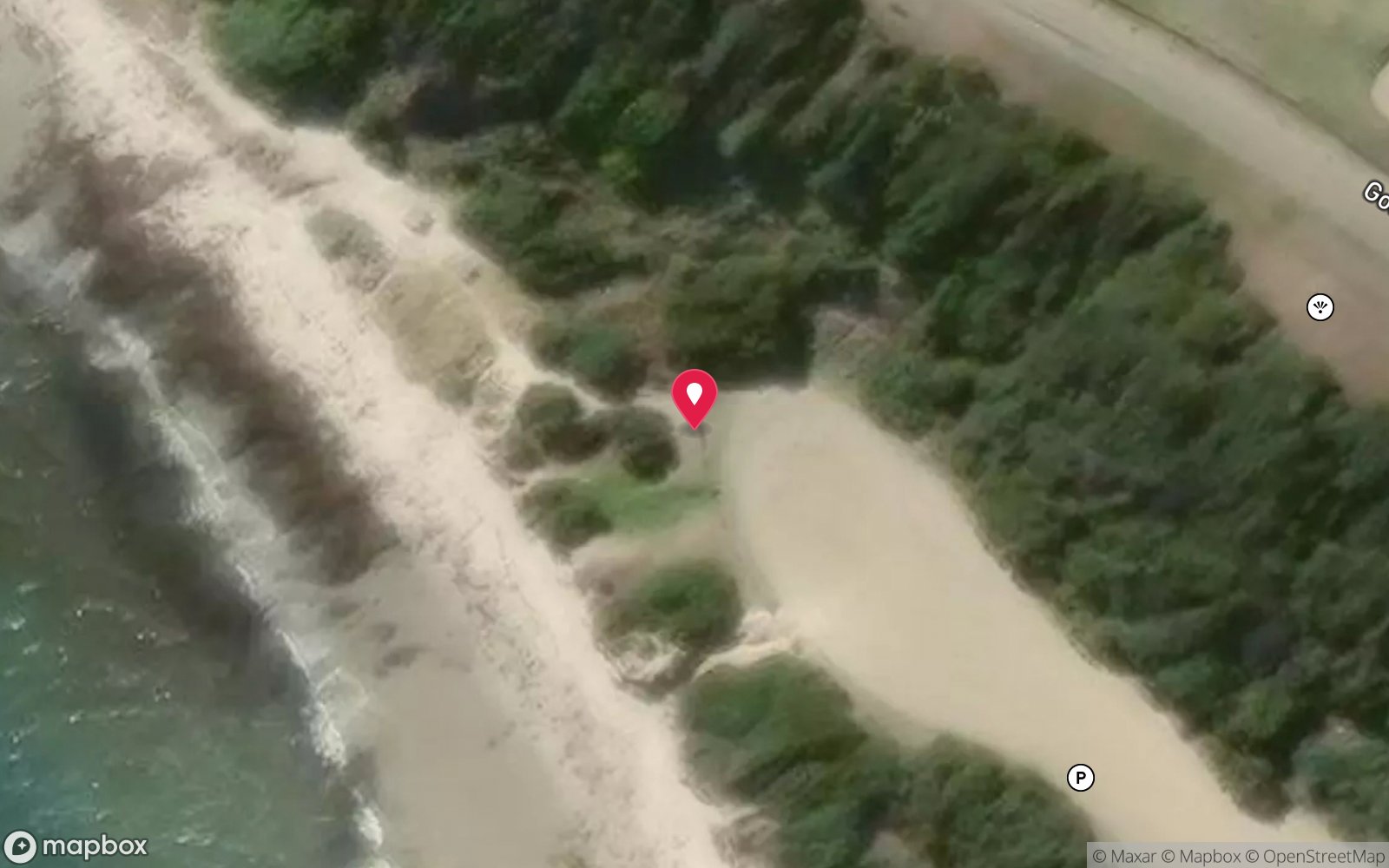
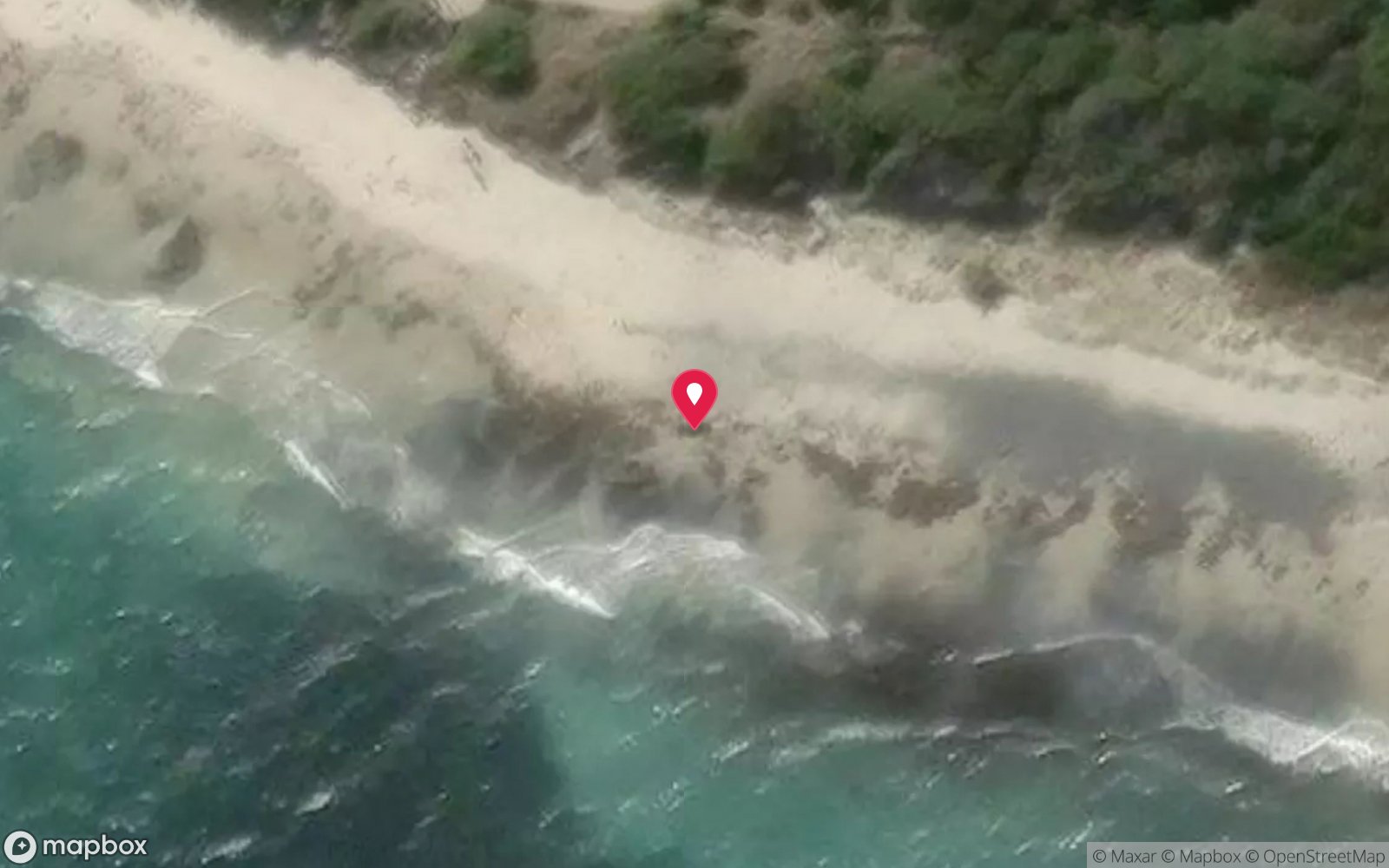
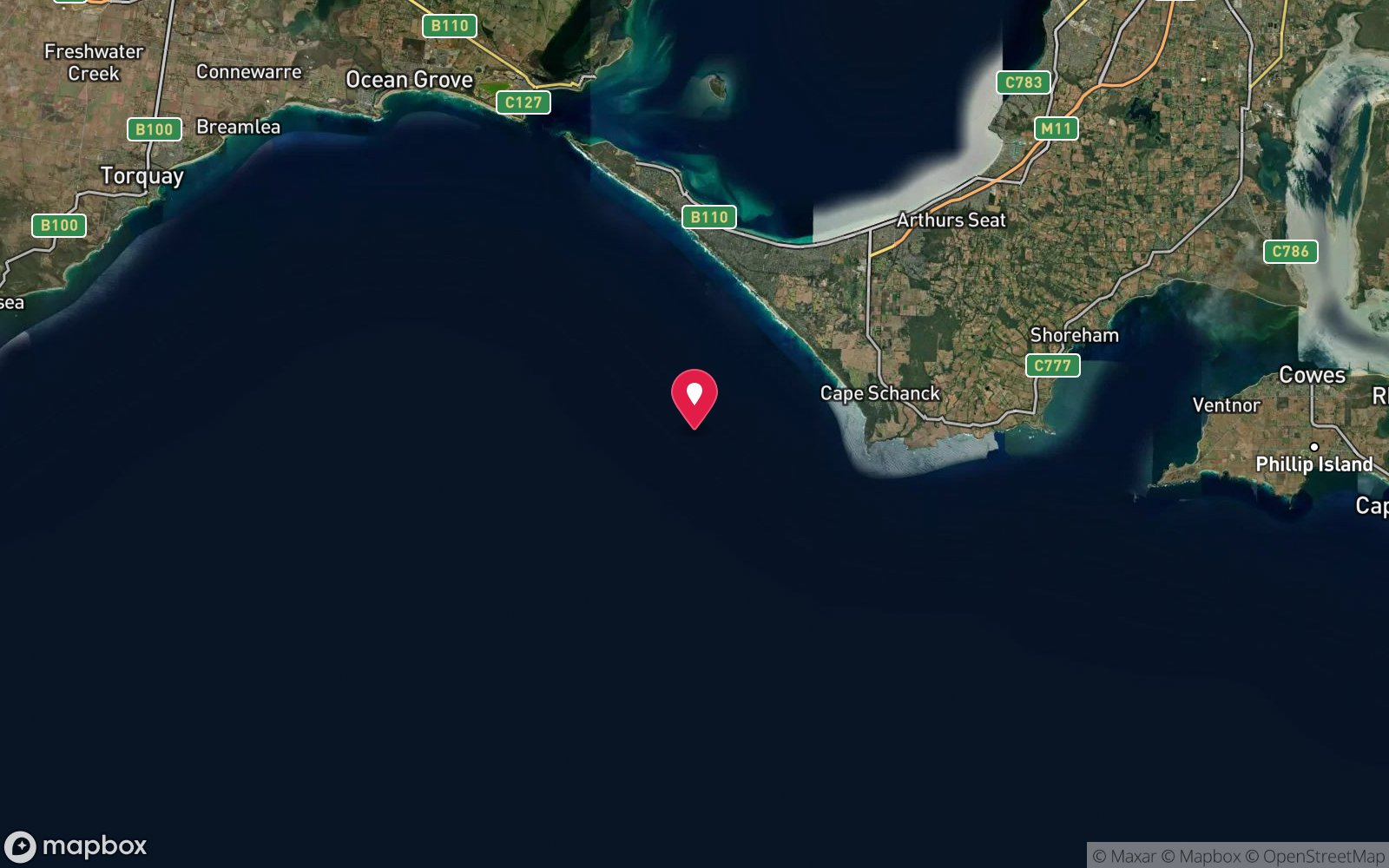
7 pinned sites. Pins marked approximate on their pages show the general area only; not for navigation.
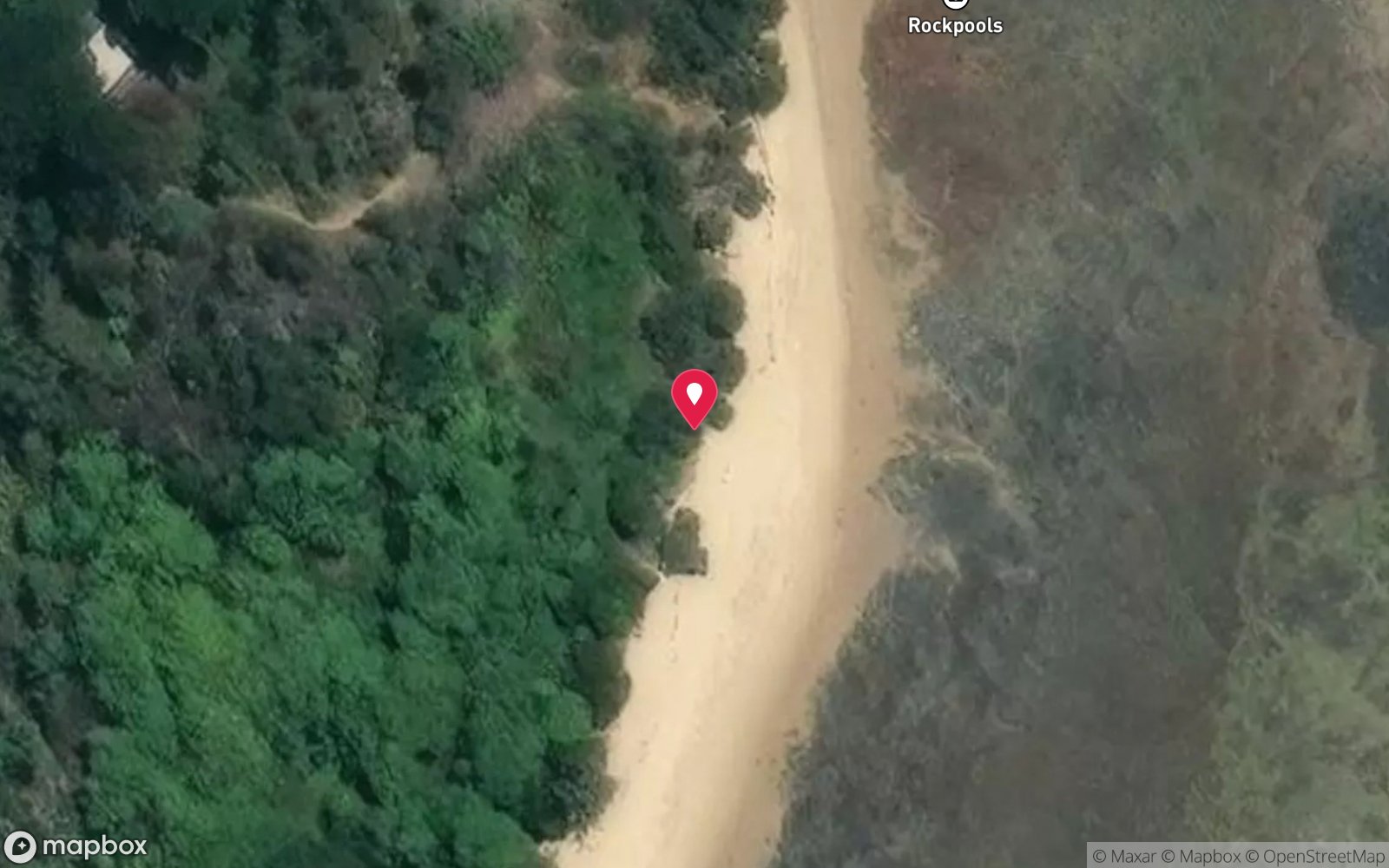
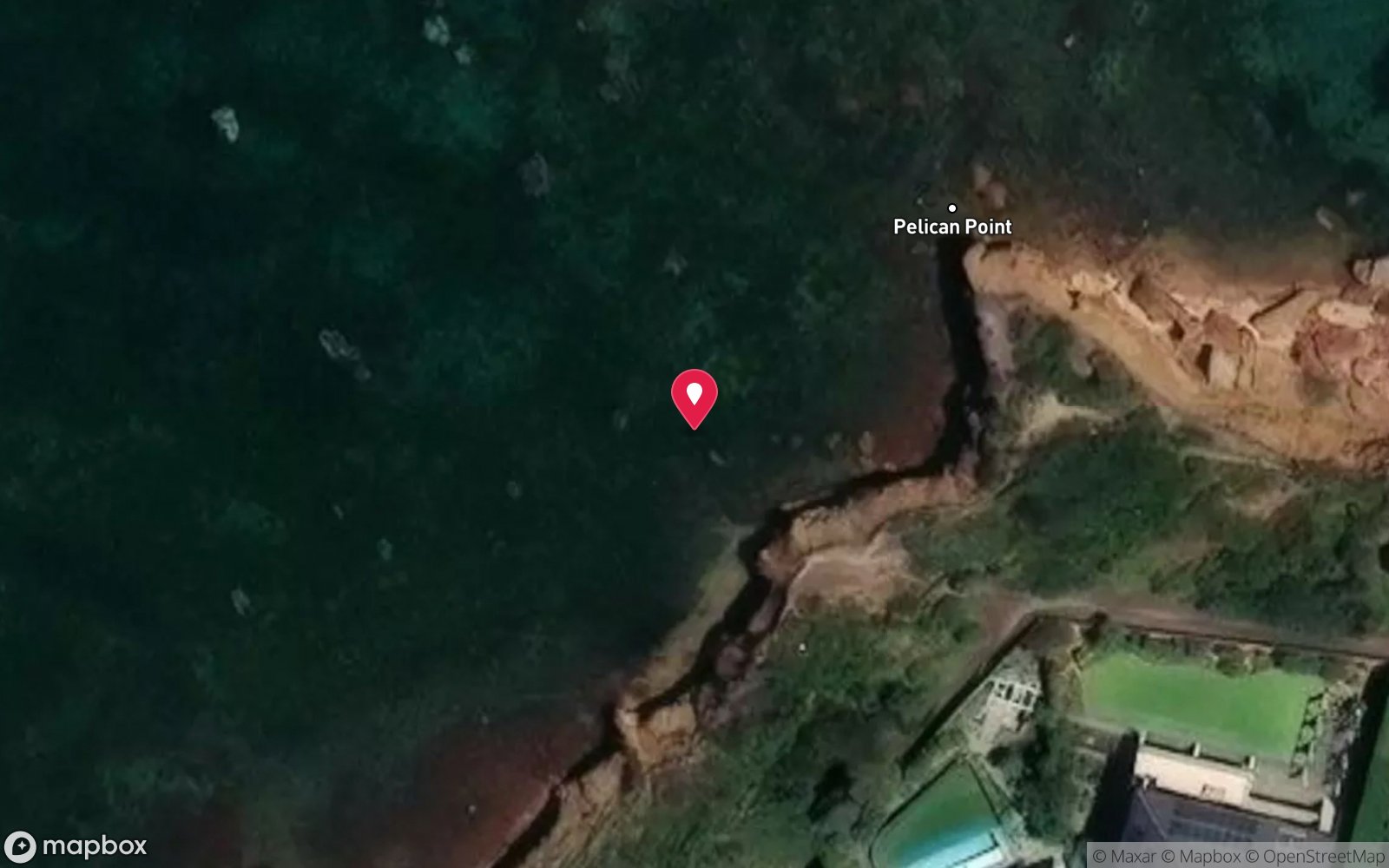
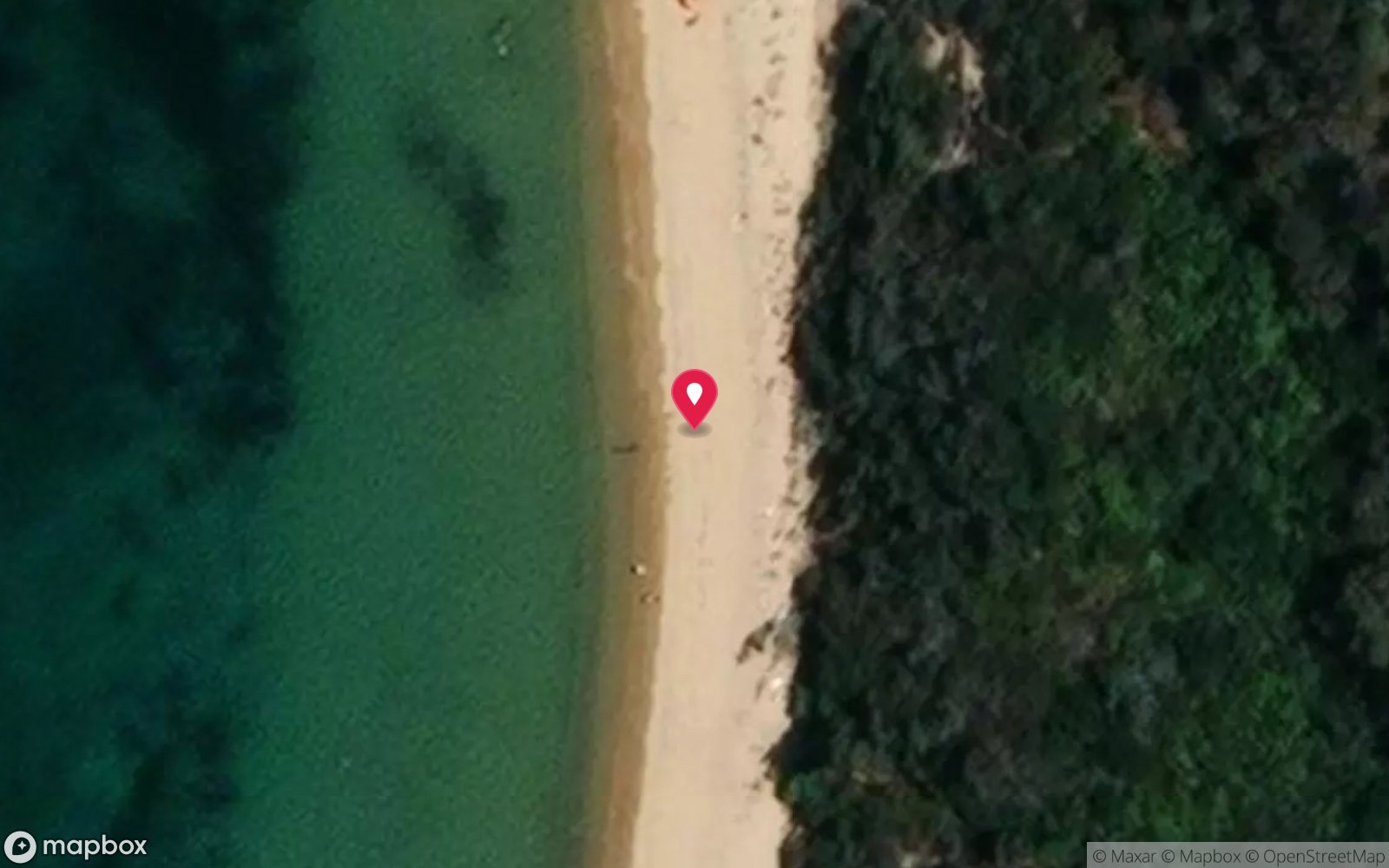
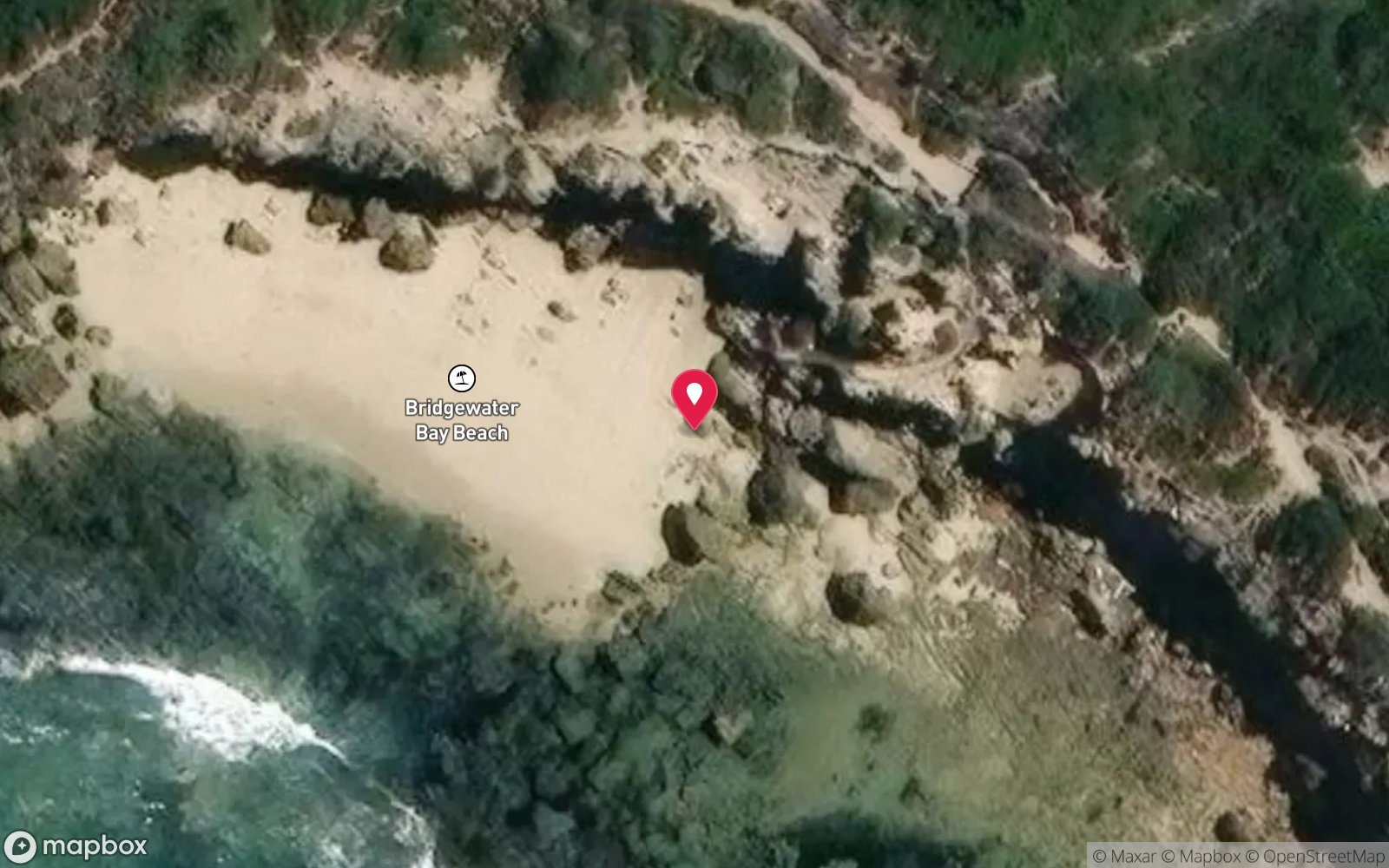
Satellite views
Cape Schanck West (Pulpit Rock): frequently asked questions
How deep is Cape Schanck West (Pulpit Rock)?
Cape Schanck West (Pulpit Rock) reaches a maximum depth of 7 m, with the shallowest part at about 1 m; most of the dive is spent around 5 m.
What certification do I need to dive Cape Schanck West (Pulpit Rock)?
Advanced Open Water is the recommended minimum. Rated advanced because of tidal current that must be timed, surge on the entry or in the shallows, cold water.
Can I shore dive Cape Schanck West (Pulpit Rock)?
Experienced divers do dive Cape Schanck West (Pulpit Rock) from the shore, but the entry or conditions make it unsuitable for newer divers without local guidance. Entry: Boardwalk and stairs from the lighthouse car park to the rock platform; rock entry beside Pulpit Rock.
When is the best time to dive Cape Schanck West (Pulpit Rock)?
Autumn and winter after several days of northerlies; rarely in summer.
What marine life will I see at Cape Schanck West (Pulpit Rock)?
Regularly recorded: Port Jackson shark, weedy seadragon, southern rock lobster, blacklip abalone, sea tulips, lace corals (bryozoans), sponges, sea sweep, zebrafish, old wife, long-snouted boarfish, magpie perch and more.
What wetsuit do I need at Cape Schanck West (Pulpit Rock)?
7 mm semi-dry with hood and gloves as a minimum; drysuit common year-round.
How cold is the water at Cape Schanck West (Pulpit Rock)?
Typically 16–19 °C in summer and 12–14 °C in winter.
What are the main hazards at Cape Schanck West (Pulpit Rock)?
Unsafe in any swell – very calm conditions only; rip through the channel; caves and arch in surge; nearly 1 km walk and 100 m climb with gear; unpatrolled; no alternative exit; cold water; national park rules. See the hazards section above for the full list.
Where is the nearest recompression chamber to Cape Schanck West (Pulpit Rock)?
The Alfred (Melbourne). In an emergency call 000, then DAN Asia-Pacific on 1800 088 200.
Diving in Mornington Peninsula
The Mornington Peninsula's piers are among the best macro dives in the world. Blairgowrie, Rye, Portsea and Flinders piers have weedy seadragons, giant cuttlefish, spider crab aggregations in May and June, pyjama squid, frogfish and seahorses in 4–8 m of water, and are dived by night as much as by day. The back beaches (Sorrento, Portsea, Cape Schanck) have caves, ledges and bull rays on the rare flat days.
Getting there: Ninety minutes from Melbourne. All the piers are walk-in shore dives with parking; the back beaches need swell under 1 m.
All Mornington Peninsula dive sites and a suggested itinerary →
Sources
- scubadoctor.com.au/divesite.htm?site=Cape-Schanck-West
- scubadoctor.com.au/divesite.htm?site=Cape-Schanck-Cray-Reef
- scubadoctor.com.au/diving-the-back-beaches.htm
Data confidence: High. Last updated September 2026. Know this site better? How to send a correction
Nearby dive sites
More reef dives in Victoria
Explore more
This region
Marine life