Dive slate · divesites.com.au · printed 8 Nov 2026
Kilsby Sinkhole
Mount Gambier Sinkholes & Caves, South Australia · near Mount Gambier
| Depth | 0–65 m |
|---|---|
| Minimum level | Technical (decompression) |
| Difficulty | Intermediate |
| Access | Shore |
| Entry | Stairs down the sinkhole wall to a floating pontoon at water level; giant-stride or seated entry from the pontoon |
| Current | None |
| Visibility | 40-80 m |
| Water | summer 14-15 °C, winter 14-15 °C |
| Suit | Drysuit strongly recommended (constant ~14-15°C groundwater, long dives); 7 mm wetsuit with hood minimum for short dives |
| Best season | Year-round (constant groundwater temperature); summer/autumn gives warmer surface intervals; forestry sites close on Total Fire Ban days |
| Bottom time | 40 min |
| Position | -37.89238, 140.67627 (approximate) |
| Permit | Private property – booking with an approved operator or CDAA Kilsby booking and signed indemnity required; fees apply |
| Nearest chamber | Royal Adelaide Hospital hyperbaric medicine unit (Adelaide) – about 450 km by road from Mount Gambier; evacuation is normally by aeromedical retrieval (RFDS/MedSTAR) via Mount Gambier Hospital. The Alfred (Melbourne) is a similar distance. DAN/Divers Emergency Service 1800 088 200. |
| Emergency | 000 · DAN Asia-Pacific diving emergency 1800 088 200 |
Kilsby Sinkhole
Also known as Kilsby's Hole, Kilsby Cave, Kilsbys Sinkhole (5L46)
50 m-plus visibility in a cliff-walled sinkhole that Open Water divers can dive with an approved operator; midday light shafts and a clear south-western chamber.
Near Mount Gambier · Mount Gambier Sinkholes & Caves, South Australia
- Depth
- 0–65 m
- Minimum level
- Technical (decompression)
- Access
- Shore
- Boat ride
- —
- Water
- 14-15 °C
- Visibility
- 40-80 m
Kilsby Sinkhole0–65 m · Technical (decompression) · Shore
Dive factsDepths, conditions, location & safety
Season
In season nowBest months: year-round.
Year-round (constant groundwater temperature); summer/autumn gives warmer surface intervals; forestry sites close on Total Fire Ban days
- Best months
- Now (November)
Dive facts
- Depth
- 0–65 m
- Typical depth
- 20 m
- Certification
- Technical (decompression)
- Difficulty
- Intermediate
- Depth tier
- Technical (40 m +)
- Access
- Shore
- Dive centre needed
- Yes – permit/guide required
- Shore / independent
- No
- Current
- None
- Visibility
- 40-80 m
- Water temp (summer)
- 14-15 °C
- Water temp (winter)
- 14-15 °C
- Water
- Cold Freshwater
- Bottom time
- 40 min
- Dive traffic
- Very popular (dived daily)
- Night dive
- No
- Snorkel friendly
- Yes
Exposure suit
Drysuit strongly recommended (constant ~14-15°C groundwater, long dives); 7 mm wetsuit with hood minimum for short dives
Location
Moorak / Mount Schank sinkhole field · Limestone Coast – Mount Gambier sinkholes & caves
-37.89238, 140.67627
Approximate position — not for navigation.
Open in Google MapsPrimary source: kilsbysinkhole.comMarine park & permits
Private property – booking with an approved operator or CDAA Kilsby booking and signed indemnity required; fees apply
Nearest recompression chamber
Royal Adelaide Hospital hyperbaric medicine unit (Adelaide) – about 450 km by road from Mount Gambier; evacuation is normally by aeromedical retrieval (RFDS/MedSTAR) via Mount Gambier Hospital. The Alfred (Melbourne) is a similar distance. DAN/Divers Emergency Service 1800 088 200.
Diving emergency: call 000, then DAN AP 1800 088 200.
Trip planner
Build a trip around Kilsby Sinkhole →
A day-by-day plan for Mount Gambier Sinkholes & Caves with this site locked in.
This guide is a planning aid. Conditions change daily — confirm with a local dive centre and dive within your training. Data & safety notes.
Dive profile
How this site rates
Scores are computed from the recorded data, not opinions. How?
At a glance
Kilsby Sinkhole is a sinkhole / cenote dive in Mount Gambier Sinkholes & Caves, SA, 0–65 m, suited to Technical (decompression) divers.
Rated intermediate because of depth to 65 m, an overhead environment, cold water.
Why dive here
- 50 m-plus visibility in a cliff-walled sinkhole that Open Water divers can dive with an approved operator; midday light shafts and a clear south-western chamber.
- A photographer's site: bring a macro lens or a wide-angle depending on the season.
- Snorkel-friendly, so non-diving companions can join at the surface.
- Visibility often reaches 40-80 m.
Conditions to avoid
- Outgoing tide or run-off after rain (poor visibility)
About Kilsby Sinkhole
Kilsby Sinkhole is the one Mount Gambier sinkhole that ordinary Open Water divers can reliably get into, and it is the site most visiting divers remember. The hole is a large collapse doline in Oligocene limestone, walled by vertical grey cliffs hung with ferns and ivy, on a sheep property that five generations of the Kilsby family have farmed. From the pontoon the water drops away in a sheer, clear column – visibility of 50 m is normal and it is often more, so you see the whole bowl of the sinkhole from the surface. Below the lip a slope of rock and silt leads down into the main basin, and a crystal-clear flooded chamber opens off the south-western side, where daylight fades into blue. The upper few metres carry filamentous algae and aquatic weed that glow green in the midday sun, and light shafts pierce the water between about 11 am and 2 pm.
The site has an unusual history. It began as a stock watering hole, was one of Mount Gambier's pioneering dive sites in the 1960s, and was closed after a drowning in 1969. It reopened to civilian divers in 1983, has been used as a training site for SA Police divers and – according to the owners – as a centre for secret weapons research, with the depth and clarity making it ideal for underwater testing. A 2007 lease between the family and the CDAA extended access times and permitted deeper dives on trimix.
Today the Kilsbys also run snorkel tours, dry sinkhole tours, accommodation and gin tastings, so expect other visitors on the rim. For Open Water divers the dive is essentially an introduction to sinkhole diving in a controlled, daylight setting – neutral buoyancy over a bottomless-looking drop is the skill it teaches. CDAA Basic Cave divers use it for deeper, longer dives and photography, and technical divers use it for trimix training. It suits anyone with good buoyancy who wants to see what 'gin-clear' actually means.
Getting there & entry
A large, cliff-walled flooded sinkhole on the Kilsby family sheep farm at Moorak, about 14 km (15 min) south of Mount Gambier; a chamber extends off the south-western side.
From Mount Gambier drive south about 14 km (around 15 minutes) towards Moorak/Mount Schank; the property is on private farmland and the exact address and gate instructions are given only on booking. Park at the designated area near the sinkhole rim, gear up on the grass and carry equipment down the formed stairway to the pontoon at water level – allow for several trips with twin sets or stages. Open Water divers must come with one of the licensed operators (Dive Experience of Mount Gambier runs Wednesday and Saturday sessions; Diving Adelaide and several Melbourne operators run trips).
CDAA members book their own slot through the CDAA Kilsby booking system (cdaa.kilsby@gmail.com) – each diver books only themselves.
Entry: Stairs down the sinkhole wall to a floating pontoon at water level; giant-stride or seated entry from the pontoon
Facilities: Parking at the rim, pontoon at water level, toilets and on-site accommodation (villas); gear fills and hire from Dive Experience in Mount Gambier; cafes and supermarkets in Mount Gambier.
Weather, swell & tides
Weather has little effect underwater – there is no swell, current or tide – but surface conditions matter for the long gear carry and surface intervals. After very heavy winter rain surface run-off can cloud the upper few metres. Summer brings the best light shafts around midday and algae growth in the shallows.
Private and forestry land may be closed on declared Total Fire Ban days (common December-March), so check the CFS fire-ban forecast the night before. Groundwater levels in the Lower South East have been falling, which has caused closures of the DEW ponds sites in recent seasons. Kilsby itself is sheltered by its walls and is diveable in almost any weather.
Best season: Year-round (constant groundwater temperature); summer/autumn gives warmer surface intervals; forestry sites close on Total Fire Ban days
If it's blown out
Sheltered or shore sites within 25 km that often work when Kilsby Sinkhole doesn't.
- Ewens Ponds · 18 km · Max 10 m
- Engelbrecht Cave – East · 12 km · Max 8 m
- Engelbrecht Cave – West · 12 km · Max 12 m
- Racecourse Bay (Port MacDonnell) · 18 km · Max 5 m
How the dive is usually run
Descend from the pontoon down the sloping wall to 15-20 m, then swim out over the open lake to the mouth of the south-western chamber, staying within the daylight zone and the depth limit of your grade (27 m for Open Water with operators; 40 m Basic Cave; deeper on trimix under the CDAA lease). Circle the chamber wall, ascend along the opposite wall and do the safety stop on the weed-covered ledges near the pontoon.
Marine life
- Very little fish life; freshwater shrimp
- yabbies
- small native fish near the weed
- filamentous algae and aquatic plants in the daylight zone
Linked species have their own page listing every site where they are recorded. All marine life →
Training required
Beyond recreational limits: decompression, mixed gas or full cave/wreck training is required.
Operators often quote Open Water, but the site reaches 65 m, which is beyond that level's depth limit; Technical (decompression) is the appropriate minimum for the full dive.
Operators' own listing: Open Water.
Courses that help here
- Enriched Air Nitrox – Longer no-decompression time at 25 m and deeper.
- Cavern Diver – An overhead environment.
- Drysuit Diver – Cold water; locals dive dry for much of the year.
Depth tiers: 0–10 m easy · to 18 m Open Water · 18–30 m Advanced (25 m+ is a deep dive) · 30–40 m Deep specialty · 40 m+ technical. All courses
Hazards & warnings
Depth – the sinkhole drops well beyond recreational limits; operators hold Open Water divers to 27 m. Cold (15°C) water and long dives cause chilling. One drowning in 1969 and another fatality in 2010.
Access conditions are 'not negotiable' – breaches can close the site to all CDAA members. Stairs can be slippery carrying heavy gear.
Technical notes
CDAA grade: Basic Cave (5L46) for independent member access; Open Water divers only with licensed operators within the 27 m open-water lake zone, no decompression. Deeper dives on trimix permitted under the 2007 CDAA lease conditions. No overhead penetration for OW divers; the south-western chamber should only be entered within grade.
Silt on ledges – keep off the floor. Rebreathers welcome with CDAA grade.
Dive centres that go here
Licensed operators only for non-CDAA divers: Dive Experience (Mount Gambier) – guided Open Water dives to 27 m on Wednesdays and Saturdays, often paired with Ewens Ponds; Diving Adelaide – regular Mount Gambier weekends and CDAA courses; Deep Blue Ventures (Melbourne), Blue Water Ascent and Total Immersion Diving also licensed. CDAA members dive under a lease agreement via CDAA booking; freediving only with licensed freediving instructors.
Operators recorded for Kilsby Sinkhole
Dive Experience
ProfiledMount Gambier · Mount Gambier Sinkholes & Caves · SA
A Mount Gambier business serving the region's cave and sinkhole diving community, including equipment and gas support.
dive-experience.com.au · 0478 693 760
Diving Adelaide
ListedMarleston · Adelaide Metro · SA
An Adelaide training and guided diving operation serving local sites and organised trips.
divingadelaide.com.au · (08) 8122 5003
Deep Blue Ventures
Named by sitesMcCrae · Mount Gambier Sinkholes & Caves · SA
Victoria-based technical/cave training operator running Mount Gambier courses (Kilsby-approved).
deepblueventures.com.au · 0413 429 533
Total Immersion Diving
Named by sitesMount Gambier Sinkholes & Caves · SA
Kilsby Sinkhole approved operator running CDAA cave courses in Mount Gambier; Facebook-only presence.
Other dive centres in Mount Gambier Sinkholes & Caves
Map
7 pinned sites. Pins marked approximate on their pages show the general area only; not for navigation.
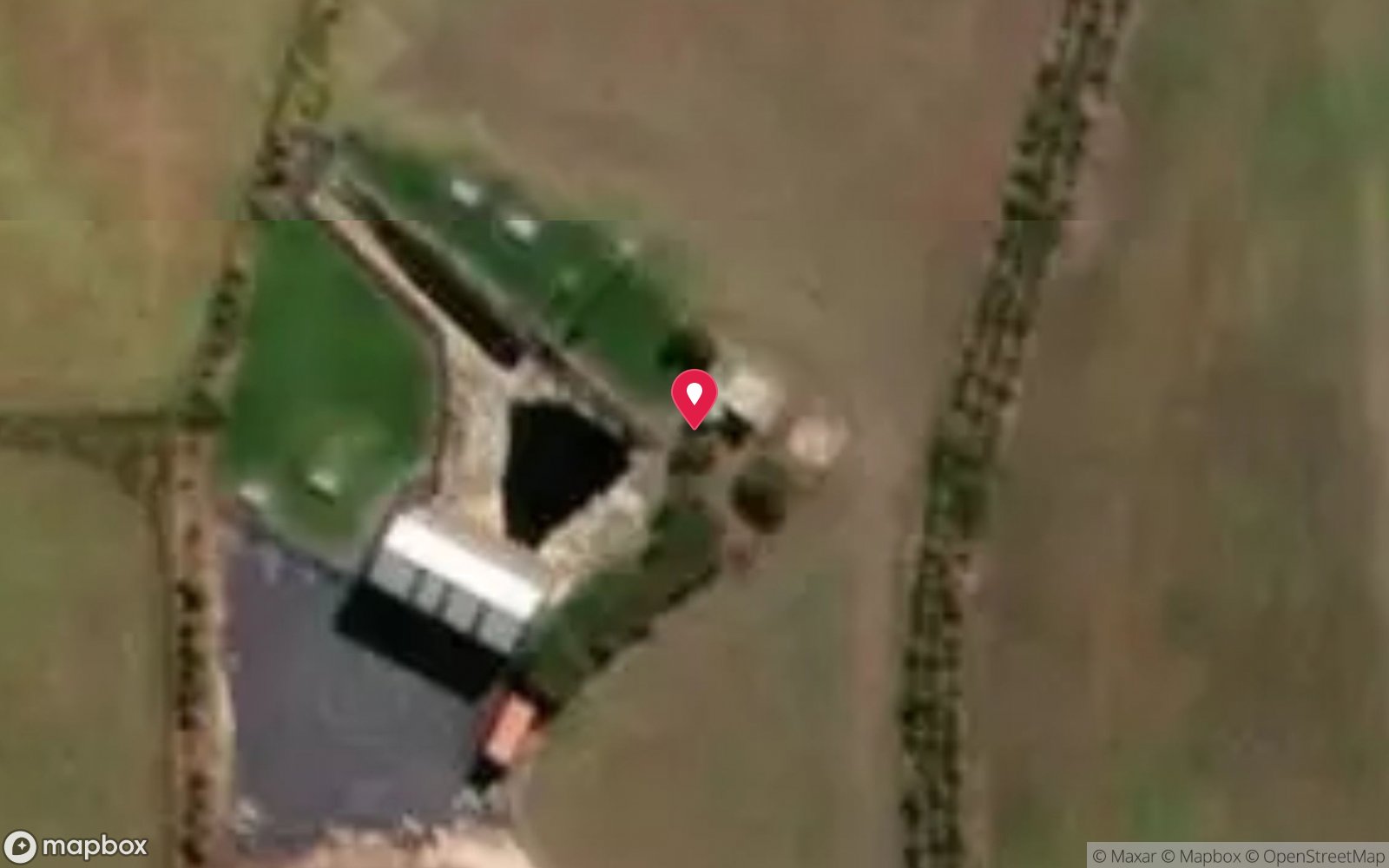
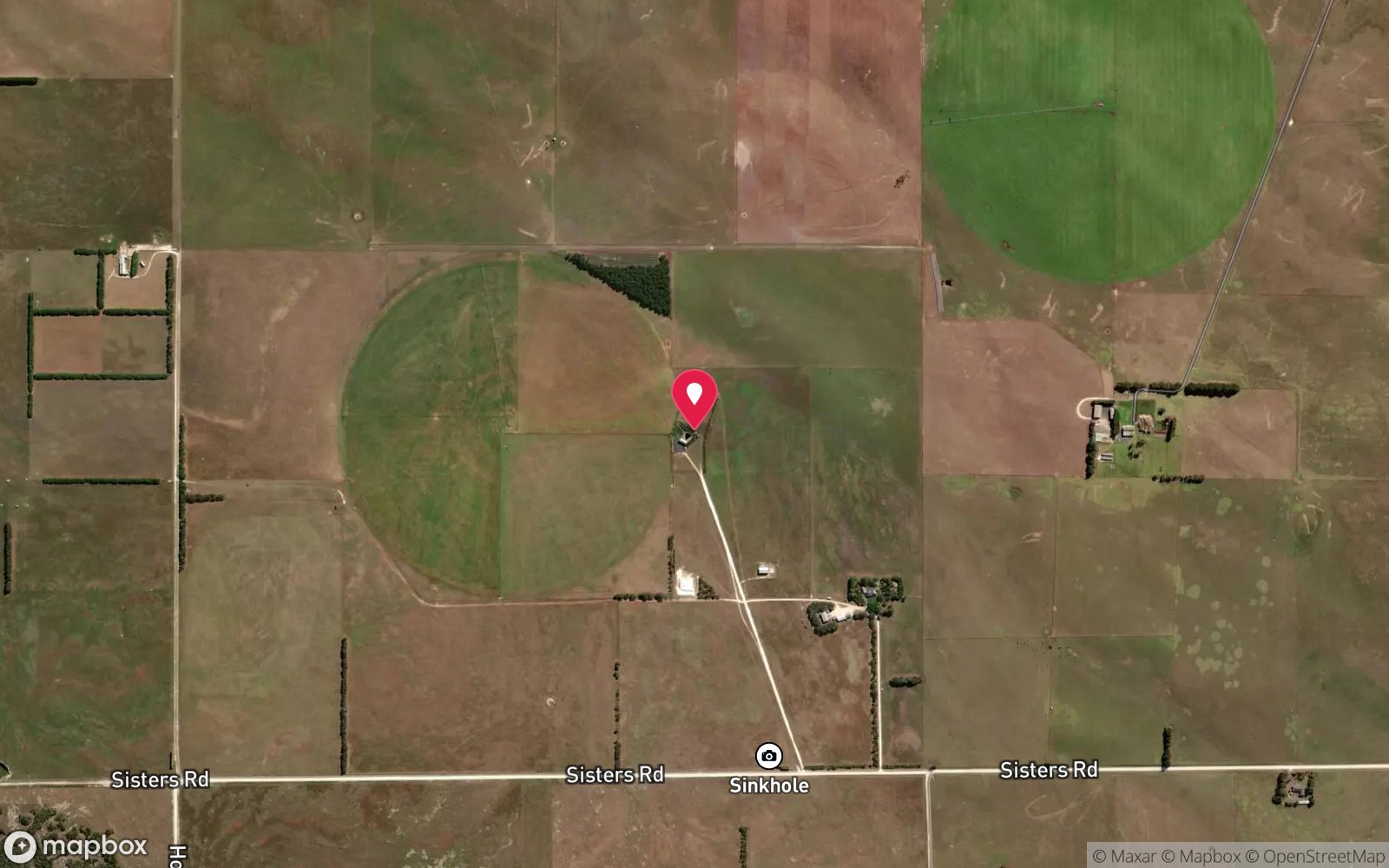
Satellite views
Kilsby Sinkhole: frequently asked questions
How deep is Kilsby Sinkhole?
Kilsby Sinkhole reaches a maximum depth of 65 m, with the shallowest part at about 0 m; most of the dive is spent around 20 m.
What certification do I need to dive Kilsby Sinkhole?
Technical (decompression) is the recommended minimum. Operators often quote Open Water, but the site reaches 65 m, which is beyond that level's depth limit; Technical (decompression) is the appropriate minimum for the full dive. Rated intermediate because of depth to 65 m, an overhead environment, cold water.
Can I shore dive Kilsby Sinkhole?
No, it is reached by boat. A dive centre is required: permit/guide required.
When is the best time to dive Kilsby Sinkhole?
Year-round (constant groundwater temperature); summer/autumn gives warmer surface intervals; forestry sites close on Total Fire Ban days.
What marine life will I see at Kilsby Sinkhole?
Regularly recorded: Very little fish life; freshwater shrimp, yabbies, small native fish near the weed, filamentous algae and aquatic plants in the daylight zone.
What wetsuit do I need at Kilsby Sinkhole?
Drysuit strongly recommended (constant ~14-15°C groundwater, long dives); 7 mm wetsuit with hood minimum for short dives.
How cold is the water at Kilsby Sinkhole?
Typically 14-15 °C in summer and 14-15 °C in winter.
What are the main hazards at Kilsby Sinkhole?
Depth – the sinkhole drops well beyond recreational limits; operators hold Open Water divers to 27 m. See the hazards section above for the full list.
Where is the nearest recompression chamber to Kilsby Sinkhole?
Royal Adelaide Hospital hyperbaric medicine unit (Adelaide) – about 450 km by road from Mount Gambier; evacuation is normally by aeromedical retrieval (RFDS/MedSTAR) via Mount Gambier Hospital. The Alfred (Melbourne) is a similar distance. DAN/Divers Emergency Service 1800 088 200. In an emergency call 000, then DAN Asia-Pacific on 1800 088 200.
Diving in Mount Gambier Sinkholes & Caves
The limestone around Mount Gambier is riddled with water-filled sinkholes and caves, and they are the heart of Australian cave diving. Kilsby Sinkhole (65 m, clear as air), the Shaft (124 m), Piccaninnie Ponds' Chasm and Cathedral, Ewens Ponds' spring-fed creek, and the Tank Cave system with more than 8 km of passage. Most sites require Cave Divers Association of Australia rating; Kilsby and Ewens are open to recreational divers by booking.
Getting there: Five hours south-east of Adelaide or four from Melbourne. Sites are on private farmland or in national parks; all need bookings, some need guides.
All Mount Gambier Sinkholes & Caves dive sites and a suggested itinerary →
Sources
- kilsbysinkhole.com/about-the-sinkhole
- kilsbysinkhole.com/scuba-diving
- kilsbysinkhole.com/operators
- cavedivers.com.au/index.cfm?leca=1831&module=BUSINESSDIRECTORY&pageMode=indiv&action=details&page_id=1400953
- dive-experience.rezdy.com/437237/the-ultimate-fresh-water-double-scuba-dive-ewens-ponds-kilsby-sinkhole
- en.wikipedia.org/wiki/Cave_diving_regions_of_the_world
Data confidence: High · Being verified: Maximum depth (v1 65 m) not stated on owner/CDAA pages – owner quotes 27 m for the lake zone; confirm total depth. Coordinates approximate.. Last updated September 2026. Know this site better? How to send a correction
Nearby dive sites
More sinkhole/cenote dives in South Australia
Explore more
This region
Similar dives