Dive slate · divesites.com.au · printed 7 Nov 2026
Blue Lake (Mount Gambier)
Mount Gambier Sinkholes & Caves, South Australia · near Mount Gambier
| Depth | Max 77 m |
|---|---|
| Minimum level | Technical (decompression) |
| Difficulty | Expert/Technical |
| Access | Shore |
| Entry | None – no public water access |
| Current | None |
| Water | summer 14-15 °C, winter 14-15 °C |
| Suit | Drysuit strongly recommended (constant ~14-15°C groundwater, long dives); 7 mm wetsuit with hood minimum for short dives |
| Best season | Not dived. Visit November-March to see the lake's vivid turquoise-cobalt colour. |
| Position | -37.84000, 140.78000 (approximate) |
| Permit | Protected public water supply – no water access |
| Nearest chamber | Royal Adelaide Hospital hyperbaric medicine unit (Adelaide) – about 450 km by road from Mount Gambier; evacuation is normally by aeromedical retrieval (RFDS/MedSTAR) via Mount Gambier Hospital. The Alfred (Melbourne) is a similar distance. DAN/Divers Emergency Service 1800 088 200. |
| Emergency | 000 · DAN Asia-Pacific diving emergency 1800 088 200 |
Blue Lake (Mount Gambier)
Also known as Blue Lake / Warwar / Waawor
A 77 m volcanic crater lake that turns cobalt blue every summer – view only; diving prohibited.
Near Mount Gambier · Mount Gambier Sinkholes & Caves, South Australia
- Depth
- Max 77 m
- Minimum level
- Technical (decompression)
- Access
- Shore
- Boat ride
- —
- Water
- 14-15 °C
- Visibility
- —
Blue Lake (Mount Gambier)Max 77 m · Technical (decompression) · Shore
Dive factsDepths, conditions, location & safety
Season
In season nowBest months: January, February, March, November, December.
Not dived. Visit November-March to see the lake's vivid turquoise-cobalt colour.
- Best months
- Now (November)
Dive facts
- Depth
- Max 77 m
- Certification
- Technical (decompression)
- Difficulty
- Expert/Technical
- Depth tier
- Technical (40 m +)
- Access
- Shore
- Dive centre needed
- Yes – permit/guide required
- Shore / independent
- No
- Current
- None
- Water temp (summer)
- 14-15 °C
- Water temp (winter)
- 14-15 °C
- Water
- Cold Freshwater
- Dive traffic
- Remote/expedition only
- Night dive
- No
- Snorkel friendly
- No
Exposure suit
Drysuit strongly recommended (constant ~14-15°C groundwater, long dives); 7 mm wetsuit with hood minimum for short dives
Location
Mount Gambier volcanic craters · Limestone Coast – Mount Gambier sinkholes & caves
-37.84000, 140.78000
Approximate position — not for navigation.
Open in Google MapsPrimary source: en.wikipedia.orgMarine park & permits
Protected public water supply – no water access
Nearest recompression chamber
Royal Adelaide Hospital hyperbaric medicine unit (Adelaide) – about 450 km by road from Mount Gambier; evacuation is normally by aeromedical retrieval (RFDS/MedSTAR) via Mount Gambier Hospital. The Alfred (Melbourne) is a similar distance. DAN/Divers Emergency Service 1800 088 200.
Diving emergency: call 000, then DAN AP 1800 088 200.
Trip planner
Build a trip around Blue Lake (Mount Gambier) →
A day-by-day plan for Mount Gambier Sinkholes & Caves with this site locked in.
This guide is a planning aid. Conditions change daily — confirm with a local dive centre and dive within your training. Data & safety notes.
Dive profile
How this site rates
Scores are computed from the recorded data, not opinions. How?
At a glance
Blue Lake (Mount Gambier) is a freshwater lake / river dive in Mount Gambier Sinkholes & Caves, SA, to a maximum of 77 m, suited to Technical (decompression) divers.
Rated expert/technical because of depth to 77 m, cold water.
Why dive here
- A 77 m volcanic crater lake that turns cobalt blue every summer – view only; diving prohibited.
- Rarely dived: expect to have the site to yourself, and plan your own logistics.
About Blue Lake (Mount Gambier)
The Blue Lake is Mount Gambier's emblem and the source of the city's drinking water, and it is included here because divers constantly ask about it. It is a volcanic maar crater lake: the crater rim measures about 1,200 x 824 m and the lake about 1,087 x 657 m, with a basically flat floor averaging around 72 m deep and a deepest point of 77 m recorded in 1967. The water is high-quality groundwater from the limestone aquifer.
Its fame comes from colour. Each November the lake turns a vivid turquoise-cobalt, gradually returning to a duller blue or steel grey from late February to March. The likely mechanism is calcium carbonate precipitating as microcrystallites in warmer months, scattering blue light.
Recreational diving and swimming are not permitted because the lake is a protected public water supply. Diving has happened only as authorised research. In 1985 cave diver Peter Horne led a major exploration that found freshwater sponges and the lake's Stromatolite Field, and he coordinated four more studies up to 1991; another exploration was authorised in 2008 under Dr Richard Harris. The lake is also known for syncarid crustaceans shared only with Fossil Cave.
For visiting divers, the Blue Lake is a surface attraction: walk the rim, take the Aquifer Tour down the old pump shaft, and then go and dive Kilsby's, Ewens or – with the right CDAA grade – the region's caves. It is not a dive site and should not be treated as one. The lake is also a major tourist site, so treat it as a rest-day stop.
Getting there & entry
Mount Gambier's 72-77 m-deep volcanic crater lake (about 1,087 x 657 m) on the city's southern edge; the city's drinking-water supply. NO recreational diving or swimming.
The Blue Lake is on the southern edge of Mount Gambier, reached by John Watson Drive from the city centre (about 5 minutes). There are several lookouts and a 3.6 km rim walk with parking at multiple points. The Aquifer Tours operator offers a lift down the old pumping shaft to a glass-fronted viewing point near the water.
There is no public water access and no recreational diving – the lake is the city's water supply.
Entry: None – no public water access
Facilities: Lookouts, parking, rim walking track, Aquifer Tours; cafes and all services in Mount Gambier.
Weather, swell & tides
Not applicable to recreational diving – the lake is closed to all water activity. For sightseeing, the colour change is the event: each November the lake turns deep turquoise/cobalt, fading to a duller blue or steel grey by late February-March and through winter. Clear, sunny middays show the colour best; overcast winter days make it look grey.
Rim roads can be busy on summer weekends.
Best season: Not dived. Visit November-March to see the lake's vivid turquoise-cobalt colour.
If it's blown out
Sheltered or shore sites within 25 km that often work when Blue Lake (Mount Gambier) doesn't.
- Ewens Ponds · 21 km · Max 10 m
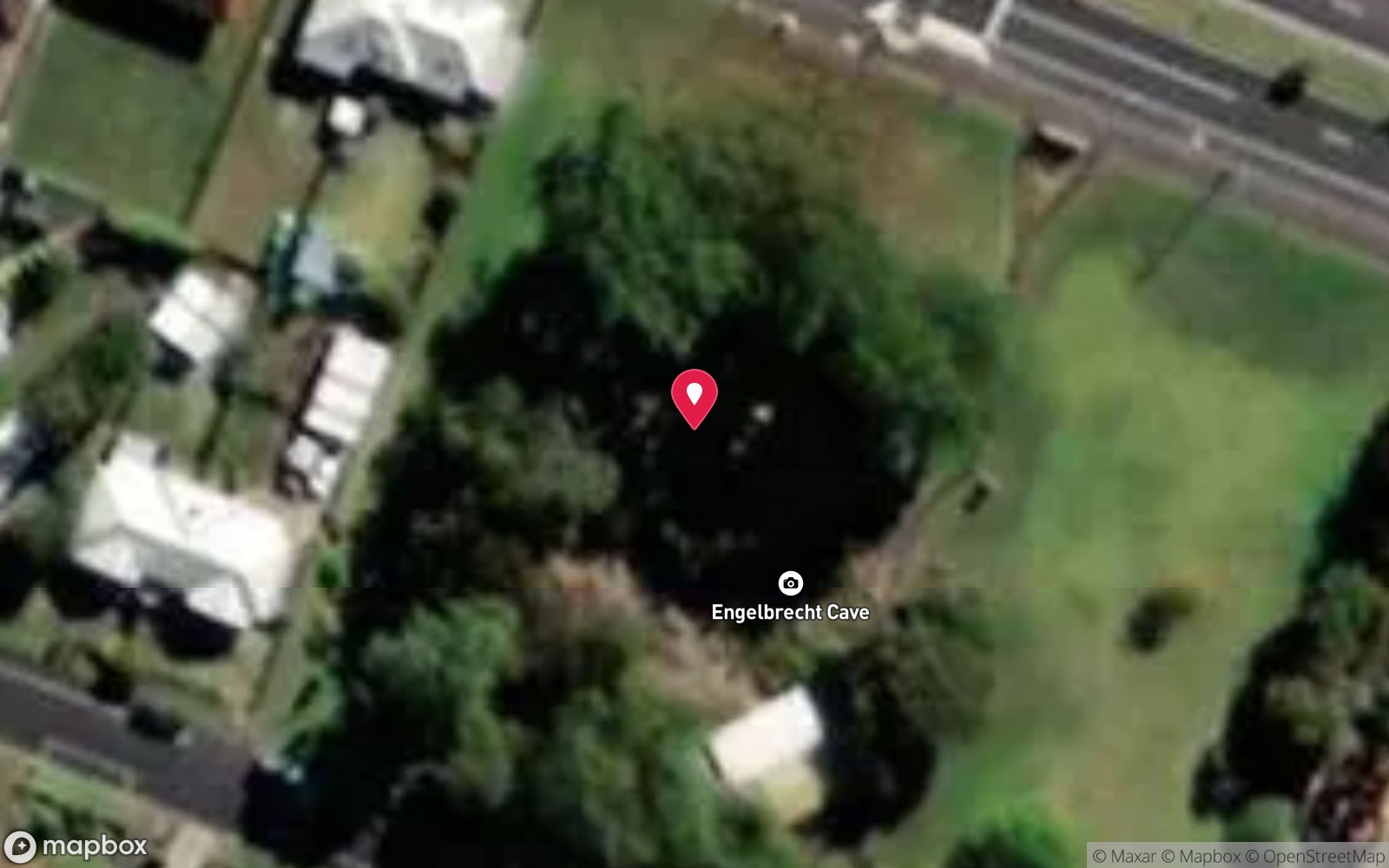
- Engelbrecht Cave – East · 2 km · Max 8 m
- Engelbrecht Cave – West · 2 km · Max 12 m
- Port MacDonnell Breakwater · 25 km · Max 5 m
How the dive is usually run
Not applicable – no diving permitted.
Marine life
- Stromatolites
- freshwater sponges
- syncarid crustaceans (documented by research dives)
Linked species have their own page listing every site where they are recorded. All marine life →
Training required
Beyond recreational limits: decompression, mixed gas or full cave/wreck training is required.
Courses that help here
- Enriched Air Nitrox – Longer no-decompression time at 25 m and deeper.
- Cavern Diver – An overhead environment.
- Drysuit Diver – Cold water; locals dive dry for much of the year.
Depth tiers: 0–10 m easy · to 18 m Open Water · 18–30 m Advanced (25 m+ is a deep dive) · 30–40 m Deep specialty · 40 m+ technical. All courses
Hazards & warnings
NO DIVING OR SWIMMING – protected drinking-water supply. Steep crater walls; stay on paths.
Technical notes
Not a recreational or CDAA site. Research dives only with SA Water/government authority; depth 72-77 m would require trimix and decompression.
Dive centres that go here
No recreational diving. Research dives only under special authority (e.g. Peter Horne-led projects 1985-1991; a 2008 exploration coordinated by Dr Richard Harris).
Other dive centres in Mount Gambier Sinkholes & Caves
Dive Experience
ProfiledMount Gambier · Mount Gambier Sinkholes & Caves · SA
A Mount Gambier business serving the region's cave and sinkhole diving community, including equipment and gas support.
dive-experience.com.au · 0478 693 760
Diving Adelaide
ListedMarleston · Adelaide Metro · SA
An Adelaide training and guided diving operation serving local sites and organised trips.
divingadelaide.com.au · (08) 8122 5003
Deep Blue Ventures
Named by sitesMcCrae · Mount Gambier Sinkholes & Caves · SA
Victoria-based technical/cave training operator running Mount Gambier courses (Kilsby-approved).
deepblueventures.com.au · 0413 429 533
Total Immersion Diving
Named by sitesMount Gambier Sinkholes & Caves · SA
Kilsby Sinkhole approved operator running CDAA cave courses in Mount Gambier; Facebook-only presence.
Reef 2 Ridge
Reported closedMount Gambier · Mount Gambier Sinkholes & Caves · SA
TripAdvisor marks it temporarily closed until further notice with the last review in 2018; the SDFSA directory lists only Dive Experience for Mount Gambier.
Map
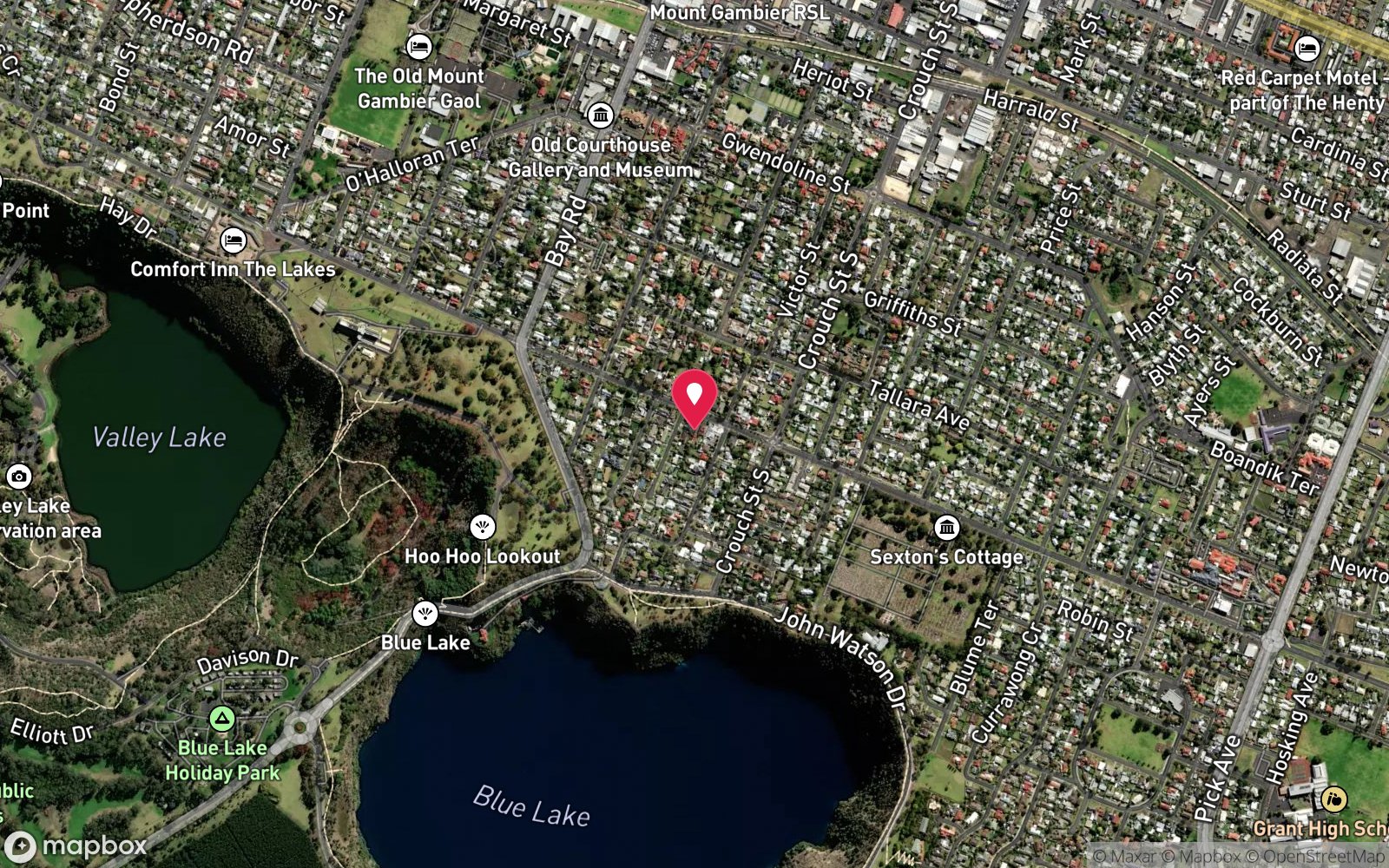
7 pinned sites. Pins marked approximate on their pages show the general area only; not for navigation.
Satellite views
Blue Lake (Mount Gambier): frequently asked questions
How deep is Blue Lake (Mount Gambier)?
Blue Lake (Mount Gambier) reaches a maximum depth of 77 m.
What certification do I need to dive Blue Lake (Mount Gambier)?
Technical (decompression) is the recommended minimum. Rated expert/technical because of depth to 77 m, cold water.
Can I shore dive Blue Lake (Mount Gambier)?
No, it is reached by boat. A dive centre is required: permit/guide required.
When is the best time to dive Blue Lake (Mount Gambier)?
Not dived. Visit November-March to see the lake's vivid turquoise-cobalt colour.
What marine life will I see at Blue Lake (Mount Gambier)?
Regularly recorded: Stromatolites, freshwater sponges, syncarid crustaceans (documented by research dives).
What wetsuit do I need at Blue Lake (Mount Gambier)?
Drysuit strongly recommended (constant ~14-15°C groundwater, long dives); 7 mm wetsuit with hood minimum for short dives.
How cold is the water at Blue Lake (Mount Gambier)?
Typically 14-15 °C in summer and 14-15 °C in winter.
What are the main hazards at Blue Lake (Mount Gambier)?
NO DIVING OR SWIMMING – protected drinking-water supply. See the hazards section above for the full list.
Where is the nearest recompression chamber to Blue Lake (Mount Gambier)?
Royal Adelaide Hospital hyperbaric medicine unit (Adelaide) – about 450 km by road from Mount Gambier; evacuation is normally by aeromedical retrieval (RFDS/MedSTAR) via Mount Gambier Hospital. The Alfred (Melbourne) is a similar distance. DAN/Divers Emergency Service 1800 088 200. In an emergency call 000, then DAN Asia-Pacific on 1800 088 200.
Diving in Mount Gambier Sinkholes & Caves
The limestone around Mount Gambier is riddled with water-filled sinkholes and caves, and they are the heart of Australian cave diving. Kilsby Sinkhole (65 m, clear as air), the Shaft (124 m), Piccaninnie Ponds' Chasm and Cathedral, Ewens Ponds' spring-fed creek, and the Tank Cave system with more than 8 km of passage. Most sites require Cave Divers Association of Australia rating; Kilsby and Ewens are open to recreational divers by booking.
Getting there: Five hours south-east of Adelaide or four from Melbourne. Sites are on private farmland or in national parks; all need bookings, some need guides.
All Mount Gambier Sinkholes & Caves dive sites and a suggested itinerary →
Sources
Data confidence: High · Being verified: No-diving status inferred from its drinking-water role (Wikipedia page does not state the prohibition explicitly); Aquifer Tours detail from general knowledge – verify.. Last updated September 2026. Know this site better? How to send a correction
Nearby dive sites
More freshwater lake/river dives in South Australia
Explore more
This region
Similar dives