Dive slate · divesites.com.au · printed 7 Nov 2026
The Shaft
Mount Gambier Sinkholes & Caves, South Australia · near Mount Gambier
| Depth | 0–124 m |
|---|---|
| Minimum level | Cave/Cavern certification |
| Difficulty | Expert/Technical |
| Access | Shore |
| Entry | Descent through a 1 m-diameter hole by ladder/winch with harness about 7-8 m to the water; tanks lowered separately |
| Current | None |
| Visibility | 30-50 m |
| Water | summer 14-15 °C, winter 14-15 °C |
| Suit | Drysuit strongly recommended (constant ~14-15°C groundwater, long dives); 7 mm wetsuit with hood minimum for short dives |
| Best season | Year-round (constant groundwater temperature); summer/autumn gives warmer surface intervals; forestry sites close on Total Fire Ban days |
| Bottom time | 25 min |
| Position | -37.99938, 140.67773 (GPS) |
| Permit | Private land – CDAA membership (Basic Cave minimum), online booking and supervised dive required |
| Nearest chamber | Royal Adelaide Hospital hyperbaric medicine unit (Adelaide) – about 450 km by road from Mount Gambier; evacuation is normally by aeromedical retrieval (RFDS/MedSTAR) via Mount Gambier Hospital. The Alfred (Melbourne) is a similar distance. DAN/Divers Emergency Service 1800 088 200. |
| Emergency | 000 · DAN Asia-Pacific diving emergency 1800 088 200 |
The Shaft
Also known as The Shaft (5L158), Shaft Sinkhole
A single midday shaft of sunlight falling into a flooded chamber 140 m long – and the birthplace of Australia's cave-diving rules.
Near Mount Gambier · Mount Gambier Sinkholes & Caves, South Australia
- Depth
- 0–124 m
- Minimum level
- Cave/Cavern certification
- Access
- Shore
- Boat ride
- —
- Water
- 14-15 °C
- Visibility
- 30-50 m
The Shaft0–124 m · Cave/Cavern certification · Shore
Dive factsDepths, conditions, location & safety
Season
In season nowBest months: year-round.
Year-round (constant groundwater temperature); summer/autumn gives warmer surface intervals; forestry sites close on Total Fire Ban days
- Best months
- Now (November)
Dive facts
- Depth
- 0–124 m
- Typical depth
- 36 m
- Certification
- Cave/Cavern certification
- Difficulty
- Expert/Technical
- Depth tier
- Technical (40 m +)
- Access
- Shore
- Dive centre needed
- Yes – permit/guide required
- Shore / independent
- No
- Current
- None
- Visibility
- 30-50 m
- Water temp (summer)
- 14-15 °C
- Water temp (winter)
- 14-15 °C
- Water
- Cold Freshwater
- Bottom time
- 25 min
- Dive traffic
- Moderate (occasional charters/club dives)
- Night dive
- No
- Snorkel friendly
- No
Exposure suit
Drysuit strongly recommended (constant ~14-15°C groundwater, long dives); 7 mm wetsuit with hood minimum for short dives
Location
Allendale East · Limestone Coast – Mount Gambier sinkholes & caves
-37.99938, 140.67773
Published GPS position.
Open in Google MapsPrimary source: en.wikipedia.orgMarine park & permits
Private land – CDAA membership (Basic Cave minimum), online booking and supervised dive required
Nearest recompression chamber
Royal Adelaide Hospital hyperbaric medicine unit (Adelaide) – about 450 km by road from Mount Gambier; evacuation is normally by aeromedical retrieval (RFDS/MedSTAR) via Mount Gambier Hospital. The Alfred (Melbourne) is a similar distance. DAN/Divers Emergency Service 1800 088 200.
Diving emergency: call 000, then DAN AP 1800 088 200.
Trip planner
Build a trip around The Shaft →
A day-by-day plan for Mount Gambier Sinkholes & Caves with this site locked in.
This guide is a planning aid. Conditions change daily — confirm with a local dive centre and dive within your training. Data & safety notes.
Dive profile
How this site rates
Scores are computed from the recorded data, not opinions. How?
At a glance
The Shaft is a sinkhole / cenote dive in Mount Gambier Sinkholes & Caves, SA, 0–124 m, suited to Cave/Cavern certification divers.
Rated expert/technical because of depth to 124 m, an overhead environment, cold water.
Why dive here
- A single midday shaft of sunlight falling into a flooded chamber 140 m long – and the birthplace of Australia's cave-diving rules.
- Visibility often reaches 30-50 m.
About The Shaft
The Shaft is Australian cave diving's most historically important site, and one of the most dramatic sinkhole dives anywhere. From the surface it is almost nothing – a hole about a metre wide in a farm paddock at Allendale East, discovered in 1938 when a horse stumbled into what was then a foot-wide opening, later enlarged for access. Below it lies an enormous flooded chamber roughly 140 m long and 80 m wide, with the water surface about 7 m below the paddock. A central rockpile rises to about 36 m depth, a northwest tunnel reaches 80 m and an eastern tunnel descends to 124 m; CEGSA divers mapped it in detail and surveyed those depths.
The name comes from the column of sunlight that, around midday, drops through the narrow entrance and strikes the rockpile – a spotlight in a void so big that even a 200 W video light cannot illuminate the walls. Visibility is typically excellent, and the effect of floating in black water with a single beam of daylight is unforgettable.
On 28 May 1973 four divers – Stephen and Christine Millott, Gordon Roberts and John Bockerman – went beyond their planned limits without a guideline, became lost and drowned; their bodies were recovered between January and April 1974. The tragedy led directly to the formation of the Cave Divers Association of Australia in September 1973 and to the controlled-access, graded system still in force. The site was closed, successfully mapped in 1984 and later reopened by arrangement with the landowner.
Access today is tightly controlled: CDAA members only, on supervised dives run by approved, insured Dive Supervisors. Basic Cave divers stay around the rockpile top within 40 m; the deeper tunnels are trimix territory. It suits well-drilled CDAA divers comfortable with vertical entries and very large, dark spaces.
Getting there & entry
A huge underground flooded chamber (about 140 x 80 m) entered through a 1 m hole in a paddock at Allendale East, about 20 km south of Mount Gambier; surveyed to 124 m.
The Shaft is on Mr Trevor Ashby's private farmland at Allendale East, about 20 km south of Mount Gambier; directions and gate instructions come with the booking. Park at the paddock as directed, carry gear a short distance to the capped hole, and set up the winch or ladder system. Divers are lowered or climb down roughly 7-8 m through the narrow shaft to the water, and cylinders and equipment are lowered separately on ropes.
The landowner requires all diving to be led by an approved Dive Supervisor carrying their own insurance; book online through the CDAA system well ahead.
Entry: Descent through a 1 m-diameter hole by ladder/winch with harness about 7-8 m to the water; tanks lowered separately
Facilities: None – paddock parking only; bring winch/ladder, ropes and harness as required. Fills in Mount Gambier.
Weather, swell & tides
Underground and entirely sheltered, but the paddock entry means rain, wind and heat affect the long surface set-up. The famous 'shaft' of light only reaches the rockpile around midday on sunny days, so schedule dives between about 11 am and 1 pm for the effect. Fire-ban days may restrict compressors and vehicles on farmland.
Water is a constant ~15°C.
Best season: Year-round (constant groundwater temperature); summer/autumn gives warmer surface intervals; forestry sites close on Total Fire Ban days
If it's blown out
Sheltered or shore sites within 25 km that often work when The Shaft doesn't.
- Ewens Ponds · 10 km · Max 10 m
- Racecourse Bay (Port MacDonnell) · 6 km · Max 5 m
- Port MacDonnell Breakwater · 6 km · Max 5 m
- Engelbrecht Cave – East · 22 km · Max 8 m
How the dive is usually run
After the ladder/winch descent, drop through the entry column onto the central rockpile (minimum depth ~36 m), orient on the midday light shaft, and stay within the 40 m Basic Cave limit around the top of the rockpile and in the daylight zone. Technical teams follow fixed lines toward the northwest tunnel (80 m) or east tunnel (124 m) on trimix with planned decompression. Ascend the entry column and complete stops on the line before the climb out.
Marine life
- Essentially none – bare limestone and rockpile; occasional small crustaceans
Linked species have their own page listing every site where they are recorded. All marine life →
Training required
Beyond recreational limits: decompression, mixed gas or full cave/wreck training is required.
Courses that help here
- Enriched Air Nitrox – Longer no-decompression time at 25 m and deeper.
- Cavern Diver – An overhead environment.
- Drysuit Diver – Cold water; locals dive dry for much of the year.
Depth tiers: 0–10 m easy · to 18 m Open Water · 18–30 m Advanced (25 m+ is a deep dive) · 30–40 m Deep specialty · 40 m+ technical. All courses
Hazards & warnings
Depth (rockpile top ~36 m; tunnels to 80 m and 124 m), darkness and disorientation in a vast space; four fatalities in 1973 from getting lost without a guideline. Difficult vertical entry/exit with heavy gear – harness and belay; one diver's gas failure is far from the surface. Supervisor mandatory.
Technical notes
CDAA grade: Basic Cave (5L158) – dives within 40 m in the daylight zone; deeper tunnels require CDAA Advanced Cave plus trimix and decompression qualifications and landowner approval. Landowner mandates insured CDAA Dive Supervisors lead all diving. Run a continuous guideline from the entry column whenever leaving the daylight zone.
Stage and deco gas lowered separately; rebreathers used on deep dives.
Dive centres that go here
Only with an approved CDAA Dive Supervisor (insured) under the landowner's conditions – booked online through CDAA. Technical operators such as Deep Blue Ventures and Diving Adelaide run supervised trips for CDAA members; no Open Water access.
Operators recorded for The Shaft
Diving Adelaide
ListedMarleston · Adelaide Metro · SA
An Adelaide training and guided diving operation serving local sites and organised trips.
divingadelaide.com.au · (08) 8122 5003
Deep Blue Ventures
Named by sitesMcCrae · Mount Gambier Sinkholes & Caves · SA
Victoria-based technical/cave training operator running Mount Gambier courses (Kilsby-approved).
deepblueventures.com.au · 0413 429 533
Other dive centres in Mount Gambier Sinkholes & Caves
Dive Experience
ProfiledMount Gambier · Mount Gambier Sinkholes & Caves · SA
A Mount Gambier business serving the region's cave and sinkhole diving community, including equipment and gas support.
dive-experience.com.au · 0478 693 760
Total Immersion Diving
Named by sitesMount Gambier Sinkholes & Caves · SA
Kilsby Sinkhole approved operator running CDAA cave courses in Mount Gambier; Facebook-only presence.
Reef 2 Ridge
Reported closedMount Gambier · Mount Gambier Sinkholes & Caves · SA
TripAdvisor marks it temporarily closed until further notice with the last review in 2018; the SDFSA directory lists only Dive Experience for Mount Gambier.
Map
7 pinned sites. Pins marked approximate on their pages show the general area only; not for navigation.
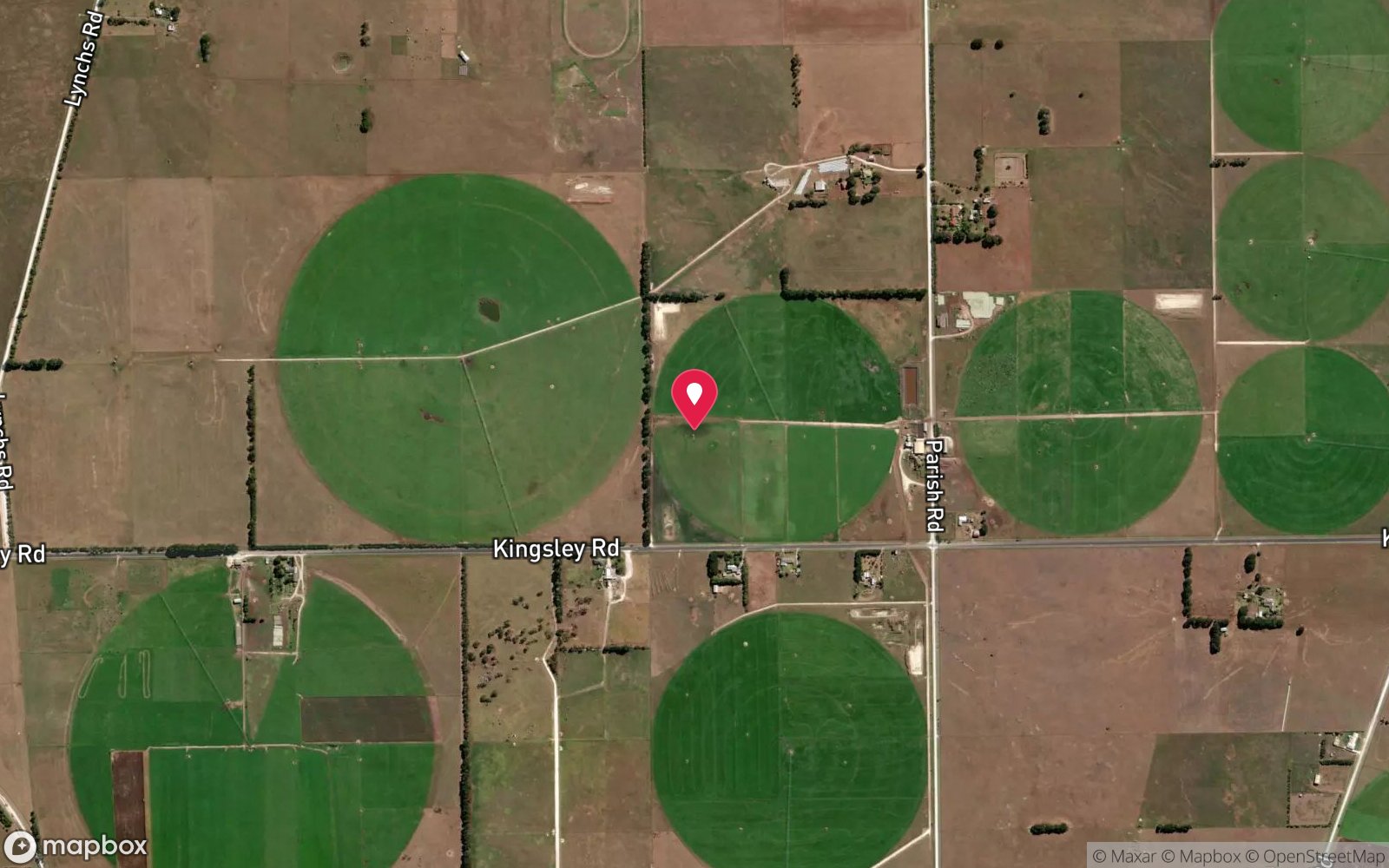
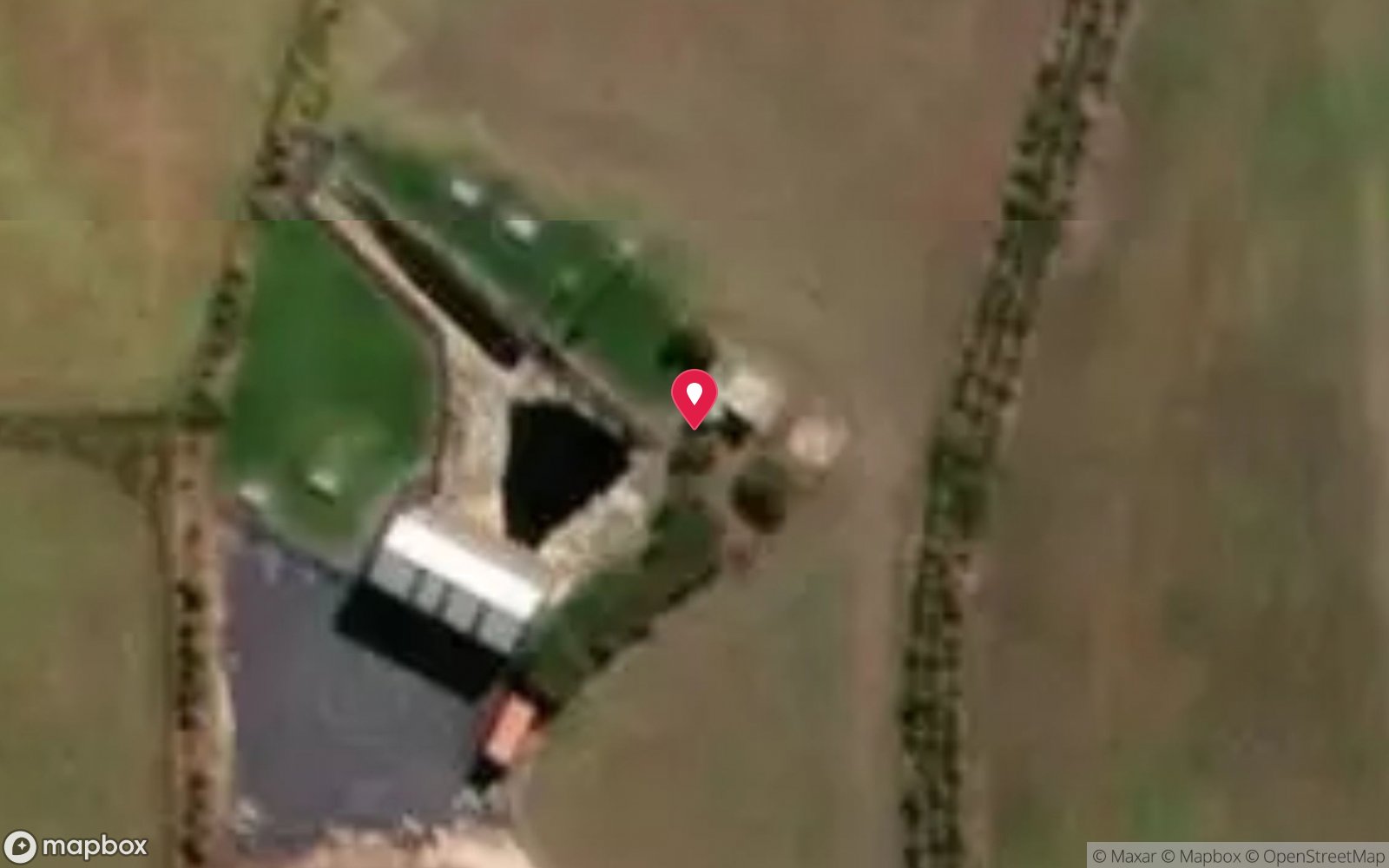
Satellite views
The Shaft: frequently asked questions
How deep is The Shaft?
The Shaft reaches a maximum depth of 124 m, with the shallowest part at about 0 m; most of the dive is spent around 36 m.
What certification do I need to dive The Shaft?
Cave/Cavern certification is the recommended minimum. Rated expert/technical because of depth to 124 m, an overhead environment, cold water.
Can I shore dive The Shaft?
No, it is reached by boat. A dive centre is required: permit/guide required.
When is the best time to dive The Shaft?
Year-round (constant groundwater temperature); summer/autumn gives warmer surface intervals; forestry sites close on Total Fire Ban days.
What marine life will I see at The Shaft?
Regularly recorded: Essentially none – bare limestone and rockpile; occasional small crustaceans.
What wetsuit do I need at The Shaft?
Drysuit strongly recommended (constant ~14-15°C groundwater, long dives); 7 mm wetsuit with hood minimum for short dives.
How cold is the water at The Shaft?
Typically 14-15 °C in summer and 14-15 °C in winter.
What are the main hazards at The Shaft?
Depth (rockpile top ~36 m; tunnels to 80 m and 124 m), darkness and disorientation in a vast space; four fatalities in 1973 from getting lost without a guideline. See the hazards section above for the full list.
Where is the nearest recompression chamber to The Shaft?
Royal Adelaide Hospital hyperbaric medicine unit (Adelaide) – about 450 km by road from Mount Gambier; evacuation is normally by aeromedical retrieval (RFDS/MedSTAR) via Mount Gambier Hospital. The Alfred (Melbourne) is a similar distance. DAN/Divers Emergency Service 1800 088 200. In an emergency call 000, then DAN Asia-Pacific on 1800 088 200.
Diving in Mount Gambier Sinkholes & Caves
The limestone around Mount Gambier is riddled with water-filled sinkholes and caves, and they are the heart of Australian cave diving. Kilsby Sinkhole (65 m, clear as air), the Shaft (124 m), Piccaninnie Ponds' Chasm and Cathedral, Ewens Ponds' spring-fed creek, and the Tank Cave system with more than 8 km of passage. Most sites require Cave Divers Association of Australia rating; Kilsby and Ewens are open to recreational divers by booking.
Getting there: Five hours south-east of Adelaide or four from Melbourne. Sites are on private farmland or in national parks; all need bookings, some need guides.
All Mount Gambier Sinkholes & Caves dive sites and a suggested itinerary →
Sources
- en.wikipedia.org/wiki/1973_Mount_Gambier_cave_diving_accident
- cavedivers.com.au/index.cfm?leca=1831&module=BUSINESSDIRECTORY&pageMode=indiv&action=details&page_id=1403312
- divedb.net/sites/the-shaft
- cavediving.net.au/index.php/the-shaft
- scuba.com/blog/dive-craters-sinkholes-mount-gambier
Data confidence: High. Last updated September 2026. Know this site better? How to send a correction
Nearby dive sites
More sinkhole/cenote dives in South Australia
Explore more
This region