Ranked by how many distinct species or groups are recorded for each site in this directory. It rewards the thoroughly surveyed sites, the Nelson Bay sponge gardens, the Mornington piers, Julian Rocks and the Solitary Islands, as much as the tropical reefs.
Updated daily from the directory. 30 sites listed.
1. East Arnhem Land & Gove · NT
Bonner Rocks
17 species recorded · A pristine rocky coral reef with an old trawler wreck that draws gropers, barracuda, cobia and tuna.
2. Darwin Offshore & Artificial Reefs · NT
Vernon Islands
17 species recorded · Coral reefs rising steeply from fast tidal channels in Clarence Strait, with Spanish mackerel feeding along the edges – the best natural reef within reach of Darwin.
3. East Arnhem Land & Gove · NT
Gove Town Wharf
15 species recorded · Pylons crowded with nudibranchs, flatworms, decorator crabs and feather stars, with big schools of fish under the wharf – Gove's easy macro dive.
4. Darwin Offshore & Artificial Reefs · NT
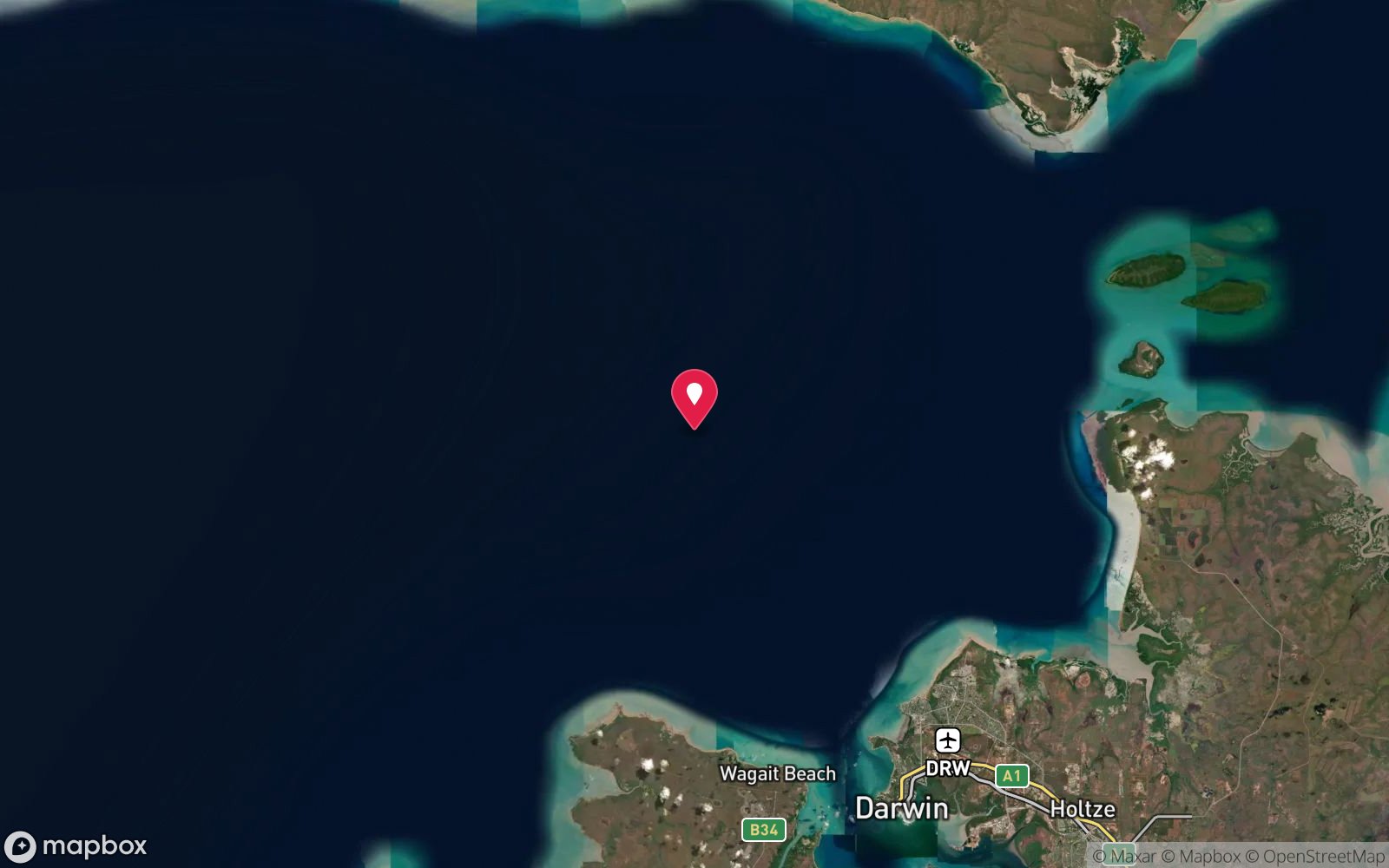
Marchart 3
14 species recorded · The 32 m ex-research vessel and prawn trawler that founded the Fenton Patches reef field in 1988 – upright, intact and heavily fish-populated around the stern and rudder.
5. Groote Eylandt · NT
Zodiac Rock
14 species recorded · A natural rock pinnacle off Groote Eylandt's west coast, reputed to be among the island's best dives.
6. Darwin Offshore & Artificial Reefs · NT
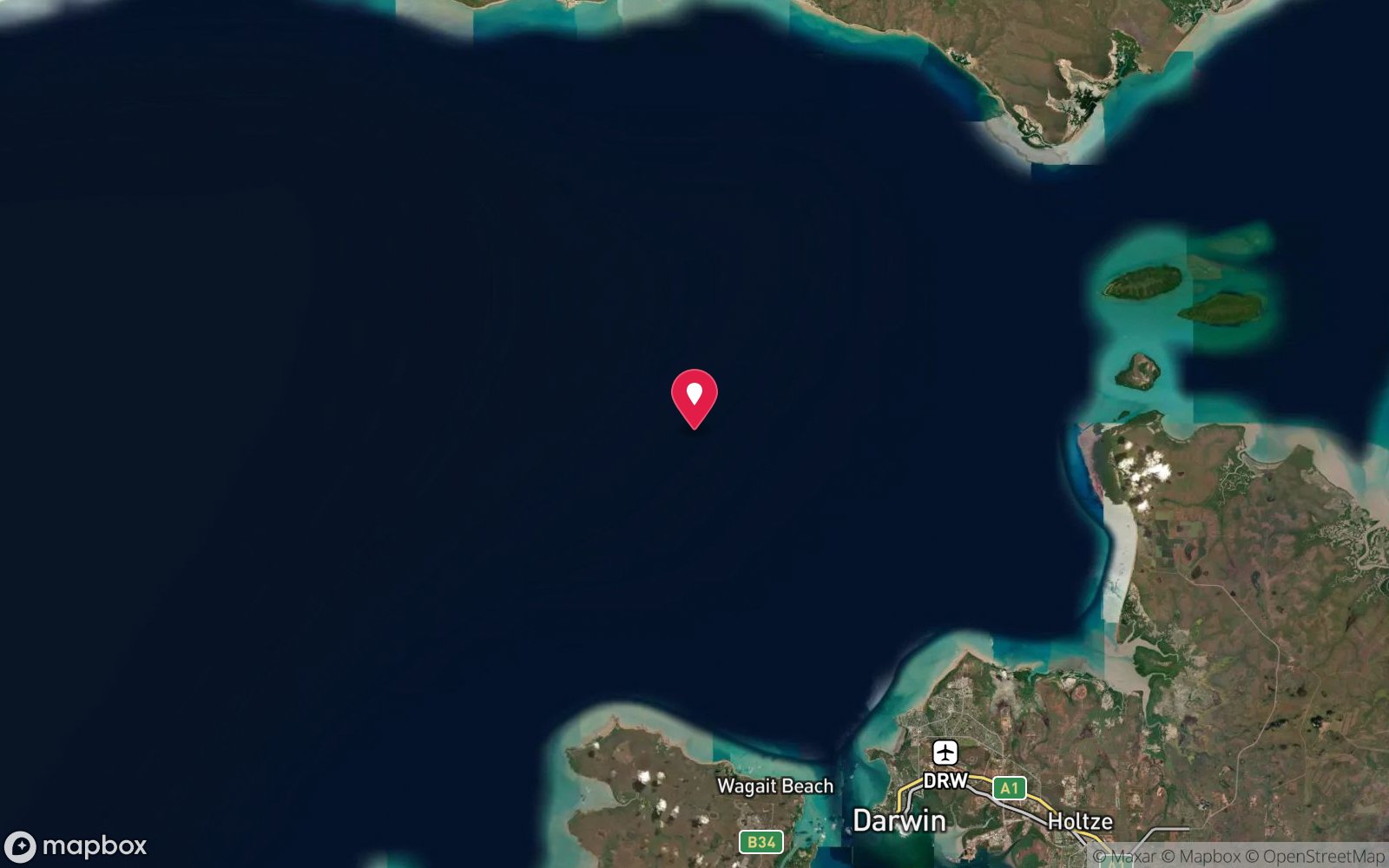
Galah and Heron Artificial Reef
13 species recorded · Two 20 m vessels scuttled together as fish habitat, next to the Amanda Lee – quieter than the main Fenton wrecks.
7. Darwin Offshore & Artificial Reefs · NT
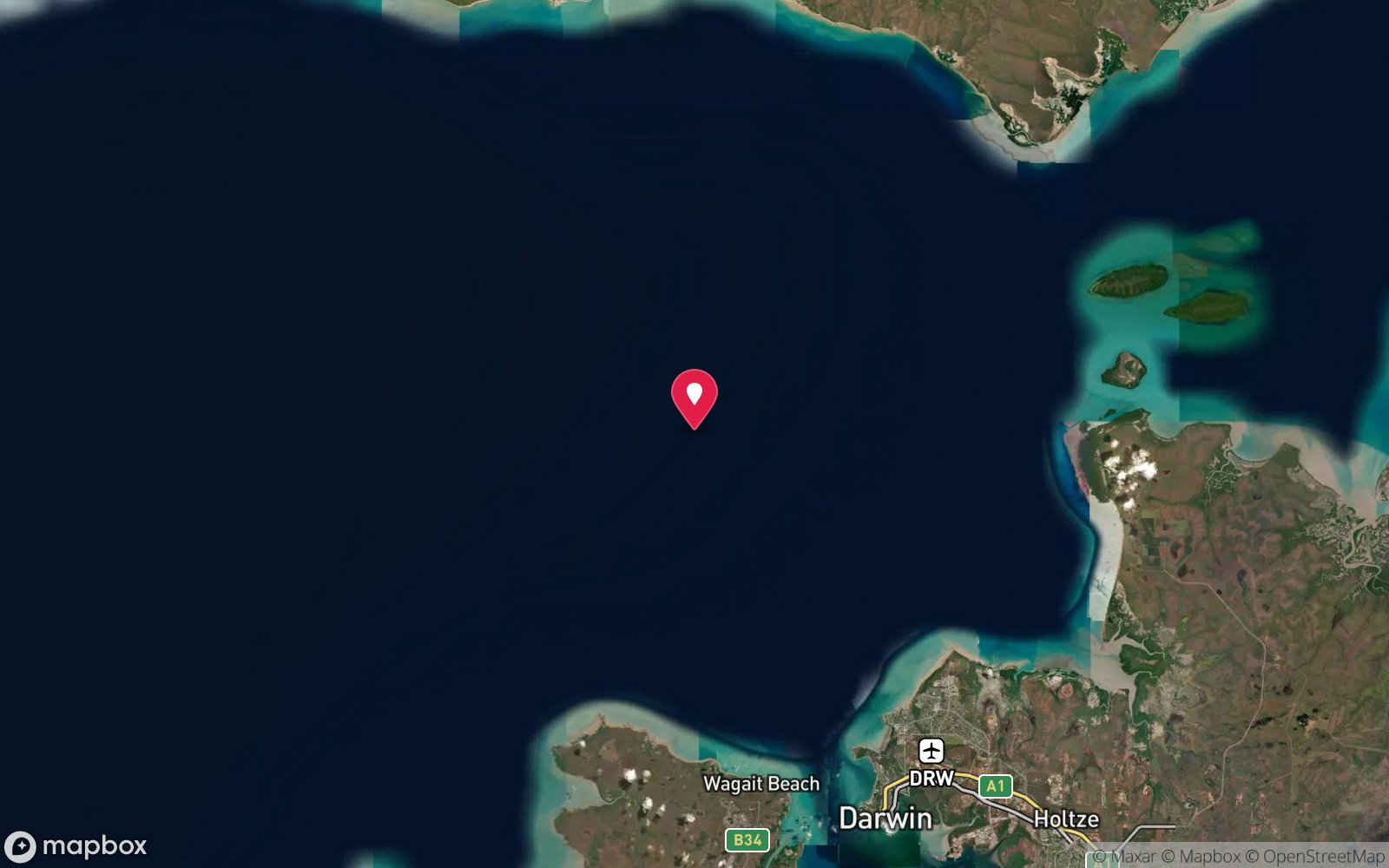
Merindah Pearl
13 species recorded · A 25 m ex-pearling vessel prepared by DSAC volunteers and scuttled in 2013 at the northern end of the Fenton wreck cluster.
8. Groote Eylandt · NT
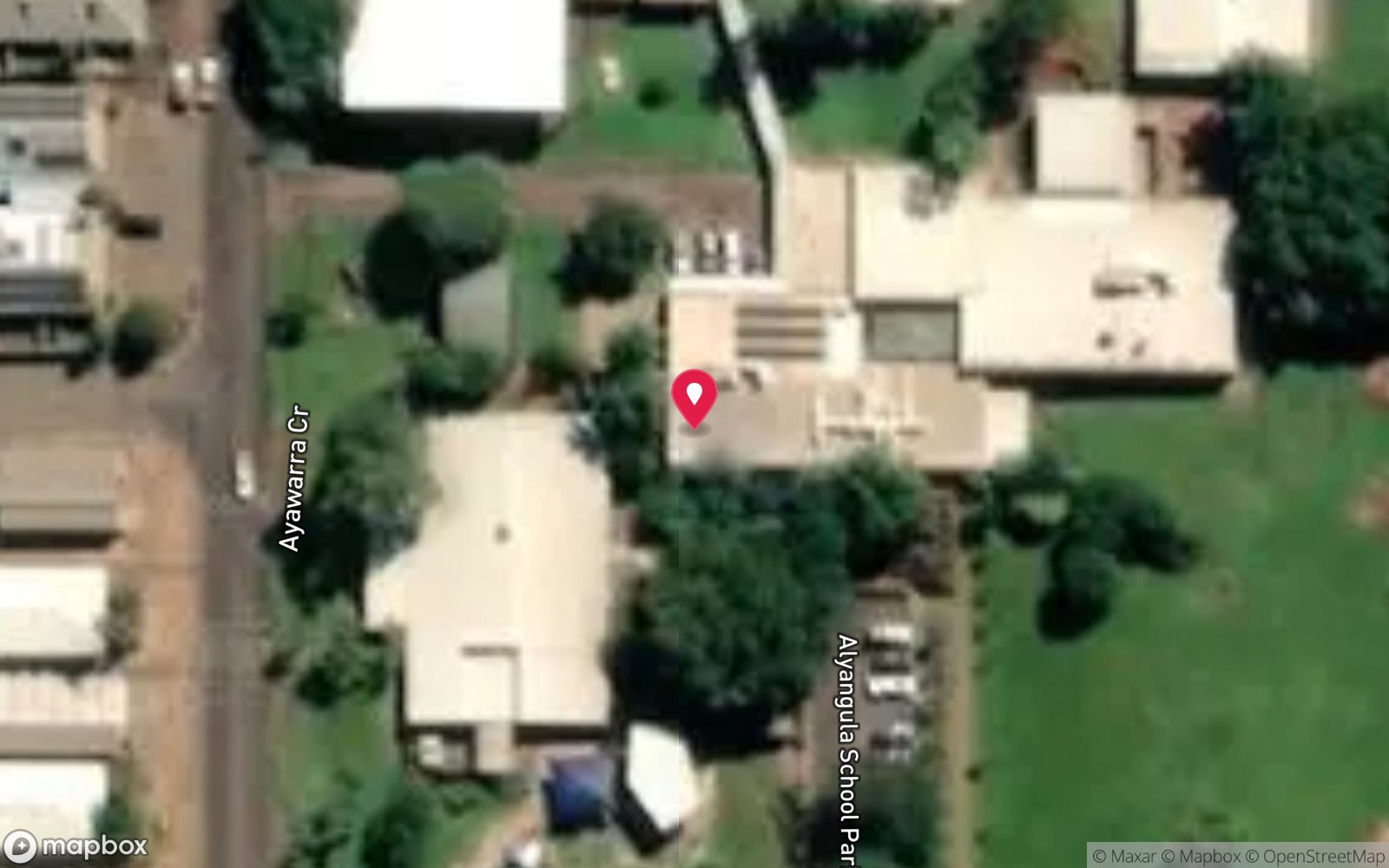
Alyangula Wharf
13 species recorded · An easy, shallow wharf dive at Alyangula where resident dolphins are often seen.
9. Darwin Offshore & Artificial Reefs · NT
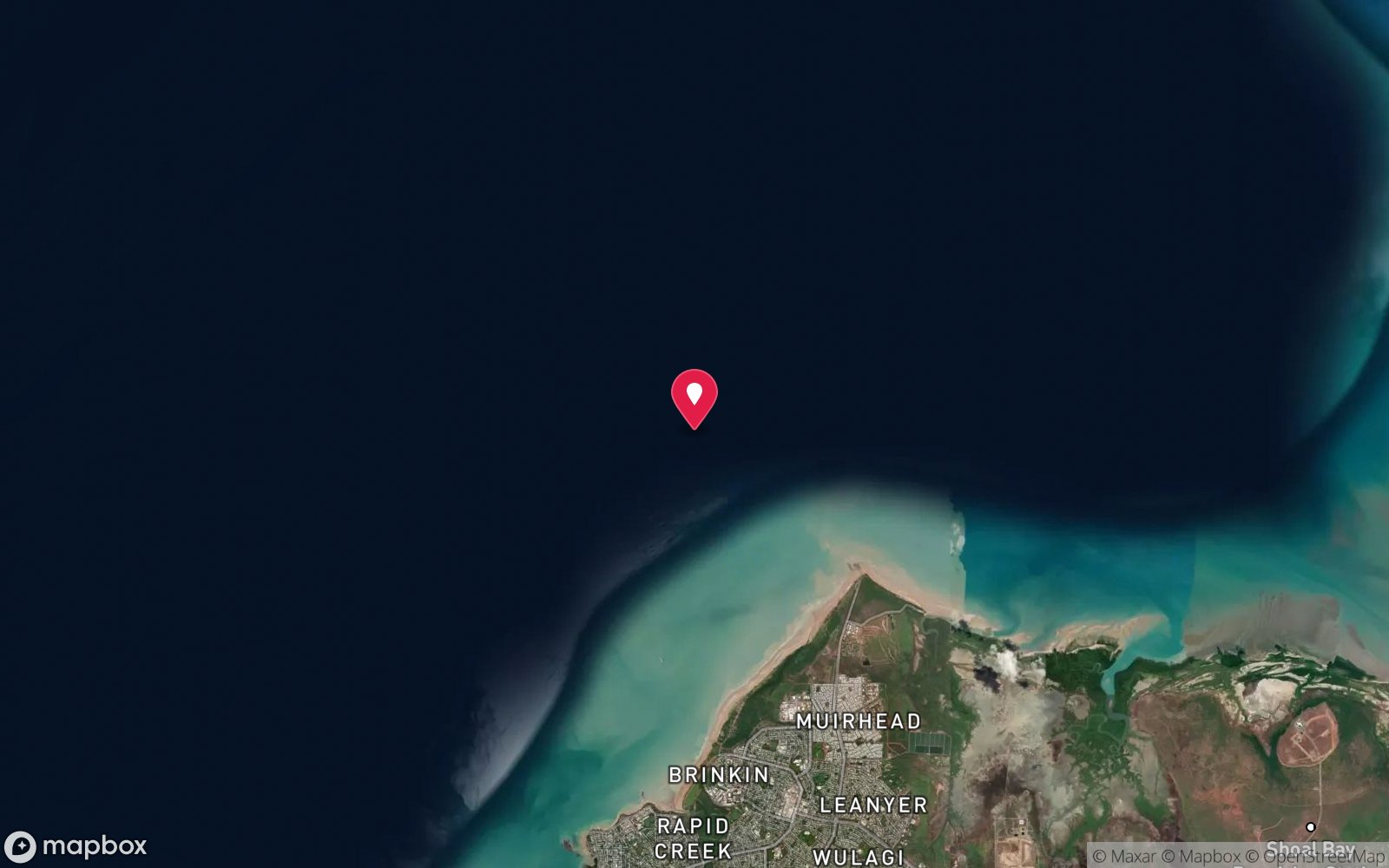
Bottlewasher Artificial Reef
13 species recorded · An old Coca-Cola bottle-washing machine surrounded by 1,500 tonnes of concrete culverts – a shallow, fishy and unmistakably Darwin reef.
10. East Arnhem Land & Gove · NT
Bremer Island
13 species recorded · Gove's closest island dive: colourful fringing coral in the shallows and sponge- and fan-filled caves deeper down, with turtles and rays.
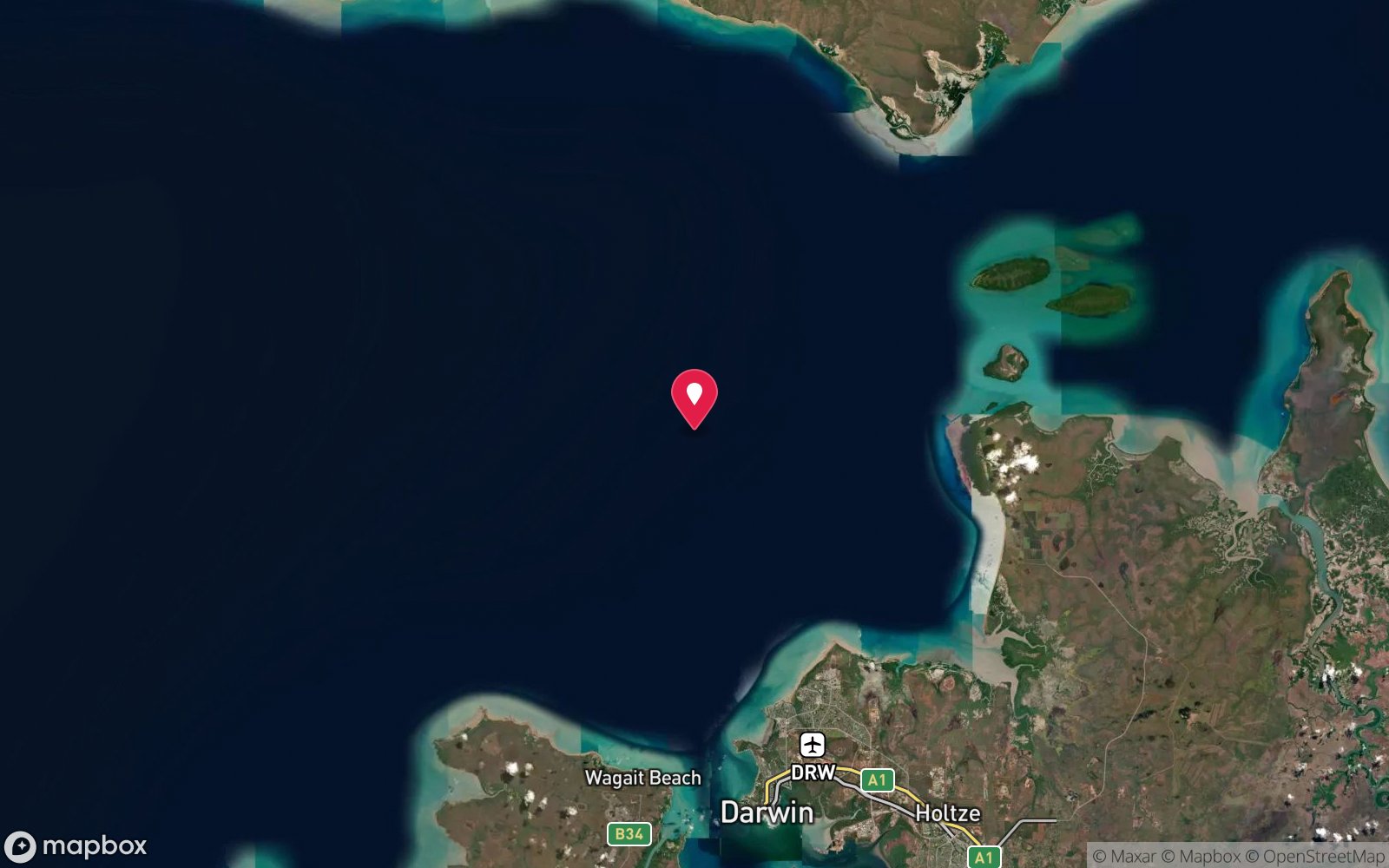
11. Darwin Offshore & Artificial Reefs · NT
Lee Point Wide Engineered Reef
13 species recorded · Purpose-built 5 m concrete reef modules installed in 2019 in 28 m of open water north of Lee Point.
12. East Arnhem Land & Gove · NT
Sir Roderick Rocks
13 species recorded · Spectacular granite rocks with caves and swim-throughs and a deep, intact trawler wreck – Gove's most remote dive.
13. Darwin Offshore & Artificial Reefs · NT
Vernon Islands Blue Holes
13 species recorded · Tidal blue holes that become sheltered, fish-filled coral pools at low tide – with a 'horizontal waterfall' as the water drains out.
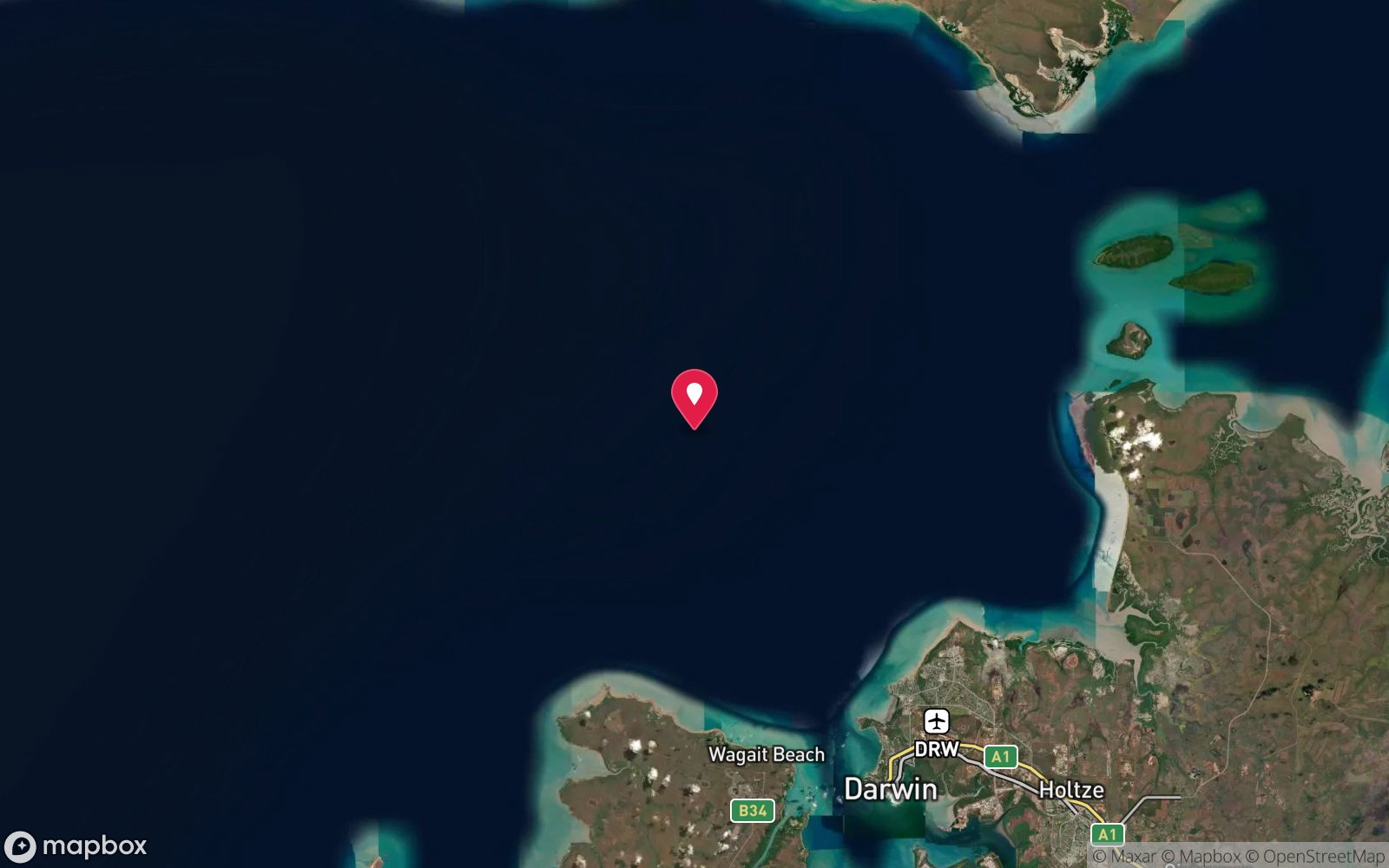
14. Darwin Offshore & Artificial Reefs · NT
Bus Stop Reef
12 species recorded · An improvised early-1990s reef of steel pontoons, truck tyres, concrete bus shelters and a 10 m boat, known for very large cod.
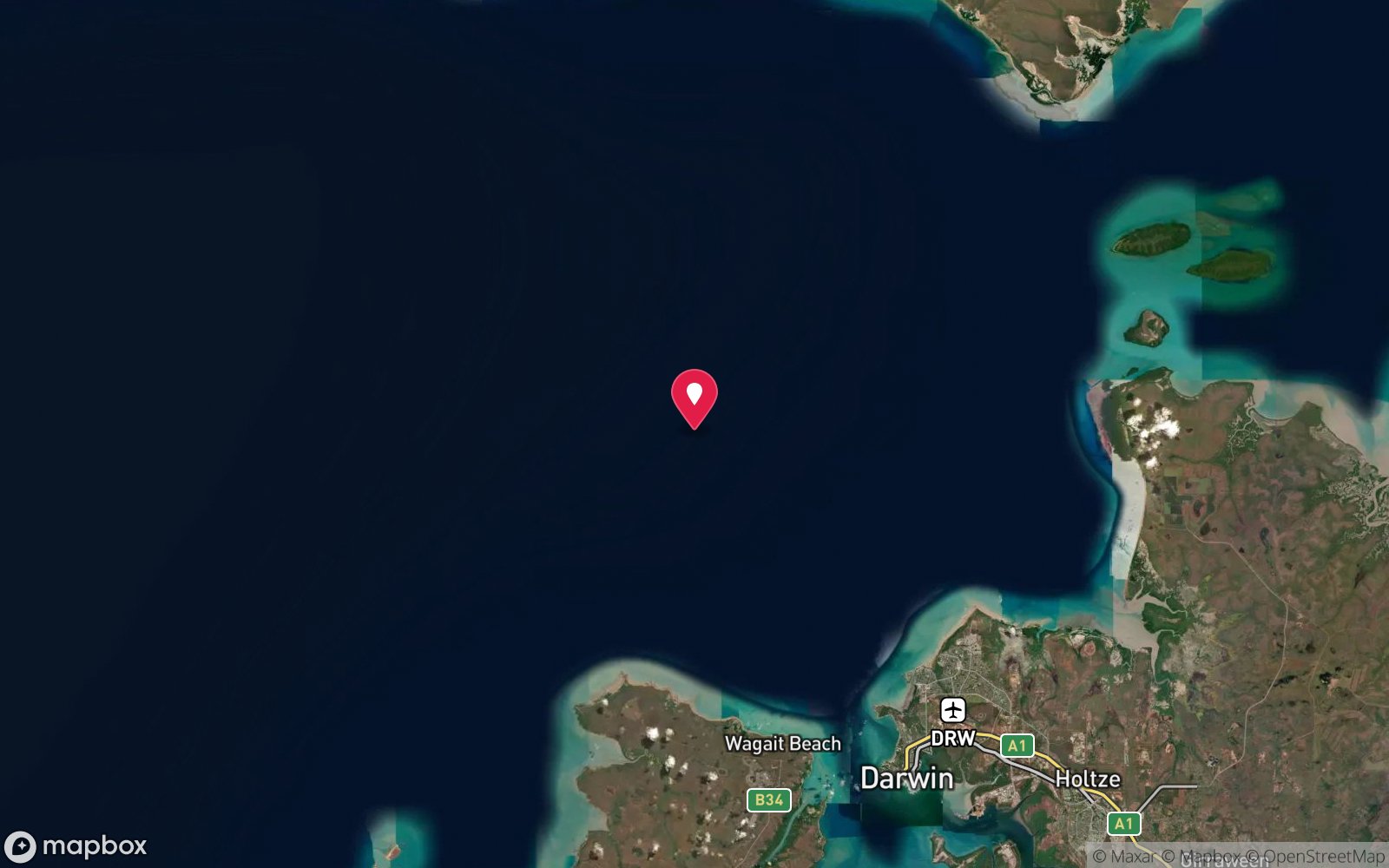
15. Darwin Offshore & Artificial Reefs · NT
Pipeline Artificial Reef
12 species recorded · About 200 tonnes of large concrete pipes forming tunnels and overhangs that shelter big cod and jewfish.
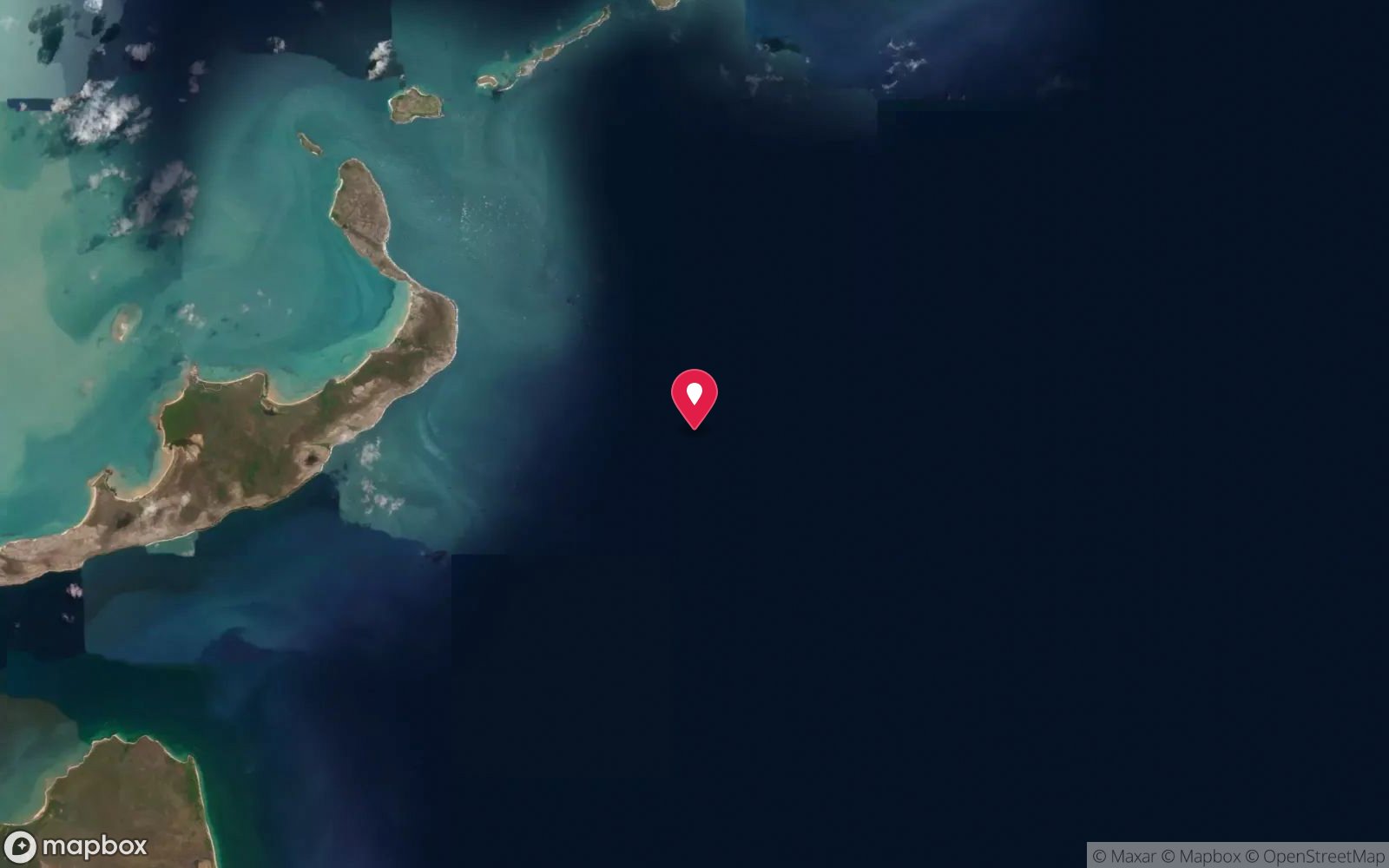
16. East Arnhem Land & Gove · NT
Bromby Islands
12 species recorded · Sheltered coral gardens on one side and a steep seaward wall of gorgonians and black coral on the other, patrolled by mantas, eagle rays and reef sharks.
17. Darwin Offshore & Artificial Reefs · NT
Bynoe Harbour Entrance Reefs
12 species recorded · Tidal reefs and islands at the mouth of Bynoe Harbour – a sheltered alternative to Fog Bay for self-sufficient divers.
18. Groote Eylandt · NT
Connexion Island
12 species recorded · A sheltered island reef off Alyangula with the clearer water and richer shallow coral of the Gulf of Carpentaria.
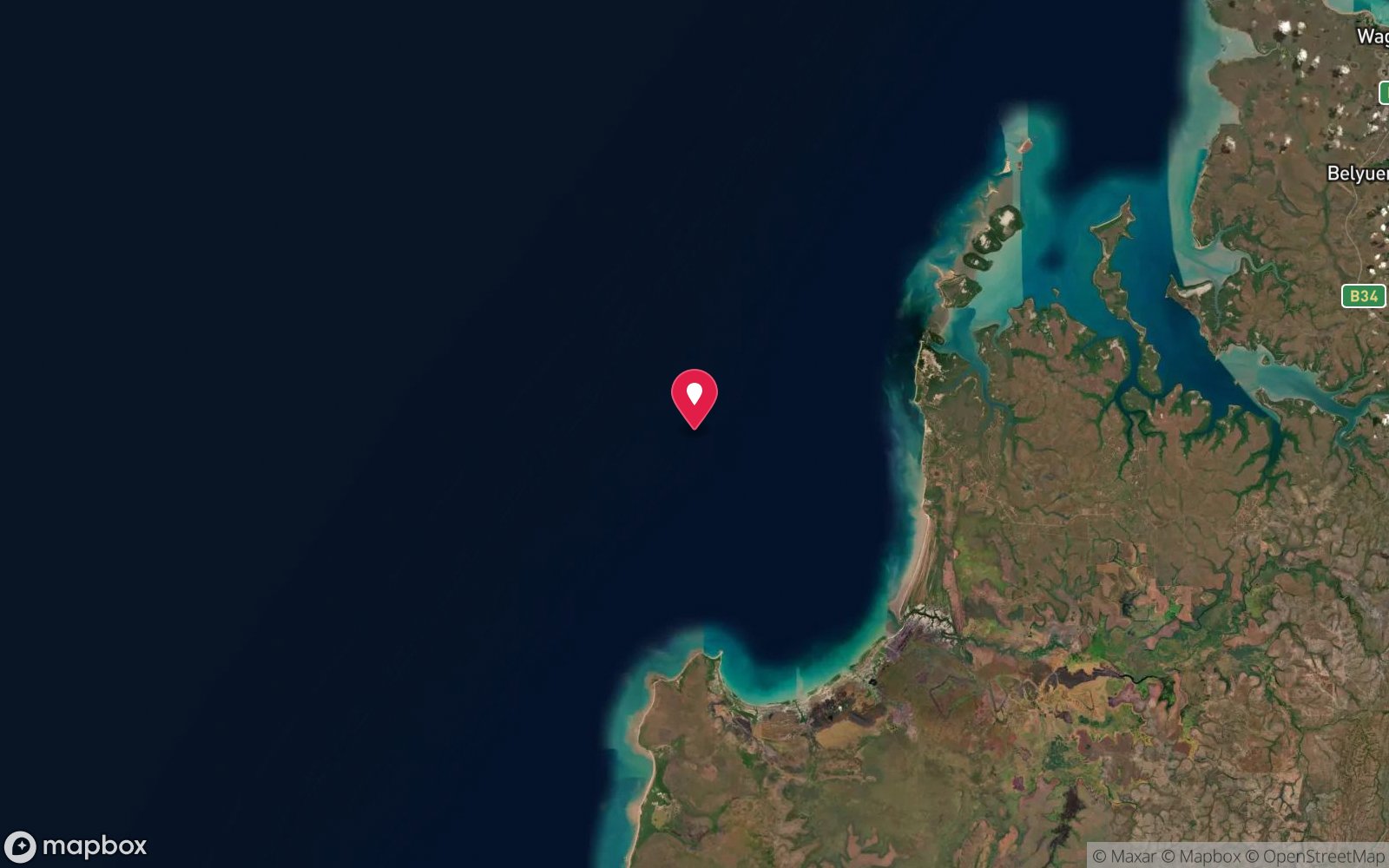
19. Darwin Offshore & Artificial Reefs · NT
Dundee Wide Engineered Reef
12 species recorded · A 2019 engineered concrete reef in 16 m off Dundee Beach – the shallowest and most approachable of the new NT reef complexes for divers.
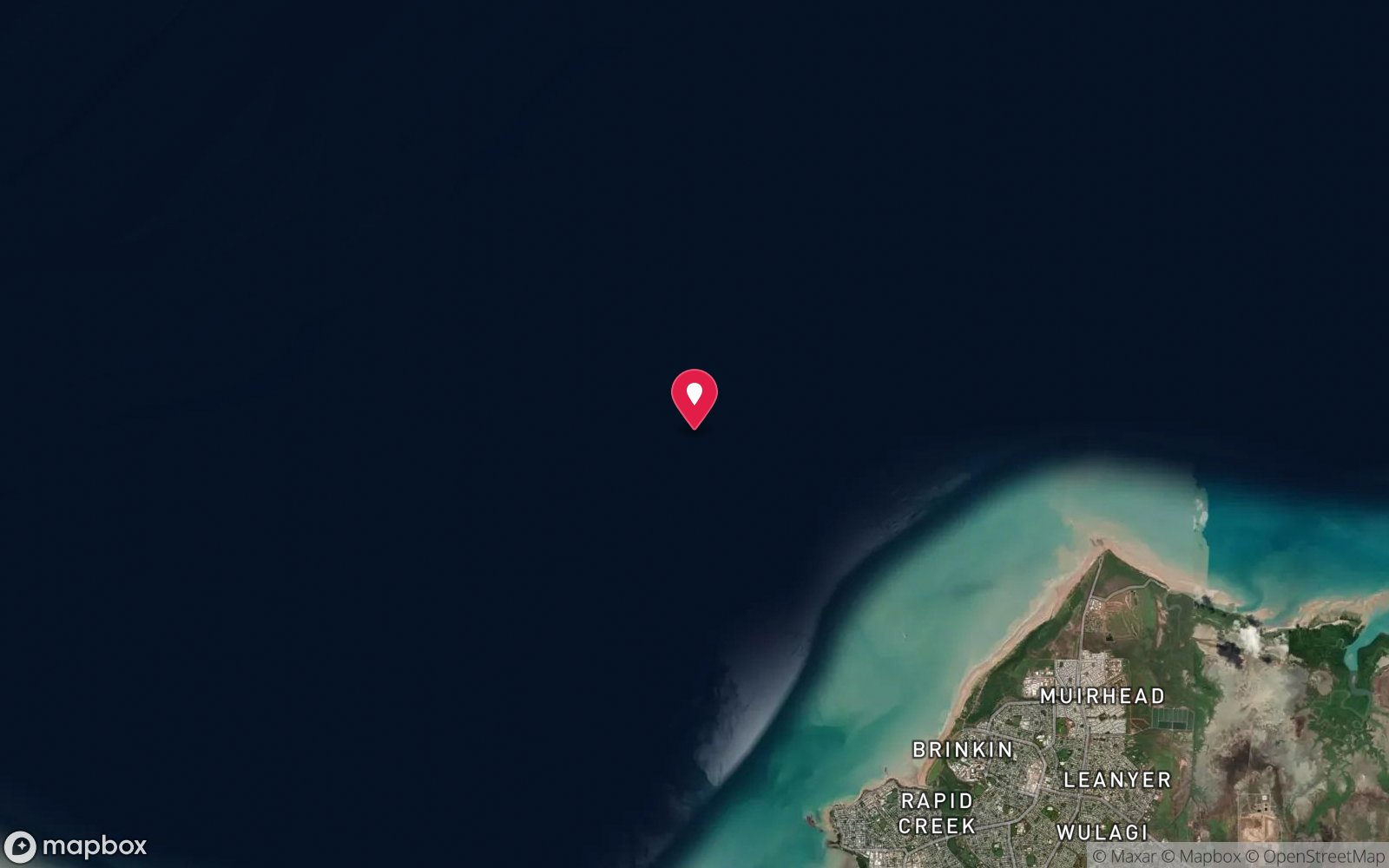
20. Darwin Offshore & Artificial Reefs · NT
Rick Mills Artificial Reef
12 species recorded · Plant equipment, 1,500 tonnes of concrete culverts and five shipping containers in 15 m, with the Van Bruggen yacht wreck nearby.
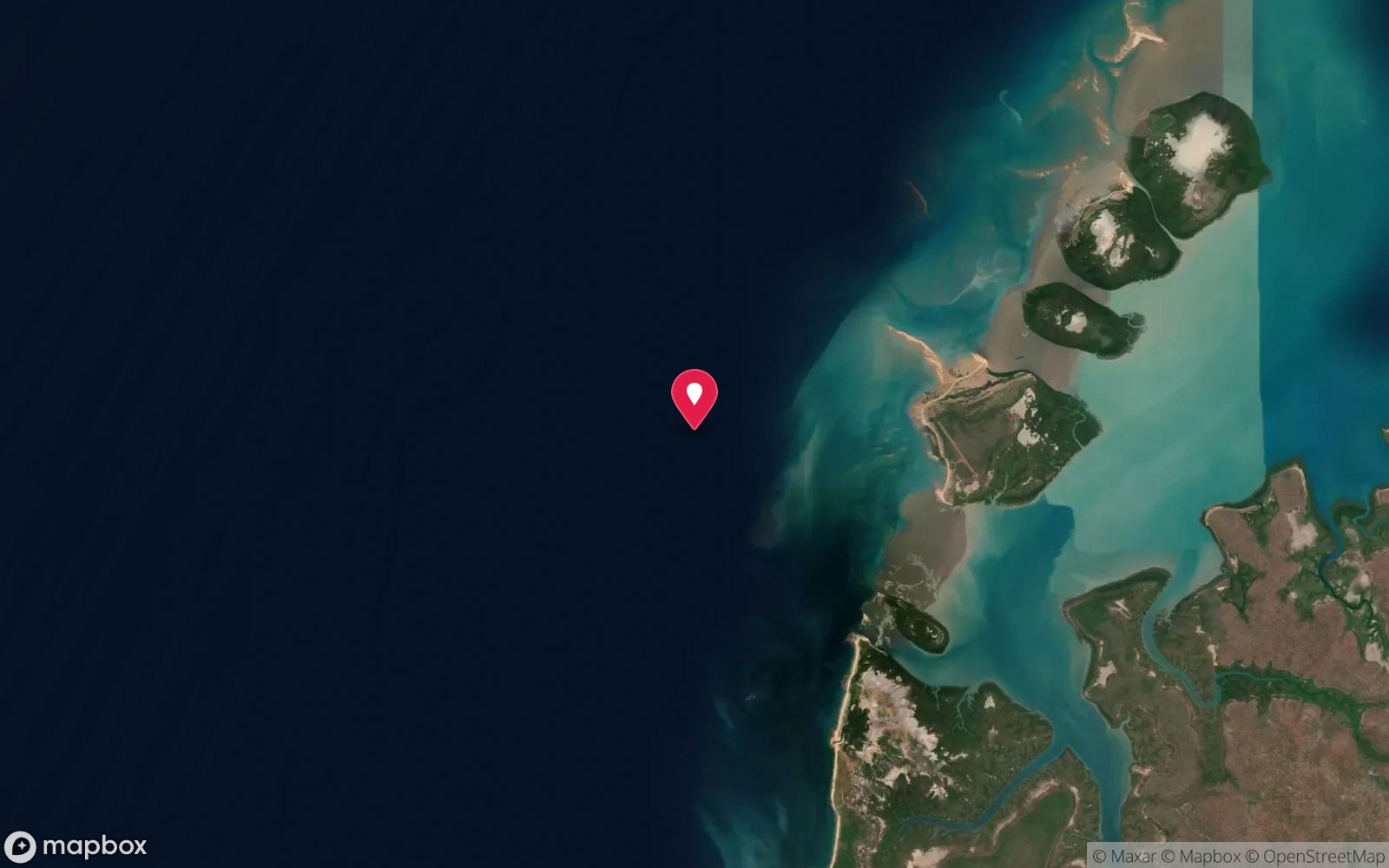
21. Darwin Offshore & Artificial Reefs · NT
Roche Reef
12 species recorded · Dundee's main natural reef – extensive shallow coral with queenfish, mackerel and trevally sweeping over it on the tide.
22. East Arnhem Land & Gove · NT
Veronica Island
12 species recorded · Sea walls of soft coral and gorgonians patrolled by pelagics, with good invertebrate life for macro divers.
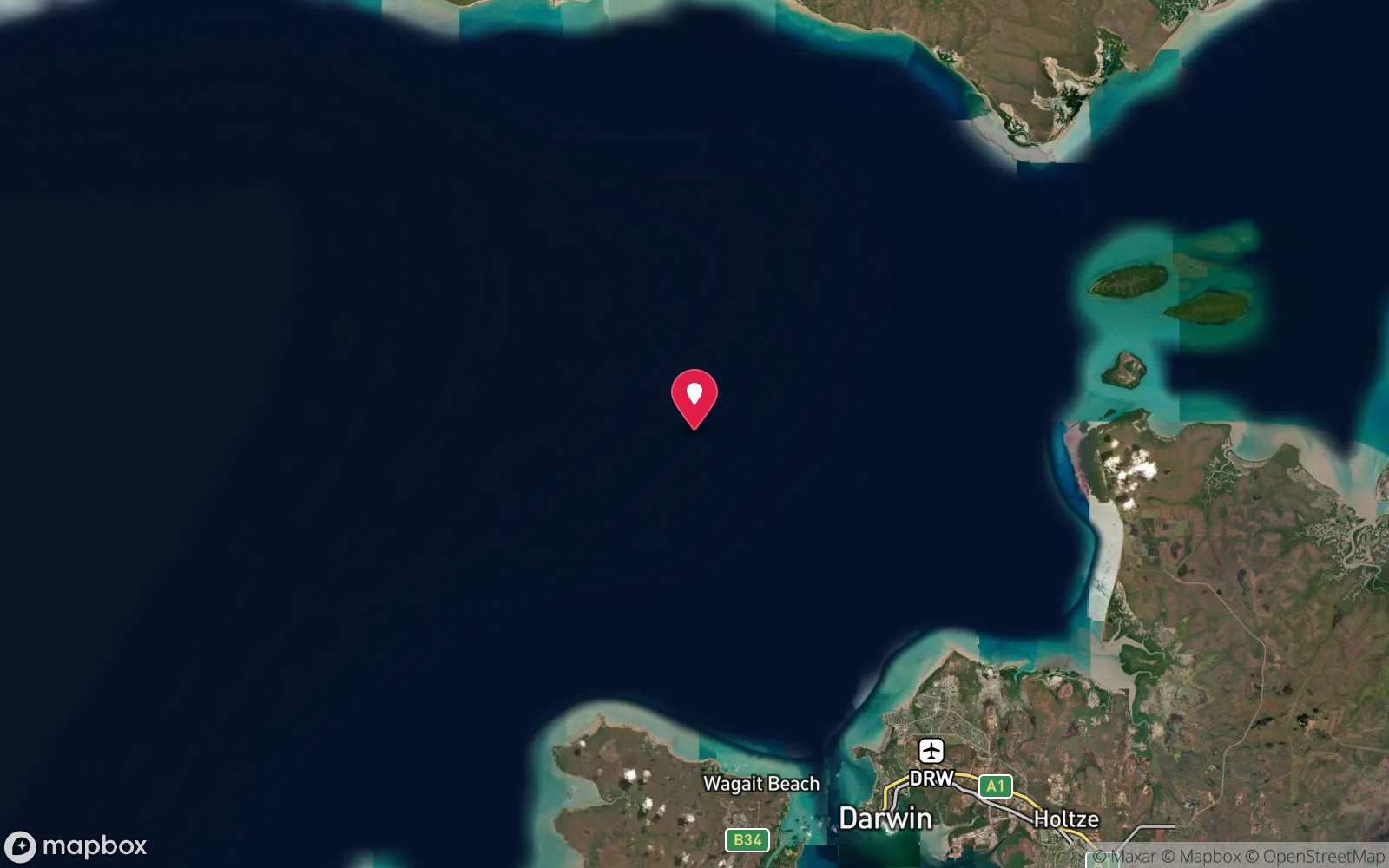
23. Darwin Offshore & Artificial Reefs · NT
Amelia C
11 species recorded · A 25 m prawn trawler cleaned by Darwin Sub Aqua Club volunteers and scuttled in 2013 – upright, open and busy with snapper and jewfish.
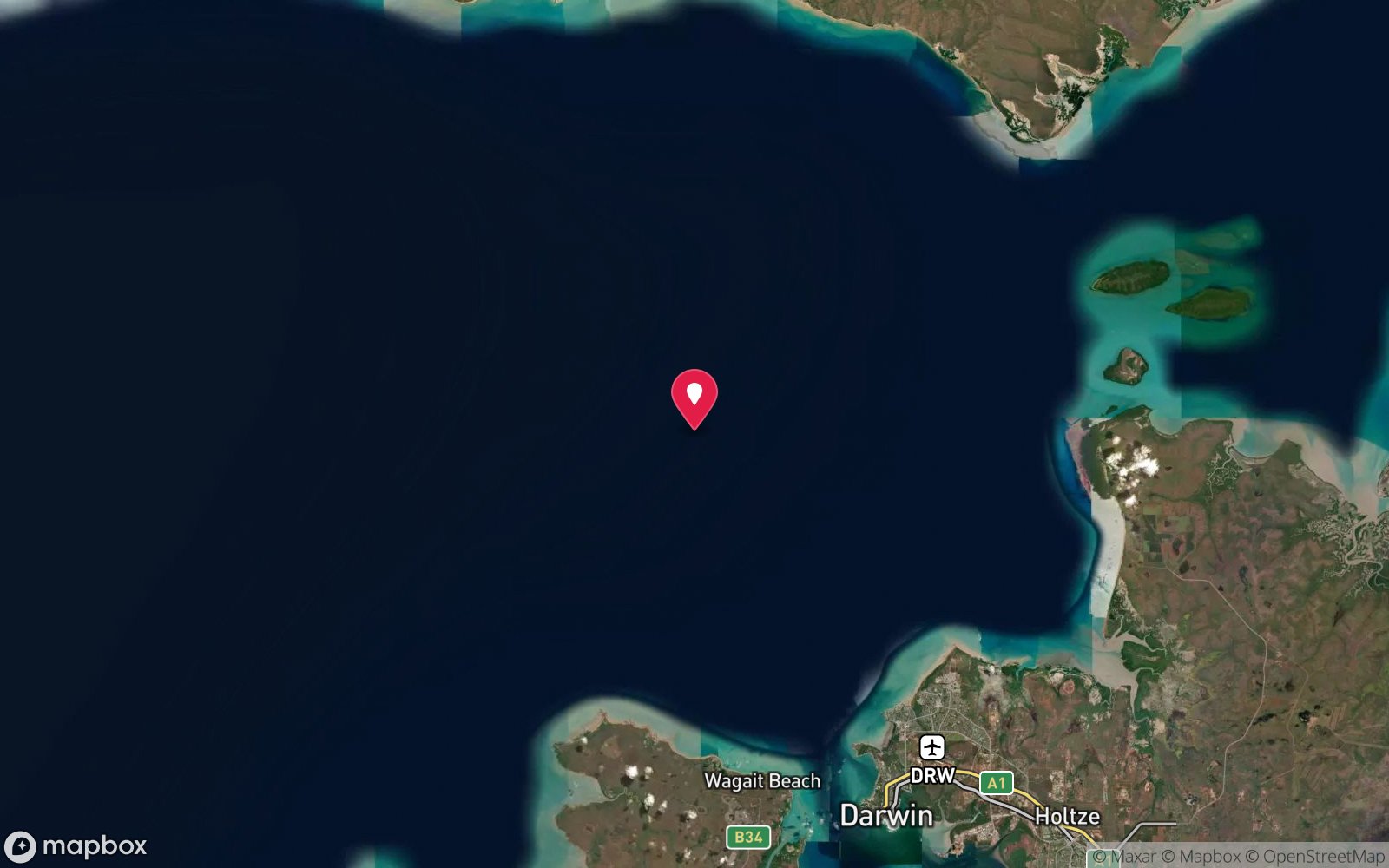
24. Darwin Offshore & Artificial Reefs · NT
Antares and Steel Barge
11 species recorded · Upright 22 m coastal trader scuttled in 2011 with a steel barge alongside – part of the Antares, Amelia C and Merindah Pearl wreck cluster.
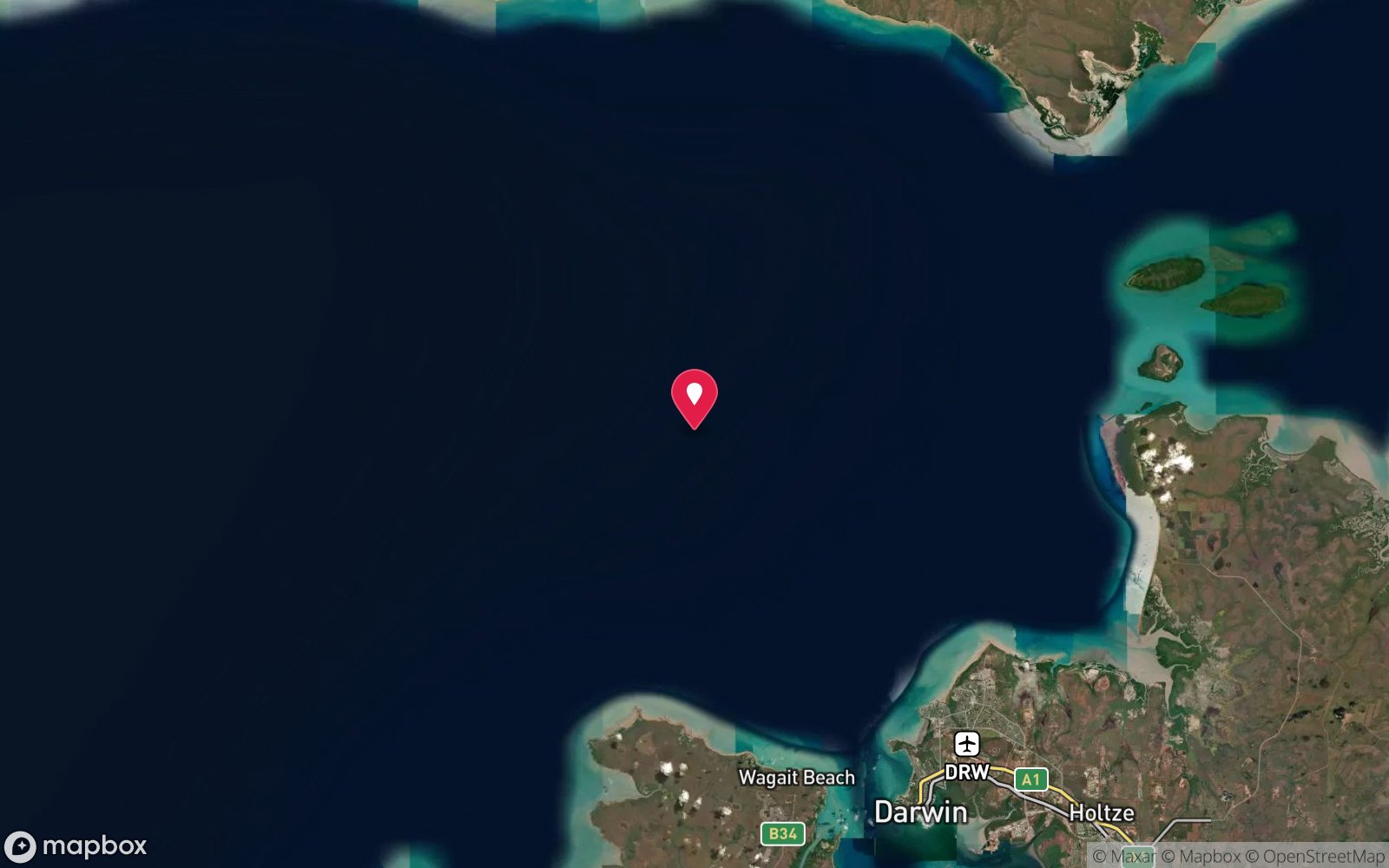
25. Darwin Offshore & Artificial Reefs · NT
Cockatoo and Mudlark Artificial Reef
11 species recorded · A pair of 20 m hulls lying side by side on the western edge of Fenton Patches, forming a fish-filled gutter between them.
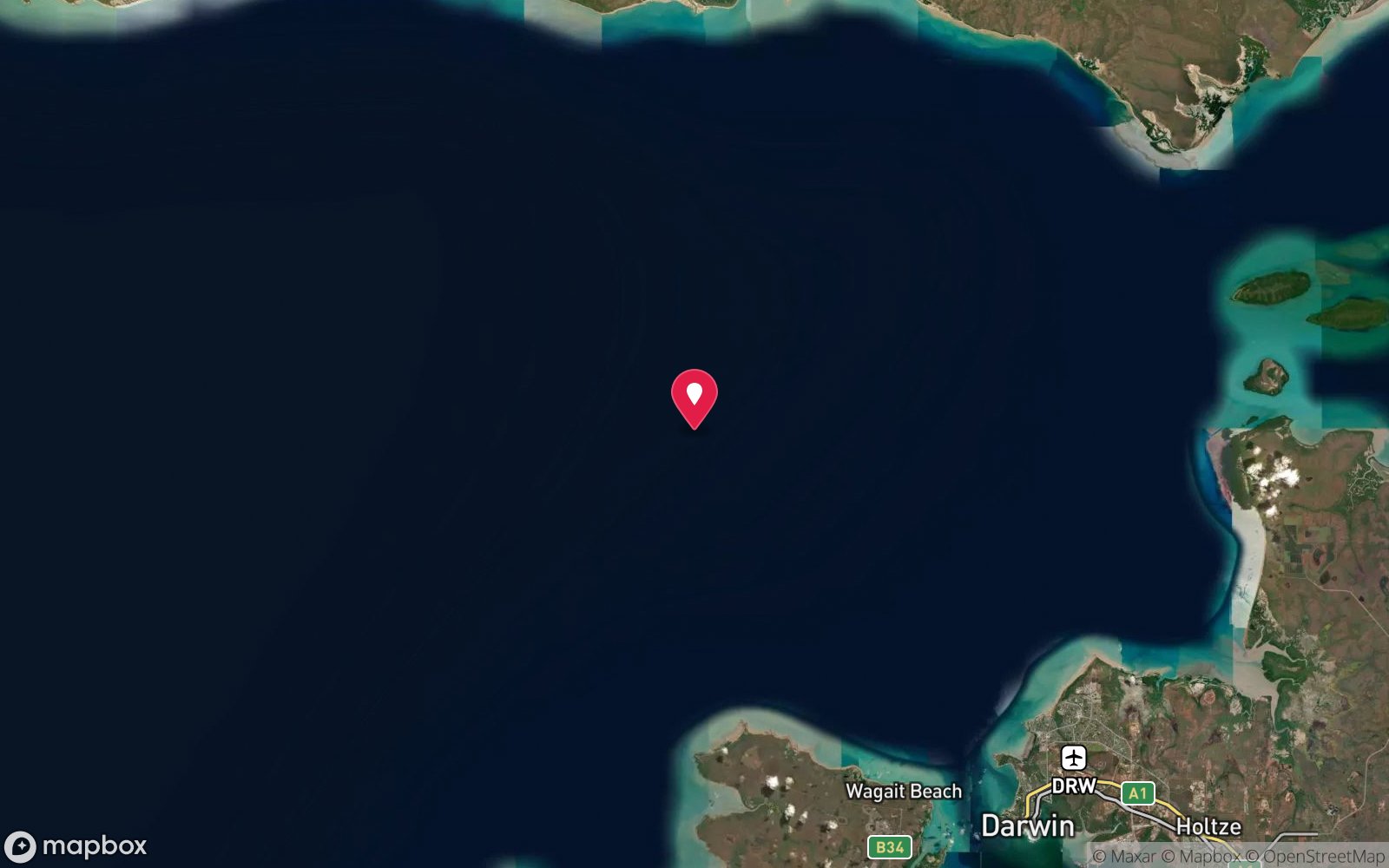
26. Darwin Offshore & Artificial Reefs · NT
Gutters Central Engineered Reef
11 species recorded · The westernmost 2019 engineered reef complex, in a strong-current channel area west of Fenton Patches.
27. Darwin Harbour · NT
DK 06 Ham Luong
10 species recorded · A small, upright refugee boat packed with fish, in reach of two other wrecks on the same dive.
28. Darwin Harbour · NT
John Holland Barge
10 species recorded · An upturned construction barge whose cylinders and beams form a maze of overhangs full of fish.
29. Darwin Harbour · NT
Song Saigon
10 species recorded · An upright 40 m steel refugee boat with open holds, good coral and strong fish life, beside two other wrecks.
30. Darwin Harbour · NT
SS Zealandia
10 species recorded · The former Huddart Parker liner and troopship, now the most coral-covered of the 1942 raid wrecks.
The guide
Counting species
The ranking counts the species and groups recorded in each site's marine-life entry, which favours sites that have been surveyed and written about carefully. That is a reasonable proxy for biodiversity, and it produces a list that experienced divers will recognise: the great macro piers of Victoria and South Australia, the subtropical convergence sites of southern Queensland where tropical and temperate species overlap, and the pinnacles of the Ribbon Reefs.
It undercounts the Great Barrier Reef, where every outer-reef site has hundreds of species and the site records simply say 'reef fish, corals'. It also reflects the temperate south's real strength: southern Australia has the highest proportion of endemic marine species of any temperate coast on earth, and the sponge gardens of Port Phillip and the gulfs are where they live.
Where the overlap is
The subtropical coast from the Gold Coast to the Sunshine Coast and around to Bundaberg is the biodiversity sweet spot for a visiting diver. The East Australian Current brings tropical species south; the temperate species reach north; and structures like the Brisbane, the Seaway walls and Wonder Reef give them all somewhere to live. Winter brings grey nurse sharks and clear water, summer brings mantas and leopard sharks, and the macro life is there all year.
Editorial last reviewed September 2026. The list itself is regenerated from the directory daily.
Frequently asked questions
Which Australian dive site has the most marine life?
By recorded species, the temperate sponge-garden and pier sites (Fly Point, Blairgowrie, Edithburgh) and the subtropical islands (Julian Rocks, the Solitaries) lead, alongside the Great Barrier Reef's best bommies.
More rankings
- The 25 Deepest Dive Sites in Australia
- Australia's Most Remote Dive Sites
- The Longest Boat Rides to a Day Dive
- The Warmest Dive Sites in Australia
- The Coldest Dive Sites in Australia
- Australia's Clearest-Water Dive Sites
- The Oldest Shipwrecks You Can Dive in Australia
- WWII and Wartime Wrecks You Can Dive in Australia
- All rankings →