Dive slate · divesites.com.au · printed 7 Nov 2026
Vernon Islands Blue Holes
Darwin Offshore & Artificial Reefs, Northern Territory · near Darwin (Leaders Creek / Gunn Point)
| Depth | Depth not published |
|---|---|
| Minimum level | Snorkel/Any |
| Difficulty | Intermediate |
| Access | Boat (day trip) |
| Entry | Anchor off the reef at high water and swim or wade in; snorkel entry from the reef edge |
| Current | Variable/Tidal |
| Visibility | 5-15 m |
| Water | summer 30-32 °C, winter 24-26 °C |
| Suit | 3 mm shorty or full lycra/stinger suit; full-length stinger suit essential October-May |
| Best season | May-October dry season on neap tides (smallest tidal range, best visibility, south-east trade winds are strongest mid-morning) |
| Bottom time | 45 min |
| Position | not published |
| Permit | Vernon Islands Conservation Reserve (declared 1979); islands are Tiwi Aboriginal land (Mantiyupwi clan, title granted 2018). Fishing in the intertidal waters does not need a permit, but a Tiwi Land Council permit is required to go ashore; respect any cultural closures. |
| Nearest chamber | Royal Darwin Hospital hyperbaric medicine unit (Tiwi, Darwin) |
| Emergency | 000 · DAN Asia-Pacific diving emergency 1800 088 200 |
Vernon Islands Blue Holes
Also known as Blue Holes (Gunn Point), North West Vernon blue hole
Tidal blue holes that become sheltered, fish-filled coral pools at low tide – with a 'horizontal waterfall' as the water drains out.
Near Darwin (Leaders Creek / Gunn Point) · Darwin Offshore & Artificial Reefs, Northern Territory
- Depth
- Depth not published
- Minimum level
- Snorkel/Any
- Access
- Boat (day trip)
- Boat ride
- —
- Water
- 30-32 °C
- Visibility
- 5-15 m
Vernon Islands Blue HolesDepth not published · Snorkel/Any
Dive factsDepths, conditions, location & safety
Season
Off-peak nowBest months: May, June, July, August, September, October.
May-October dry season on neap tides (smallest tidal range, best visibility, south-east trade winds are strongest mid-morning)
- Best months
- Now (November)
- Stinger suit Nov–May
Dive facts
- Depth
- Depth not published
- Typical depth
- 3 m
- Certification
- Snorkel/Any
- Difficulty
- Intermediate
- Access
- Boat (day trip)
- Dive centre needed
- Yes – boat access only
- Shore / independent
- No
- Current
- Variable/Tidal
- Visibility
- 5-15 m
- Water temp (summer)
- 30-32 °C
- Water temp (winter)
- 24-26 °C
- Water
- Tropical
- Bottom time
- 45 min
- Dive traffic
- Rarely dived (private boat/club only)
- Night dive
- No
- Snorkel friendly
- Yes
Exposure suit
3 mm shorty or full lycra/stinger suit; full-length stinger suit essential October-May
Location
Vernon Islands (Potinga Islands) · Vernon Islands / Gunn Point
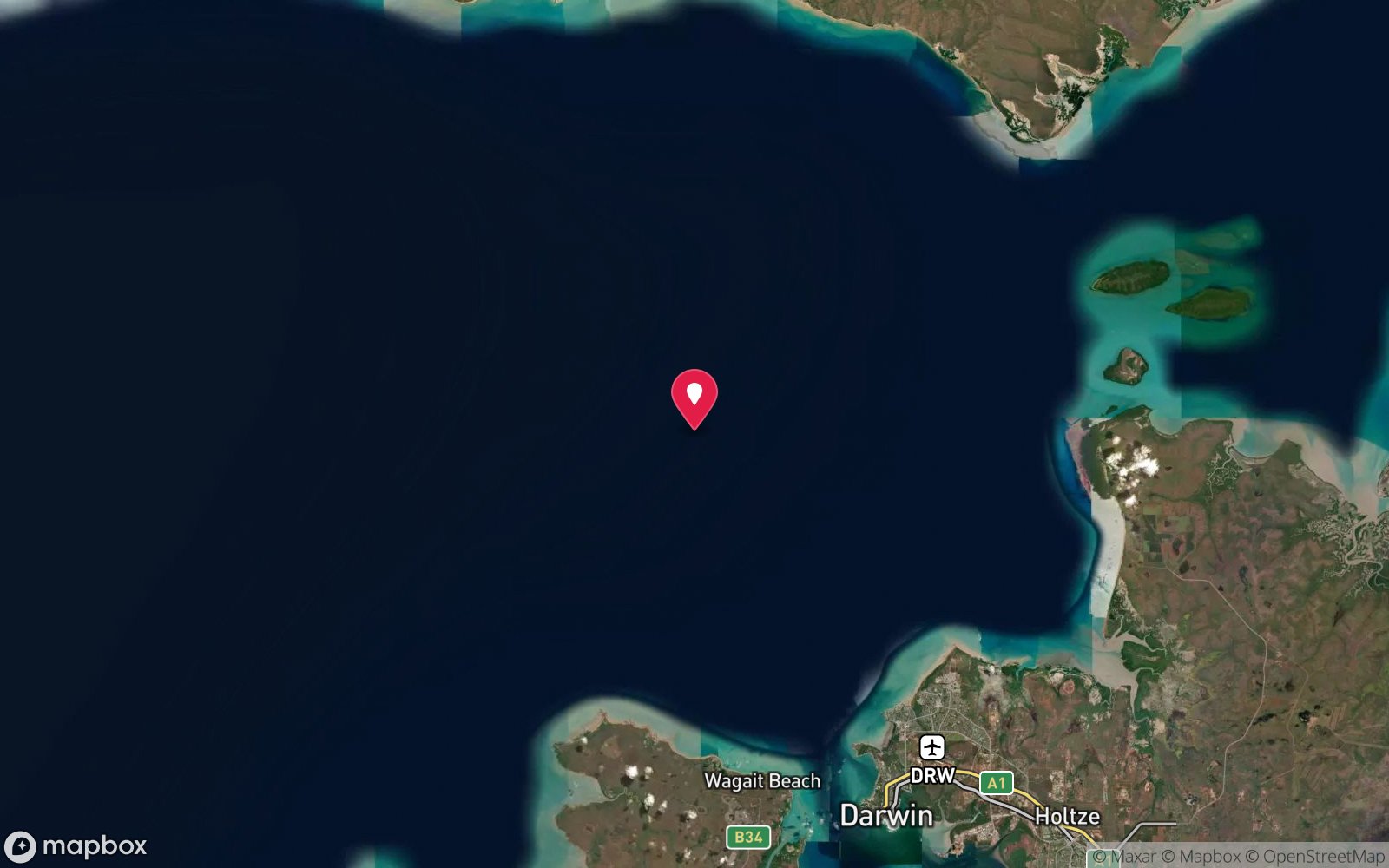
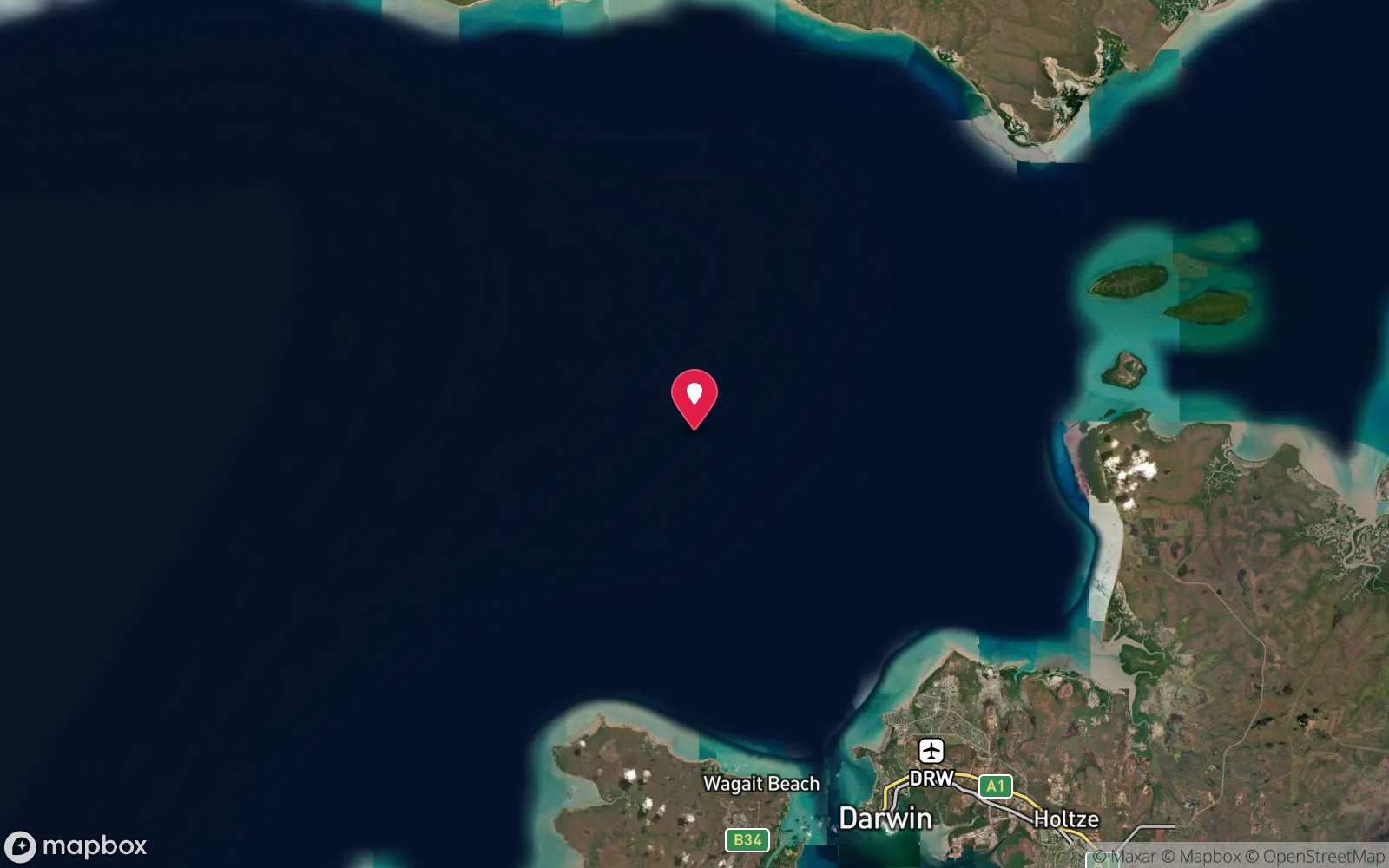
No published coordinates. The map above shows the general area, estimated from other documented sites near Darwin.
Primary source: seadarwin.comMarine park & permits
Vernon Islands Conservation Reserve (declared 1979); islands are Tiwi Aboriginal land (Mantiyupwi clan, title granted 2018). Fishing in the intertidal waters does not need a permit, but a Tiwi Land Council permit is required to go ashore; respect any cultural closures.
Nearest recompression chamber
Royal Darwin Hospital hyperbaric medicine unit (Tiwi, Darwin)
Diving emergency: call 000, then DAN AP 1800 088 200.
Trip planner
Build a trip around Vernon Islands Blue Holes →
A day-by-day plan for Darwin Offshore & Artificial Reefs with this site locked in.
This guide is a planning aid. Conditions change daily — confirm with a local dive centre and dive within your training. Data & safety notes.
Dive profile
How this site rates
Scores are computed from the recorded data, not opinions. How?
At a glance
Vernon Islands Blue Holes is a reef boat dive in Darwin Offshore & Artificial Reefs, NT, suitable for snorkellers and first-time divers, variable/tidal current.
Rated intermediate because of tidal current that must be timed.
Why dive here
- Tidal blue holes that become sheltered, fish-filled coral pools at low tide – with a 'horizontal waterfall' as the water drains out.
- Snorkel-friendly, so non-diving companions can join at the surface.
- Rarely dived: expect to have the site to yourself, and plan your own logistics.
Conditions to avoid
- Cyclone season (roughly December–April)
- Stinger season without a full suit (November–May)
About Vernon Islands Blue Holes
The Blue Holes of the Vernon Islands are one of the Top End's natural curiosities. Scattered across the reef flats – large ones and small ones, with the biggest on North West Vernon Island – they are holes in the limestone-rich reef platform, thought to have formed by rain erosion and chemical weathering of the reef during past ice ages when sea levels were lower. At low tide the surrounding reef and sand banks are exposed and each hole becomes a landlocked pool; at high tide the flats flood again.
Because they are cut off from the current at low water, the holes offer reasonably sheltered snorkelling – a rare thing in Darwin waters. The largest hole has tall vase and staghorn corals on its walls and schools of brightly coloured fish. Visitors have described yellowtail fusiliers, golden trevally, angelfish, cardinalfish, parrotfish and batfish, a hawksbill turtle, juvenile blacktip reef sharks and tawny nurse sharks inside the pools, and a striking 'horizontal waterfall' where water drains out of the hole over a limestone lip as the tide falls. The water is warm and, when conditions are right, clear.
Around the holes, the exposed reef flat is worth a careful walk for its invertebrates: sea turtles, blue-ringed octopus, mantis shrimps, ass's-ear abalone and many snails and crabs have been recorded.
This is a snorkelling and reef-walking site rather than a scuba dive, and it depends entirely on tide timing. It suits families and naturalists with access to a boat and a local skipper who knows the reef, as well as divers looking for a relaxed low-tide swim between drift dives on the Vernon reef edges.
Getting there & entry
Blue holes punched into the reef flats of the Vernon Islands (the largest on North West Vernon Island), which become landlocked pools at low tide.
The Vernon Islands lie in Clarence Strait between Gunn Point and Melville Island. The closest launch is the concrete ramp at Leaders Creek, which the Marine Life Network notes is quite close to the islands (drive via the Arnhem Highway and Point Stuart/Leaders Creek roads, roughly 2.5 hours from Darwin). Boats from Darwin's Buffalo Creek ramp at Lee Point or from Cullen Bay run east across Shoal Bay and past Gunn Point – a longer open-water trip.
The islands are ringed by reef flats that dry at low tide; approach on a rising tide with a careful lookout.
Entry: Anchor off the reef at high water and swim or wade in; snorkel entry from the reef edge
Facilities: Leaders Creek boat ramp (concrete). No facilities on the islands; air fills in Darwin only.
Weather, swell & tides
The blue holes are a tide-dependent snorkel site. At high water the reef flat floods and boats can approach; as the tide falls the holes become landlocked pools protected from the current, which is when the Marine Life Network says snorkelling is reasonably sheltered. Plan the visit around a mid-to-low tide with enough water to get the boat off afterwards – visitors on a Sea Darwin trip had to leave within an hour when the tide turned.
Dry season calm mornings only; wet-season monsoon, cyclone risk and box jellyfish.
Best season: May-October dry season on neap tides (smallest tidal range, best visibility, south-east trade winds are strongest mid-morning)
How the dive is usually run
Anchor off the reef edge on a falling tide, walk or swim across the flat to the largest hole on North West Vernon, and snorkel slowly around its rim and walls. Keep an eye on the tide and return to the boat before the flat floods and the current runs.
Marine life
- Yellowtail fusiliers
- golden trevally
- angelfish
- cardinalfish
- parrotfish
- batfish
- hawksbill turtle →
- juvenile blacktip reef sharks →
- tawny nurse sharks
- vase and staghorn corals
- leather corals
- blue-ringed octopus →
- mantis shrimps
Linked species have their own page listing every site where they are recorded. All marine life →
Training required
Courses that help here
- Cavern Diver – An overhead environment.
Depth tiers: 0–10 m easy · to 18 m Open Water · 18–30 m Advanced (25 m+ is a deep dive) · 30–40 m Deep specialty · 40 m+ technical. All courses
Hazards & warnings
Tide timing is critical – the flat floods quickly and currents run on the turn; do not get stranded or caught crossing the flat. Blue-ringed octopus and cone shells on reef flats – do not handle anything; wear reef shoes. Saltwater crocodiles possible.
Box jellyfish October–May (stinger suit). Sunburn and heat on exposed flats. Tiwi land – no landing on the islands without a permit.
Dive centres that go here
Sea Darwin has run occasional Vernon Islands reef walk and snorkel trips (with the NT Field Naturalists and Australian Marine Science Association); otherwise private boats only.
Operators recorded for Vernon Islands Blue Holes
Dive Darwin
ProfiledDarwin · Darwin Harbour · NT
The main verified dive operation in the Northern Territory, offering recreational training through professional level alongside technical diving and a large specialty range.
divedarwin.com.au · +61 401 751 651
Darwin Sub Aqua Club
Named by sitesDarwin · Darwin Harbour · NT
Club, not a shop: official site updated August 2026 with the 2026 AGM notice; meets Thursdays at Darwin Ski Club, Fannie Bay.
dsac.com.au
Sea Darwin
Named by sitesDarwin · Darwin Offshore & Artificial Reefs · NT
Eco tour and cruise operator; contact details not on fetched pages.
seadarwin.com
Other dive centres in Darwin Offshore & Artificial Reefs
General area
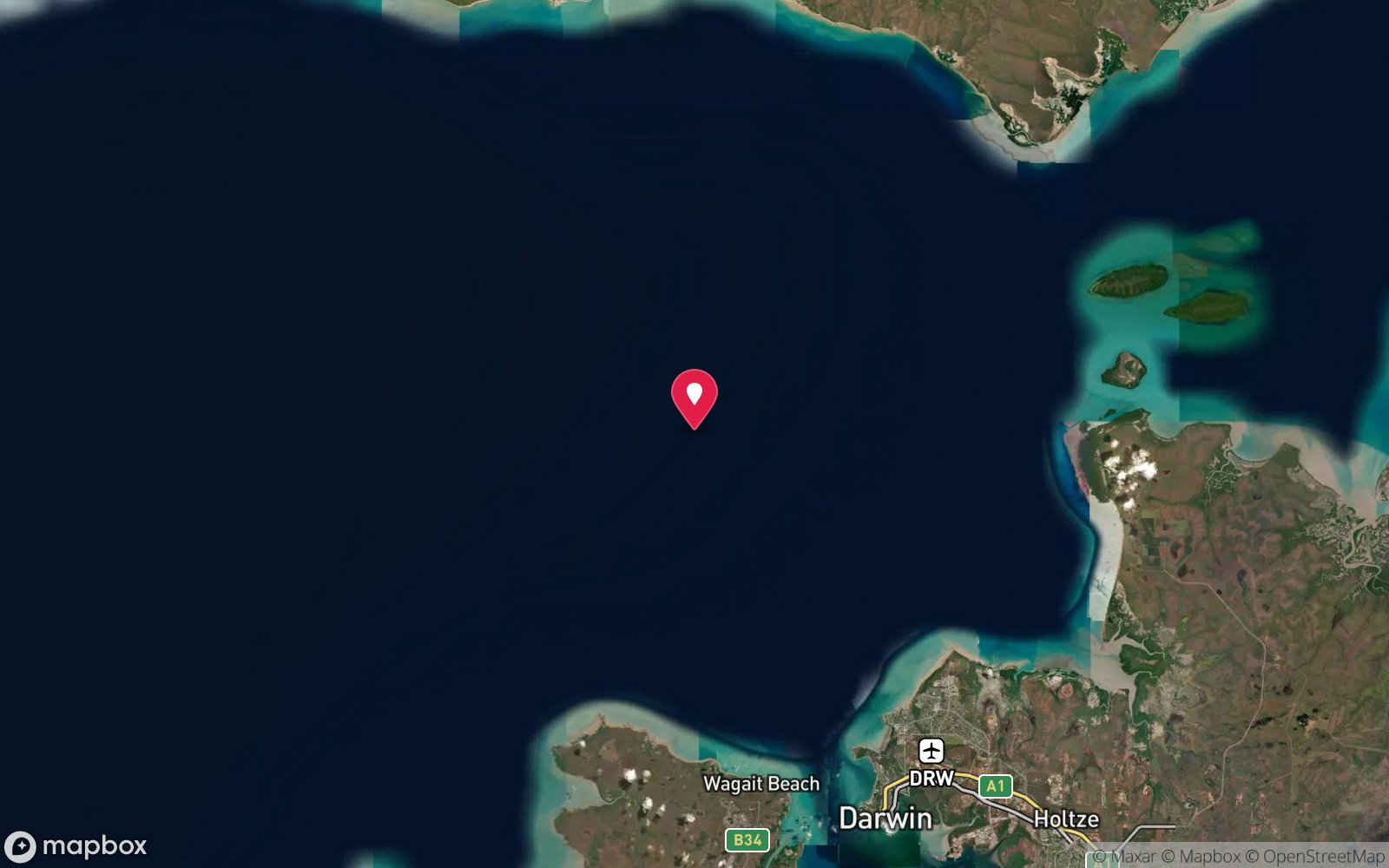
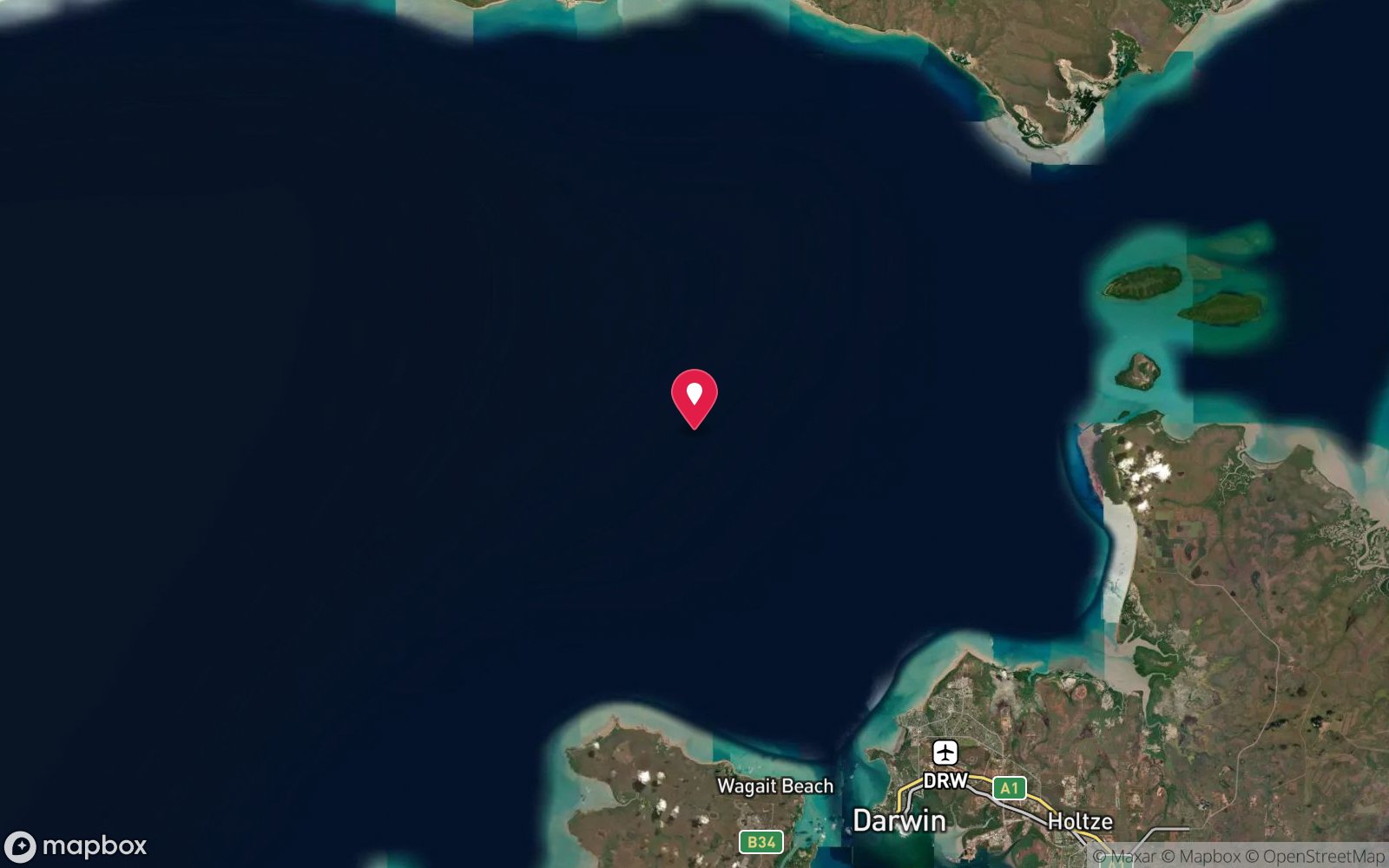
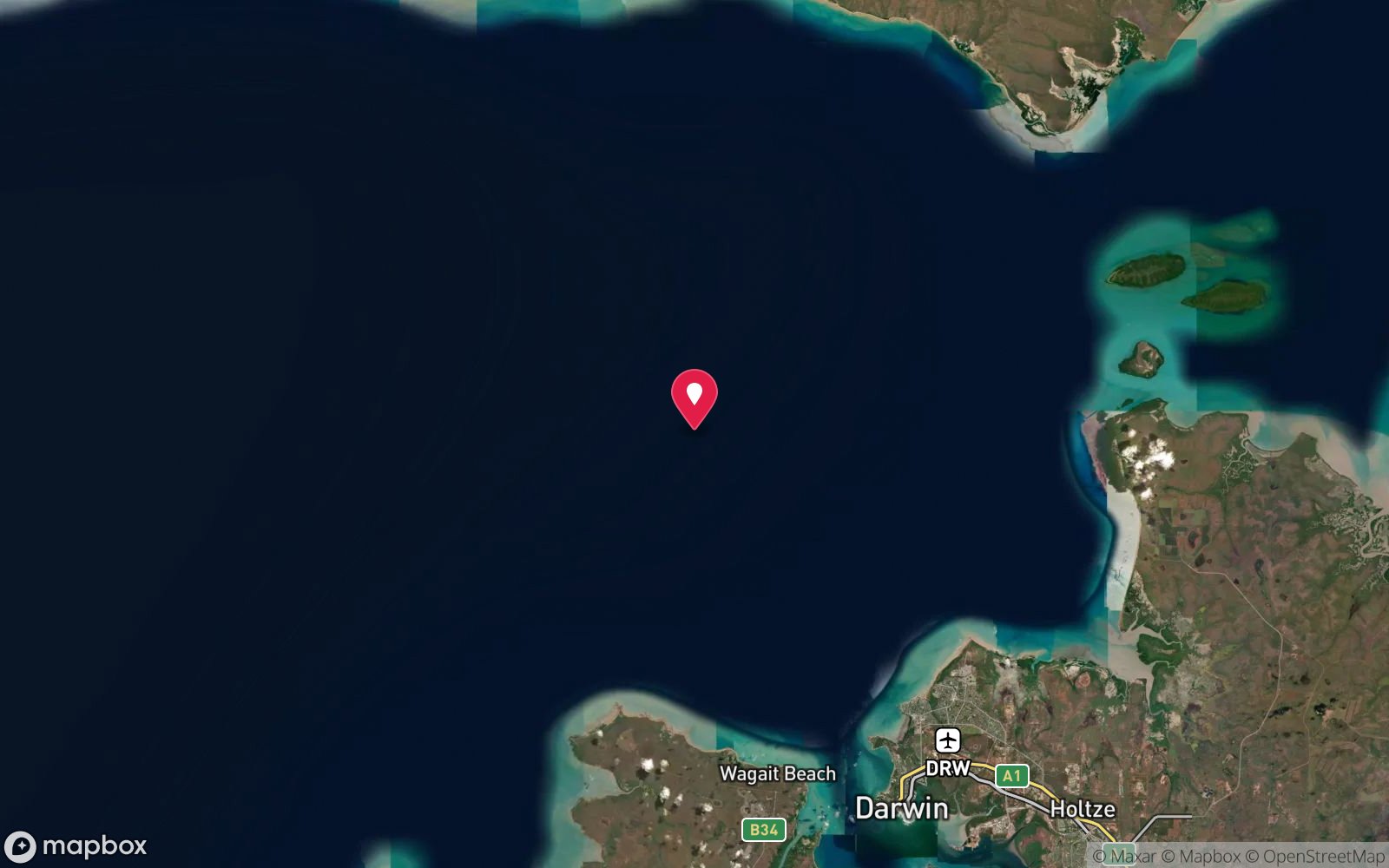
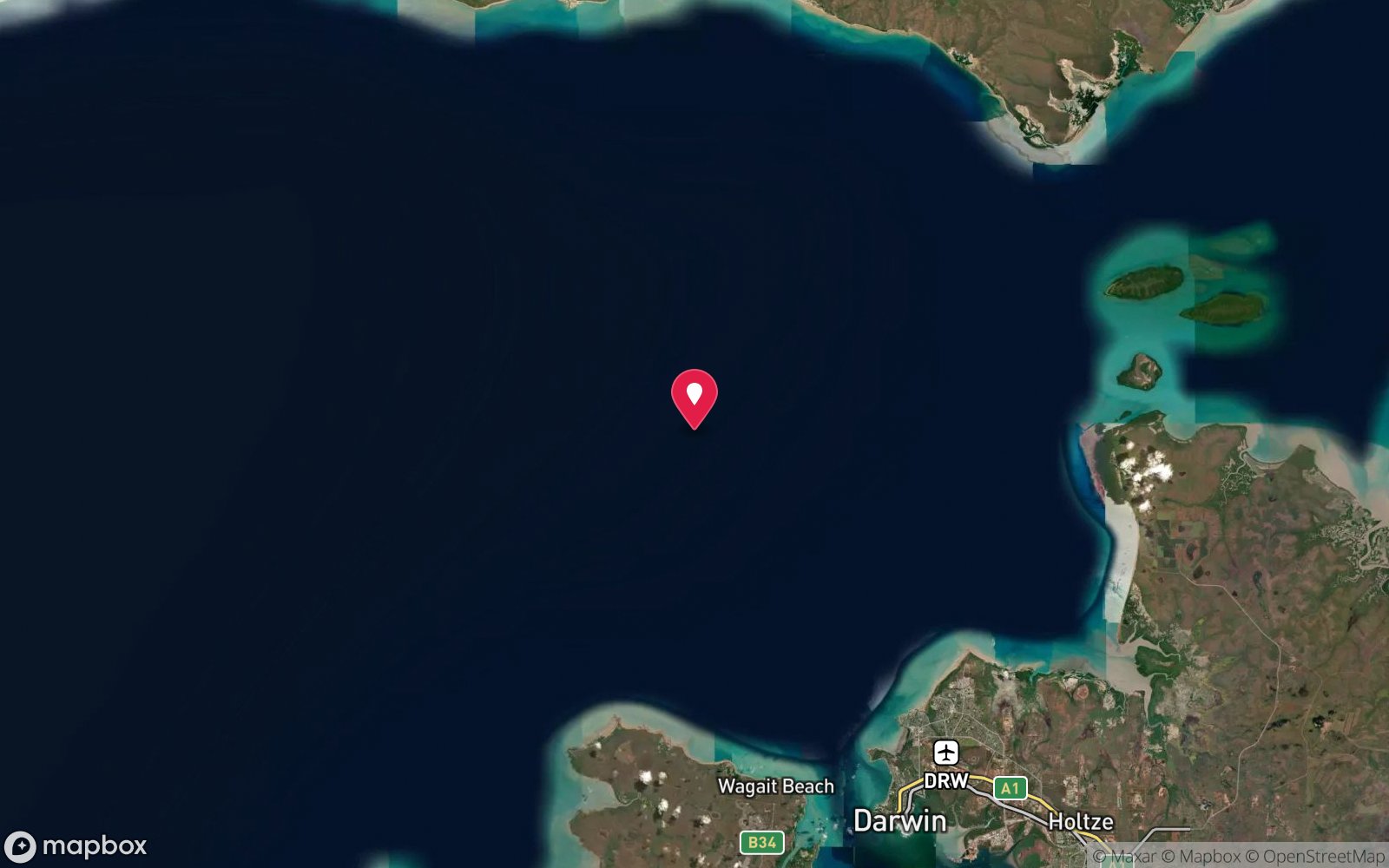
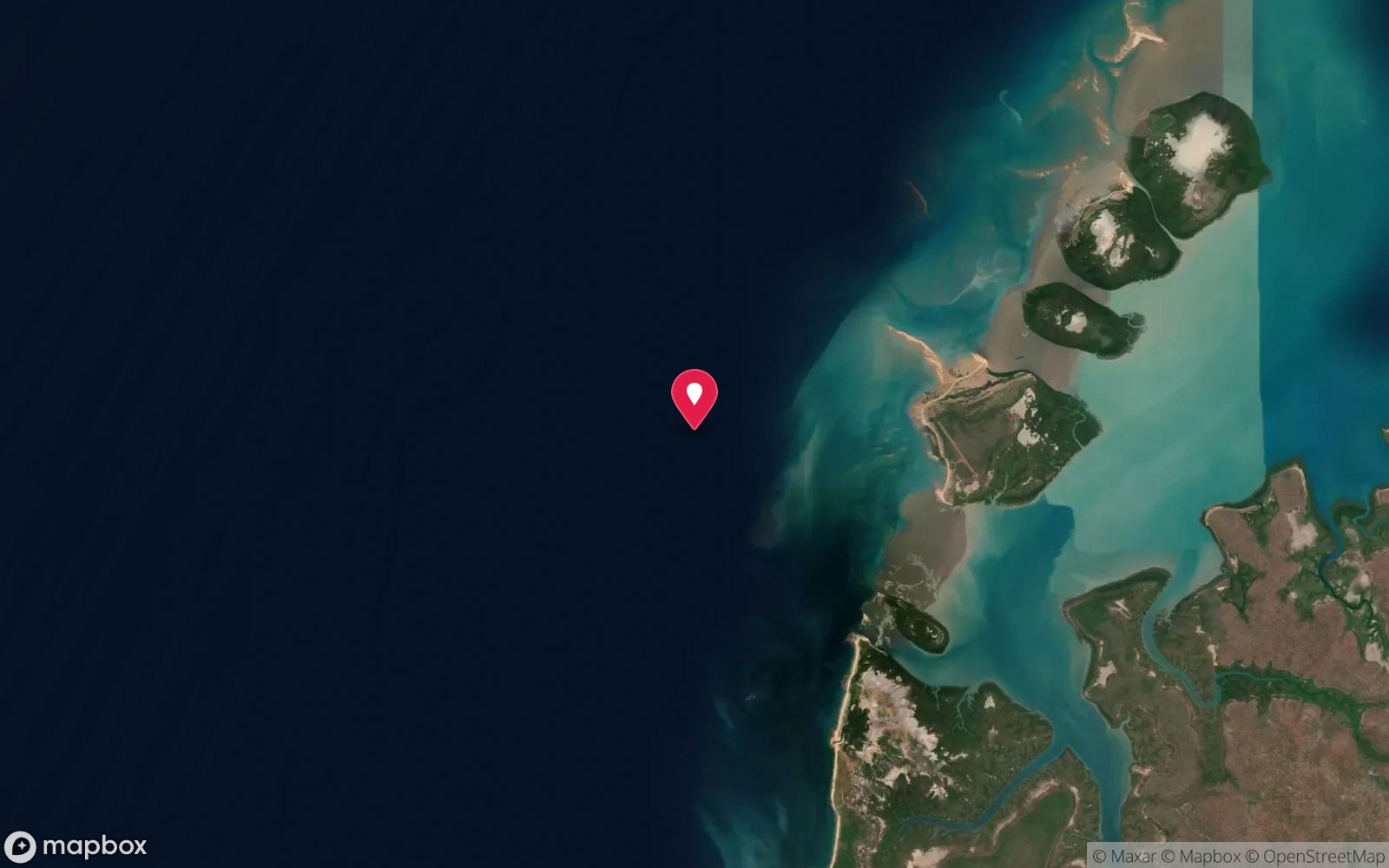
No position has been published for Vernon Islands Blue Holes. The circle shows where it is likely to be, worked out from other documented sites near Darwin. Ask a local operator for the exact site.
Dashed circle: general area (about 24 km), from other documented sites near Darwin. 6 pinned sites. Pins marked approximate on their pages show the general area only; not for navigation.
Vernon Islands Blue Holes: frequently asked questions
What certification do I need to dive Vernon Islands Blue Holes?
No certification is needed to snorkel it, and it suits introductory dives. Rated intermediate because of tidal current that must be timed.
Can I shore dive Vernon Islands Blue Holes?
No, it is reached by boat. A dive centre is required: boat access only.
When is the best time to dive Vernon Islands Blue Holes?
May-October dry season on neap tides (smallest tidal range, best visibility, south-east trade winds are strongest mid-morning).
What marine life will I see at Vernon Islands Blue Holes?
Regularly recorded: Yellowtail fusiliers, golden trevally, angelfish, cardinalfish, parrotfish, batfish, hawksbill turtle, juvenile blacktip reef sharks, tawny nurse sharks, vase and staghorn corals, leather corals, blue-ringed octopus and more.
What wetsuit do I need at Vernon Islands Blue Holes?
3 mm shorty or full lycra/stinger suit; full-length stinger suit essential October-May.
How cold is the water at Vernon Islands Blue Holes?
Typically 30-32 °C in summer and 24-26 °C in winter.
What are the main hazards at Vernon Islands Blue Holes?
Tide timing is critical – the flat floods quickly and currents run on the turn; do not get stranded or caught crossing the flat. See the hazards section above for the full list.
Where is the nearest recompression chamber to Vernon Islands Blue Holes?
Royal Darwin Hospital hyperbaric medicine unit (Tiwi, Darwin). In an emergency call 000, then DAN Asia-Pacific on 1800 088 200.
Diving in Darwin Offshore & Artificial Reefs
Outside the harbour the water clears a little and a collection of post-war wrecks, artificial reefs and natural patches (the Fenton Patches, Charles Point reef and the scuttled Song Saigon and Anchorage wrecks) give Darwin divers deeper and cleaner alternatives to the harbour war graves.
Getting there: Charters from Darwin on neap tides.
All Darwin Offshore & Artificial Reefs dive sites and a suggested itinerary →
Sources
- seadarwin.com/blog/vernon-islands-reef-walk-and-snorkel
- topendcoasts.org.au/a_hole_full_of_fish
- marinelife.org.au/?page_id=58
Data confidence: Medium · Being verified: Coordinates and depths of the holes not published.. Last updated September 2026. Know this site better? How to send a correction
Nearby dive sites
More reef dives in Northern Territory
Explore more
This region
Similar dives
Marine life