State guide · NT
Scuba diving in Northern Territory
WWII wrecks in Darwin Harbour, dived on neap tides in the dry season.
- Dive sites
- 82
- Regions
- 5
- Wrecks
- 49
- Shore dives
- 0
- Beginner sites
- 13
The Northern Territory is the least-dived jurisdiction in Australia, and almost all of it happens in and around Darwin Harbour. On 19 February 1942 Japanese aircraft sank eight ships in the harbour, and several of them, the USAT Meigs, the SS Mauna Loa, the British Motorist, the Zealandia and the Kelat, remain as protected war graves and the best wreck dives in the Top End. Alongside them are the Song Saigon, a scuttled Vietnamese refugee boat, WWII aircraft and a scatter of post-war wrecks and artificial reefs outside the harbour.
Diving here is governed entirely by the tide. Darwin has a tidal range of up to 8 m, so the wrecks are only diveable on neap tides (a few days each fortnight) at slack water, and even then visibility is typically 3–8 m. The dry season, May to October, brings the calmest weather; the wet season adds box jellyfish, Irukandji and river run-off. Estuarine crocodiles are present in the harbour and every coastal waterway.
Beyond Darwin, the Tiwi Islands, Groote Eylandt and the Gove Peninsula have coral reefs and wrecks that are dived by locals and the occasional expedition. There is no shore diving in the Territory in any practical sense.
How Darwin dives are run
One or two operators run harbour wreck charters, timed to the neaps and marketed weeks ahead. Expect a shot line, a strict slack-water window and a dive on a large, silty, heavily encrusted wreck in low light; torches and good buoyancy are essential. The Meigs, at 18 m to the sand and 130 m long, is the flagship. Outside the harbour, the Fenton Patches and Charles Point artificial reef give better visibility in the right conditions.
When to dive Northern Territory
May – October
Dry season: flat water, no stingers, cooler (24–26 °C). Dive on neap tides only.
November – April
Wet season: stingers, run-off, storms. Few charters operate.
The dives to do
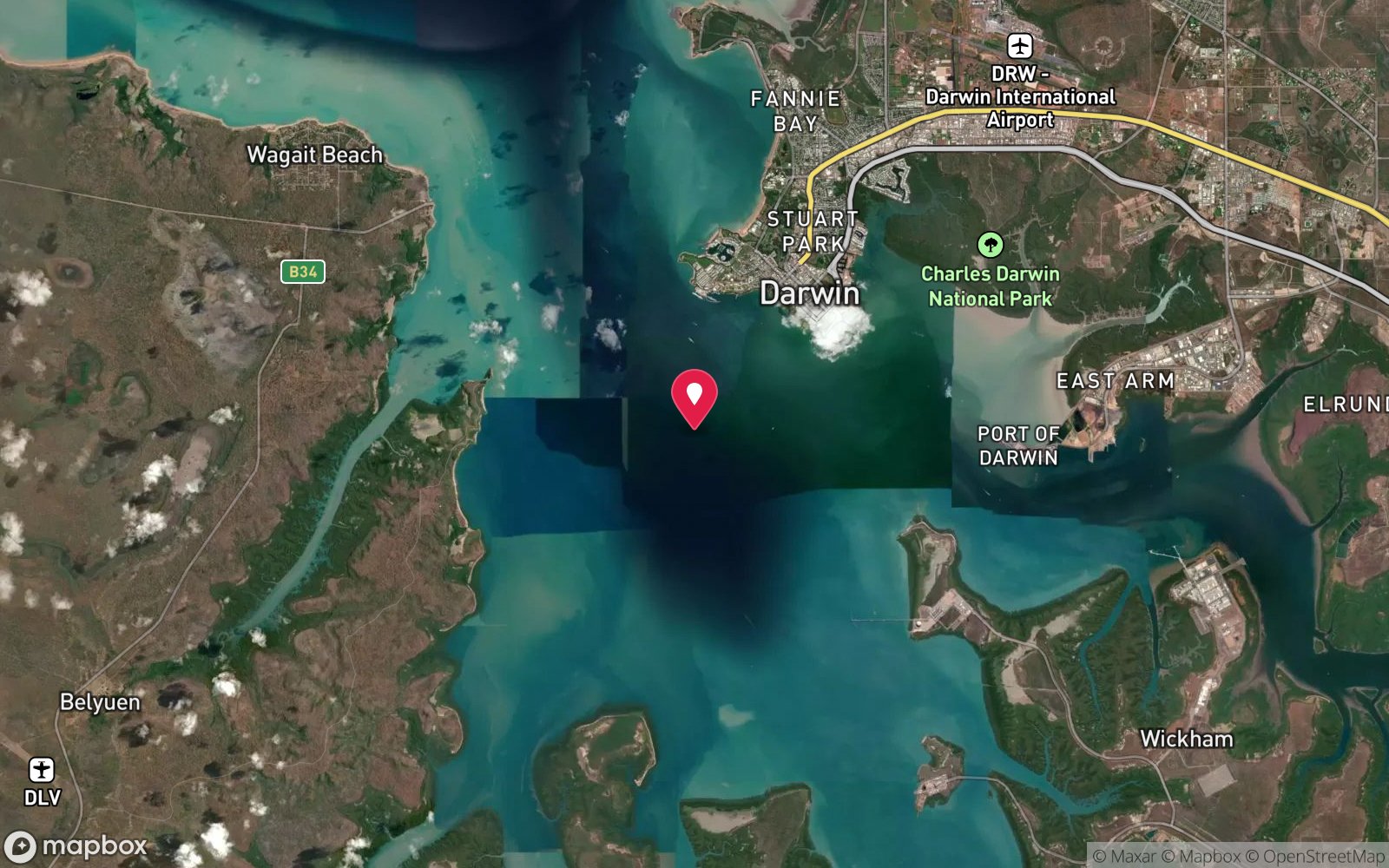
1. Darwin Harbour · NT
USAT Meigs
A 130 m US Army transport sunk in the 1942 air raid, the largest and most-dived wreck in Darwin Harbour.
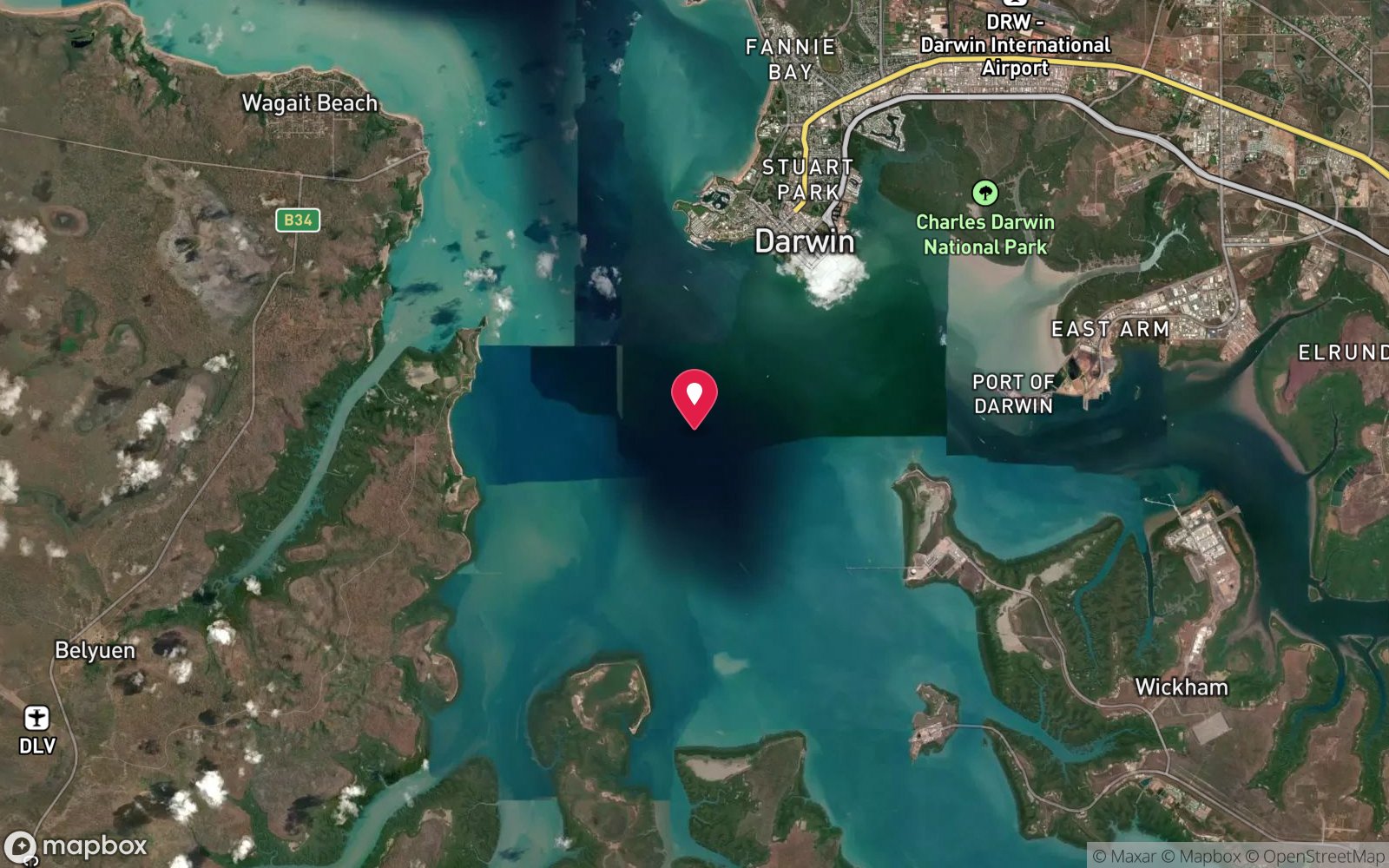
2. Darwin Harbour · NT
SS Mauna Loa
An American freighter sunk in the same raid, upright in 20 m with cargo still in the holds.
Dive regions of Northern Territory
5 regions, 82 sites. Each region page has a written introduction, a suggested itinerary and every site with depth, level and access.
Darwin Harbour is Australia's most historic wreck-diving location. The Japanese air raid of 19 February 1942 sank the USAT Meigs, SS Mauna…
Outside the harbour the water clears a little and a collection of post-war wrecks, artificial reefs and natural patches (the Fenton…
The Gove Peninsula at the top of Arnhem Land has fringing coral reefs, WWII aircraft wrecks and clear Gulf of Carpentaria water dived by…
Groote Eylandt's reefs are dived almost entirely by residents of the mining town of Alyangula. The water is warm and clear, with coral…
The Tiwi Islands north of Darwin have a handful of wrecks and reefs, dived occasionally by Darwin charters in the dry season. Permits are…
Popular, well-documented dives in Northern Territory
Northern Territory diving FAQ
Can you dive in Darwin?
Yes, but only on neap tides in the dry season (May–October) with a charter. The 1942 air-raid wrecks are the main attraction; visibility is low and crocodiles are present.